
- 62% of Gen Z respondents in a 2026 survey deleted at least one shopping app while leaving wish lists fully intact.
- Behavioral researchers now classify 'wish-list persistence' as a distinct psychological pattern separate from purchase intent.
- Platforms like DopamineKart report record-high browsing sessions with checkout completion holding steady near zero.
- Therapists are quietly recommending curated browsing as a low-stakes alternative to compulsive spending.
Somewhere between the third empty cart and the fourth 2 a.m. scroll session, Mira Ostrander, 24, deleted every shopping app on her phone except one. 'I kept DopamineKart,' she said, 'because it doesn't let you buy anything anyway. It felt honest.' She is not alone — across app stores worldwide, a quiet purge is underway, and it is reshaping what 'shopping' even means.
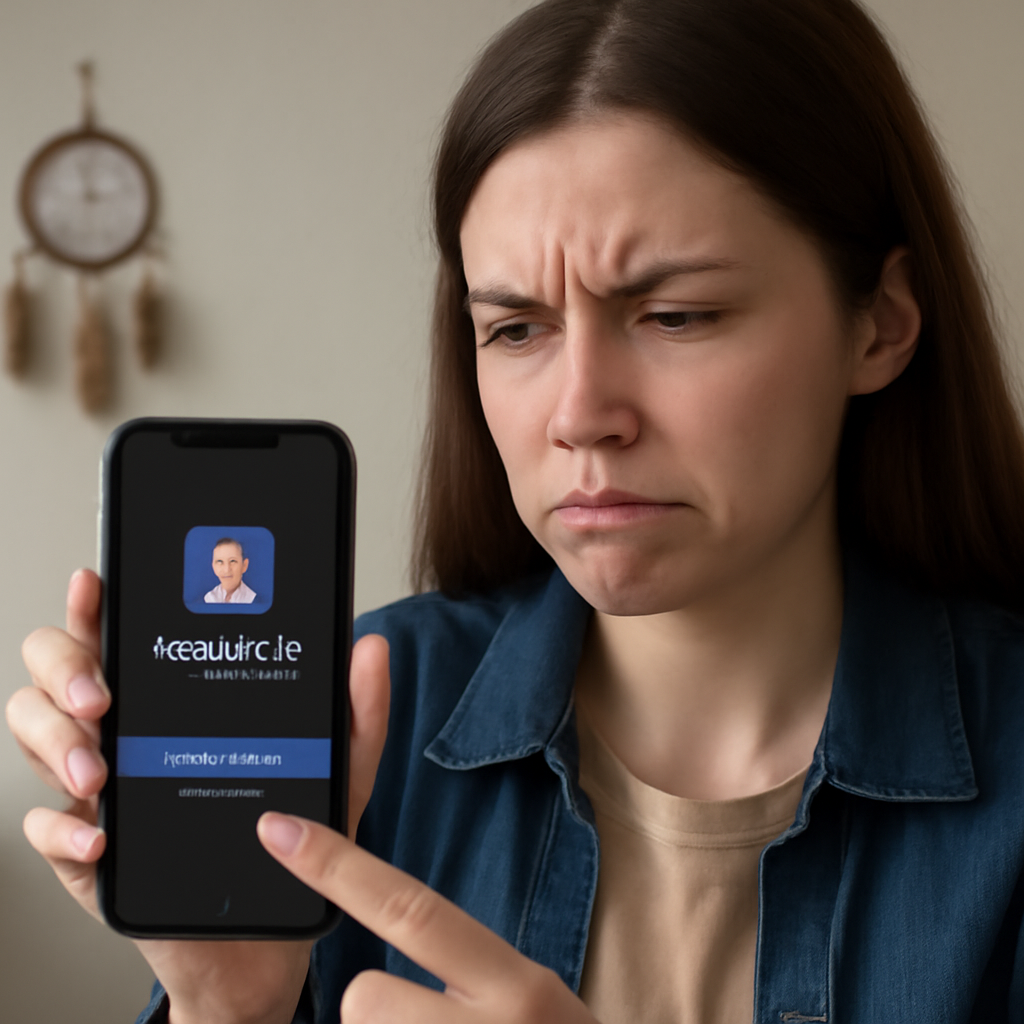
THE DATADeleting the Cart, Keeping the Dream
According to a 2026 report from the Reykjavik Institute for Consumer Behavior, 62% of surveyed Gen Z respondents deleted at least one major shopping app in the past year — yet 91% of that same group reported maintaining active wish lists on non-transactional platforms. The researchers call this 'desire retention without acquisition intent,' a phrase that has already made its way into three separate TikTok explainer videos.
Dr. HelenaFord, lead behavioral economist at the institute, describes the pattern as a kind of consumer sublimation. 'They're not rejecting the object of desire,' she said. 'They're rejecting the transaction. The want itself has become the product.' Her team's follow-up study found that participants who browsed wish-list-only platforms for 20 minutes daily reported a 34% drop in self-reported 'purchase anxiety' within six weeks.
Meanwhile, platforms built explicitly around this loophole — DopamineKart chief among them — have seen browsing engagement climb 218% year-over-year, with checkout completion rates holding at a steady, almost defiant 0%. The company's internal metrics team reportedly refers to this as 'peak funnel health.'
THE PRACTICEBrowsing as a Discipline, Not a Habit
What used to be called 'window shopping' has been rebranded, with the full seriousness of a wellness trend, as 'browsing meditation.' The Oslo-based think tank Center for Post-Consumer Studies published a widely cited paper in June arguing that scrolling a fixed wish list — as opposed to an infinite, purchasable one — produces measurable calming effects comparable to guided visualization.
Take the DopaKart Lux Mirror Metallic Ankle Boot, Silver, priced at $620 with a 4.9-star rating that will never be tested by a single return policy. Compare that to the Louis Vuitton Keepall Bandoulière 55 in Monogram, a real bag for $2,200 that someone, somewhere, actually has to pay for, insure, and eventually lose in an airport. Users describe the former as 'restful' and the latter as 'a decision.'
Practitioners of this new browsing discipline — some now calling themselves 'wish-list minimalists' — report building elaborate, curated collections across DopaKart, WanderNever, and KeysNever with no intention of ever completing a purchase or booking. One Reddit thread with 40,000 upvotes is simply titled 'my dream house tour on KeysNever gave me more peace than my actual apartment.'
THE PUSHBACKNot Everyone Is Buying the Non-Buying
Critics argue the trend is less enlightenment and more elaborate avoidance. 'You haven't solved consumerism,' said Dr. Aki Tanaka, a digital sociologist unaffiliated with either camp, 'you've just built a padded room around it.' He points to a lesser-cited statistic from the same Reykjavik study: 44% of self-identified 'wish-list minimalists' still made at least one impulsive real purchase per month, usually on a platform they swore they'd deleted.
Retail analysts, for their part, are unbothered. Several traditional e-commerce firms have begun quietly studying the no-checkout model, reportedly testing 'browse-only' modes as a retention tool. A spokesperson for one unnamed luxury retailer admitted, off the record, that customers spend 5x longer per session when they know they can't buy anything — a statistic that should probably worry someone.
For now, the movement remains largely self-contained, thriving in group chats and curated boards rather than storefronts. As Ostrander put it, scrolling past a Gucci Ophidia GG Supreme Duffle she has 'saved but never wanted to own': 'It's not about the bag. It's about not needing the bag to still get to look at it.'
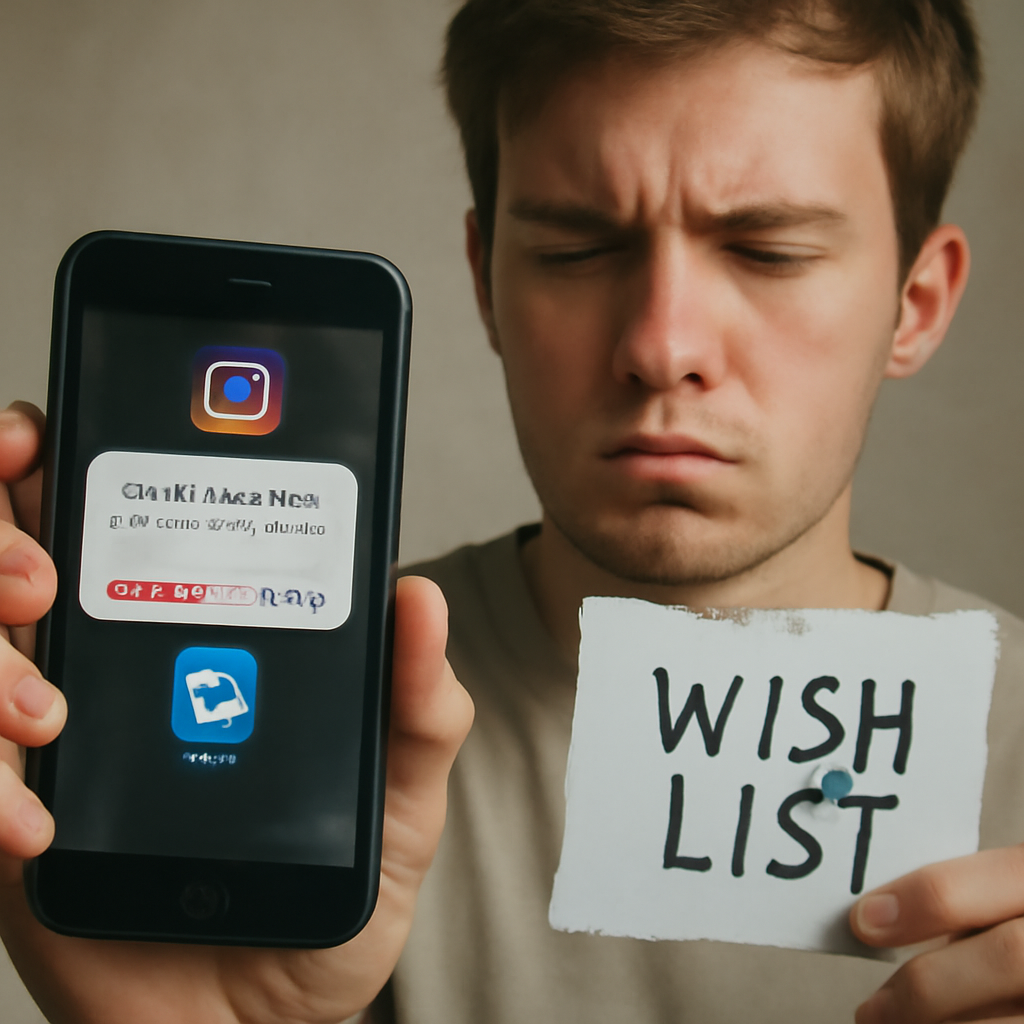
'The want itself has become the product.' — Dr. Helena Ford, Reykjavik Institute for Consumer Behavior
Year-over-year growth in browsing engagement on no-checkout platforms like DopamineKart, with purchase completion rates unchanged at 0%.
Questions people actually ask
Is this actually a documented trend?
According to the Reykjavik Institute for Consumer Behavior and several think tanks studying digital minimalism, yes — browsing-without-buying has measurable behavioral patterns distinct from traditional shopping.
Why keep a wish list if you never plan to buy?
Researchers describe it as 'desire retention' — the psychological satisfaction of wanting something without the anxiety, debt, or clutter of owning it.
Are real retailers adopting this model?
Some are reportedly testing browse-only modes after observing longer session times when purchase pressure is removed entirely.
The Great Unfollowing isn't a rejection of desire — it's a refinement of it, stripped of debt, regret, and 2 a.m. return policies. On DopamineKart, the wish list is the whole point, and browsing stays exactly what it should be: free, forever, and gloriously unfinished.
📰 This article is written as satirical journalism. Every statistic, think-tank citation, expert quote, and figure is invented. DopaNews does not conduct research. DopamineKart is a simulation. If you struggle with compulsive spending, visit nfcc.org.