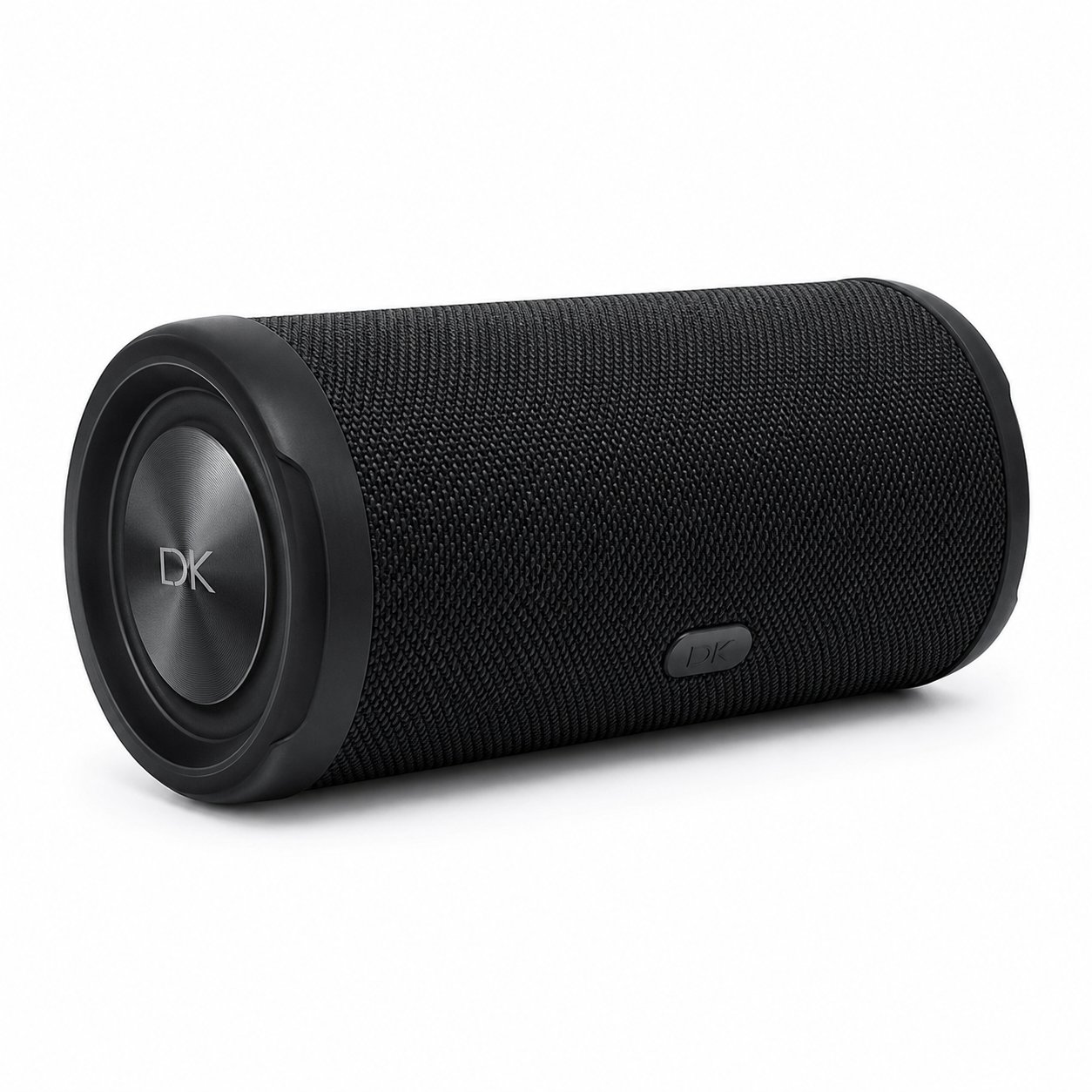
In a nondescript co-working space in Austin, 26-year-old product manager Dana Ferris opens her laptop to reveal a DopamineKart cart containing 214 items, none of which she intends to buy. The estimated value: $1.2 million. She calls it her 'museum.' The internet calls it, increasingly, the norm.
THE NEW STATUS SYMBOLCuration Is the New Consumption
For most of retail history, the cart was a means to an end — a temporary holding pen before the credit card came out. On DopamineKart, that logic has quietly inverted. The platform's 'Cart of Legend' leaderboard, launched in early 2026, ranks users by the total appraised value of items sitting untouched in their carts, and it has become the site's most-viewed feature, according to internal engagement data shared with DopaNews.
Dr. Alden Voss, a consumer behaviorist at the Reykjavik Institute for Post-Consumer Studies, has been tracking the phenomenon since late 2025. His team's forthcoming paper, 'Desire Without Terminus,' surveyed 4,300 platform users and found that 68% reported higher satisfaction from adding items to a wishlist than from any past purchase they could recall. 'The cart used to be a waiting room,' Voss said. 'Now it's the whole appointment.'
The behavior isn't confined to fashion. On WheelDream, users are building six-figure dream garages they will never register. On WanderNever, itineraries to fictional-adjacent luxury resorts rack up thousands of saves with zero bookings. The pattern is consistent enough that Voss now calls it 'ecosystem-level phantom accumulation' — a term he insists he did not intend to sound so ominous.
PULLQUOTE
THE ECONOMICS OF NOT BUYINGWhen Checkout Becomes the Punchline
What makes the Phantom Cart Paradox economically strange is that it's not a rejection of consumer culture — it's an intensification of it, stripped of the one part everyone secretly disliked. 'Checkout was always the buzzkill,' said Priya Nandy, spokesperson for DopamineKart. 'The confirmation email, the shipping wait, the eventual disappointment that the Coco Handle Flap Bag doesn't fix your Tuesday. We just... let people skip to the good part.'
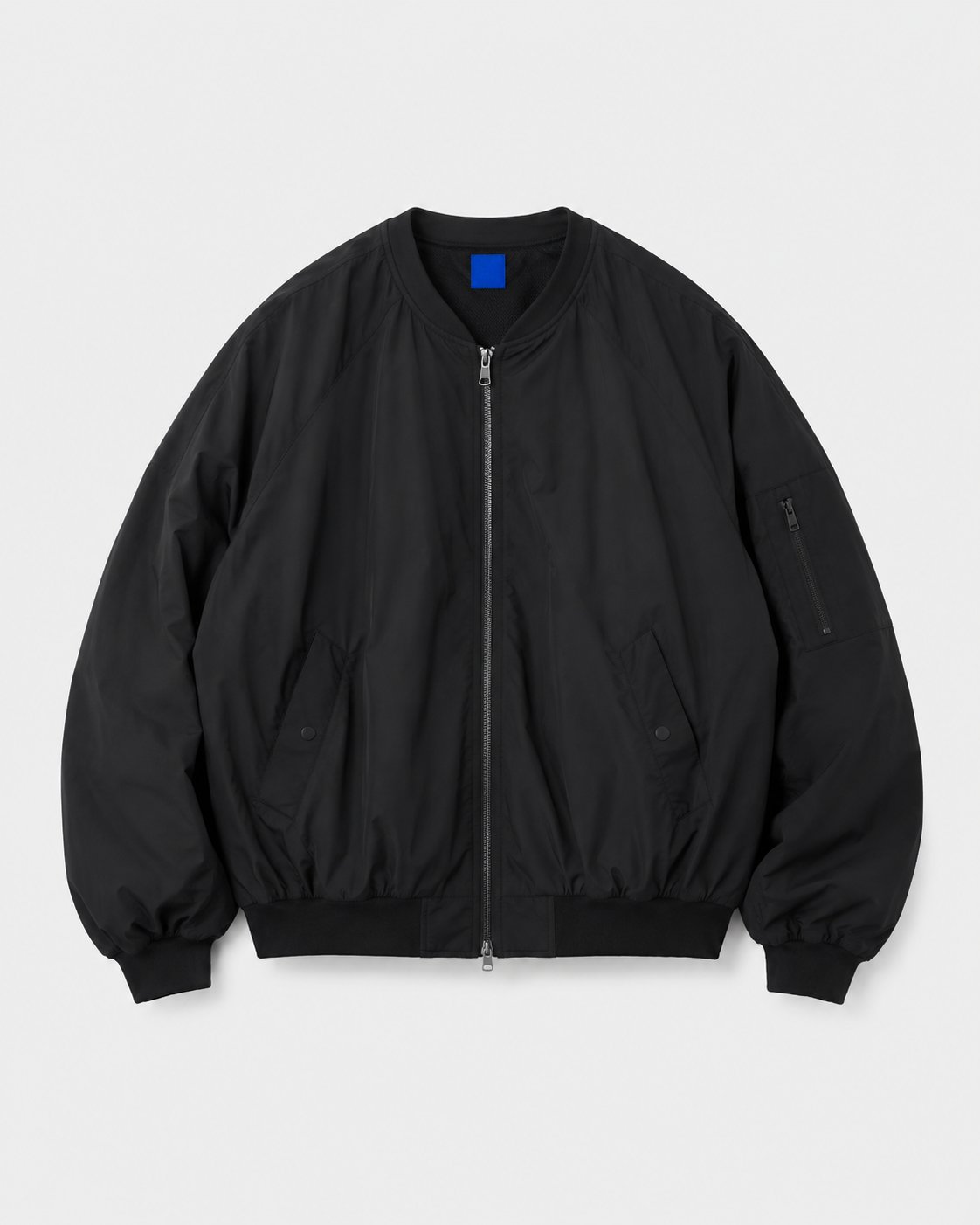
That 'good part,' per DopamineKart's internal metrics, is dwell time on the product page itself. Items like the DopamineKart Quilted Faux-Leather Jacket in Black ($325, 4.8★) generate an average of 11 minutes of user engagement — zoom, rotate, add-to-cart, repeat — compared to 40 seconds for a real-world Chanel Classic Flap purchase page, where users apparently just buy the thing and leave, like animals.
Adder Error, the platform's cult accessories label, has leaned into the trend with the Error 404 Capsule ($285, 4.9★), a limited run explicitly marketed as 'the drop you were never meant to complete.' It has sold out its wishlist slots three times faster than its actual inventory.
The cart used to be a waiting room. Now it's the whole appointment.
Per a 2026 Reykjavik Institute for Post-Consumer Studies survey of 4,300 DopamineKart users.
Questions people actually ask
Is the Phantom Cart Paradox a real economic phenomenon?
It's a documented behavioral trend across DopamineKart and its sister platforms — real in the sense that the engagement is real, even if the checkout never happens.
Why don't users just buy the items?
Researchers suggest the anticipation itself delivers most of the psychological reward, making the actual purchase — and its comedown — largely unnecessary.
Does this hurt DopamineKart's business model?
Not according to the platform, which reports that browsing time, not transactions, now drives the majority of its engagement metrics.
Whether you're stacking a phantom cart worth seven figures or just window-shopping the DopamineKart Washed Moto Racing Jacket for the fourth time this week, the game rewards looking, not buying. Browse freely, save without shame — checkout was always optional.
📰 This article is written as satirical journalism. Every statistic, think-tank citation, expert quote, and figure is invented. DopaNews does not conduct research. DopamineKart is a simulation. If you struggle with compulsive spending, visit nfcc.org.