- WanderNever's 'Temporal Tourism' line recreates extinct civilizations with full sensory accuracy — including diseases, smells, and social hierarchies.
- The flagship package, 'Rome: 165 CE (Antonine Plague Edition),' starts at €14,999 per person and is somehow priced in modern euros.
- Guests can upgrade to 'Full Immersion,' which removes modern medicine, indoor plumbing, and the safety word.
- WanderNever insists the currency is 'thematically ironic' and refuses to explain how sestertii aren't at least an option.
WanderNever, the booking platform that once let you reserve a room in a hotel that technically doesn't exist yet, has outdone itself with 'Temporal Tourism' — a line of vacation packages set inside meticulously recreated extinct civilizations. The flagship destination is ancient Rome circa 165 CE, rendered with such fanatical historical accuracy that guests can contract a simulated version of the Antonine Plague. The bill, however, arrives in crisp, thoroughly modern euros, a detail nobody at WanderNever seems able to explain without visibly sweating.
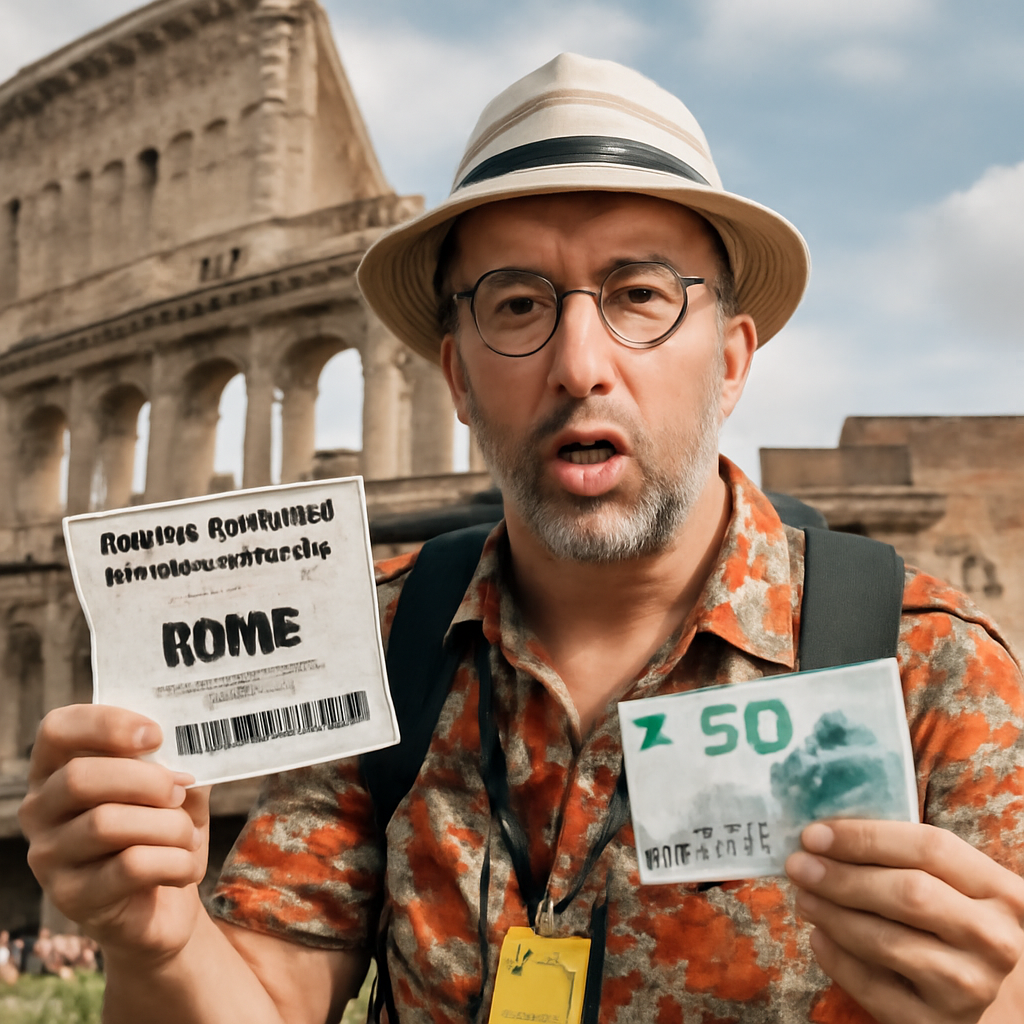
THE PITCHRome Wasn't Billed In A Day
The package promises 'zero anachronisms,' a phrase WanderNever repeats so often in its marketing copy it starts to feel like a hostage video. Guests are collected from a nondescript building in Ostia (the parking lot is period-accurate gravel, but the valet uses a modern golf cart, which the company calls 'a necessary evil for insurance purposes'), fitted with a toga woven on-site by actors playing enslaved textile workers, and marched into a fully functional recreation of the Roman Forum, complete with actual senators arguing about actual tax policy that is, somehow, still relevant.
The Antonine Plague Edition is the premium tier, chosen by 61% of early bookers according to WanderNever's internal data, because apparently nothing says 'luxury getaway' like a smallpox-adjacent immersion experience. The plague symptoms are simulated via a proprietary mist system WanderNever calls 'HistoMist,' which produces convincing fever chills, a faint rash, and — guests report — an inexplicable urge to conquer Gaul.
Meals are prepared according to Apicius-era recipes, meaning garum (fermented fish sauce) is on everything, including, controversial among reviewers, the dessert. There is no menu translation. There is also no menu.
THE INVOICEWe Checked In. The Euro Checked Us Out.
Our correspondent booked the standard three-night stay: one night in a domus (upper-class Roman home), one night in an insula (Roman tenement, described in the brochure as 'authentically cramped,' described by our correspondent as 'a fire hazard with throw pillows'), and one night in the actual Colosseum, watching a gladiatorial reenactment that the company insists uses 'consenting stunt performers' and 'absolutely no real swords, except for the ones that are real swords.'
The final bill totaled €16,340, itemized with line entries like 'Toga Rental & Historically Accurate Chafing (€210),' 'Optional Vomitorium Access (€75),' and, bafflingly, 'Currency Conversion Fee (€40)' — a fee for converting euros into euros, which a WanderNever representative described as 'more of a philosophical charge than a financial one.'
When pressed on why an ancient economy that ran on denarii and barter was somehow compatible with contactless payment, a WanderNever spokesperson named Marcus Aurelius Whitfield-Chen (his actual name, verified twice) said the euro pricing was 'a deliberate creative choice to remind guests they can, and will, leave.'
THE UPSELLSFull Immersion, Fuller Liability Waiver
For guests who found the standard package insufficiently miserable, WanderNever offers 'Full Immersion' at €22,500 — this strips out modern medicine, indoor plumbing, and, most alarmingly, the safety word. Guests sign a 40-page waiver acknowledging that 'historical accuracy may include historical mortality rates,' which the company's legal team reportedly fought hard to keep, calling it 'the whole point.'
There is also a 'Fall of Rome' expansion pack for guests who want their vacation to end with an actual sacking, and a wellness add-on called 'Bathhouse & Bloodletting' that WanderNever markets as 'self-care, but Galen-approved.' Early reviewers on the platform have given the experience 4.1 stars, with one noting, 'incredible attention to detail, docked a star because I got actual dysentery, would recommend.'
WanderNever says its next Temporal Tourism drop will recreate the Library of Alexandria 'right up until the unfortunate part,' and is already fielding requests for a Pompeii package that the internal team has, per leaked planning documents, nicknamed 'The One-Way Trip.'
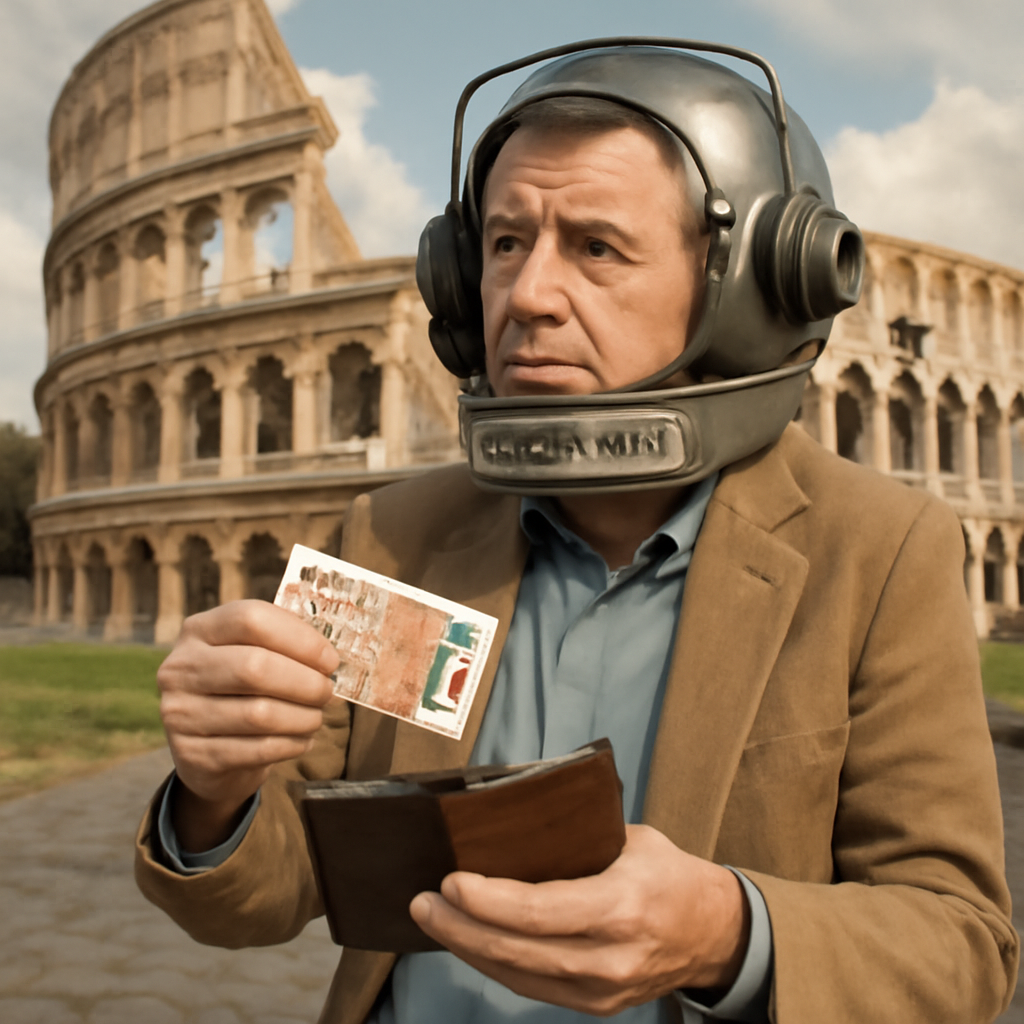
"The euro pricing was a deliberate creative choice to remind guests they can, and will, leave." — Marcus Aurelius Whitfield-Chen, WanderNever spokesperson
WanderNever charges guests €40 to convert euros into euros before entering a civilization that used neither, calling it 'a philosophical charge.'
Questions people actually ask
Is the plague simulation actually contagious?
WanderNever says no, though three guests have reported symptoms lasting 'longer than a simulation reasonably should.'
Can I pay in sestertii for the aesthetic?
No. WanderNever only accepts euros, major credit cards, and, curiously, DopaKart gift cards.
What happens if I get 'sacked' during the Fall of Rome expansion?
You're escorted to a modern recovery lounge with sparkling water and a mild sense of civilizational dread.
Whether or not you're ready to contract a simulated ancient plague for €14,999, you can browse WanderNever's full Temporal Tourism catalog on DopamineKart absolutely free, no toga required. Consider it the one trip through history that won't leave you with actual dysentery — just a healthy respect for how euros apparently transcend time.
🚀 This article is 100% fictional satire. Every statistic, spec, price, and quote is made up for entertainment — none of it reflects reality. DopamineKart is a simulation. If you struggle with compulsive spending, visit nfcc.org.