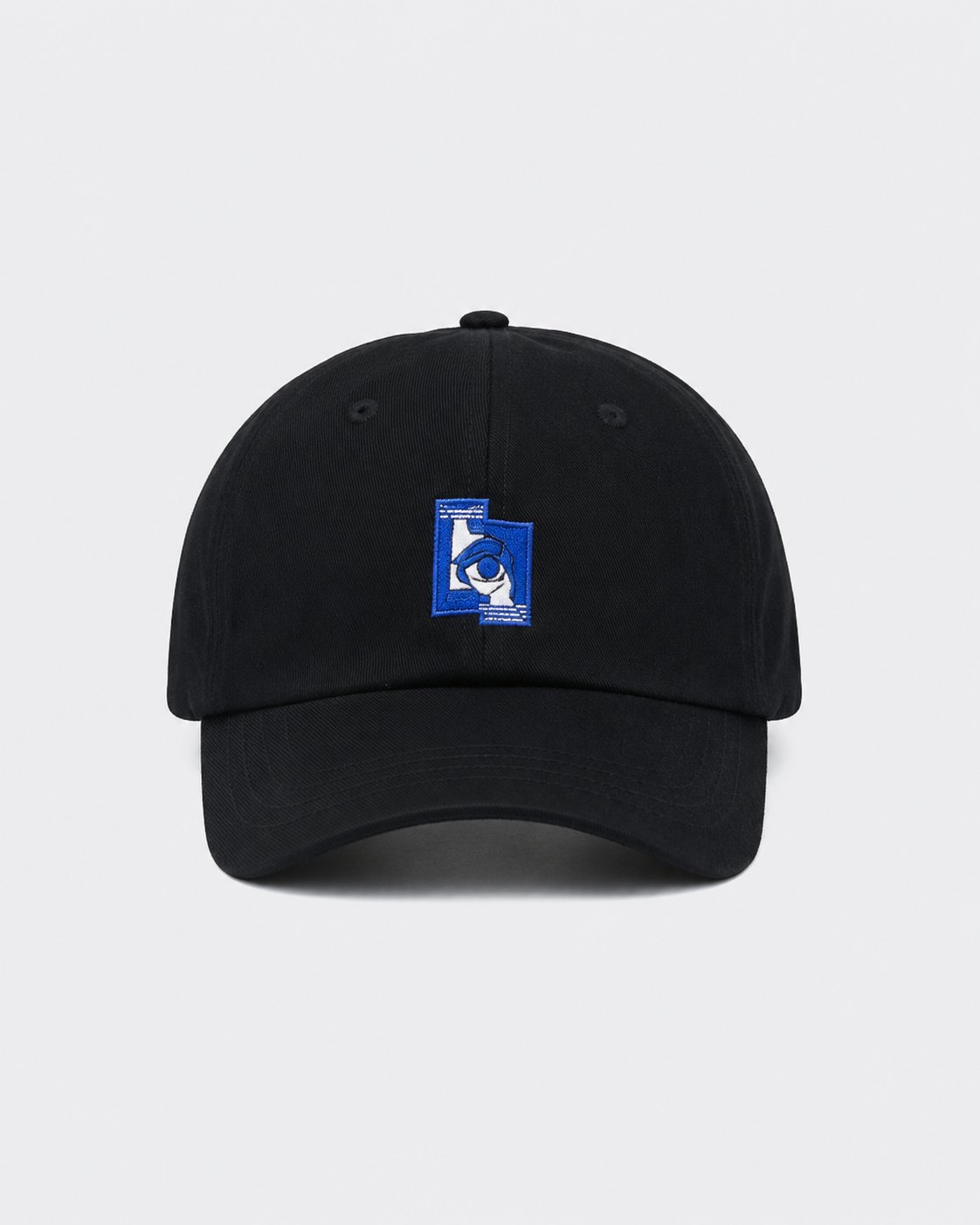
Mira Okonkwo-Reyes, 15, has 1,214 items in her DopaKart Archive. She has bought four of them. The rest — a rotating gallery of tiered mesh midis, sketch-face tees, and a $3,600 Dior duffle she has renamed 'the one I'd take to Paris if Paris were real' — exist purely to be arranged, re-arranged, and shown to a group chat that understands the difference between taste and transaction.
WHY NOWThe Closet as Confession Booth
According to a 2026 study from the Institute for Applied Longing, a behavioral-economics think tank based in Rotterdam, 78% of DopaKart users aged 11–17 have never completed a checkout, yet spend an average of 46 minutes a day inside the app — most of it inside the Archive, a feature that lets users pin, tag, and curate items indefinitely without a 'buy' button in sight.
'We used to think the wishlist was a waiting room for desire,' said Dr. Petra Lindqvist, the Institute's lead researcher on adolescent consumption rituals. 'For Gen Alpha, it's the final destination. The Archive isn't where you put things before you buy them. It's where you put things instead of buying them.'
The shift tracks with a broader DopaNews finding: across DopaKart's sister platforms — WheelDream, WanderNever, KeysNever — the fastest-growing user behavior isn't purchase intent, it's 'save-and-abandon,' a term coined by consumer anthropologist Dr. Femi Osagie to describe collections built entirely for display, never transaction.
THE CULTURETaste Without Consequence
What makes the Archive different from a standard wishlist, according to its own product team, is permanence without pressure. Items don't expire, go on sale, or sell out — because nothing is ever actually in stock in the way a traditional retailer means it. A Moss Crossbody Bag, priced at $245 with a 4.6-star rating, can sit in an Archive next to a Louis Vuitton Neverfull MM Tote ($2,100) with zero tension between the two, because neither is going anywhere, and neither is coming home.
That flattening of aspiration — real brand next to fantasy brand, $55 crew socks next to a $5,200 Prada dishwasher — is precisely the point, says Dr. Lindqvist. 'When price stops being a gate, taste becomes the whole conversation. Kids aren't curating what they can afford. They're curating who they are.'
Teen Archive pages are now routinely screenshotted, annotated, and shared the way a decade ago kids shared Spotify Wrapped or Tumblr mood boards — a public ledger of private longing, built entirely out of things that will never ship.
WHAT IT MEANSMinimalism's Noisy Cousin
Digital minimalism advocates have been quick to claim the Wishlist Economy as a vindication — proof that young people are learning to decouple desire from acquisition. Dr. Osagie is less convinced. 'This isn't restraint,' he said. 'It's volume. The average Archive grows by 11 items a week. That's not minimalism. That's maximalist longing with the receipts removed.'
Retail analysts have taken note of the economics underneath the aesthetics. With no checkout friction, no inventory risk, and no returns department, platforms like DopaKart report engagement metrics that traditional e-commerce companies would kill for — and liability exposure approaching zero. 'We built a mall where nothing can go wrong because nothing is actually sold,' said a DopaKart spokesperson who asked to be identified only as 'Lead, Fantasy Commerce.' 'Turns out that's what people wanted the whole time.'
Whether this constitutes a healthier relationship with consumption or simply consumption's most elegant simulation remains, per the Institute's own disclaimer, 'actively unresolved and probably unresolvable.'
The Archive isn't where you put things before you buy them. It's where you put things instead of buying them.
The typical Gen Alpha DopaKart user curates 340 wishlist items before completing a single purchase, per Institute for Applied Longing field data.
Questions people actually ask
Is the Archive feature actually free to use?
Yes — DopaKart's Archive has no purchase requirement, no expiration, and no checkout flow, which researchers say is exactly why it's so popular.
Why would anyone 'shop' for items they'll never buy?
Researchers describe it as identity curation rather than commerce — the Archive functions less like a cart and more like a public mood board.
Is this trend unique to DopaKart?
No — similar 'save-and-abandon' behavior has been documented across WheelDream, WanderNever, and KeysNever, suggesting a platform-wide shift toward desire-without-checkout.
Whatever the Wishlist Economy ends up meaning for retail, adolescence, or the future of taste, one thing is already true: nobody on DopamineKart is going to ask you to pay for any of it. Build the closet. Rearrange the tees. Nothing ships, nothing's returned, and the only thing you'll ever check out is yourself.
📰 This article is written as satirical journalism. Every statistic, think-tank citation, expert quote, and figure is invented. DopaNews does not conduct research. DopamineKart is a simulation. If you struggle with compulsive spending, visit nfcc.org.