Quick take
- Miami Vice costume designer Jodie Lynn Tillen dressed Don Johnson and Philip Michael Thomas in deliberately oversized linen suits and let Johnson wear white shoes with no socks — a look credited with softening men's tailoring for the rest of the decade.
- Knight Rider gave David Hasselhoff's Michael Knight a black leather jacket as a near-permanent uniform, paired with the character's black-on-black wardrobe against the equally black KITT.
- The A-Team's gold chains on Mr. T were, by his own repeated account, his own real-life habit before the show — a response to having valuables stolen at the nightclub where he worked as a bouncer.
- Family Ties' Alex P. Keaton wore argyle sweaters, button-downs, and ties as a sitcom's shorthand for a card-carrying young conservative, in a house full of ex-hippies.
- Married... with Children's Peggy Bundy built a signature look out of skin-tight leopard print, leggings, big hair, and wide belts — a tacky-glamour costume built to read as funny, not aspirational.
- Three's Company, which mostly aired 1977–1984, gave us Santa Monica roommates in halter tops, terry-cloth shirts, and disco-adjacent California casual that's genuinely more late-70s than 80s.
- Webster's preppy little sweaters and collared shirts dressed Emmanuel Lewis, at 4'3" playing a much younger character, in a wardrobe built to read as small, tidy, and reassuring.
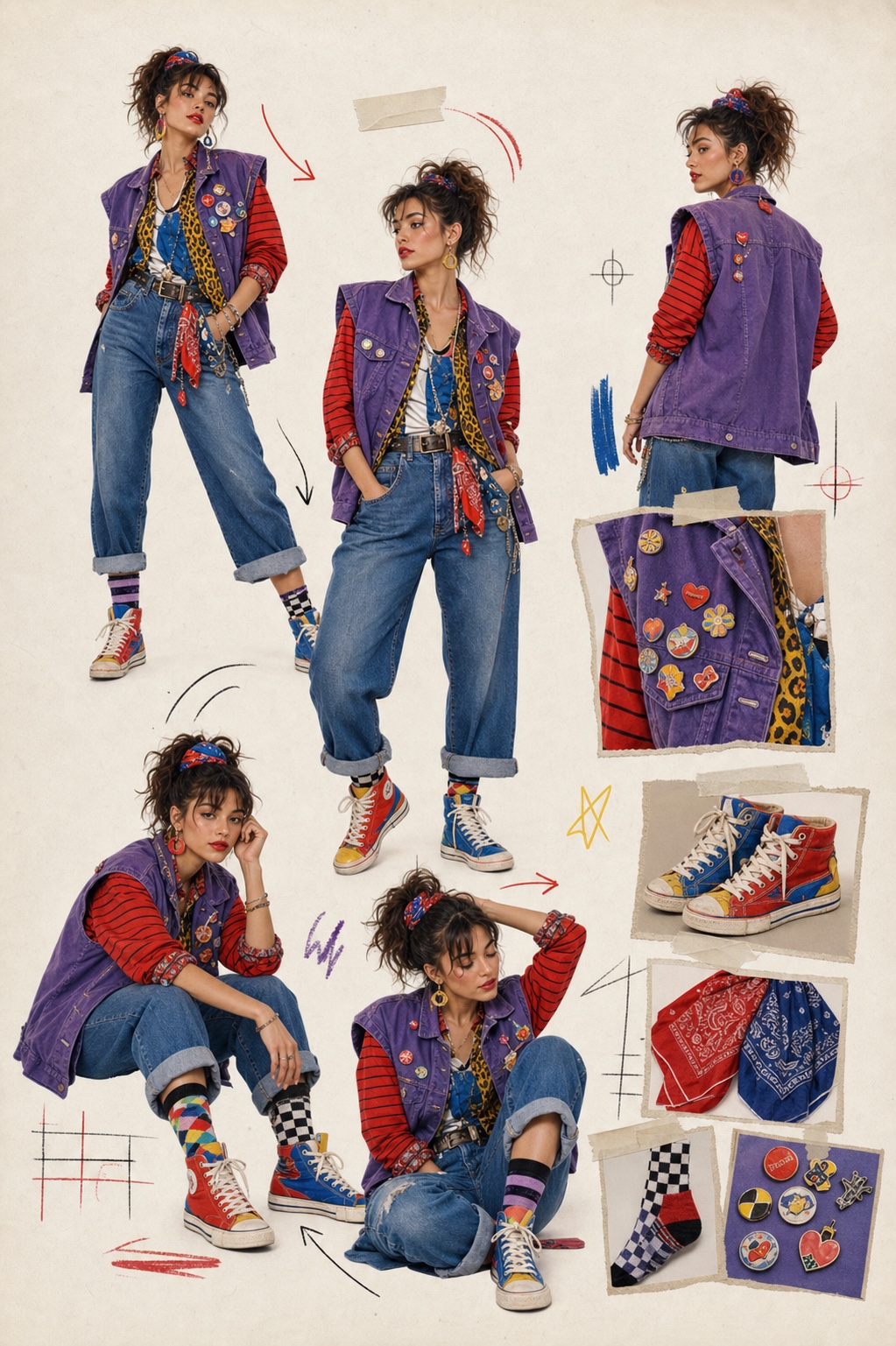
- Punky Brewster's costume designer Mona May built the character's mismatched-sneakers, bandana, and pin-covered look on purpose — one green sneaker, one red, laced in different colors, to signal a kid who dressed herself.
I was sitting closer to the television than any pediatrician would have approved of, cross-legged on a carpet that smelled faintly of the shag-rug cleaner my mother used every Sunday, and I remember being more interested in what Michael Knight was wearing than in the talking car. That's the part nobody explains to you as a kid: there was no other trend forecast in the house. No feed, no influencer, no lookbook — just whatever ABC, NBC, or CBS put in front of you on a given weeknight, and whatever you decided, rightly or wrongly, was worth copying. As I remember it, an entire generation's closet got quietly assembled out of eight or nine primetime hours a week. Contemporaneous reporting on several of these shows confirms that the wardrobe decisions were often deliberate, tested, and in at least one case genuinely influential on how American men dressed for the rest of the decade — which is a stranger and better-documented story than "the clothes were just there." I want to go through eight shows honestly: what the costume record actually shows, and where my own memory is doing more work than it should.
Miami Vice: The Suit That Changed How Men Dressed
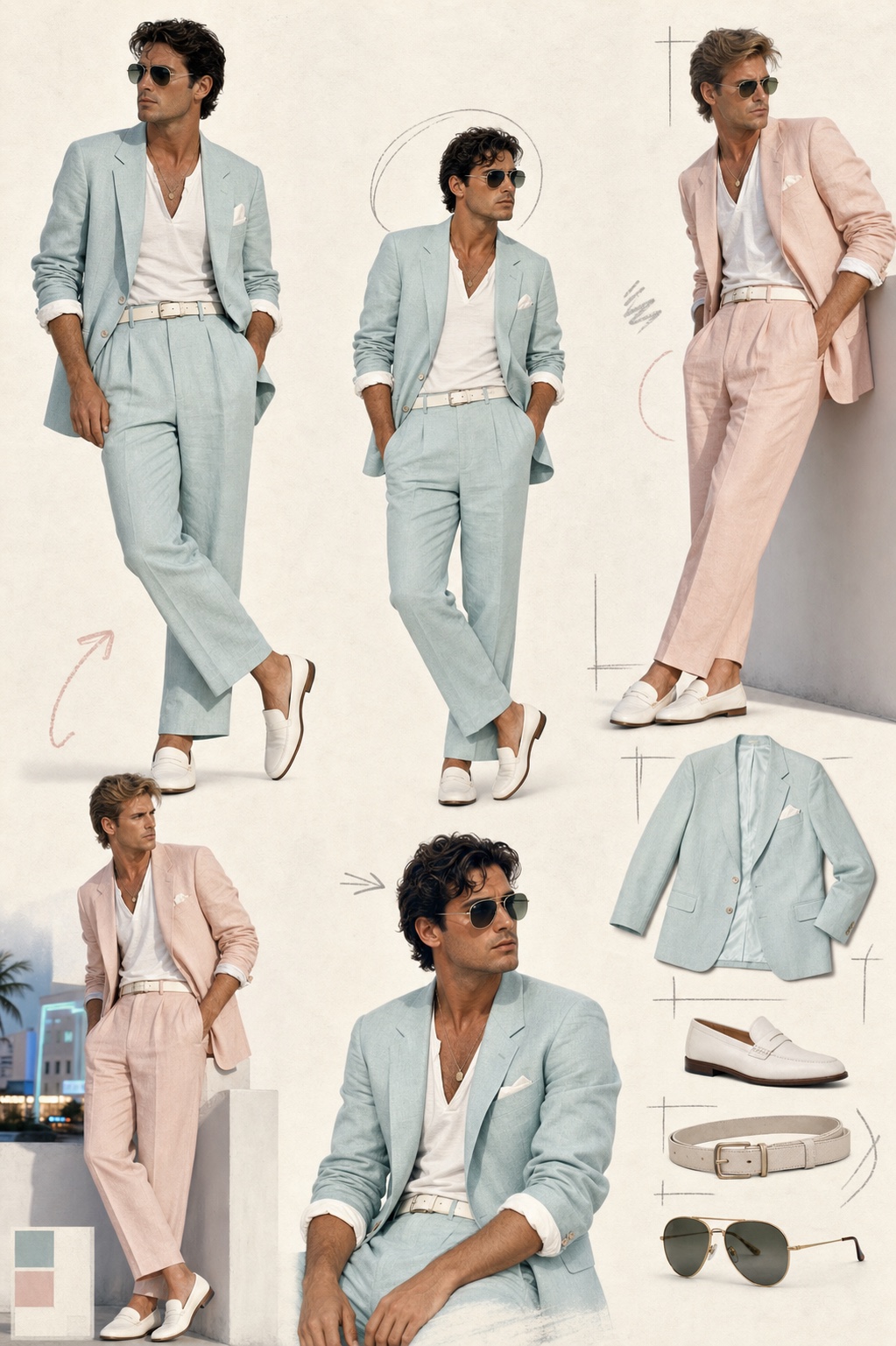
Miami Vice's costume designer, Jodie Lynn Tillen, dressed Don Johnson's Sonny Crockett and Philip Michael Thomas's Ricardo Tubbs in relaxed-fit suits in pastel colors — light pink, baby blue, white — cut from linen and, according to reporting on the show's wardrobe, deliberately purchased in larger sizes than the actors needed to create a softer, baggier silhouette than the era's boxy business suit. Johnson's white shoes worn without socks became the detail everyone actually copied. The look coincided with, and by most fashion-press accounts helped cause, a broader shift in men's tailoring away from structured shoulders toward the relaxed, unstructured suit that dominated the back half of the 1980s.
Knight Rider: One Jacket, Doing All the Work
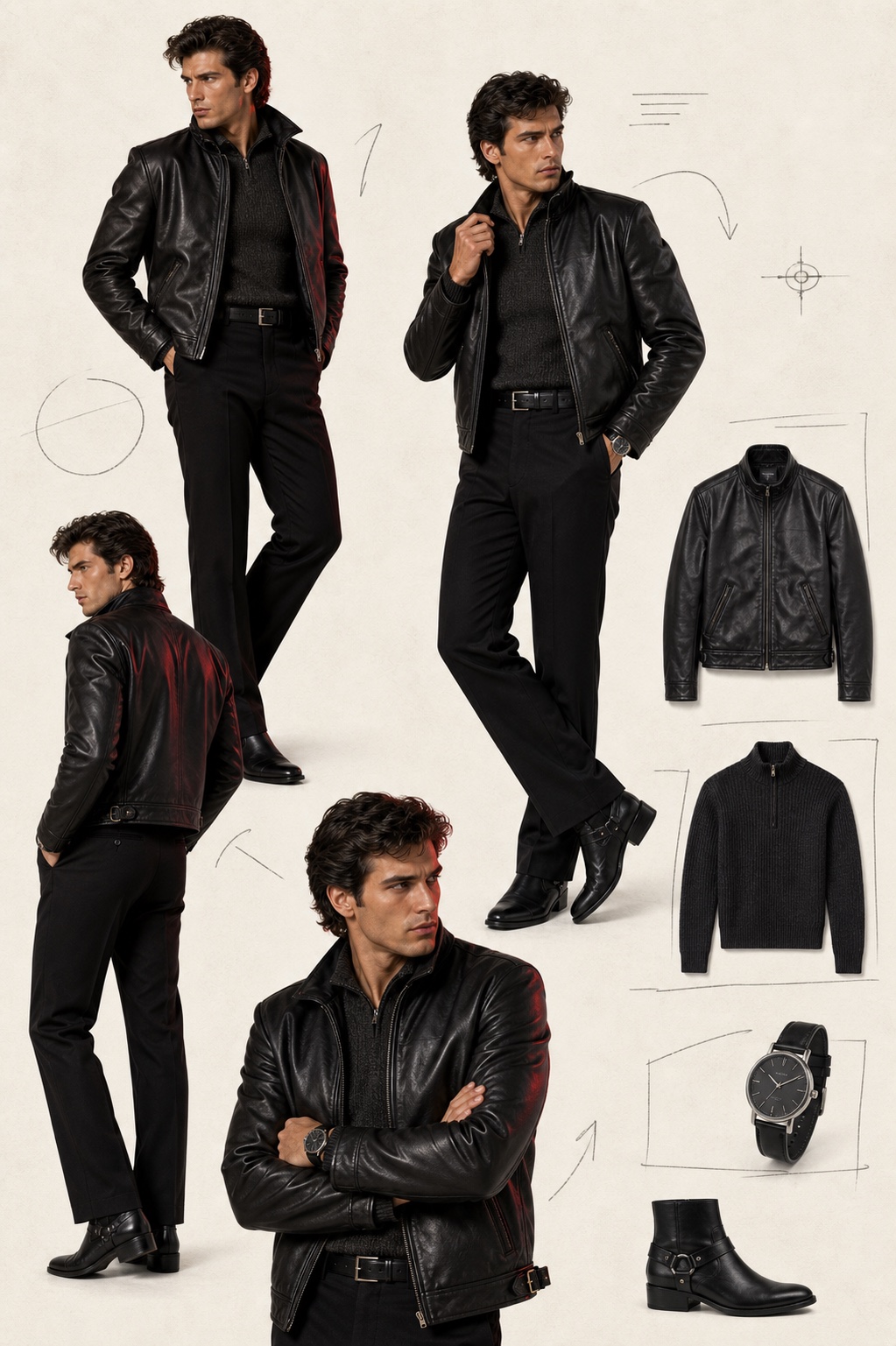
David Hasselhoff's Michael Knight wore a black leather jacket as close to a uniform as a non-uniformed TV character gets — paired, deliberately or not, with an all-black wardrobe that visually matched him to KITT, his equally black co-star. The jacket became the character's most reproduced costume element, still sold today as a licensed and unlicensed replica decades after the show ended. I was not able to find a named credited costume designer for the original 1982–1986 series in the sourcing available to me, which is itself worth saying honestly rather than inventing one.
The A-Team: Mr. T's Chains Were Never a Costume Choice
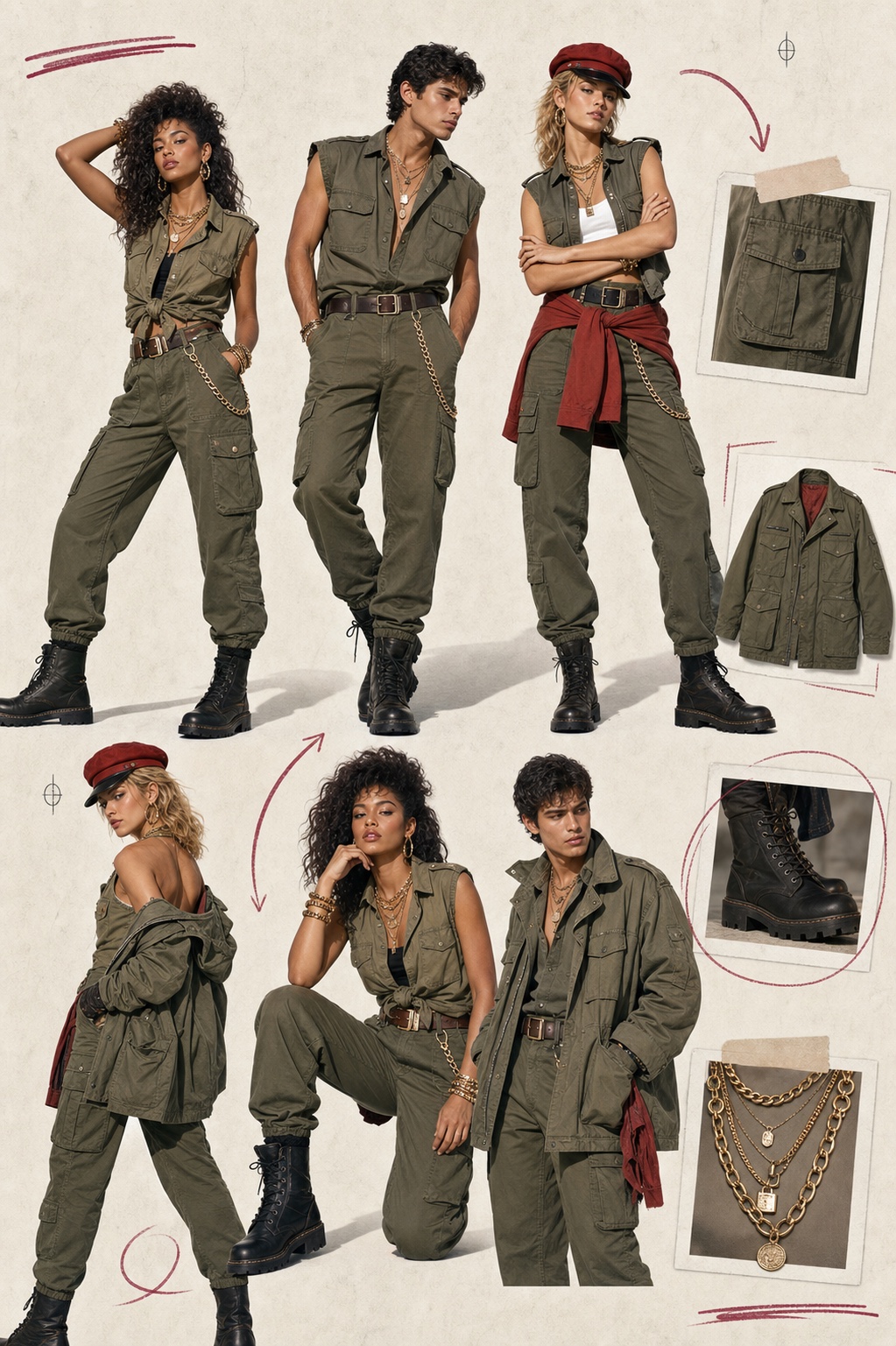
B.A. Baracus's fatigues, sleeveless muscle shirts, and camouflage pants read as standard 1980s action-show costuming, built around Mr. T's imposing frame. The gold chains are the more interesting story: by Mr. T's own repeated public account, the chains predate the show — he began wearing them while working as a bouncer, after customers kept losing jewelry or leaving it behind during fights, and he started holding onto pieces rather than let them get lost or stolen. The show didn't invent the chains. It put a pre-existing piece of Mr. T's real persona on national television every week, which is a different and more honest kind of "costume."
Family Ties: Dressing a Teenage Reagan Voter
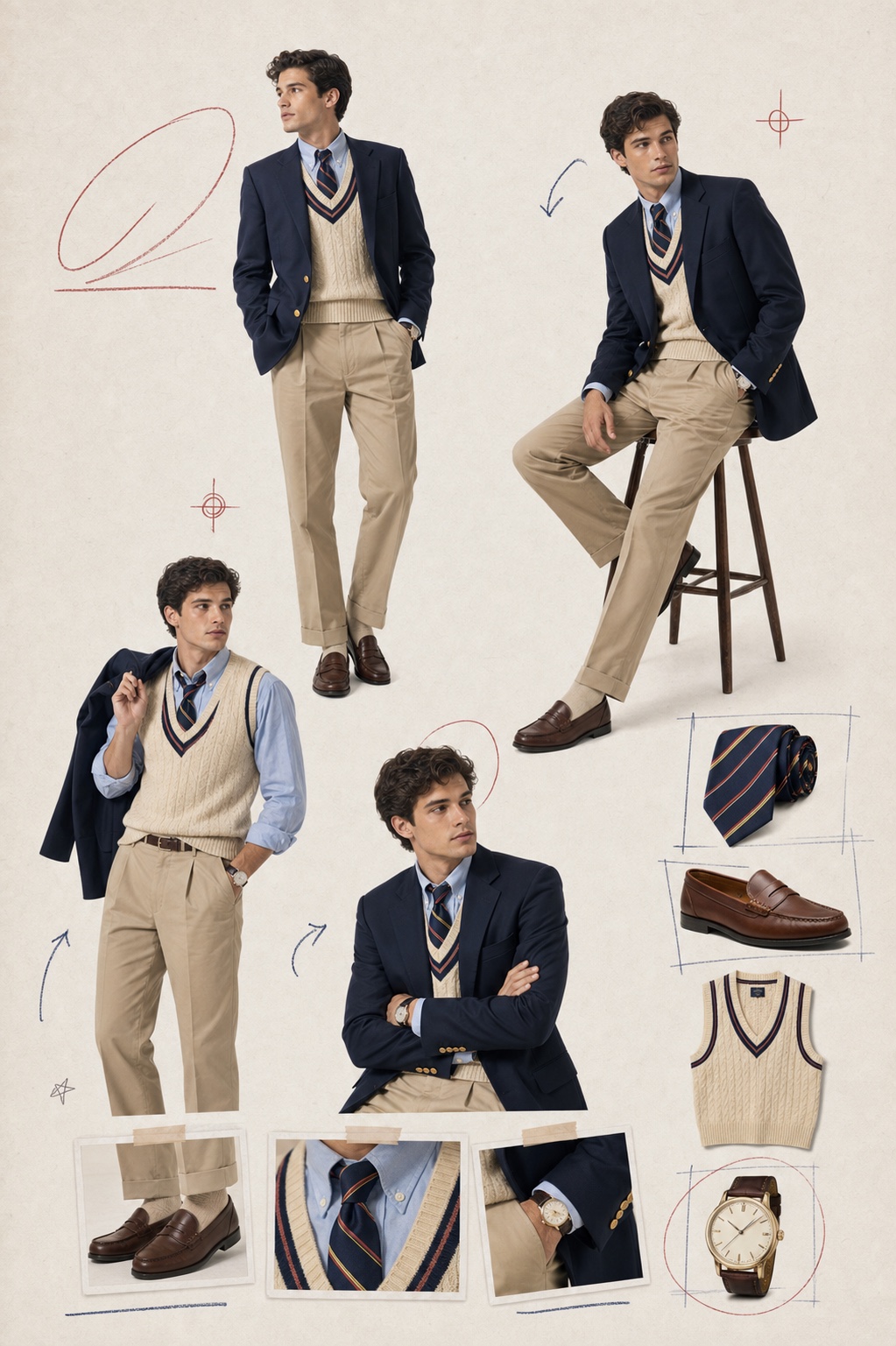
Alex P. Keaton's argyle sweaters, button-down shirts, and ties were the sitcom's visual shorthand for a card-carrying young conservative growing up in a house of former hippies — a costume built to be instantly readable as "the ambitious one" the moment he walked into a scene. I was not able to find a named credited costume designer for the specific choices behind Alex's wardrobe in the sourcing available to me, and I'd rather say that plainly than guess.
Married... with Children: Tacky by Design, Not by Accident
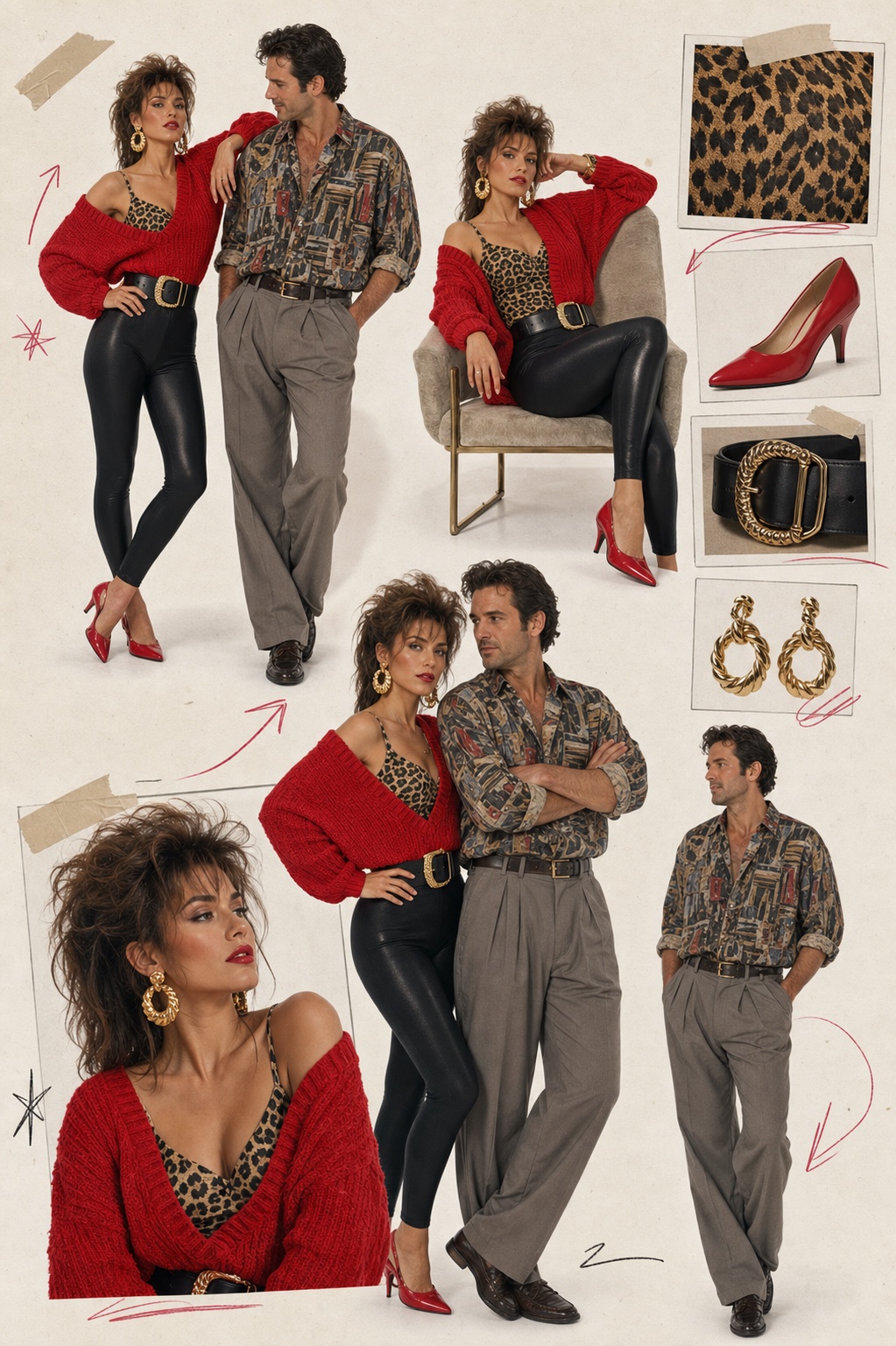
Peggy Bundy's skin-tight leggings, leopard print, oversized earrings, and towering hair were built as a specific kind of costume: exaggerated suburban tackiness, played for laughs rather than aspiration. Contemporaneous coverage and retrospectives on the character's look consistently describe the wardrobe as a deliberate parody of glamour rather than an attempt at it — cheap-looking on purpose, in a way that required real design intent to pull off believably.
Three's Company: An Honest Correction on the Decade
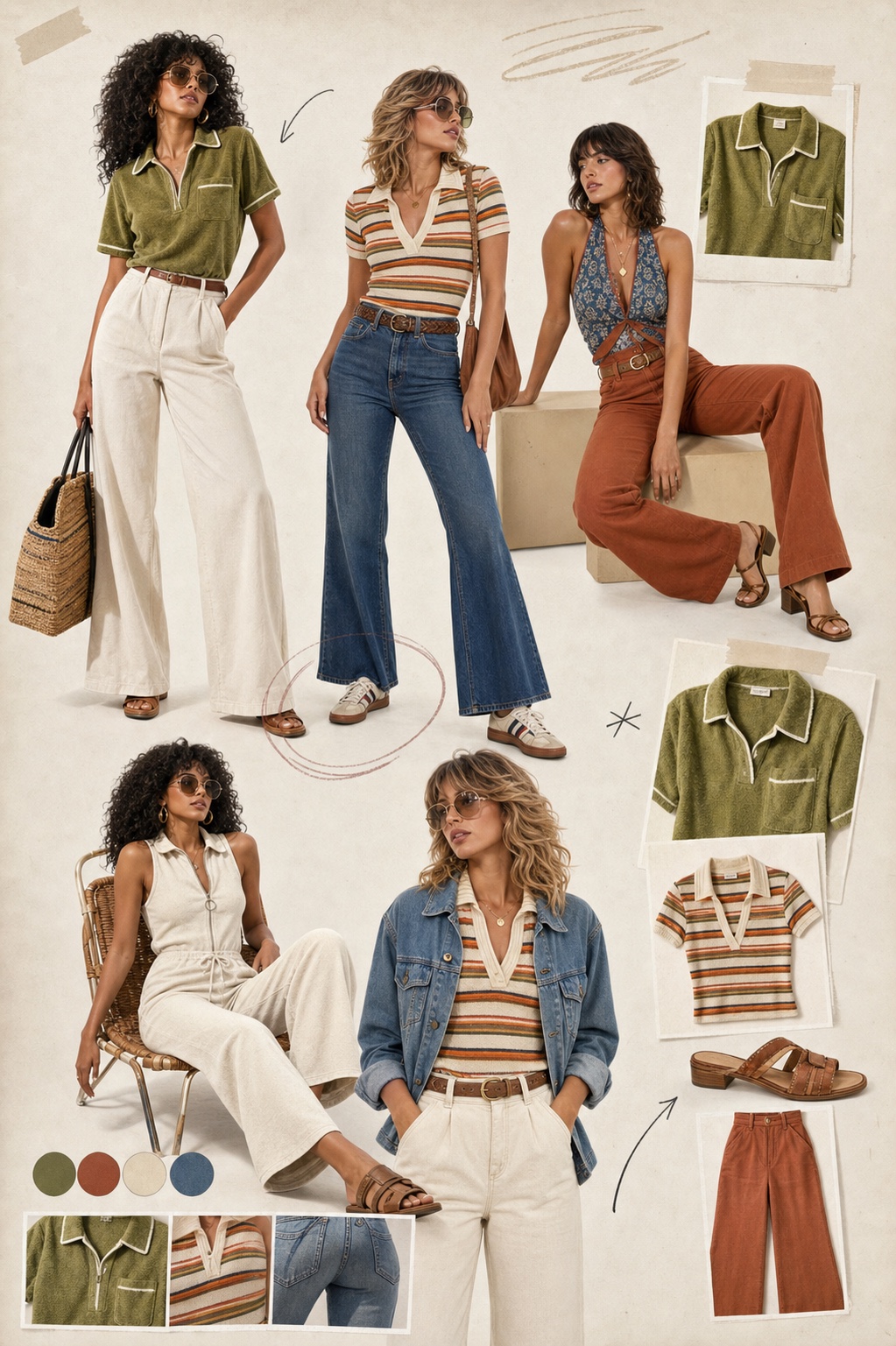
I need to flag something here rather than paper over it: Three's Company premiered on ABC on March 15, 1977, and ran through September 18, 1984 — which makes it, strictly speaking, more a late-1970s show than an 1980s one, even though its back half overlaps the decade this piece is about. Its style — halter tops, terry-cloth shirts, jumpsuits, and Santa Monica beach-adjacent casual wear — reads to most people today as disco-era California, not power-shoulder '80s. I'm including it anyway, honestly labeled, because its wardrobe genuinely bridges the two eras and because leaving it out would be its own kind of dishonesty about how television decades don't line up with calendar decades.
Webster: Dressing a Character Smaller Than His Actor's Age
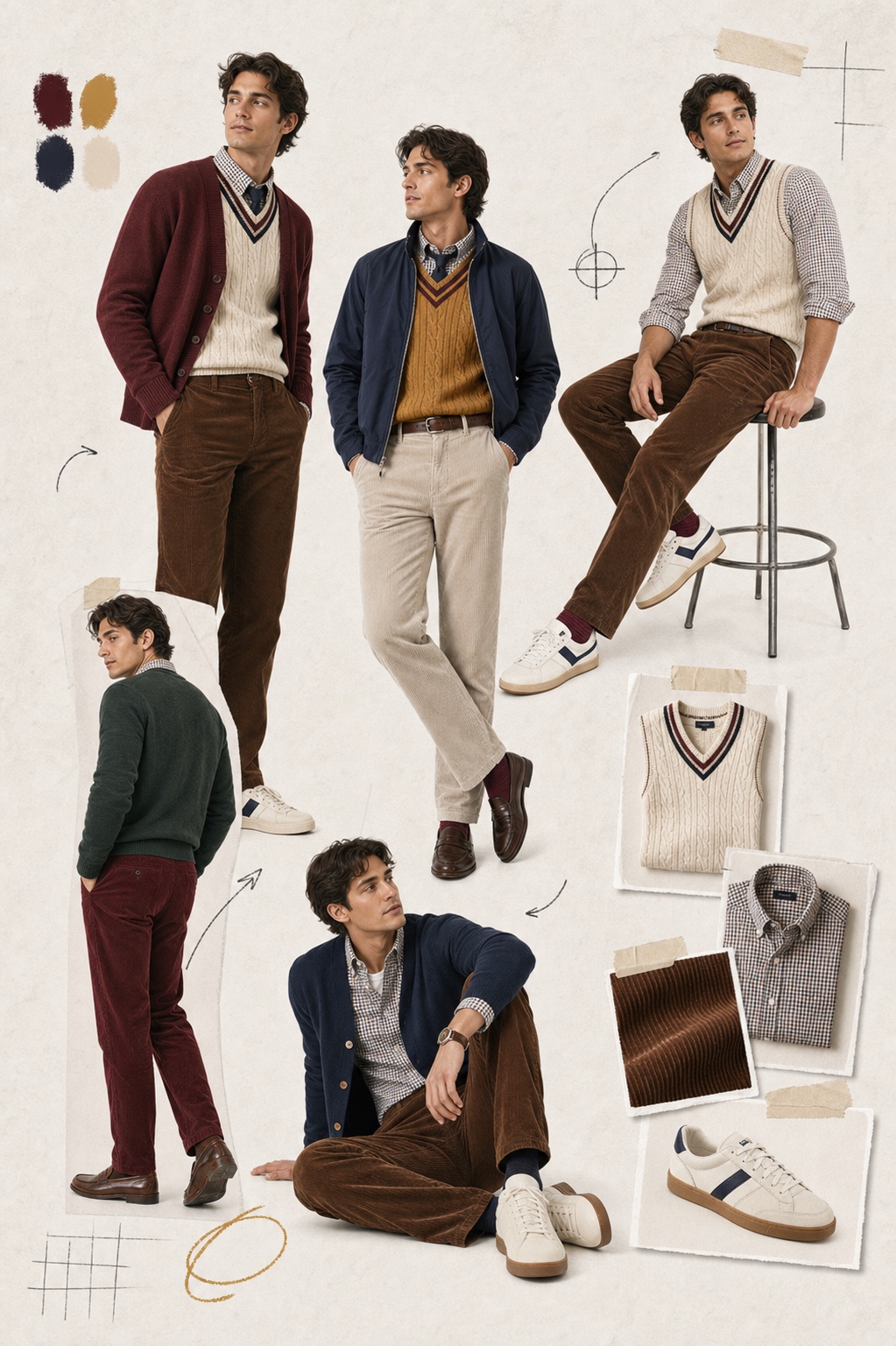
Emmanuel Lewis, who was actually several years older than the character he played, wore Webster's small sweater-vests, collared shirts, and tidy preppy layers in a wardrobe built to visually reinforce a much younger, smaller child than the actor really was. I was not able to find a named credited costume designer or detailed contemporaneous costume reporting for this specific show in the sourcing available to me — the record on Webster's wardrobe choices is thinner than for the other seven shows here, and I'd rather disclose that gap than fill it with something unverified.
Punky Brewster: A Wardrobe Built to Look Self-Dressed
Costume designer Mona May, in interviews about the character, has described building Punky Brewster's look — mismatched sneakers (one green, one red, laced in contrasting yellow and blue), bandanas, an eclectic pin collection, and layered, clashing patterns — specifically to read as the wardrobe of a resourceful kid dressing herself, rather than an adult's idea of cute. That specificity is the reason the look still gets referenced in costume retrospectives decades later; it was designed to feel unstyled while being extremely styled.
Miami Vice
Jodie Lynn Tillen, costume designerOversized pastel linen, no socks, changed men's tailoring.
Knight Rider
Michael KnightOne black leather jacket, worn like a uniform.
The A-Team
Mr. TThe gold chains were his own, before the show existed.
Family Ties
Alex P. KeatonArgyle and button-downs as ideology, worn on a teenager.
Married... with Children
Peggy BundyTacky glamour, built with real design intent.
Three's Company
1977–1984More late-70s disco-California than true '80s.
Webster
Emmanuel LewisSmall preppy sweaters, dressing a character younger than his actor.
Punky Brewster
Mona May, costume designerMismatched sneakers, designed to look self-dressed.
What We Misremember
The biggest thing my own memory gets wrong, and I suspect I'm not alone: I remember these eight looks as though they all belonged to the same single "80s TV style," a matching set. They don't. Miami Vice's tailoring and Punky Brewster's mismatched sneakers came from opposite instincts — one softened and simplified, the other deliberately clashed. Peggy Bundy's wardrobe was a joke about tackiness; Alex P. Keaton's was a joke about ambition. Three's Company barely belongs to the decade at all. Lumping them together the way nostalgia loves to do flattens eight genuinely different costume ideas into one beige memory of "the 80s," and that flattening is exactly the kind of thing this column exists to gently push back on.
Why It Mattered
Before a household had any other window into what people outside their zip code were wearing, prime-time television functioned as the only shared style reference most families had. A kid in a landlocked town with no mall nearby could still watch Miami Vice and know, with total confidence, that shoes without socks meant something. That's not a small thing — it's the closest thing the pre-internet era had to a trend algorithm, except it ran once a week, on a schedule, and everyone watched it at the same time.
What Replaced It
Cable fragmented the shared schedule through the late '80s and '90s, MTV briefly became its own separate style engine, and eventually the internet replaced "whatever's on Thursday" with a feed that never stops and answers to no one's programming block. The particular thing these eight shows did — quietly setting a whole household's idea of normal, all at once, on a fixed schedule — isn't really replicable anymore. I don't think that's automatically worse. I think it's just gone.
Common questions
Is Three's Company really an 80s show?
Mostly a late-70s one, honestly — it ran from March 1977 to September 1984 on ABC. I included it because its style bridges the disco-era and early-80s aesthetics, and flagged the overlap directly rather than pretend it's a clean fit.
Were Mr. T's chains a costume decision?
By his own repeated public account, no — he wore real gold chains before The A-Team, a habit that started from holding onto customers' left-behind jewelry while working as a nightclub bouncer. The show put an existing piece of his real life on screen.
Why don't these images show the actors?
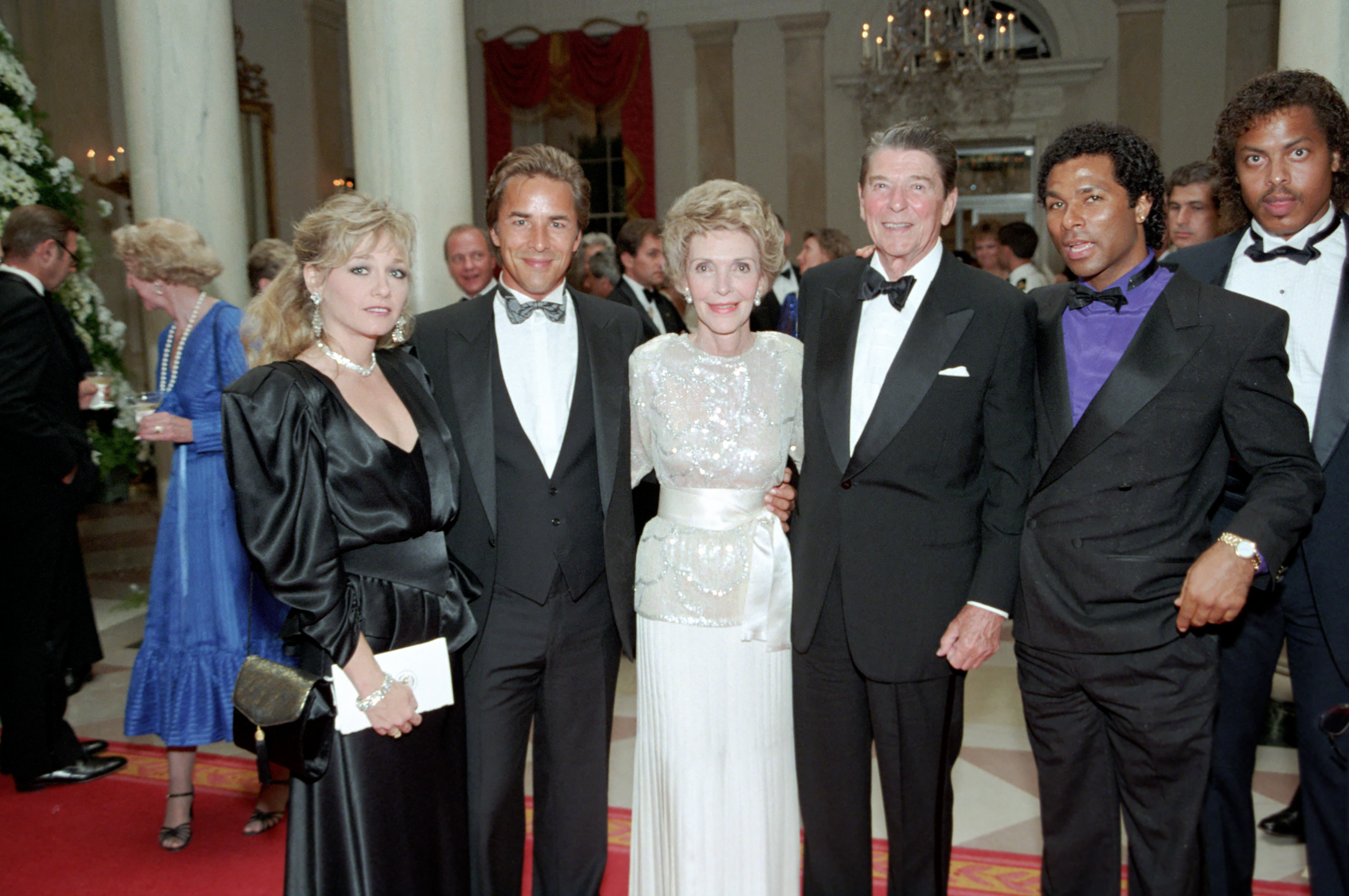
The eight section images are original editorial fashion plates made with fictional adult models. They visualize the documented wardrobe ideas without copying actor likenesses, characters or copyrighted production stills. The cover remains a separately credited public-domain documentary photograph.
Are any of these prices or product picks?
No — this piece contains no prices, no discounts, and no product recommendations of any kind, consistent with this column's standing rules.
Eight shows, eight genuinely different costume ideas, and at least three real documented facts stranger than the myth alone — Mr. T's chains predate the show, Miami Vice's baggy suits were an intentional design choice with a measurable fashion-industry footprint, and Three's Company barely belongs to the decade everyone files it under. Television wasn't just background noise while a household got dressed. For a long stretch, it was the only style advice anybody was getting.
More 80s: What Makeup Actually Looked Like in 1985 · 80s Fashion, Decoded · The 80s-Luxury Revival, Styled
Legit disclosure. This is an independently researched nostalgia-history article. It contains no affiliate links, paid placement or sponsorship. Personal recollections are identified as such and should not be interpreted as documentary evidence. Facts on Miami Vice's costume design and Jodie Lynn Tillen's credited role are drawn from fashion-press coverage (including BAMF Style and Mr Porter) and general well-documented pop-culture sourcing. Facts on Mr. T's gold chains and their origin as a personal habit predating The A-Team are drawn from his own widely reported public statements. Facts on Punky Brewster's costume design and Mona May's credited role are drawn from a WhoWhatWear interview with the designer. Facts on Three's Company's original air dates (March 15, 1977 – September 18, 1984) are drawn from Wikipedia and IMDb. Where a named costume designer or detailed contemporaneous costume reporting could not be verified for a show — Knight Rider, Family Ties, and Webster — that gap is disclosed directly rather than filled with an unverified claim. The cover is a public-domain 1985 White House state-dinner photograph from the Ronald Reagan Presidential Library, credited above. The eight section images are original AI-generated editorial fashion plates made for this article with fictional adult models. They are visual interpretations of wardrobe themes, not documentary evidence, actor likenesses, character recreations or production stills.
Corrections: email us