
Quick take
- Every 2026 RAV4 is now electrified — the gas-only engine is gone entirely, replaced by fifth-gen Hybrid and sixth-gen Plug-in Hybrid powertrains.
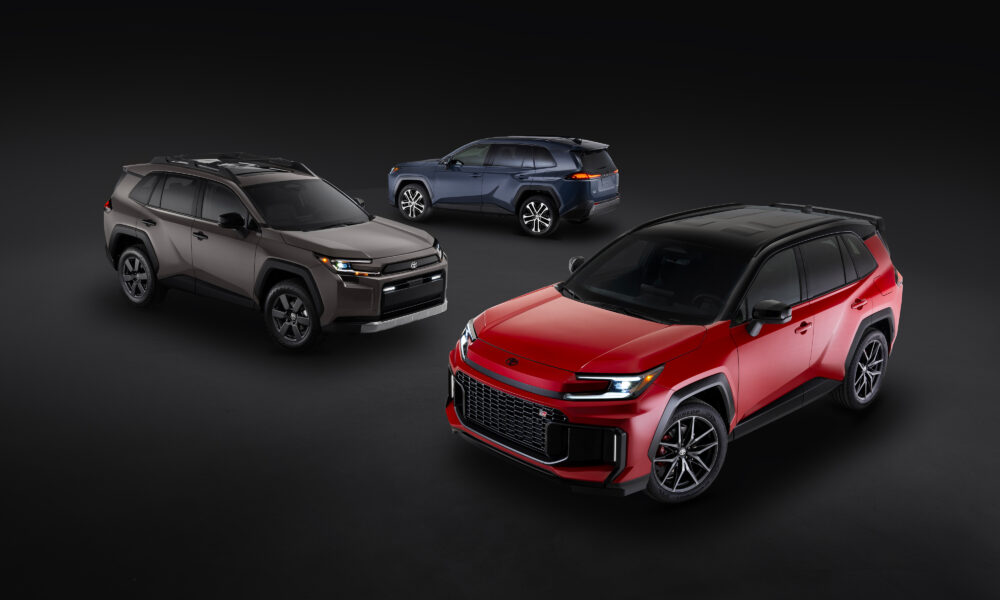
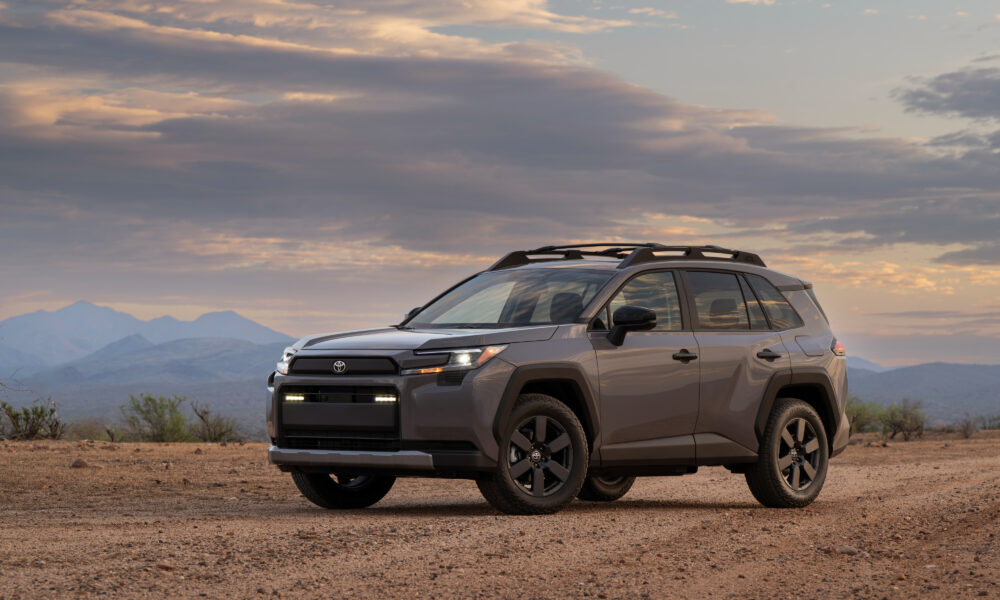
- Two brand-new grades, Woodland (off-road) and GR SPORT (GAZOO Racing-tuned), sit alongside the traditional trims for the first time.
- PHEV models — including Woodland and GR SPORT — trail Hybrid models to market by months, arriving spring 2026 versus December 2025.
- Rivals CR-V Hybrid and Tucson Hybrid remain genuinely competitive: smoother at highway speed and standard AWD, respectively.
For thirty years the RAV4 has been the default answer to "what compact SUV should I buy." For 2026, Toyota changed the question entirely: there is no more gas-only version. Every RAV4 that rolls off the line now carries an electric motor, and for the first time, a genuinely off-road-ready Woodland grade and a GAZOO Racing-tuned GR SPORT sit right there in the lineup alongside it.
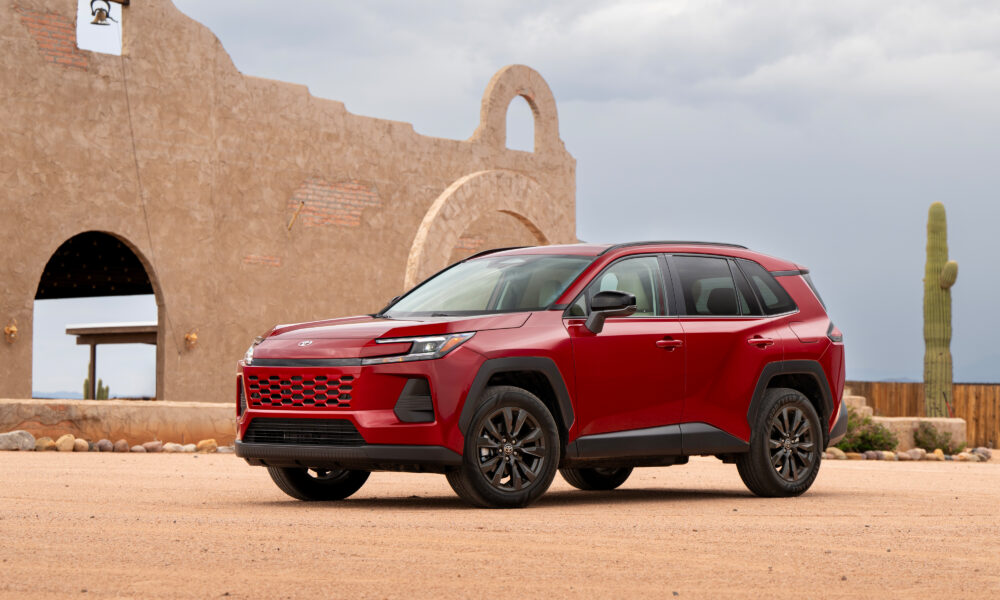
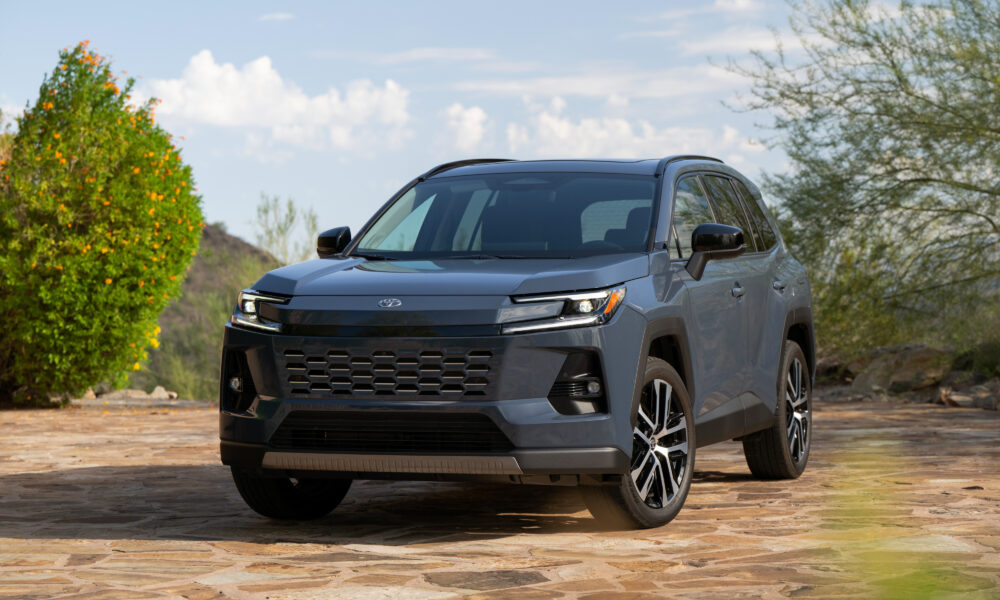
This is the sixth full generation of the RAV4 and the biggest mechanical shift the nameplate has taken since it went hybrid at all. Toyota built it on an evolved version of the TNGA-K unibody platform, stiffened for better body control, and used the extra rigidity to justify a boxier, higher-shouldered exterior with C-shaped running lights and a color-matched, hexagon-textured grille. It looks less like a rounded crossover and more like a small, purposeful truck — a look Toyota is clearly aiming at the Woodland and GR SPORT buyers as much as the school-run crowd.
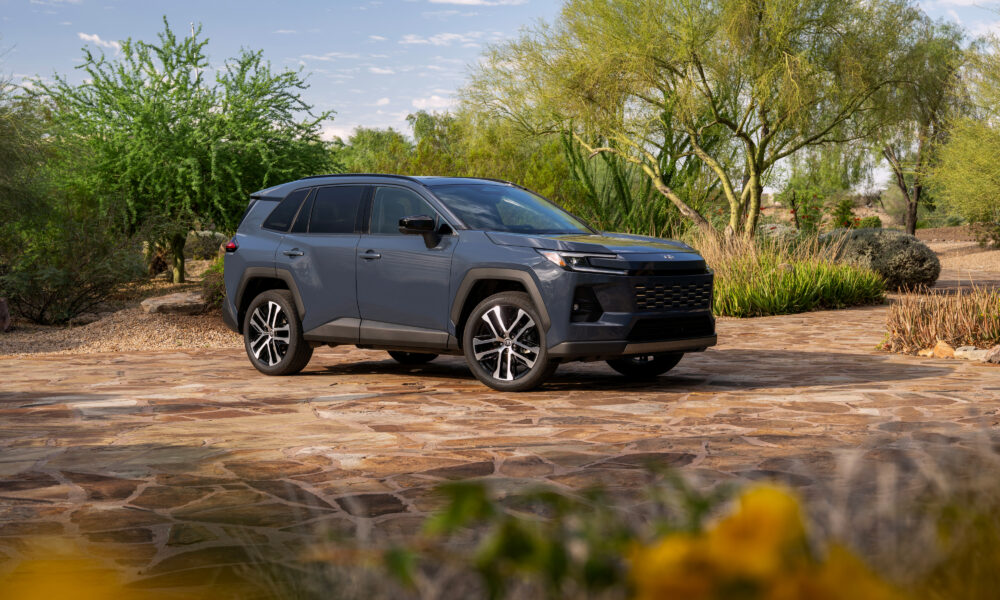
What Actually Changed
Under the hood — or rather, under the floor — there are two powertrains, both electrified, and neither one optional in the sense that a plain gas engine used to be. The fifth-generation Hybrid (HEV) pairs a 2.5-liter four with dual motor-generators, making 226 hp with front-wheel drive or 236 hp with all-wheel drive — a real gain over the outgoing gas engine's 203 hp, rated up to 43 mpg combined. The sixth-generation Plug-in Hybrid (PHEV) makes 324 net combined horsepower and up to 54 miles of EPA-estimated all-electric range on the lead SE trim, a real jump over the previous RAV4 Prime's electric range; it's rated up to 40 mpg combined once the battery is depleted, and comes only with all-wheel drive.
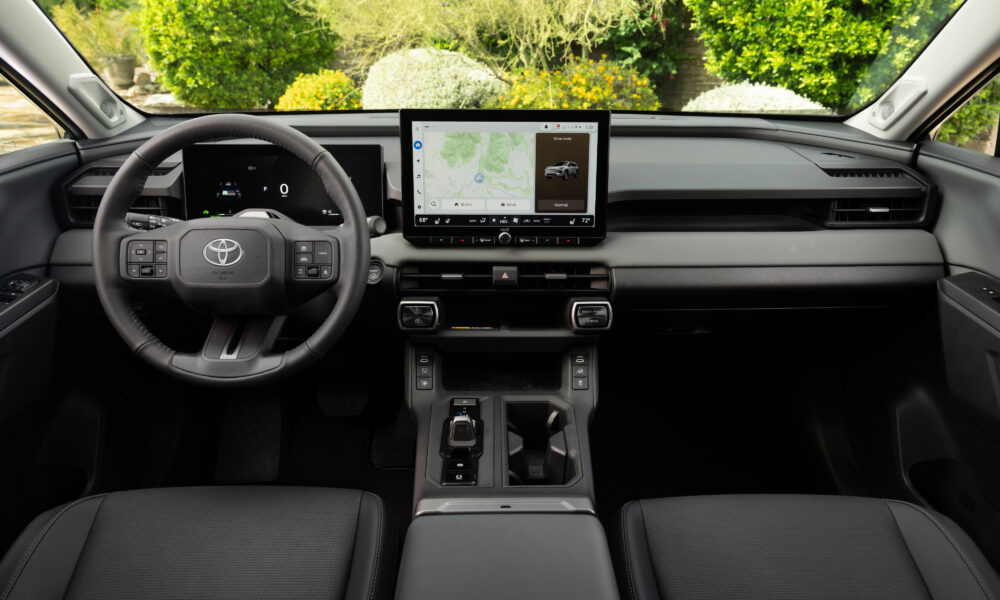
Seven grades now span three design themes: Core (LE, XLE Premium, Limited) for the traditional buyer, Rugged (Woodland) with standard AWD and all-terrain tires for people who actually leave pavement, and Sport (SE, XSE, and the brand-new GR SPORT) for a firmer, GAZOO Racing-tuned chassis. GR SPORT is PHEV-and-AWD only — it's the quickest RAV4 Toyota has ever built. Cargo room lands at 37.8 cubic feet behind the rear seats, growing to 70.4 cubic feet with them folded — competitive for the segment and essentially unchanged from the outgoing car despite the new proportions. A 12.3-inch digital gauge cluster is now standard across the entire lineup, with a 10.5-inch touchscreen standard and a 12.9-inch unit available on higher trims; both run on Arene, Toyota's new in-house software platform from Woven by Toyota, and the Toyota Audio Multimedia system adds built-in AT&T 5G connectivity, wireless Apple CarPlay and Android Auto, and a factory dash cam. Toyota Safety Sense 4.0 is standard on every grade, with a notably quicker and more accurate Pre-Collision System and an updated Lane Tracing Assist. Hybrid models began arriving at dealers in December 2025; the Plug-in Hybrid lineup, including Woodland and GR SPORT, follows in spring 2026.
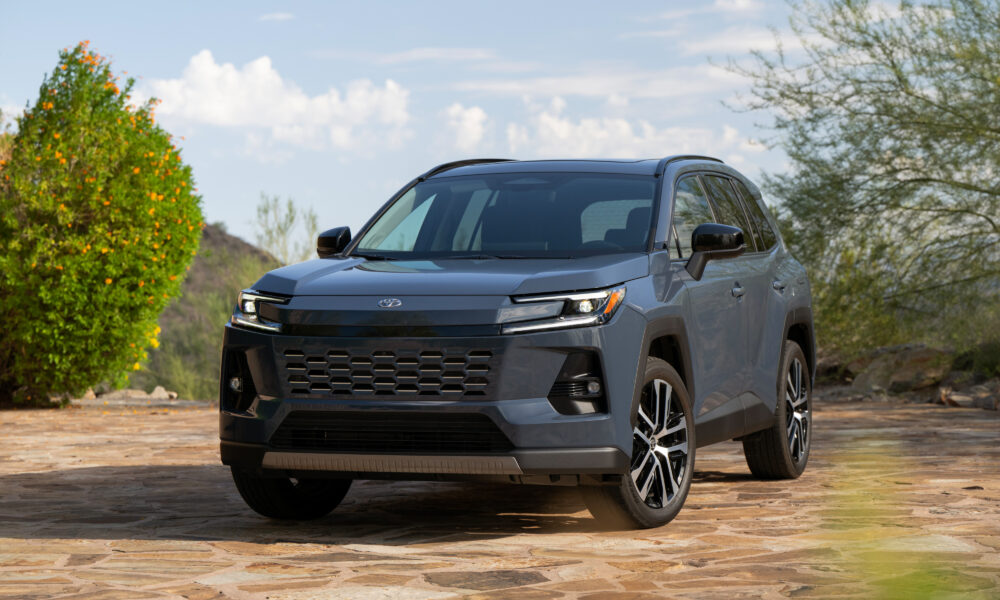
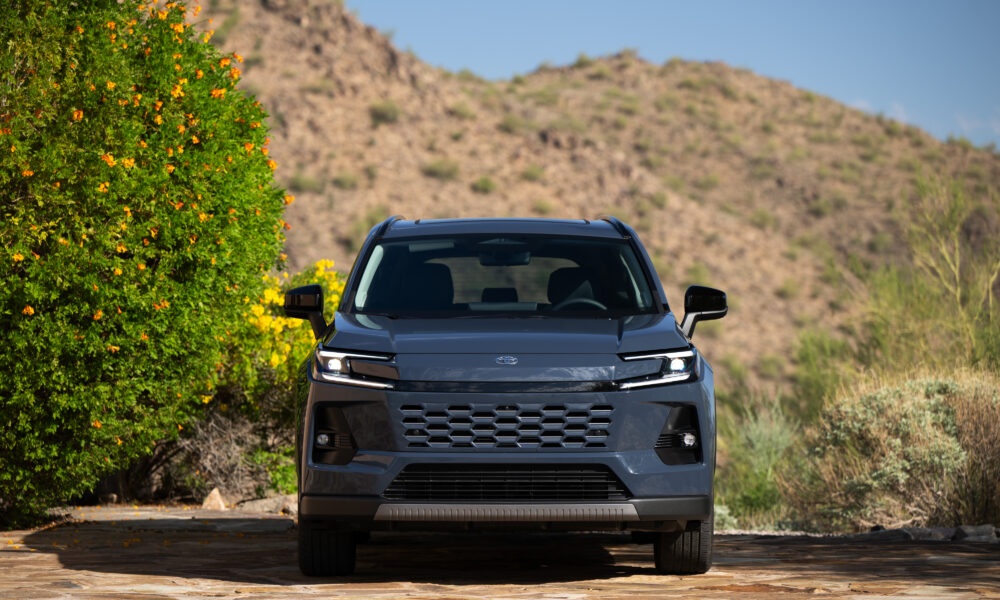
How It Stacks Up
The RAV4 doesn't get to coast. The Honda CR-V Hybrid and Hyundai Tucson Hybrid are both genuinely good, and both were refreshed with the same buyer in mind: someone who wants a compact SUV that sips fuel without becoming an EV-charging project. Here's how the specs actually compare, trim-for-trim, hybrid-for-hybrid.
| Model | Powertrain | Horsepower | Combined MPG | Cargo (seats up) |
|---|---|---|---|---|
| 2026 Toyota RAV4 Hybrid | 2.5L + dual motor-generators | 226–236 hp | up to 43 | 37.8 cu ft |
| 2026 Honda CR-V Hybrid | 2.0L four + two electric motors, e-CVT | 204 hp | up to 40 | 36.6 cu ft |
| 2026 Hyundai Tucson Hybrid | 1.6L turbo four + electric motor | 231 hp | up to 38 | 38.7 cu ft |
The RAV4 Hybrid is the only one of the three with a factory off-road grade and a motorsport-tuned trim. The CR-V Hybrid has the quietest cabin of the three and is a genuinely excellent everyday hybrid, but offers no plug-in and no rugged variant. The Tucson Hybrid makes AWD standard across its whole hybrid line and has the most cargo room, but posts the lowest combined efficiency of the group.
Where It Still Loses Ground
None of this makes the RAV4 automatically the right pick. The CR-V Hybrid's e-CVT is smoother and quieter at highway speeds, and Honda's cabin materials in Sport Touring trim feel a notch nicer than the RAV4's harder-wearing surfaces. The Tucson Hybrid answers the AWD question for everyone by making it standard rather than trim-gated, and its rear seat is a genuine size class up. And because the RAV4 Plug-in Hybrid doesn't arrive until spring 2026, the more interesting half of the new lineup — Woodland and GR SPORT included — will spend a full model-year quarter unavailable while Hybrid-only models hold the floor.
Who the Woodland and GR SPORT Grades Are Actually For
Toyota has offered rugged and sport-flavored trims on other models for years, but this is the first time the RAV4 gets both at once, aimed at two different reasons people buy a compact SUV instead of a sedan. Woodland's standard all-terrain tires and AWD are a real functional upgrade for buyers who tow small trailers, drive gravel roads, or want factory-installed capability rather than an aftermarket lift kit. GR SPORT, restricted to the 324-hp Plug-in Hybrid, is Toyota's answer to the "why can't a family SUV also be a little fun" question — GAZOO Racing's involvement means retuned dampers and steering, not just badges.
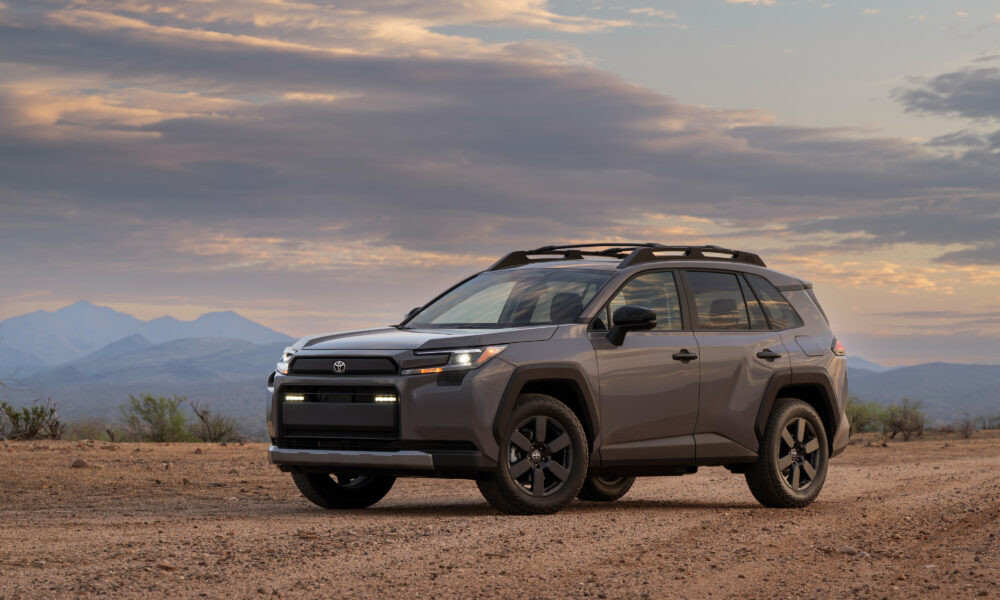
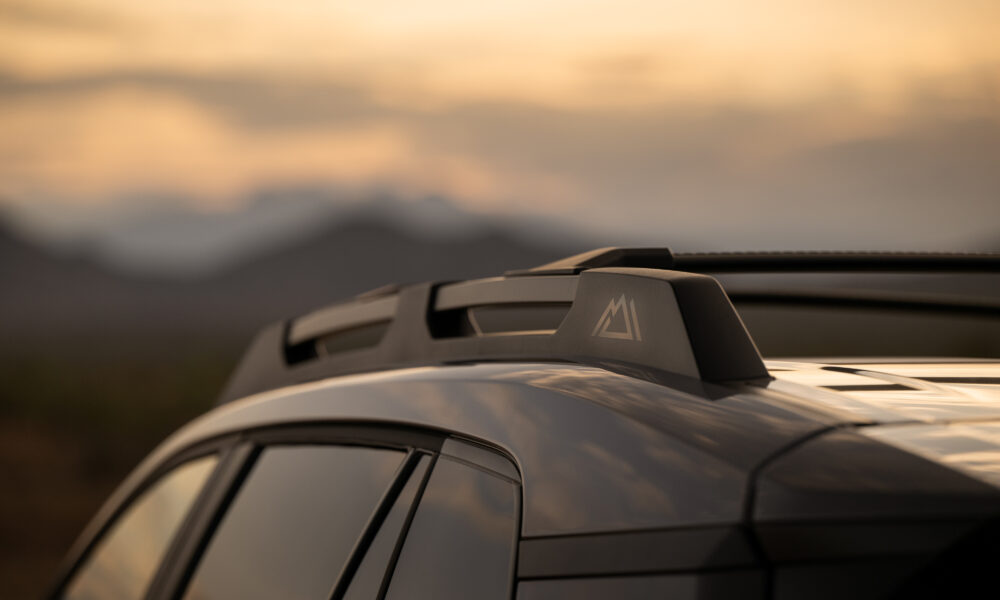
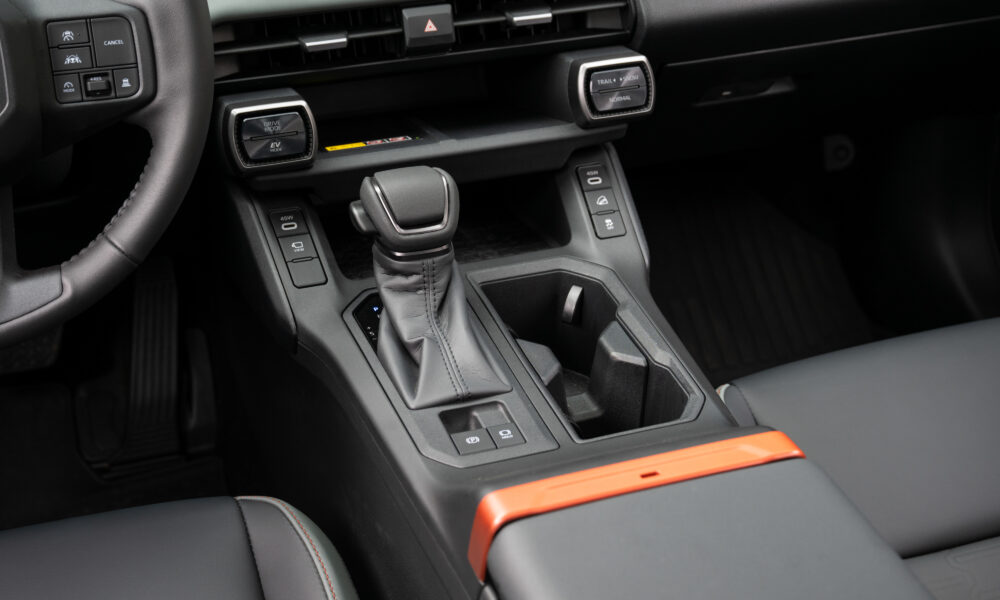
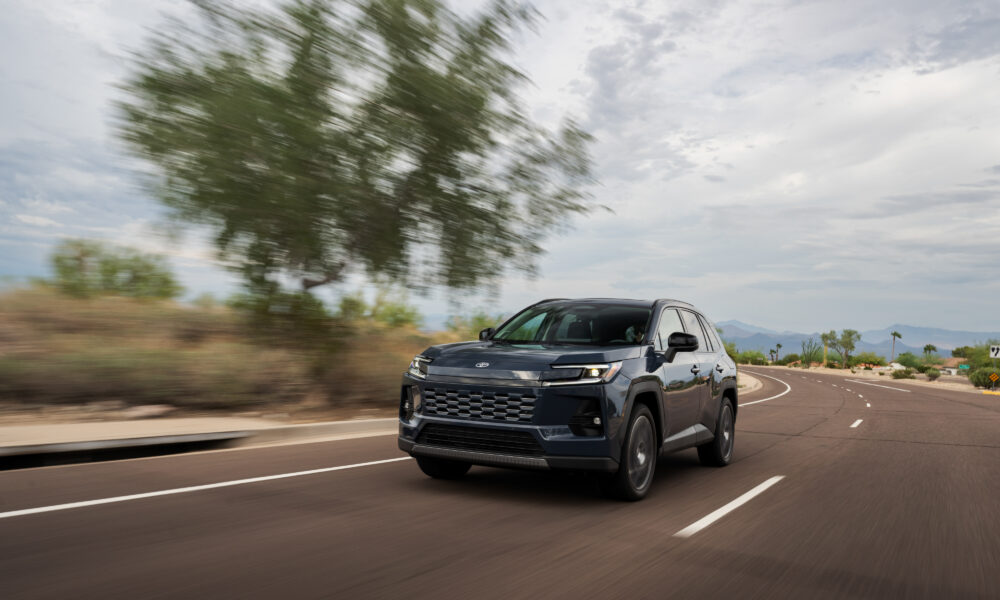
Interior materials and layout carry across the lineup regardless of trim personality — the 12.3-inch digital gauge cluster and Arene-based infotainment look the same whether the exterior is wearing Woodland's all-terrain tires or GR SPORT's lowered stance.
Common questions
Can you still buy a gas-only RAV4?
No. Every 2026 RAV4 is electrified — Hybrid or Plug-in Hybrid, with no gas-only engine option.
What's the PHEV's all-electric range?
Up to 54 miles EPA-estimated on the lead SE trim, enough to cover most daily commuting on electricity alone.
Is GR SPORT available with the regular Hybrid?
No. GR SPORT is restricted to the 324-hp Plug-in Hybrid with all-wheel drive.
When does the Plug-in Hybrid arrive?
Spring 2026 — Hybrid models started reaching dealers first, in December 2025.
How does it compare to the CR-V Hybrid and Tucson Hybrid?
The RAV4 has more power and a rugged/sport trim option the rivals lack; the CR-V is quieter, and the Tucson offers standard AWD across its hybrid line.
The 2026 RAV4 is the most mechanically ambitious version of this SUV Toyota has ever built, and going all-hybrid is a genuinely bold call for a nameplate this large. The core Hybrid models are a clear step up in power and efficiency without asking the buyer to change anything about how they shop. The bigger story is the range's new edges — Woodland and GR SPORT give the RAV4 personalities it never had before, even if the most interesting one won't be at dealers until spring. Set against the CR-V Hybrid's smoother cruise and the Tucson Hybrid's standard AWD, the RAV4's edge is breadth: no rival matches its spread from factory off-roader to genuinely quick plug-in.
Sources. Toyota USA Newsroom press release, "The Next Adventure Begins: 2026 RAV4 Arrives This Winter"; Toyota.com RAV4 Hybrid and Plug-in Hybrid product pages; manufacturer specification pages for the 2026 Honda CR-V Hybrid and 2026 Hyundai Tucson Hybrid. This review was independently researched and written using official press materials and published third-party road tests; no vehicle was provided by Toyota, Honda, or Hyundai for this piece. Photography is Toyota press material, used for editorial reporting.
This article contains no affiliate links and no buy buttons — DopamineKart does not monetise vehicle coverage. DopamineKart has not conducted a hands-on test drive of this vehicle; this article is a research-based breakdown, not a road test.
Corrections: email us