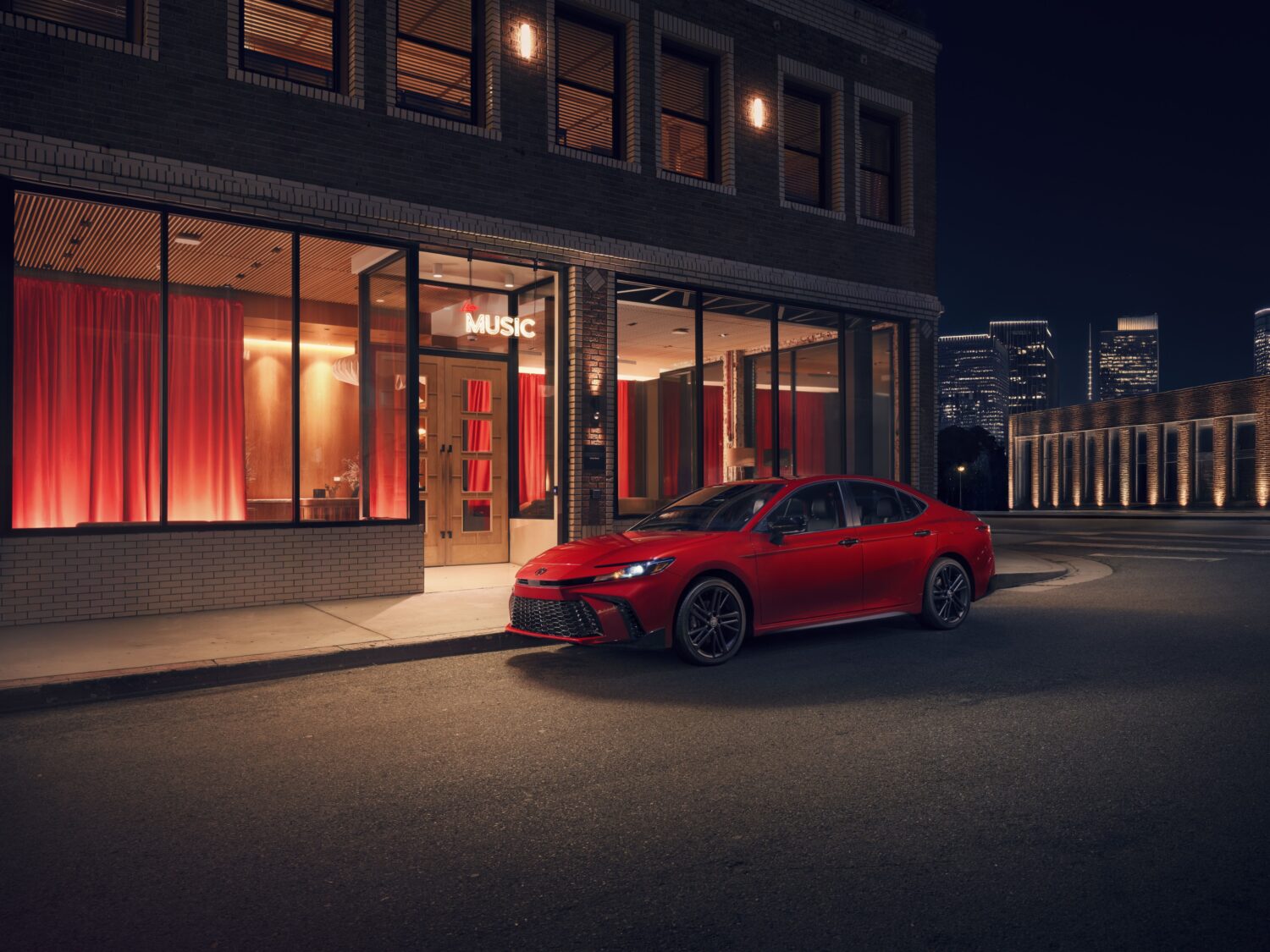
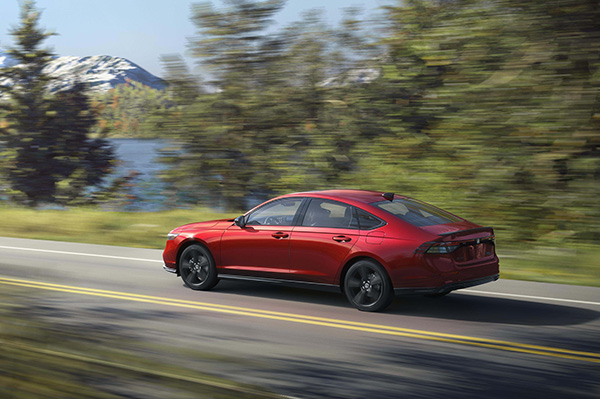
Quick take
- The Camry is hybrid-only across all five trims (LE, SE, Nightshade, XLE, XSE) and is the only one of the two available with all-wheel drive — Toyota's Electronic On-Demand AWD adds a rear e-axle rather than a mechanical driveshaft.
- The Accord still splits its lineup: a 192-hp turbo 1.5L on LX and SE, and a 204-hp hybrid on Sport, EX-L, Sport-L and Touring. Every Accord is front-wheel drive only.
- Both cars' best EPA combined ratings land within a few mpg of each other — Camry LE FWD at 51 mpg combined, Accord's EX-L hybrid at 48–51 mpg combined depending on source.
- Honda's Accord just picked up its 40th Car and Driver 10Best win for 2026 — an unmatched streak for any nameplate on that list. The Camry has not been a recent 10Best pick.
- As of this writing, neither Toyota nor Honda has published 2027-specific press materials; both are widely expected to carry over their current generations largely unchanged, per CarsDirect's 2027 previews.
The Camry and the Accord have been trading blows for four decades, and the fight has quietly turned into a hybrid-powertrain argument. Toyota went all-in first: every 2025-and-later Camry, gas-only option eliminated, runs Toyota's fifth-generation hybrid system, and it's the only one of the two that can be had with all-wheel drive. Honda hasn't gone that far — the Accord still offers a conventional turbocharged four on its cheaper trims — but its hybrid, when you spec it, matches or beats the Camry's efficiency, and the nameplate just extended a genuinely remarkable streak: Honda's 40th all-time Car and Driver 10Best win, more than any other brand has managed with any model. Neither automaker has published official 2027 specifics yet, so this comparison covers each car's current, real specification as sold today — the version both are expected to carry into the 2027 model year largely unchanged.
Camry: hybrid-only, and now with all-wheel drive
Every 2025-and-newer Toyota Camry — LE, SE, Nightshade Edition, XLE and XSE — comes standard with Toyota's fifth-generation hybrid system: a 2.5-liter four-cylinder paired with electric motors, no gas-only version offered in North America. Front-wheel-drive Camrys make 225 net combined horsepower; opt for Toyota's Electronic On-Demand AWD — which drives the rear wheels with an electric motor rather than a mechanical driveshaft — and combined output rises to 232 hp. It's the only AWD offered on either car in this comparison.
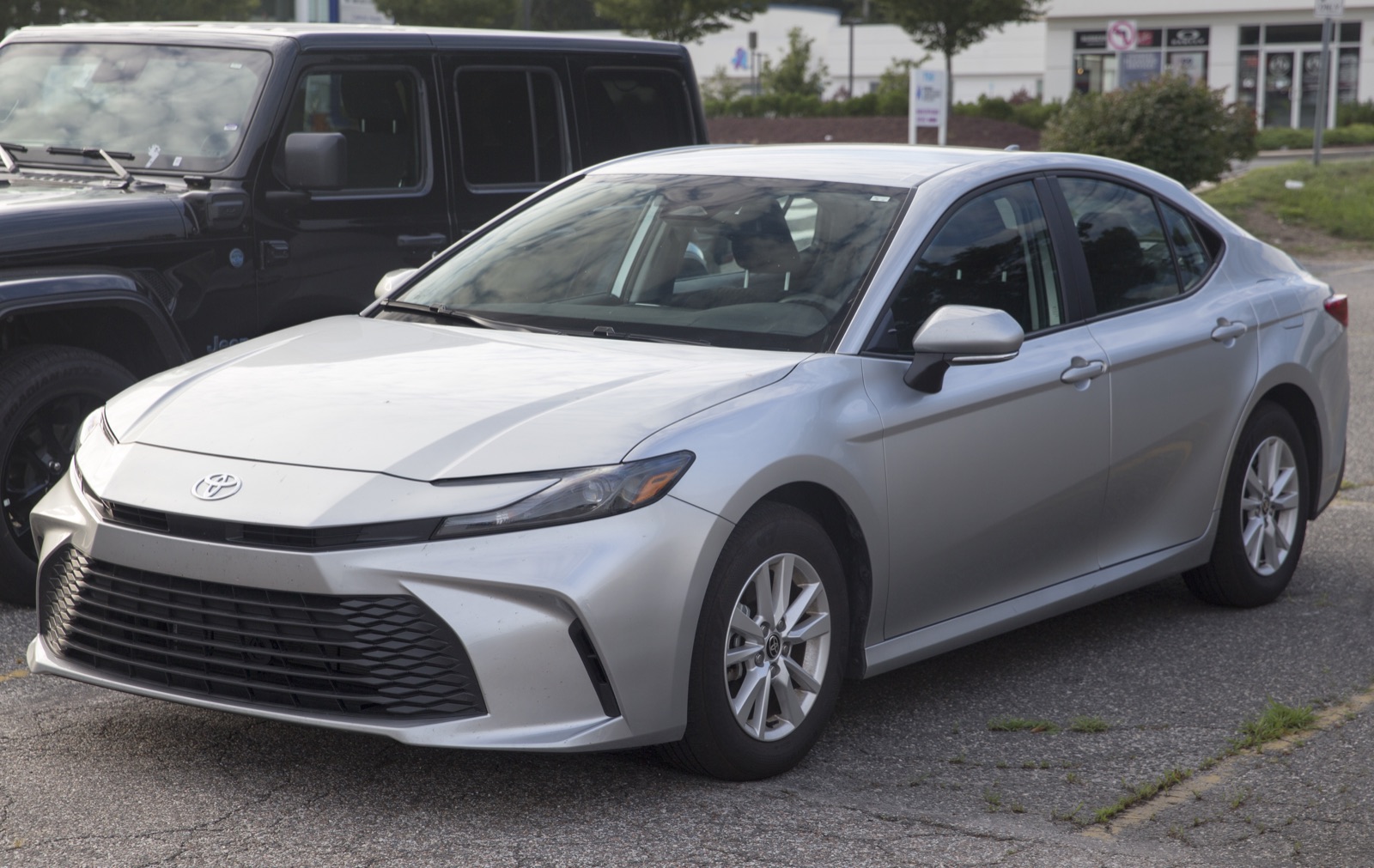
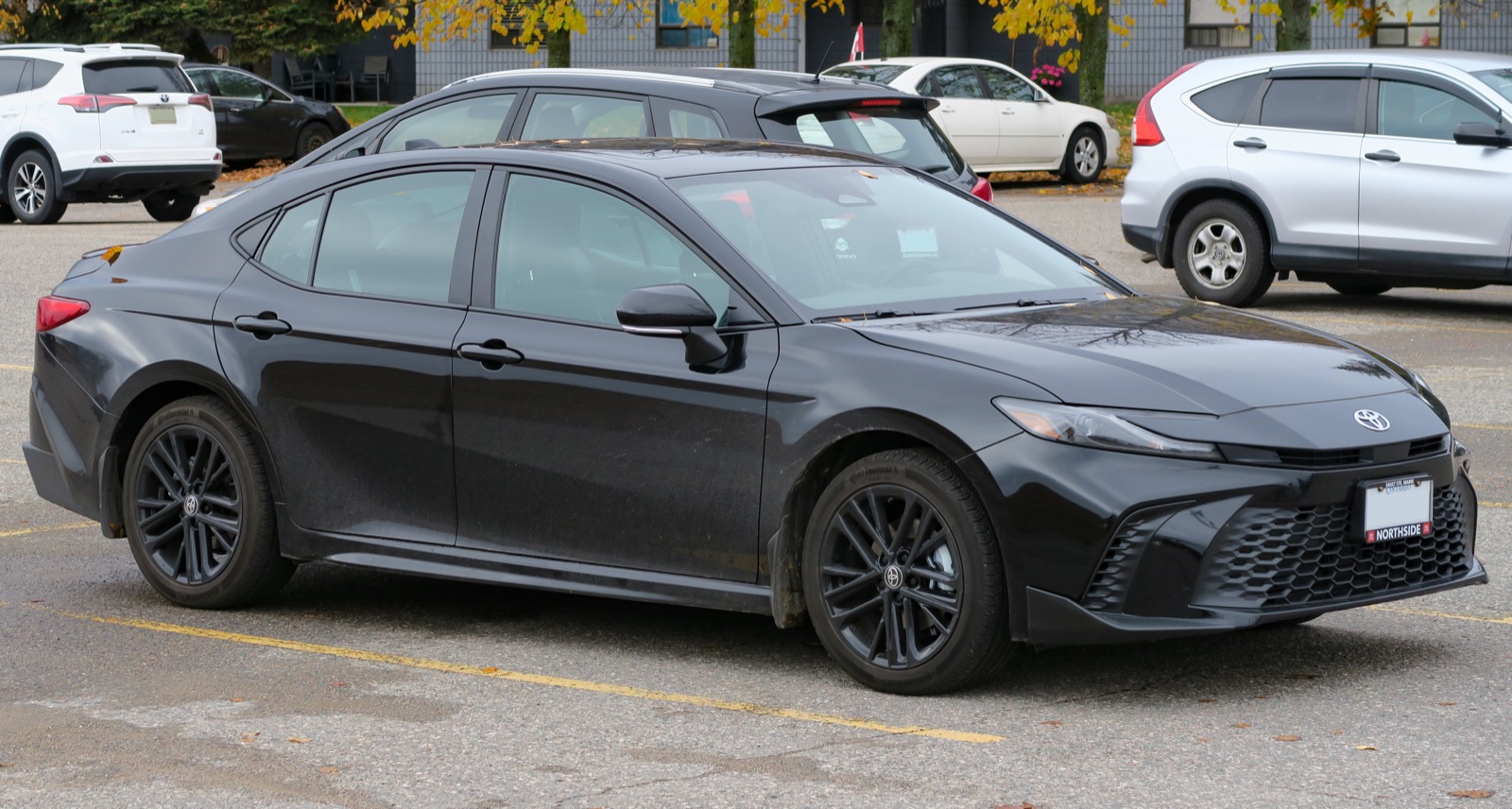
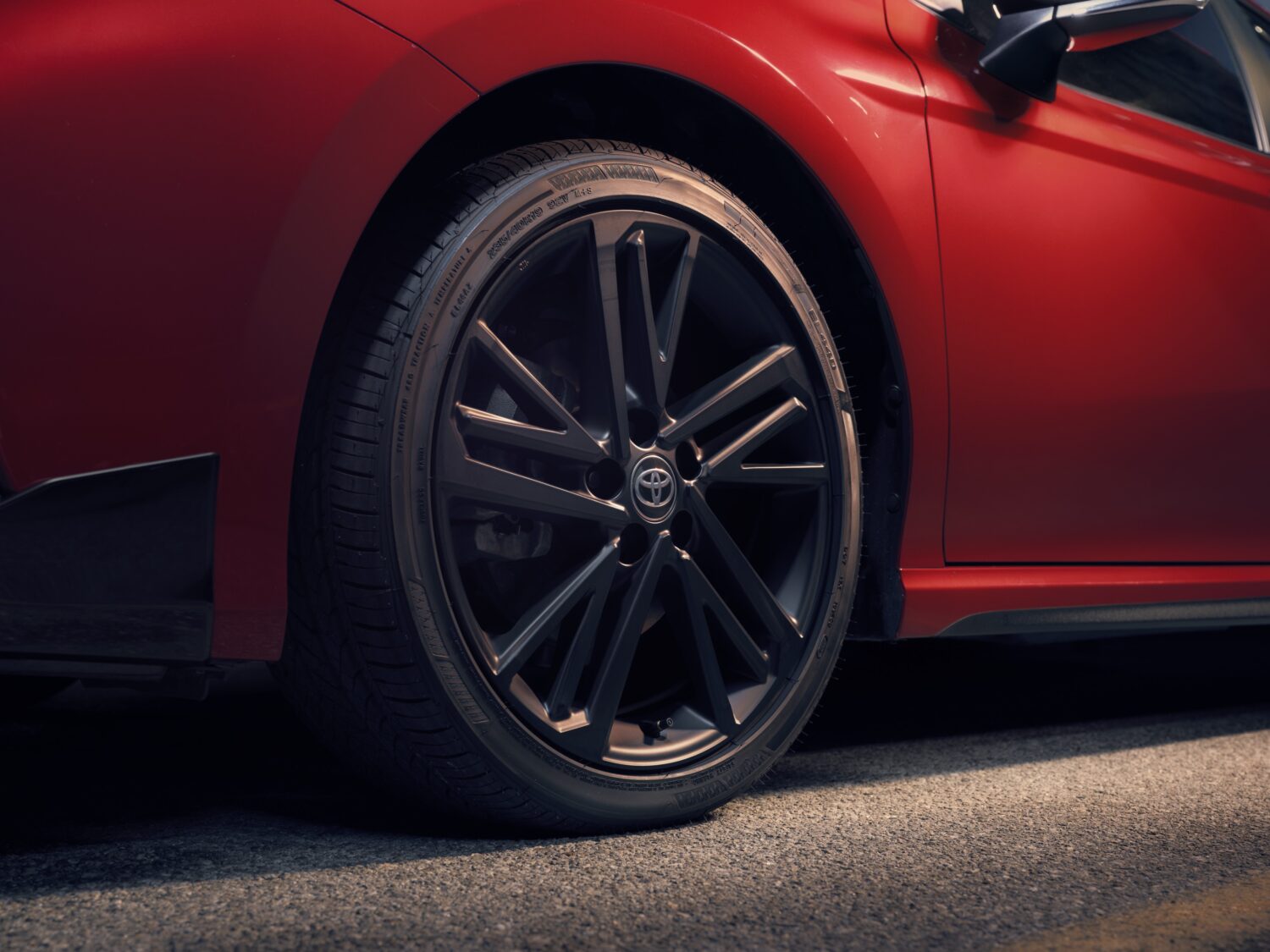
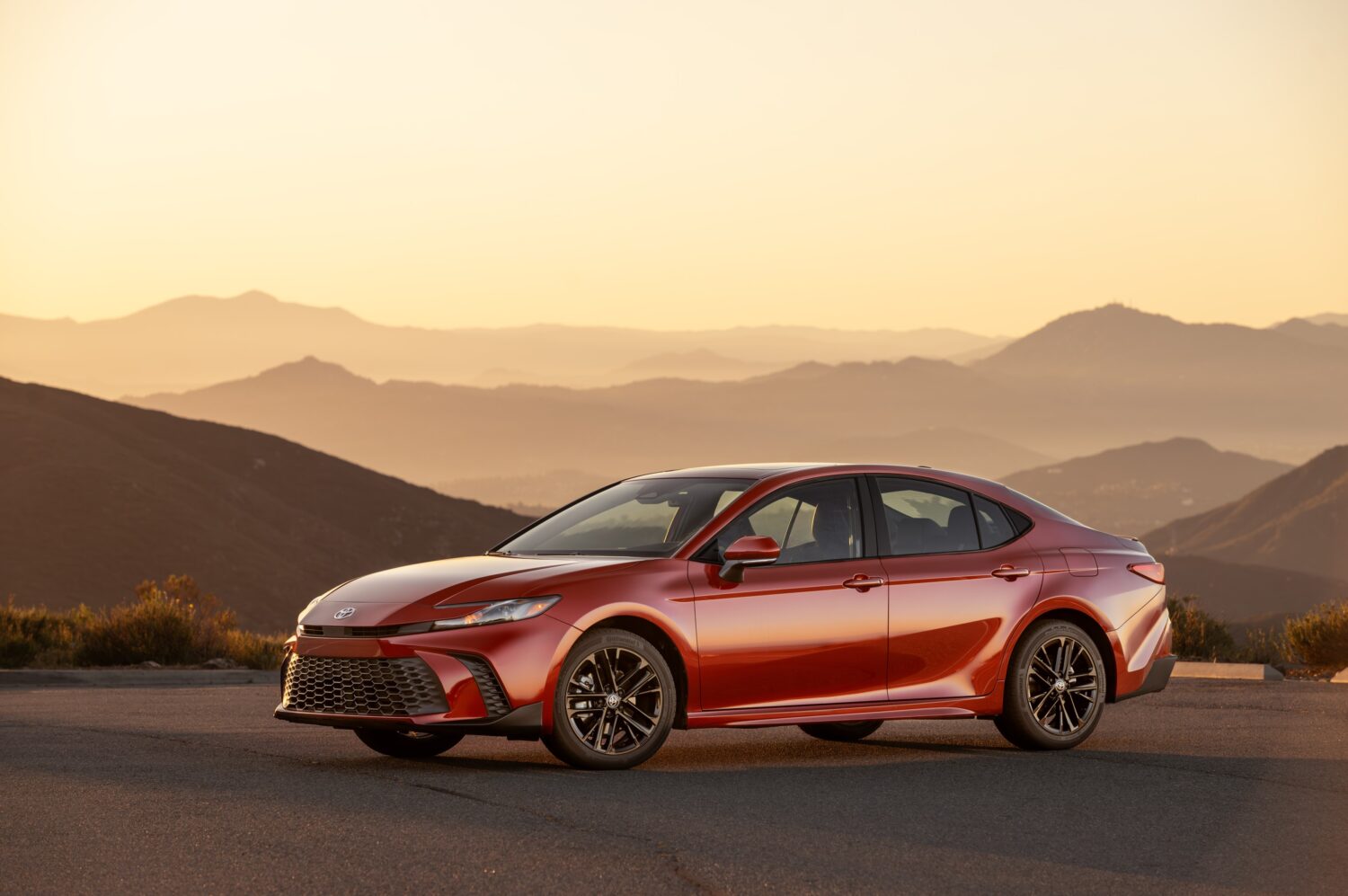
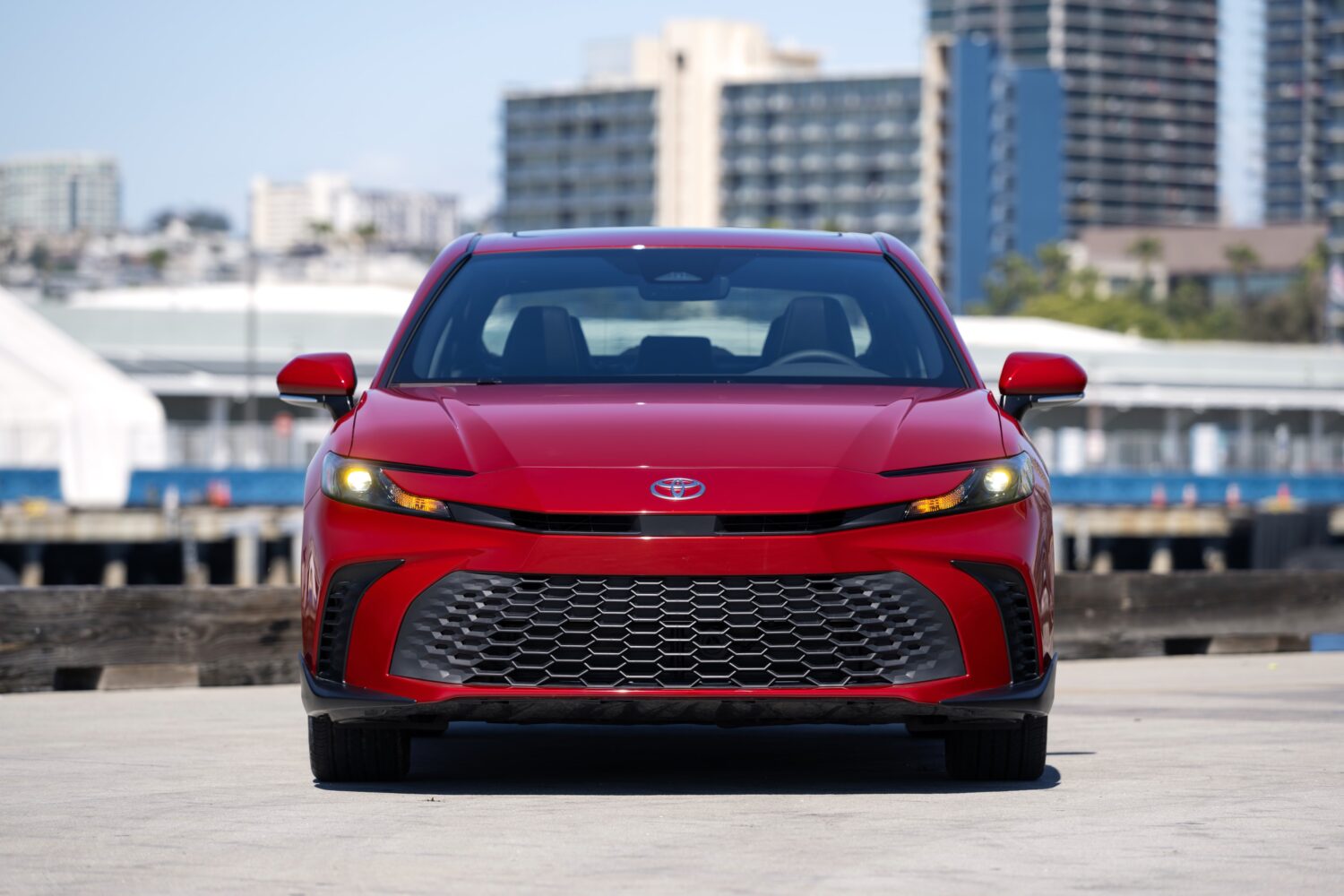
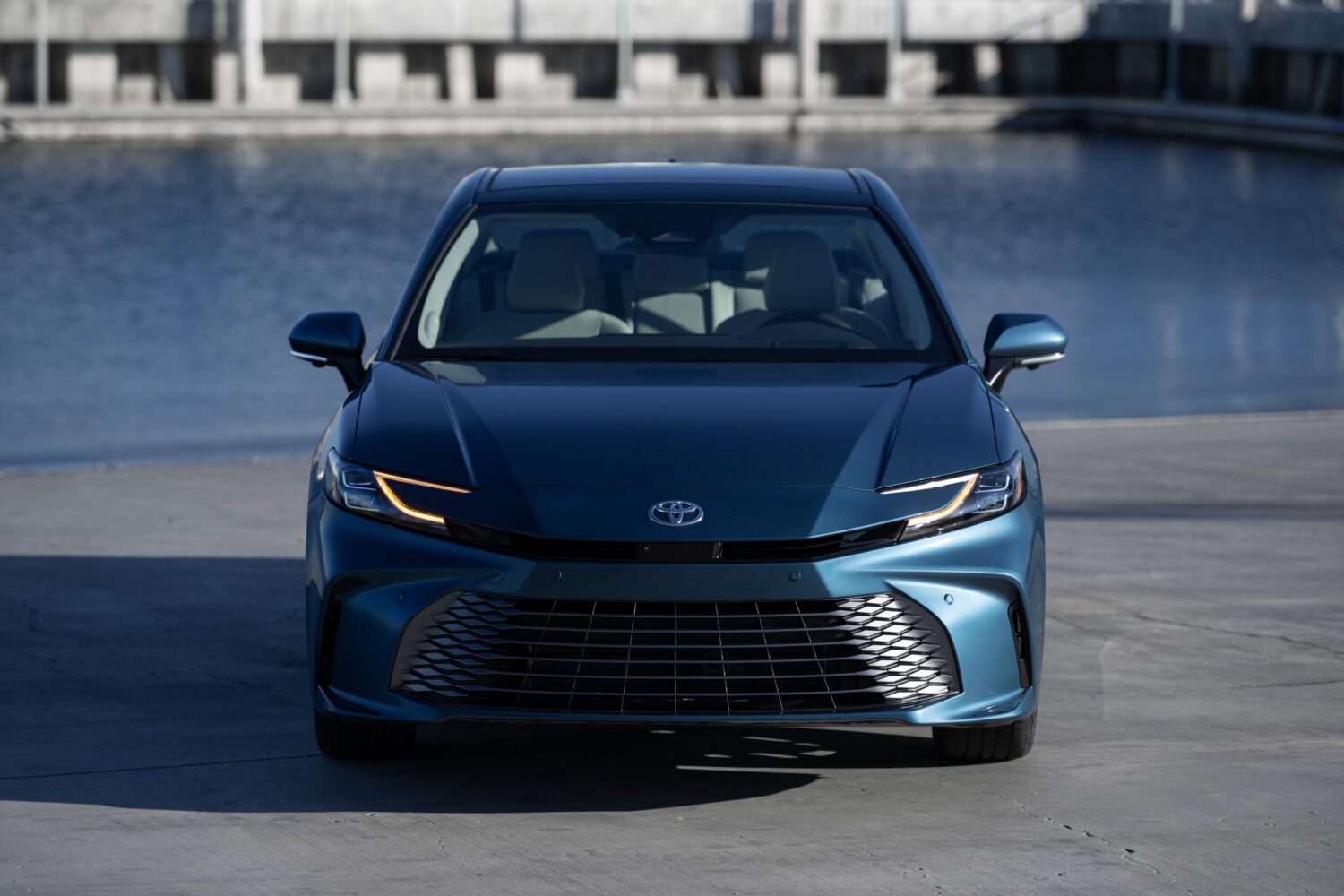
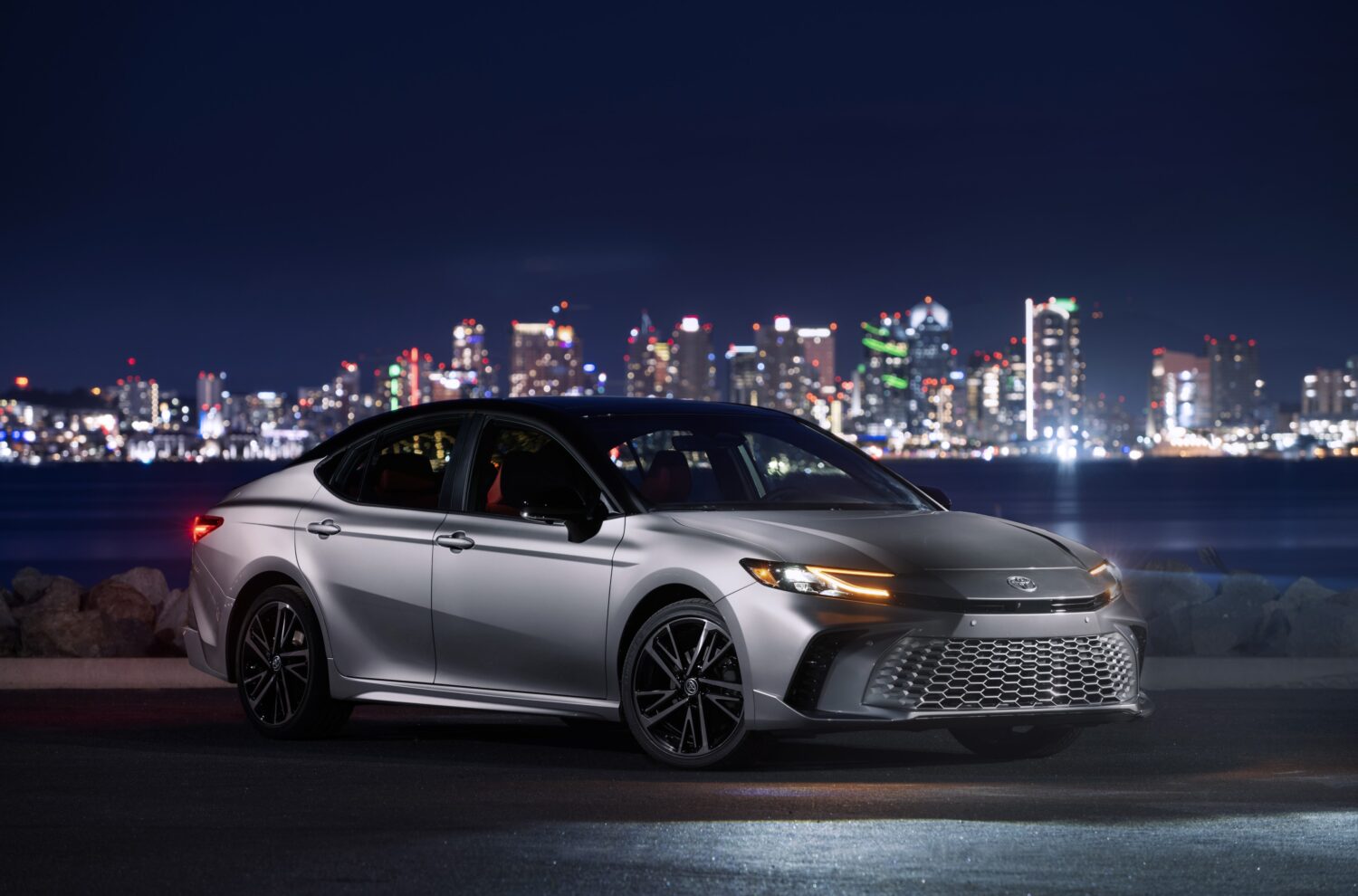
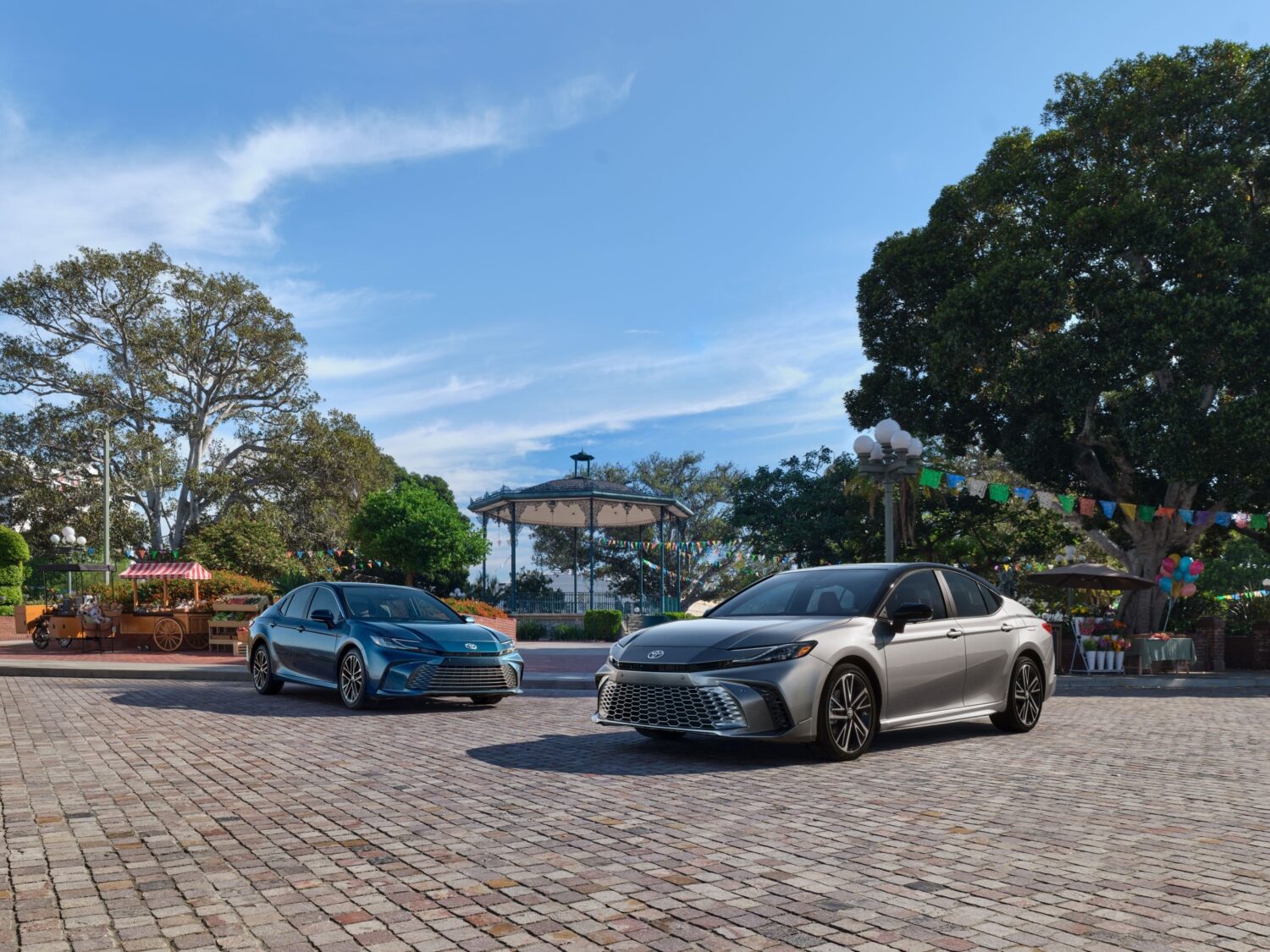
Fuel economy varies by trim and drivetrain: the LE FWD tops the range at an EPA-estimated 51 mpg combined, while SE, Nightshade, XLE and XSE FWD models settle around 46 mpg combined. AWD costs a little efficiency — the LE AWD still manages 50 mpg combined, while the XSE AWD, the thirstiest combination in the lineup, comes in at 43 mpg combined. Car and Driver's instrumented testing clocked a Camry XSE AWD at 6.8 seconds to 60 mph, quicker than the FWD version's 7.0-second run in the same test — the extra rear motor helps off the line even though it adds weight.
| Camry spec | Figure |
|---|---|
| Powertrain | 2.5L I4 + electric motor(s), 5th-gen Toyota Hybrid System |
| Output, FWD / AWD | 225 hp / 232 hp (net combined) |
| Drivetrain | FWD or Electronic On-Demand AWD (rear e-axle) |
| Best EPA combined | 51 mpg (LE FWD) |
| 0–60 mph (Car and Driver, XSE AWD) | 6.8 sec |
| Trunk space | 15.1 cu ft |
| Trims | LE, SE, Nightshade Edition, XLE, XSE |
Accord: still your choice of turbo four or hybrid
Honda hasn't followed Toyota all the way to hybrid-only. The 11th-generation Accord's entry trims, LX and SE, use a turbocharged 1.5-liter four making 192 hp and 192 lb-ft, sent through a CVT to the front wheels only. Step up to Sport, EX-L, Sport-L or Touring and the powertrain switches to Honda's two-motor hybrid system — a naturally aspirated 2.0-liter four plus electric motors, rated at 204 hp and 247 lb-ft combined. There's no AWD option anywhere in the lineup; every Accord, gas or hybrid, is front-wheel drive.
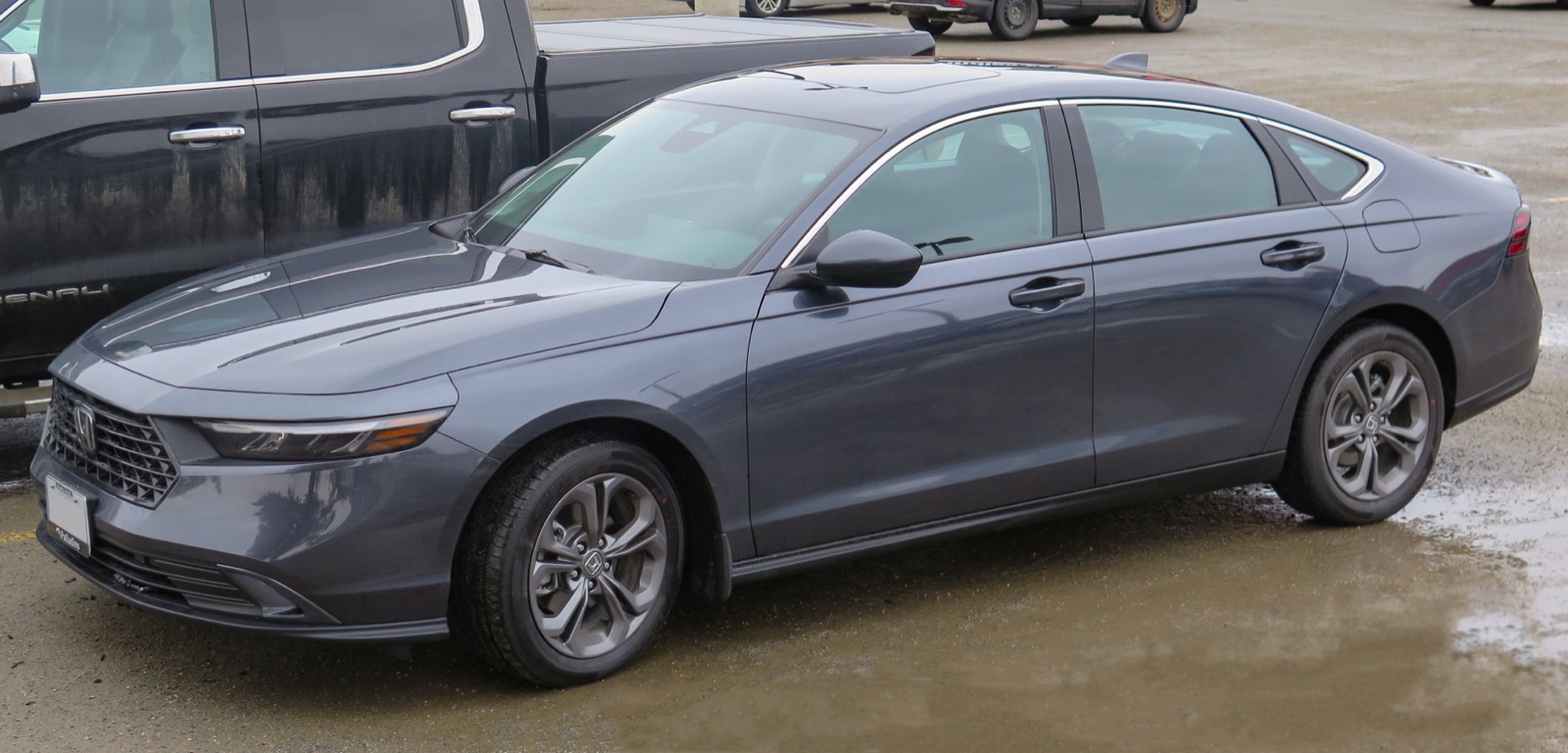
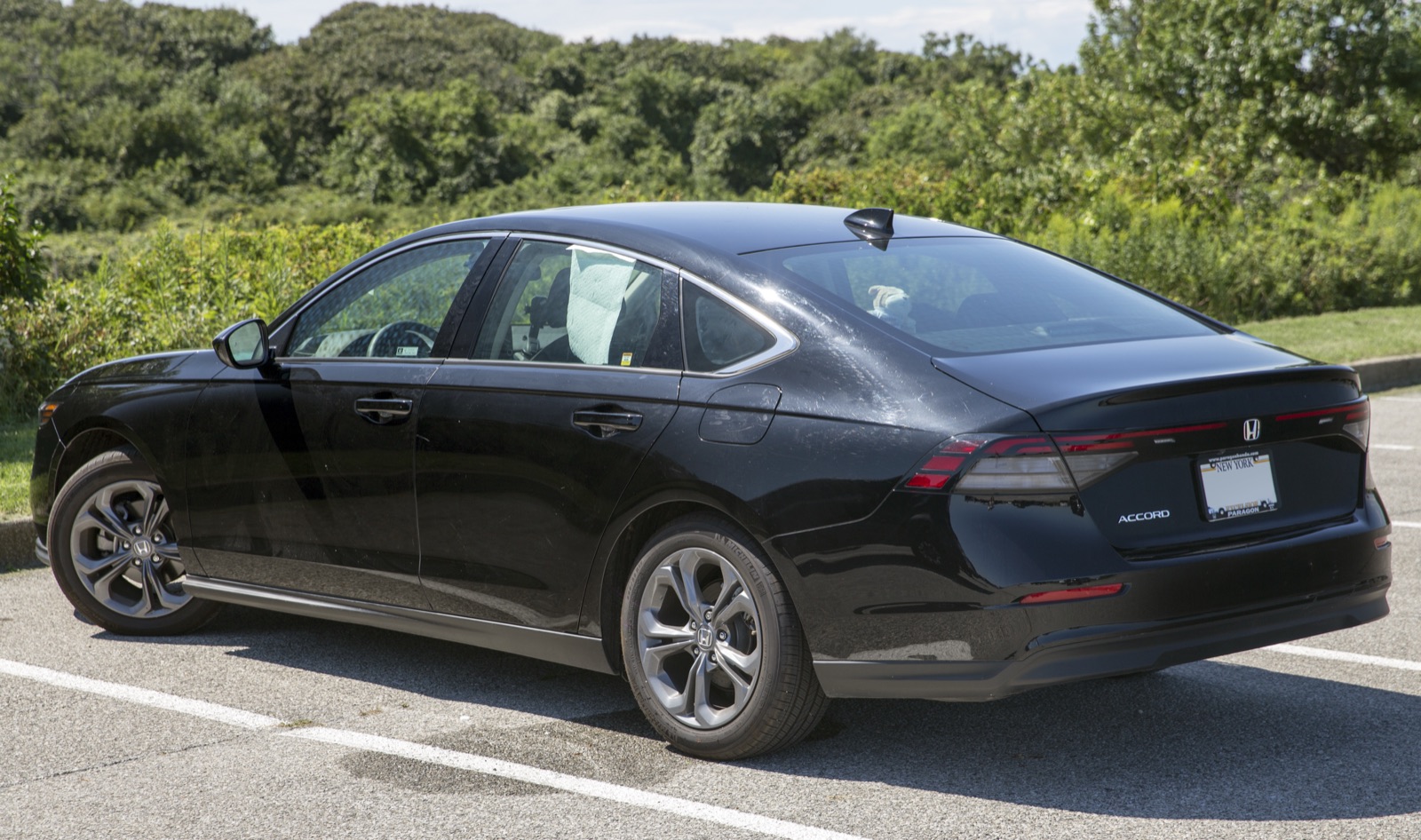
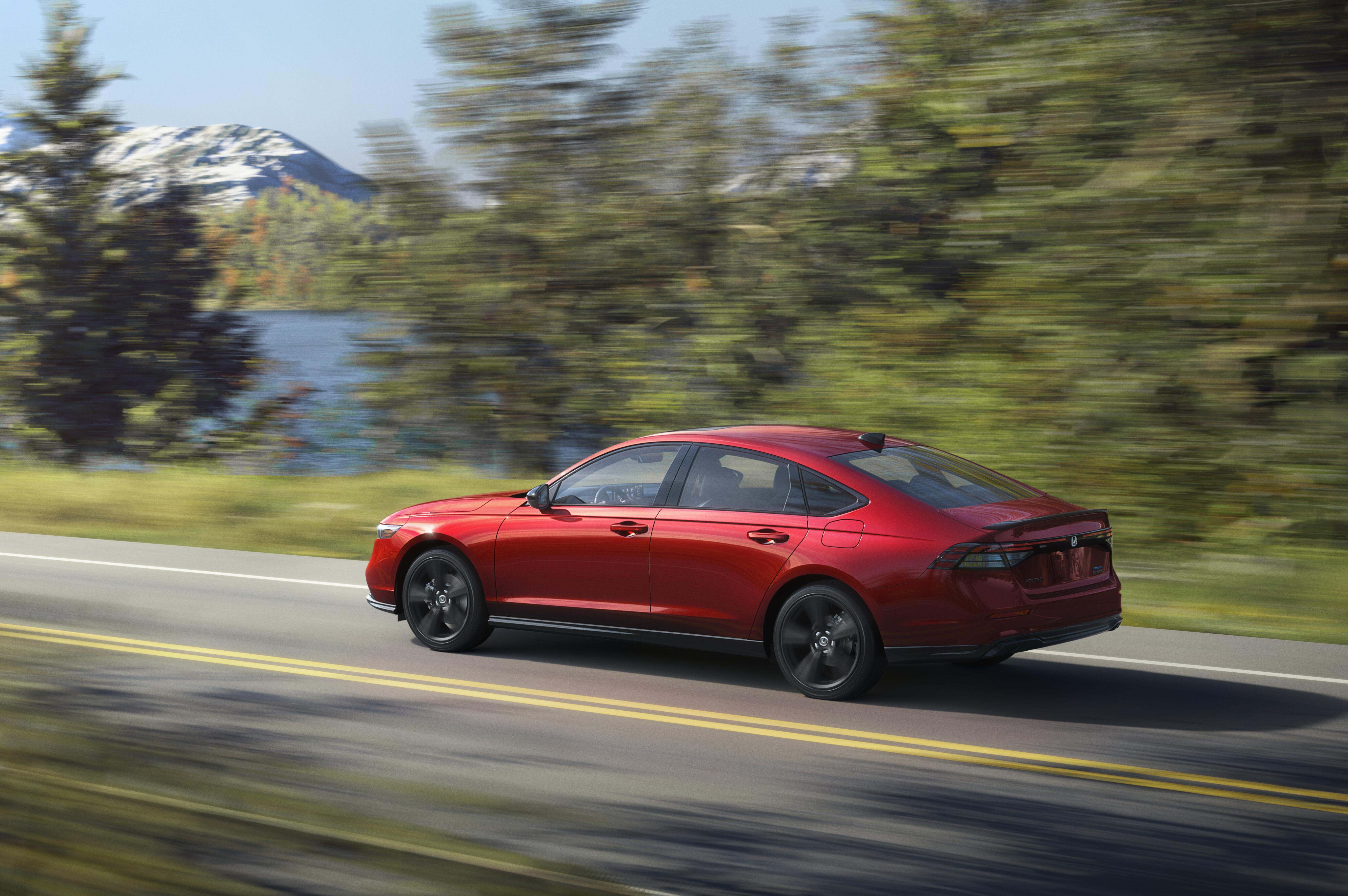
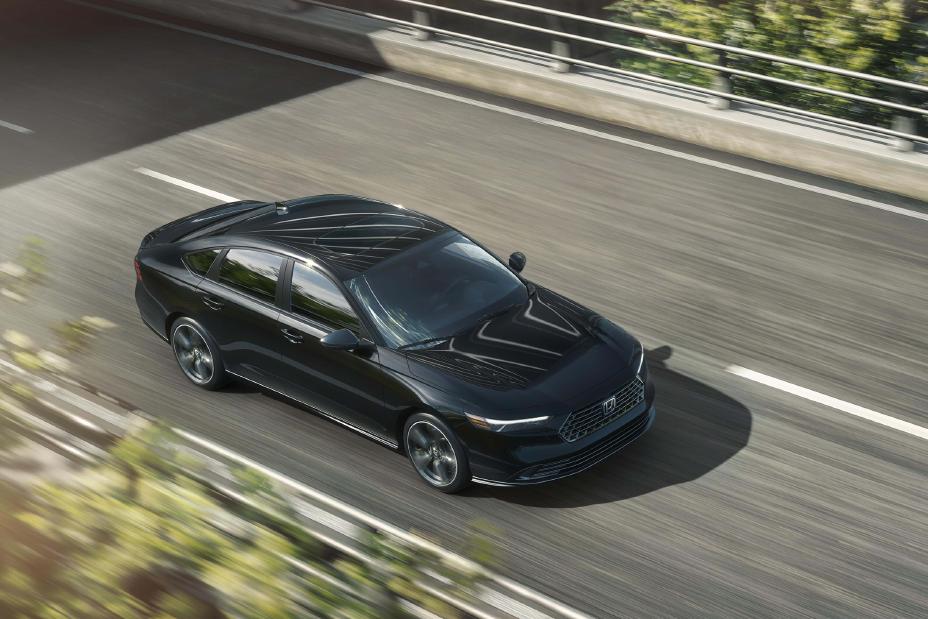
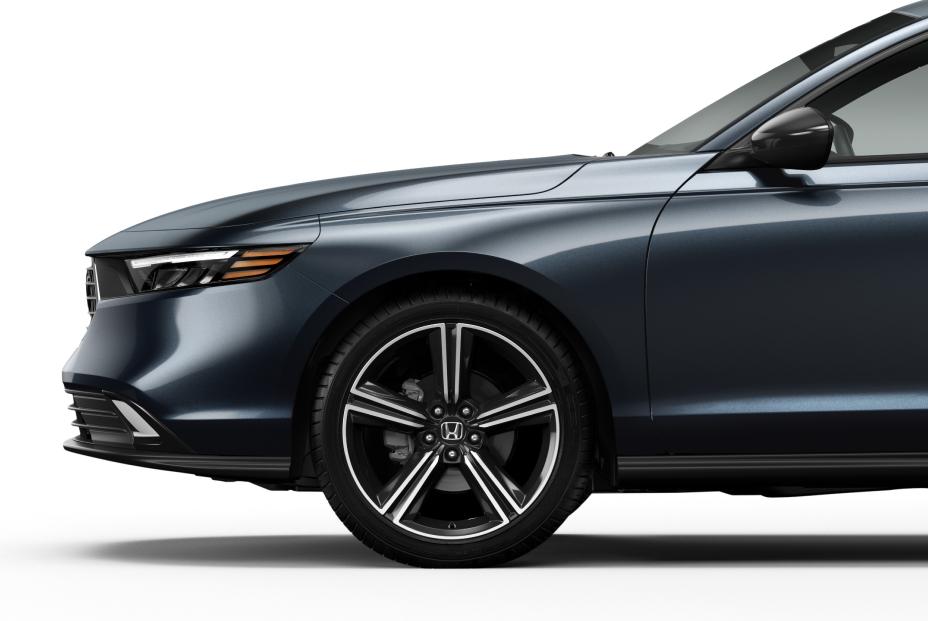
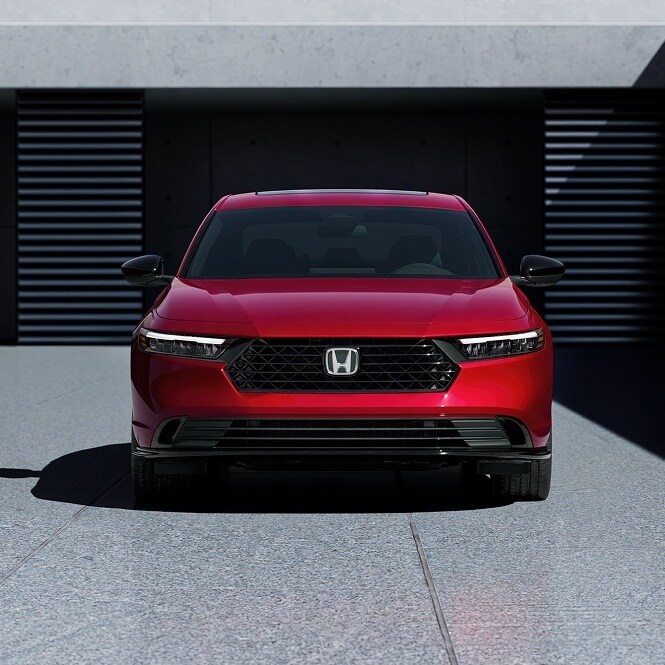
Fuel economy splits cleanly along powertrain lines: the 1.5T LX and SE are EPA-rated around 29 city / 37 highway / 32 mpg combined, while the hybrid Sport, Sport-L and Touring land near 46/41/44 mpg, and the EX-L hybrid — the efficiency leader of the range — reaches an EPA-estimated 51 city / 44 highway / 48 mpg combined. Car and Driver's tests put the hybrid at 6.7 seconds to 60 mph and the 1.5T gas model at 7.3 seconds; independently, Edmunds recorded 7.0 seconds and Consumer Reports 8.0 seconds for hybrid models, a reminder that instrumented 0–60 numbers shift with testing conditions and exact trim.
| Accord spec | Figure |
|---|---|
| Powertrain (LX, SE) | 1.5L turbo I4, 192 hp / 192 lb-ft, CVT |
| Powertrain (Sport, EX-L, Sport-L, Touring) | 2.0L I4 + electric motor(s), 204 hp / 247 lb-ft combined |
| Drivetrain | FWD only — no AWD offered |
| Best EPA combined | 48 mpg (EX-L hybrid) |
| 0–60 mph (Car and Driver, hybrid) | 6.7 sec |
| Trunk space | 16.7 cu ft |
| Trims | LX, SE, Sport, EX-L, Sport-L, Touring |
Side by side
Matched at a glance: the two cars' comparable figures, pulled from each automaker's own published specs, EPA ratings, and independent instrumented testing.
| Spec | Toyota Camry | Honda Accord |
|---|---|---|
| Powertrain choice | Hybrid only, every trim | Turbo 1.5L or hybrid 2.0L, by trim |
| All-wheel drive | Available (Electronic On-Demand AWD)only one with AWD | Not offered |
| Peak system output | 232 hp (AWD) | 204 hp (hybrid) |
| Best EPA combined | 51 mpg (LE FWD)tied-best | 48 mpg (EX-L hybrid) |
| Quickest tested 0–60 | 6.8 sec (C&D, XSE AWD) | 6.7 sec (C&D, hybrid)quickest |
| Trunk space | 15.1 cu ft | 16.7 cu ftmost room |
| Base touchscreen | 8.0 in (12.3 in optional/standard on higher trims) | 9.0 in on LX/SE (12.3 in with Alexa Built-in on others) |
| Standard driver-assist suite | Toyota Safety Sense 3.0, standard on every grade | Honda Sensing, standard on every grade |
| Recent industry recognition | Not a recent Car and Driver 10Best selection | Car and Driver 10Best 2026 — Honda's 40th all-time winnotable streak |
| 2027 model-year status | Not yet officially detailed by Toyota; carryover expected | Not yet officially detailed by Honda; carryover expected |
0–60 and trunk figures are the specific trims and test conditions noted; other trims and drivetrains vary. Full source list at the bottom.
Trim walks
Camry — five grades, one powertrain
LE
The efficiency leader of the whole lineup at 51 mpg combined (FWD); also available with AWD at 50 mpg combined.
SE / Nightshade
Nightshade adds blacked-out trim and unique 19-inch wheels over the SE; both share the 46-mpg-combined FWD rating.
XLE
Adds the larger 12.3-inch touchscreen as standard and the optional 10-inch head-up display.
XSE
Sportiest suspension tune and styling; AWD version is the quickest Camry tested (6.8 sec 0–60) but the least efficient (43 mpg combined).
Accord — six trims, two powertrains
LX / SE
192 hp, CVT, FWD only — the two trims that skip the hybrid system entirely. EPA-rated near 32 mpg combined.
Sport / Sport-L
204-hp hybrid system, roughly 44 mpg combined; Sport-L adds leather and additional standard equipment over Sport.
EX-L
The efficiency leader of the Accord range: an EPA-estimated 51 city / 44 highway / 48 mpg combined.
Touring
Range-topping trim; same 204-hp hybrid system with the fullest equipment list, including the 12.3-inch touchscreen with Alexa Built-in.
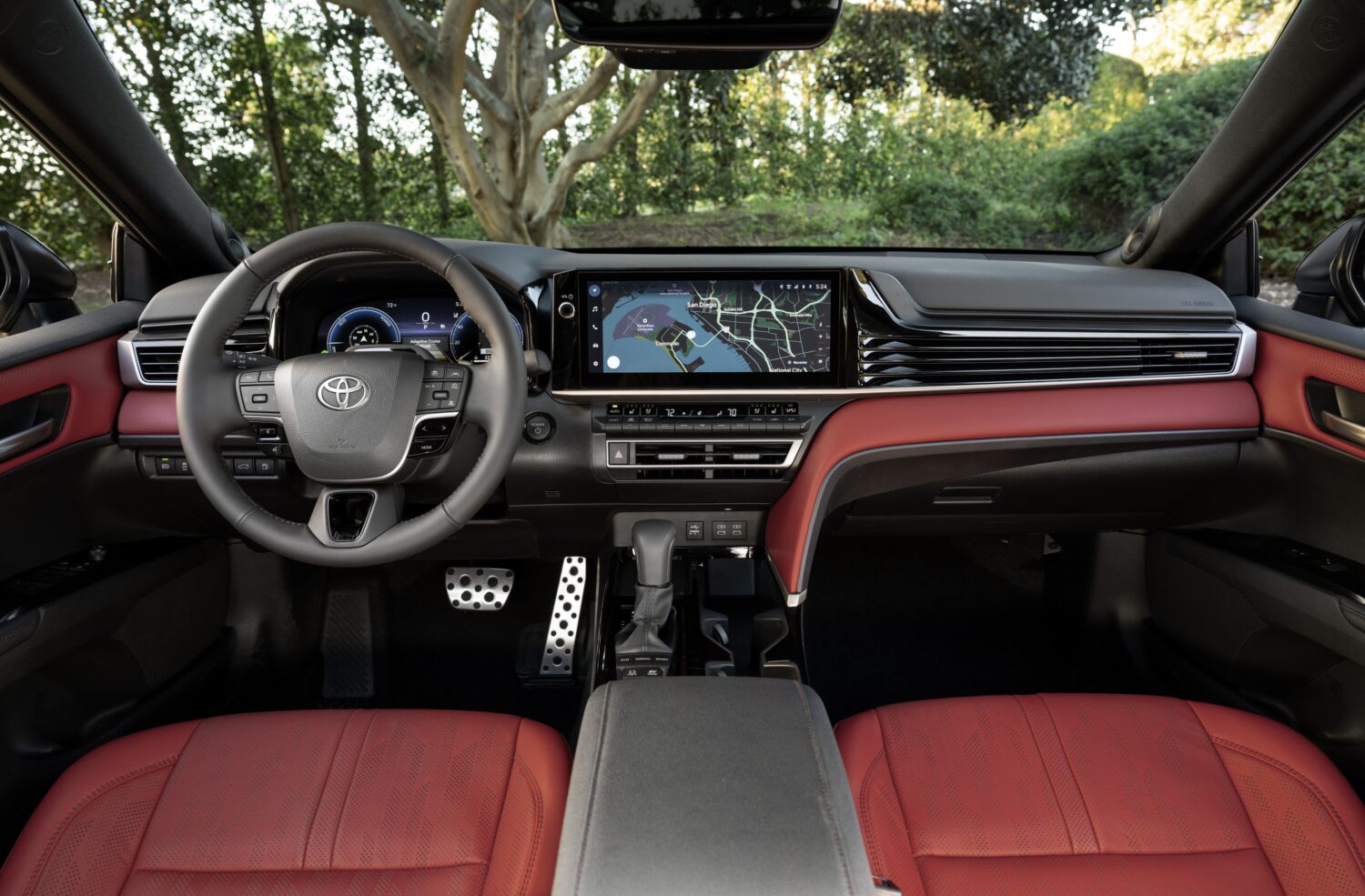
Inside both cabins
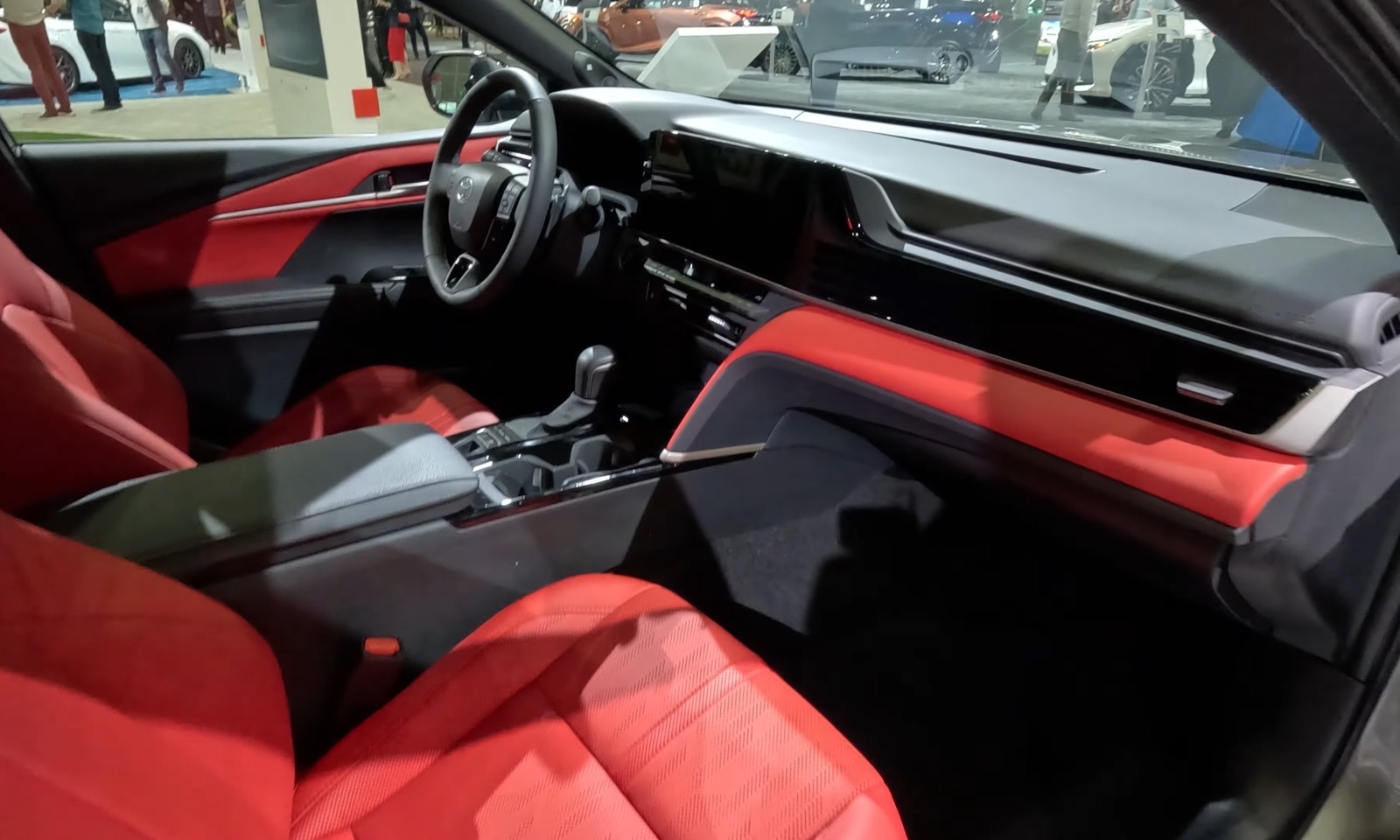
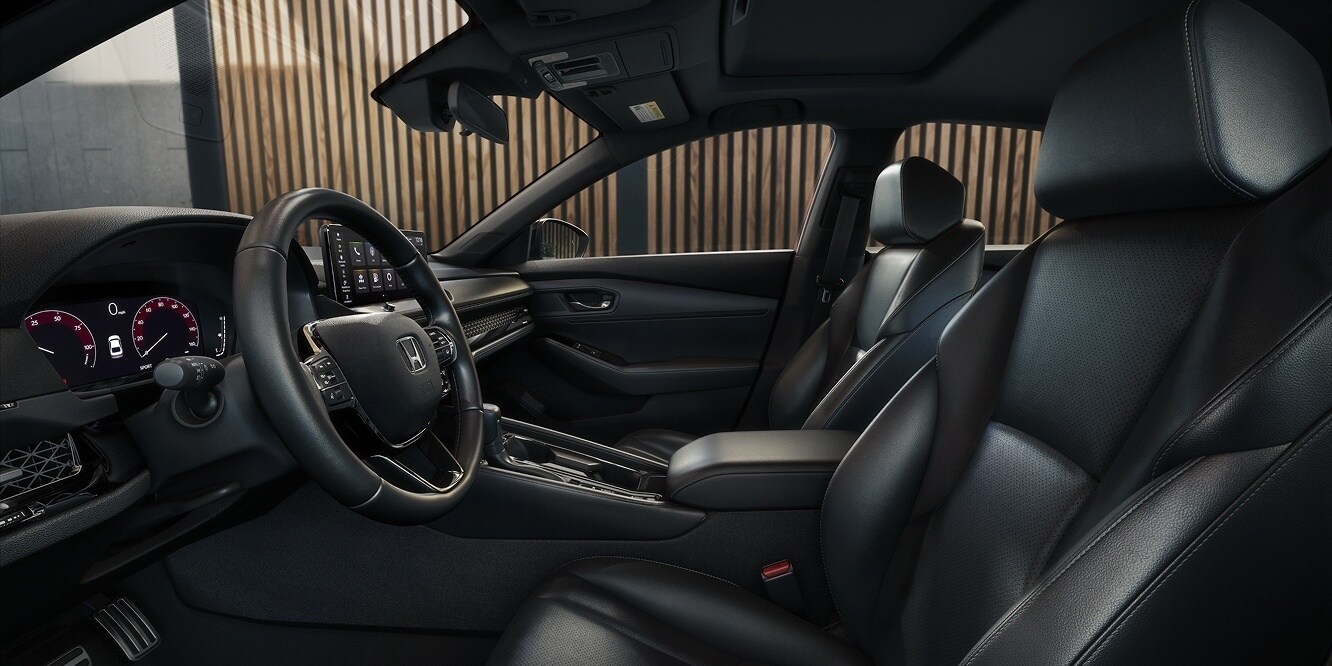
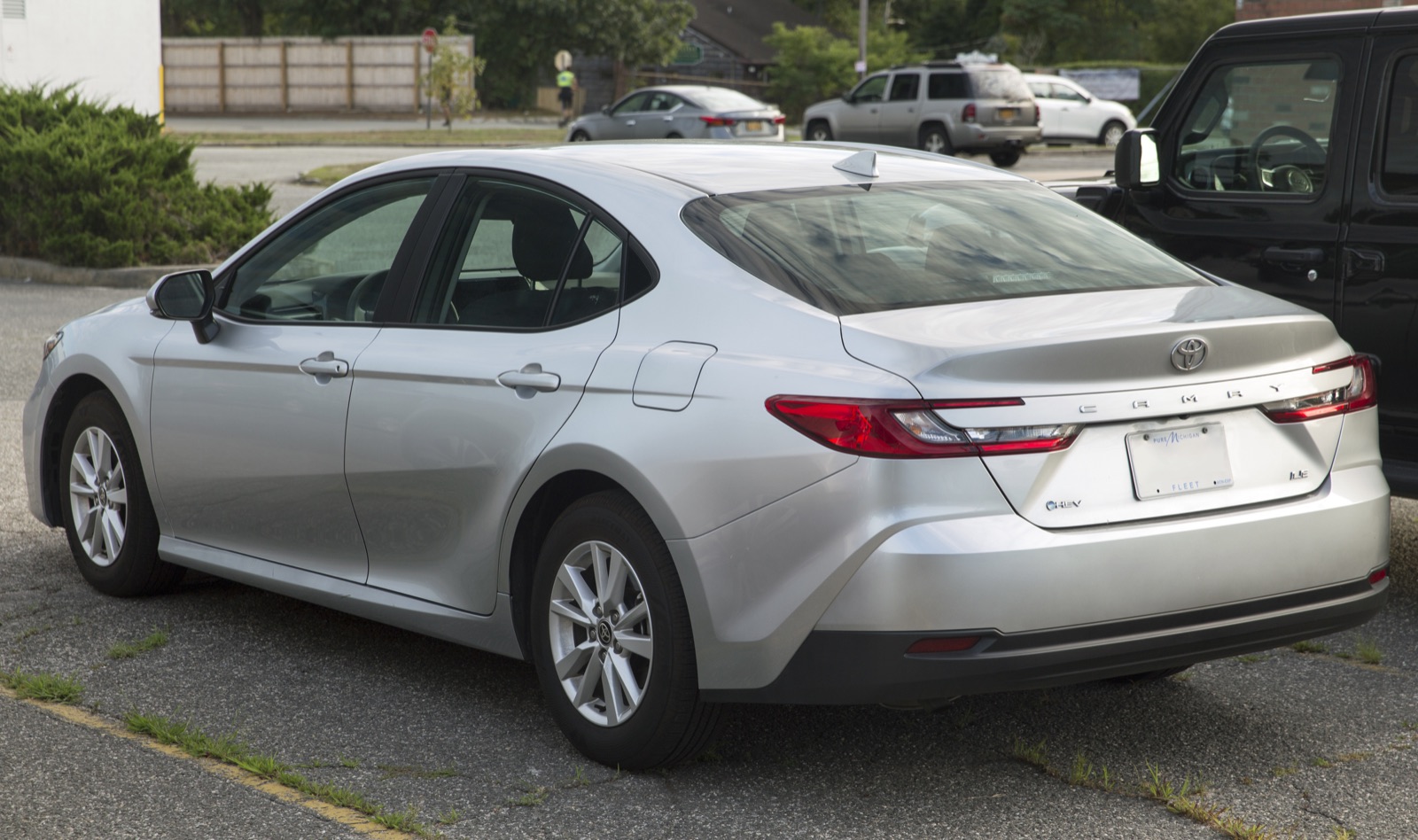
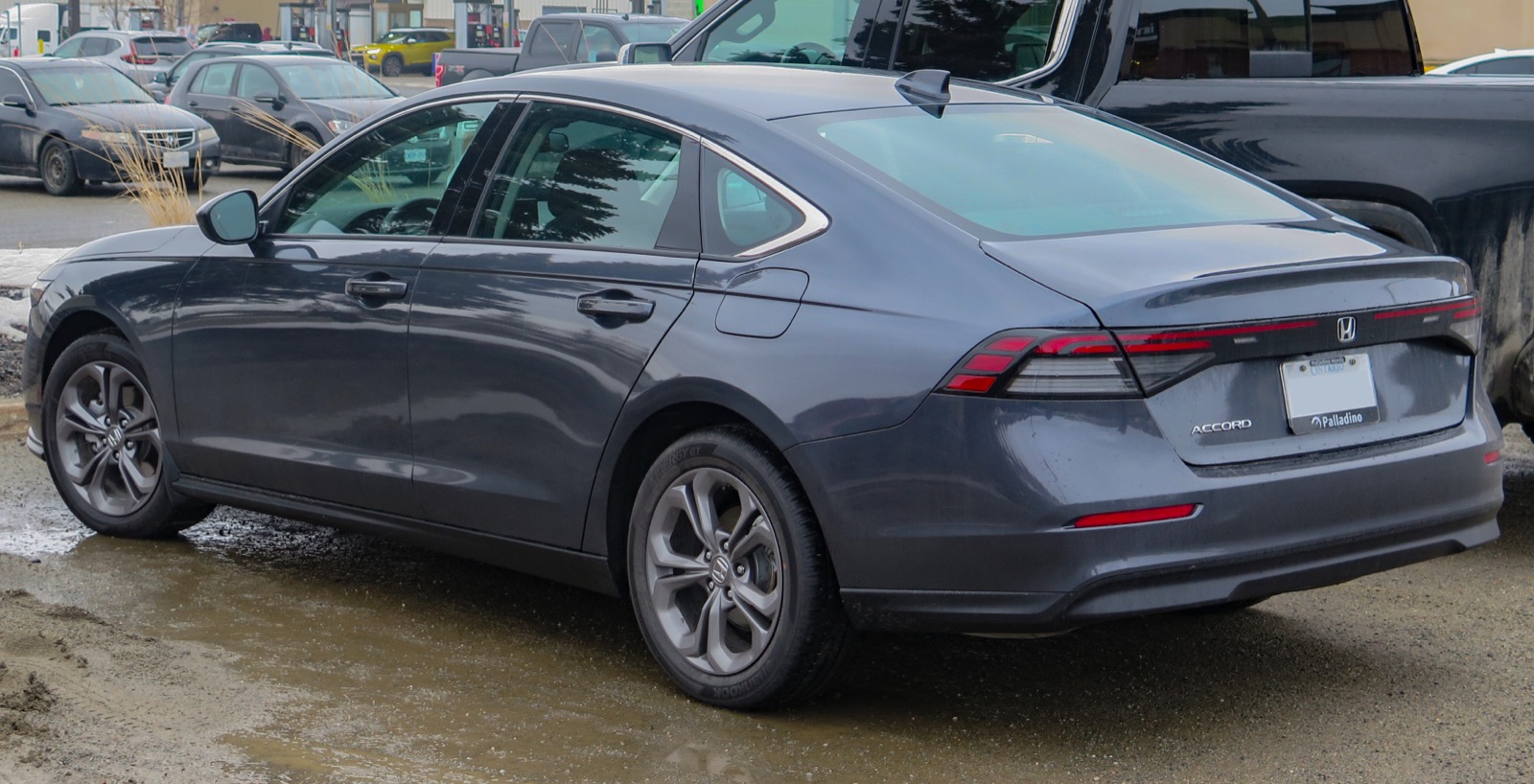
Real interior photography of each car's dashboard and controls — the Camry's XSE hybrid cockpit and the Accord's 1.5T EX cabin.
Common questions
Is the 2027 Toyota Camry really hybrid-only?
Yes. Every 2025-and-later Camry sold in North America, across all five trims, uses Toyota's hybrid system standard — there is no gas-only Camry.
Does the Honda Accord offer all-wheel drive?
No. Every current Accord, whether it has the 1.5L turbo or the hybrid powertrain, is front-wheel drive only. The Camry is the only one of the two with an AWD option.
Which one gets better gas mileage?
They're close. The Camry LE FWD tops out at an EPA-estimated 51 mpg combined; the Accord's EX-L hybrid is rated at 48 mpg combined. Other trims in both lineups land in the mid-40s.
Has Toyota or Honda released official 2027 model-year details?
Not as of this writing. Industry previews (CarsDirect and others) expect both cars to carry over their current generations largely unchanged into the 2027 model year.
Which one has won more industry awards recently?
The Accord has the stronger recent track record — its 2026 Car and Driver 10Best selection was Honda's 40th all-time win on that list, the most of any brand.
These two aren't chasing the same buyer anymore. The Camry's pitch is simplicity with a safety net: one powertrain, no gas-only trim to accidentally choose, and the only AWD option in this pair if you actually need it for weather or terrain. The Accord's pitch is choice and polish: a cheaper way in with the 1.5T, a hybrid that slightly out-efficiencies the Camry at the top end, a bigger trunk, and a genuinely rare industry credential in that 40th 10Best win.
Neither is a wrong answer. If all-wheel drive matters to you, the Camry wins by default — the Accord simply doesn't compete there. If it doesn't, the Accord's bigger trunk, slightly quicker tested hybrid, and stronger recent critical reception make it the harder case to argue against.
Disclosure. This comparison is built from Toyota's and Honda's own published specifications and press materials — Toyota USA Newsroom — 2026 Camry Nightshade Edition release, Wikipedia — Toyota Camry (XV80), and Honda Newsroom — Car and Driver 10Best release — plus EPA ratings from fueleconomy.gov, independent instrumented testing reported by Car and Driver and Edmunds, and CarsDirect's 2027 model-year previews for both cars. Neither Toyota nor Honda provided a loaned vehicle, payment, or other consideration for this coverage, and no discount or sale information is referenced. Photography is a mix of official manufacturer press photography — Toyota USA Newsroom and Honda Newsroom, both self-hosted by the manufacturers for editorial use — and Wikimedia Commons images, credited per image above under CC BY-SA and CC BY licenses.
DopamineKart has not conducted a hands-on test drive of this vehicle; this article is a research-based breakdown, not a road test.
Corrections: email us