Quick take
- The real dividing line in this category isn't display vs. no-display — it's whether a company put a camera on the frame at all, which is also what turned this into a live privacy story.
- Meta and EssilorLuxottica sold 7M+ pairs in 2025 alone and hold roughly 69% of Q1 2026 global shipments — this is a real, scaled hardware category now, not a novelty.
- A ~$60 third-party mod let owners disable Meta's recording-indicator LED; Meta responded with automatic camera shutoff if the light is tampered with.
- Even Realities and Halliday shipped zero-camera glasses on purpose — a legitimately different bet on what "smart glasses" should be allowed to see.
A decade of false starts made "smart glasses" a punchline. In 2026 it's a real, fast-growing hardware category with actual shipment numbers behind it: research firm IDC projects roughly 13.6 million smart glasses shipped worldwide this year, after global unit volume surged 167% year over year in the first quarter alone. Meta and its manufacturing partner EssilorLuxottica sold more than seven million pairs in 2025 and are reportedly in talks to more than double annual production capacity — with figures as high as 20 to 30 million units a year floated internally.
That's one company's success story. The more interesting story is what's happening around it: Samsung and Google are finally bringing Android XR glasses to market with Gentle Monster and Warby Parker as design partners. Xreal, Even Realities, and a wave of smaller startups are chasing a genuinely different bet — an actual display floating in your field of view, not just a camera and a voice assistant. And Apple, the company everyone expects to eventually dominate this category, hasn't shipped anything at all.

Nine companies, two very different bets
Every entrant below is either shipping real hardware today or has committed to a real ship date. Some are chasing scale with a camera, a mic array, and an AI assistant baked into ordinary-looking frames. Others are chasing the harder, weirder problem: an actual screen, projected into a lens, that you can read without looking like you're wearing a headset.
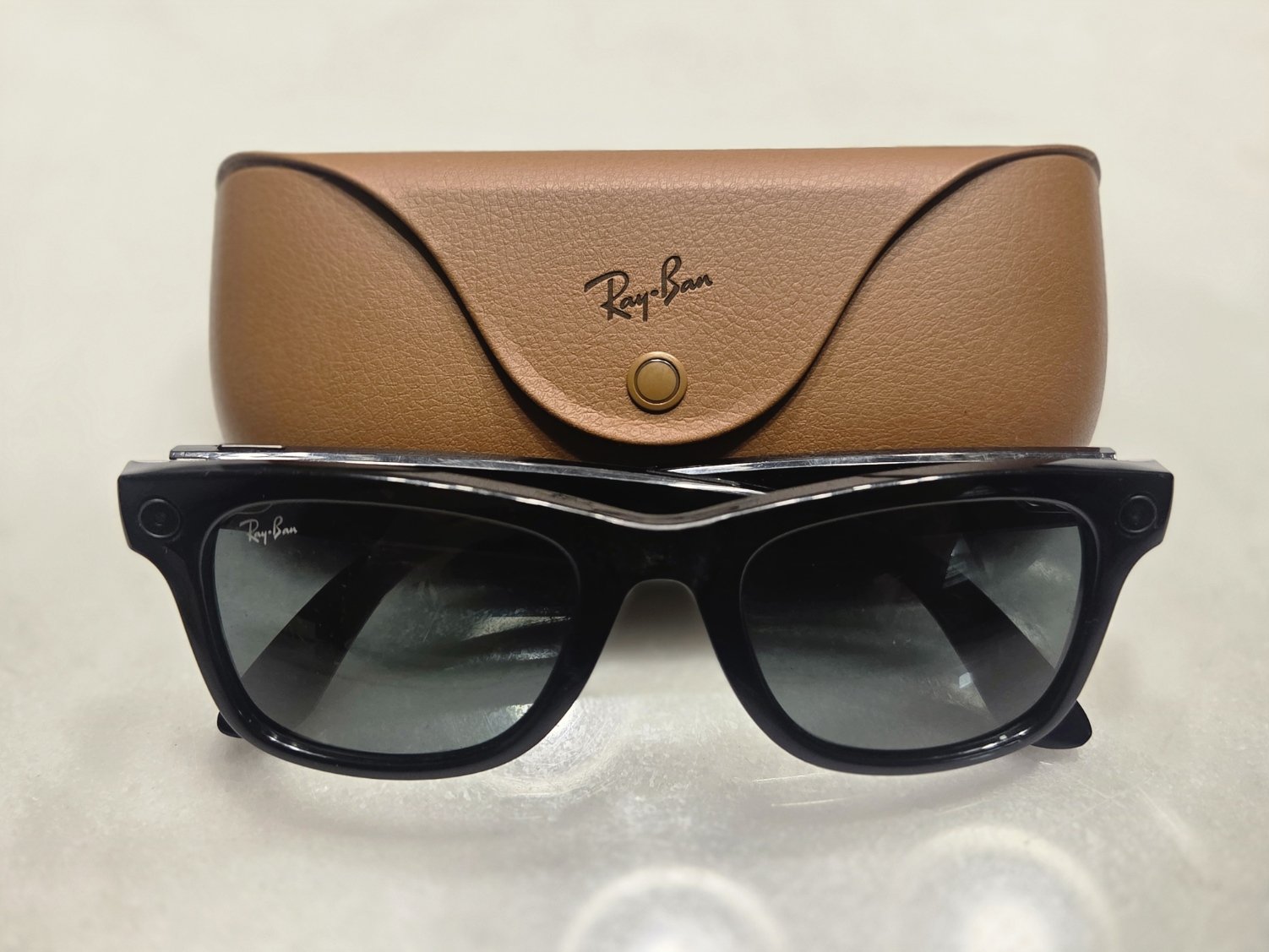
Ray-Ban Meta (Gen 2)
The reason this category exists as a mainstream conversation at all. 12MP camera, five-mic array, open-ear speakers, Meta AI baked in for hands-free photo, video, and voice-assistant use. Continuous AI features drain the battery fast; general use is the strong suit.
Ray-Ban Display + Neural Band
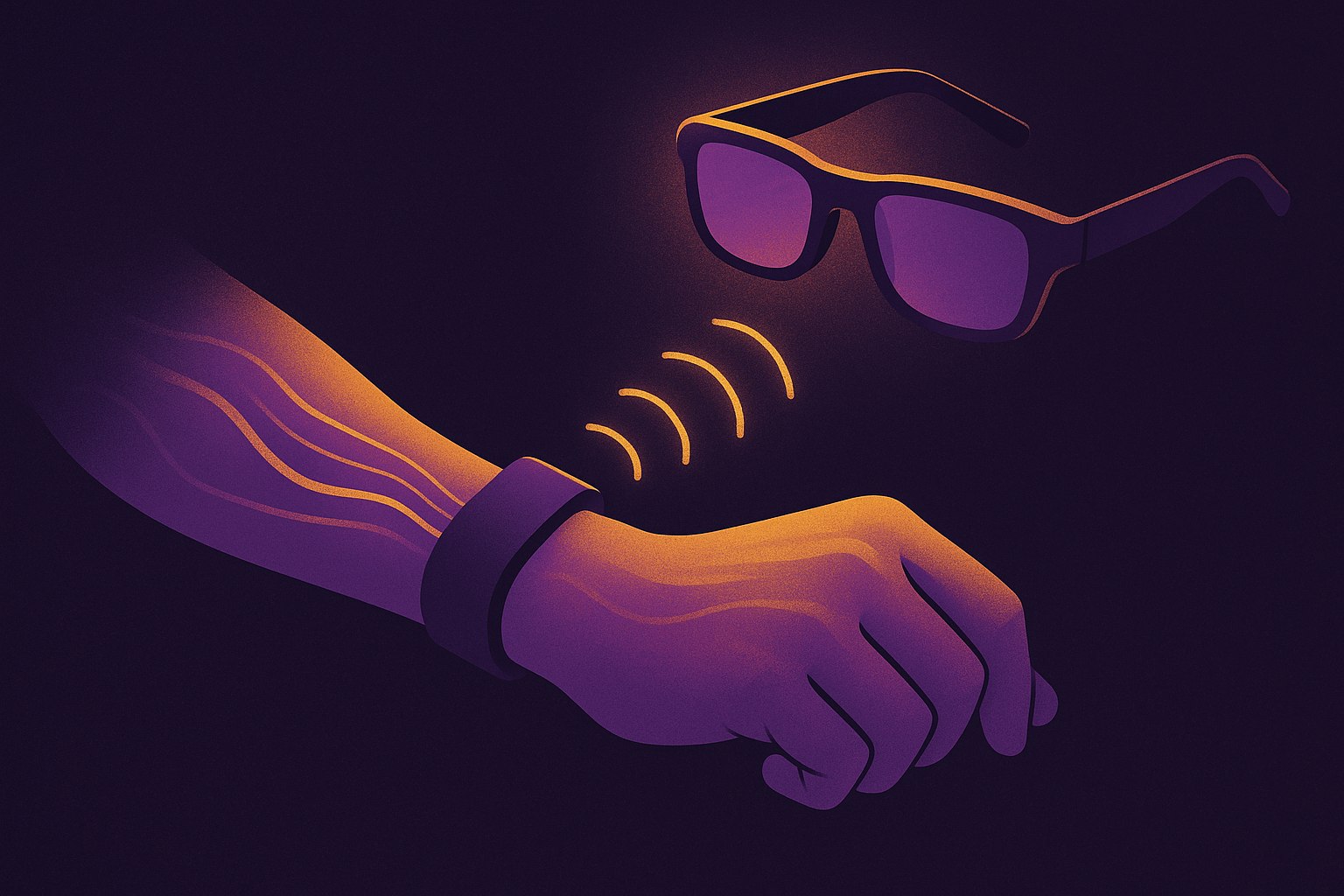
Meta's answer to "what comes after the phone": a private high-brightness display in the right lens, paired with a wristband reading forearm muscle signals — trained on ~200,000 research participants — so a pinch scrolls or selects without anyone noticing.
Oakley Meta Vanguard
The Meta AI camera platform rebuilt as a wraparound performance visor — up-res 3K video, IP67 rating, Garmin/Strava integration read out mid-run.
Oakley Meta HSTN
The everyday sibling to Vanguard — rounder frame for office and street, lighter water resistance, centered ultra-wide camera. Proves the same platform now spins up entire sub-brands.
Galaxy Android XR Glasses
Built on Android XR and a Snapdragon AR1 chip, running Gemini. Designed with Gentle Monster and Warby Parker, with promised hardware-level anti-recording safeguards — an unstated answer to Meta's criticism. Nothing has shipped yet.
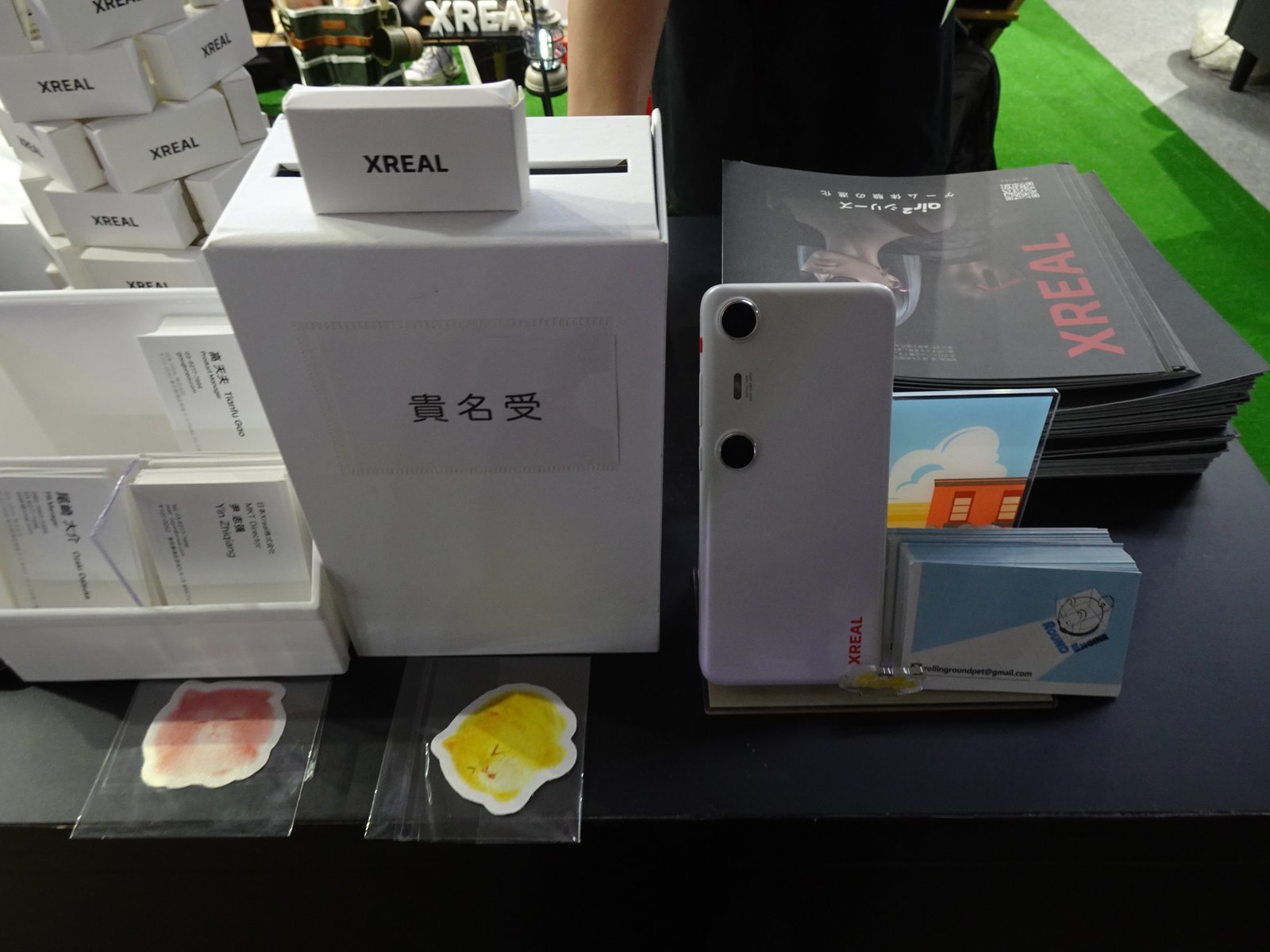
Xreal One Pro
A personal display, not an assistant — dual Sony micro-OLED panels at 120Hz project a floating widescreen for phone, laptop, or console. An optional clip-on camera module adds basic first-person capture.
Even G2
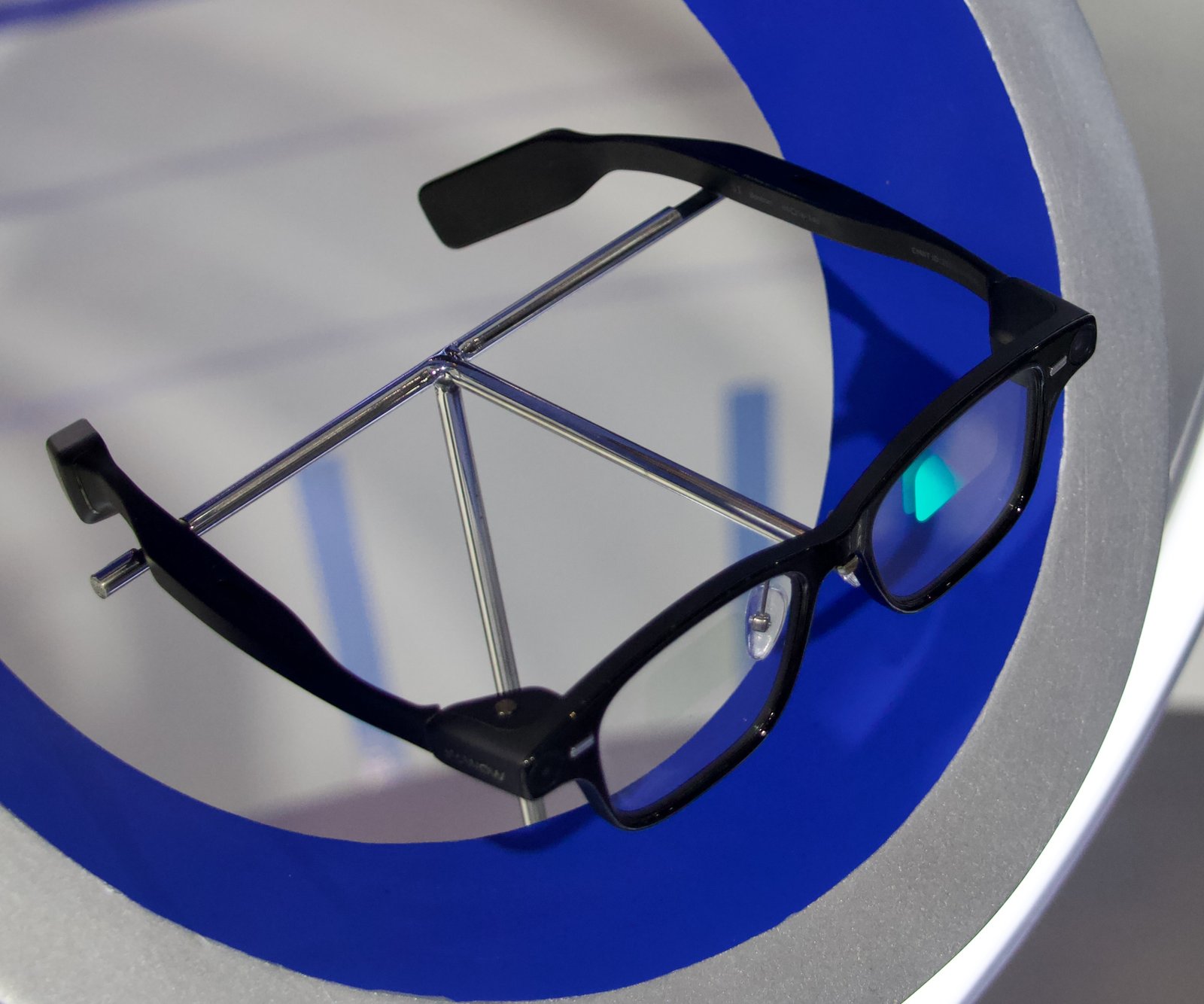
No camera anywhere, by design. A monochrome waveguide display shows notifications, translated text, or directions ~2 meters ahead, brightness self-adjusting to ambient light.
Halliday G2
Built around meetings, not photos. Dual micro-LED projectors at up to 1,600 nits; "Meeting Flow" software surfaces live captions, translation, and recaps — no camera on board at all.
Apple Glasses (unannounced)
The company every rival here is implicitly designing around. Reporting points to camera-and-mic hardware with privacy as a headline feature, unveiled at WWDC 2027 — a timeline already slipped once.
It isn't Meta vs. everyone — it's cameras vs. no cameras
Line up all nine and the split that matters isn't display versus no-display, or startup versus giant. It's whether a company put a camera on the frame at all. Meta, Oakley, and eventually Samsung and Apple are all building around a camera, because a camera is what makes glasses genuinely useful as an everyday AI assistant. That capability is also exactly what turned this category into a live privacy story.
Even Realities and Halliday took the opposite bet on purpose. Neither company's flagship glasses carry a camera at all, and both make that absence a headline feature rather than a limitation to apologize for. Xreal splits the difference by making its camera a separate, optional accessory you can simply not buy.
The category built a trust problem faster than it built the hardware
Meta's camera glasses rely on a single small LED to tell bystanders that a recording is happening — and that signal has already failed in the real world. A roughly sixty-dollar third-party modification let owners physically disable that light, which pushed Meta to add tamper detection in mid-2026: if the LED is blocked or damaged, the camera now shuts itself off automatically. Even with that fix, the indicator is small, faces forward, and is genuinely easy to miss in daylight, at a distance, or from an angle.
The consequences haven't stayed theoretical. Reporting this year documented people using Meta's glasses to secretly film unsolicited interactions with women in public and post the footage online — coverage that led Instagram to tighten its enforcement against what that reporting dubbed "pervert glasses" content. A UK convention operator, Monopoly Events, banned Meta's glasses and similar wearable recorders from its events after attendees and guests raised covert-recording concerns. U.S. senators Ed Markey, Ron Wyden, and Jeff Merkley publicly pressed Meta on how it would prevent the glasses from being used to identify protesters at political rallies.
None of this makes camera glasses uniquely bad — every company shipping a camera on a face is wrestling with some version of the same problem, which is exactly why Samsung is leading with hardware-level anti-recording safeguards in its own marketing, why Apple is reportedly treating privacy as a headline design constraint, and why Even Realities and Halliday simply left the camera off.
What "2026" actually means for this category
| Metric | Figure |
|---|---|
| Meta/EssilorLuxottica 2025 sales | 7M+ pairs |
| IDC full-year 2026 category forecast | 13.6M units |
| Meta's Q1 2026 global shipment share | ~69% |
| Apple's earliest reported unveil | WWDC 2027, per current reporting |
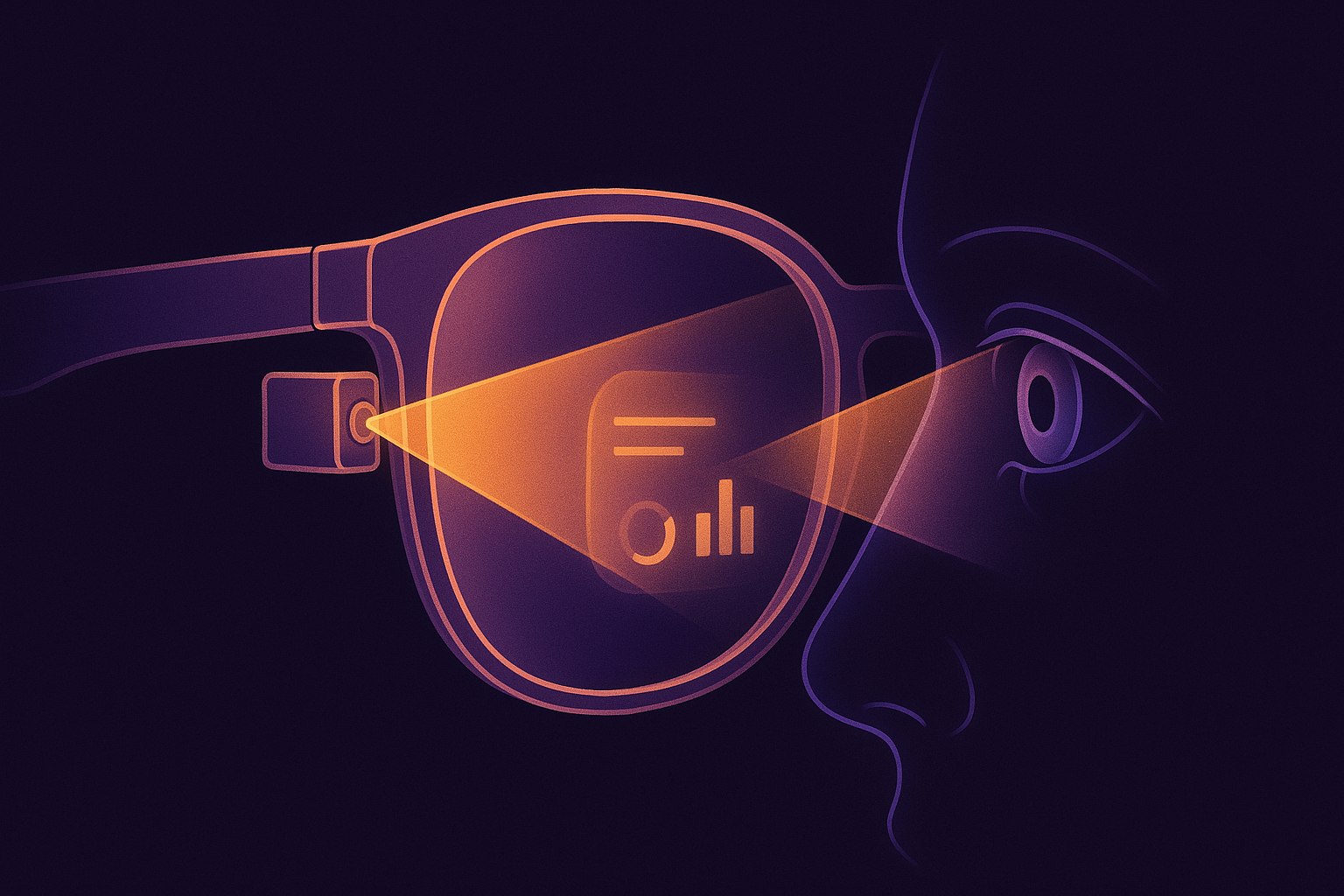
Take the numbers together and a fair read of 2026 looks like this: camera-equipped, display-less AI glasses went from novelty to genuine mainstream hardware category this year, on the back of one company's scale and one manufacturing partner's factories. The harder dream — a real display that quietly replaces a phone screen — is still in its first real generation everywhere it exists, from Meta's six-hour Neural Band setup to Halliday's meeting-focused waveguide to Samsung's still-unshipped Android XR debut.
The honest summary: 2026 is the year AI glasses proved people will actually wear them every day. It is not yet the year the category agreed on what's okay to do with them.
Common questions
Which smart glasses are actually selling right now?
Meta's Ray-Ban and Oakley camera glasses, by a wide margin — roughly 69% of global Q1 2026 shipments.
Do all smart glasses have cameras?
No. Even Realities and Halliday ship zero-camera, display-only glasses on purpose, positioning that absence as the main selling point.
How does Meta's Neural Band work?
It reads electrical signals from forearm muscles (surface electromyography) so small pinches or finger twitches control the display without a touchpad.
Has Meta fixed the recording-indicator problem?
Partially. After a third-party mod let owners disable the recording LED, Meta added tamper detection that auto-shuts the camera off if the light is blocked or damaged.
When will Apple ship smart glasses?
Not yet. Reporting points to a WWDC 2027 unveil with privacy as a headline design feature — a timeline that has already slipped once.
Take the deployment picture as it actually stands: camera glasses have real scale and a real, unresolved trust problem; display glasses are still in their first true generation everywhere they exist. The industry's consent-and-recording problem hasn't been solved by any single company — it's been answered four different ways by four different companies, none of which has convinced everyone else that their answer is the right one. 2026 is the year AI glasses proved people will wear them every day. It is not yet the year the category agreed on what's okay to do with them.
Reporting note. This report was independently researched and written by DopamineKart's editorial desk. No company named above reviewed, sponsored, or paid for this coverage. Specifications, shipment figures, and timelines reflect public company statements and reporting available as of August 2026 and are subject to change — several products described (notably the Samsung/Google Android XR glasses and Apple's unannounced glasses) are pre-launch and unverified by hands-on review. Real photography is Wikimedia Commons, credited per image. Illustrations are AI-generated (OpenAI gpt-image-1), used only for conceptual diagrams — never to depict a real product or brand mark.
Corrections: email us