The one-paragraph answer
HomeView is a $299 stationary smart display, tabletop or wall-mounted, built as a home hub rather than a tablet: it recognizes up to 6 faces and gives each person their own Home Screen, controls cameras/lights/locks/thermostats, and runs Siri AI as a beta. It isn't sold in the EU, and some of its smartest features need a recent iPhone. It ships Nov. 13, 2026.
The real questions, answered
No marketing language -- just what Apple actually said, and what it didn't
So what actually is HomeView?
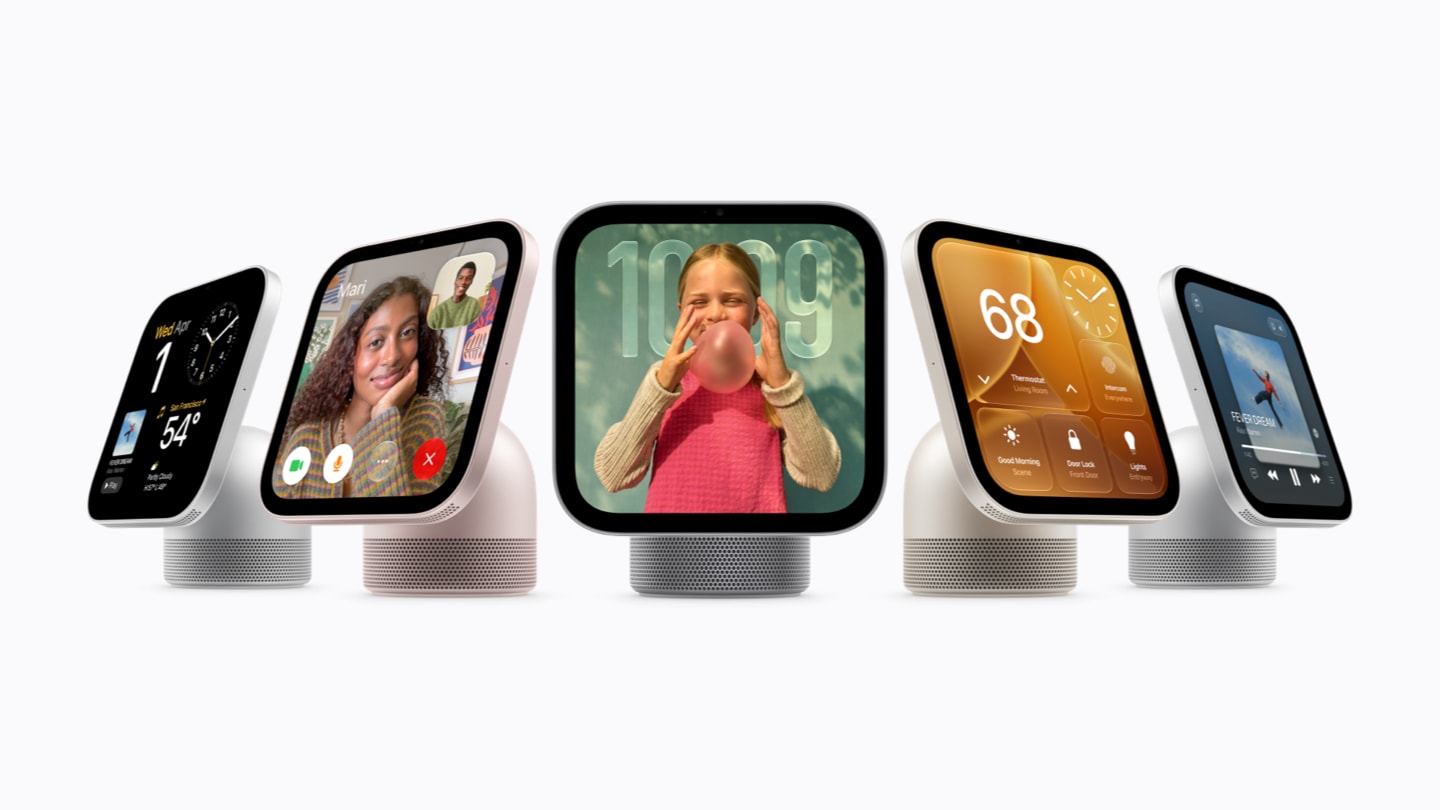
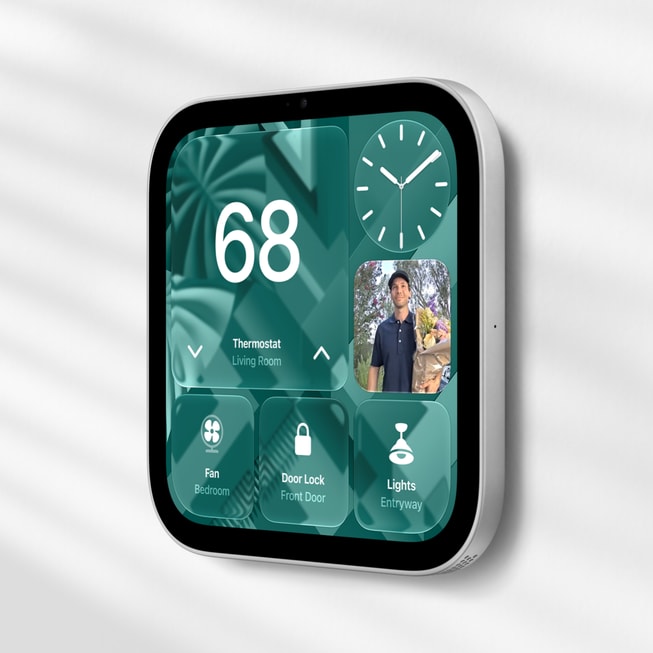
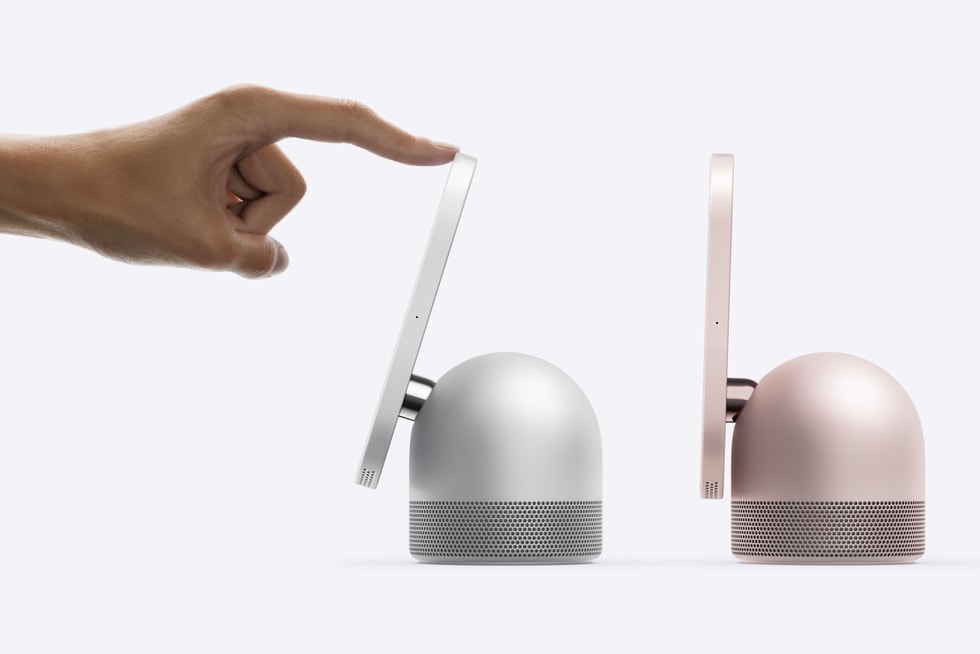
A new 7-inch smart display from Apple, announced Oct. 13, 2026, built to sit on a counter or mount on a wall and run the house from one screen: cameras, lights, locks, thermostats, FaceTime, music, recipes and Siri. It comes in two physical versions -- tabletop ($299) and wall-mounted ($299) -- at the same price.
Is it cool? What's the actual appeal?
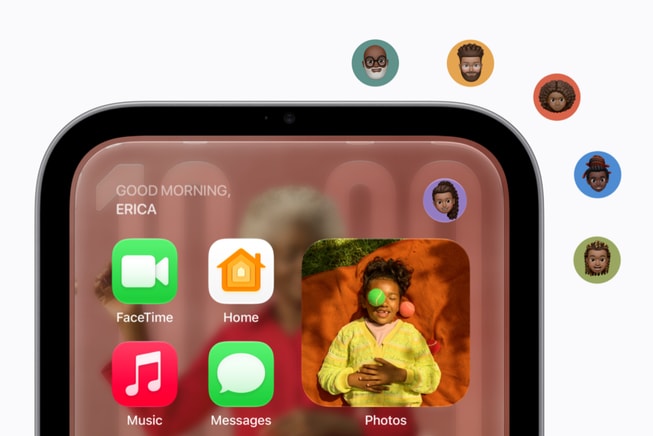
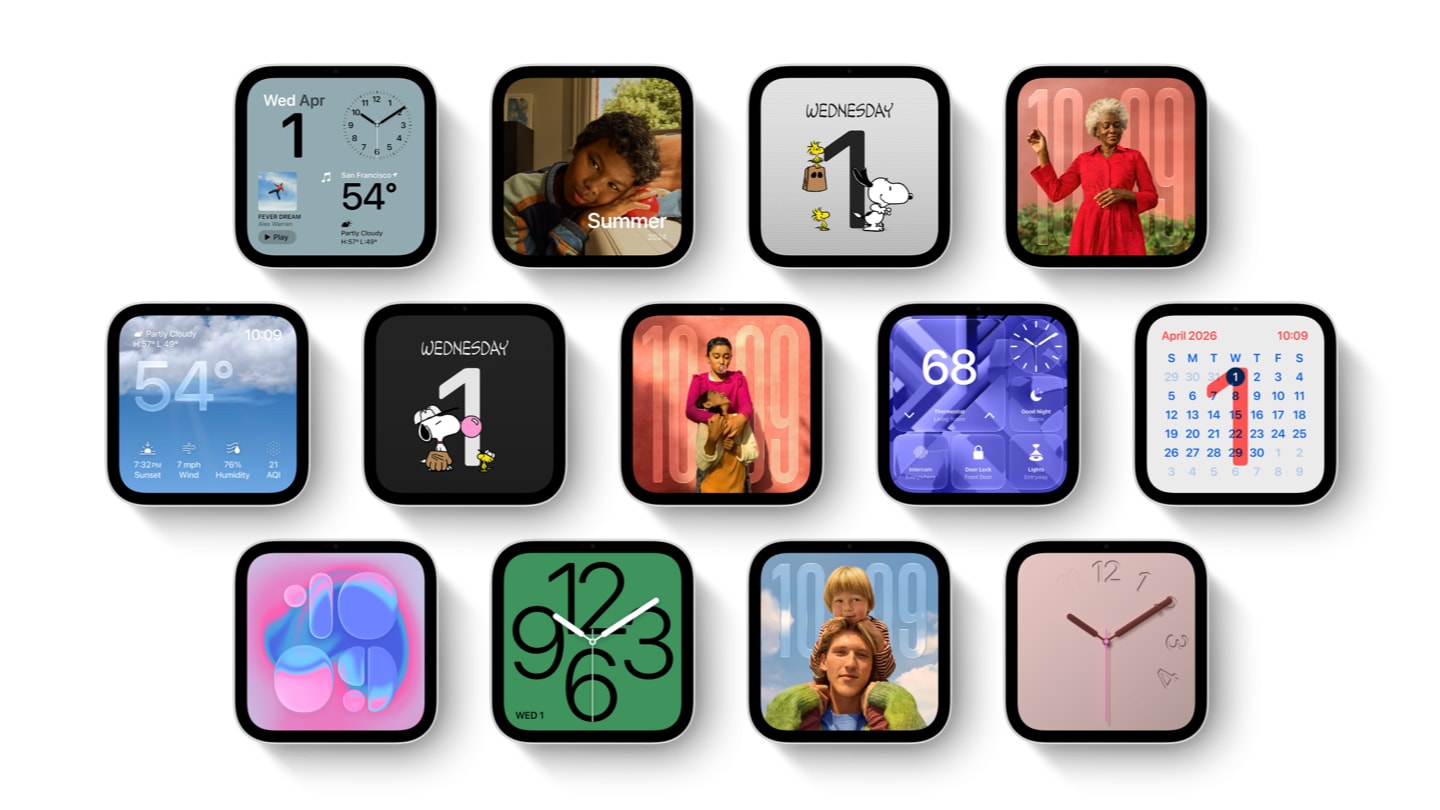
The specific, real appeal is the face recognition: HomeView tells up to 6 people in a household apart and gives each one their own personal Home Screen on the same shared device. That's a genuinely different idea from “a tablet on a stand” -- it's built around the fact that a kitchen display gets used by an entire family, not one person, and Apple's own framing (from Greg Joswiak, senior vice president of Worldwide Marketing) is that it's “designed to be shared by everyone in the home yet feel completely personal to each user.”
Is it basically an iPad with a different screen shape?
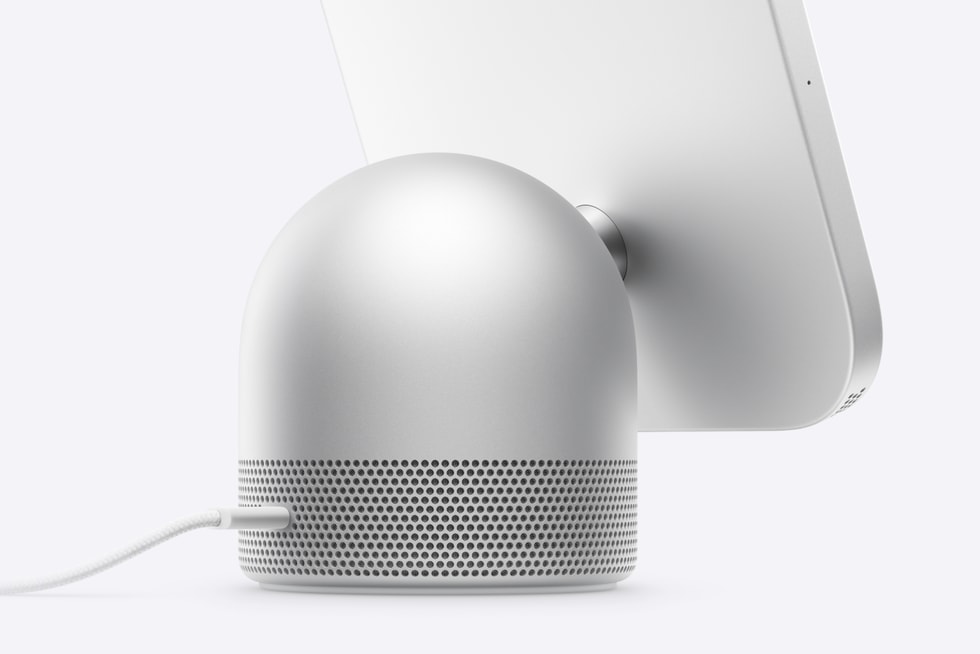
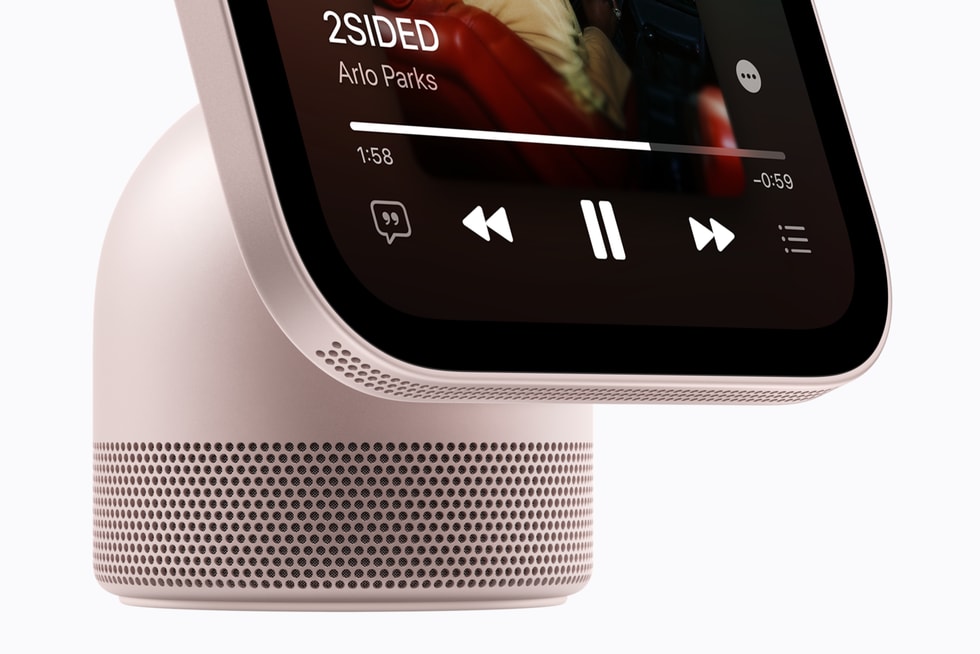
No -- and the differences are concrete, not just marketing language. An iPad is a battery-powered tablet meant to be picked up and carried; HomeView is meant to stay put, plugged in, mounted or standing on its speaker base. It has a built-in multi-driver audio system with a down-firing woofer in the tabletop base -- no iPad has that. It recognizes faces and switches to a personal profile automatically, which no iPad does. And critically, Apple registers it as a home hub, meaning it can run background smart-home automations (Matter, Thread) even when the screen is off or no one's in the room -- an iPad has no home-hub role at all. It looks like a tablet on a stand. It isn't built like one.
Does it come in colors?
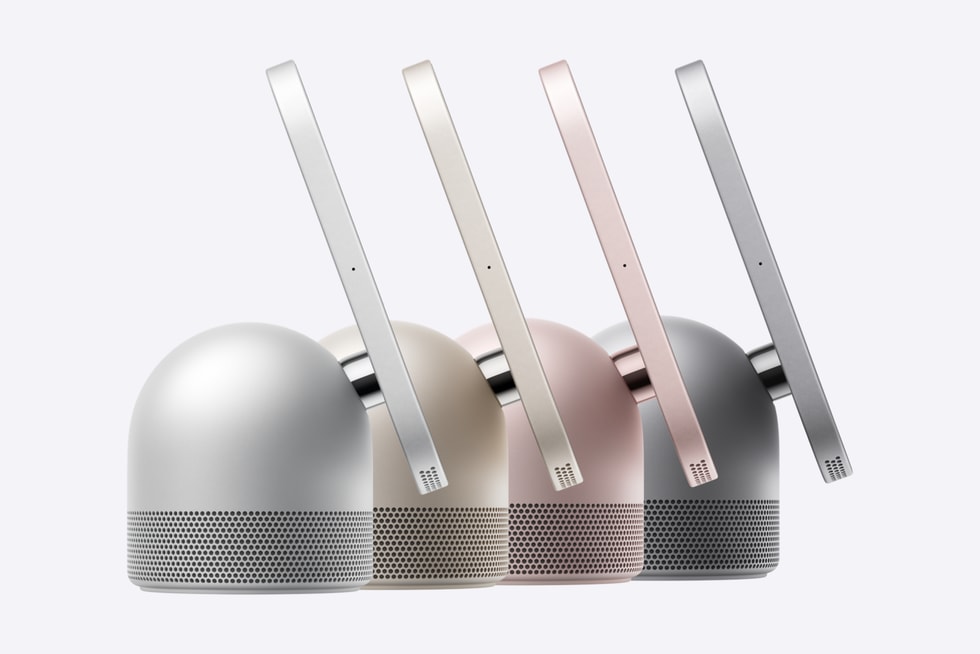
Yes. The tabletop model: silver, starlight, rose pink, and space gray. The wall-mounted model is more limited -- just space gray and silver.
What's the actual screen like?
A 7-inch Liquid Retina display with True Tone, and a brightness range from 500 nits down to 0.3 nits for use in a dark room. The body is aluminum with a stainless steel hinge on the tabletop model.
Can it control my house?
Yes -- that's its main job. By touch or voice, Apple says you can control cameras, thermostats, lights, locks and blinds, and view up to 9 camera feeds at once on the display.
Does it replace my home security system?
Not in the sense of a professionally monitored alarm system, and Apple doesn't claim that it does. It lets you view live and recorded camera footage yourself -- 10 days of event history, through iCloud+ -- and it works with the new Apple Home Collection's lock and sensors over Matter. Apple's professional-install option, through ADT at Apple Stores, covers installation, not monitoring. If round-the-clock monitored security is what you're after, HomeView plus Apple's Home Collection is a self-monitored camera and smart-lock system, not a replacement for one.
How does the face recognition actually work -- is it watching me all the time?
Apple's answer to privacy here is Secure Exclaves -- a part of the A18 chip's security architecture specifically protecting camera and microphone data, built to keep that processing isolated on-device rather than exposed. Apple states Siri AI requests are processed on-device or through Private Cloud Compute. Apple hasn't published deeper technical detail on exactly how/when the camera samples faces beyond what's in the newsroom release, so for anything more specific than that, Apple hasn't said.
Does it need a subscription to work?
No, not for basic use. iCloud+ is only required for certain camera features -- recognizing specific people or objects in footage, and video-description/search features. Without iCloud+, HomeView still works as a display, hub and Siri device.
Does HomeView have Siri AI? Is it actually smart, like ChatGPT?
Yes, at launch, but Apple lists it specifically as a beta, running on HomeView software 27.2. It's English-only at launch, across 8 countries (U.S., UK, Canada, Australia, New Zealand, India, Singapore, South Africa), with Canadian French promised in a later update.
Do I need a new iPhone to use it?
Only for some of the more advanced features. Apple says personal-context Siri (reading your Messages, Calendar and app data to help around the house), video summaries and natural-language search of your own camera footage, and custom Siri voices all require a recent Apple Intelligence-capable iPhone or iPad running the latest software. Without one of those, general-knowledge questions, basic conversation with Siri, and music discovery still work on HomeView itself.
Which iPhones specifically support the custom Siri voice feature?
Per Apple's own footnotes (via MacRumors): iPhone Duo, iPhone 18 Pro, iPhone Air, iPhone 17 Pro, or an M4-or-later iPad with at least 12GB of memory. English only.
Why isn't it sold in Europe?
Apple's stated reason is that Siri AI itself isn't available in iOS in the EU yet. Apple says it's “working constructively with the EU” on this, per MacRumors, but gave no date for when HomeView might become available there.
Does it work with my existing smart home gear?
It controls accessories through Apple's Home app, so existing HomeKit and Matter-compatible gear should work the same way it does with other Apple home hubs. Apple explicitly confirms Matter support for the new Home Collection's lock, thermostats and sensors; it doesn't specify Matter support for the Home Collection cameras in its release. For anything outside Apple's own announced accessories, check the individual product's own Matter/HomeKit compatibility -- Apple hasn't published a broader compatibility list alongside this launch.
Can I watch Netflix or use an App Store on it?
Apple's own release doesn't frame HomeView around third-party streaming apps the way Apple TV is. MacRumors reports there's no third-party App Store on it. We'd treat exactly which entertainment apps it supports as an open question until Apple publishes a fuller features page -- Apple hasn't said specifically in the materials we reviewed.
Can I make calls on it?
Yes -- FaceTime, with Center Stage (the camera that keeps you framed as you move), and it also works as an intercom between HomeView units or compatible Apple devices in the home.
What's the actual difference between the tabletop and wall-mounted versions, since they're the same price?
The wall-mounted version has a simpler two-driver audio setup, versus the tabletop's full speaker system with a down-firing woofer and passive radiators in its base. It also comes in only 2 colors instead of 4. Mounting hardware (Schneider Home) is separate: a USB-C Wall Connector mount is $59.95, an AC Wired mount is $79.95, and a PoE Wired mount is $129.95 but isn't available until early 2027.
When can I actually buy one?
Pre-orders opened Oct. 13, 2026 in the U.S., with availability on Oct. 15 at 9 a.m. SGT in Singapore. It ships and becomes available in stores Friday, Nov. 13, 2026, across the U.S., UK, Canada, Australia, New Zealand, India, Singapore and South Africa (through resellers).
Is it worth it?
Here's the honest version: $299 buys a real smart display with a feature almost nothing else on the market has -- true multi-person face recognition with personal profiles, built directly into Apple's ecosystem. If you don't already own a dedicated smart display or smart speaker, that's a straightforward, fairly priced purchase for a single-device answer to “camera viewer, kitchen timer, family message board, and smart-home remote.” If you already have an iPad propped up and a HomePod doing those jobs separately, the case is softer -- you're paying specifically for the face recognition, the built-in speaker, and home-hub status, and Siri AI is still in beta. It's not a must-buy on day one, but it's a real, coherently priced product, not a gimmick.
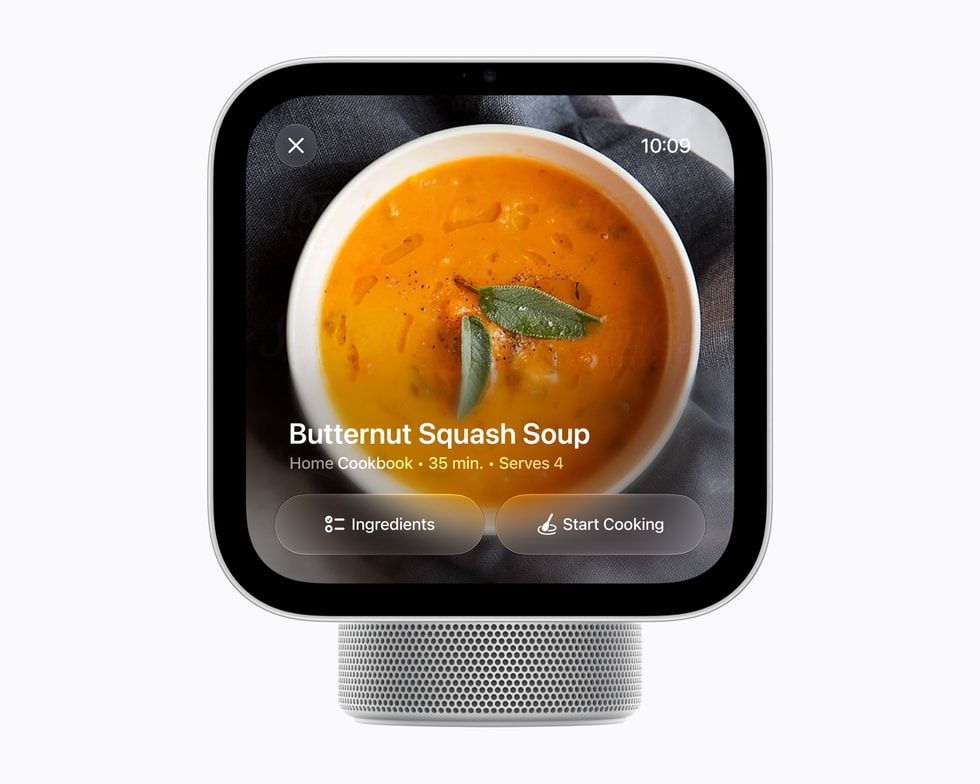
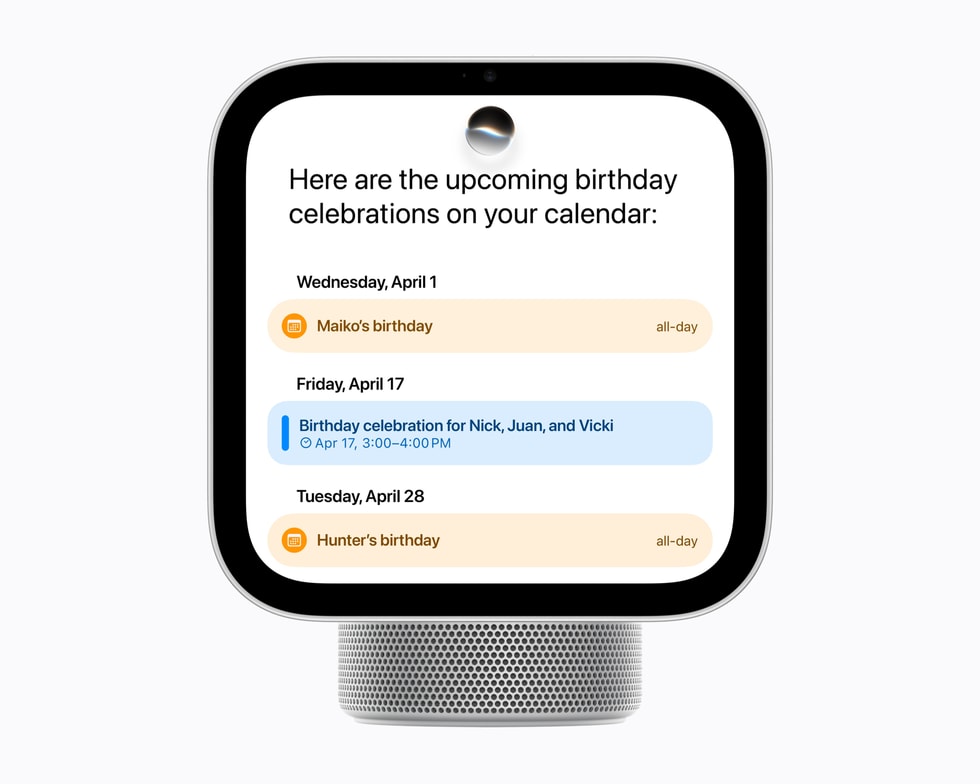

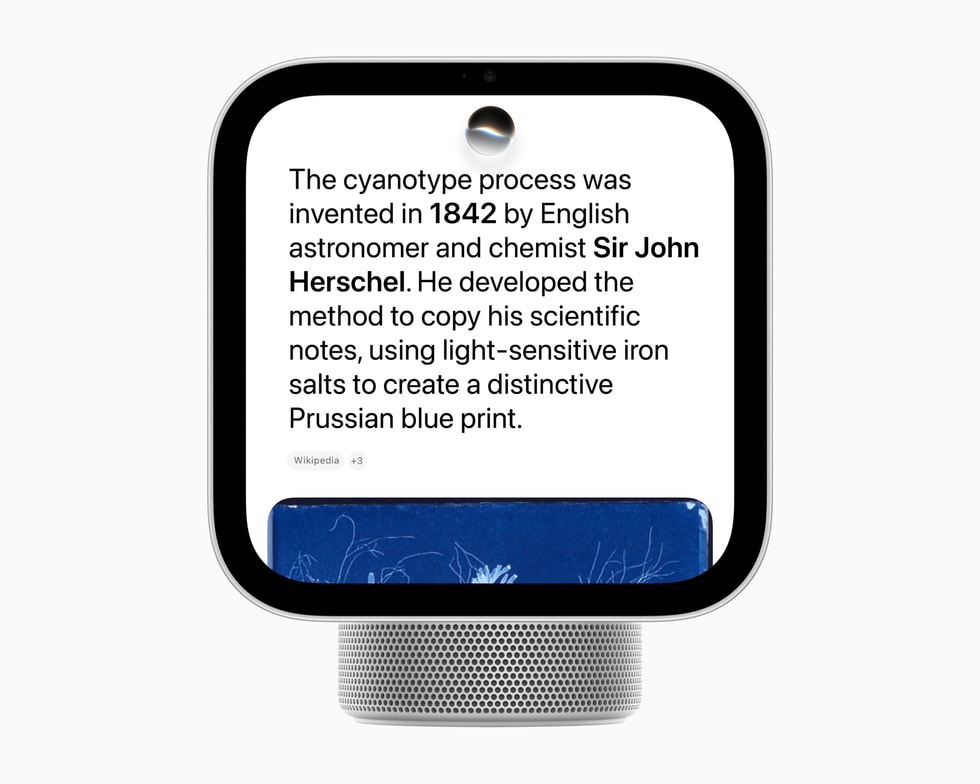
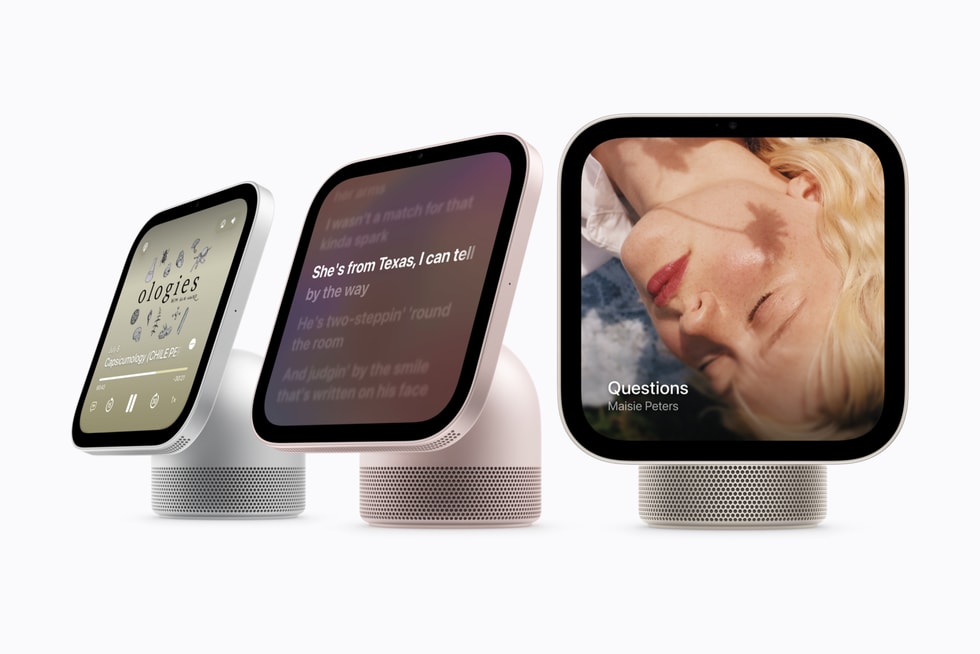
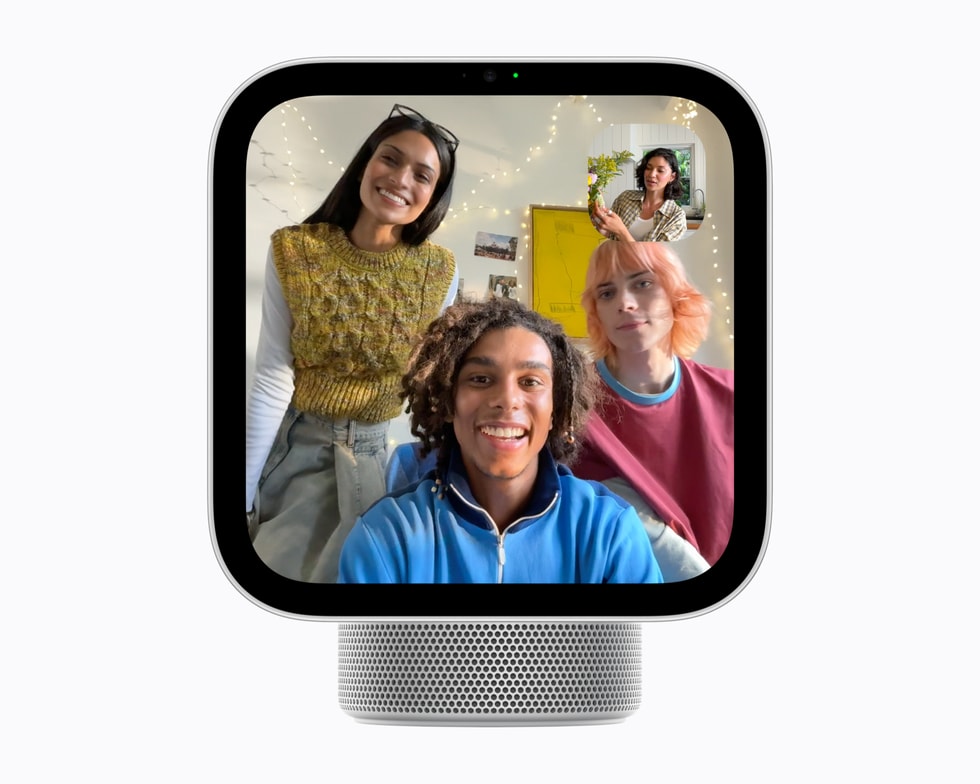
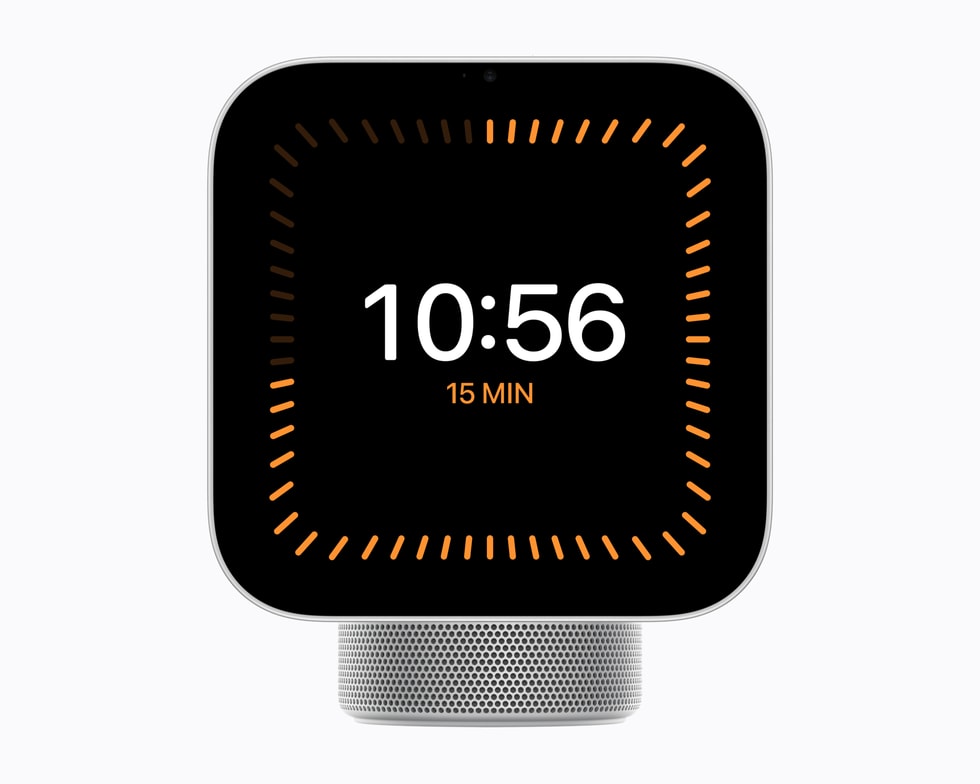
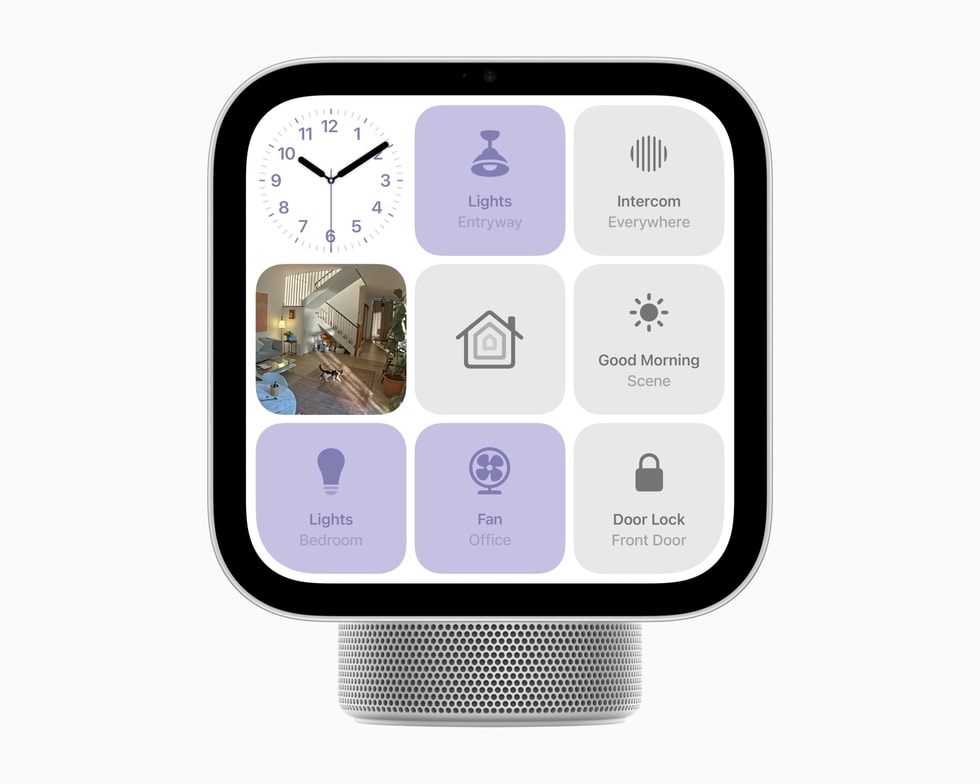
HomeView answers a question nobody else in the smart-display category has really solved: what do you do with a shared screen in a shared room, used by different people with different needs? Face-recognized personal profiles is a real, specific answer, not a vague feature-sheet entry. The honest caveats are real too -- Siri AI is a beta, the EU is locked out, and the full value of the thing depends on owning a recent iPhone. At $299 for a device that's trying to replace three separate gadgets (smart display, security viewer, family hub), it's a fair price for what's being promised, even if some of what's being promised isn't fully finished yet.
Reporting note. This FAQ was independently researched and written by DopamineKart's editorial desk from Apple's own newsroom announcement (apple.com/newsroom/2026/10/meet-apple-homeview-a-new-way-to-enjoy-entertainment-and-manage-the-home/), cross-checked against MacRumors and 9to5Mac reporting specifically cited above. No company named above reviewed, sponsored, or paid for this coverage. Pricing and dates reflect what was announced as of publication (Oct. 13-14, 2026) and are subject to change by Apple. All product photography is Apple's own official press imagery, used here for editorial identification only -- DopamineKart has no affiliation with Apple.
Related: everything Apple announced at “Welcome Home”.
Corrections: email us