Cars Explained
AWD vs 4WD vs 2WD: What Actually Changes When You Order the Box
"All-wheel drive" and "four-wheel drive" get used almost interchangeably in showrooms, but they're genuinely different systems solving different problems — and picking the wrong one for how you actually drive is a common, avoidable mistake.
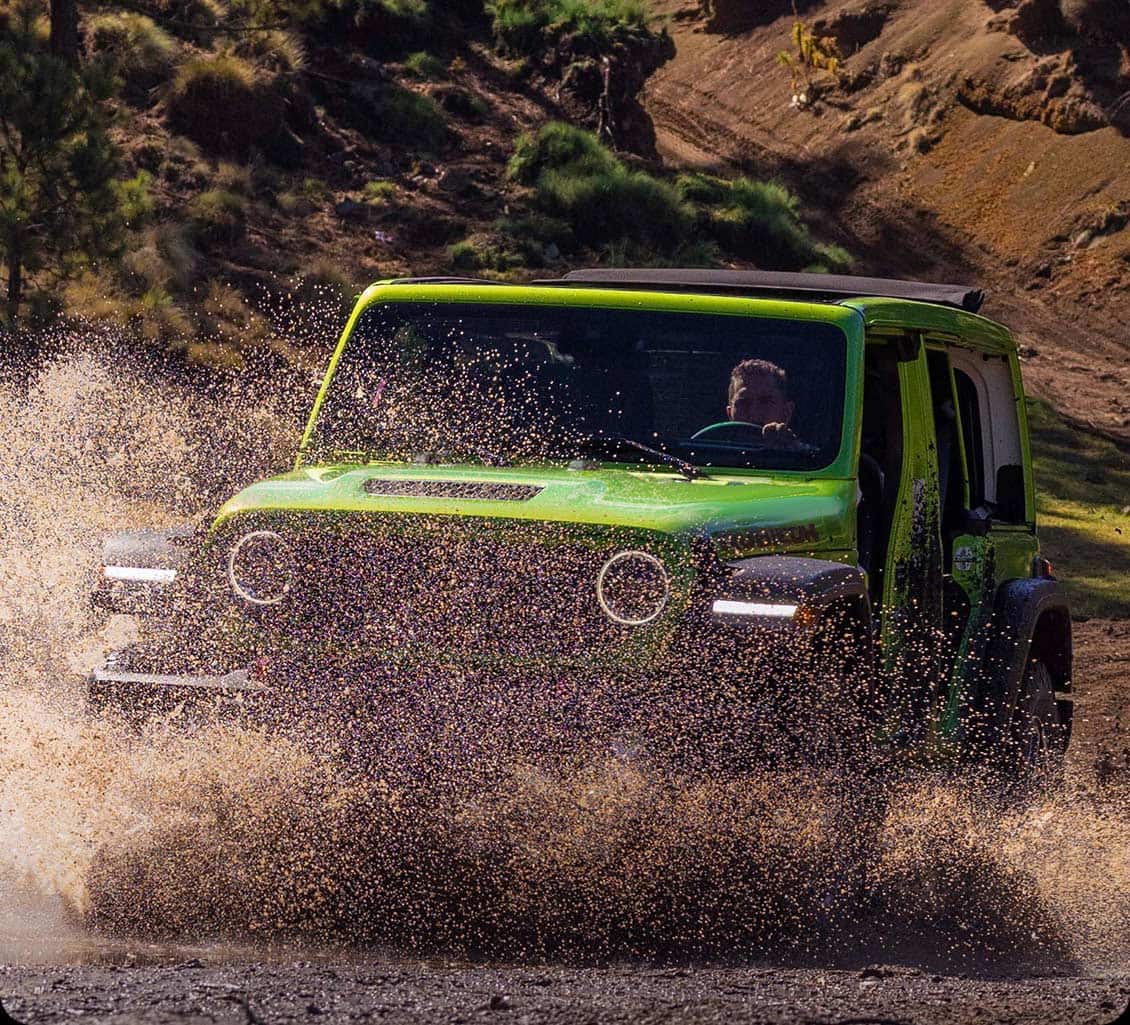
Every all-wheel-drive and four-wheel-drive system exists to solve the same basic problem — getting power to a wheel that has grip when another wheel doesn't. But how each one does that, when it engages, and what it's actually built for varies enough that picking based on the badge alone is a genuine gamble. Two-wheel drive, meanwhile, isn't a compromise so much as a different set of priorities entirely.
- AWD is typically always-on or automatic, tuned for everyday traction in rain, snow, and light off-pavement conditions — not deep off-roading.
- 4WD (especially with a low-range transfer case) is built for serious low-speed, high-torque situations like rock crawling and deep mud — most systems are meant to be engaged only when needed, not left on for daily pavement driving.
- 2WD isn't just "the cheap option" — it's typically lighter, more fuel-efficient, and mechanically simpler, which matters for buyers who never actually need extra traction.
- Neither AWD nor 4WD meaningfully helps with stopping or turning on ice — that's a tire and braking-system question, not a drivetrain one.
AWD: built for everyday traction, not for rock crawling
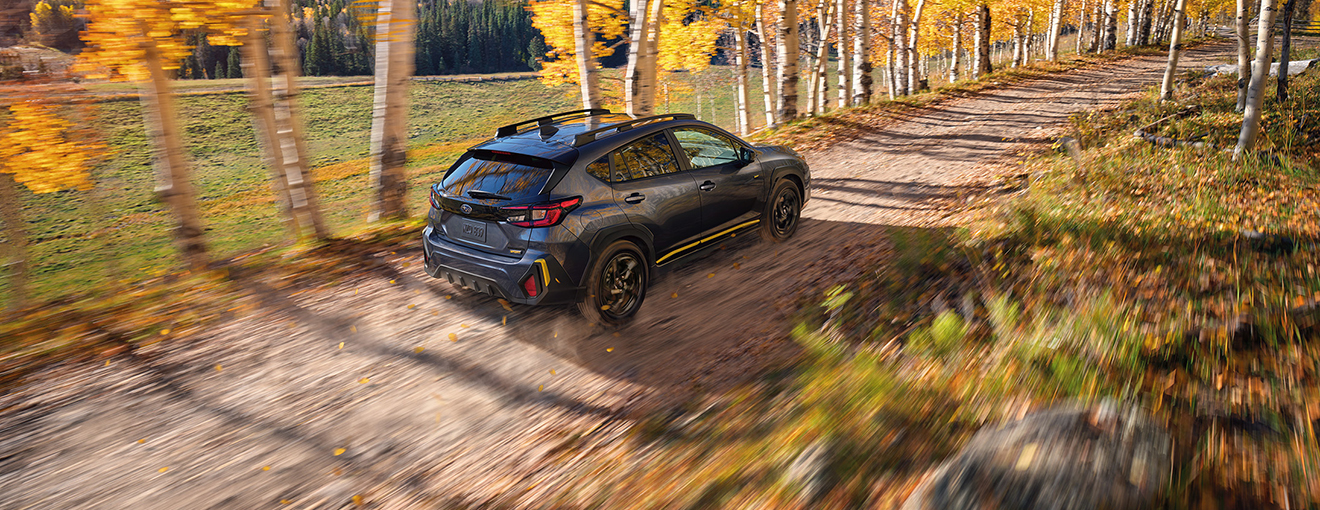
All-wheel drive systems, like Subaru's Symmetrical AWD used across nearly its entire lineup, are generally designed to send power to all four wheels continuously or automatically, without the driver doing anything. Most modern AWD systems use sensors to detect wheel slip and redirect torque to the wheels with grip in a fraction of a second — useful for rain, light snow, gravel, and the kind of unpredictable traction most daily driving actually involves.
What AWD generally isn't built for is serious off-road work. Most AWD systems lack a low-range gear (a mechanically geared-down mode that multiplies torque at low speed), which is the feature that actually matters for crawling over rocks or through deep mud at walking pace. AWD is a traction system for the road and light trails, not a substitute for a dedicated off-road 4WD setup.
4WD: driver-engaged, built around a low-range gear

Traditional 4WD systems, like the ones in a Jeep Wrangler or a body-on-frame pickup truck, are usually driver-selectable — a dial or lever lets the driver switch between 2WD, 4WD High (for slippery but higher-speed conditions), and 4WD Low (a mechanically lower gear ratio for maximum torque at very low speed). That low-range gear is the real differentiator: it's what lets a vehicle climb a steep, loose grade or crawl over large rocks without stalling or spinning a wheel uselessly.
The tradeoff is that traditional 4WD is generally not meant to be left engaged on dry pavement — because the front and rear axles are typically locked to spin at the same speed in 4WD mode, driving on high-traction surfaces like dry asphalt can cause "driveline binding," a real mechanical stress that most owner's manuals explicitly warn against. This is the opposite of AWD, which is built specifically to be left on all the time.
2WD: not a downgrade, a different set of priorities
A two-wheel-drive vehicle sends power to just the front or just the rear axle, with no mechanism to redirect torque if that axle loses grip. It's easy to frame this as simply "the version without the good part," but 2WD vehicles are typically lighter (no extra driveshaft, transfer case, or second differential to carry), which generally means better fuel economy and a lower purchase price, plus fewer components that can eventually need repair.
For drivers in regions with mild weather and paved commutes — a meaningful share of the country — the traction benefit of AWD or 4WD may simply never come up often enough to offset the added weight, cost, and complexity. It's a legitimate choice, not just a budget compromise.
The part no drivetrain fixes: tires and stopping distance
A genuinely common misunderstanding is treating AWD or 4WD as a general safety upgrade for winter driving. Both systems help a vehicle put power down and start moving on a slippery surface — neither one improves braking distance or cornering grip, both of which are governed almost entirely by the tires actually touching the road. A 2WD car on proper winter tires will typically out-brake and out-corner an AWD vehicle on all-season tires, even though the AWD vehicle may accelerate away from a stop more confidently.
| System | Typically engages | Built for | Watch out for |
|---|---|---|---|
| AWD | Always-on or automatic | Rain, light snow, gravel, everyday traction | Usually lacks a low-range gear for serious off-roading |
| 4WD (with low range) | Driver-selected | Rock crawling, deep mud, steep low-speed grades | Not meant to stay engaged on dry pavement (driveline binding) |
| 2WD | N/A — single axle only | Efficiency, lower cost, simpler mechanicals | No extra traction if that axle loses grip |
Common questions
Is AWD the same as 4WD?
No. They're related systems solving similar problems differently — AWD is generally automatic and always-available, while traditional 4WD is driver-engaged and built around a low-range gear for serious off-road torque.
Does AWD or 4WD help me stop faster on ice?
No — stopping distance and cornering grip come almost entirely from the tires, not the drivetrain. Winter tires make a bigger safety difference than AWD alone.
Can I leave 4WD engaged all the time, like AWD?
Generally no, on traditional part-time 4WD systems — most manufacturers warn against driving in 4WD on dry, high-traction pavement due to driveline binding. Check your specific vehicle's manual.
Is 2WD unsafe compared to AWD?
Not inherently — a 2WD vehicle with good tires suited to your climate is a reasonable, safe choice for most paved, moderate-weather driving.
DopamineKart has not conducted a hands-on test drive of any vehicle referenced in this explainer; behavior and figures described are sourced to manufacturer documentation and general engineering principles, not independent testing.
Editorial note. This article explains drivetrain systems generally used across the auto industry and is not a review or endorsement of any specific model or brand. Photography is manufacturer press material (Subaru, Jeep), used for editorial illustration and credited per image. No affiliate links appear on this page.