"4K" on a budget action camera and "4K" on a flagship model are not the same footage, even though the resolution number is identical on both spec sheets. Sensor size, stabilization quality, and low-light performance are where the real difference lives — and none of those show up in the headline resolution claim. Five real, currently-listed picks below, spanning true entry-level to a genuine flagship comparison point.
Why two "4K" cameras can look completely different
Resolution is one number. Sensor size and stabilization do the actual visible work.
Resolution tells you how many pixels are in the frame, not how good those pixels look. A budget action camera and a flagship model can both claim "4K30" and produce dramatically different footage, because the sensor capturing that image is a completely different size and quality between the two. Larger sensors gather more light per pixel, which is the main reason flagship action cameras noticeably outperform budget ones specifically in low light or shade — exactly the conditions action cameras get used in most (overcast days, indoor sports, dawn surf sessions), and exactly where budget sensors visibly struggle.
Stabilization is the second real differentiator. Electronic Image Stabilization (EIS) is standard even on budget models now, but the quality varies enormously — cheaper EIS implementations noticeably crop the frame and can introduce a slight "jelly" wobble effect during fast motion, while better stabilization holds a wider, steadier frame. This is genuinely hard to evaluate from a spec sheet alone, which is part of why brand reputation and review consistency matter more in this category than in most tech purchases.
Waterproof depth ratings are worth checking against your actual use case too — most budget cameras rate to roughly 30–40 meters without a separate housing, which comfortably covers snorkeling and most watersports, but serious diving needs a dedicated waterproof case rated for the specific depth.
Quick facts
Good for occasional, casual use
Sub-$50-class cameras deliver usable daylight footage for kids, casual biking, or pool days — don't expect them to hold up in low light or fast action.
Good for regular sports/travel use
The AKASO Brave line sits here — touchscreen control, real EIS, and noticeably better low-light handling than entry-level, without flagship pricing.
Where the sensor difference is obvious
DJI's Osmo Action 4 uses a materially larger 1/1.3" sensor — the spec that actually explains why flagship low-light footage looks different, not just "more expensive."
5 real picks, entry-level through flagship comparison
Every photo below is pulled directly from each product's real, live Amazon listing.
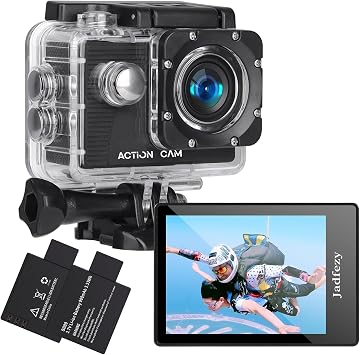
Jadfezy FHD 1080P Action Camera
Entry-level 1080p rather than 4K — genuinely fine for daylight casual use, and a good way to test whether an action camera fits your lifestyle before spending more.
Shop it on Amazon →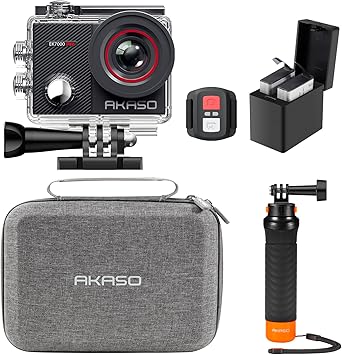
AKASO EK7000 Pro, 4K30
A genuine step up to 4K with EIS and a touchscreen, still at a budget-friendly price point — AKASO's most established entry-level 4K model.
Shop it on Amazon →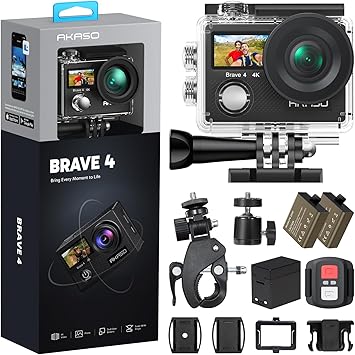
AKASO Brave 4, 4K
Uses a Sony sensor — worth noting specifically, since sensor sourcing is exactly the spec that doesn't show up in the resolution number but does show up in the footage.
Shop it on Amazon →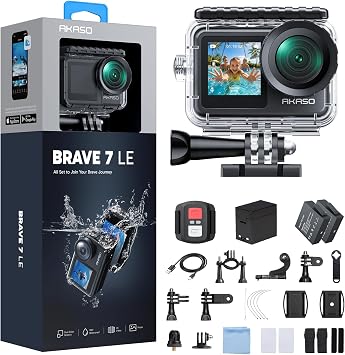
AKASO Brave 7 LE, 4K30
The most capable AKASO on this list — dual batteries, EIS 2.0, and external microphone support, aimed at more serious hobbyist use than the entry models above.
Shop it on Amazon →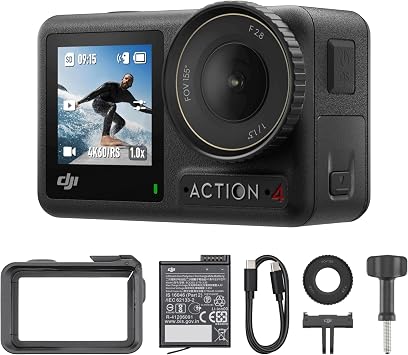
DJI Osmo Action 4, Essential Combo
The flagship comparison point on this list, included specifically to show what the sensor-size difference above actually buys you: a 1/1.3" sensor, 4K/120fps, and 10-bit color — genuinely different footage, not just a bigger price tag.
Shop it on Amazon →Common questions
Is a budget action camera good enough for beginners?
Yes, for daylight and moderate-motion use — casual biking, pool days, hiking. The gap between budget and flagship shows up specifically in low light and fast, high-motion footage, which matters more to some hobbies (surfing, mountain biking at dusk) than others.
Do I need a separate waterproof case?
Most budget-to-mid-range action cameras are already waterproof to roughly 30–40 meters without an added case — check the specific listing, but a separate case is usually only necessary for serious scuba diving beyond that depth.
What does EIS actually do?
Electronic Image Stabilization digitally smooths out camera shake in software, using part of the sensor's frame as a stabilization buffer — which is also why heavier EIS can slightly crop the visible field of view compared to stabilization off.
Is the DJI Osmo Action 4 worth the jump from an AKASO model?
Depends on use case — if low-light footage or higher frame-rate slow motion matters to you, the larger sensor and 10-bit color make a real, visible difference. For daylight casual use, the gap narrows considerably.
Disclosure. Product names, brands, and photos are pulled directly from each item's real, live Amazon listing at the time of publishing — inventory and availability can change. DopamineKart did not receive free products or payment from any brand featured here. Corrections: email us.