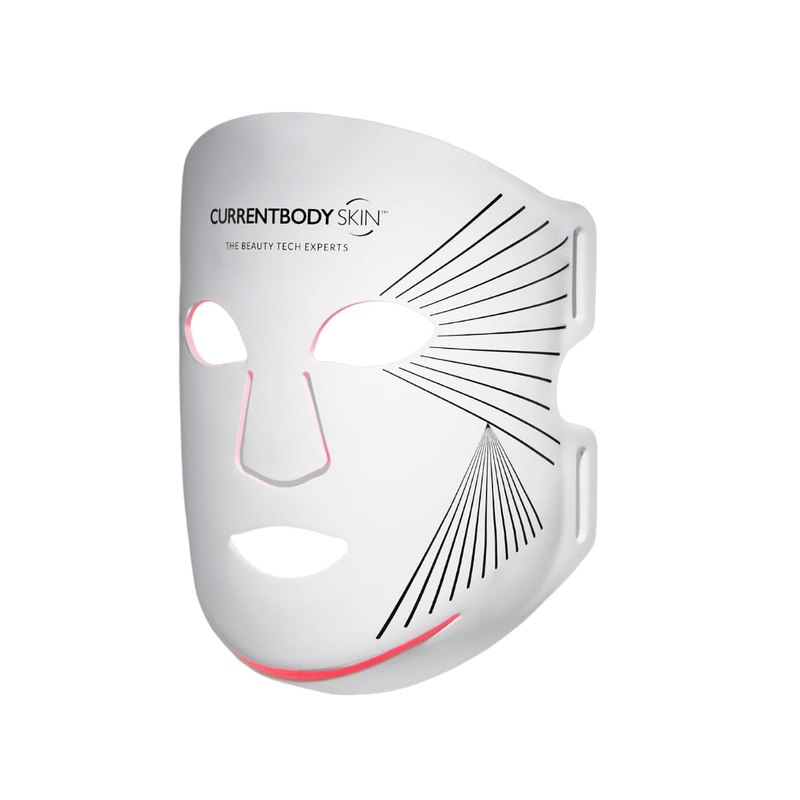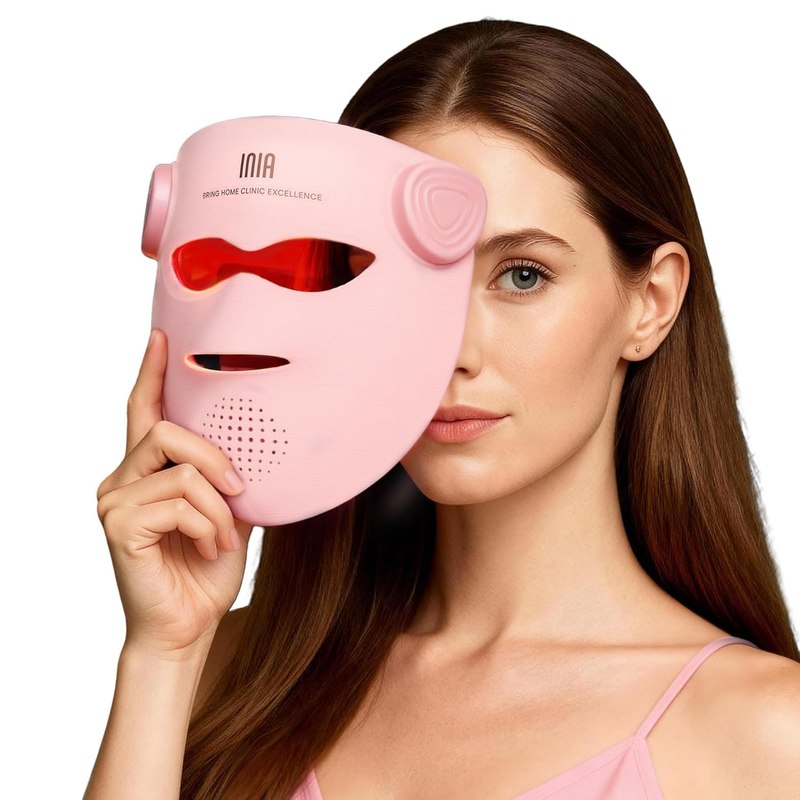
INIA GLOW 4D Wireless Red Light Therapy Mask for Face, Dual NIR,
The only wearable full-face mask in the set, listed with dual NIR and 320 LEDs for hands-free coverage.
Skincare Tech
Seven at-home face devices, sorted by what they actually do — light, current, radio frequency, or manual manipulation — so you buy the mechanism you need, not the one with the best photo.
The only wearable full-face mask in the set, listed with dual NIR and 320 LEDs for hands-free coverage.
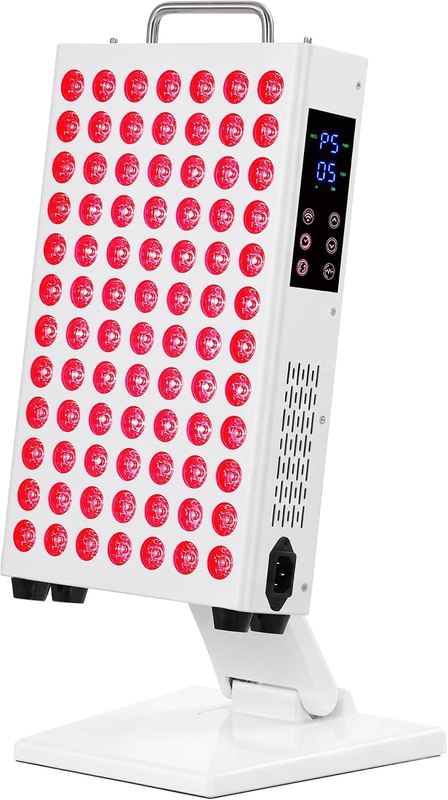
The only panel listed for face and body use, with a multi-angle stand and six stated wavelengths.
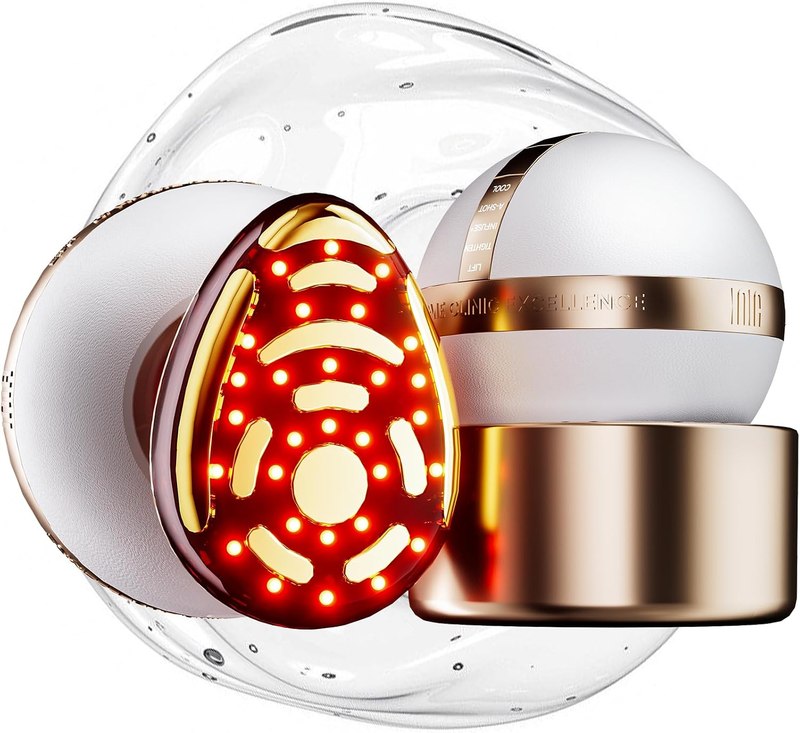
Listed as an 8-in-1 device for face and neck, the broadest stated function set among the microcurrent tools here.
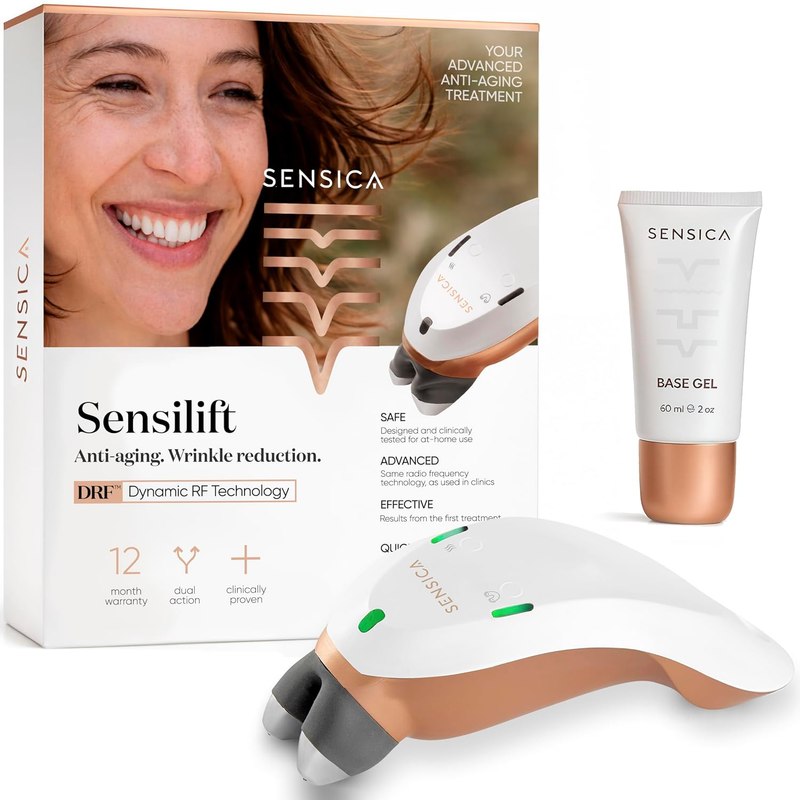
The only device in this set built specifically around radio frequency for face and neck lifting and firming.
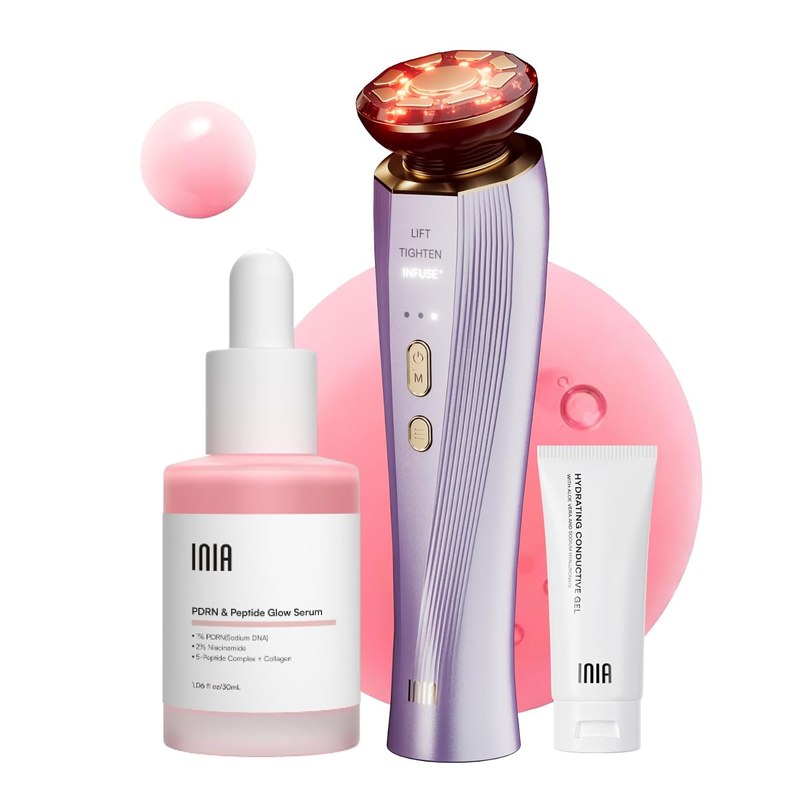
Listed as 3-in-1 microcurrent plus red light therapy, combining two treatment types in a single handheld tool.
| Legit | Mechanism | Treatment Area (per listing) | Form Factor | Stated Feature Highlight | |
|---|---|---|---|---|---|
| INIA GLOW 4D Wireless Red Light Therapy Mask for Face, Dual NIR, 320 LEDs | 3.6mid-priced | LED light therapy (red + dual NIR) | Full face | Wearable mask, wireless | 320 LEDs, dual NIR |
| Red Light Therapy Panel for Face and Body, 204 LED Chips 6-Wavelength (660-1060nm) Infrared Light Therapy with Multi-Angle Stand | 2.9premium | LED light therapy, multi-wavelength | Face and body | Stand-mounted panel | 204 LED chips, 6 wavelengths (660–1060nm) |
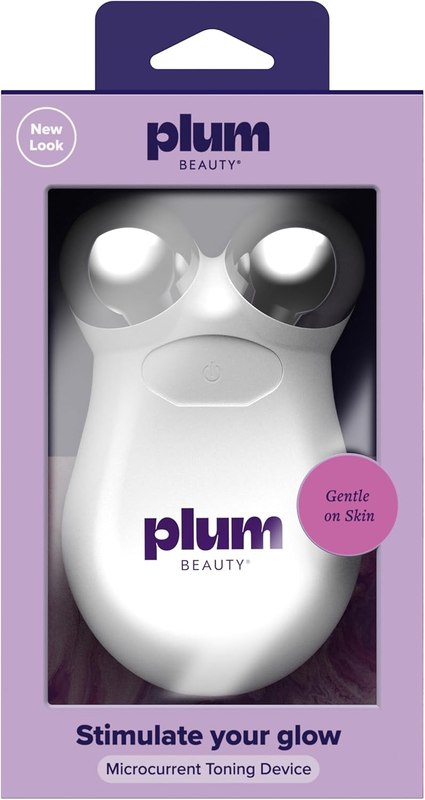 Plum Beauty Microcurrent Toning Device, Skin Tightening Face Massager Plum Beauty Microcurrent Toning Device, Skin Tightening Face Massager | 3.7value pick | Microcurrent | Face | Handheld massager | Toning and skin tightening focus |
| INIA SPHERA Upgraded 8-in-1 Microcurrent Facial Device for Face & Neck | 3.8mid-priced | Microcurrent | Face and neck | Handheld device | 8-in-1 stated functions |
| Sensica Sensilift Anti-Aging RF Skin Tightening Device – Salon-Style Radio Frequency Face Sculpting Tool for Face & Neck Lifting, Firming & Wrinkle Reduction, At-Home Skincare Machine | 3.2premium | Radio frequency (RF) | Face and neck | Handheld, salon-style device | Lifting, firming, wrinkle reduction focus |
| INIA Flare 3-in-1 Microcurrent Facial Device Red Light Therapy for Face | 3.5mid-priced | Microcurrent + LED light therapy | Face | Handheld device | 3-in-1 combined mechanisms |
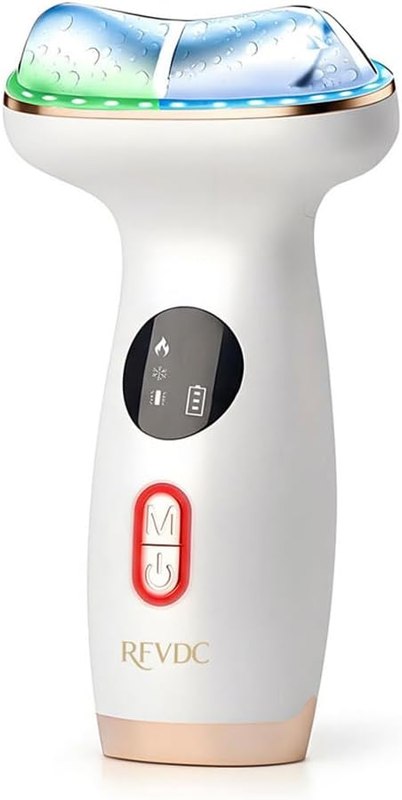 Cold Heated Electric Gua Sha Facial Tool, Depuffing Wand for Puffiness Cold Heated Electric Gua Sha Facial Tool, Depuffing Wand for Puffiness | 3.9value pick | Manual massage with cold/heat | Face | Handheld gua sha wand | Electric cold and heat depuffing function |
“Legit” is our own 1–5 value score, computed the same way for every product from what its live listing showed — how we calculate it. A dash means one of the four inputs could not be read, so we do not score it. Everything else is qualitative. No prices — they move too fast for an article to stay true.
One winner per job, assigned only where this lineup genuinely supports a call.
Each links to a live Amazon listing that was opened and read before it went in.
Wireless full-face LED mask
This is a wearable mask covering the full face, listed with dual NIR (near-infrared) alongside red light and 320 LEDs total. It suits anyone who wants hands-free, whole-face light exposure during a set routine rather than spot treatment. The wireless design means no cord to manage while it's on. The trade-off is coverage versus precision — a mask treats the whole face uniformly, so it can't target one area more than another the way a handheld wand can.
Multi-wavelength light therapy panel
A stand-mounted panel listed with 204 LED chips across six wavelengths (660–1060nm) and a multi-angle stand, positioned for face and body use rather than face alone. This suits someone who wants to treat larger areas, or who wants a device that sits at a distance rather than sitting on the skin. The stand adds flexibility in positioning but also means it needs counter or floor space, unlike a wearable mask that goes on the face directly.
Straightforward microcurrent toning device
This is a microcurrent facial massager listed around toning and skin tightening, without the multi-function claims of the other microcurrent tool here. It suits someone who wants a simpler, single-purpose device for a contact-based microcurrent routine without navigating multiple modes. The trade-off against the 8-in-1 device is fewer stated functions — this is positioned as a more focused tool rather than a do-everything one.
Multi-function microcurrent device
Listed as an 8-in-1 microcurrent facial device covering face and neck, this is the more feature-dense of the two microcurrent tools in this set. It suits someone who wants one device to handle multiple stated functions rather than adding separate tools over time. The trade-off with any multi-mode device is that more functions mean more settings to learn, and the listing's own '8-in-1' framing is the main signal of scope here — treat it as a starting point for what to expect, not a guarantee of results.
Dedicated RF skin-tightening device
This is a radio frequency device positioned as a salon-style tool for face and neck, listed around lifting, firming, and wrinkle reduction. It's the only device in this roundup built specifically around RF as its mechanism, which suits someone who wants heat-based treatment rather than light or electrical current. The trade-off is that RF devices are typically used as a distinct routine step, not a quick daily habit, and this one doesn't combine other mechanisms into the same device.
Hybrid microcurrent and light therapy device
Listed as a 3-in-1 microcurrent facial device with red light therapy, this combines two mechanisms in a single handheld tool rather than requiring separate devices for current and light. It suits someone who wants both without adding a second gadget to their counter. The trade-off with any combination device is that it's a compromise by nature — it won't necessarily match a dedicated single-mechanism device on either function, but it does cut down on what you need to own and use.
Cold/heated electric gua sha wand
This is a manual gua sha tool with an electric cold-and-heat function, positioned around depuffing rather than light or current-based treatment. It suits someone who wants a temperature-assisted massage tool for quick depuffing sessions rather than a longer electronic routine. The trade-off is mechanism: this is tool-assisted manual massage, not an active electrical or light treatment, so it belongs in a different part of a routine than the other six devices here.
Nothing here prevents combining mechanisms across separate devices — they work differently and aren't mutually exclusive. The hybrid device in this set does that combining for you in one tool, while the others are single-mechanism. If you're building a routine from scratch, the listings themselves don't specify a required order or spacing, so that's worth checking against manufacturer guidance rather than assuming.
One is listed as a straightforward toning and tightening massager, the other as an 8-in-1 device for face and neck. The difference, based on the listings alone, is scope of stated functions — more modes on the 8-in-1, a simpler single-purpose design on the other. Neither listing details session length or frequency, so that's a question for the product page or manual, not the title.
They're built for different coverage. The mask is wearable and full-face, useful for hands-free sessions. The panel sits on a stand and is listed for face and body, meaning it can treat larger or additional areas the mask can't reach. Neither listing claims one is more effective than the other — the difference is coverage and form factor, not strength.
Radio frequency uses heat generated at depth in the skin, which is a distinct mechanism from light exposure or electrical microcurrent pulses. The RF device here is the only one in this set built around that specific approach, listed for lifting, firming, and wrinkle reduction on the face and neck.
No — it's a manual massage tool with an added cold/heat function, not an active electrical or light treatment device. It's listed specifically around depuffing, which is a different goal than tightening or toning, so it's better thought of as a complementary tool than a substitute for the others.
None of the listings claim to replace professional or in-office procedures, and this guide doesn't make that claim either. They're positioned as at-home devices for routine use — the RF device's own listing does describe itself as 'salon-style,' which speaks to the mechanism, not an equivalence to a clinical treatment.
If you want passive, hands-free light exposure across the whole face, the wireless dual-NIR mask is built for that; if you want light therapy across a larger area including the body, the panel with a multi-angle stand covers more ground. For active, on-contact treatment, the two microcurrent tools differ mainly in how many functions are packed in — the 8-in-1 offers more stated modes, the toning device is simpler by design. The RF device is the only one in this set built specifically around radio frequency heating, and the hybrid microcurrent-plus-light tool is the pick if you want two mechanisms without buying two devices. The gua sha wand stands apart entirely as a manual, temperature-assisted tool rather than an electronic treatment device.
Affiliate disclosure. DopamineKart is a participant in the Amazon Services LLC Associates Program. As an Amazon Associate, DopamineKart earns from qualifying purchases — at no extra cost to you, and it never changes a pick. Sources. Every listing was verified live; nothing here was tested by hand. Colours, sizes and availability change — read the listing before buying.
How we review · Corrections: email us