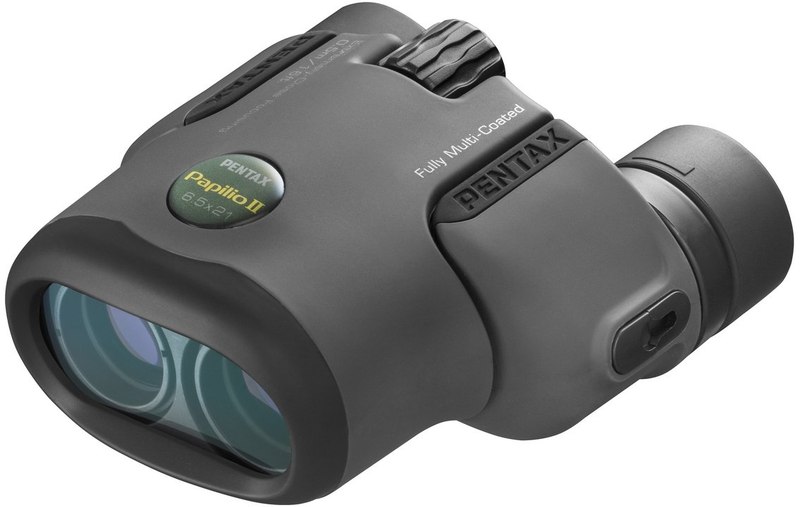
Pentax Papilio II 6.5x21 Binoculars (Gray) Suitable for Watching
The only listing here that explicitly markets both close-up and far-away viewing on the same binocular.
Optics Buying Guide
Fourteen pocket and compact binoculars, compared on magnification, objective size, and weatherproofing so you can match the pair to how you'll actually use it.
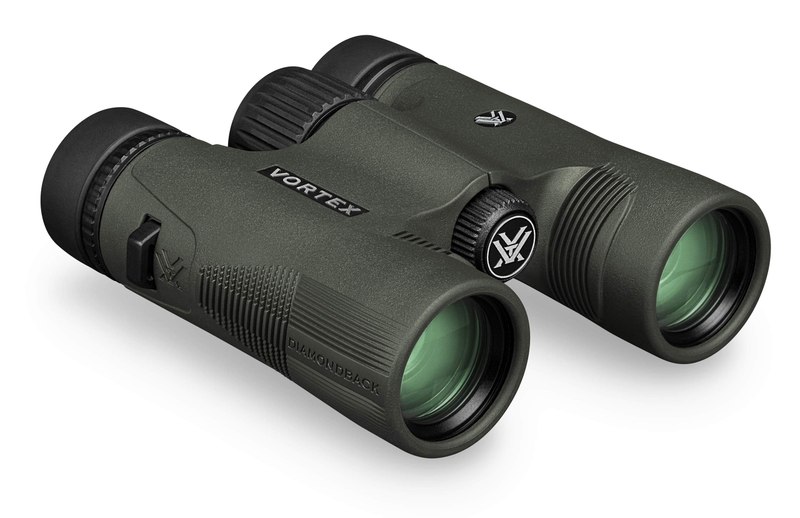
The only listing here that explicitly markets both close-up and far-away viewing on the same binocular.
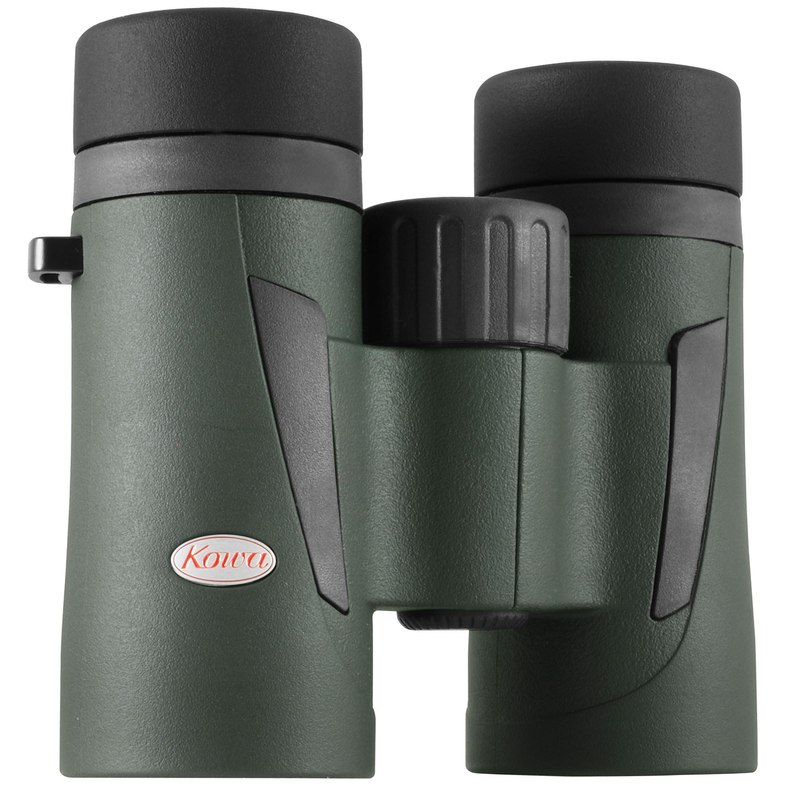
The only listing in this roundup that explicitly brands itself as wide-angle.
The only listing that names HD glass specifically, suggesting stronger light transmission than the standard coatings named elsewhere.
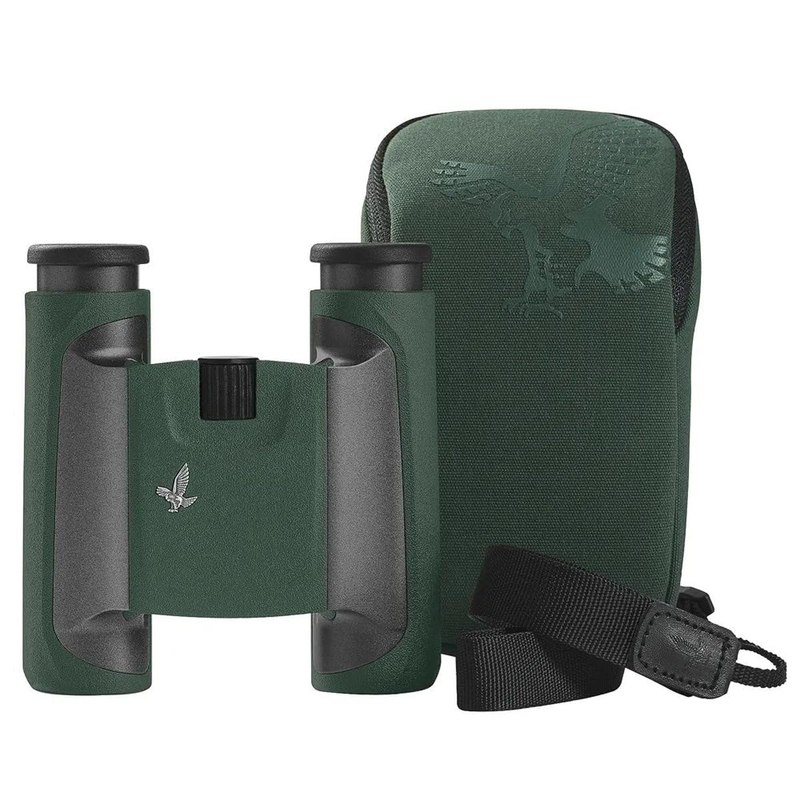
The listing specifies inclusion of a branded Wild Nature carrying bag, a detail not mentioned on the other compacts here.
“Legit” is our own 1–5 value score, computed the same way for every product from what its live listing showed — how we calculate it. A dash means one of the four inputs could not be read, so we do not score it. Everything else is qualitative. No prices — they move too fast for an article to stay true.
One winner per job, assigned only where this lineup genuinely supports a call.
Higher magnification is always better.
Beyond roughly 10x, image shake from unsteady hands becomes much harder to control, and field of view narrows, making it tougher to track fast subjects like athletes or wildlife in motion.
A bigger objective lens always means a brighter image.
Larger objectives do gather more light, but the difference is most noticeable in low light. In daylight, a 20mm and a 32mm objective often look similarly bright to the eye.
Waterproof and fogproof mean the same thing.
Waterproofing keeps moisture out of the housing, while fogproofing (usually nitrogen or argon purging) prevents internal condensation from temperature swings. Some listings state both; others state only one or neither.
Each links to a live Amazon listing that was opened and read before it went in.
HD Glass Pick
The Diamondback HD line brings HD-branded glass into an 8x28 configuration, sized between pocket and mid-size binoculars for a slightly larger exit pupil. It suits buyers who want brighter glass than typical 25mm compacts offer. The larger objective adds bulk versus the true pocket models on this list.
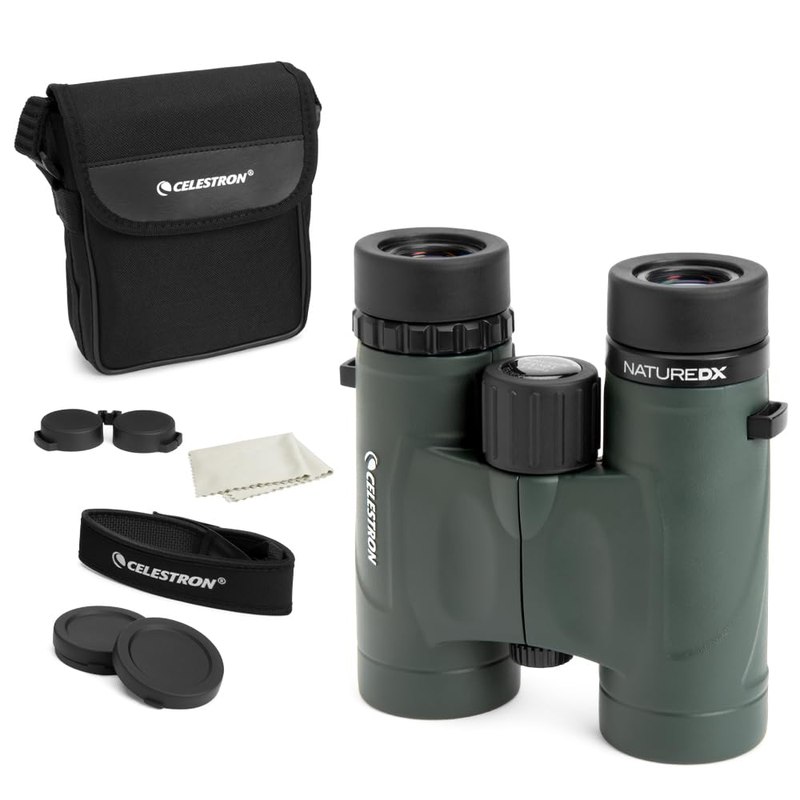
Larger-Aperture Compact
At 8x32, the Nature DX trades some pocketability for a bigger objective lens, positioned as compact and lightweight rather than truly pocket-sized. It suits travelers who still want a wider, brighter view without full-size bulk. It's the largest aperture in this roundup, so it won't slide into a jacket pocket.
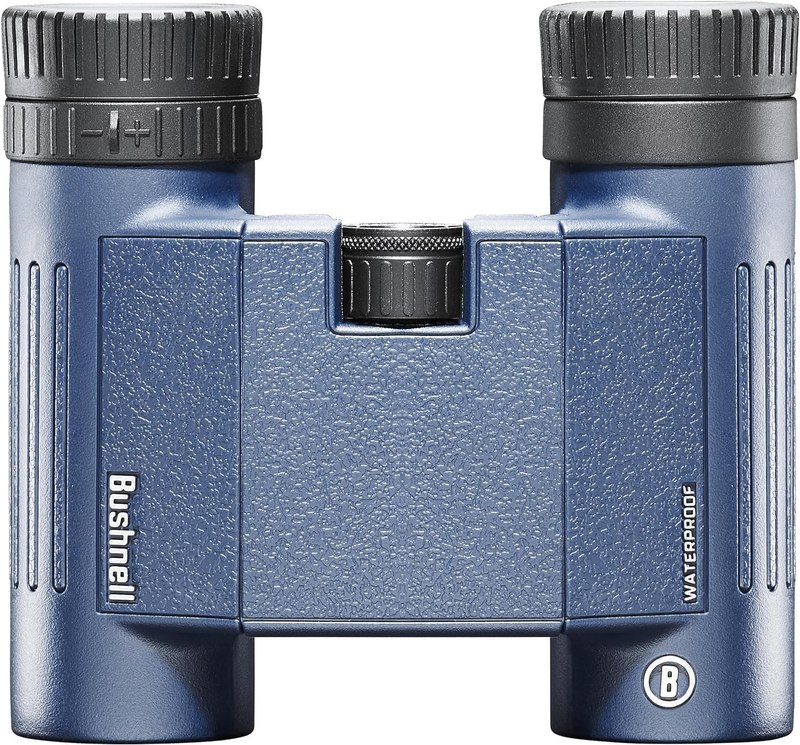
Waterproof Value Compact
The H2O line is built and marketed specifically around waterproofing in an 8x25 compact body, a reasonable pick for humid or wet conditions like sailing or beach days. The listing doesn't mention coating specifics beyond waterproofing, so optical performance is harder to verify from the title alone.
Close-Focus Specialist
Unlike the rest of this list, the Papilio II is built explicitly for viewing both close-up and distant subjects, a rare trait for compact binoculars. Its lower 6.5x magnification and smaller 21mm objective trade some reach for that versatility, making it less suited to long-range sports viewing than the higher-magnification options here.
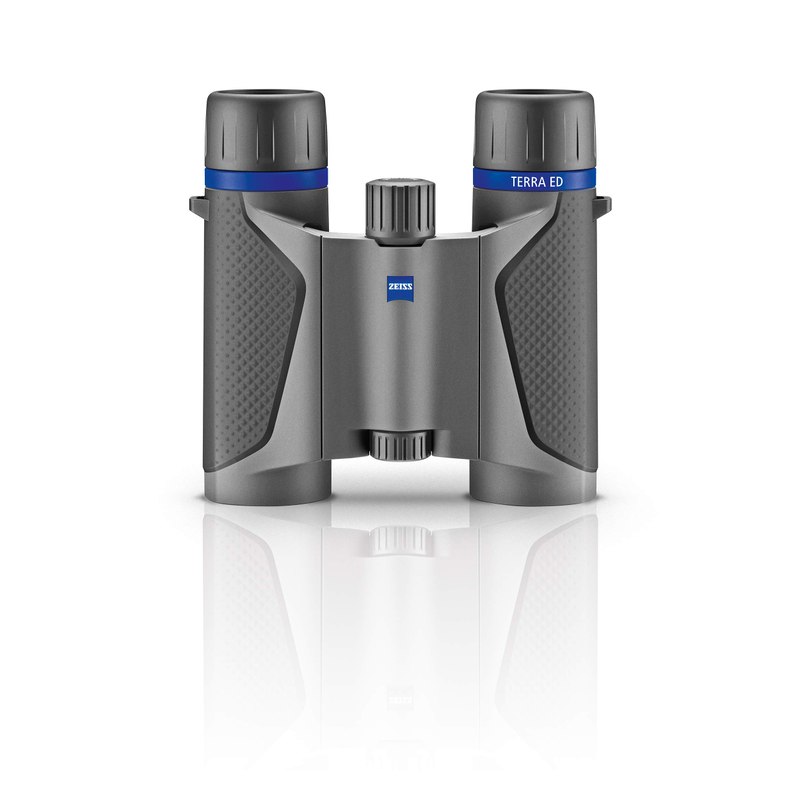
All-Weather Pocket Pick
Zeiss positions the Terra ED Pocket around coated ED glass, waterproofing, and fast focusing, with the listing naming birdwatching, hunting, and sightseeing as intended uses. It's a versatile pocket compact for buyers who want documented weather sealing. At 25mm, it gathers less light than the larger compacts here.
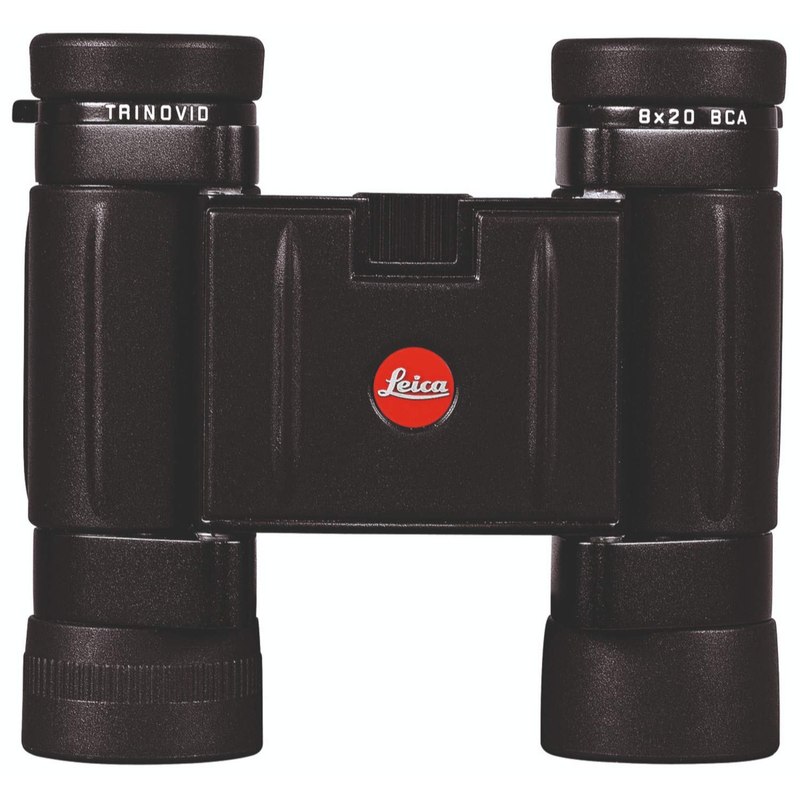
Slim Premium Pocket Pair
The Leica 8x20 pairs a premium optics brand with one of the smallest objective sizes in this list, and it ships with its own case per the listing. It's built for minimal bulk over maximum light gathering. The listing doesn't mention waterproofing, so weather sealing isn't confirmed.
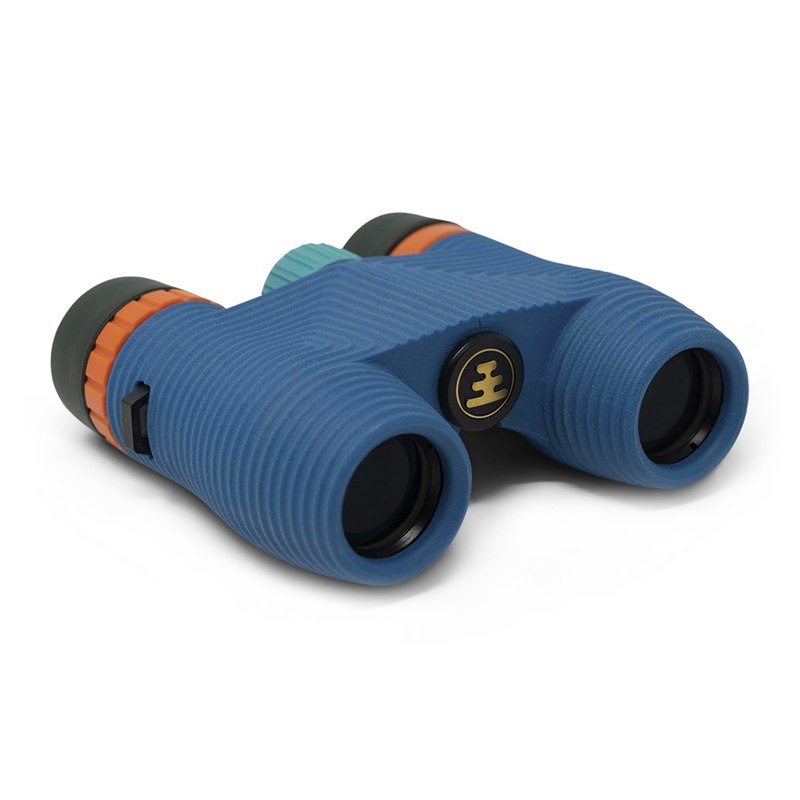
Simple Waterproof Compact
Nocs markets this 8x25 pair around waterproofing and birdwatching use, with a straightforward, no-frills design. It fits casual outdoor use where rugged simplicity matters more than technical specs. The listing doesn't cite coatings or ED glass, so it reads as a simpler build than the Zeiss or Vortex models here.
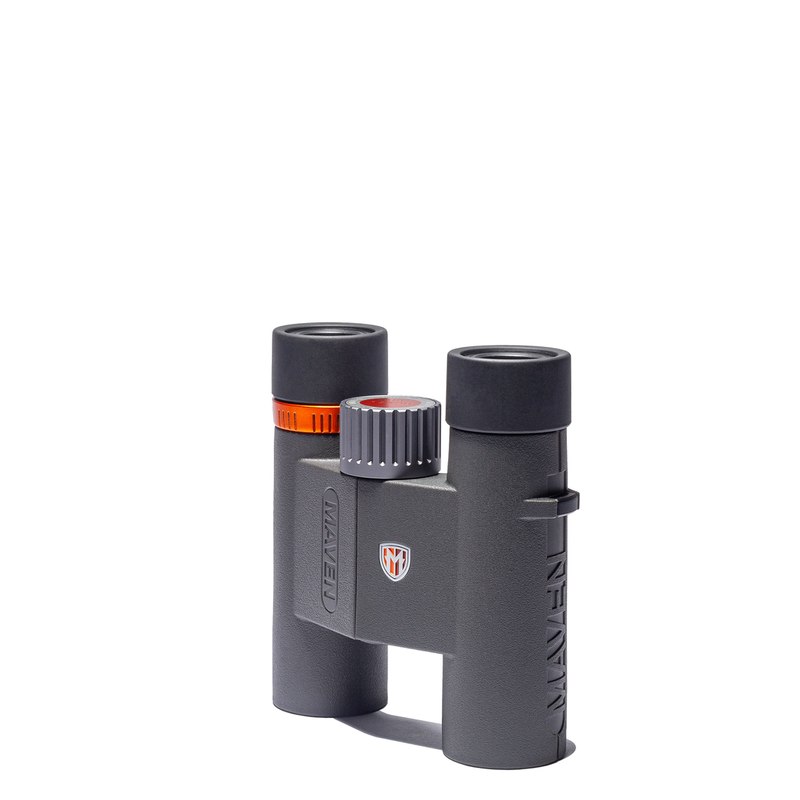
Multi-Use Compact
The Maven C.2 is listed across outdoor, travel, birdwatching, and hunting use cases, with a 7x28 configuration splitting the difference between magnification and light-gathering. It's a generalist pick for buyers who don't want to specialize. The lower 7x magnification means less reach than the 8x-plus models here for distant events.
Wide-Angle View Pick
Kowa explicitly markets this pair as wide-angle, and its 32mm objective ties for the largest in this list, aimed at buyers who want a broader field of view over pure magnification. The lower 6.5x magnification pulls distant subjects in less than the 8x-12x options here.
Premium Pocket Pick
The CL Pocket comes from a premium optics maker and, per the listing, includes a Wild Nature carrying bag alongside the 8x25 binocular itself. It suits buyers who want a recognized high-end brand in pocket form. The listing doesn't detail waterproofing or ED glass specifics beyond the brand name.
Higher magnification (10x-12x) pulls distant action closer, useful for stadium seating or field sports, but narrows your field of view and makes hand shake more noticeable. For general travel and sightseeing, 6.5x-8x is easier to hold steady and keep a wider view while walking around.
Only if you expect rain, humidity, or water activities like sailing or beach trips. Several listings here state waterproofing explicitly; others don't mention it at all, which likely means it isn't a documented feature rather than an oversight.
A larger objective (like 32mm versus 20-25mm) gathers more light, which helps in dim conditions such as dusk games or overcast days. The trade-off is size and weight, since larger objectives push a binocular further from true pocket dimensions.
No. Beyond about 10x, hand shake becomes harder to control without a tripod, and field of view narrows, making it harder to track fast-moving subjects like athletes. Lower magnification with a wider view can actually track action more easily at close range.
Only one listing in this roundup is explicitly marketed for both close-up and far-away viewing on the same unit, making it the clear choice if you want to alternate between nearby detail and distant scenery without switching optics.
There's no single best pair here because compact binoculars serve different jobs. If you want maximum reach for stadium seating, the highest-magnification option in this list makes sense; if you want the smallest possible thing to carry, look at the model with explicitly listed micro dimensions. Buyers who split time between distant viewing and close-up subjects like plants or insects have exactly one listing built for that. Everyone else should weigh objective lens size against pocketability: bigger glass gathers more light but stops being truly pocket-sized. Waterproofing is stated on some listings and simply absent from others, so treat that as a filter rather than an assumption. Match the trade-off to your trip, not the brand name.
Affiliate disclosure. DopamineKart is a participant in the Amazon Services LLC Associates Program. As an Amazon Associate, DopamineKart earns from qualifying purchases — at no extra cost to you, and it never changes a pick. Sources. Every listing was verified live; nothing here was tested by hand. Colours, sizes and availability change — read the listing before buying.
How we review · Corrections: email us