Almost every "leaking container" complaint traces back to the same part: the seal, not the box. A rigid plastic or glass container with a worn, warped, or poorly designed gasket will leak no matter how thick the walls are — and a genuinely good seal will keep a thin container watertight for years. Here's what actually separates the two, and five real, currently-listed picks below.
The seal is the whole story, not the container
Two containers can use identical plastic and still perform completely differently in a bag.
Most "leakproof" claims on food storage containers come down to one mechanical detail: whether the lid clamps down with continuous pressure around the entire rim, or only at a few clip points. A snap-on lid with 4 corner clips can flex and gap between those clips under pressure — tilt it, stack something on it, or toss it in a bag, and liquid finds the gap. A lid with a full-perimeter silicone or rubber gasket, compressed evenly by a continuous locking mechanism, doesn't have that weak point.
Material matters less than the seal design, but it isn't irrelevant. Glass containers hold their shape indefinitely and don't stain or retain odors the way some plastics do over years of use, but they're heavier and can chip. Tritan and BPA-free polypropylene plastics are lighter and near-unbreakable, but a cheap plastic lid can warp slightly from repeated dishwasher heat cycles — and a warped lid, even a well-designed one, stops sealing evenly.
The other detail worth checking before buying: whether the lids and bases are dishwasher-safe specifically, not just "hand wash recommended." A seal that only stays true when hand-washed gently is a seal that degrades faster in a real kitchen than the listing implies.
Quick facts
Full-perimeter locking lids
Look for lids that lock at multiple points around the entire edge, not just two or four corners — this is the single biggest factor in actual leak resistance.
Glass, for the long haul
Glass containers don't warp, stain, or absorb odors the way plastic can after years of tomato sauce and curry — a real tradeoff against the added weight and breakage risk.
"Dishwasher safe" specifics
Confirm the lid itself — not just the base — is rated dishwasher safe. A base-only rating is a common way containers get sold as more durable than the lid actually is.
5 real picks, glass and plastic both covered
Every photo below is pulled directly from each product's real, live Amazon listing.
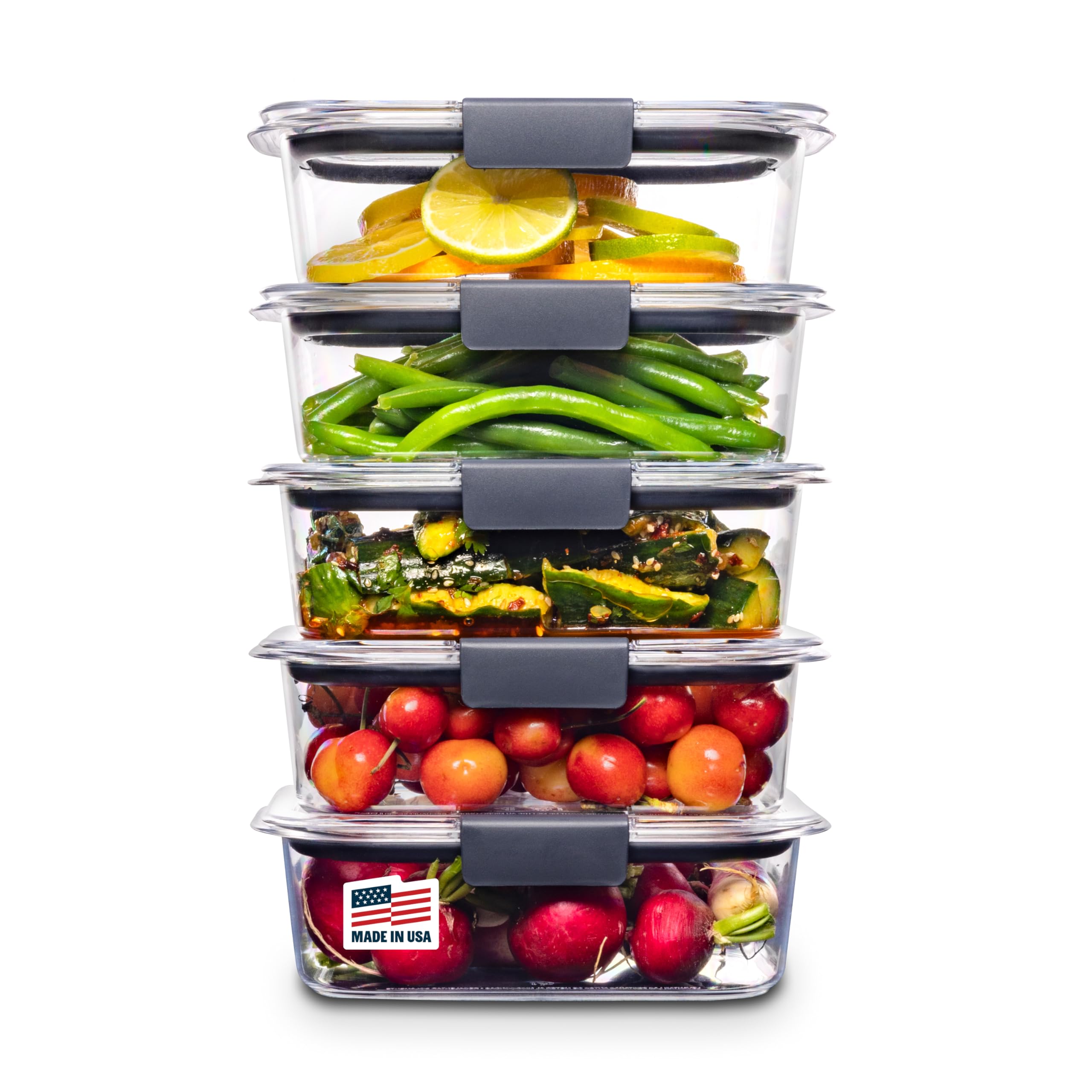
Rubbermaid Brilliance Tritan Plastic Containers
The default recommendation for a reason: a full-perimeter latching lid on genuinely clear, stain-resistant Tritan plastic — one of the most consistently well-reviewed seal designs in the category.
Shop it on Amazon →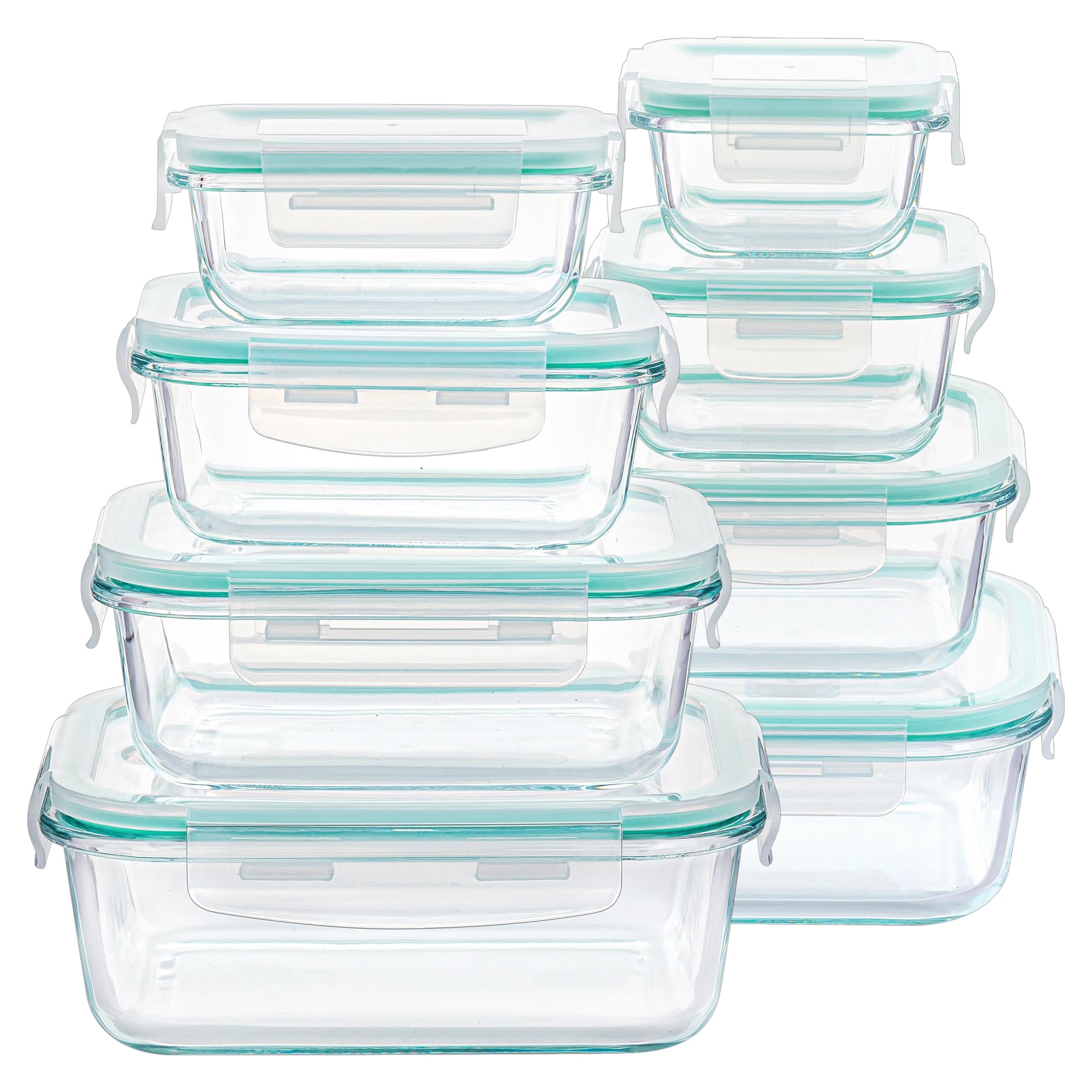
Vtopmart Glass Containers with Airtight Lids
The glass pick — borosilicate glass bases paired with a locking, gasket-sealed lid, for anyone who wants to avoid plastic touching food long-term without giving up real leak resistance.
Shop it on Amazon →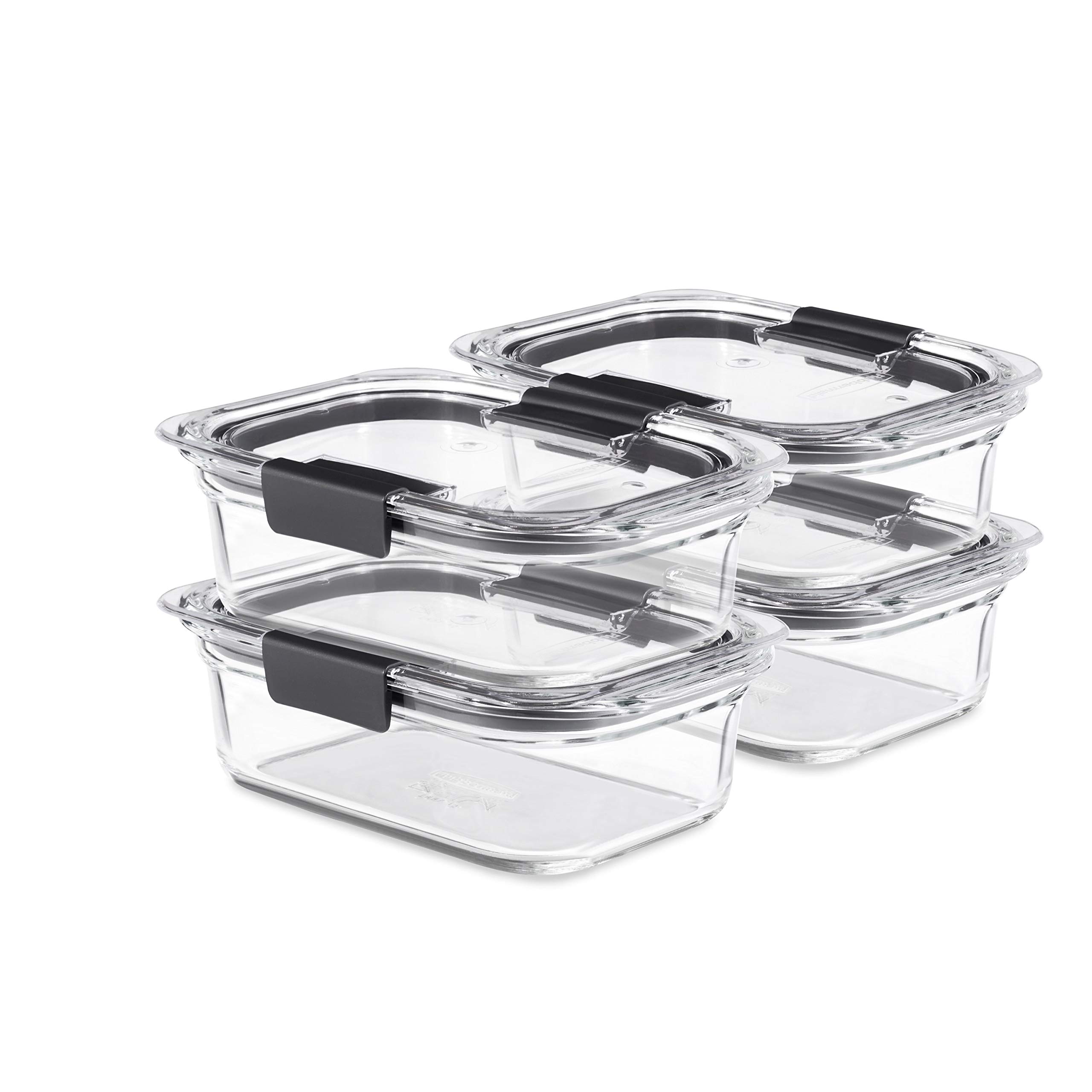
Rubbermaid Brilliance Glass Containers
Same latching-lid seal design as the plastic Brilliance line, on glass bases — for people who like this brand's lid mechanism specifically but want glass for daily use.
Shop it on Amazon →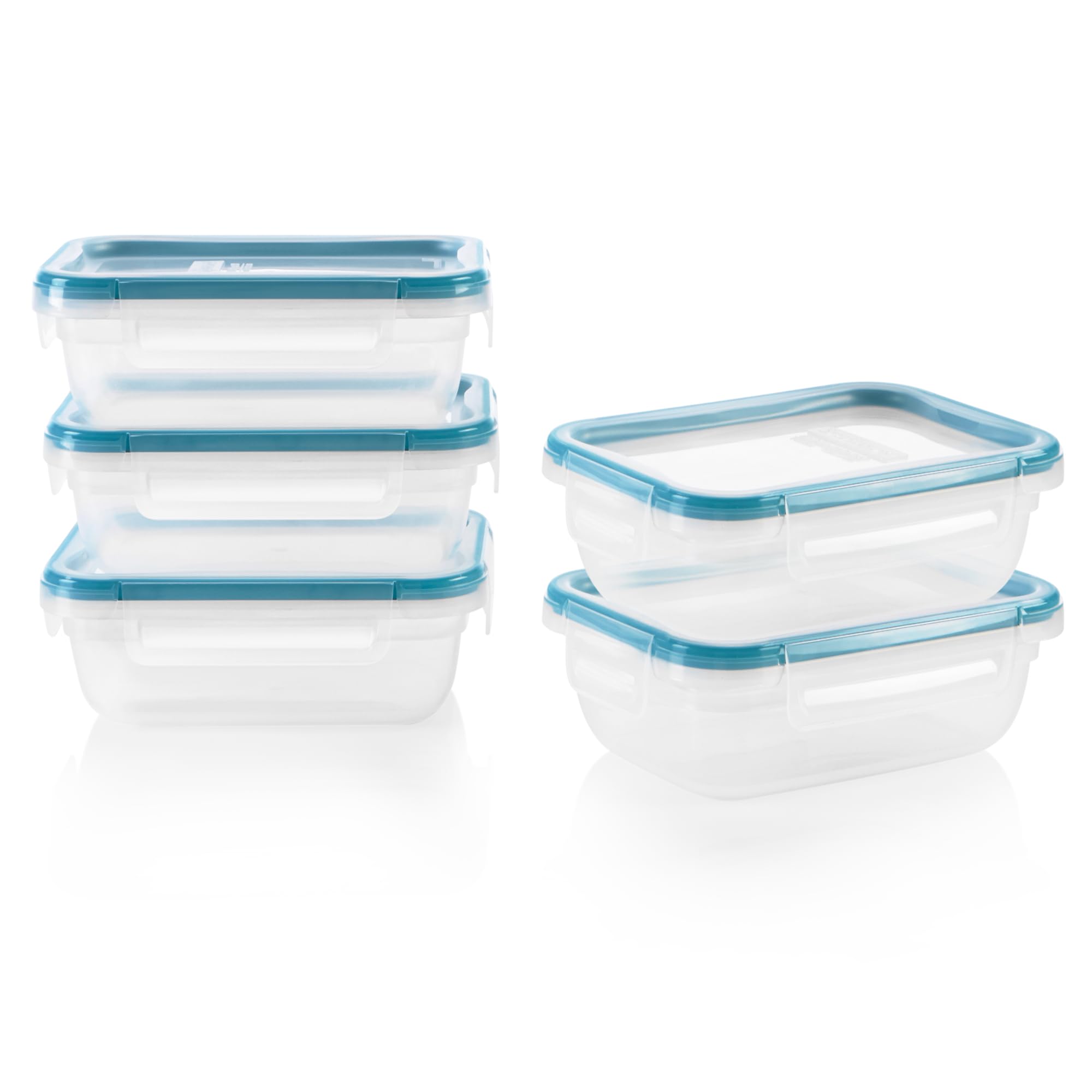
Snapware Total Solution, 5-Pack
A 4-corner locking lid design rather than full-perimeter — a legitimate mid-tier option if you're mostly storing dry or low-liquid food and don't need the strongest seal available.
Shop it on Amazon →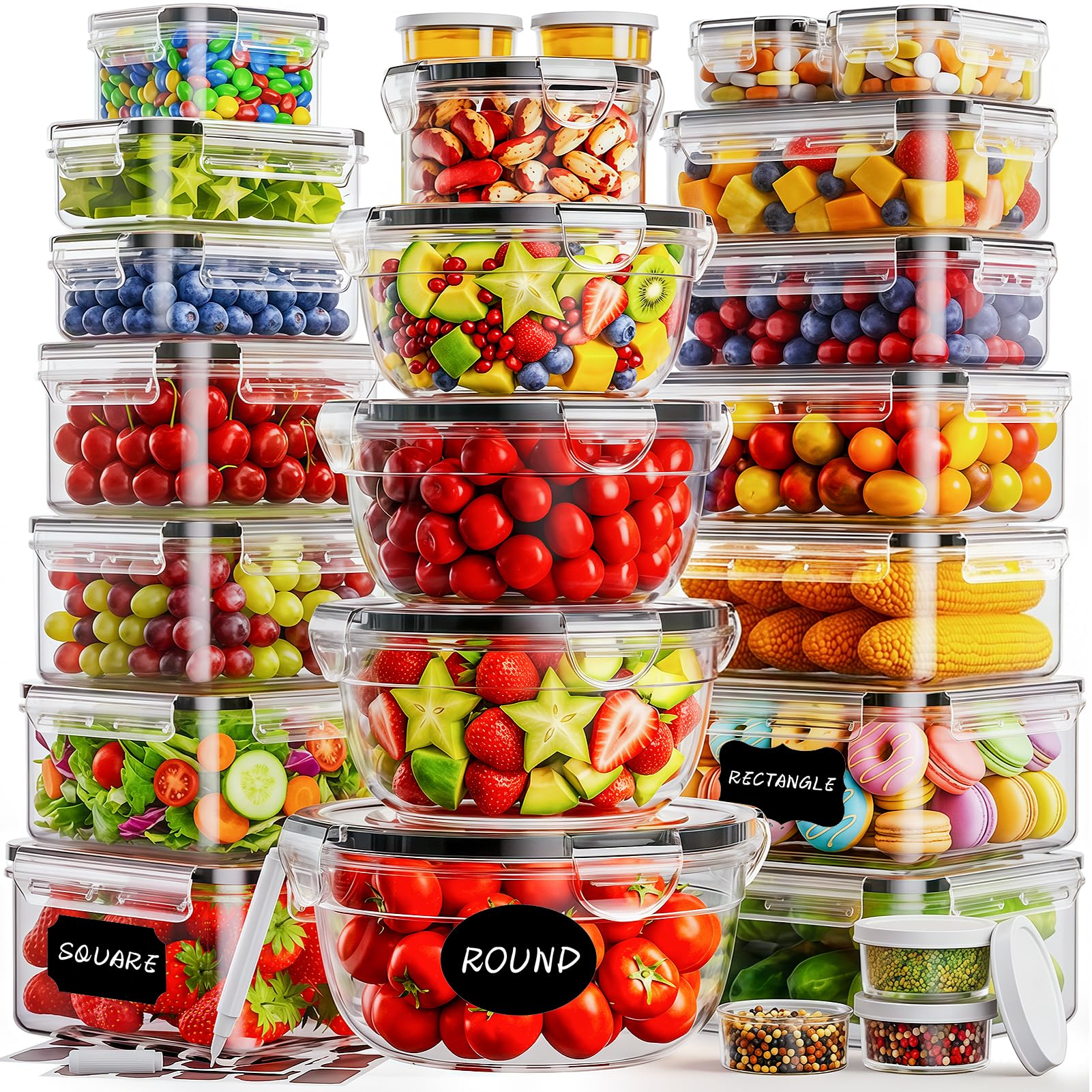
TOPCHASE 50-Piece Value Set
The bulk-value pick for stocking an entire kitchen at once — a large, mixed-size set that trades some seal sophistication for sheer coverage across every container size you'd need.
Shop it on Amazon →Common questions
Is glass or plastic actually better for leak resistance?
Neither material inherently leaks less — it's entirely down to the lid's seal design. A well-designed plastic lid outperforms a poorly-designed glass one, and vice versa.
Why does a container that sealed fine at first start leaking months later?
Usually lid warping from repeated dishwasher heat, or gasket wear from regular use. Confirming a dishwasher-safe rating on the lid specifically — not just the base — helps, but any gasket will eventually wear with heavy use.
Do more expensive containers always seal better?
Not automatically — the specific lid mechanism matters more than price tier. A full-perimeter locking lid on a mid-priced set can outperform a premium-branded set with a weaker clip design.
Are these containers microwave-safe?
Check each specific listing — most Tritan plastic and all glass options here are commonly microwave-safe, but always confirm on the product's own page since formulations vary even within one brand's product line.
Disclosure. Product names, brands, and photos are pulled directly from each item's real, live Amazon listing at the time of publishing — inventory and availability can change. DopamineKart did not receive free products or payment from any brand featured here. Corrections: email us.