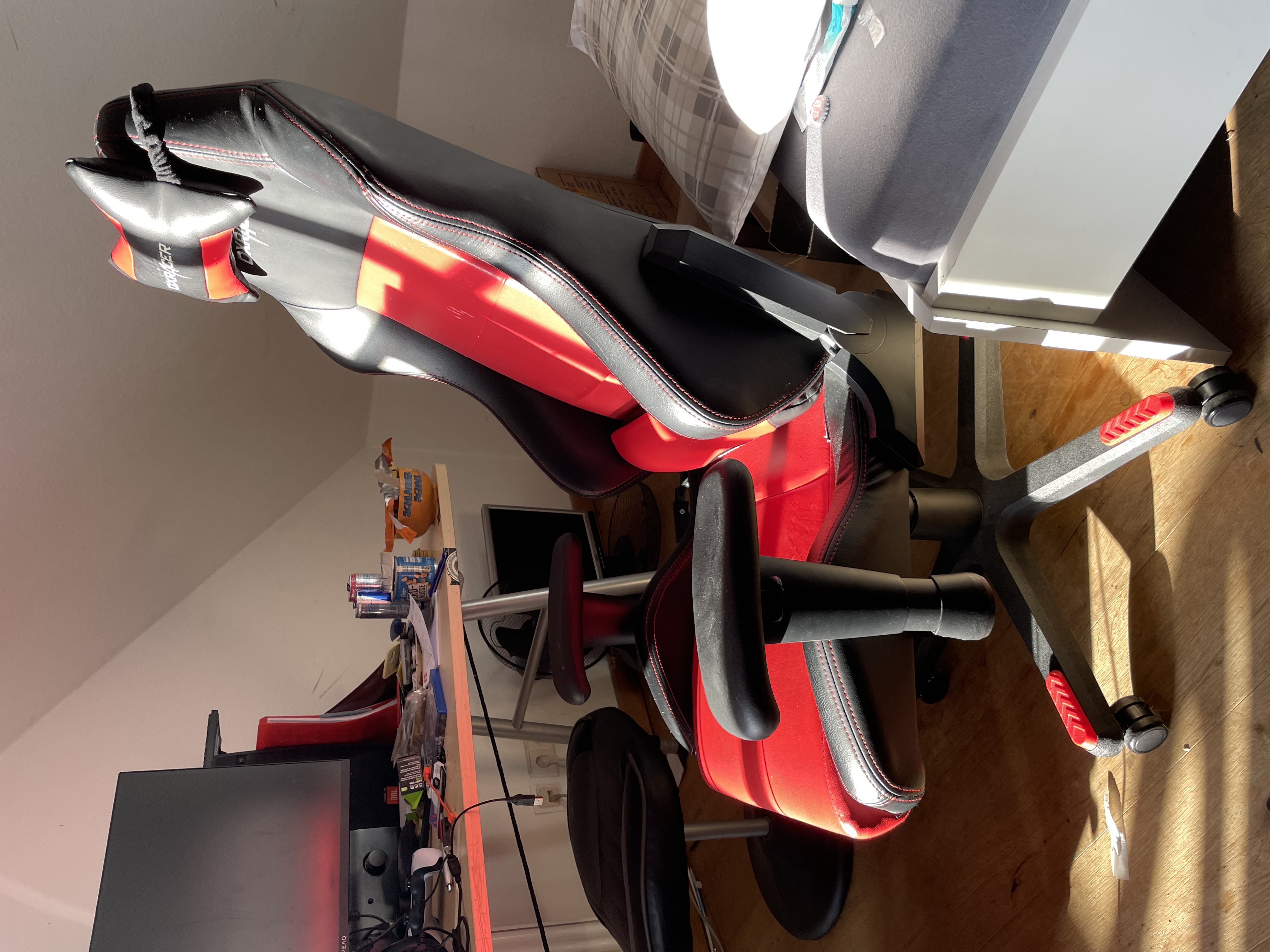
Quick take
- Six chairs, each built to solve a different sitting problem — not six variations of the same racing-seat shape.
- The Secretlab Titan Evo is the safest all-around pick if you can only choose one chair for one desk.
- The Herman Miller x Logitech G Embody and the Razer Iskur V2 are the two to consider first if back pain is the actual issue.
- The AndaSeat Kaiser 4 is the only chair here built from the base up for taller or heavier riders, not just padded thicker.
A gaming chair only earns its keep if it fixes something a regular office chair doesn't: real recline for co-op marathons, real lumbar shape for bad backs, or real headroom for a bigger frame. We pulled six chairs that each solve a different one of those problems, using only manufacturer specs and published hands-on reviews — not marketing copy.
None of these were picked because they're trendy. Two are racing-style, one is a repurposed office chair with a cult following, one is built specifically for taller and heavier riders, and one skips the "gamer" aesthetic entirely. Match the chair to how you actually sit, not to the RGB.
The six chairs
Sorted by what each one is genuinely best at, not by rank.
 All-Around Pick
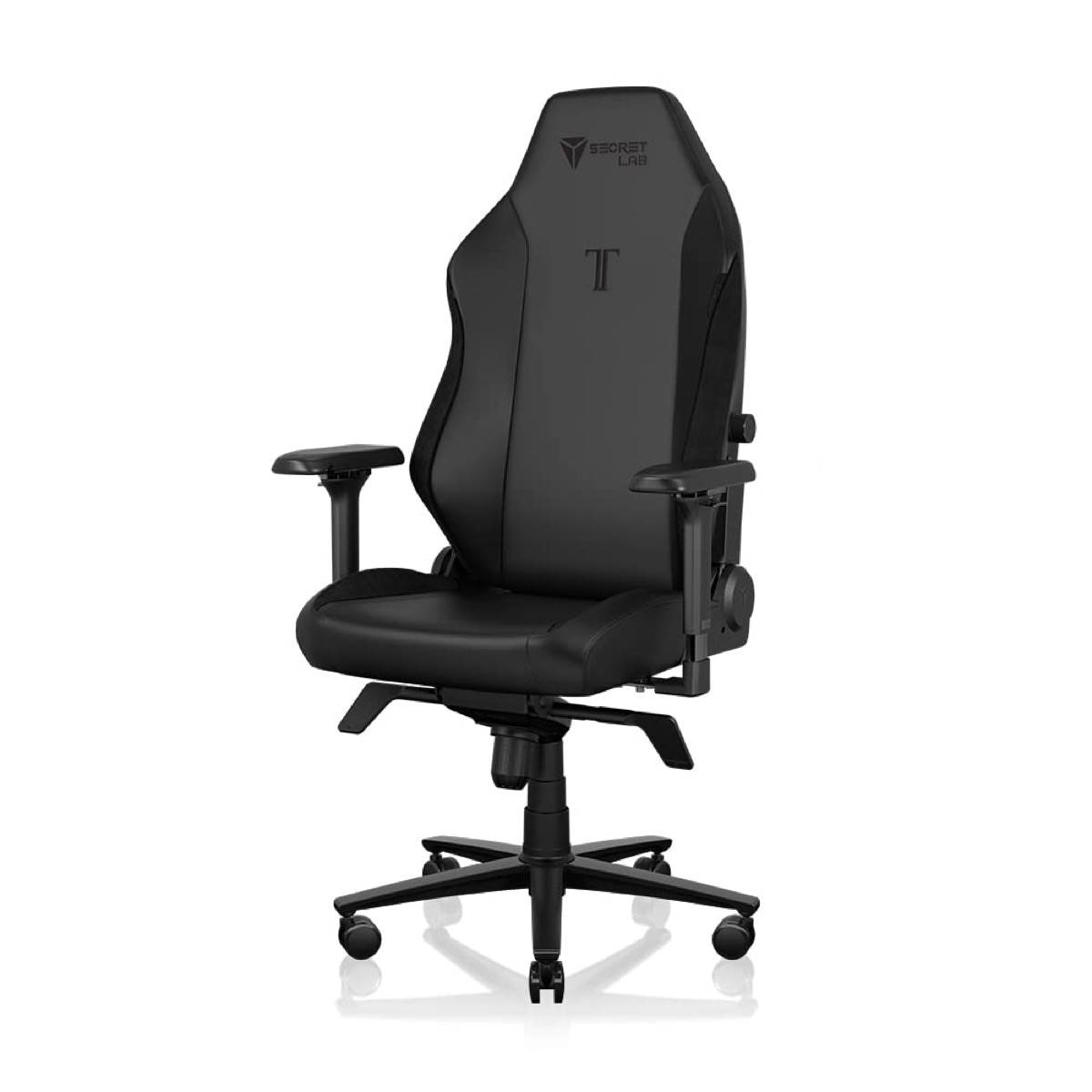
Secretlab Titan Evo
The Titan Evo is the chair most reviewers default to when they can only recommend one. It's less about any single standout feature and more about nothing being a weak point — the recline range alone covers everything from upright typing to a full nap angle.
- Recline range: 85°–165°
- Full-metal 4D armrests with swappable magnetic tops (PlushCell or Technogel)
- Cold-cure NanoFoam Composite seat and back foam
- Built-in 4-way adjustable lumbar support
- 5-year warranty
- Sold in Small, Regular, and XL frame sizes
 Premium Ergonomics
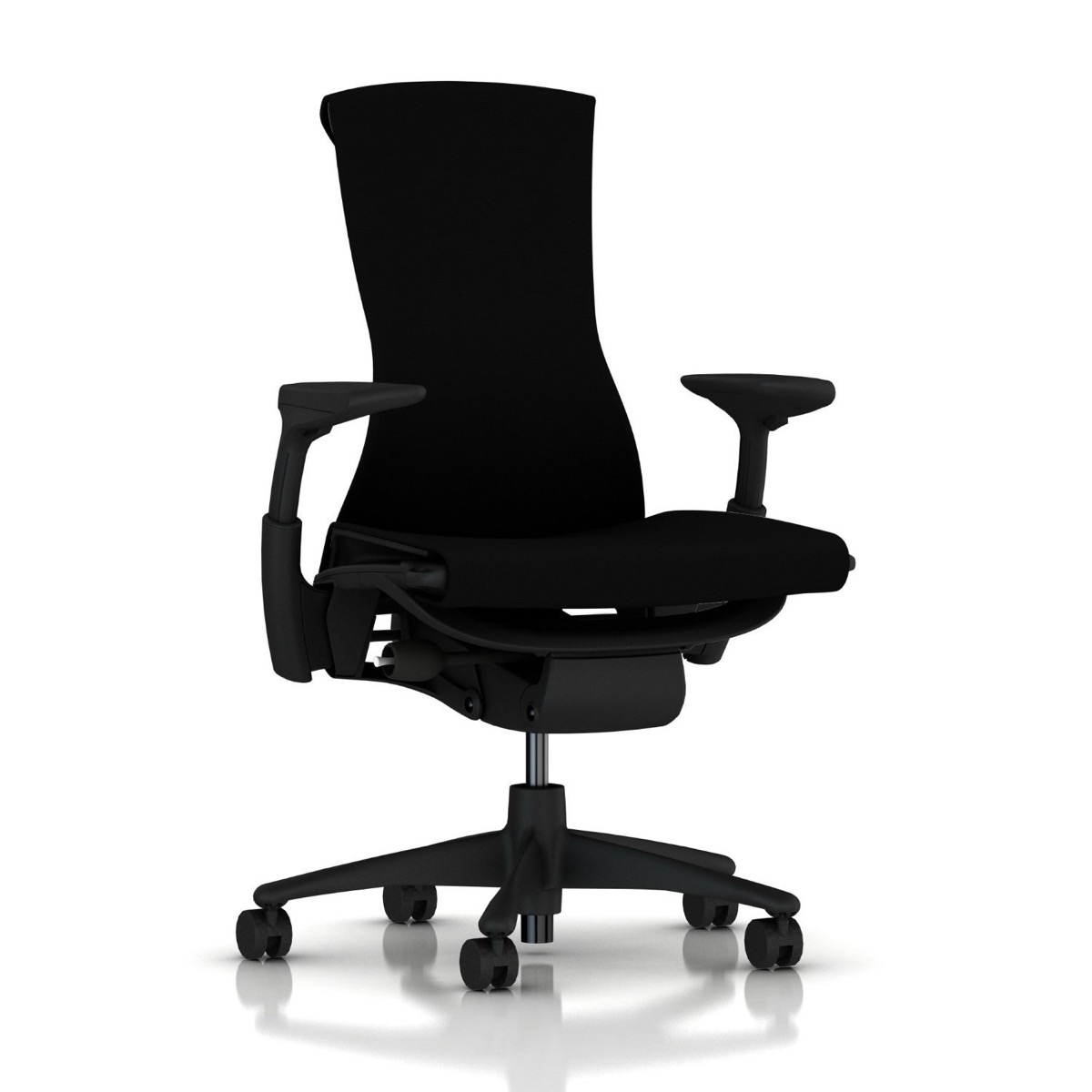
Herman Miller x Logitech G Embody
This is the Embody office chair with gaming-specific fabric and colorways, not a redesign — which is exactly the point. Herman Miller's PostureFit and BackFit systems were engineered for eight-hour workdays, and that translates directly to eight-hour raid nights.
- PostureFit support for the sacrum and pelvis
- BackFit with a tunable central spine and flexible ribs
- Pixelated foam matrix (150 points) across seat and back for pressure distribution
- Copper-infused cooling foam
- 136 kg (300 lb) weight capacity
- 12-year warranty
 Lumbar Specialist
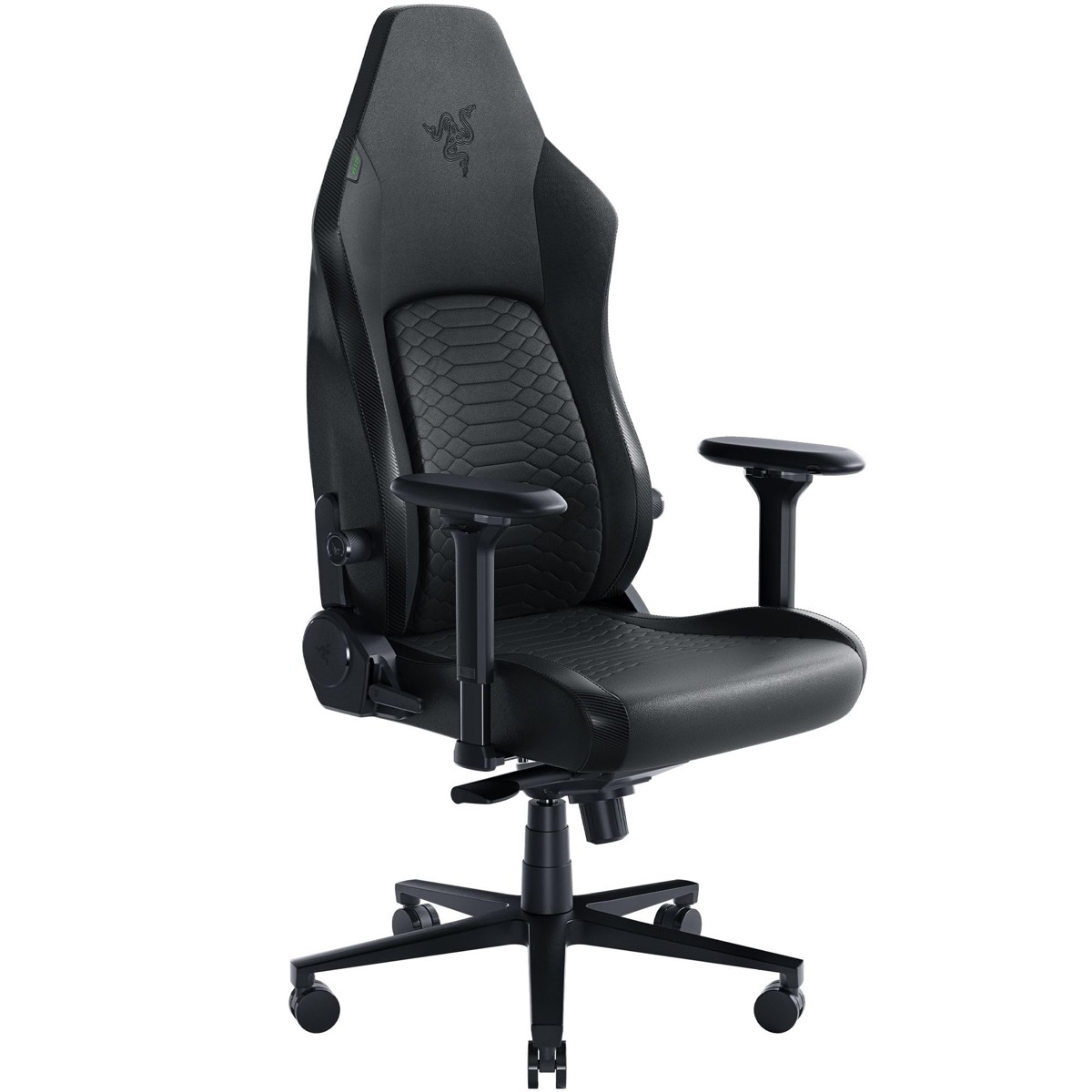
Razer Iskur V2
Razer built the Iskur line around one problem: generic lumbar pillows that sit in the wrong spot for most spines. The V2's HyperFlex system moves in four directions instead of just up and down.
- HyperFlex Lumbar Support System: adjusts up, down, in, and out on a 360° swivel
- Reactive seat tilt that adapts to body weight
- Recline range: approx. 152°–153°
- 4D armrests, Gen-2 EPU leather with CoolTouch coating
- 136 kg (299 lb) weight capacity
- 3-year warranty (5-year available via free registration)
 Everyday Value
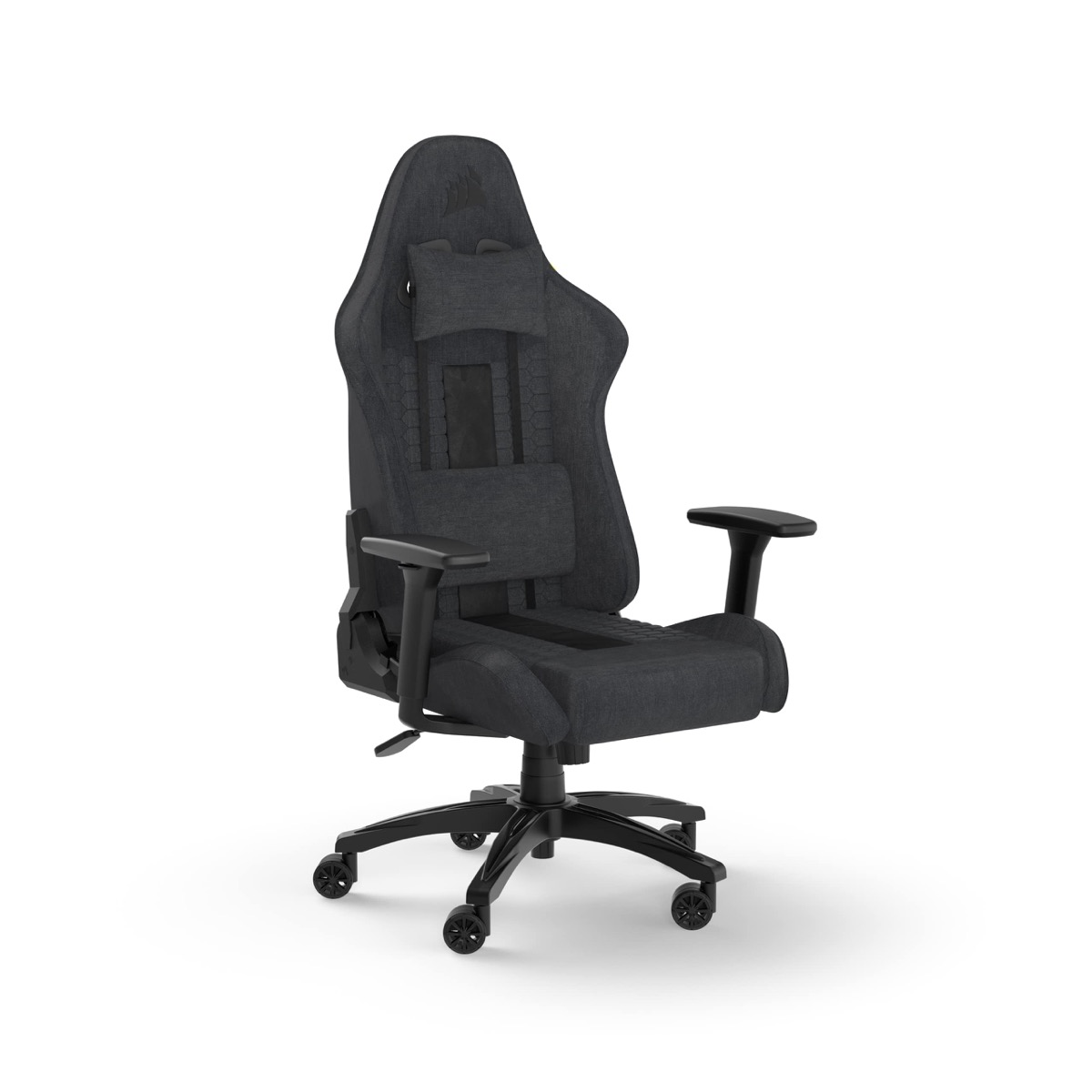
Corsair TC100 Relaxed
"Relaxed" is the operative word — a wider seat pan and softer bolstering instead of the tight hip-hugging shape most racing-style chairs use. Good pick if narrow bucket seats have never worked for your build.
- Recline range: 90°–160°
- Adjustable high-density foam lumbar pillow and detachable memory foam neck pillow
- Class 4 gas lift, 100mm height adjustment range
- 120 kg (264 lb) weight capacity
- 2-year warranty
 Big & Tall
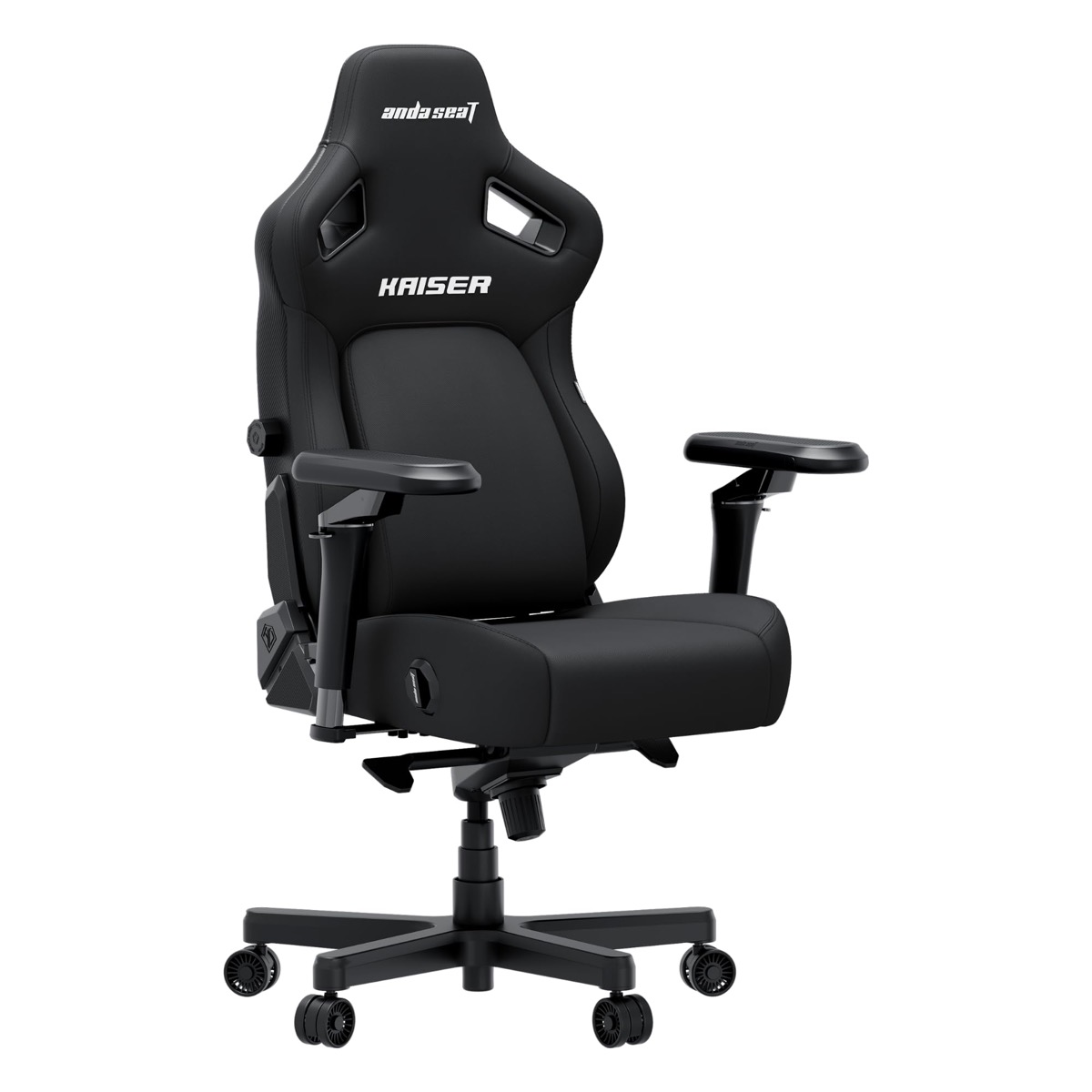
AndaSeat Kaiser 4
Most "big and tall" gaming chairs are just a regular frame with thicker padding. The Kaiser 4 actually rebuilds the base and gas lift around the extra load, then sizes the shell to match.
- Heavy-duty aluminum base rated to 395 lb
- SGS Class 4 gas lift covering 150–210 cm (4'11″–6'11″) user height
- Computer-aided cold-cure foam molding
- 6D armrests
- Recline range up to 135°
- L and XL sizing tiers based on height and weight
 Not-a-Gamer-Chair Pick
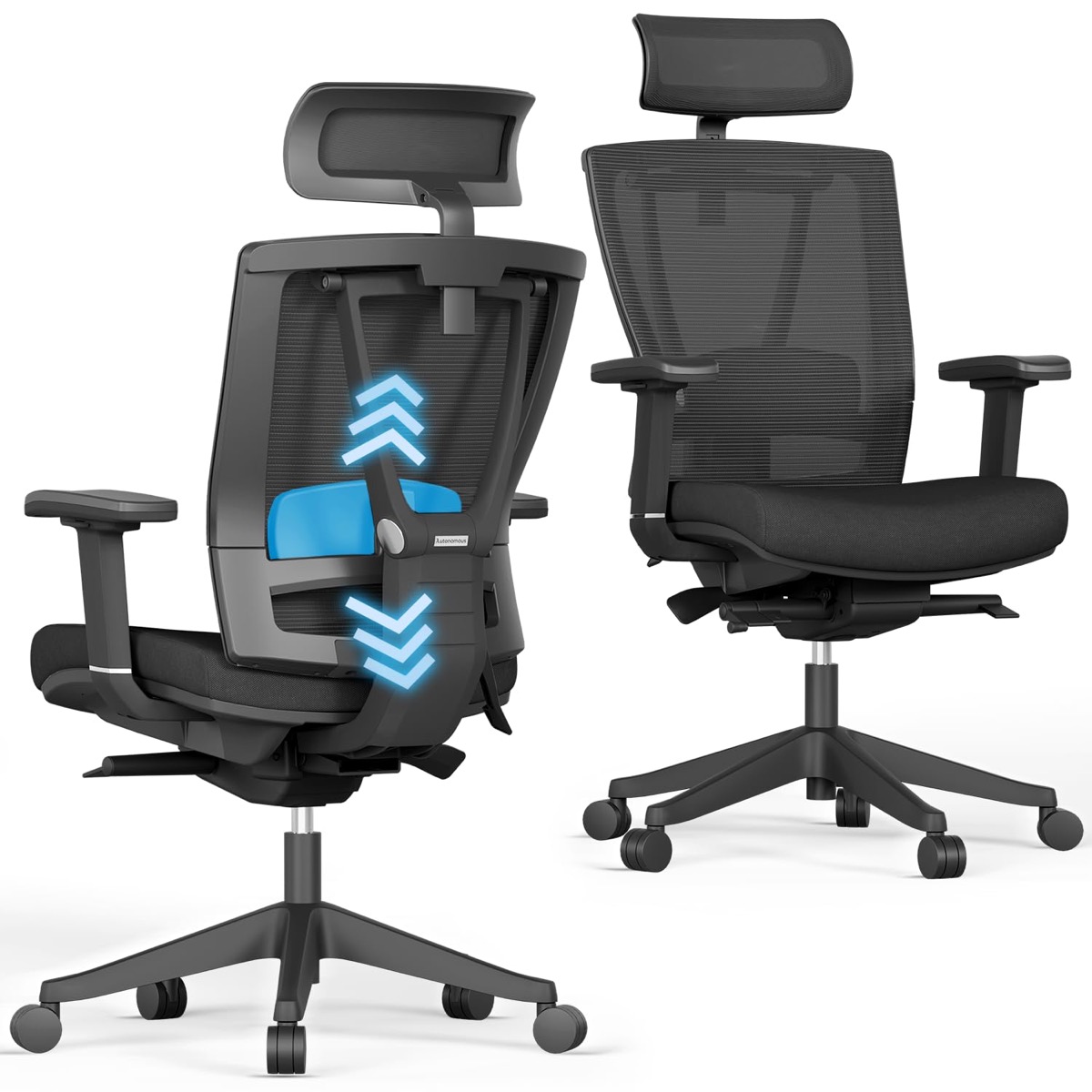
Autonomous ErgoChair Pro
Skips the racing-chair look entirely. It's a mesh-back ergonomic office chair with nine adjustment points, which makes it an easier sell if the desk it's going next to isn't only used for games.
- 9 points of adjustment: lumbar height, seat depth, armrest position, tilt tension, recline, headrest
- Recline: 22° range across 5 lockable positions
- Breathable mesh backrest
- 300 lb weight capacity
- Lifetime warranty
Notes on how we compared these
Specs above come directly from each manufacturer's product pages and specification sheets, cross-checked against independent hands-on reviews from outlets including PC Gamer, Tom's Hardware, and Tom's Guide. Recline ranges, weight capacities, and warranty lengths are the manufacturer's stated figures; we did not test long-term durability ourselves for every chair in this list, and we've noted where a spec (like the Iskur V2's recline ceiling) is described as approximate by Razer itself.
Common questions
Is there one chair here that's the objectively "best"?
No — each of the six solves a different problem. The Titan Evo is the safest all-around choice, but the Embody, Iskur V2, and Kaiser 4 each beat it for a specific need (back pain, lumbar-specific support, or a bigger frame).
Do these prices include shipping or assembly?
This guide doesn't reference pricing at all — figures shift too often to keep accurate, so we've stuck to hardware specs, recline ranges, and weight capacities instead.
Were any of these chairs provided free by the manufacturer?
No. DopamineKart's gear desk was not paid or given free products by any brand named in this guide.
Which chair has the longest warranty?
The Autonomous ErgoChair Pro, at a lifetime warranty, followed by the Herman Miller x Logitech G Embody at 12 years.
None of these six chairs is a universal "best" — they're built to solve different problems, and the honest move is picking based on which problem you actually have. If you only sit at one desk and want the safest single bet, that's the Titan Evo. If back pain is the real issue, the Embody or Iskur V2's lumbar systems are worth the premium. If a chair has ever felt too small, the Kaiser 4's sizing tiers solve that directly instead of hoping a "universal" chair works out.
Disclosure. This guide was independently researched and written by DopamineKart's gear desk. We were not paid or given free products by any brand named here. Some outbound links on DopamineKart may be affiliate links, which can earn the site a commission at no cost to you — that relationship never determines which products we choose to cover or how we rank them. The hero photograph is from Wikimedia Commons, credited above; the individual chair photos are product images from each item's Amazon listing.
Corrections: email us