DopamineKart · Legit

DopamineKart Legit Buying Guide

The Best Gaming Laptops Right Now: GPU Tier, Display Refresh, and What the Listings Actually Tell You compared

Ten current gaming laptops compared on the only things their listings actually state: GPU tier, panel type and refresh rate, and the platform around them.

✓ Real Research✓ No Sponsored Picks✓ Verified Listings✓ Legit Only
By the DopamineKart editors · Updated 11 August 2026 · 15 min read
ASUS ROG Strix G16 (2026) Gaming Laptop, 16” ROG Nebula HDR 2.5K 240Hz/3ms, Intel Core Ult

All 10, compared

GPU (stated)Display & Refresh (stated)CPU (stated)Memory / Storage (stated)Notable detail (stated)
ASUS ROG Strix G16 (2026) Gaming Laptop, 16” ROG Nebula HDR 2.5K 240Hz/3ms, Intel Core Ultra 9 290HX Plus, NVIDIA GeForce RTX 5080, 32GB DDR5, 1TB PCIe Gen4 SSD, Wi-Fi 7, Win11 Home, G615LW-AB96RTX 508016" 2.5K Nebula HDR, 240Hz/3msCore Ultra 9 290HX Plus32GB DDR5 / 1TB PCIe Gen4 SSDWi-Fi 7
Alienware 16 Aurora Gaming Laptop, RTX 5050, Intel Core 7 240H | WQXGA 120Hz Display, 16GB DDR5 RAM, 1TB SSD, NVIDIA GeForce, Wi‑Fi 7, Windows 11 Home, BlueRTX 505016" WQXGA, 120HzCore 7 240H16GB DDR5 / 1TB SSDWi-Fi 7
Lenovo Legion 5i – Gaming Laptop - Intel® Core™ i7-14700HX - 15" 2.5K WQXGA PureSight OLED Display–165Hz Refresh Rate–NVIDIA® GeForce RTX™ 5070 – 16 GB Memory – 1 TB Storage – 3 Months of PC GamePassRTX 507015" 2.5K WQXGA OLED, 165HzIntel Core i7-14700HX16GB / 1TB SSD3 months PC Game Pass included
msi Katana 15 HX 15.6” 165Hz QHD+ Gaming Laptop: Intel Core i9-14900HX, NVIDIA Geforce RTX 5070, 32GB DDR5, 1TB NVMe SSD, RGB Keyboard, Win 11 Home: Black B14WGK-016USRTX 507015.6" QHD+, 165HzIntel Core i9-14900HX32GB DDR5 / 1TB NVMe SSDRGB keyboard
Razer Blade 16 (2026) Gaming Laptop, RTX 5070 Ti, 32GB DDR5, 1TB, Black | Intel Ultra 9 386H, 16" QHD+ 240Hz/0.2 ms OLED 16:10 Display, Wi-Fi 7, TB5, Windows 11RTX 5070 Ti16" QHD+ OLED 16:10, 240Hz/0.2msIntel Core Ultra 9 386H32GB DDR5 / 1TB SSDThunderbolt 5, Wi-Fi 7
acer Predator Helios Neo 16 AI Gaming Laptop | Intel Core Ultra 9 Processor 275HX | NVIDIA GeForce RTX 5070 Ti | 16" WQXGA 240Hz G-SYNC | 16GB DDR5 | 1TB Gen 4 SSD | Killer Wi-Fi 6E | PHN16-73-92B8RTX 5070 Ti16" WQXGA, 240Hz G-SYNCCore Ultra 9 275HX16GB DDR5 / 1TB Gen4 SSDKiller Wi-Fi 6E
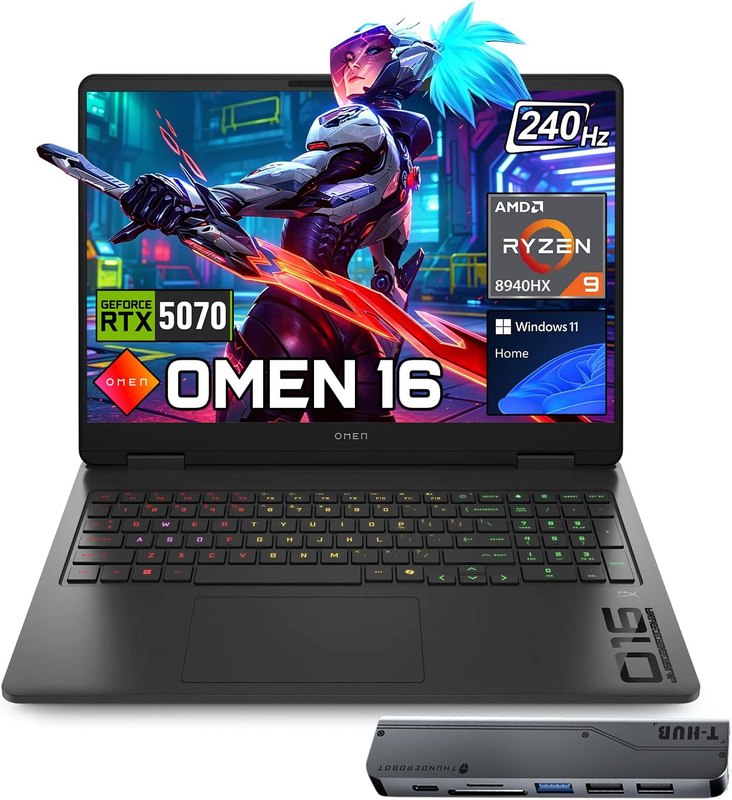
HP Omen RTX 5070 AMD Ryzen 9 8940HX 240Hz Gaming Laptop | 16" WQXGA IPS, 32GB DDR5 RAM, 1TB SSD, RGB Backlit KB, Low Blue Light, Windows 11 Home, w/bundleRTX 507016" WQXGA IPS, 240HzAMD Ryzen 9 8940HX32GB DDR5 / 1TB SSDLow Blue Light display
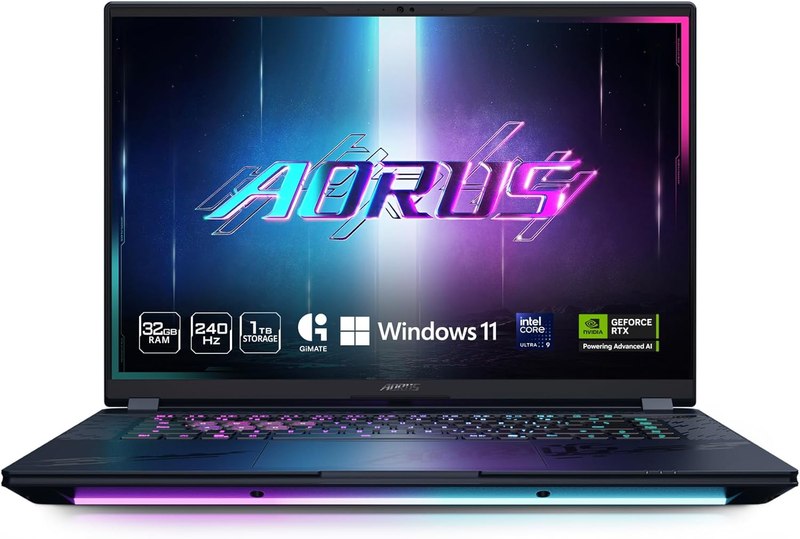
GIGABYTE - AORUS MASTER 16 Gaming Laptop - 240Hz 2560x1600 OLED - NVIDIA GeForce RTX 5070 Ti - Intel Core Ultra 9 275HX - 1TB SSD with 32GB DDR5 RAM - Windows 11 Home AD (AORUS MASTER 16 BXHC4USE64SH)RTX 5070 Ti16" 2560x1600 OLED, 240HzCore Ultra 9 275HX32GB DDR5 / 1TB SSDWindows 11 Home, AD variant
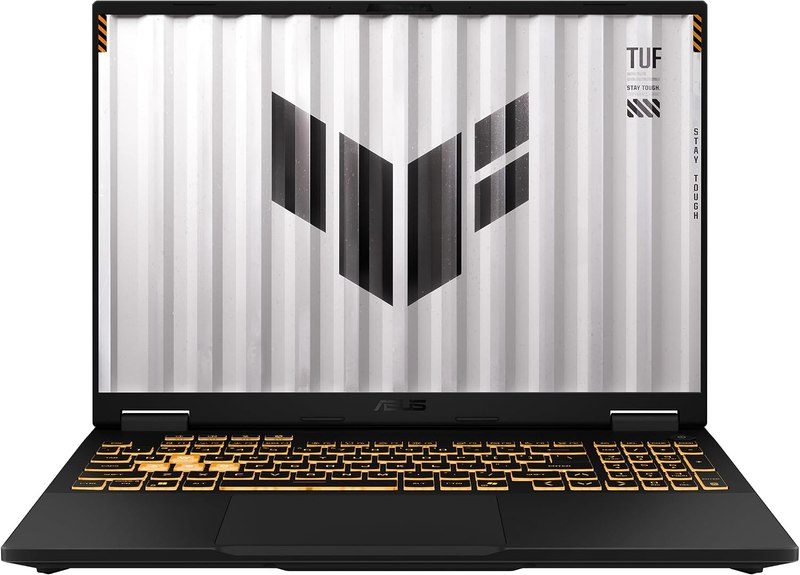
ASUS TUF Gaming F16 (2025) Gaming Laptop, 16” FHD+ 165Hz 16:10 Display, Intel® Core™ i5 Processor 13450HX, NVIDIA® GeForce RTX™ 5050, 16GB DDR5, 512GB PCIe Gen4 SSD, Wi-Fi 6E, Win 11 HomeRTX 505016" FHD+ 16:10, 165HzIntel Core i5-13450HX16GB DDR5 / 512GB PCIe Gen4 SSDWi-Fi 6E
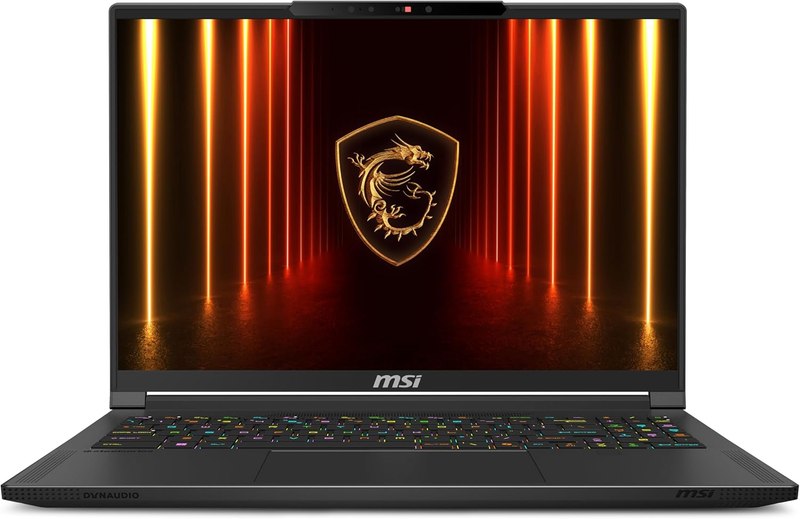
msi Stealth A16 AI+ 16” 240Hz QHD+ OLED Gaming Laptop: AMD Ryzen 9 HX 370, NVIDIA Geforce RTX 5070Ti, 32GB DDR5, 2TB NVMe SSD, Wi-Fi 7, Win 11 Pro :Core Black A3XWHG-079USRTX 5070 Ti16" QHD+ OLED, 240HzAMD Ryzen 9 HX 37032GB DDR5 / 2TB NVMe SSDWindows 11 Pro

Qualitative on purpose. No prices — they move too fast for an article to stay true.

Category winners

One winner per job, assigned only where this lineup genuinely supports a call.

Highest stated GPU tierASUS ROG Strix G16 (2026) Gaming Laptop, 16” ROG Nebula HDR 2.5K 240Hz/3ms, Intel Core Ultra 9 290HX Plus, NVIDIA GeForce RTX 5080, 32GB DDR5, 1TB PCIe Gen4 SSD, Wi-Fi 7, Win11 Home, G615LW-AB96The only RTX 5080 in this roundup; every other listing tops out at RTX 5070 Ti.
Fastest stated response timeRazer Blade 16 (2026) Gaming Laptop, RTX 5070 Ti, 32GB DDR5, 1TB, Black | Intel Ultra 9 386H, 16" QHD+ 240Hz/0.2 ms OLED 16:10 Display, Wi-Fi 7, TB5, Windows 11The only listing in this group that states a 0.2ms panel response time alongside 240Hz.
Largest stated storagemsi Stealth A16 AI+ 16” 240Hz QHD+ OLED Gaming Laptop: AMD Ryzen 9 HX 370, NVIDIA Geforce RTX 5070Ti, 32GB DDR5, 2TB NVMe SSD, Wi-Fi 7, Win 11 Pro :Core Black A3XWHG-079USListed at 2TB of NVMe storage, a full terabyte ahead of most other entries in this roundup.
Most accessible spec sheetASUS TUF Gaming F16 (2025) Gaming Laptop, 16” FHD+ 165Hz 16:10 Display, Intel® Core™ i5 Processor 13450HX, NVIDIA® GeForce RTX™ 5050, 16GB DDR5, 512GB PCIe Gen4 SSD, Wi-Fi 6E, Win 11 HomeThe lightest combination of GPU tier, CPU tier, and storage capacity stated in the entire list.

The 10

Each links to a live Amazon listing that was opened and read before it went in.

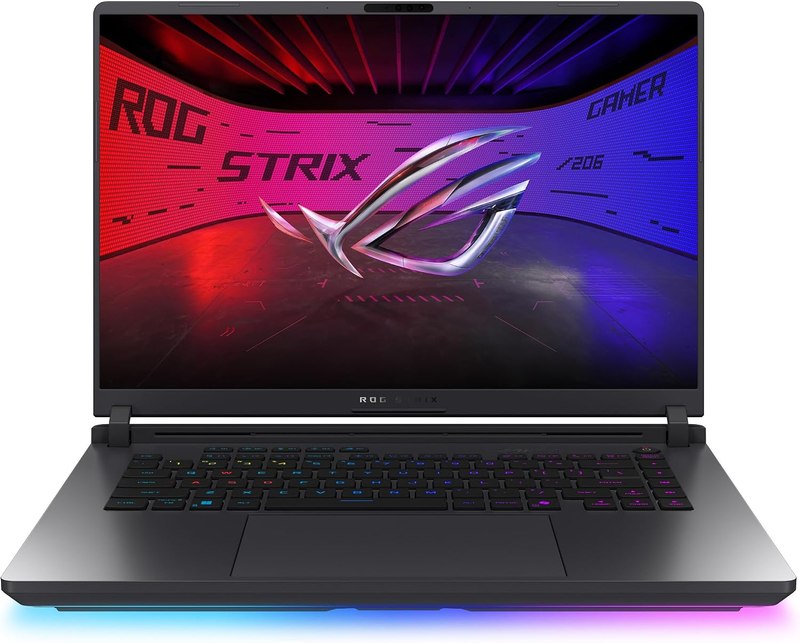
ASUS ROG Strix G16 (2026) Gaming Laptop, 16” ROG Nebula HDR 2.5K 240Hz/3ms, Intel Core Ultra 9 290HX Plus, NVIDIA GeForce RTX 5080, 32GB DDR5, 1TB PCIe Gen4 SSD, Wi-Fi 7, Win11 Home, G615LW-AB96

ASUS ROG Strix G16 (2026) Gaming Laptop, 16” ROG Nebula HDR 2.5K 240Hz/3ms, Intel Core Ultra 9 290HX Plus, NVIDIA GeForce RTX 5080, 32GB DDR5, 1TB PCIe Gen4 SSD, Wi-Fi 7, Win11 Home, G615LW-AB96

Top-tier GPU flagship

This is the highest GPU tier in the roundup, pairing an RTX 5080 with a 240Hz/3ms 2.5K Nebula HDR panel and a 290HX-class Ultra 9 processor. The listing also states 32GB of DDR5, a 1TB PCIe Gen4 SSD, and Wi-Fi 7 — the most complete spec sheet here on paper. It suits a buyer chasing GPU headroom at native high resolution rather than just a high frame count. The trade-off: nothing about chassis size or cooling hardware appears in the listing, so sustained-load behavior isn't something this title can confirm.

Best for: Buyers who want the highest stated GPU tier and are willing to skip past unconfirmed thermal details

Listed as: ASUS ROG Strix G16 (2026) Gaming Laptop, 16” ROG Nebula HDR 2.5K 240Hz/3ms, Intel Core Ultra 9 290HX Plus, NVIDI

View on Amazon →
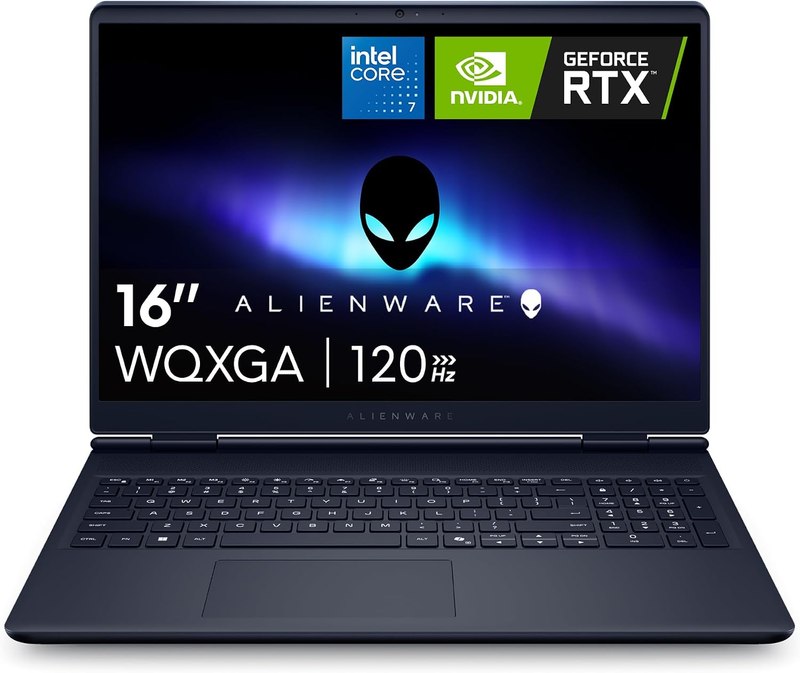
Alienware 16 Aurora Gaming Laptop, RTX 5050, Intel Core 7 240H | WQXGA 120Hz Display, 16GB DDR5 RAM, 1TB SSD, NVIDIA GeForce, Wi‑Fi 7, Windows 11 Home, Blue

Alienware 16 Aurora Gaming Laptop, RTX 5050, Intel Core 7 240H | WQXGA 120Hz Display, 16GB DDR5 RAM, 1TB SSD, NVIDIA GeForce, Wi‑Fi 7, Windows 11 Home, Blue

Entry-tier 16-inch Alienware

An RTX 5050 and a 120Hz WQXGA display put this toward the modest end of the lineup's graphics and refresh figures, though the Core 7 240H processor and Wi-Fi 7 keep the rest of the platform current. Listed 16GB of RAM is lighter than the 32GB machines elsewhere in this guide. It fits a buyer who wants the Alienware chassis and a competent mid-tier gaming laptop without chasing the highest refresh number. Anyone set on 240Hz or OLED should look elsewhere on this list.

Best for: Buyers prioritizing brand and build over chasing the top refresh or GPU number

Listed as: Alienware 16 Aurora Gaming Laptop, RTX 5050, Intel Core 7 240H | WQXGA 120Hz Display, 16GB DDR5 RAM, 1TB SSD, NV

View on Amazon →
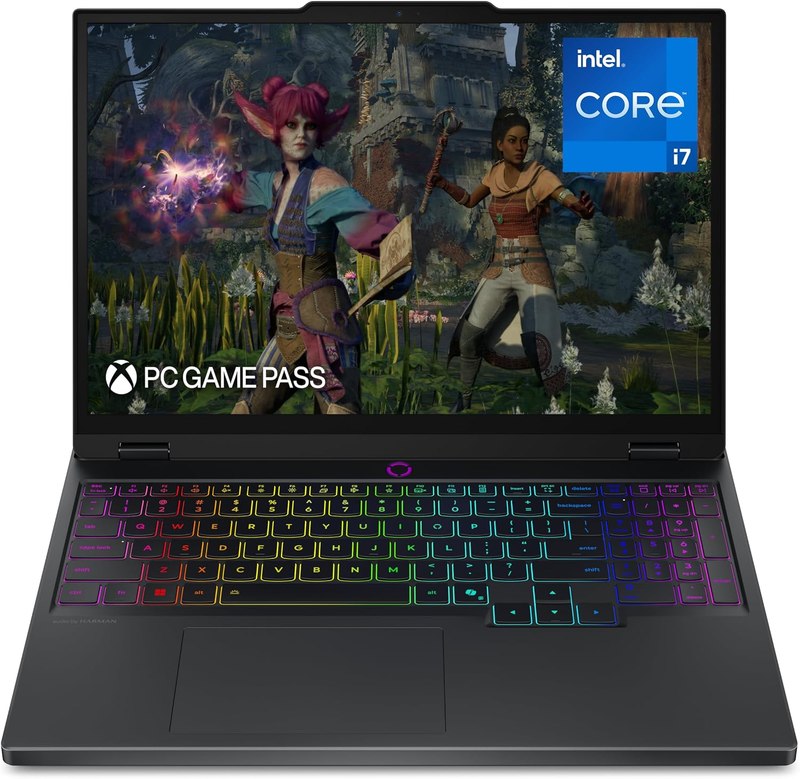
Lenovo Legion 5i – Gaming Laptop - Intel® Core™ i7-14700HX - 15" 2.5K WQXGA PureSight OLED Display–165Hz Refresh Rate–NVIDIA® GeForce RTX™ 5070 – 16 GB Memory – 1 TB Storage – 3 Months of PC GamePass

Lenovo Legion 5i – Gaming Laptop - Intel® Core™ i7-14700HX - 15" 2.5K WQXGA PureSight OLED Display–165Hz Refresh Rate–NVIDIA® GeForce RTX™ 5070 – 16 GB Memory – 1 TB Storage – 3 Months of PC GamePass

15-inch OLED value pick

This is the only 15-inch OLED screen in the roundup, pairing a 2.5K WQXGA panel at 165Hz with an RTX 5070 and a 14th-gen i7-14700HX. Listed memory is 16GB with 1TB of storage, and Lenovo bundles three months of PC Game Pass per the listing. It suits buyers who want OLED contrast in a smaller, lighter chassis than the 16-inch machines here, provided a 165Hz ceiling — rather than 240Hz — is acceptable.

Best for: Buyers who want OLED in a smaller 15-inch footprint and don't need 240Hz

Listed as: Lenovo Legion 5i – Gaming Laptop - Intel® Core™ i7-14700HX - 15" 2.5K WQXGA PureSight OLED Display–165Hz Refresh

View on Amazon →
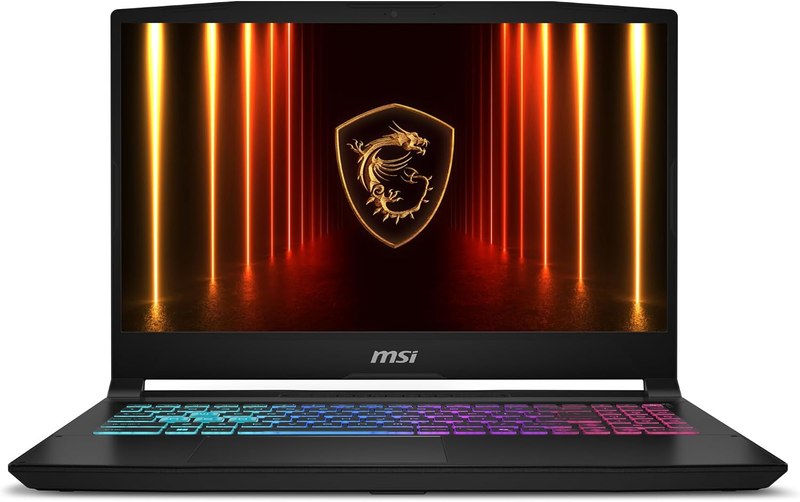
msi Katana 15 HX 15.6” 165Hz QHD+ Gaming Laptop: Intel Core i9-14900HX, NVIDIA Geforce RTX 5070, 32GB DDR5, 1TB NVMe SSD, RGB Keyboard, Win 11 Home: Black B14WGK-016US

msi Katana 15 HX 15.6” 165Hz QHD+ Gaming Laptop: Intel Core i9-14900HX, NVIDIA Geforce RTX 5070, 32GB DDR5, 1TB NVMe SSD, RGB Keyboard, Win 11 Home: Black B14WGK-016US

High-wattage CPU with a mid-tier GPU

The Katana pairs an i9-14900HX with an RTX 5070 and a 165Hz QHD+ panel at 15.6 inches, with 32GB of DDR5 and a full 1TB NVMe drive listed. It's a heavier CPU paired with a mid-tier GPU, aimed at buyers who value CPU-bound performance or multitasking alongside gaming over the absolute highest refresh rate. There's no OLED panel or 240Hz screen here, and the listing gives no cooling detail, so this reads as a spec-sheet pick rather than a measured one.

Best for: Buyers who want a strong CPU alongside a capable but not top-tier GPU

Listed as: msi Katana 15 HX 15.6” 165Hz QHD+ Gaming Laptop: Intel Core i9-14900HX, NVIDIA Geforce RTX 5070, 32GB DDR5, 1TB

View on Amazon →
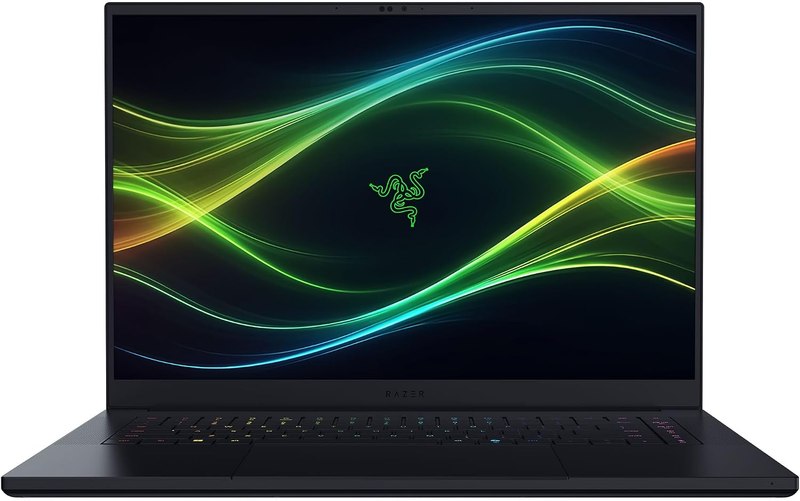
Razer Blade 16 (2026) Gaming Laptop, RTX 5070 Ti, 32GB DDR5, 1TB, Black | Intel Ultra 9 386H, 16" QHD+ 240Hz/0.2 ms OLED 16:10 Display, Wi-Fi 7, TB5, Windows 11

Razer Blade 16 (2026) Gaming Laptop, RTX 5070 Ti, 32GB DDR5, 1TB, Black | Intel Ultra 9 386H, 16" QHD+ 240Hz/0.2 ms OLED 16:10 Display, Wi-Fi 7, TB5, Windows 11

Fastest stated response time

This is the only listing in the roundup stating a 0.2ms response time, alongside a 240Hz QHD+ OLED panel in a 16:10 aspect ratio, an RTX 5070 Ti, and an Ultra 9 386H processor. 32GB of DDR5, Wi-Fi 7, and Thunderbolt 5 round out a premium spec sheet. It suits a buyer prioritizing panel responsiveness and connectivity. As with every entry here, the listing doesn't disclose cooling hardware, so sustained-load thermal performance isn't something this description can speak to.

Best for: Buyers who prioritize panel response time and connectivity above all else

Listed as: Razer Blade 16 (2026) Gaming Laptop, RTX 5070 Ti, 32GB DDR5, 1TB, Black | Intel Ultra 9 386H, 16" QHD+ 240Hz/0.2

View on Amazon →
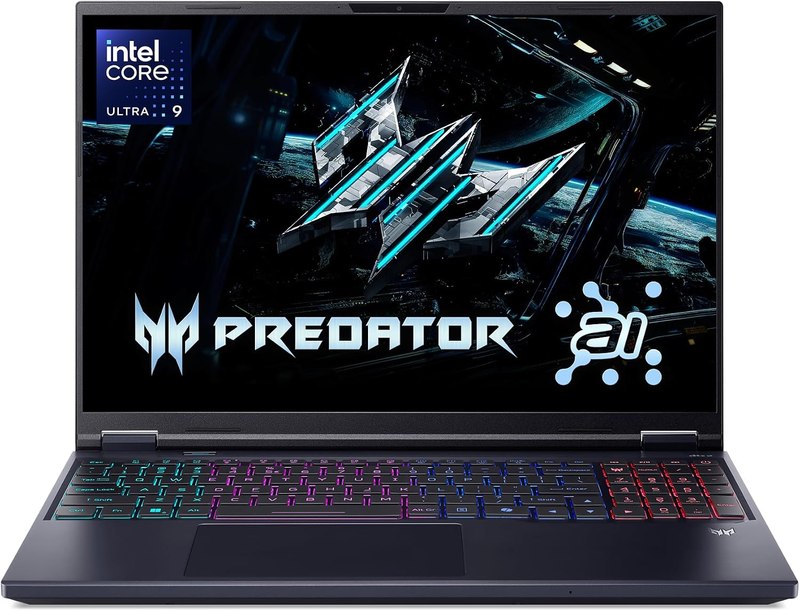
acer Predator Helios Neo 16 AI Gaming Laptop | Intel Core Ultra 9 Processor 275HX | NVIDIA GeForce RTX 5070 Ti | 16" WQXGA 240Hz G-SYNC | 16GB DDR5 | 1TB Gen 4 SSD | Killer Wi-Fi 6E | PHN16-73-92B8

acer Predator Helios Neo 16 AI Gaming Laptop | Intel Core Ultra 9 Processor 275HX | NVIDIA GeForce RTX 5070 Ti | 16" WQXGA 240Hz G-SYNC | 16GB DDR5 | 1TB Gen 4 SSD | Killer Wi-Fi 6E | PHN16-73-92B8

240Hz G-Sync performer

The Helios Neo pairs a 240Hz G-Sync WQXGA display with an RTX 5070 Ti and a Core Ultra 9 275HX, making it one of two 240Hz-and-5070-Ti machines in this list. Listed memory is 16GB, lower than several other entries at the same GPU tier, though storage is a full 1TB Gen4 SSD. Killer Wi-Fi 6E is stated rather than Wi-Fi 7. It fits buyers who specifically want G-Sync and are comfortable starting at 16GB of RAM.

Best for: Buyers who specifically want G-Sync at the RTX 5070 Ti tier

Listed as: acer Predator Helios Neo 16 AI Gaming Laptop | Intel Core Ultra 9 Processor 275HX | NVIDIA GeForce RTX 5070 Ti |

View on Amazon →
HP Omen RTX 5070 AMD Ryzen 9 8940HX 240Hz Gaming Laptop | 16" WQXGA IPS, 32GB DDR5 RAM, 1TB SSD, RGB Backlit KB, Low Blue Light, Windows 11 Home, w/bundle

HP Omen RTX 5070 AMD Ryzen 9 8940HX 240Hz Gaming Laptop | 16" WQXGA IPS, 32GB DDR5 RAM, 1TB SSD, RGB Backlit KB, Low Blue Light, Windows 11 Home, w/bundle

AMD-powered 240Hz IPS option

This Omen configuration runs an AMD Ryzen 9 8940HX against an RTX 5070, with a 240Hz WQXGA IPS panel, 32GB of DDR5, and a 1TB SSD listed. It's the only AMD-CPU-plus-RTX-5070 IPS combination in this roundup, and the listing notes a Low Blue Light display and an included bundle. It suits a buyer who wants a fast IPS panel without OLED's price and burn-in considerations. There's no OLED option here, and cooling hardware isn't detailed in the title.

Best for: Buyers who want a fast IPS panel and an AMD platform over OLED

Listed as: HP Omen RTX 5070 AMD Ryzen 9 8940HX 240Hz Gaming Laptop | 16" WQXGA IPS, 32GB DDR5 RAM, 1TB SSD, RGB Backlit KB,

View on Amazon →
GIGABYTE - AORUS MASTER 16 Gaming Laptop - 240Hz 2560x1600 OLED - NVIDIA GeForce RTX 5070 Ti - Intel Core Ultra 9 275HX - 1TB SSD with 32GB DDR5 RAM - Windows 11 Home AD (AORUS MASTER 16 BXHC4USE64SH)

GIGABYTE - AORUS MASTER 16 Gaming Laptop - 240Hz 2560x1600 OLED - NVIDIA GeForce RTX 5070 Ti - Intel Core Ultra 9 275HX - 1TB SSD with 32GB DDR5 RAM - Windows 11 Home AD (AORUS MASTER 16 BXHC4USE64SH)

240Hz OLED at the RTX 5070 Ti tier

The Aorus Master pairs a 240Hz 2560x1600 OLED panel with an RTX 5070 Ti and a Core Ultra 9 275HX, with 32GB of DDR5 and a 1TB SSD listed — effectively the OLED counterpart to the Acer at the same GPU tier. It's built for buyers who want the highest stated refresh rate paired with OLED contrast rather than G-Sync specifically. The listing doesn't break out chassis dimensions or cooling design, so this remains a comparison of stated components, not measured thermals.

Best for: Buyers who want OLED and 240Hz together at the RTX 5070 Ti tier

Listed as: GIGABYTE - AORUS MASTER 16 Gaming Laptop - 240Hz 2560x1600 OLED - NVIDIA GeForce RTX 5070 Ti - Intel Core Ultra

View on Amazon →
ASUS TUF Gaming F16 (2025) Gaming Laptop, 16” FHD+ 165Hz 16:10 Display, Intel® Core™ i5 Processor 13450HX, NVIDIA® GeForce RTX™ 5050, 16GB DDR5, 512GB PCIe Gen4 SSD, Wi-Fi 6E, Win 11 Home

ASUS TUF Gaming F16 (2025) Gaming Laptop, 16” FHD+ 165Hz 16:10 Display, Intel® Core™ i5 Processor 13450HX, NVIDIA® GeForce RTX™ 5050, 16GB DDR5, 512GB PCIe Gen4 SSD, Wi-Fi 6E, Win 11 Home

Most accessible spec sheet

This is the most modest spec sheet in the roundup: an RTX 5050 and i5-13450HX behind a 165Hz FHD+ panel, with 16GB of RAM and a 512GB SSD — half the storage of most other entries here. Wi-Fi 6E rather than Wi-Fi 7 is listed. It suits a buyer prioritizing a functional 1080p-class gaming laptop over chasing resolution or GPU tier, and it's the one machine here clearly built around a lighter spec load rather than top-line numbers.

Best for: Buyers who want a functional 1080p gaming laptop without chasing top specs

Listed as: ASUS TUF Gaming F16 (2025) Gaming Laptop, 16” FHD+ 165Hz 16:10 Display, Intel® Core™ i5 Processor 13450HX, NVIDI

View on Amazon →
msi Stealth A16 AI+ 16” 240Hz QHD+ OLED Gaming Laptop: AMD Ryzen 9 HX 370, NVIDIA Geforce RTX 5070Ti, 32GB DDR5, 2TB NVMe SSD, Wi-Fi 7, Win 11 Pro :Core Black A3XWHG-079US

msi Stealth A16 AI+ 16” 240Hz QHD+ OLED Gaming Laptop: AMD Ryzen 9 HX 370, NVIDIA Geforce RTX 5070Ti, 32GB DDR5, 2TB NVMe SSD, Wi-Fi 7, Win 11 Pro :Core Black A3XWHG-079US

Largest stated storage, AMD OLED

The Stealth pairs an AMD Ryzen 9 HX 370 with an RTX 5070 Ti and a 240Hz QHD+ OLED display, and lists 32GB of DDR5 alongside 2TB of NVMe storage — the largest storage figure in this roundup by a full terabyte over most competitors. Windows 11 Pro is stated rather than Home. It fits a buyer who wants OLED, high refresh, and generous local storage without an Intel-HX platform. As elsewhere, the listing doesn't detail cooling hardware.

Best for: Buyers who want maximum local storage alongside OLED and high refresh

Listed as: msi Stealth A16 AI+ 16” 240Hz QHD+ OLED Gaming Laptop: AMD Ryzen 9 HX 370, NVIDIA Geforce RTX 5070Ti, 32GB DDR5,

View on Amazon →

The questions that come up

What's the practical difference between the RTX 5050, 5070, 5070 Ti, and 5080 in this list?

These are tiers within the same GPU generation, with each step up generally meaning more graphics memory bandwidth and higher sustained frame rates at a given resolution. The RTX 5050 machines here are the entry point of the group, the 5070 and 5070 Ti models make up the middle, and the single RTX 5080 listing sits at the top. None of the listings state benchmark numbers, so treat tier as a relative ranking, not a guaranteed frame rate.

Does a 240Hz refresh rate matter if the resolution is also higher, like WQXGA or QHD+?

A higher refresh rate only delivers its full benefit if the GPU can push frames fast enough at that resolution to actually hit it in a given game. Pairing 240Hz with a higher-resolution panel, as several listings here do, generally demands more from the GPU than 240Hz at a lower resolution would. The listings state the refresh and resolution together, but not achieved frame rates, so match GPU tier to resolution expectations yourself.

OLED shows up on about half these listings — what's the actual trade-off versus IPS?

OLED panels, as stated on several models here, typically offer deeper contrast and faster pixel response, which is why they often pair with lower stated response times like the 0.2ms figure on one listing. IPS panels, used on a couple of entries, are a different display technology with their own contrast and longevity characteristics. Neither listing set states burn-in warranty terms, so that's a question for the specific product page, not this guide.

Is 16GB of RAM enough, or should I hold out for 32GB?

Several listings here ship 32GB of DDR5 while a few state 16GB. For gaming alongside background applications, streaming, or heavier multitasking, 32GB gives more headroom; for gaming as the primary use, 16GB is what a number of current titles are built around. The listings don't state whether RAM is upgradeable, so if that matters, check the specific product page before deciding.

None of these listings mention cooling — how do I judge that at all?

Honestly, you can't from the title alone, and this guide won't pretend otherwise. Cooling hardware — vapor chambers, fan count, exhaust design — isn't part of any of these ten listing titles. If cooling performance under sustained load is a priority, it needs to be researched separately through reviews or the full product page, not inferred from the GPU tier or chassis size stated here.

Does Windows 11 Home versus Pro matter for gaming specifically?

Not for game performance itself — both editions run games identically. The practical differences are in features like BitLocker management, Remote Desktop hosting, and domain join, which matter more for business or IT use than gaming. One listing in this group states Windows 11 Pro; the rest state Home, which is standard for most consumer gaming laptops.
The bottom line

If GPU headroom is the deciding factor, the RTX 5080 machine sits alone at the top of this list's tier chart. If display quality matters more than raw GPU tier, the 240Hz OLED panels — split across an Intel and two Ryzen-HX platforms — offer the same refresh ceiling with better contrast than the IPS options. Budget-conscious buyers land on the two RTX 5050 machines, which trade GPU tier and, in one case, storage capacity for a lower spec sheet overall. Nothing here was tested by hand; every claim in this guide traces back to what each listing states, and cooling performance specifically is a gap in all ten titles, not a differentiator between them.

Notes and sources

Affiliate disclosure. DopamineKart is a participant in the Amazon Services LLC Associates Program. As an Amazon Associate, DopamineKart earns from qualifying purchases — at no extra cost to you, and it never changes a pick. Sources. Every listing was verified live; nothing here was tested by hand. Colours, sizes and availability change — read the listing before buying.

Corrections: email us