Outdoor Explained
Charcoal vs Gas vs Pellet Grills, Explained
All three cook food outdoors over heat, but the source of that heat — and the smoke it does or doesn't produce — genuinely changes flavor, convenience, and how much attention the cook has to pay.
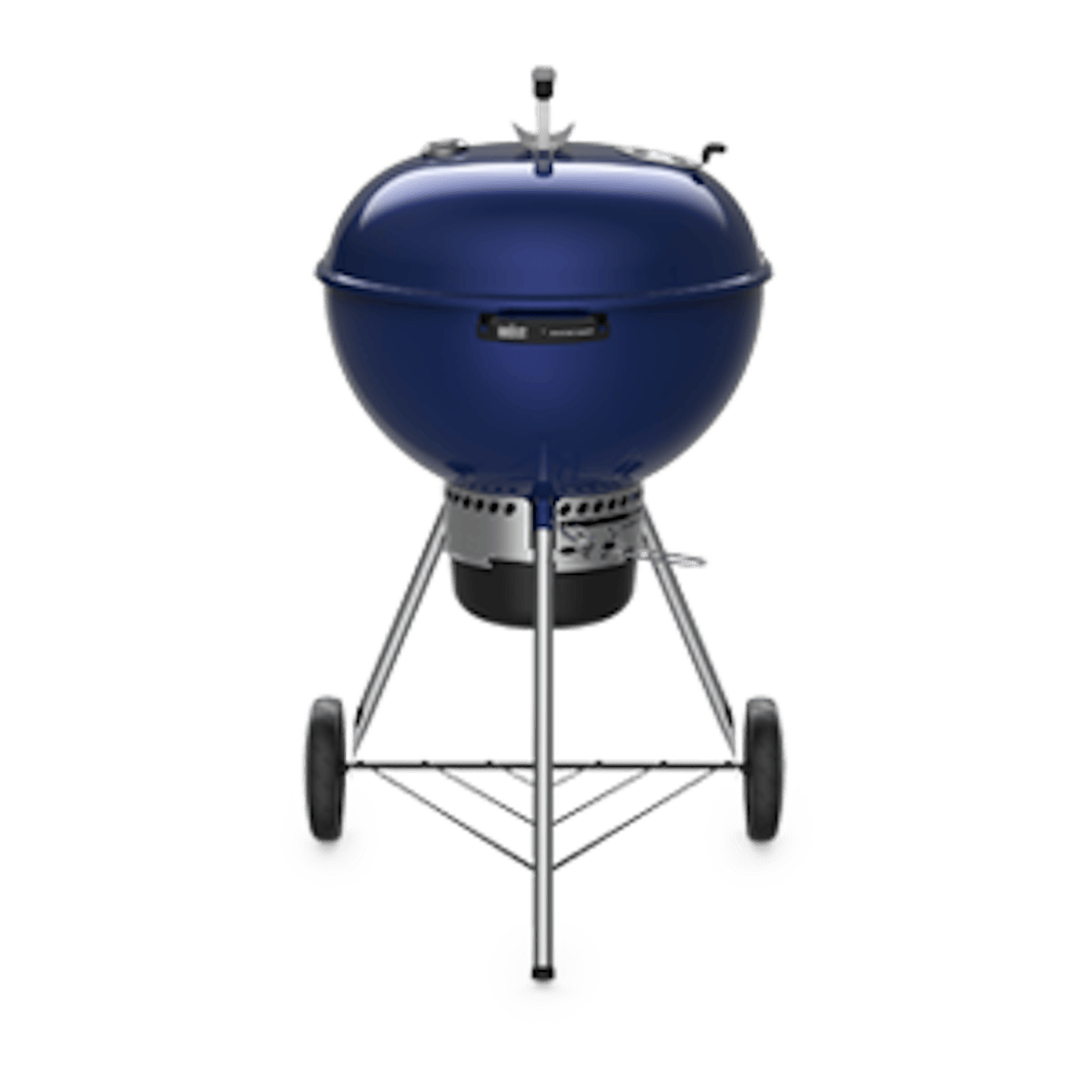
The "charcoal versus gas" debate has been a backyard argument for decades, and pellet grills have added a genuine third option that doesn't map neatly onto either side. Each method produces heat differently, and that difference is the actual source of the flavor, convenience, and consistency tradeoffs people argue about — not just brand preference.
- Charcoal burns hotter than gas and produces smoke as a direct byproduct of combustion, which is the primary source of the smoky flavor charcoal fans defend.
- Gas grills light instantly and hold a precise, adjustable temperature, trading some flavor complexity for speed and consistency.
- Pellet grills burn compressed wood pellets and use a thermostat-controlled auger and fan to hold a set temperature automatically — closer to an outdoor smoker-oven hybrid than a traditional grill.
- None of the three is strictly "better" — they're suited to different cooking styles, from quick weeknight grilling to a six-hour low-and-slow brisket.
Charcoal: the hottest option, and the most hands-on
Burning charcoal briquettes or lump charcoal produces significantly higher sustained heat than most gas grills can reach, which is part of why charcoal is often favored for a hard, fast sear on steaks. The smoke generated as the charcoal burns — along with any drippings that hit the coals — is the primary source of the distinct "grilled" flavor charcoal advocates point to, a chemical process (partly from compounds created by smoke interacting with the food's surface) that gas simply doesn't replicate to the same degree.
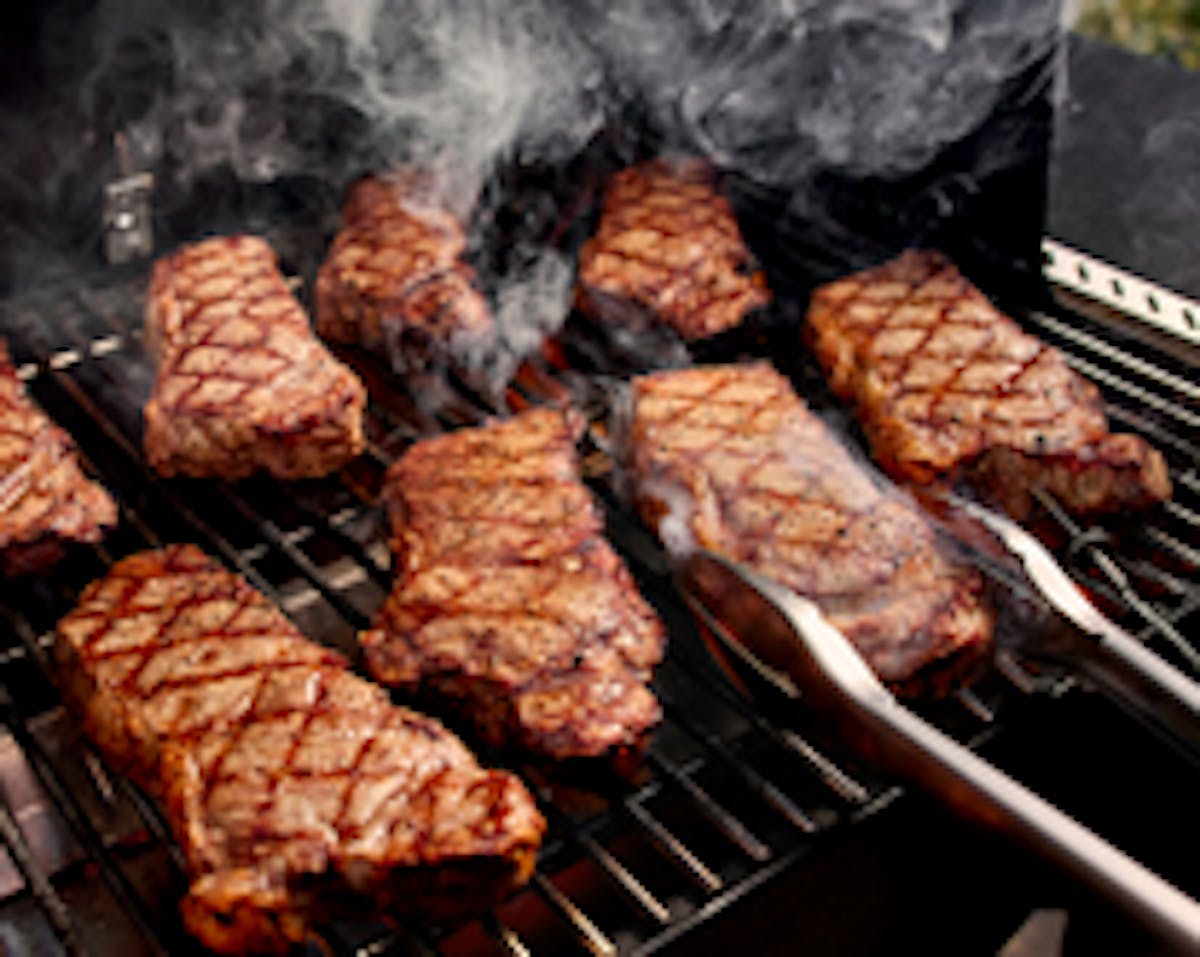
The tradeoff is control and convenience: charcoal takes time to light and reach cooking temperature (typically 15-20 minutes before coals are ready), and adjusting temperature mid-cook means manually managing vents and coal placement rather than turning a knob. It also requires more cleanup — ash disposal — than gas or pellet grills.
Gas: instant heat, precise and repeatable
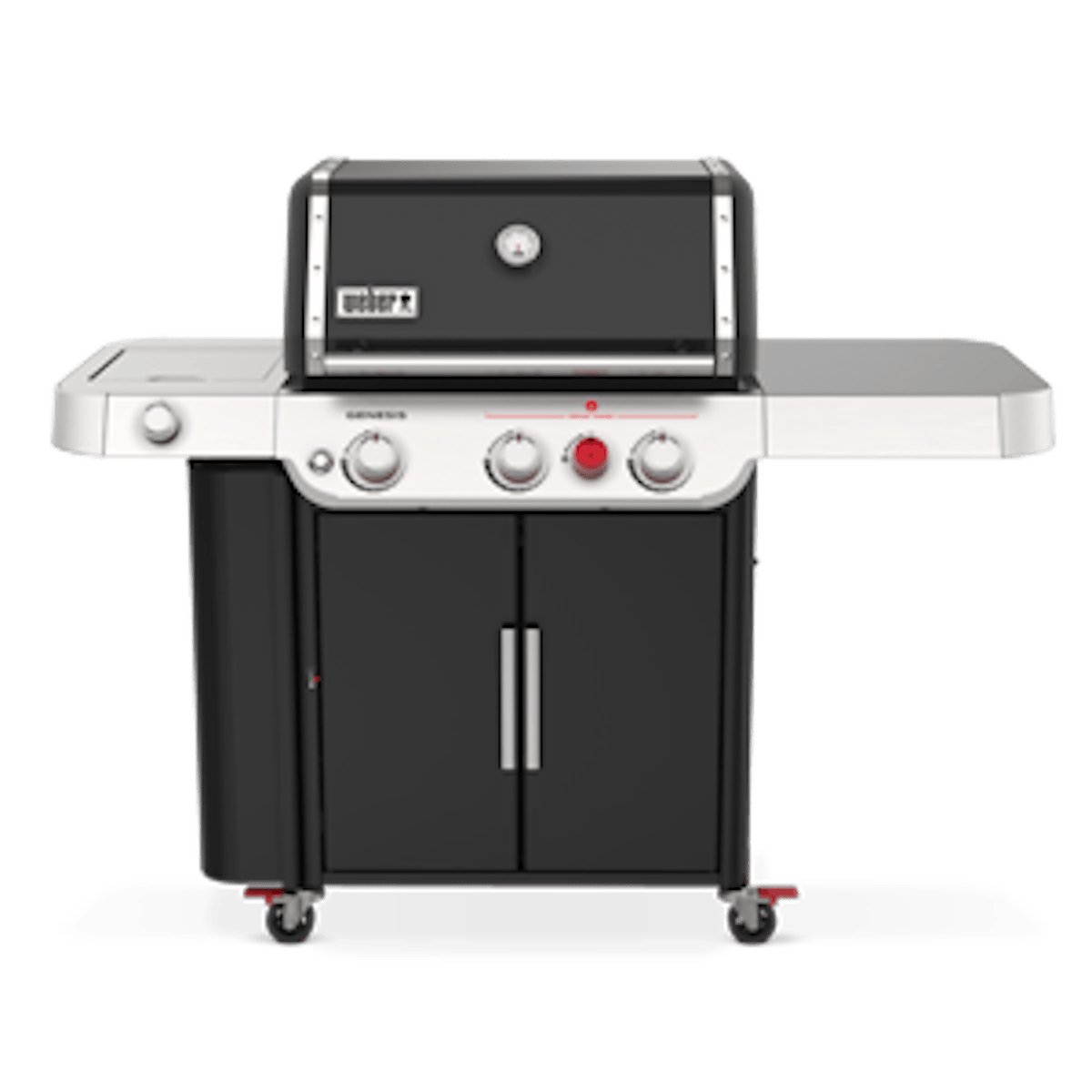
A gas grill, running on propane or natural gas, lights nearly instantly and lets the cook set a precise, easily adjustable temperature with a dial — no waiting for coals, no manual airflow management. This precision and speed is the main draw for people who grill frequently on weeknights, where a 20-minute charcoal lighting process is a real barrier to actually using the grill.
The tradeoff is flavor complexity: because gas combustion doesn't produce the same smoke and drip-off interaction charcoal does, gas-grilled food generally has a milder, less smoky flavor profile. Many gas grills partially compensate with flavorizer bars or smoker boxes that vaporize drippings or wood chips, but it's an added feature working to approximate what charcoal produces inherently.
Pellet: a thermostat-controlled smoker that also grills
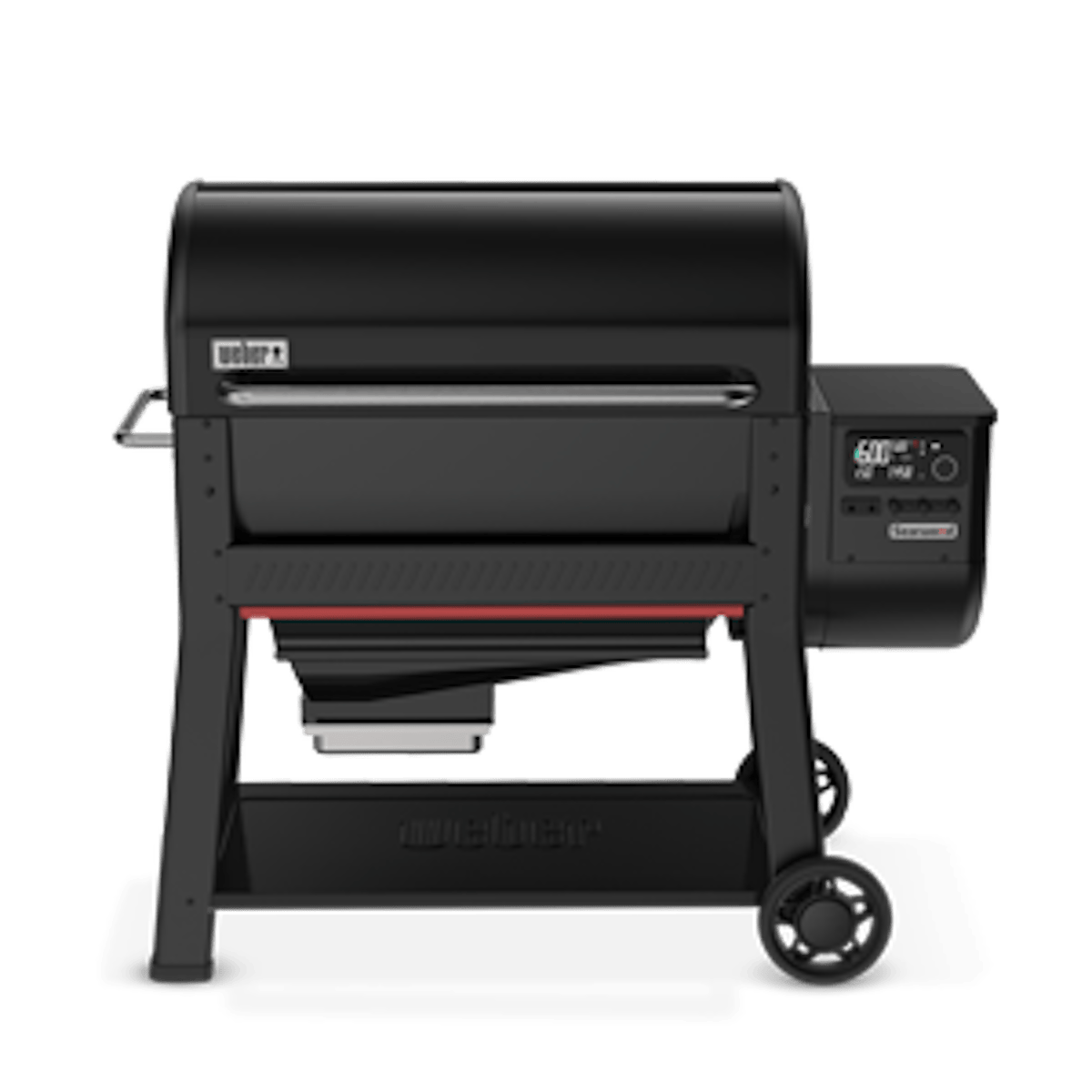
Pellet grills burn compressed hardwood pellets, fed automatically from a hopper by an auger into a firepot, where a controller manages the feed rate and a fan to hold a precise, set temperature — functioning much more like a thermostat-controlled outdoor oven or smoker than a traditional live-fire grill. This makes pellet grills particularly well suited to low-and-slow cooking (ribs, brisket, pulled pork) that would otherwise require hours of active charcoal management to hold a steady low temperature.
Because the wood pellets do produce real smoke, pellet grills deliver a genuine smoky flavor, though generally described as milder and more consistent than charcoal's more variable, intense smoke exposure. Most pellet grills also can't reach the very high searing temperatures a hot charcoal fire or high-end gas grill can, which is why some cooks pair a pellet grill for smoking with a separate charcoal or gas setup for searing.
| Type | Heat source | Best for | Watch for |
|---|---|---|---|
| Charcoal | Burning briquettes/lump charcoal | Hot, fast searing; maximum smoky flavor | 15-20 min to light; manual temperature control |
| Gas | Propane or natural gas burners | Speed, precise temperature, weeknight convenience | Milder flavor without added smoker accessories |
| Pellet | Auger-fed compressed wood pellets, thermostat-controlled | Low-and-slow smoking (ribs, brisket) with minimal babysitting | Generally can't reach charcoal's peak searing heat |
Common questions
Which grill type gives the smokiest flavor?
Charcoal generally produces the most intense, variable smoke flavor. Pellet grills produce real smoke too, but it's typically milder and more consistent; gas produces the least without added smoker accessories.
Can a pellet grill sear a steak as well as charcoal?
Generally no — most pellet grills top out at lower maximum temperatures than a hot charcoal fire, which is why some cooks use a separate charcoal or gas grill specifically for high-heat searing.
Why do gas grills sometimes have a smoker box?
It's an added feature that lets gas grills vaporize wood chips or drippings to approximate some of the smoke flavor charcoal produces inherently through direct combustion.
Is a pellet grill the same as a smoker?
They're closely related — a pellet grill functions much like a thermostat-controlled smoker, but most models can also reach higher temperatures suitable for basic grilling, unlike a dedicated low-temperature smoker.