Quick take
- KITT from Knight Rider was a heavily modified 1982 Pontiac Firebird Trans Am — a real GM production car underneath all that talking-dashboard business.
- The Toyota Supra MK4's 2JZ-GTE engine earned a real "tuner killer" reputation, then Fast and the Furious made it one of the most expensive '90s Japanese cars you can buy today.
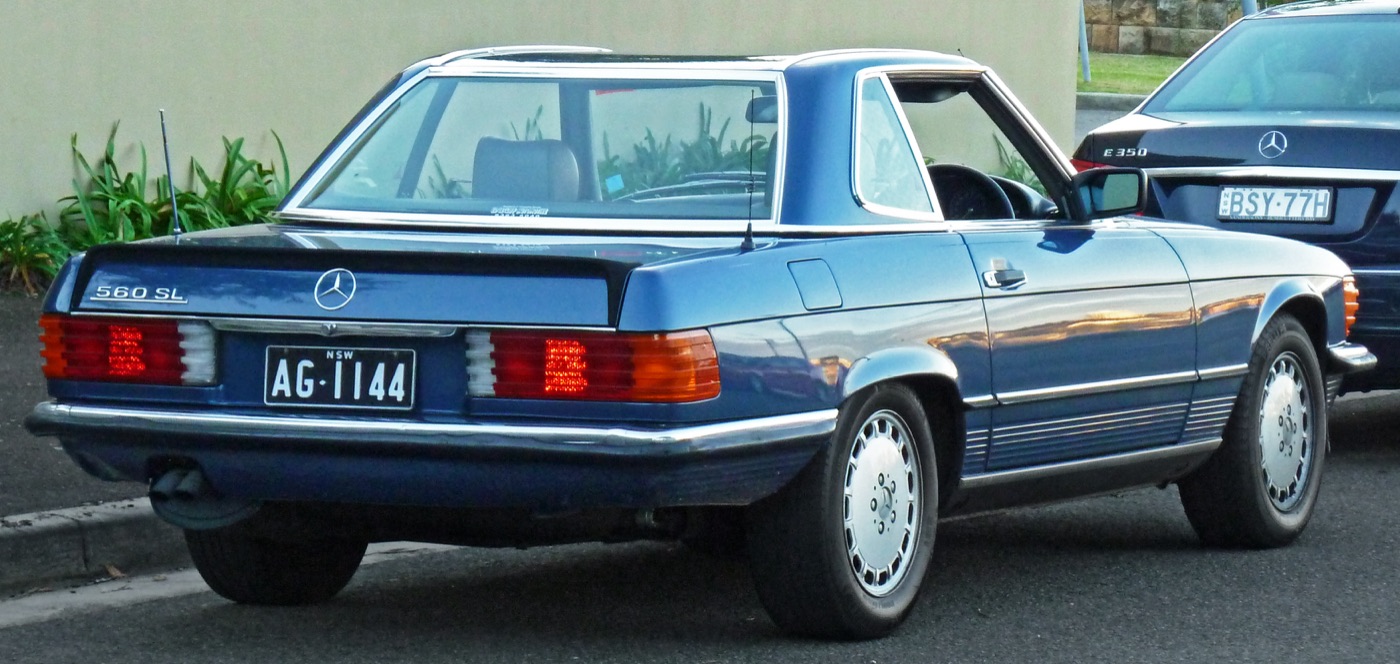
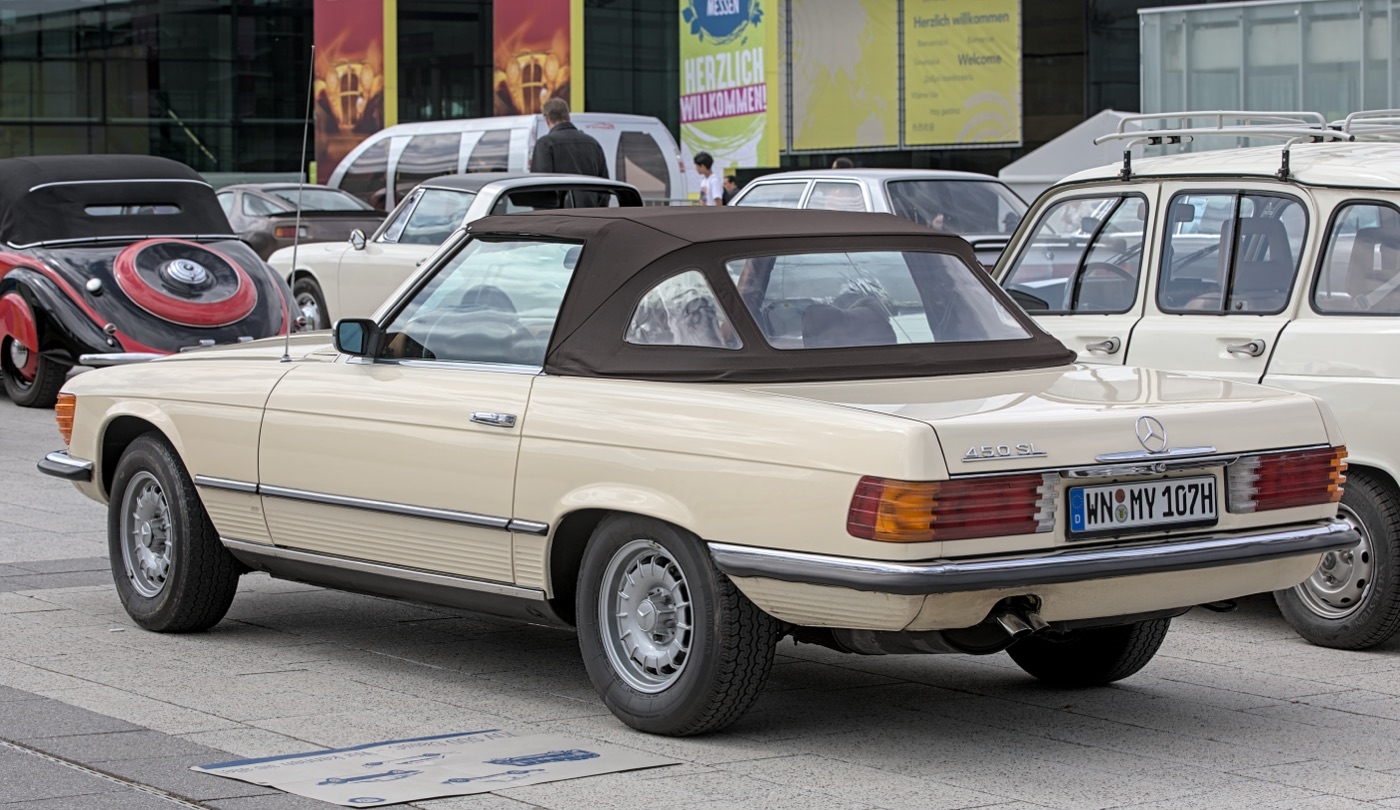
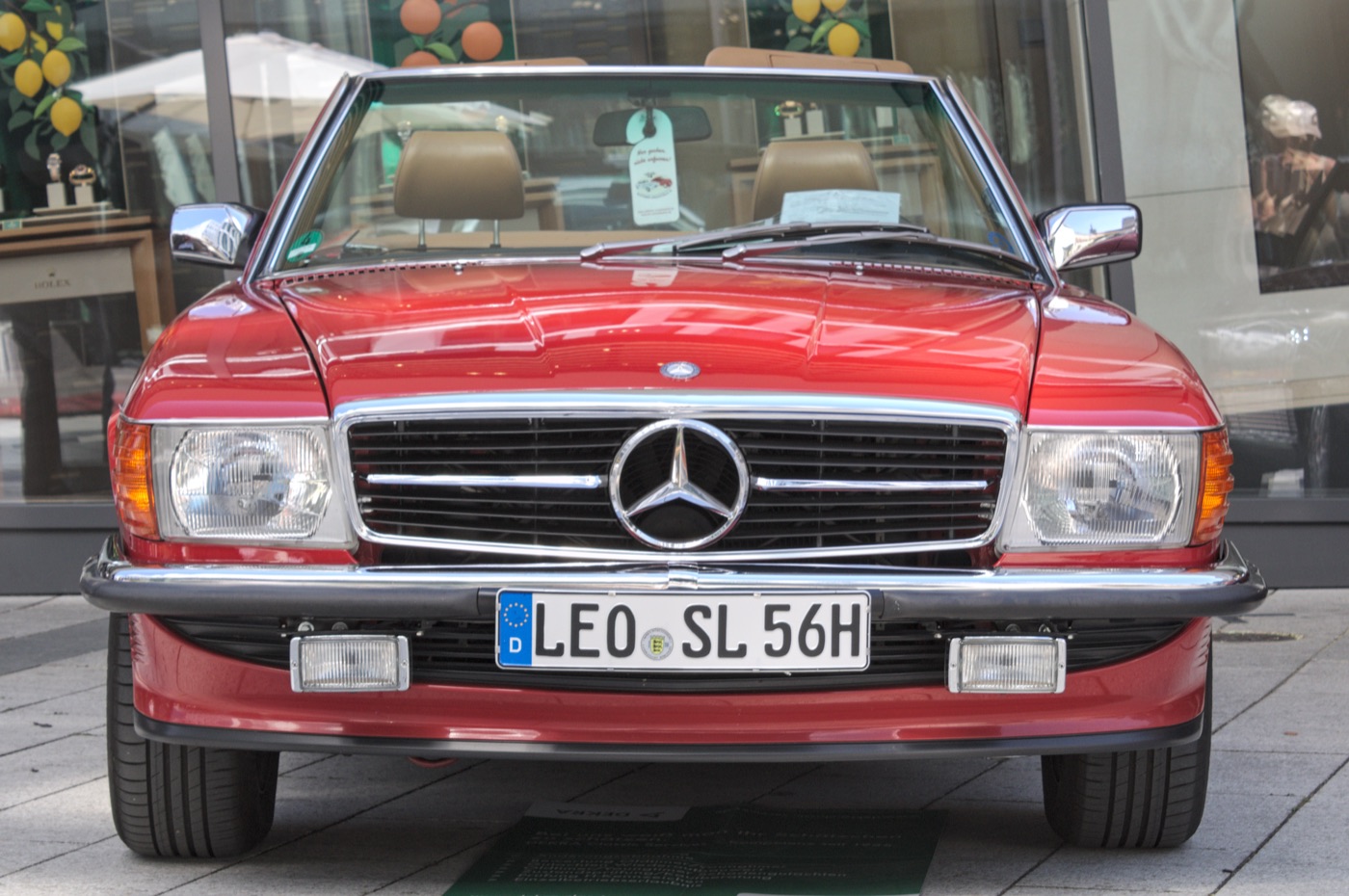
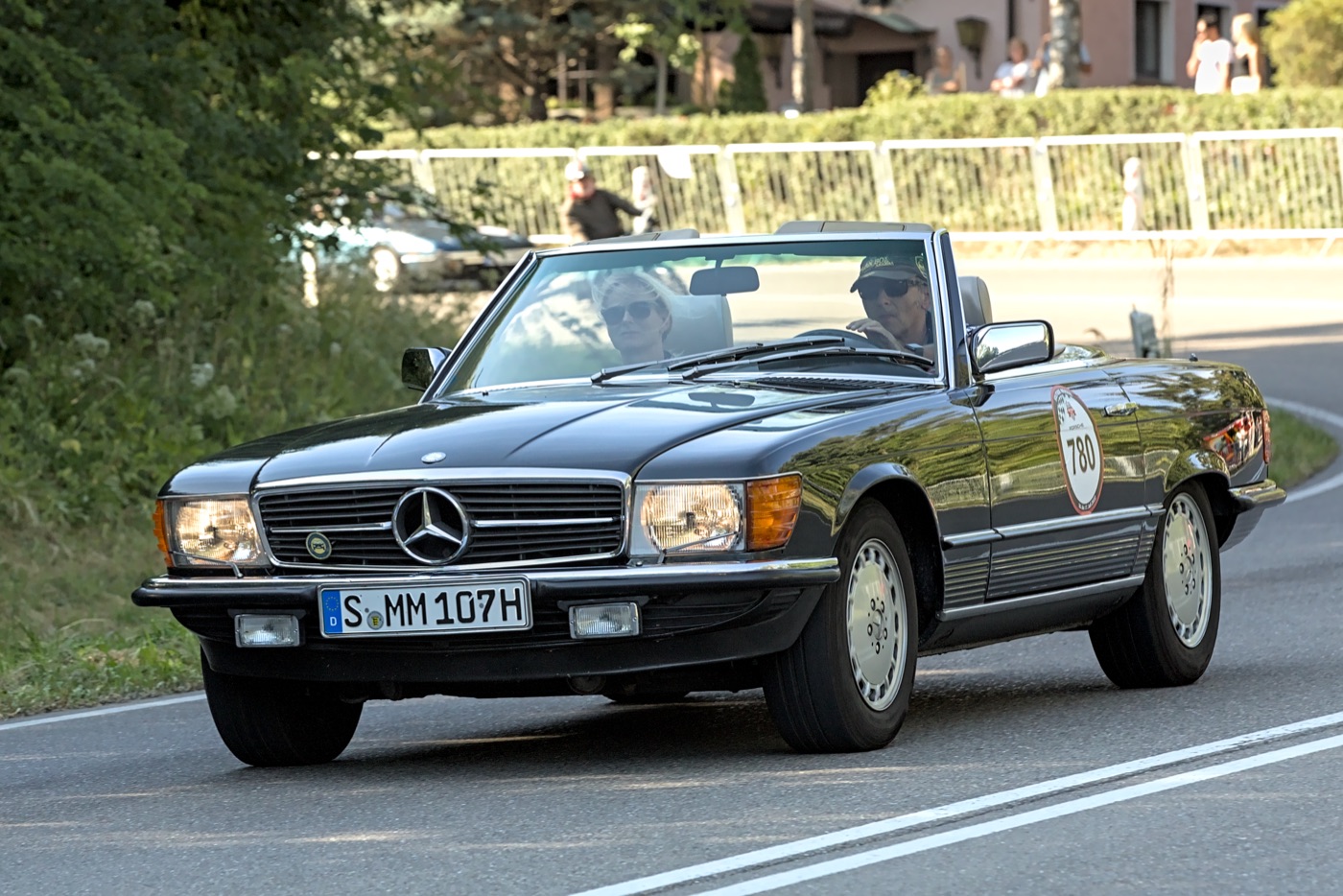
- The Mercedes-Benz 560SL became Beverly Hills shorthand for old money, memorably driven by Eddie Murphy in Beverly Hills Cop.
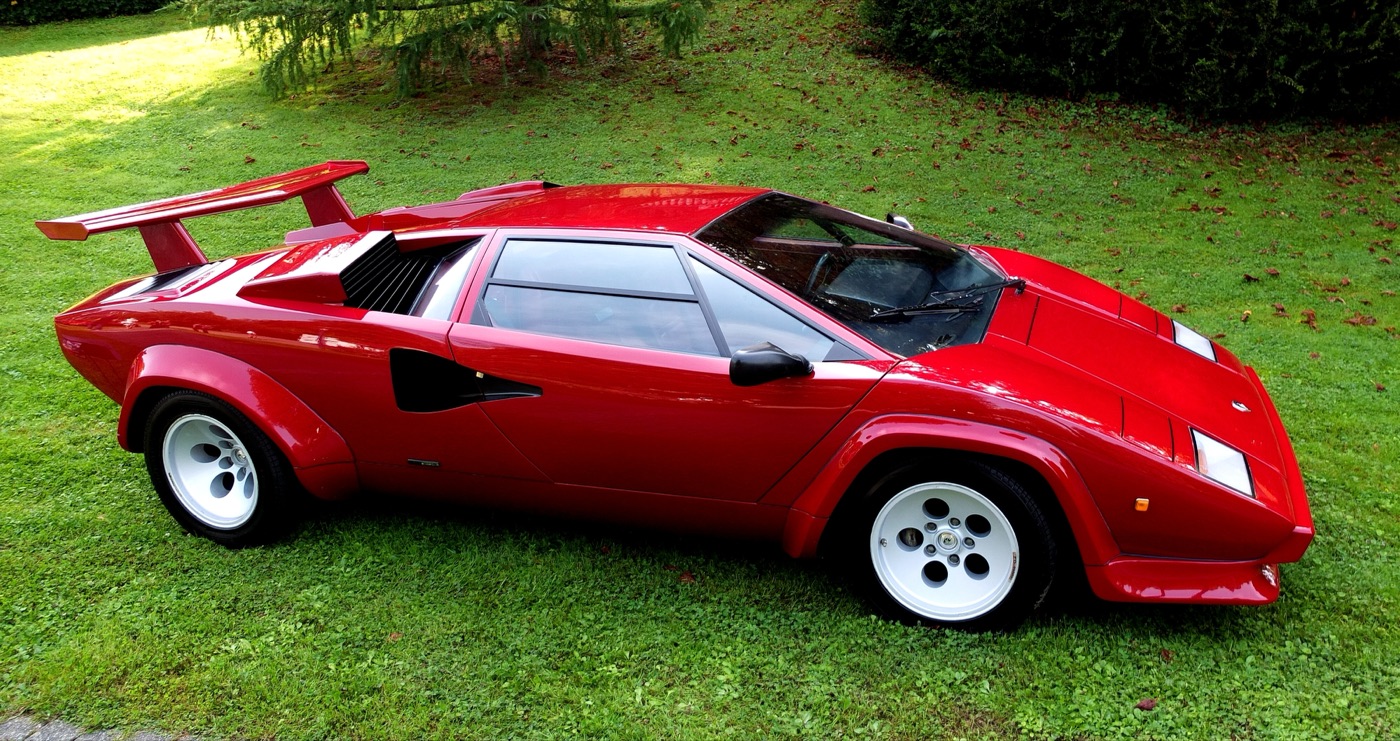
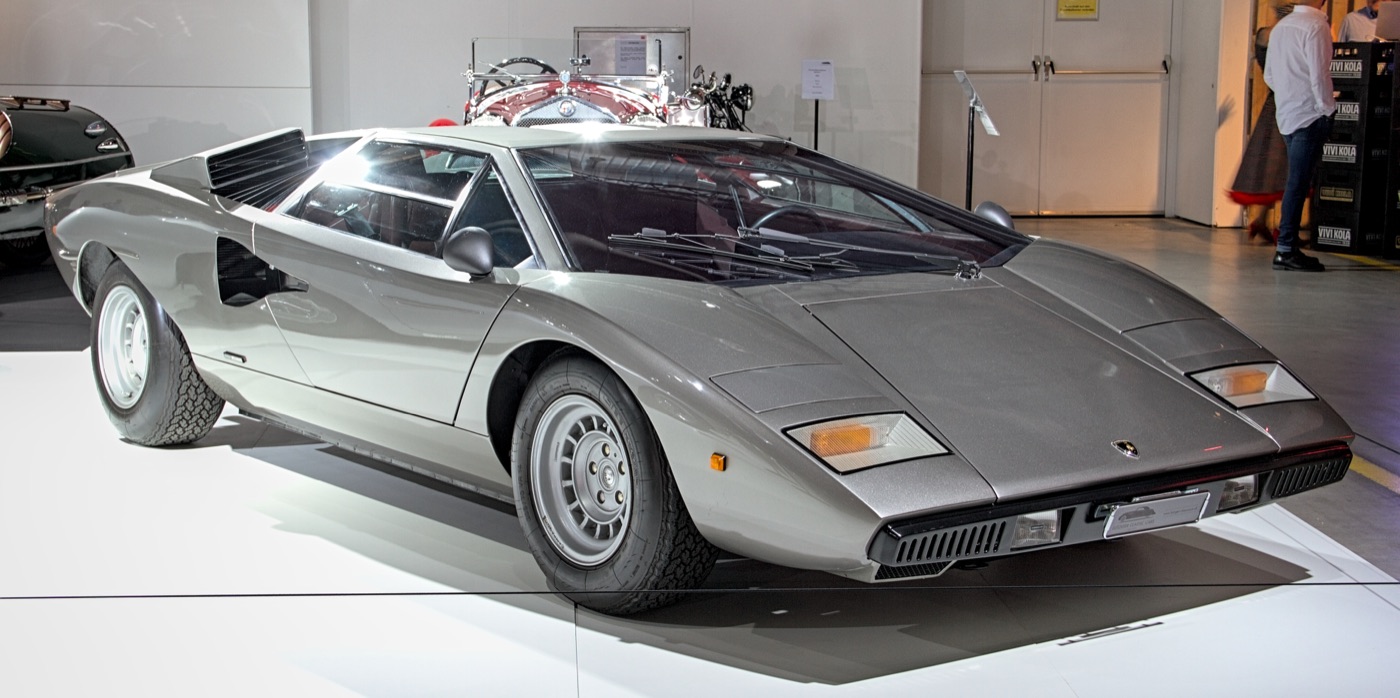
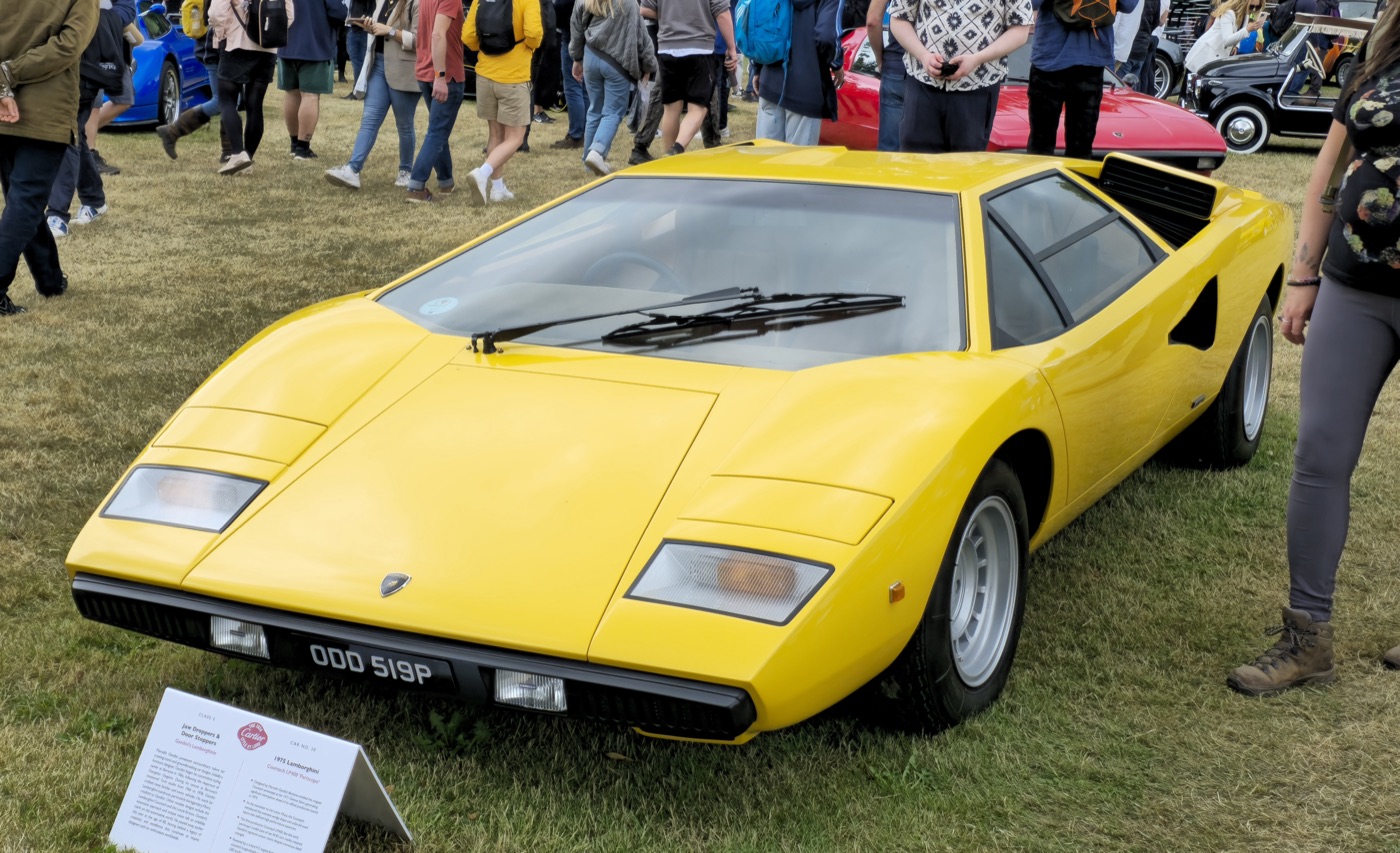
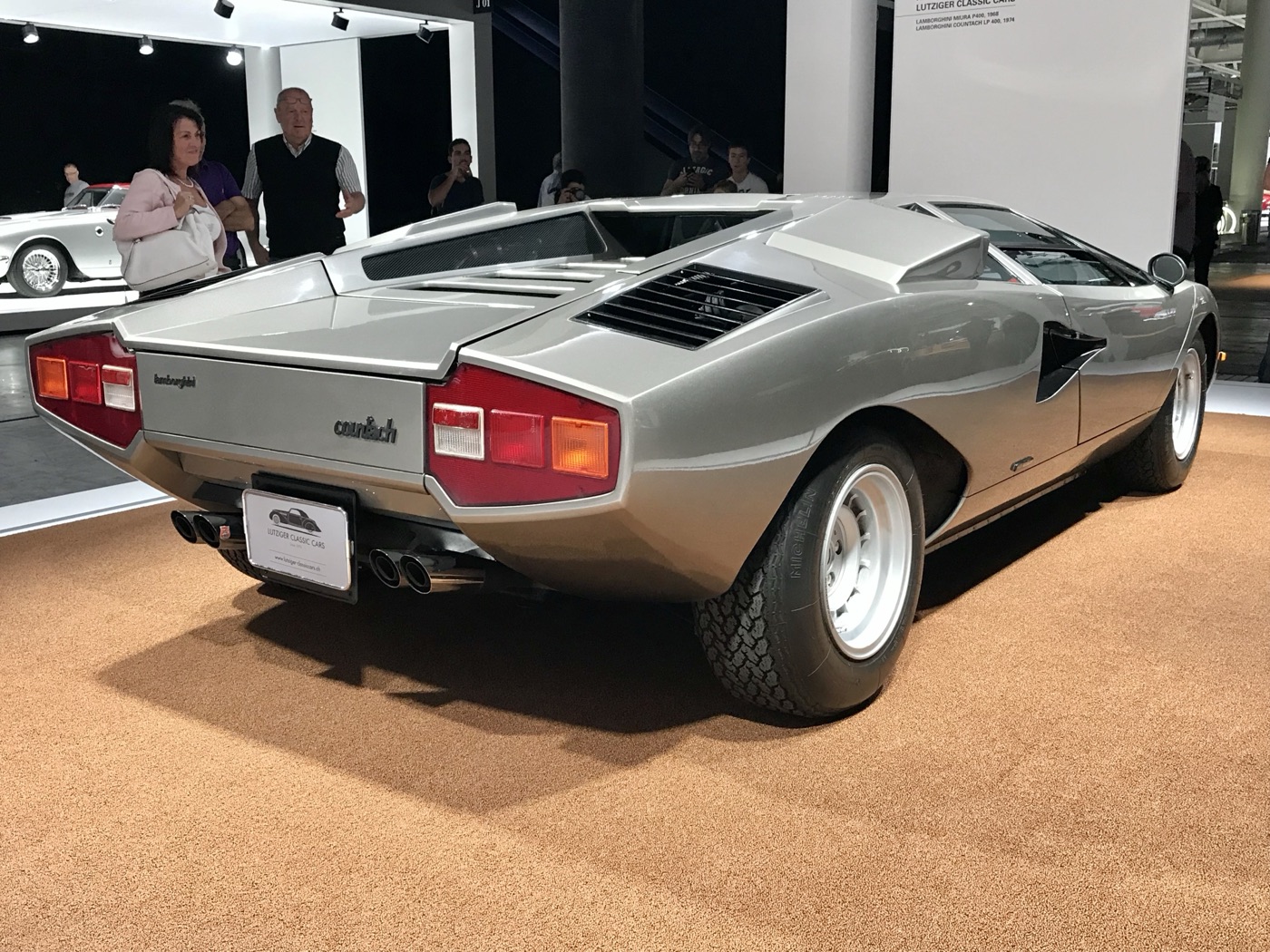
- The Lamborghini Countach is the literal bedroom-poster car — and the one on this list you're least likely to ever actually own.
- The Porsche 911, in its many forms, is simply the one you were most likely to spot in a canyon or a valet line, then and now.
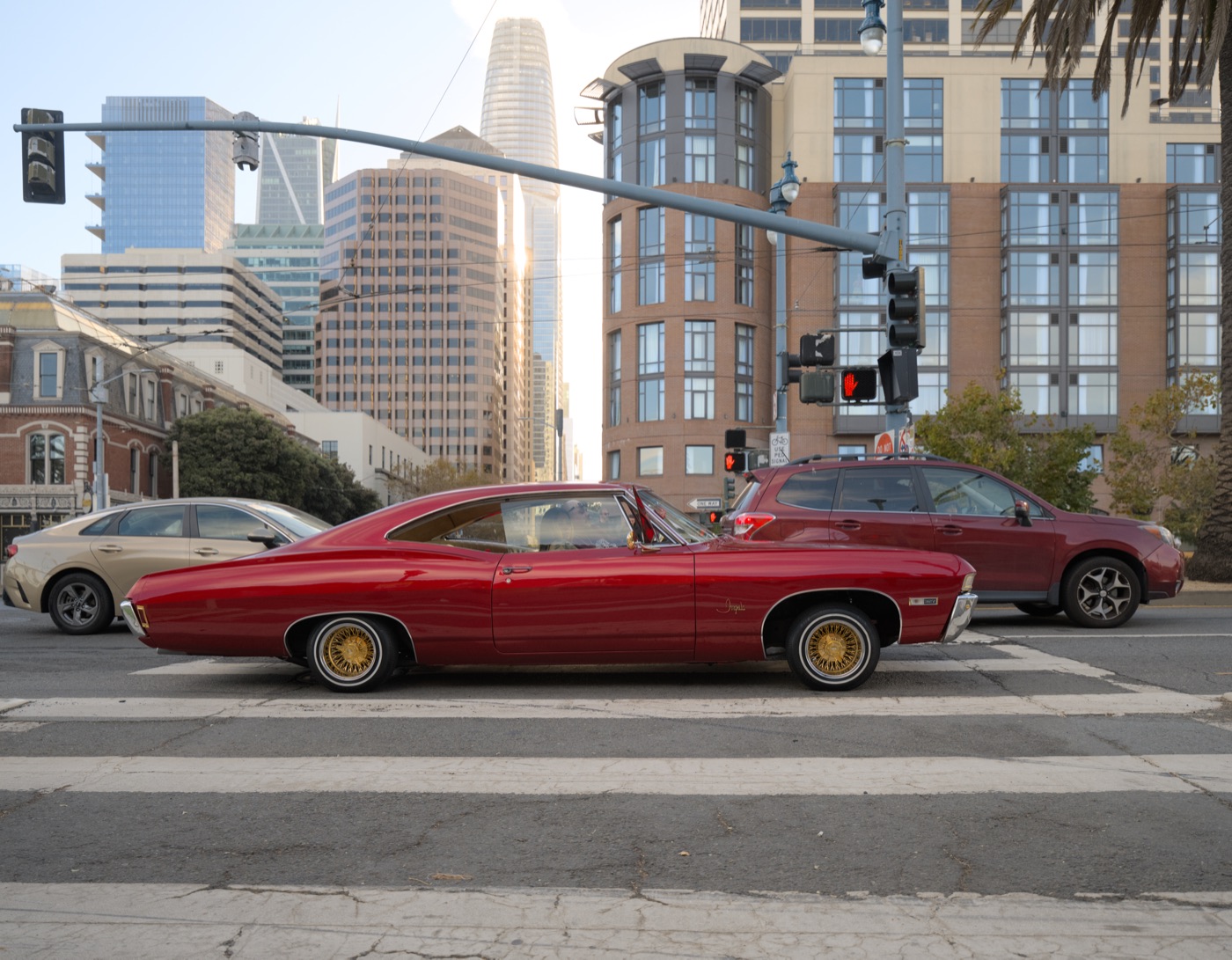
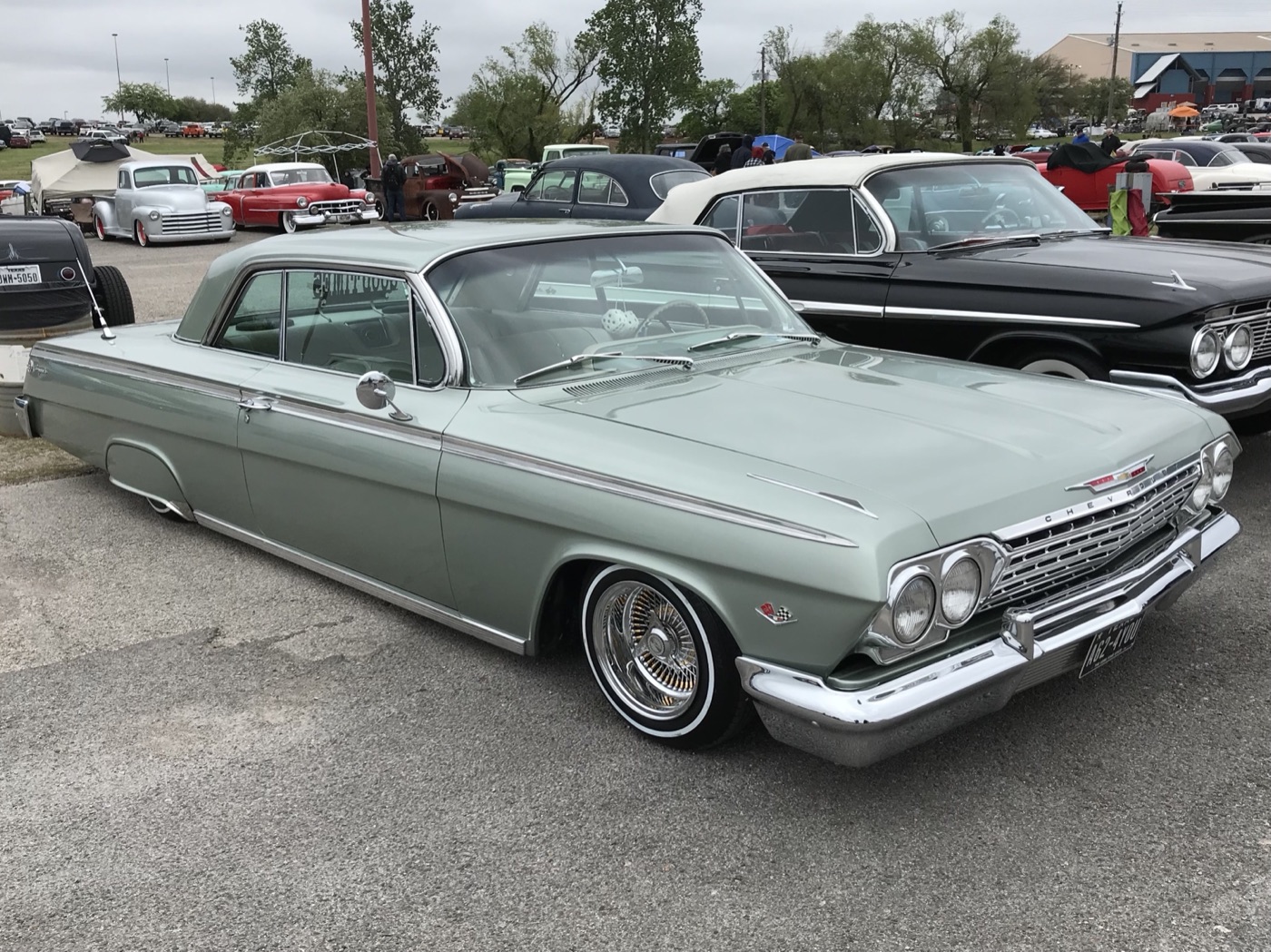
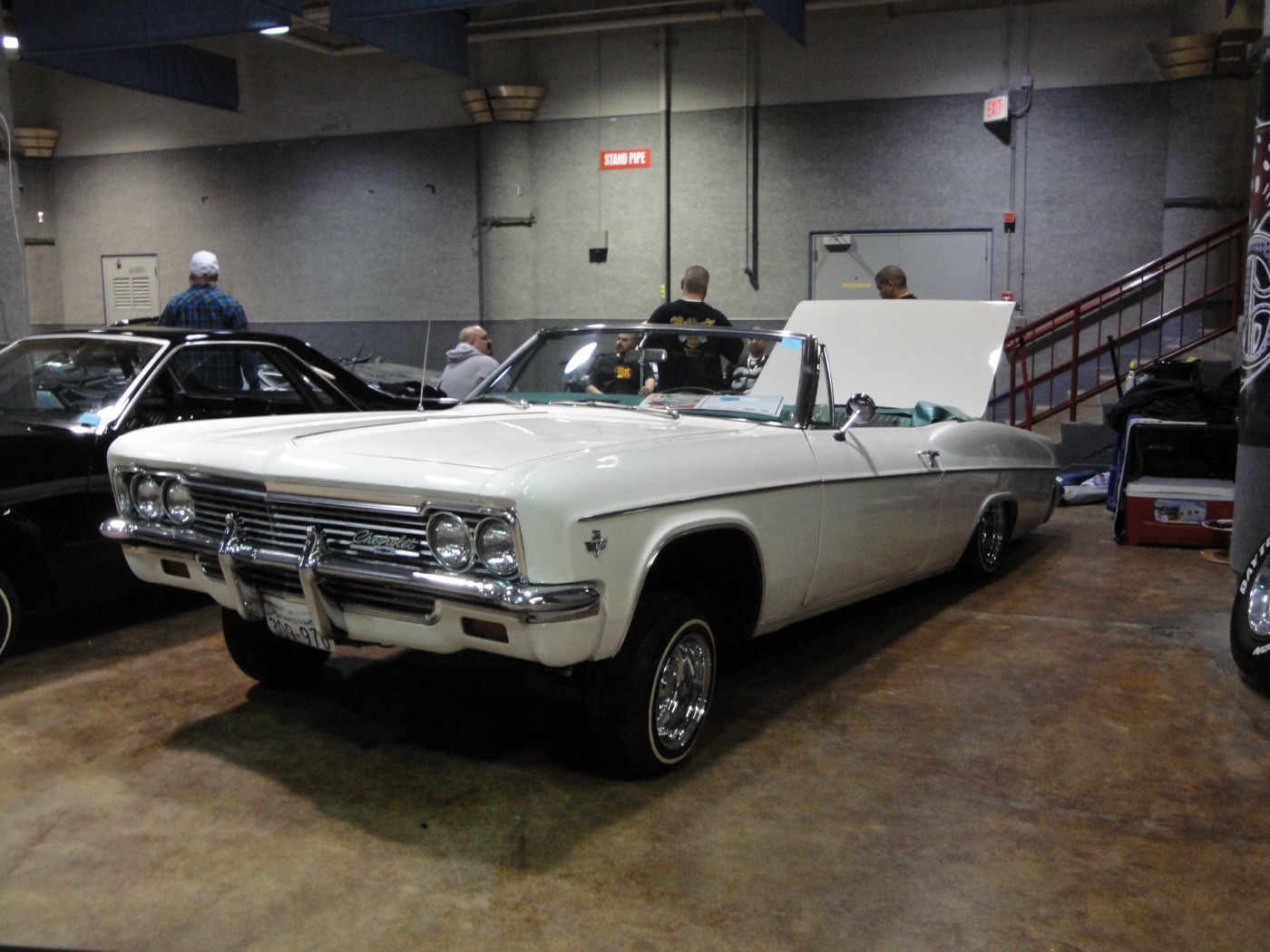
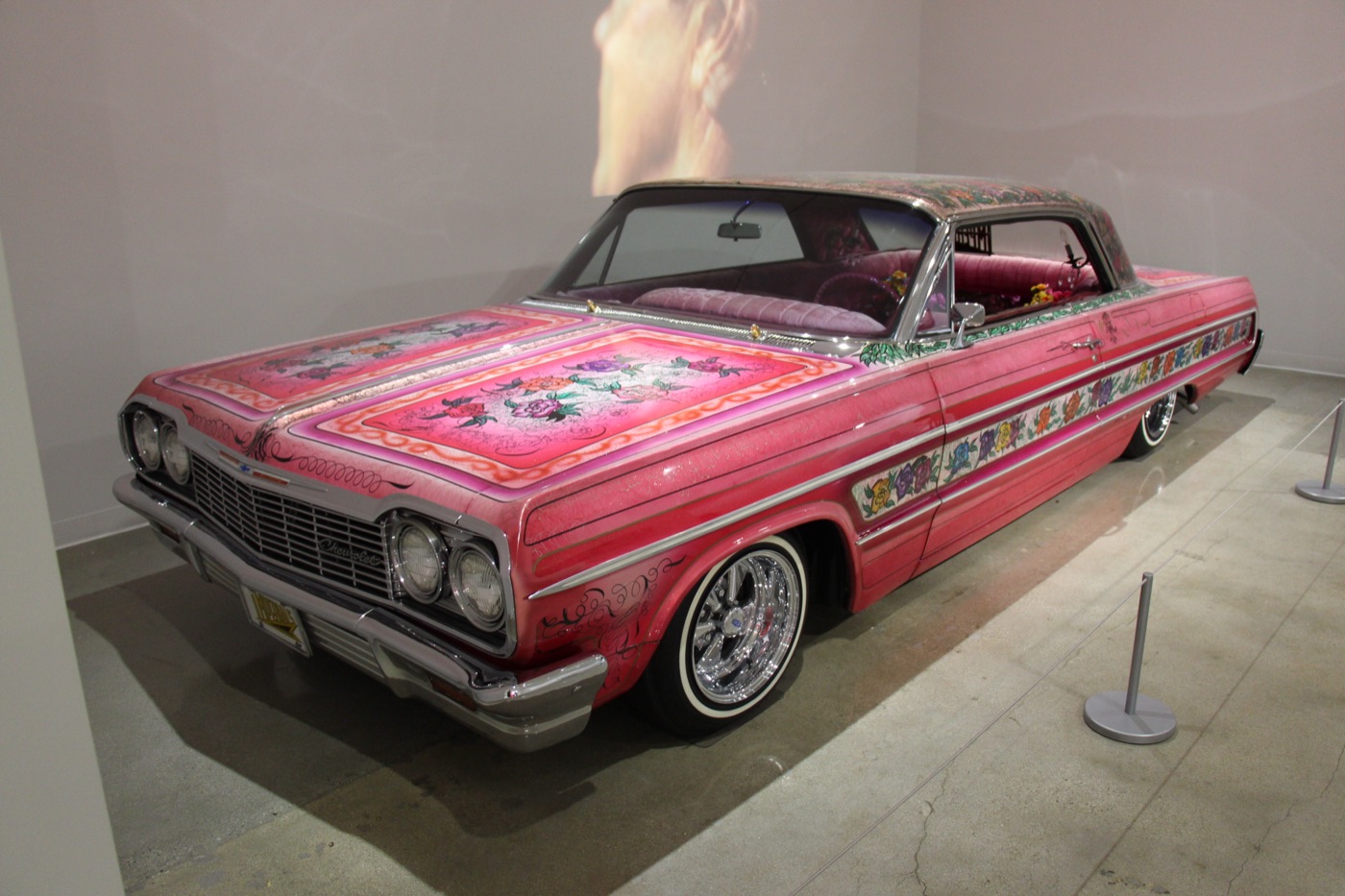
- A lowrider Chevrolet Impala represents an entirely different, deeply Southern Californian car culture — East LA Chicano car clubs, not Hollywood back-lots.
- The DeLorean DMC-12, a commercial flop on its own, became immortal the moment it got a flux capacitor bolted in.
- Steve McQueen's 1968 Ford Mustang GT 390 ran the most famous car chase ever filmed — through the hills of San Francisco, not LA, but California all the same.
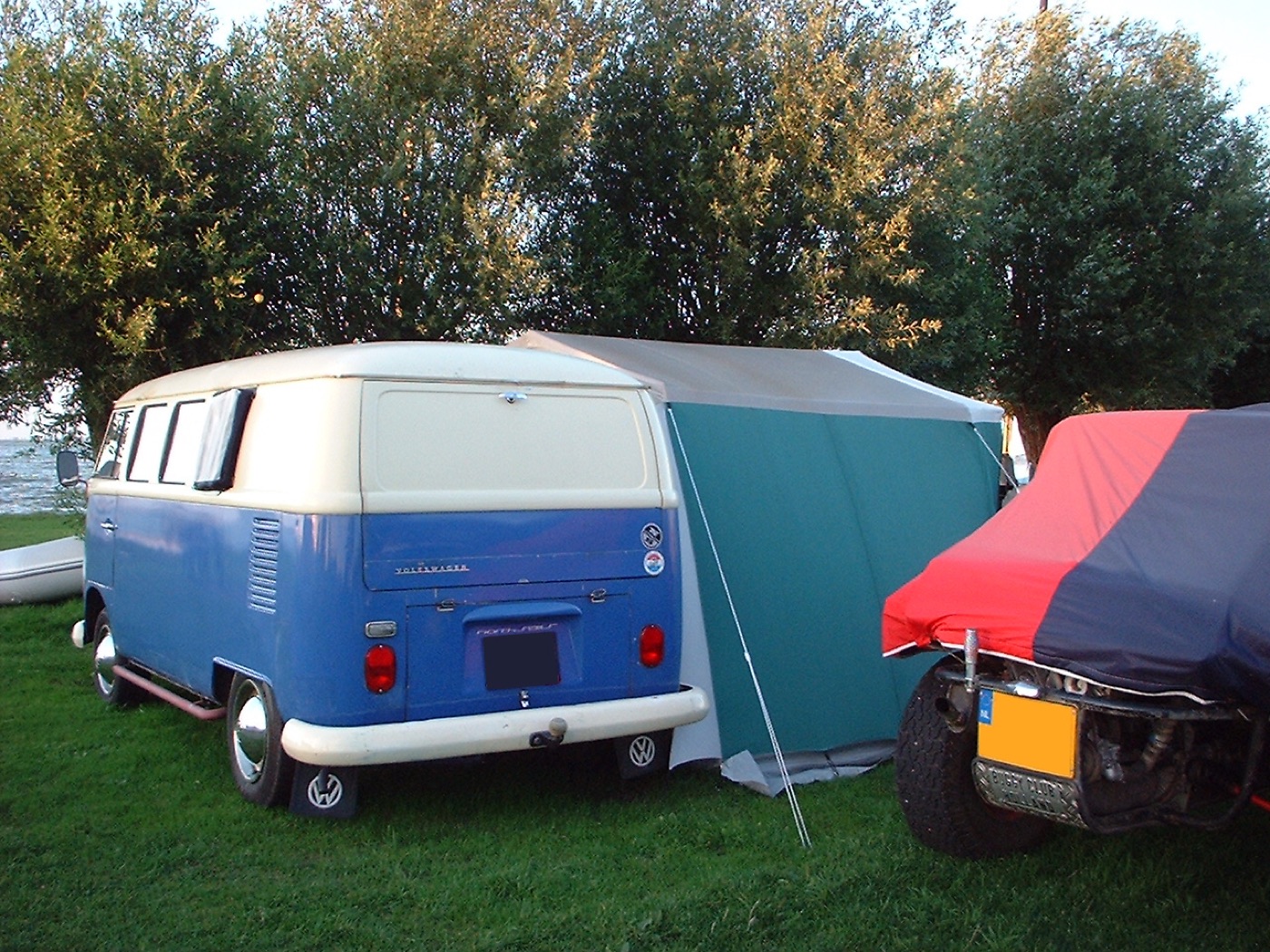
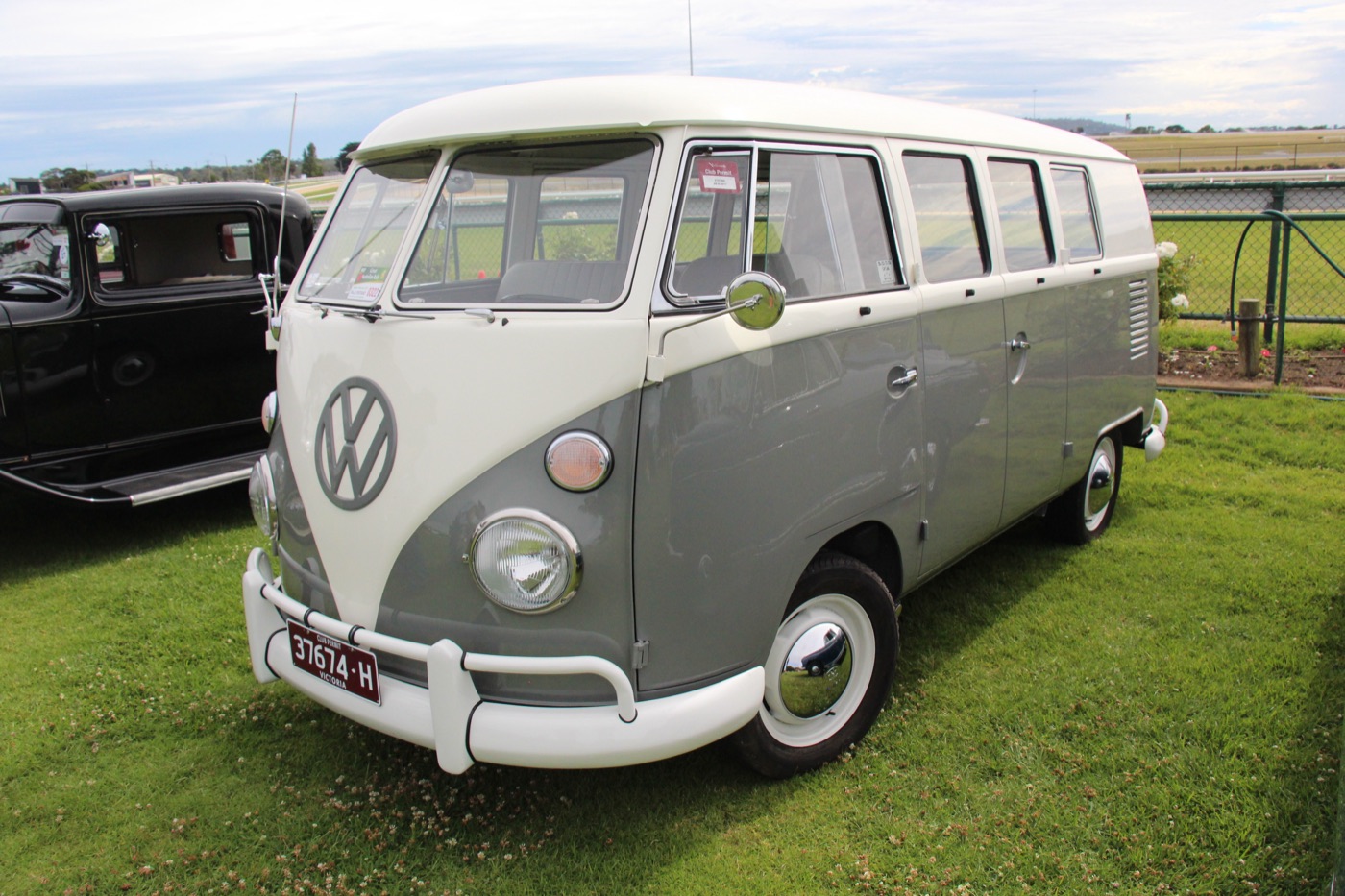
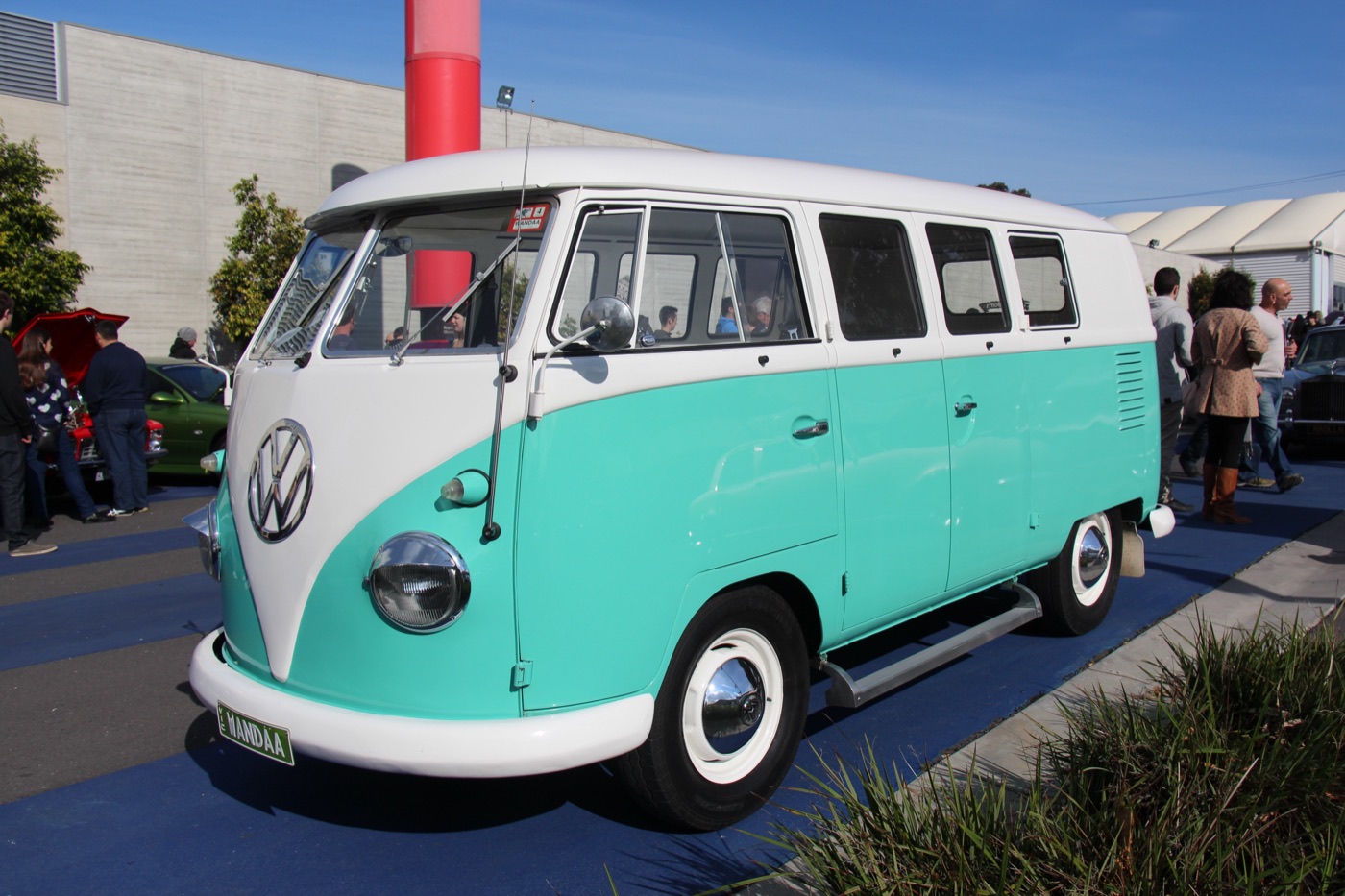
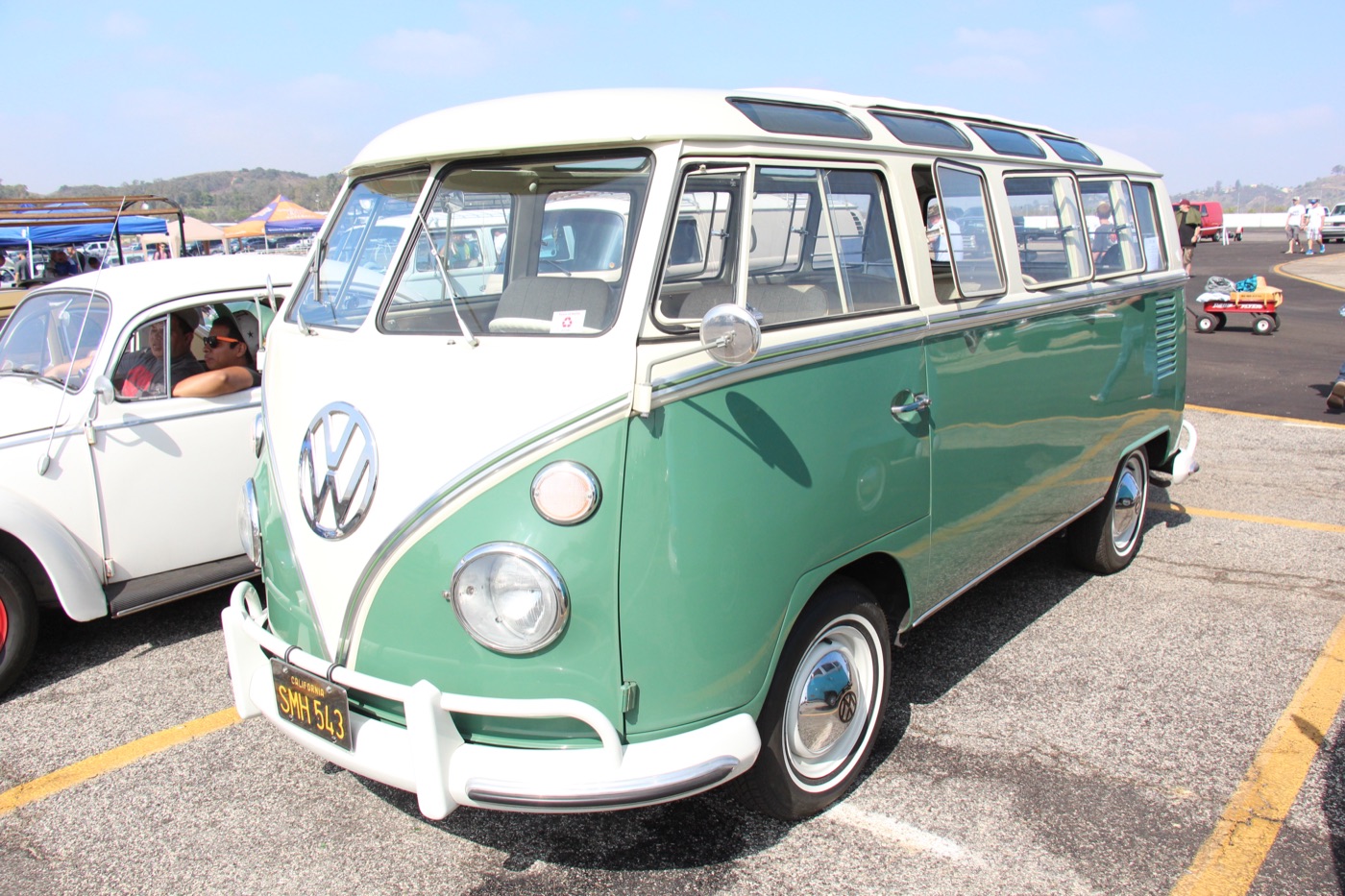
- A Volkswagen Type 2 Bus hauling surfboards down PCH is arguably the single most reproduced image of California car culture that exists.
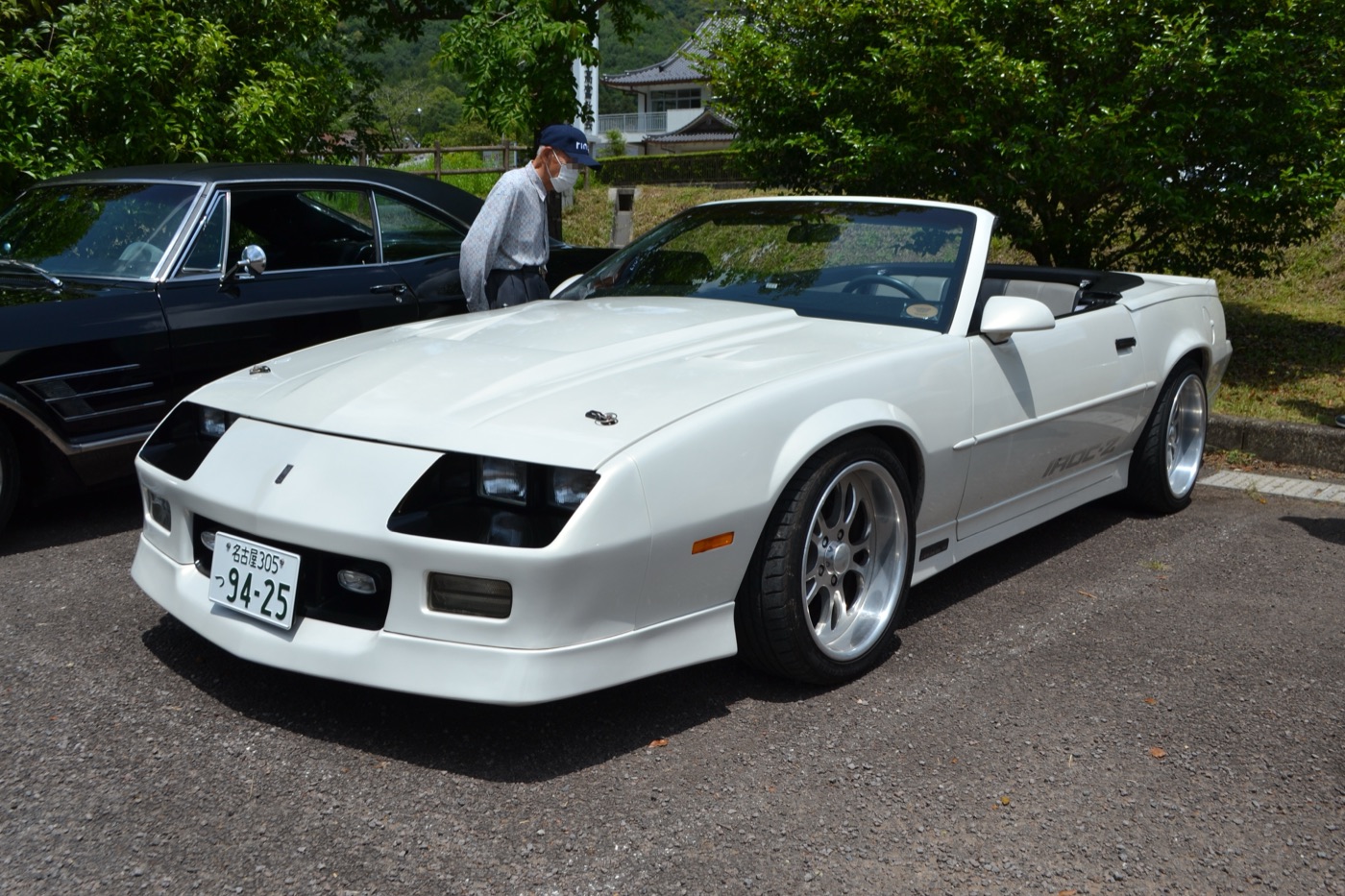
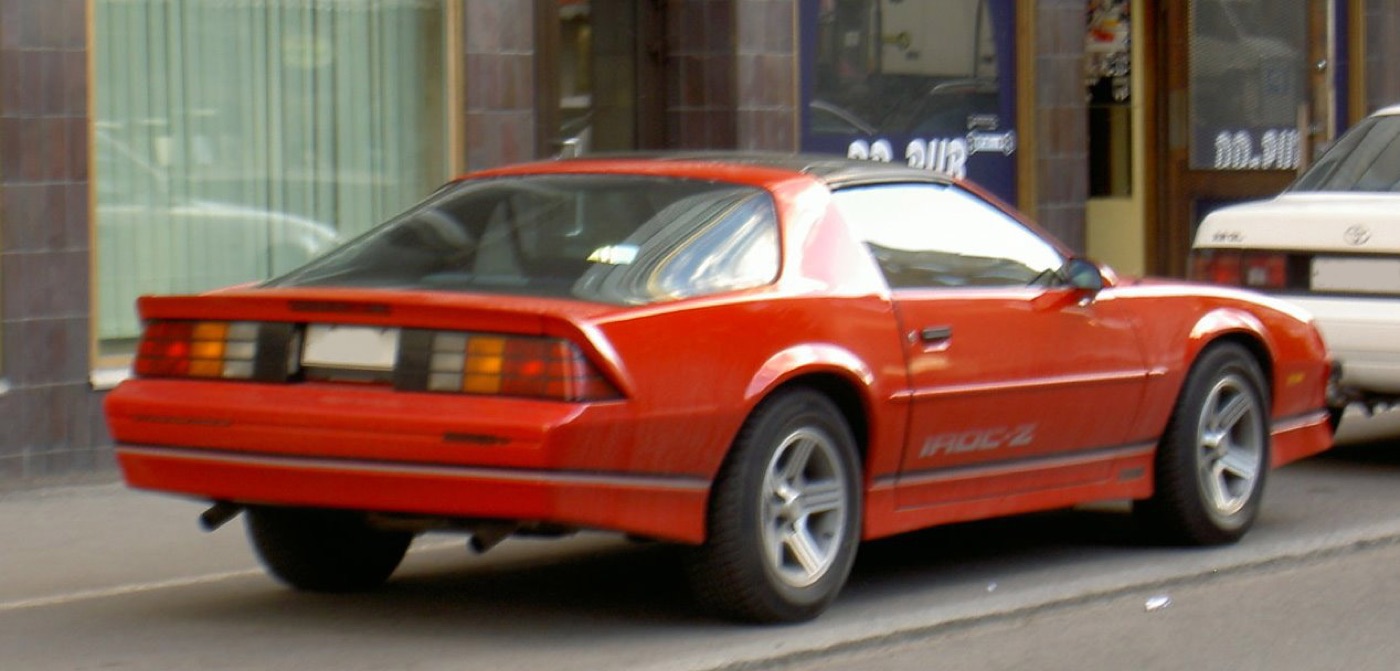
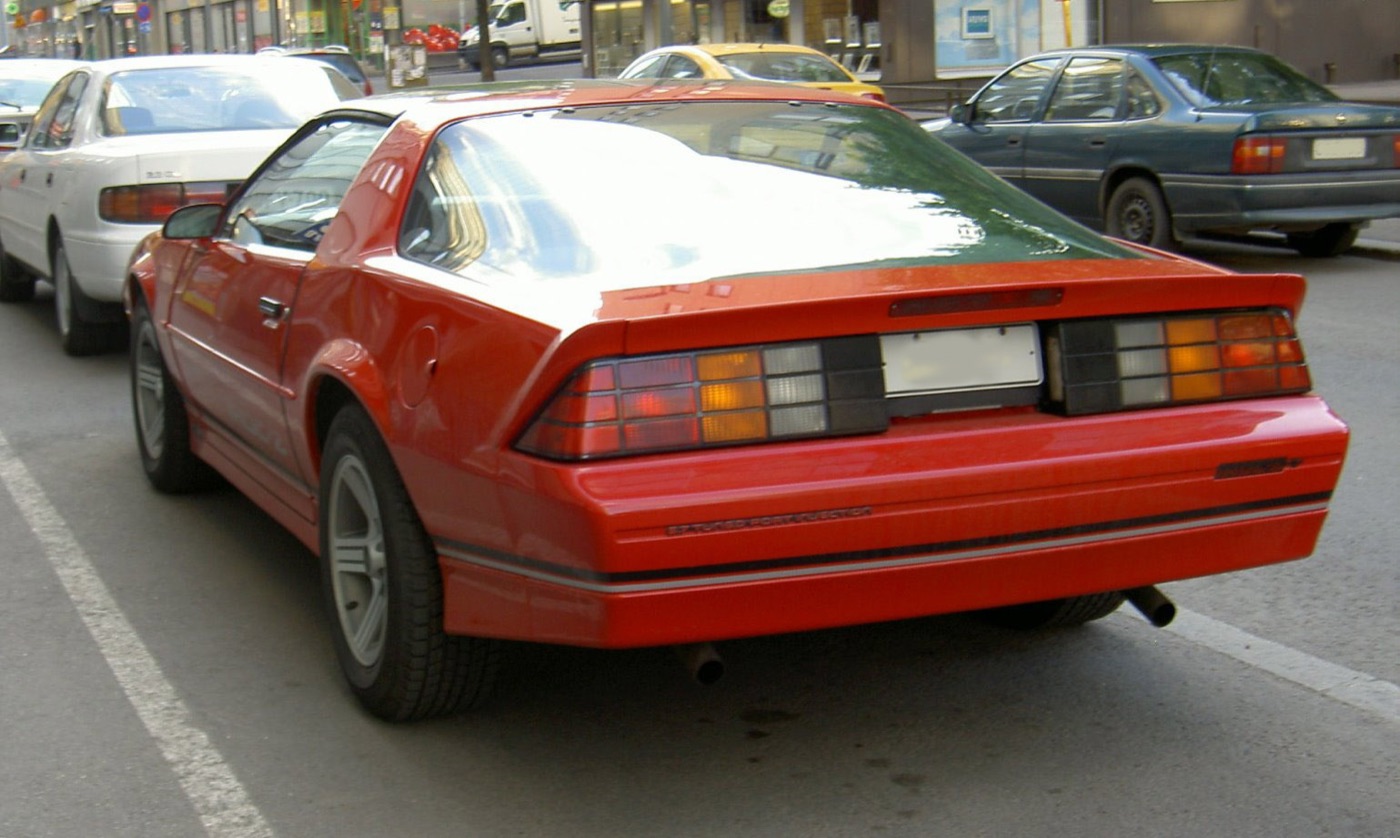
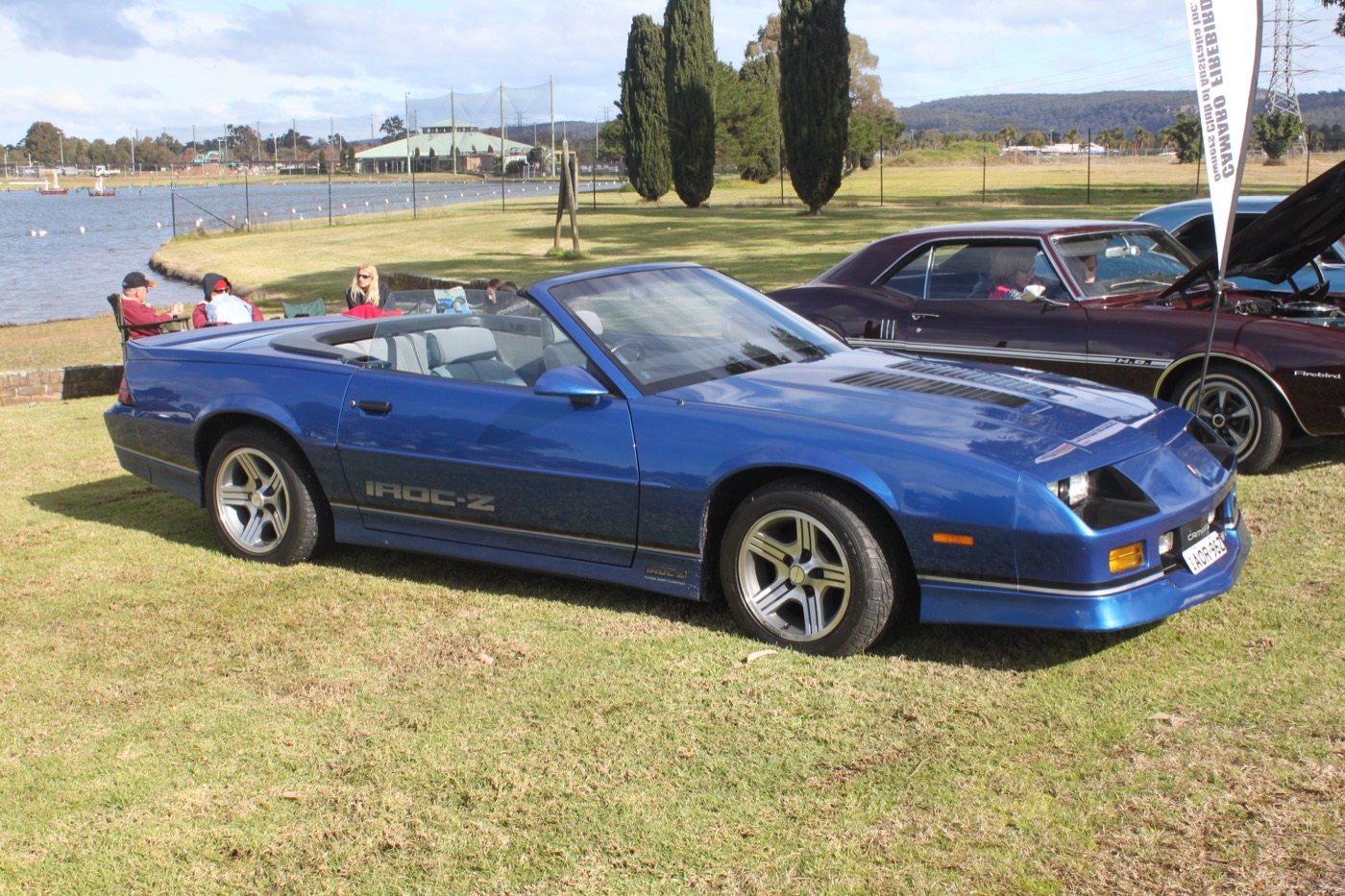
- The Chevrolet Camaro IROC-Z was the affordable, everyman muscle car parked outside a thousand '80s Southern California high schools.
There's a stretch of Sepulveda near the airport where, if the light's red long enough and a lowered Impala or a stray 911 rolls up next to you, I still catch myself staring — the same way I did as a kid in the back seat, nose against the window, before I knew any of these cars' names. Every region gets a handful of objects that quietly become shorthand for the whole place. Nashville gets a guitar. Detroit gets an assembly line. Southern California, somehow, got cars — specific ones, driven by specific people, in specific movies and specific canyons, until the car itself became inseparable from the idea of the place. As I remember it, you didn't have to go looking for any of this; it just idled past you at intersections. Here's what documented history actually says happened underneath that memory, car by car — plus a rough sense of what these ten cost today and where you'd go looking for one now.
KITT: The Real Pontiac Under the Talking Dashboard
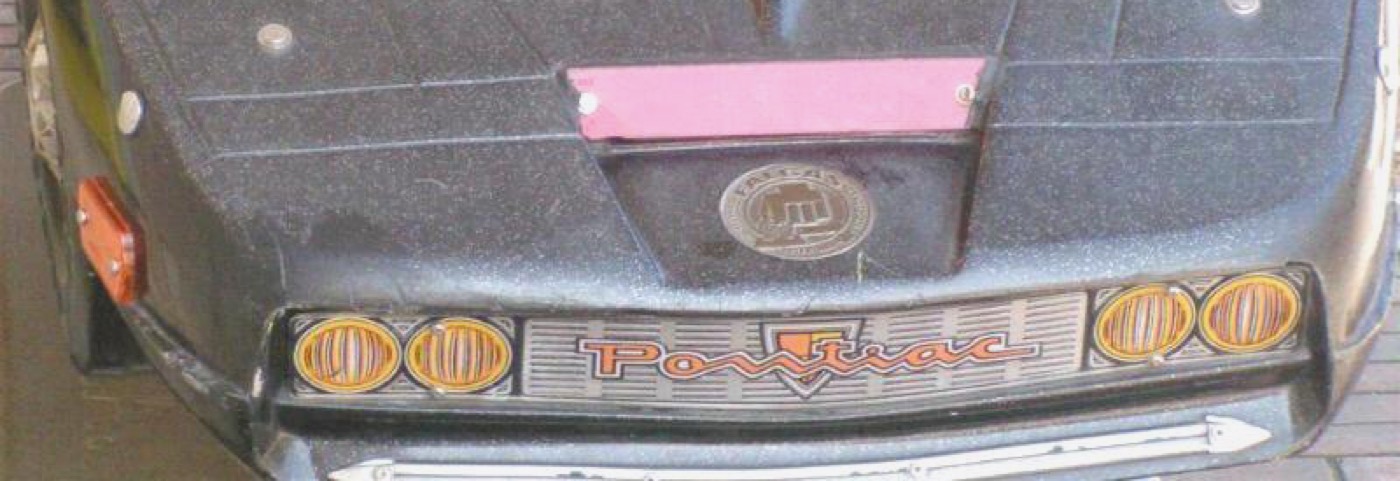
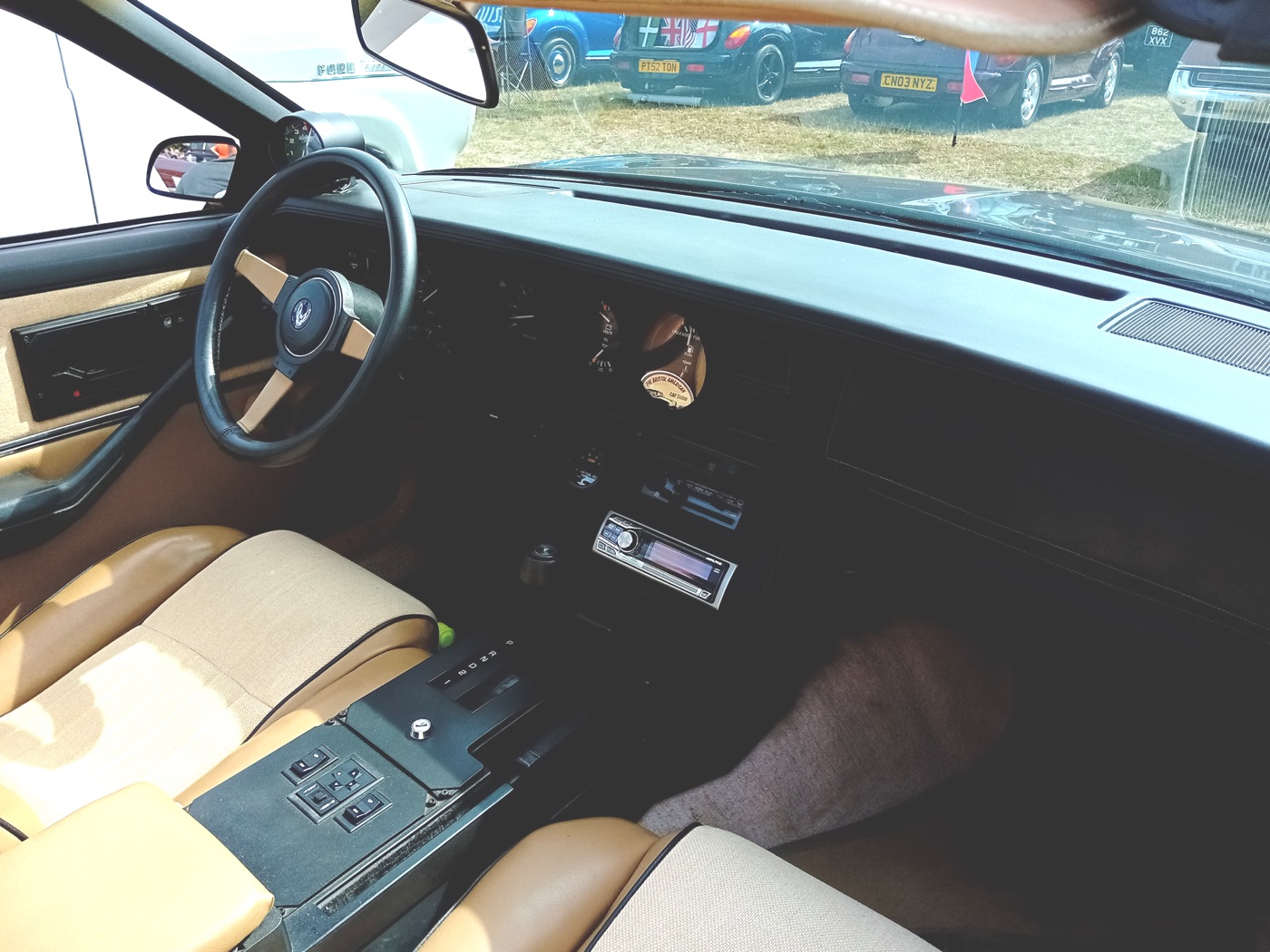
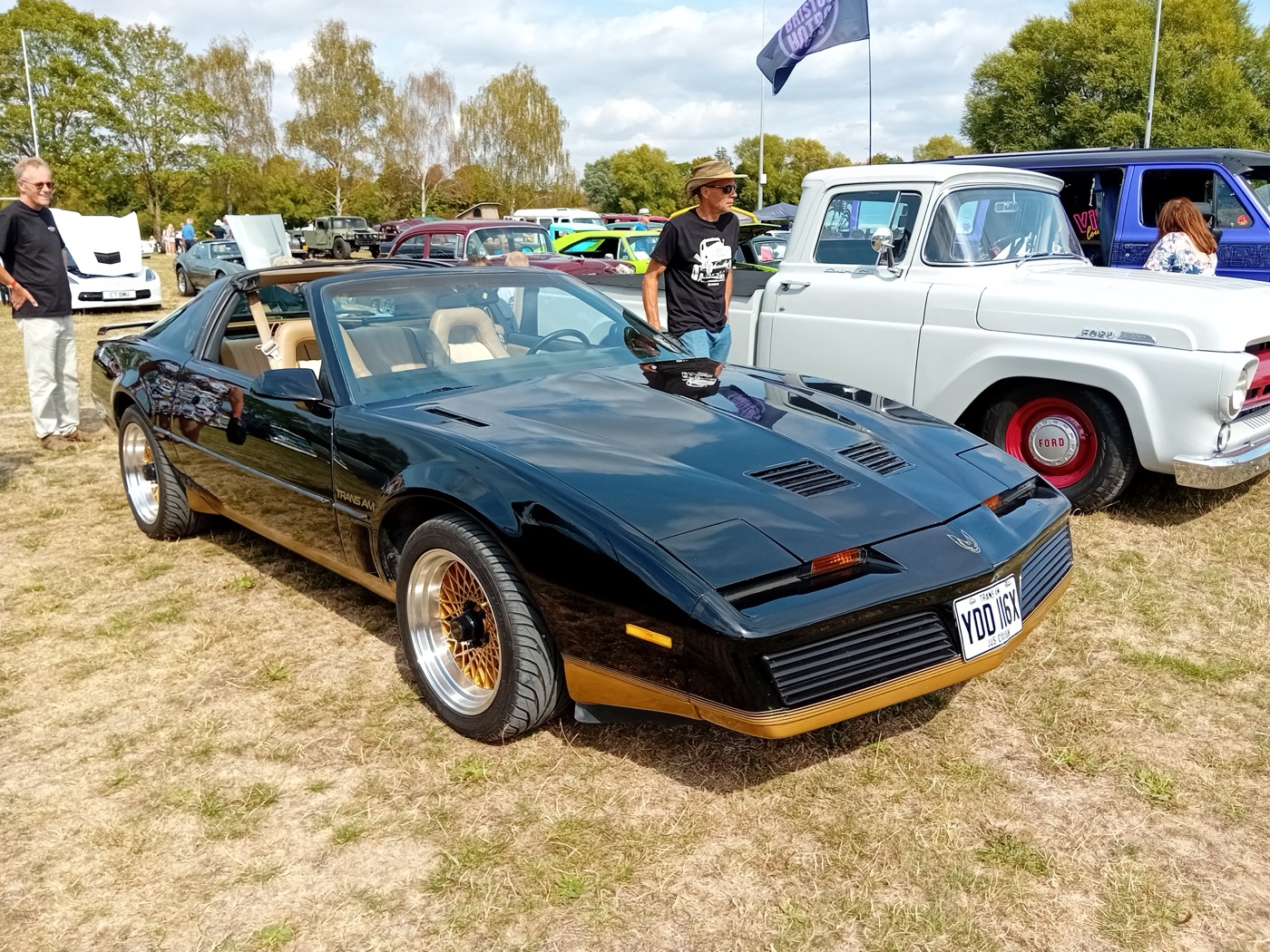
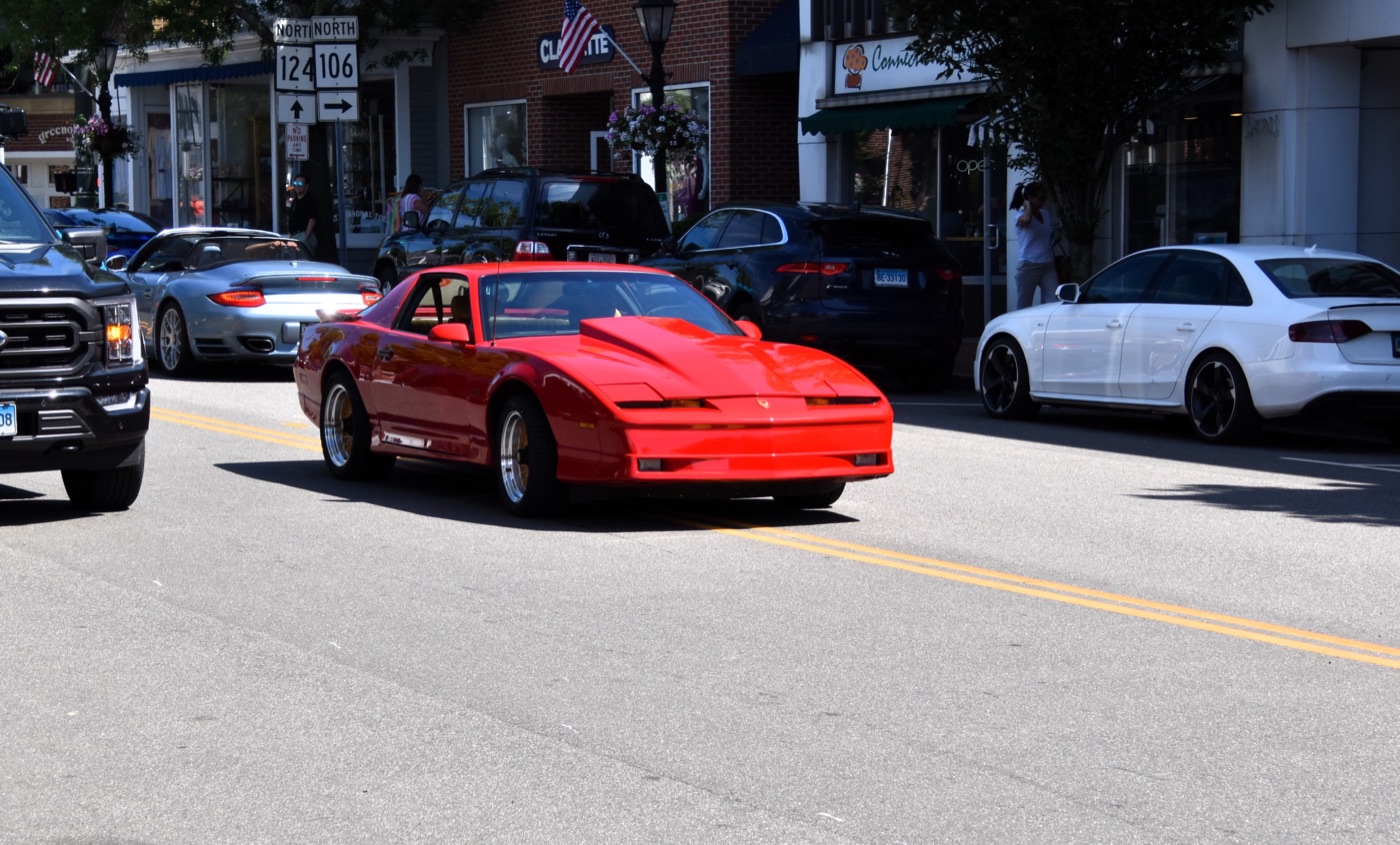
Knight Rider premiered in 1982, and its star car, KITT, was built on a real, mass-production platform: the Pontiac Firebird Trans Am. General Motors partnered with Universal Studios and supplied the Trans Ams used for filming — reportedly around two dozen cars were modified across the show's run, most of them either destroyed during stunt work or retired afterward, with only a handful of genuine screen-used survivors known to exist today. The talking dashboard, the turbo boost, the near-indestructibility were all fiction, obviously. The silhouette — that low, wide, unmistakably American wedge — was a real, ordinary Pontiac you could have walked onto a dealer lot and bought.
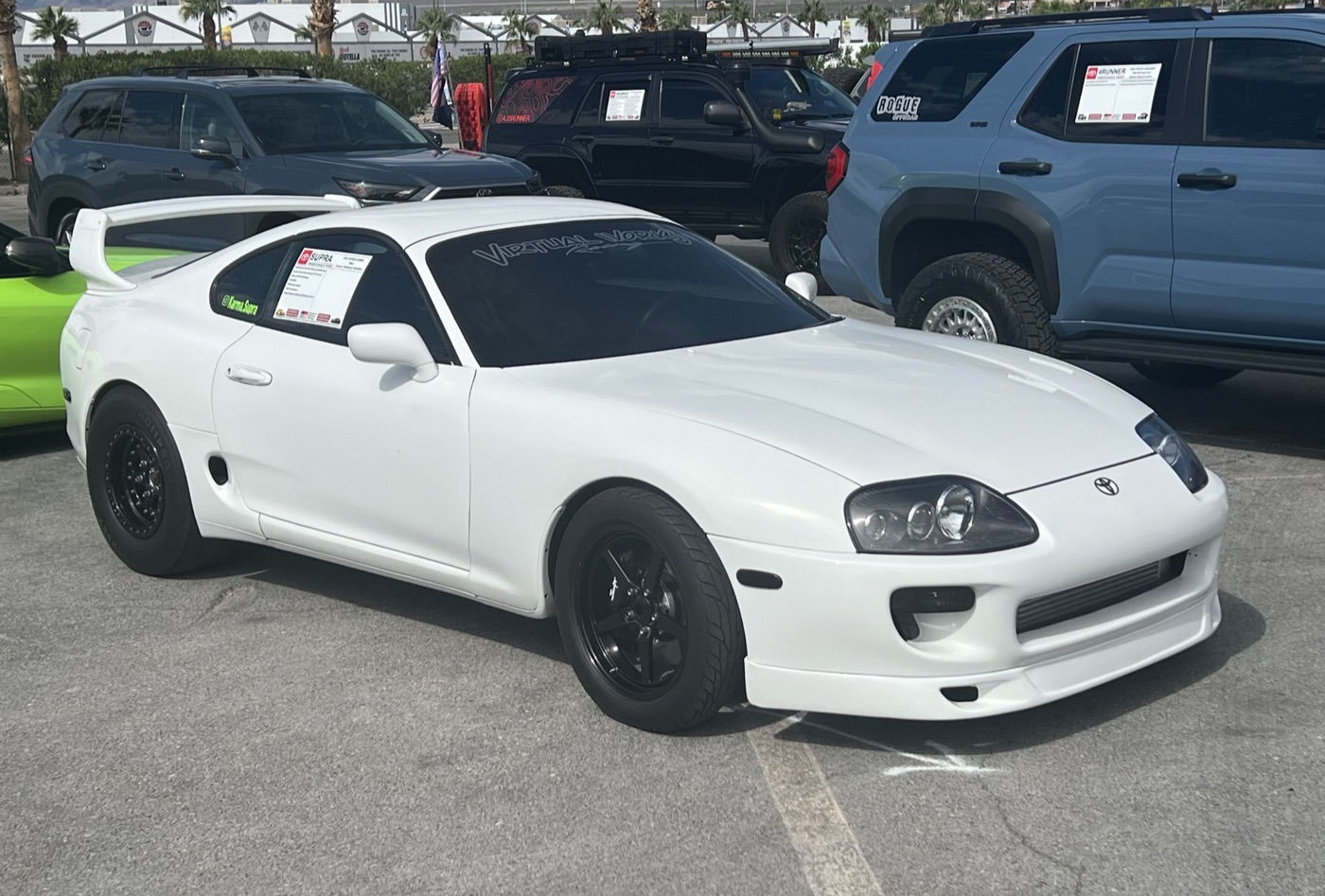
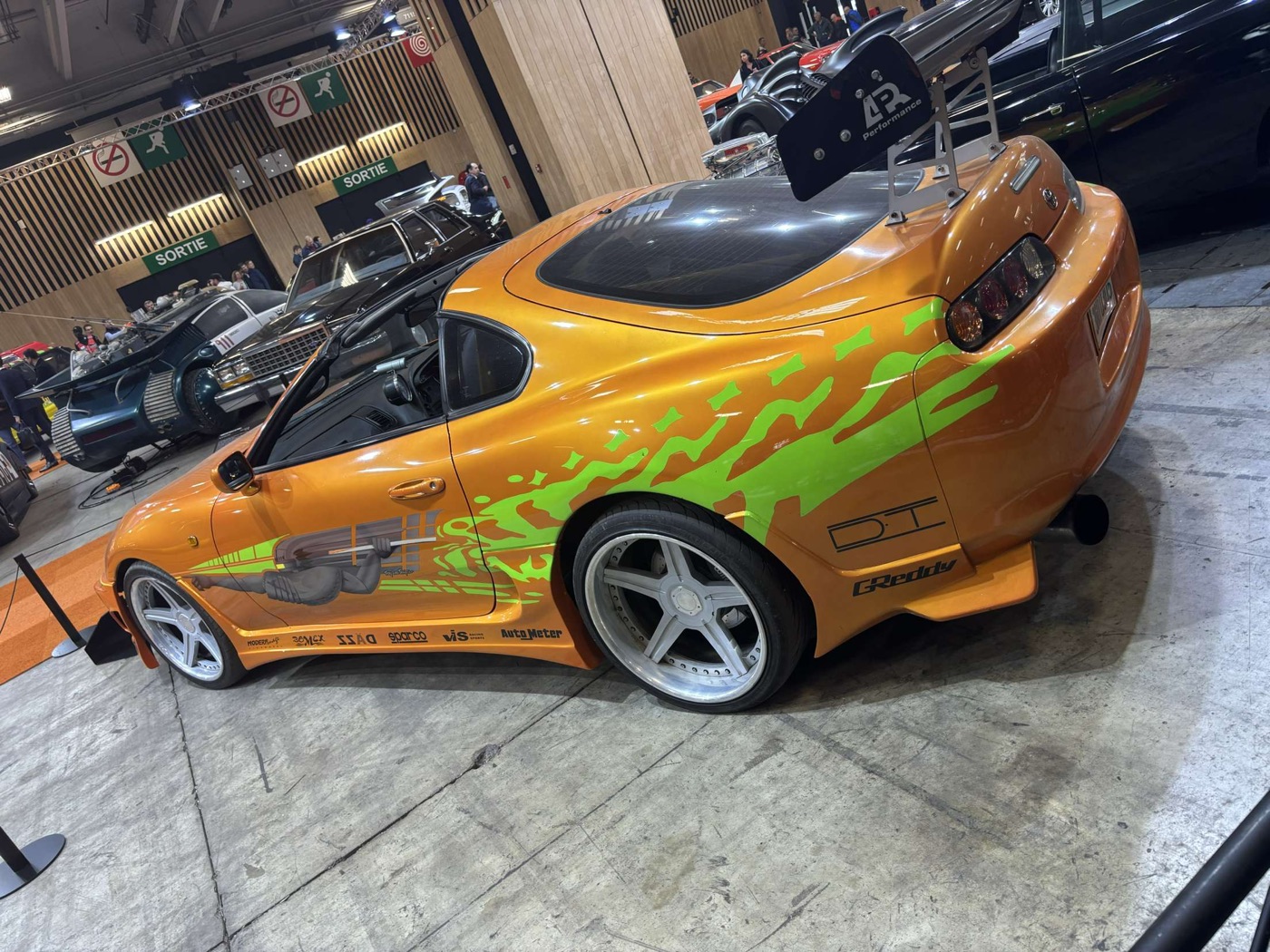
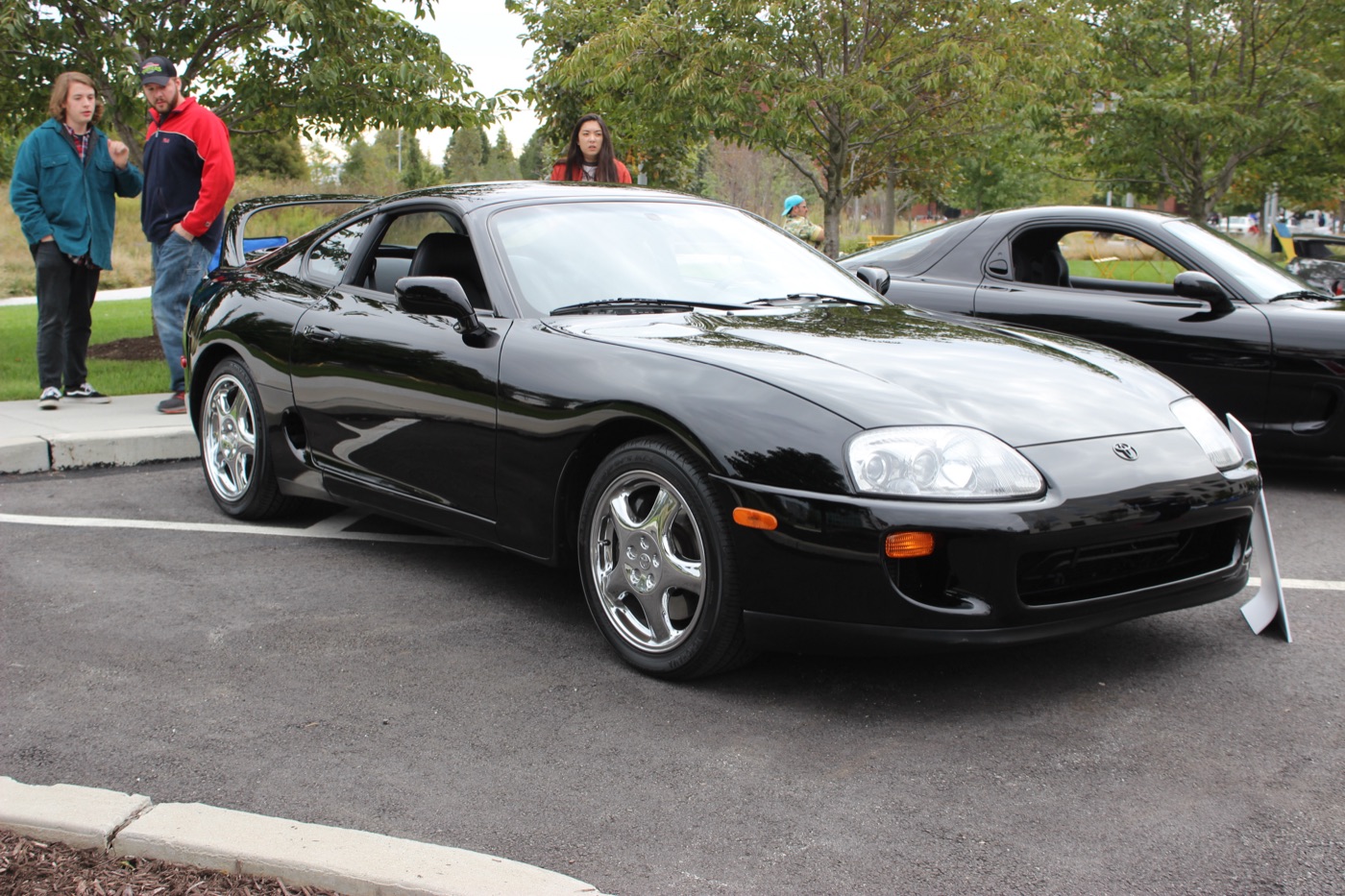
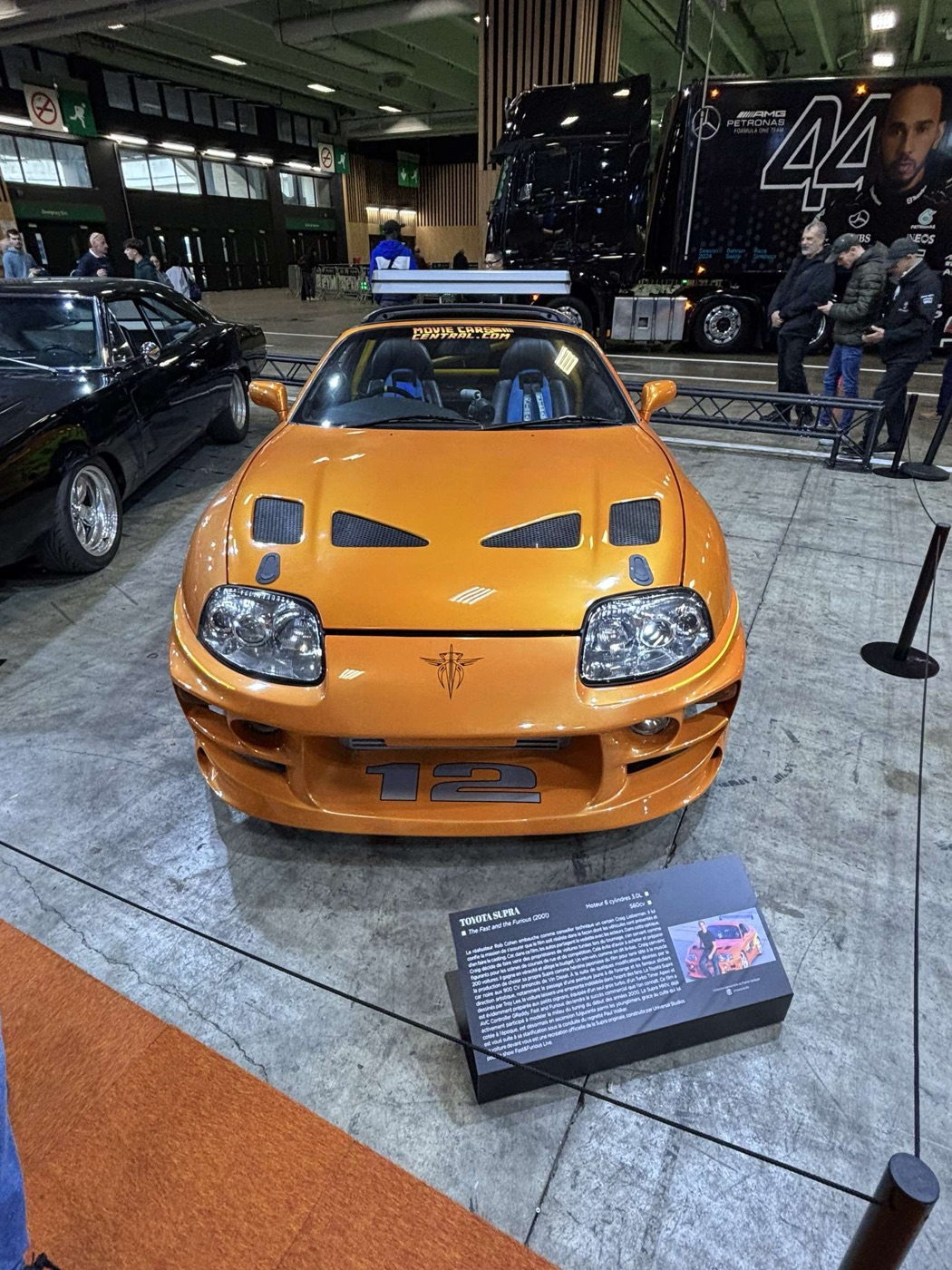
The Toyota Supra: The "Supercar Killer" Built in a Regular Factory
The Supra's reputation was built the honest way — on dyno sheets and street results, not marketing. The fourth-generation Supra (the MK4, built through the 1990s) came with the now-legendary 2JZ-GTE engine, a twin-turbo inline-six that was massively over-engineered from the factory and could handle huge power increases with modification. That reputation, combined with a starring role alongside Paul Walker in the first Fast and the Furious film in 2001, turned an already-respected Japanese sports car into one of the defining car-culture icons to come out of Southern California street racing and car-meet culture specifically — and, two decades later, one of the most expensive.
The Mercedes 560SL: Beverly Hills, By Design
The R107-generation Mercedes-Benz SL, and specifically the 560SL that arrived in US showrooms for the 1986 model year, wasn't trying to be a sports car in the racing sense — it was built as a comfortable, expensive, unmistakably upper-crust convertible, and Southern California embraced it as exactly that. It's the car Eddie Murphy's character borrows and wrecks in Beverly Hills Cop (1984, technically driving an earlier R107 model in that film), cementing the whole silhouette as cinematic shorthand for old-money Los Angeles wealth. The R107 platform had an unusually long production run, from 1971 to 1989, which is part of why it became such a fixture — an entire generation of Angelenos grew up seeing the same shape parked outside the same restaurants.
The Lamborghini Countach: The Literal Poster Car
If one car actually hung on a bedroom wall in this town, it was the Countach. Built from 1974 to 1990, its wedge-shaped body and scissor doors were so far ahead of anything else on the road that it became the default visual definition of "supercar" for an entire generation, poster-taped over more California teenagers' beds than any other single production car of its era. You didn't need to have ever seen one in person to know exactly what it looked like — that's how thoroughly it saturated the culture, largely through print and, later, video games, without ever needing much help from Hollywood at all.
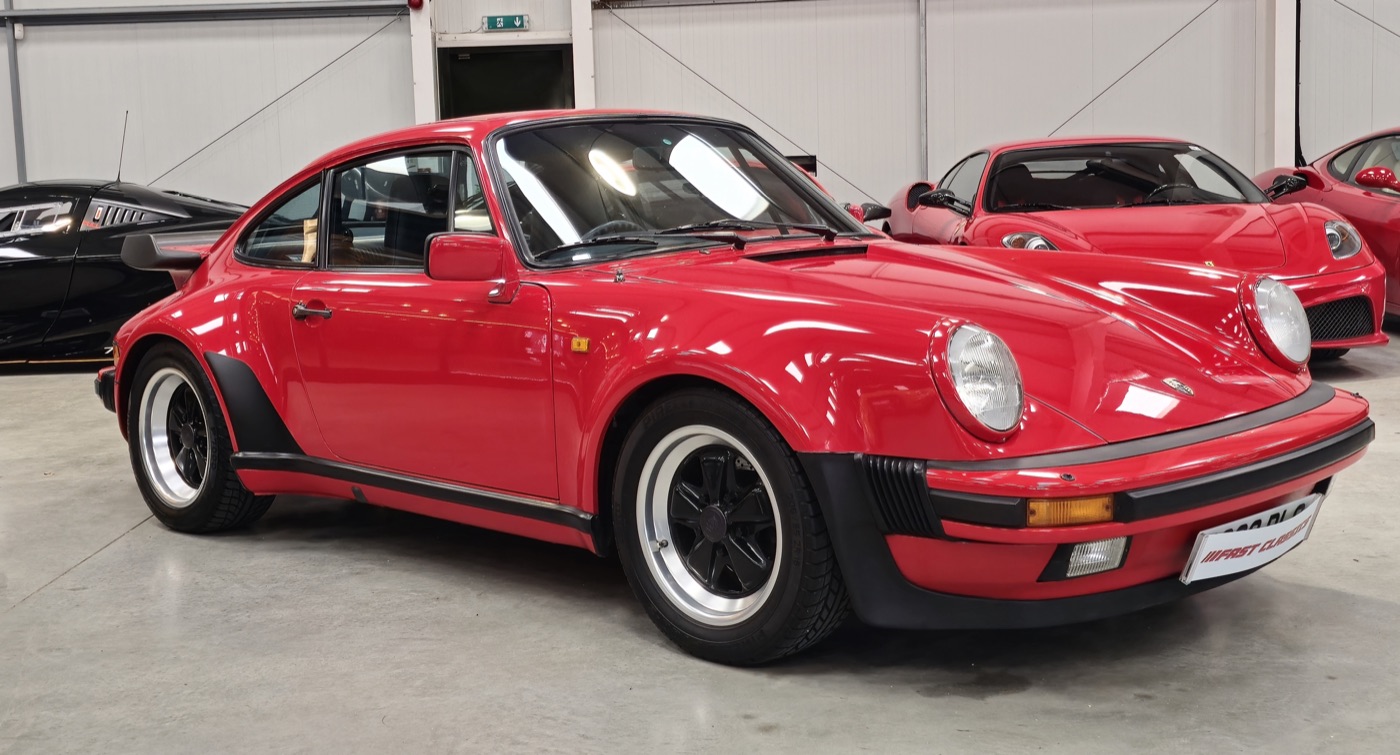
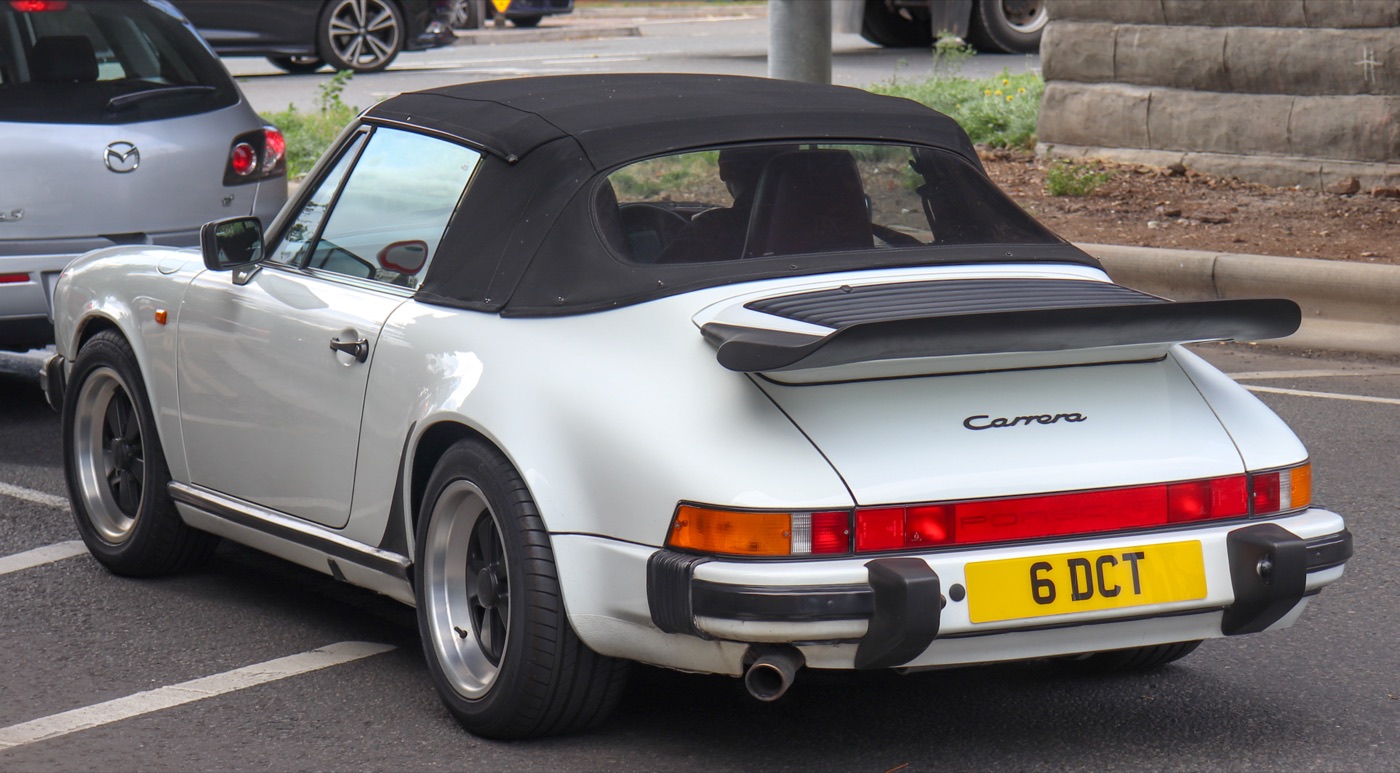
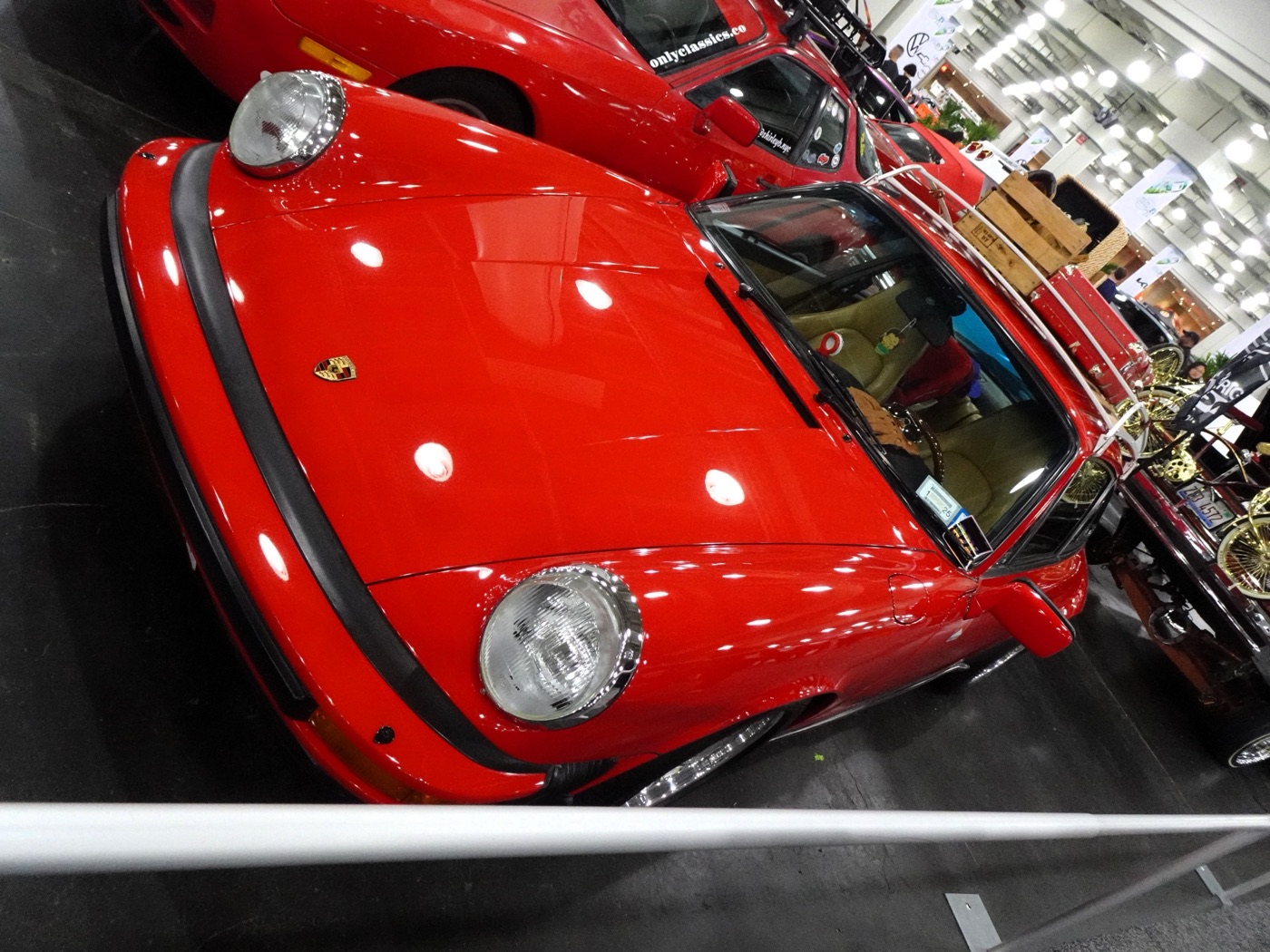
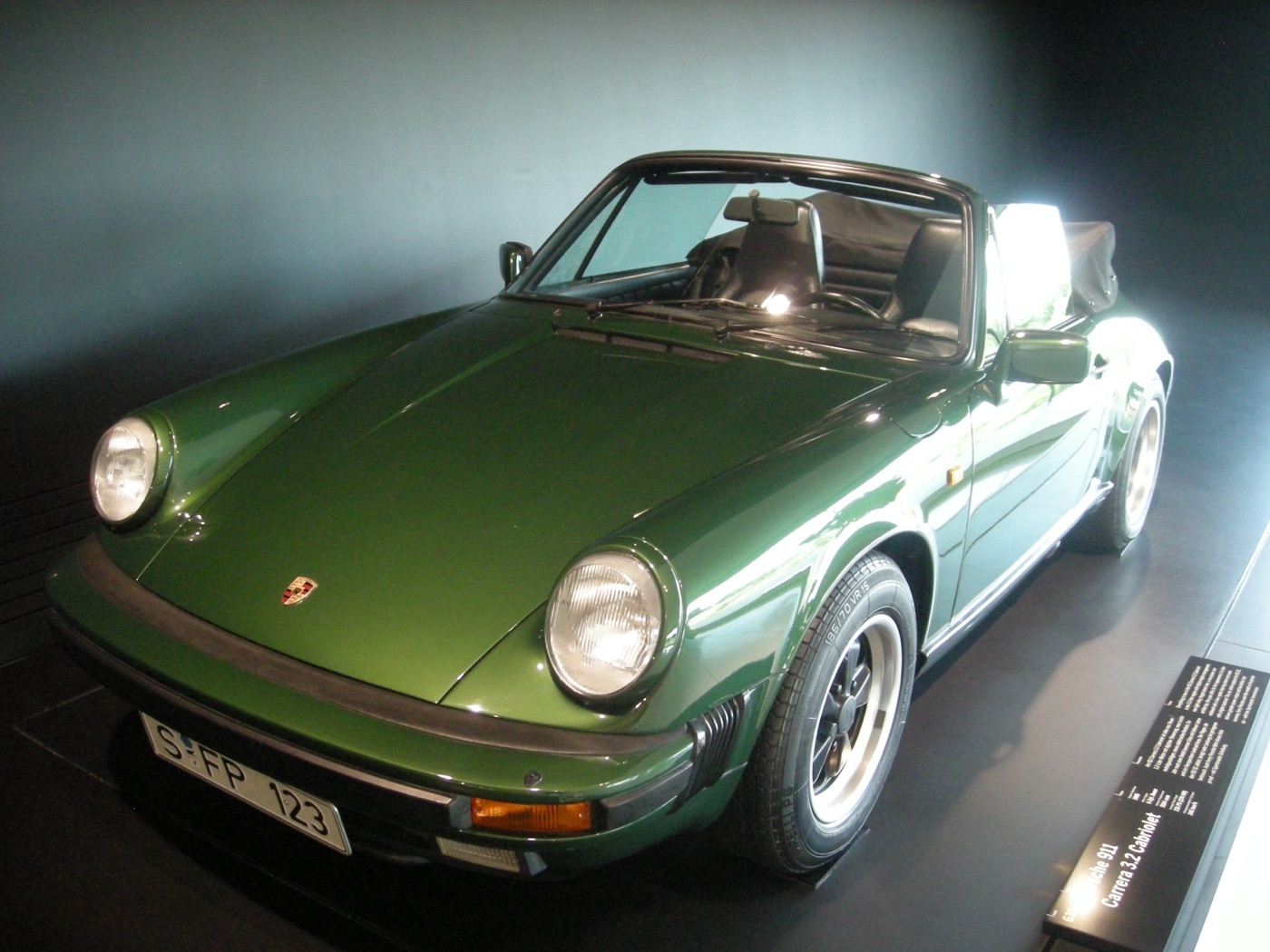
The Porsche 911: The One You Actually Saw
Unlike the Countach, which you mostly saw on a wall, the Porsche 911 — in its many forms across the '70s, '80s, and '90s, including the turbocharged 930 — was the one you actually spotted in real driveways, real canyon roads, and real Beverly Hills valet lines. It wasn't a fantasy object; it was an attainable-enough status symbol that doctors, agents, and a genuinely wide slice of the entertainment industry actually drove day to day, which is precisely why it became such reliable movie and TV shorthand for California success across decades of film and television.
The Lowrider Impala: A Different Southern California, Entirely
Not every car on this list got famous through a movie studio. The lowrider tradition — dropped suspensions, hydraulics, deep candy paint, hopping at a stoplight — was pioneered in the Mexican-American neighborhoods of East Los Angeles starting in the late 1940s, growing directly out of Chicano identity and community, not Hollywood marketing. The Chevrolet Impala, built from 1957 to 1985, became the movement's signature canvas: its long, flat body panels were simply the best surface available for the elaborate custom paintwork lowrider culture became known for. By the 1970s, lowrider car clubs were also doing real community organizing — fundraising, health initiatives — turning the car itself into a genuine act of cultural self-definition, and Lowrider magazine, founded in California, carried that identity nationally for decades.
The Bullitt Mustang: California's Most Famous Car Chase
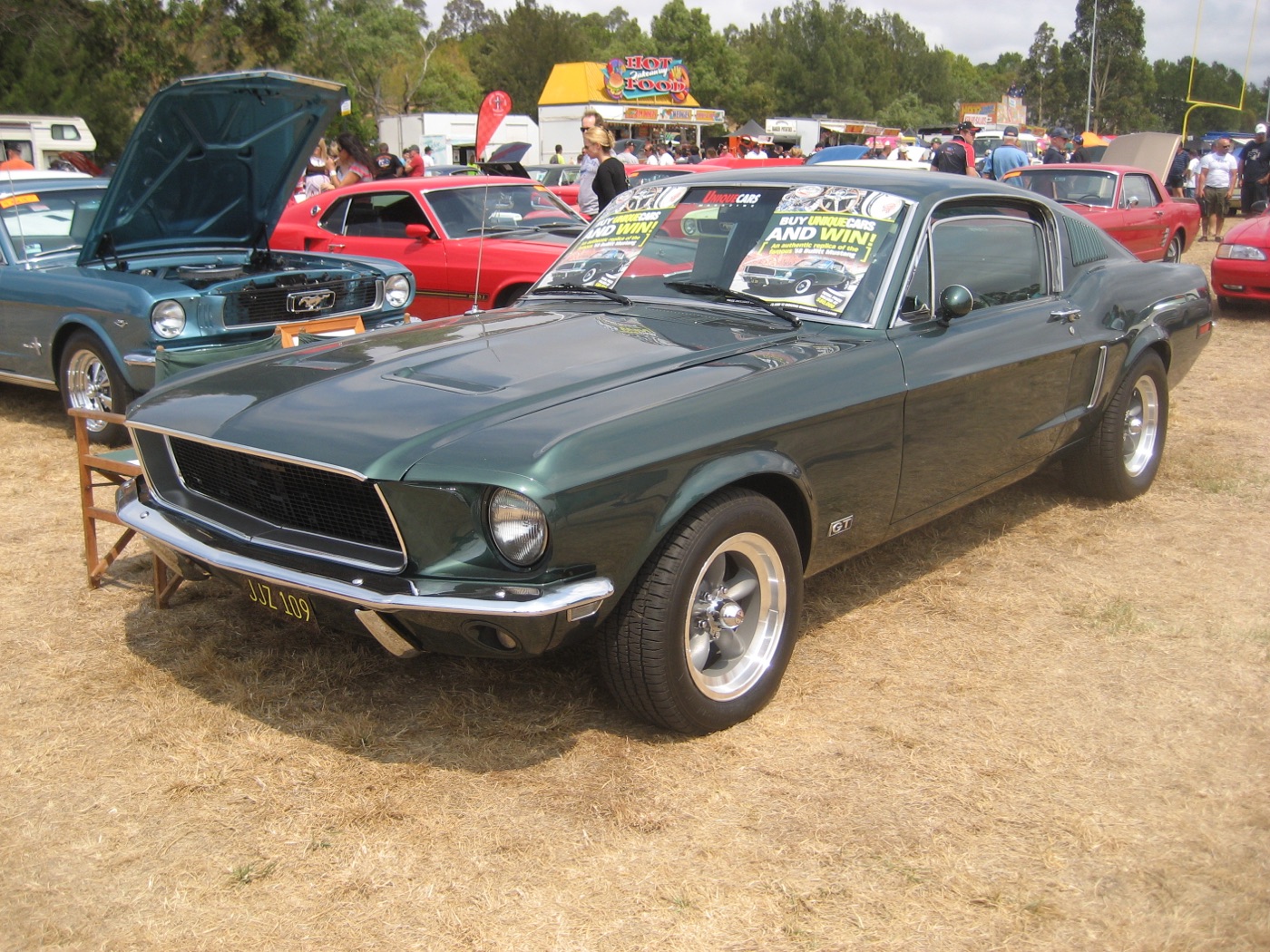
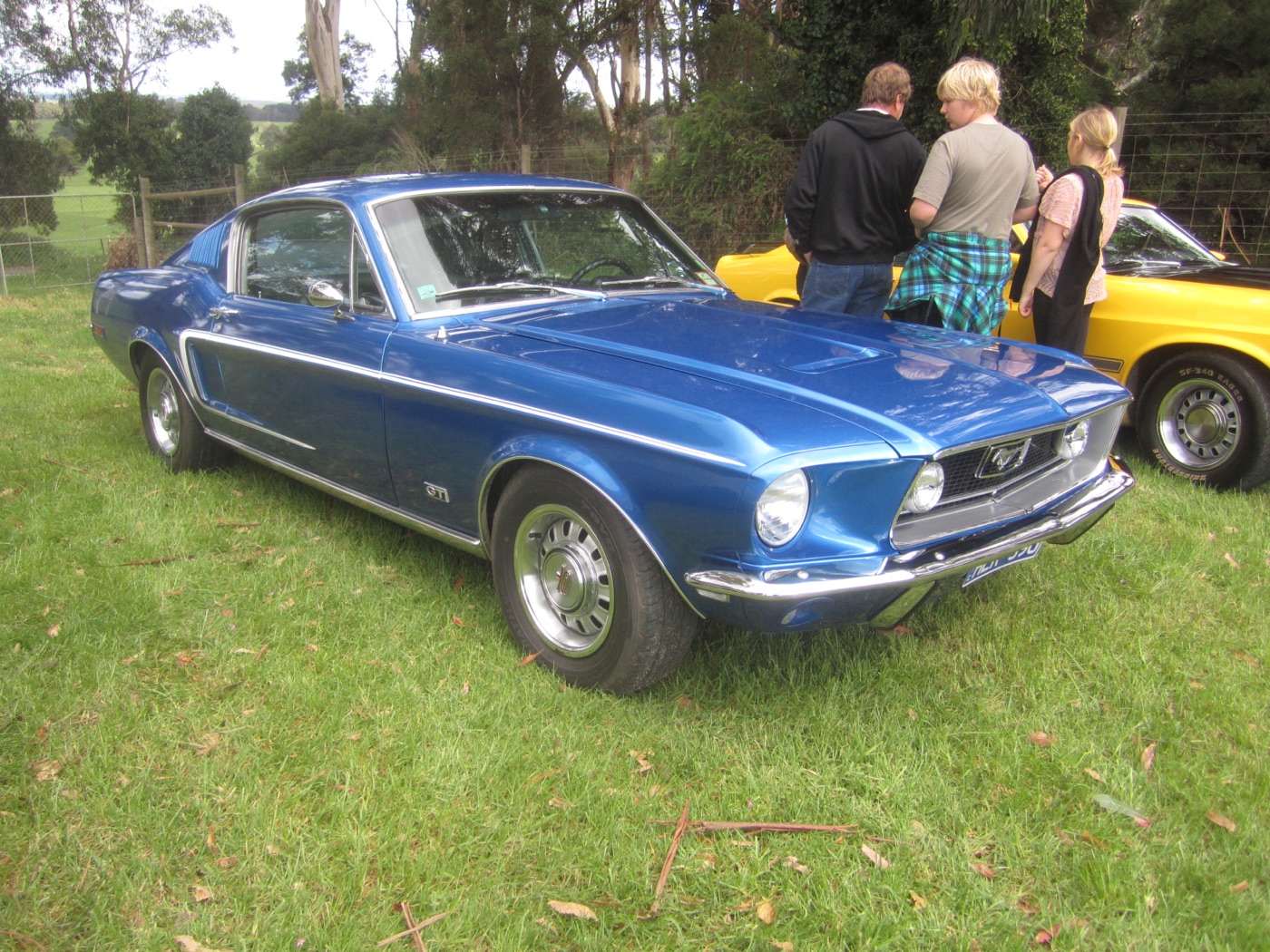
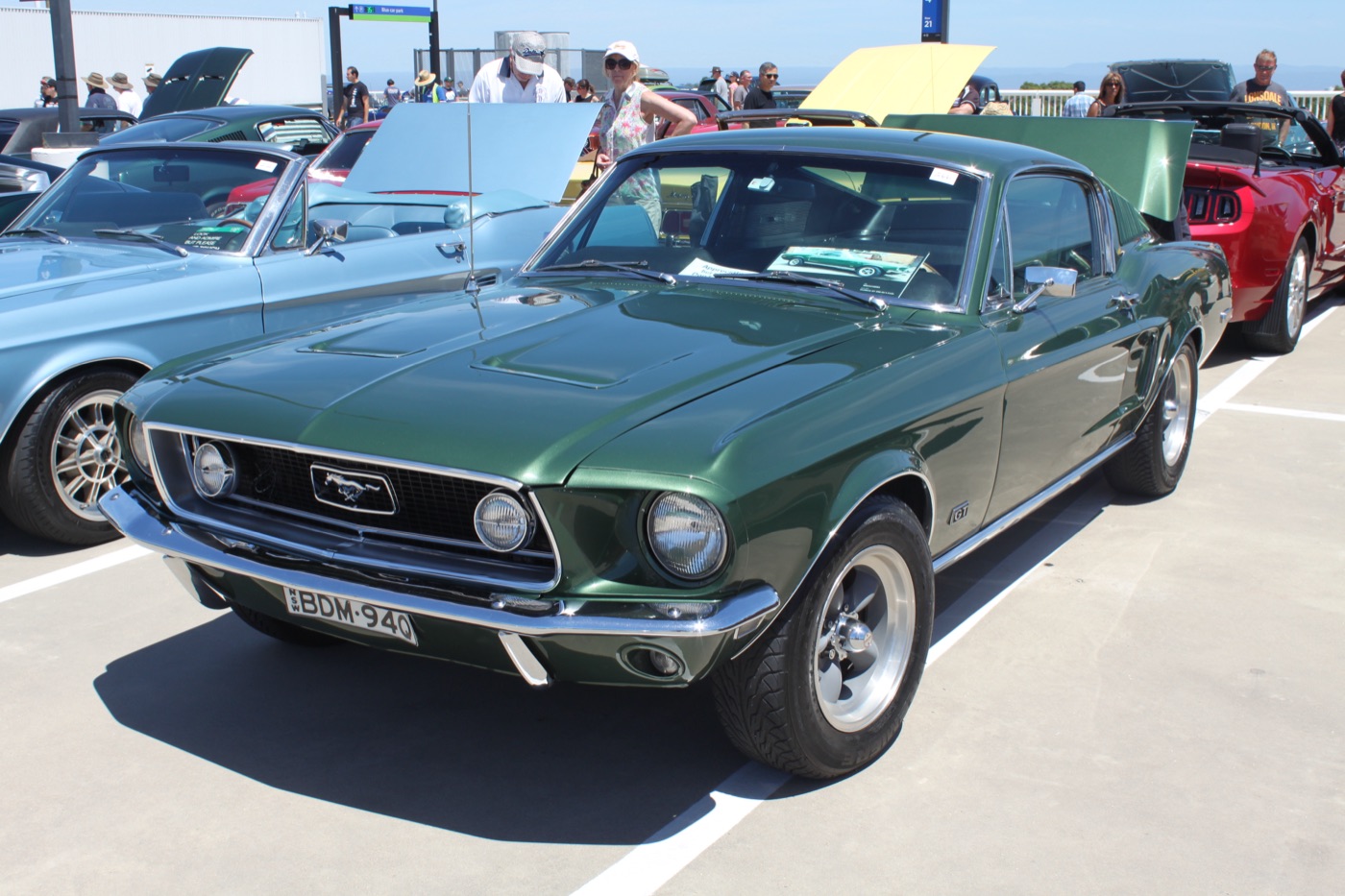
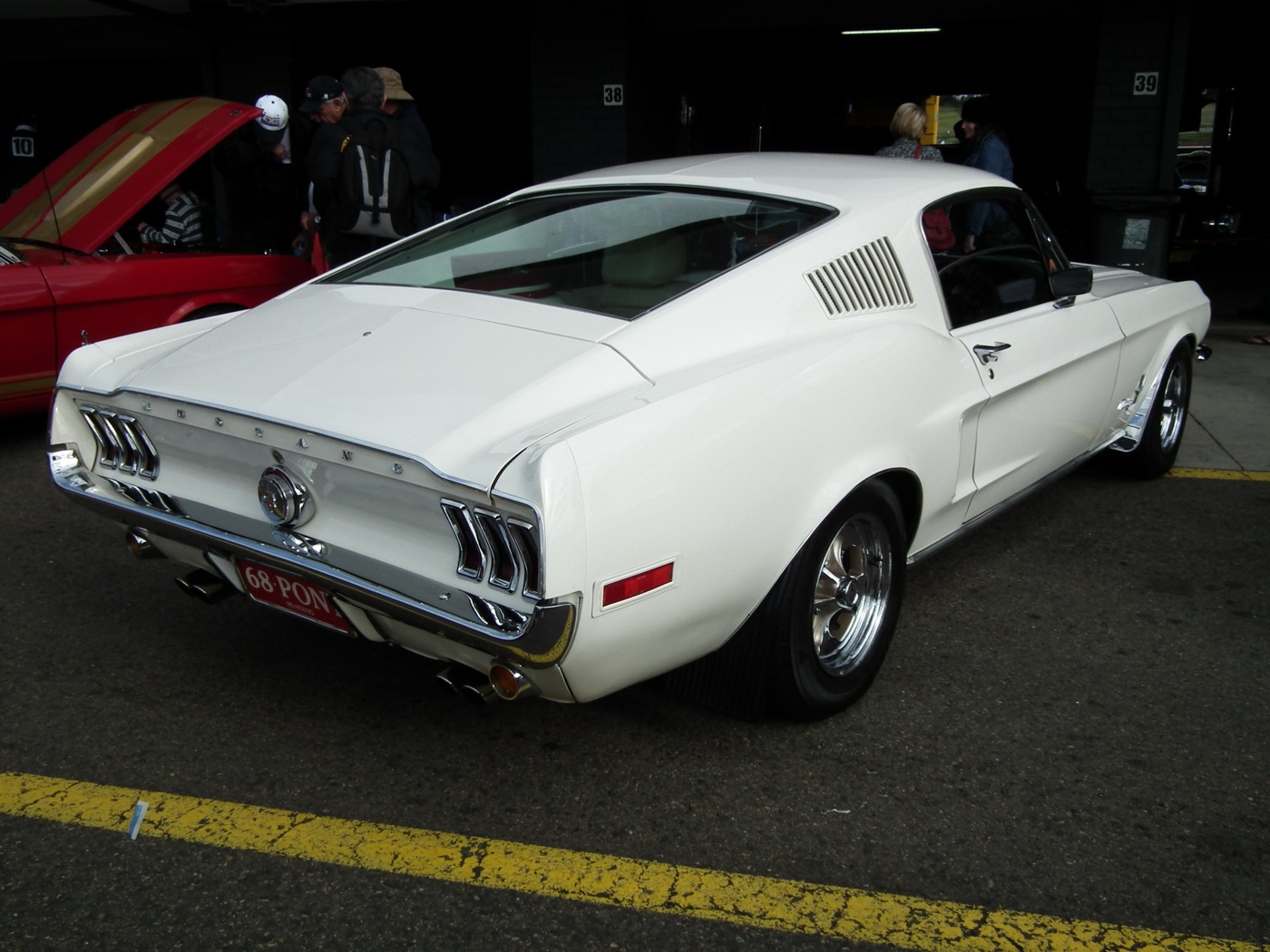
Steve McQueen's Highland Green 1968 Ford Mustang GT 390 fastback ran what's still widely regarded as the greatest car chase in film history through the actual hills and streets of San Francisco — no CGI, filmed on location over two weeks in April 1968, chasing a Dodge Charger. Bullitt wasn't a Southern California production, but it's California through and through, and the film was significant enough to earn a spot in the U.S. National Film Registry in 2007. One of the two real surviving chase cars sold at auction for $3.4 million in 2020 — an extreme outlier, but proof of exactly how much cultural weight this specific Mustang still carries.
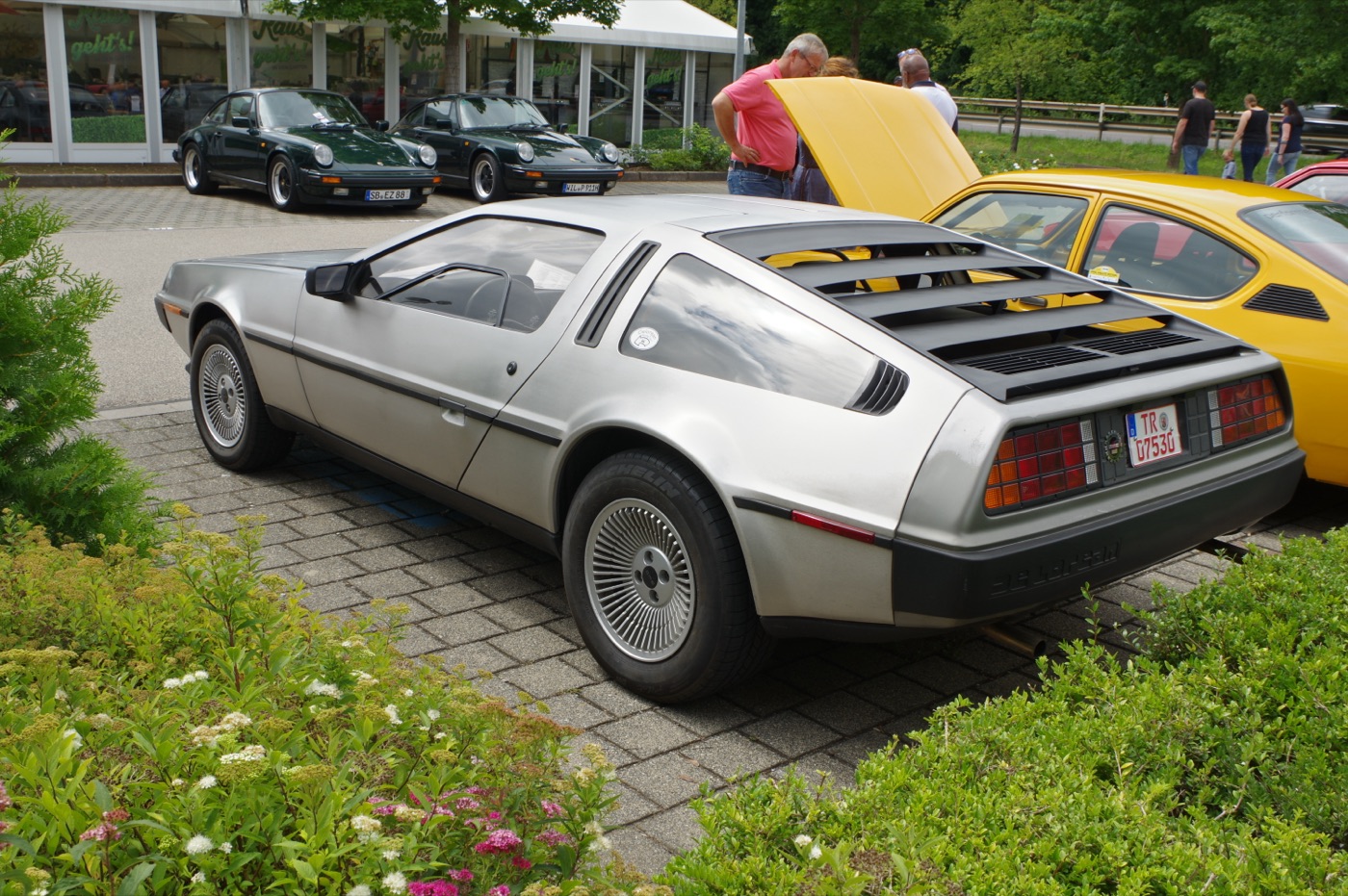
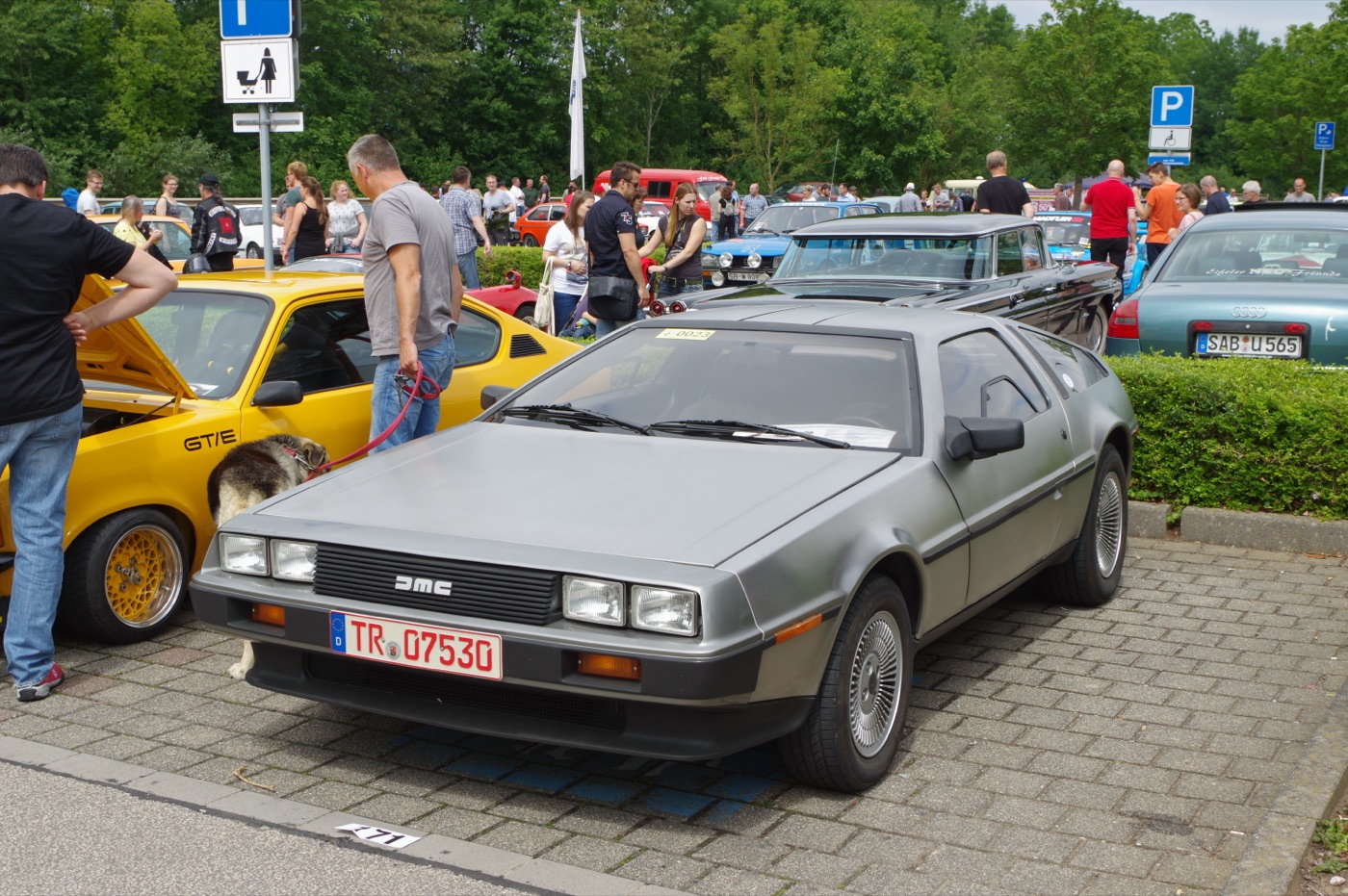
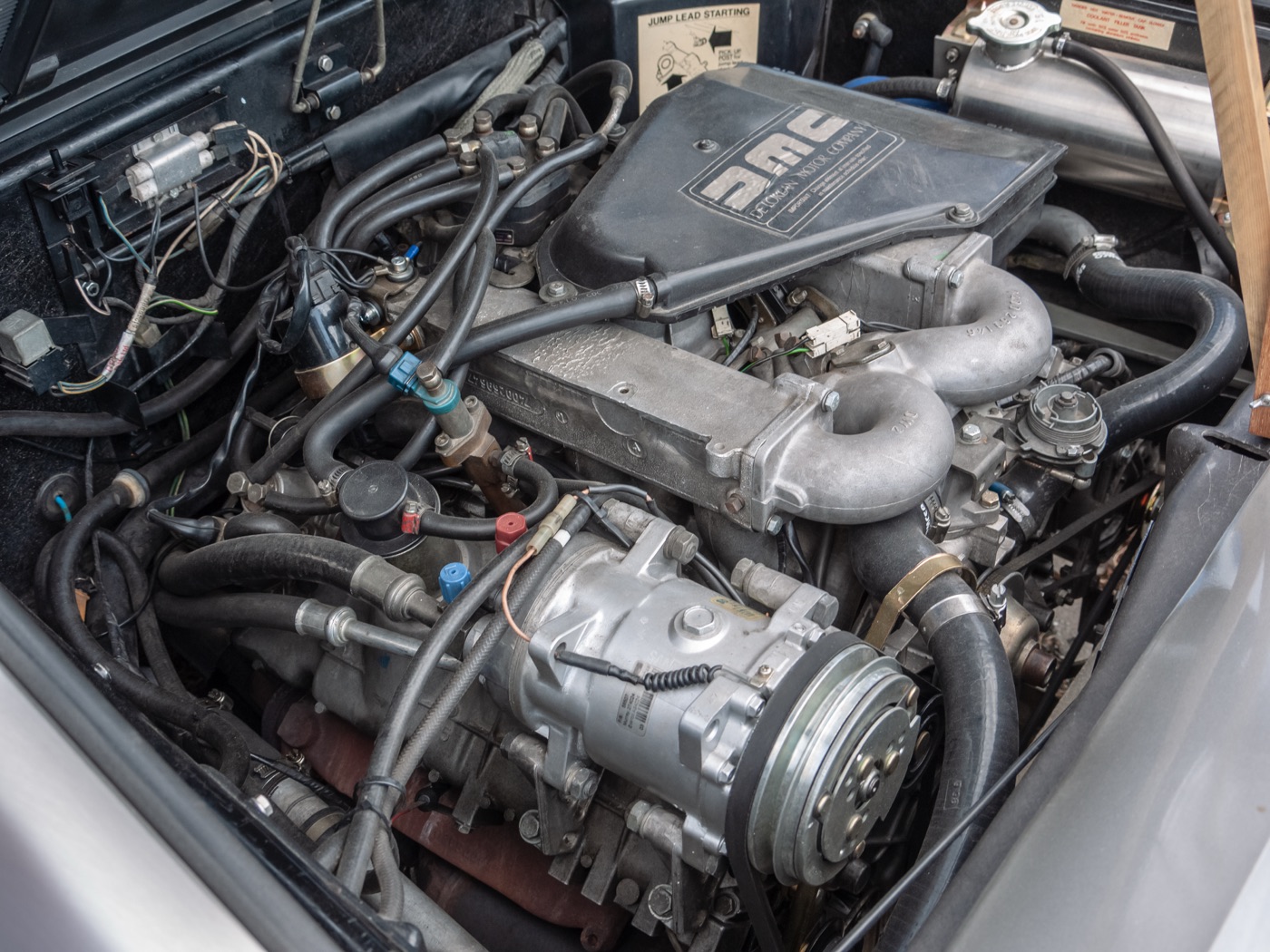
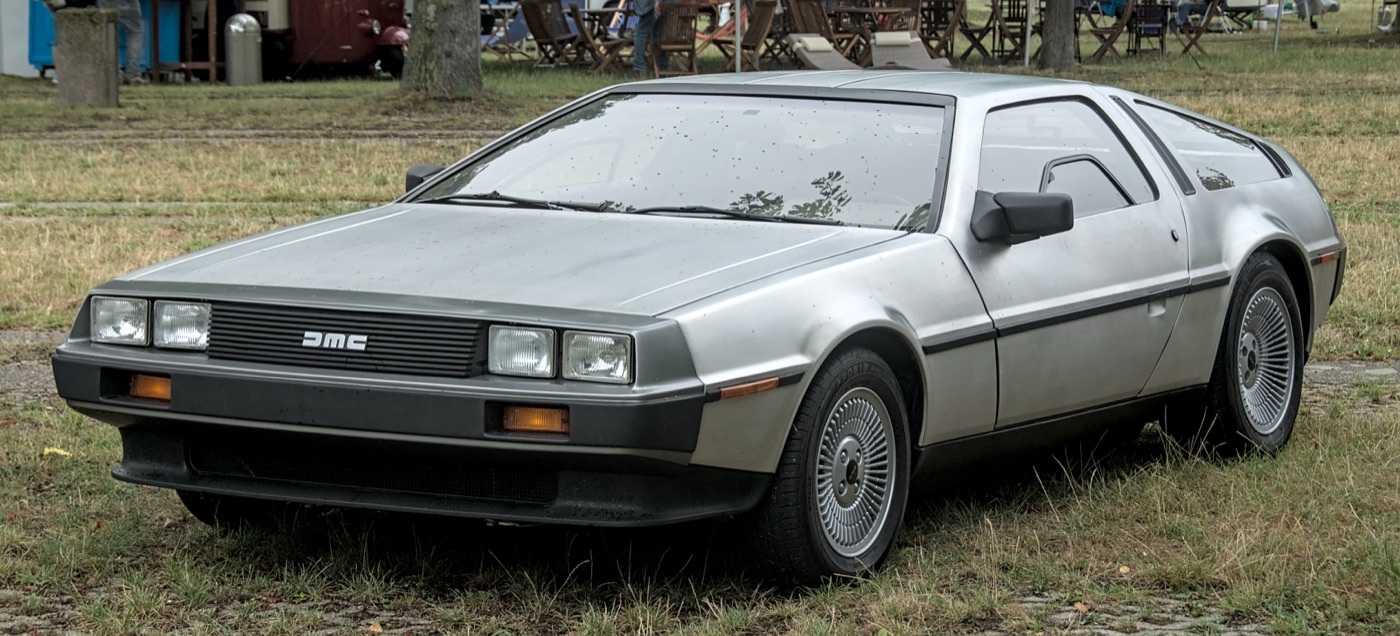
The DeLorean DMC-12: A Flop That Became Immortal
The DeLorean DMC-12 was, on its own commercial terms, a failure — production delays, quality-control problems, and a price that ballooned from a promised $12,000 toward $25,000 sank the company by 1982. Then Back to the Future (1985) bolted a flux capacitor into one, and a struggling stainless-steel sports car became one of the most recognizable vehicles ever put on film, entirely independent of how it actually drove. It's a strange, honest story: the car's real-world flaws are well documented, and its fame has almost nothing to do with them.
The VW Bus: The Surfboard Hauler That Became a Symbol
The Volkswagen Type 2, first built in 1949, found its most enduring American identity along the California coast starting in the 1960s. It fit surfboards, it was cheap to buy and maintain compared to a woodie wagon, and it was easy enough to sleep in for a weekend trip down to Baja. Malibu, Huntington Beach, and Santa Cruz parking lots near good breaks became informal VW Bus conventions, and the image — boards on the roof rack, faded paint, headed south on PCH — became one of the most reproduced visual shorthand for California freedom that exists, well beyond anyone who actually surfs.
The Camaro IROC-Z: The Everyman's Muscle Car
Not every icon on this list was expensive, even new. The Chevrolet Camaro IROC-Z, debuting for the 1985 model year as a spec-racer tie-in with the International Race of Champions, was the attainable performance car parked outside a genuinely enormous number of Southern California high schools through the back half of the '80s. Its 5.0-liter tuned-port V8 made it the first Camaro capable of breaking 7 seconds 0-60, and by 1987 the top trim got the same 350-cubic-inch engine used in the Corvette — real performance credibility at a price a teenager's parents could actually swing.
Pontiac Trans Am
Knight Rider, 1982GM's real production platform, modified for the show.
~$9K–$25KToyota Supra MK4
2JZ-GTE era, 1990sFast and the Furious made it a cultural fixture.
~$90K–$200K+Mercedes-Benz 560SL
R107, 1986–89Beverly Hills Cop cemented it as old-money shorthand.
~$15K–$65KLamborghini Countach
1974–1990The literal poster car of the era.
~$420K–$1.1MPorsche 911 930
1975–1989The one you'd actually spot in a driveway.
~$150K–$300K+Chevrolet Impala
Lowrider culture, East LAChicano car-club history, not Hollywood.
~$36K–$70K+Ford Mustang GT 390
Bullitt, 1968The most famous car chase ever filmed.
~$75K–$170KDeLorean DMC-12
Back to the Future, 1985A commercial flop that became immortal.
~$40K–$100KVW Type 2 Bus
California surf culture, 1960sPCH, surfboards, and a road trip to Baja.
~$18K–$60KCamaro IROC-Z
1985–1990The everyman muscle car of SoCal high schools.
~$12K–$35KWhy These Ten, Specifically
None of these cars needed California to exist, mechanically. Pontiac built Trans Ams for the whole country. Toyota built Supras for a global market. Chevrolet built Impalas everywhere. But the culture that turned them into icons — the film and TV industry, the car-meet scene, the East LA lowrider tradition, the surf culture up and down the coast, the sheer density of driving as identity — happened to concentrate here more than almost anywhere else, and that's the documented, non-mythical reason this specific stretch of coastline ended up as the backdrop for so many of these cars' defining moments. It's also worth saying plainly: this is ten, not fifty. I'd rather cover ten of these honestly, with real research behind each one, than pad a list toward a round number with cars I can't actually back up.
The Volkswagen Type 2 enters production, later adopted by California surf culture.
Lowrider culture begins in East Los Angeles's Mexican-American community.
Bullitt films its Mustang GT 390 chase scene on location in San Francisco.
Lamborghini begins production of the Countach.
Porsche introduces the turbocharged 930, the first production 911 Turbo.
Knight Rider premieres, with a modified Pontiac Trans Am as KITT; the DeLorean DMC-12 company collapses.
Beverly Hills Cop puts a Mercedes R107 on-screen as old-money LA shorthand.
Back to the Future revives the DeLorean's fame; the Camaro IROC-Z debuts.
The 560SL arrives in US Mercedes showrooms.
The Toyota Supra MK4 and its 2JZ-GTE engine build a street-level legend.
The Fast and the Furious turns the Supra into a lasting culture icon.
The Part Nobody Believes: I Still Turn My Head
As I remember it — and I'll admit this is just my own habit, not a documented fact about anyone but me — I've lived here my whole life, and I will still, genuinely, turn my head at a 911 idling at a light, a lowered Impala rolling slow through a parking lot, or catch myself doing a double-take at a wedge-shaped silhouette that turns out to just be a regular Hyundai from a weird angle. It's a little embarrassing to admit in print. These cars did their job too well. They didn't just appear in this place — they became a kind of visual grammar for it, one that apparently never fully wears off, even for someone who's watched it happen his entire life.
Common questions
Was the real KITT car actually indestructible?
No — that was pure fiction for the show. The underlying vehicle was a real, modified Pontiac Firebird Trans Am, and multiple film cars were damaged or destroyed during stunt work across the series' run.
Are these price bands reliable?
Treat them as a rough, current-market snapshot, not a quote — collector-car values move constantly with condition, provenance, and market mood, and by the time you read this they'll already be somewhat out of date.
Which of these cars would you actually still see driving around Southern California today?
The Porsche 911 remains by far the most commonly spotted in everyday traffic, with lowrider Impalas a close second at car shows and cruise nights specifically. The rest are increasingly collector cars, seen more often at shows and auctions than in daily commutes.
Why only ten cars and not more?
Padding this out toward a bigger round number would have meant including cars I couldn't back up with real research and real, clean-licensed photos. Ten, done honestly, beats fifty done thin.
None of these ten cars is fictional, and none of their reputations are exaggerated for effect — a real Pontiac played KITT, a real 2JZ engine earned the Supra's legend, a real Mercedes played Eddie Murphy's ride, a real Lamborghini got taped to bedroom walls, a real Chevrolet Impala carries an entire community's history, and a real Porsche is still the one you'll actually spot today. The myth and the mechanical reality turned out to be the same story the whole time, which is a better outcome than most nostalgia gets.
Legit disclosure. This is an independently researched nostalgia-history article. It contains no affiliate links, paid placement or sponsorship. Personal recollections are identified as such and should not be interpreted as documentary evidence. Facts on KITT/Pontiac Firebird Trans Am production and GM's partnership with Universal Studios, the Toyota Supra MK4's 2JZ-GTE engine, the Mercedes-Benz R107/560SL's model history, the Lamborghini Countach's 1974–1990 production run, the Porsche 930 Turbo's 1975 introduction, East LA lowrider history, the Bullitt Mustang's 1968 San Francisco filming, the DeLorean DMC-12's commercial history, VW Type 2 surf-culture adoption, and the Camaro IROC-Z's 1985–1990 run are drawn from Wikipedia, Smithsonian Magazine, and general, well-documented automotive-history and pop-culture consensus. Rough price bands were pulled from live market data (Classic.com, Hagerty valuation tools, and current dealer/auction listings) in September 2026 and are explicitly time-sensitive estimates, not quotes or offers — Legit's standing no-prices policy is intentionally set aside for this one piece, at the site's own discretion, because these are collector-market ranges presented as ranges, not retail deal or discount claims. All forty photographs are real, independently sourced from Wikimedia Commons under their stated Creative Commons or public-domain licenses, credited individually in each caption; the Knight Rider image specifically shows a themed replica vehicle, not an original screen-used car, and the Mustang's third gallery image is a Bullitt-spec replica, not the surviving screen car — both captioned as such. Donald Kingzley's own recollections are personal and impressionistic, and are presented as such.
Corrections: email us