Quick take
- Oral-B iO and Philips Sonicare have spent years trading blows on brushing mechanics — oscillating-rotating with a magnetic drive vs sonic vibration — plus pressure sensors and app-based coaching on top.
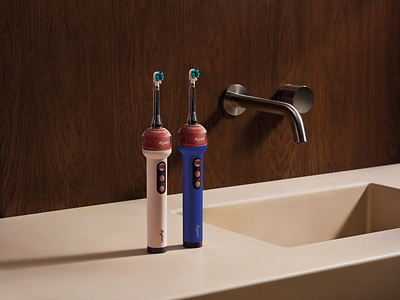
- Dyson's CameraJet, launched September 1, 2026, is the company's first oral-care product and the first electric toothbrush with an actual camera built into the head.
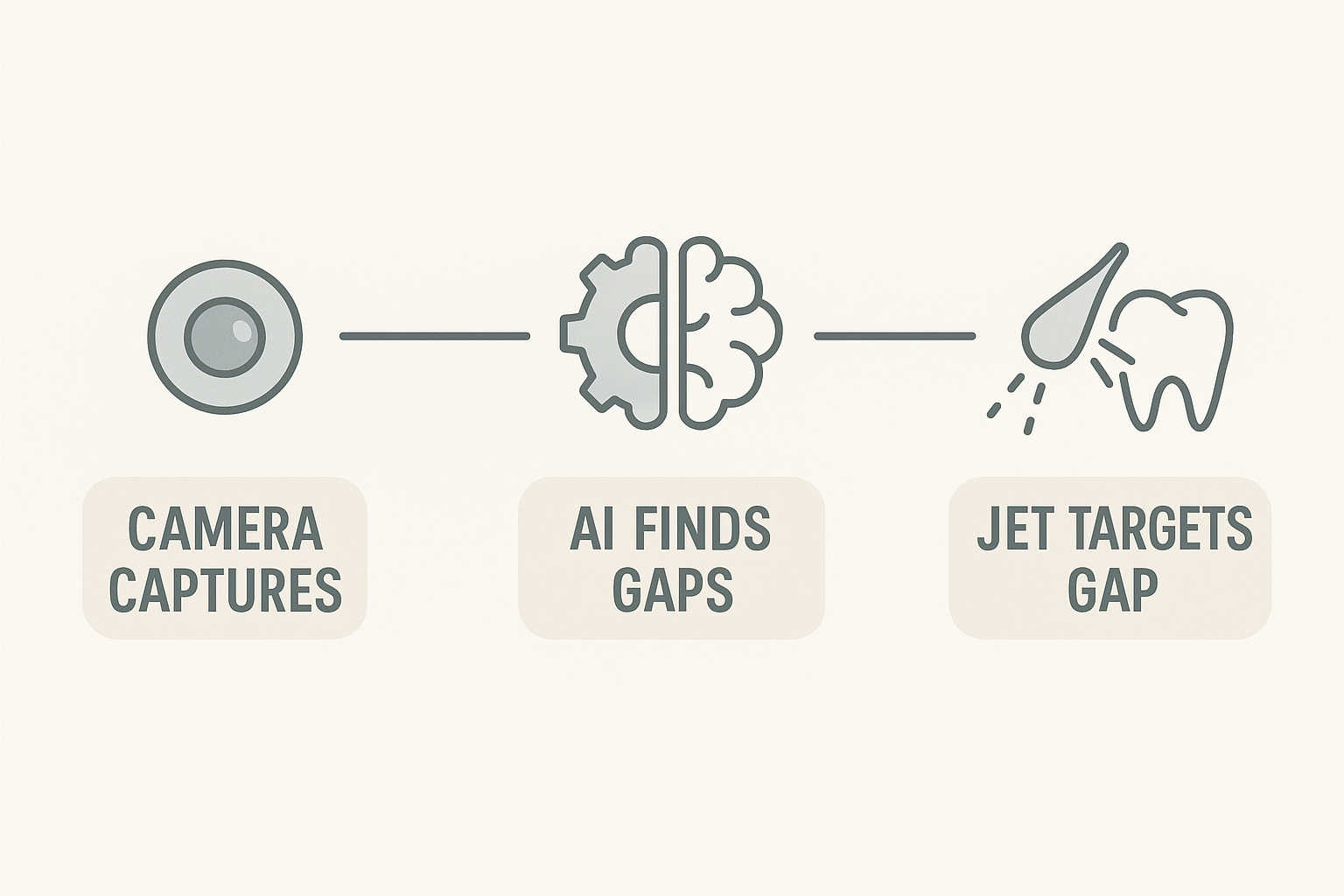
- The camera feeds a machine-learning system Dyson calls Gap Optical Targeting, which finds the gaps between teeth in real time and aims a water jet directly at them.
- Oral-B and Sonicare's "smart" features are about tracking and coaching technique after the fact. Dyson's camera is doing something structurally different: seeing the actual gap and directing water at it while you brush.
- It launches priced well above both established flagships, and it's brand new — no independent long-term dental data exists yet, unlike the decade-plus of clinical study behind Oral-B and Sonicare.
For years, "which electric toothbrush" meant picking a side: Oral-B's oscillating-rotating heads and magnetic drive, or Sonicare's sonic vibration and famously long battery life. Both sides added sensors, apps, and AI-branded coaching over time, but the underlying mechanism — a brush head moving against your teeth — stayed the same. Dyson's first toothbrush doesn't play that game. It puts a camera in your mouth.
The established field: Oral-B iO vs Sonicare
Oral-B's iO series pairs a magnetic-drive brush head with a visible pressure sensor that changes color — red, green, or white — depending on how hard you're pressing, plus an app that uses AI position detection to flag spots you're missing. Independent testing has found the iO line removes meaningfully more plaque and improves gum health versus comparable Sonicare models, particularly along the gumline.
Philips Sonicare's advantage has never really been raw cleaning claims — it's battery life. Premium Sonicare handles routinely run two weeks or more per charge, while comparable Oral-B iO models often fall short of that. For anyone who travels a lot or just forgets to charge things, that's not a small difference.
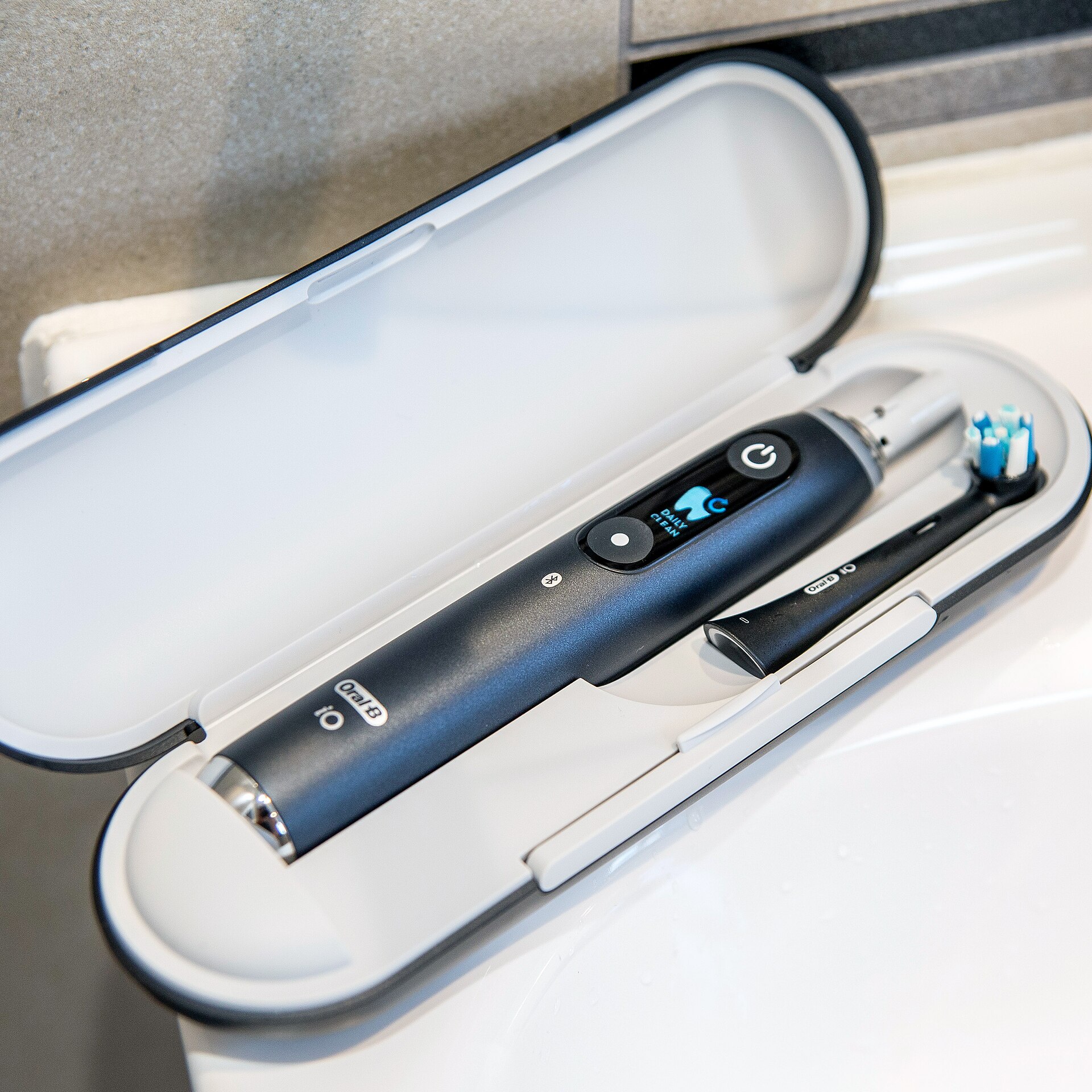
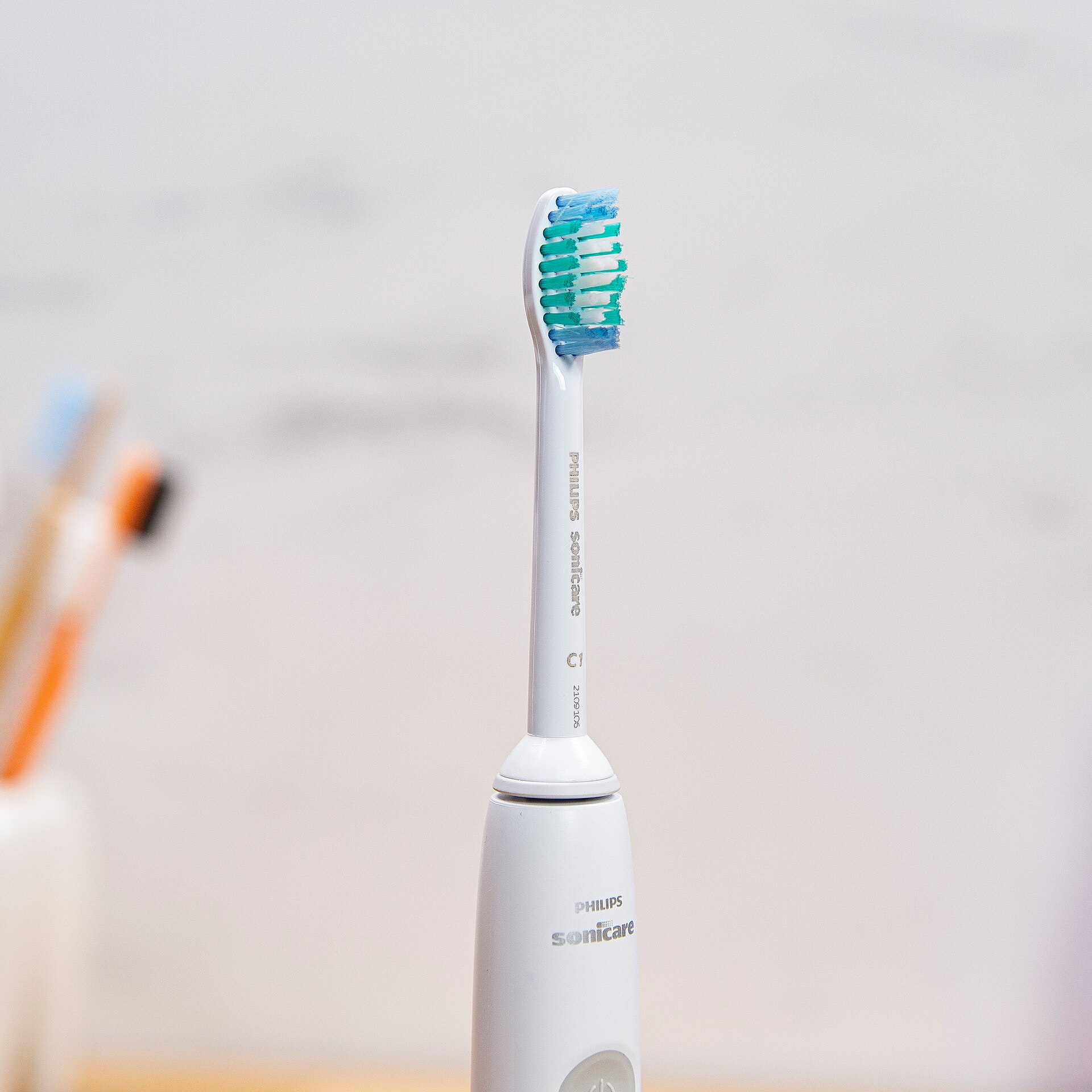
Both brands' "smart" features work the same basic way: sensors capture how you're brushing — pressure, position, coverage — and an app tells you afterward (or via light-up feedback in the moment) how to correct it. It's real, useful coaching. It is not, in any literal sense, the toothbrush seeing anything.
What Dyson is doing that nobody else does
The CameraJet's headline feature is exactly what it sounds like: a 100,000-pixel macro-lens camera built into the brush head, capturing 28 images per second while you brush. Dyson's machine-learning system — Gap Optical Targeting — analyzes that live feed to identify the gaps between your teeth as you go, then directs a targeted water jet at those specific gaps to help dislodge plaque and debris, at what Dyson describes as lower pressure than a standalone water flosser.
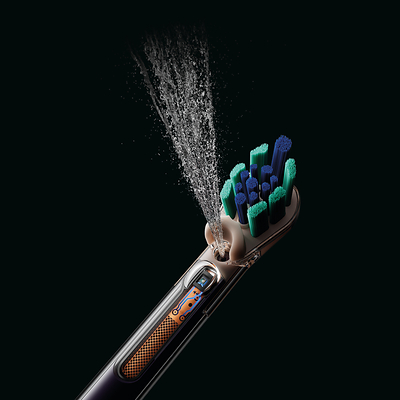
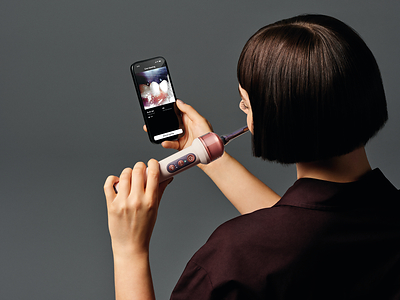
The brush head itself is also a real departure: a dual-bristle design meant to clean along the gumline while lifting surface stains, using variable sonic oscillation Dyson says keeps the bristles actively moving even when they're pressed against a tooth surface rather than stalling out. It's a sonic brush at its core, closer in spirit to Sonicare's mechanism than Oral-B's — the camera and jet are the actual new territory, not the brushing motion.
Side by side
| What it does | Oral-B iO | Philips Sonicare | Dyson CameraJet |
|---|---|---|---|
| Core mechanism | Oscillating-rotating, magnetic drive | Sonic vibration | Sonic vibration, dual-bristle head |
| Interdental cleaning | Brush head only | Brush head only | Camera-aimed water jetonly one with this |
| Real-time feedback | Color-changing pressure sensor | Pressure sensor (select models) | Live camera feed in-apponly one that "sees" |
| Battery life | Often under 2 weeks on premium models | 2+ weeks, typicallongest | Not yet independently tested long-term |
| Independent clinical data | Years of published studies | Years of published studiesmost established | None yet — brand new |
| Category maturity | Established flagship | Established flagship | First-generation productnewest by far |
The honest tradeoffs
None of this makes the CameraJet an automatic upgrade. It launches priced well above both the Oral-B iO9 and Sonicare's own flagship — a meaningfully bigger investment than either established option, for a first-generation product with zero independent long-term data behind it. Oral-B and Sonicare both have years of published clinical research backing their plaque-removal and gum-health claims; Dyson has its own launch-day description of the technology and nothing external yet to check it against.
There's also a practical question neither Oral-B nor Sonicare has to answer: does a camera and water jet in a toothbrush head hold up to years of daily bathroom use — drops, toothpaste buildup, hard water — the way a simpler mechanism does? That's not knowable yet. It's the real cost of being first.
Common questions
Is the Dyson CameraJet actually the first toothbrush with a camera?
Yes, per Dyson and multiple outlets covering the September 2026 launch — it's described as the first toothbrush combining a built-in camera with a targeted water jet aimed by machine learning.
Is Gap Optical Targeting the same as a water flosser?
Conceptually related but not identical — Dyson says the jet operates at lower pressure than a standalone water flosser and is aimed specifically at gaps the camera detects in real time, rather than being manually directed by the user.
Does Oral-B or Sonicare have anything like this?
No. Both brands' current smart features are sensor- and app-based coaching — pressure detection, position tracking, brushing-pattern feedback — not a literal camera capturing what's happening in your mouth.
Which one actually cleans better?
Independent testing supports Oral-B iO's plaque-removal and gum-health claims over Sonicare on core brushing mechanics. Dyson's camera-and-jet system targets a different problem — interdental gaps — and hasn't had independent long-term testing yet, so it can't honestly be ranked against either on cleaning performance.
Oral-B and Sonicare aren't standing still, but their "smart" features are fundamentally about better feedback on the same brushing motion they've refined for a decade. Dyson's camera is a genuinely different approach — not a bigger number on a spec sheet, but a toothbrush that can actually see the gap it's trying to clean. That's real technical differentiation, not just marketing language.
Whether it's worth the jump is a separate question from whether it's real. It's a first-generation product at a premium well above two proven flagships, with no independent track record yet. The honest read: Dyson found a genuinely new angle on a mature category — the rest is going to take a few years of real-world use to prove out.
Disclosure. This is an independent comparison, not sponsored by or affiliated with Dyson, Procter & Gamble (Oral-B), or Philips. No product is sold or recommended in this article, and no prices are quoted — they move too fast for an article to stay accurate. Photography is a mix of official Dyson press materials and Wikimedia Commons, credited per image above. Illustrations are AI-generated (OpenAI gpt-image-1), used only for conceptual diagrams — never to depict a real product or brand mark.
Corrections: email us