Quick take
- The 12Cilindri replaces the 812 Superfast as Ferrari's flagship front-engine V12 grand tourer, built on an all-new aluminum spaceframe chassis.
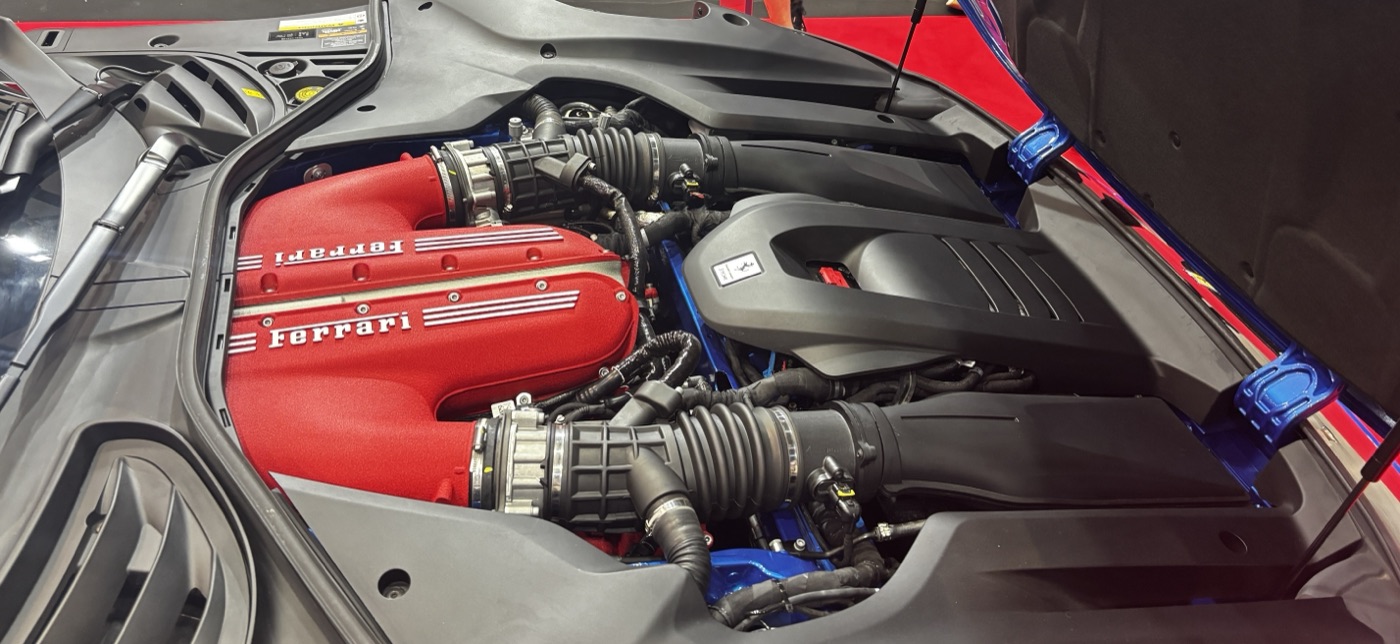
- Its 6.5-liter naturally aspirated V12 makes 830 hp at a screaming 9,250 rpm — no forced induction, no electric motor assist, at a time when almost every rival has moved to one or both.
- 0–60 mph comes in 2.9 seconds, with a top speed of 211 mph, backed by an 8-speed dual-clutch transmission and rear-wheel steering.
- Starting price lands around $472,000 for the coupe, squarely in the $400K–$500K hypercar band — with a Spider convertible variant starting higher, around $515,000.
Almost every hypercar and flagship supercar launched in the last five years has reached for a turbocharger, an electric motor, or both to hit its power numbers. Ferrari's own SF90 and 296 both do it. So does McLaren's Artura, Lamborghini's Revuelto, and most of what's left of the segment. The 12Cilindri is the holdout: a 6.5-liter V12 that makes 830 horsepower purely through displacement and a 9,250 rpm redline, with nothing bolted on to help it along. In a market rapidly leaving pure internal combustion behind, that's not a nostalgia play — it's a genuinely rare engineering choice at this price point in 2026.
What it actually is
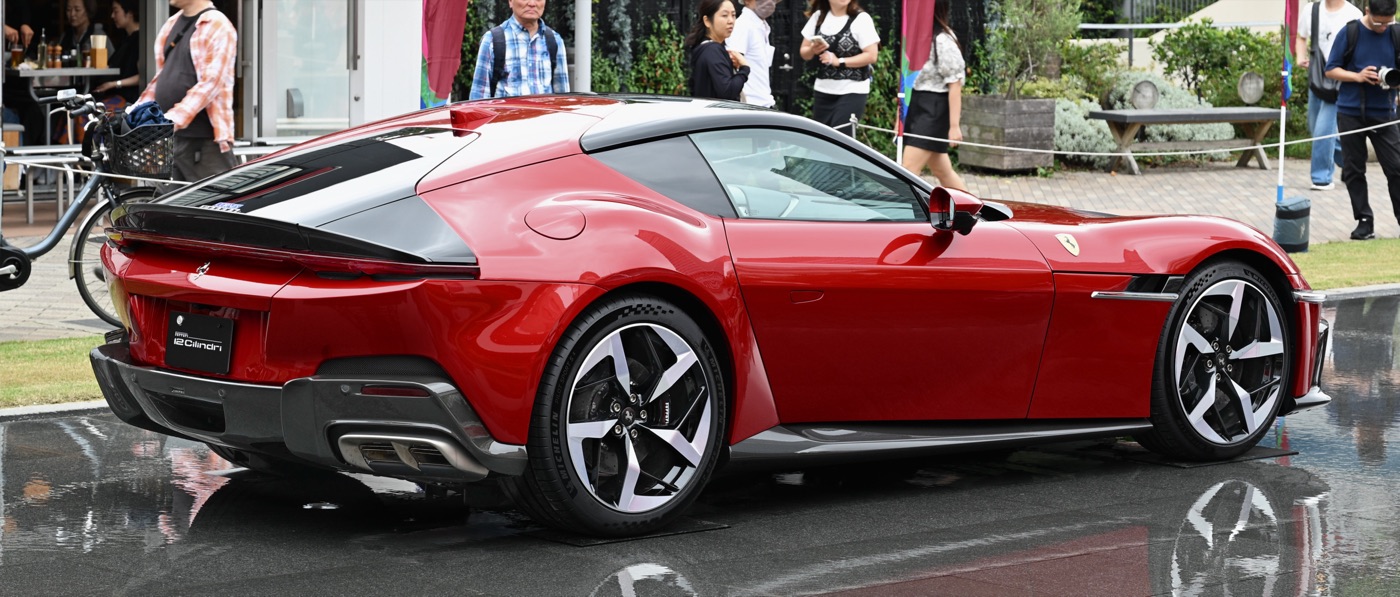
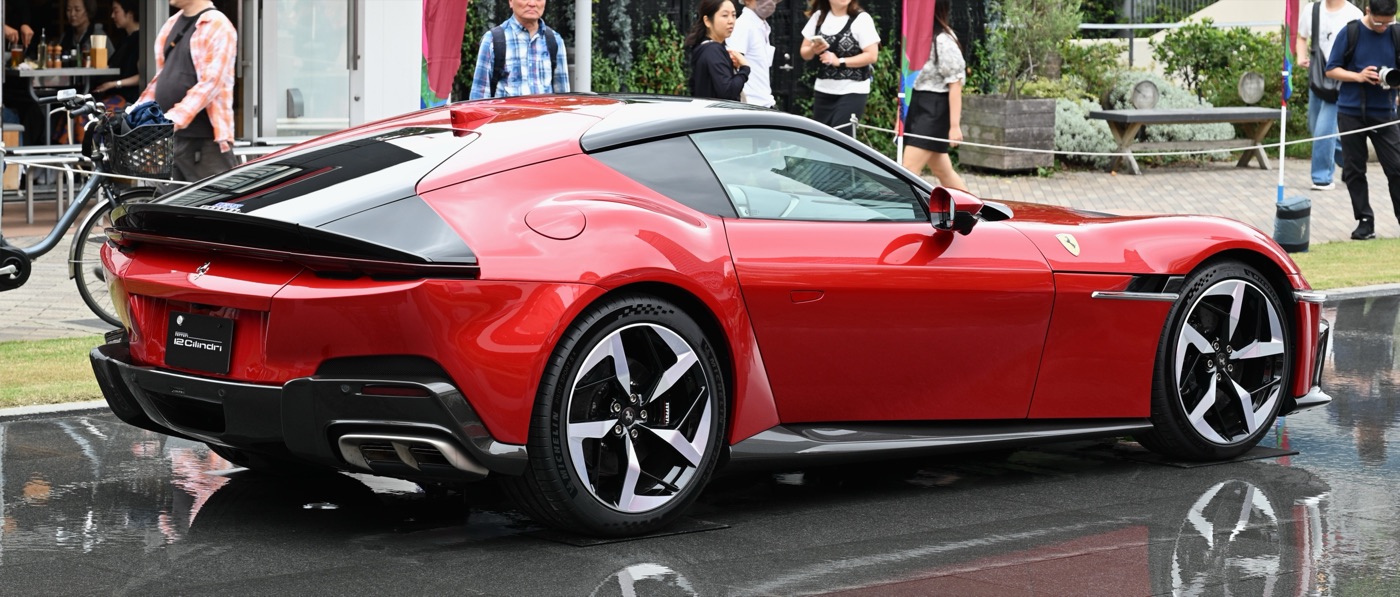
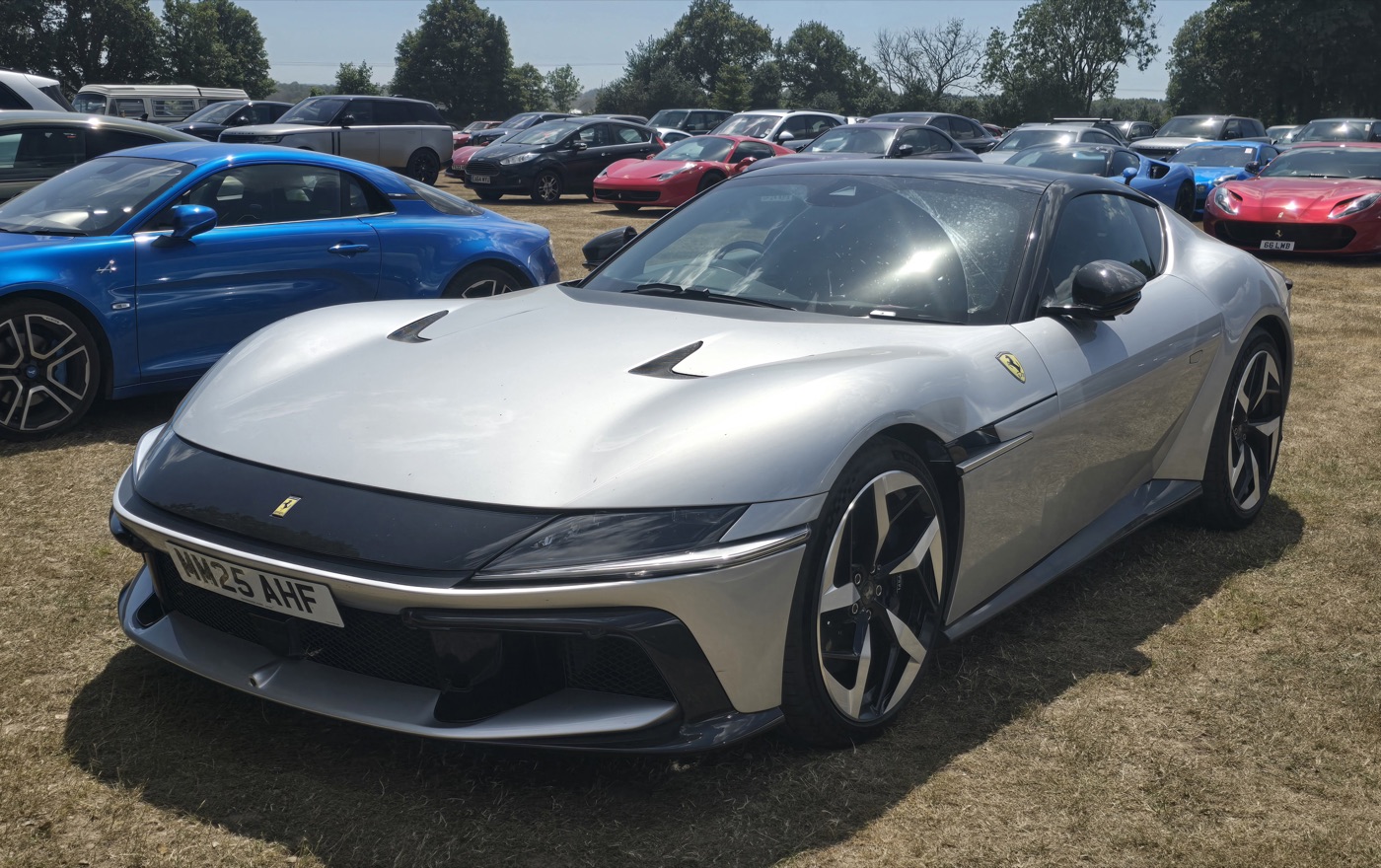
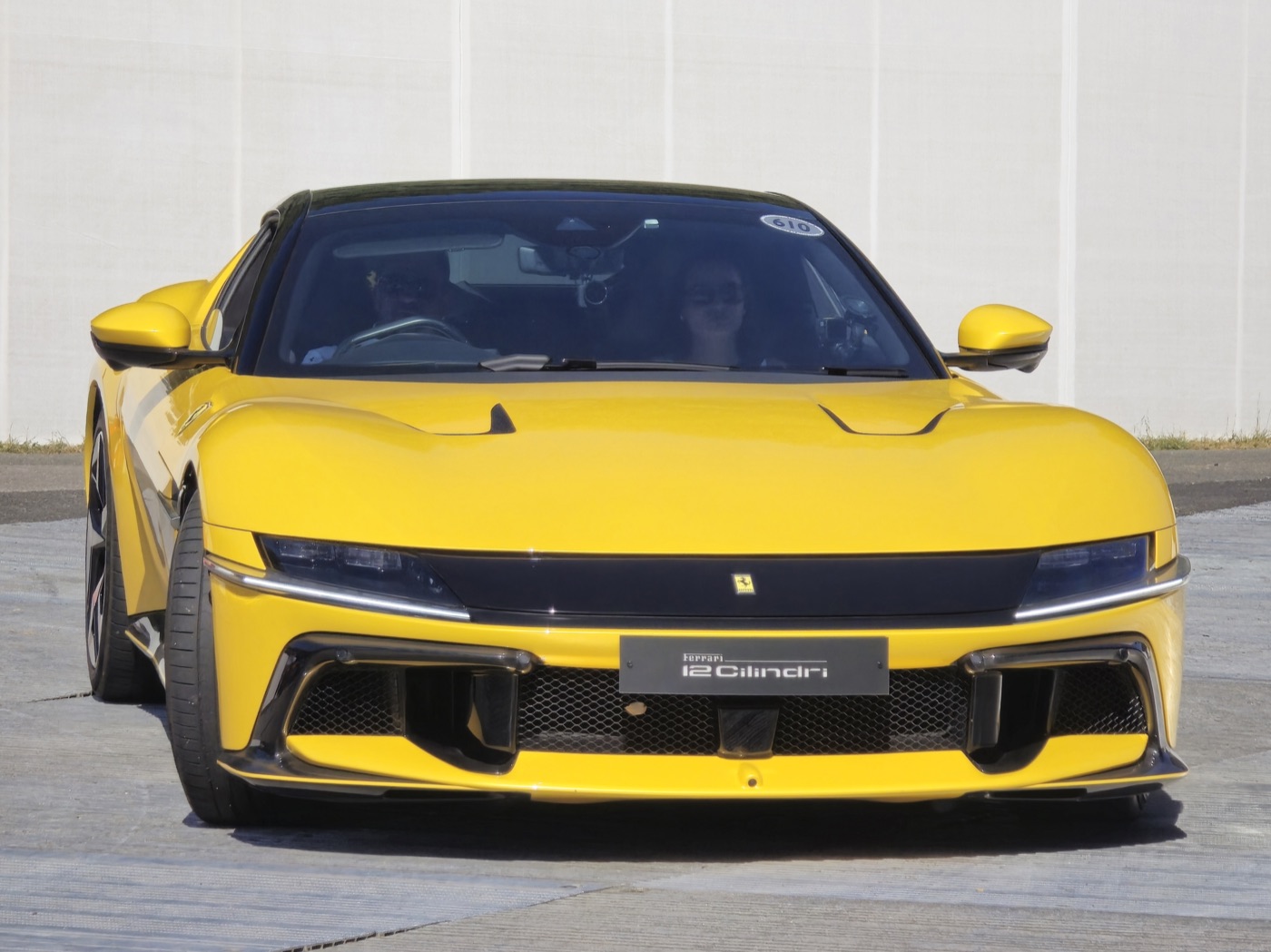
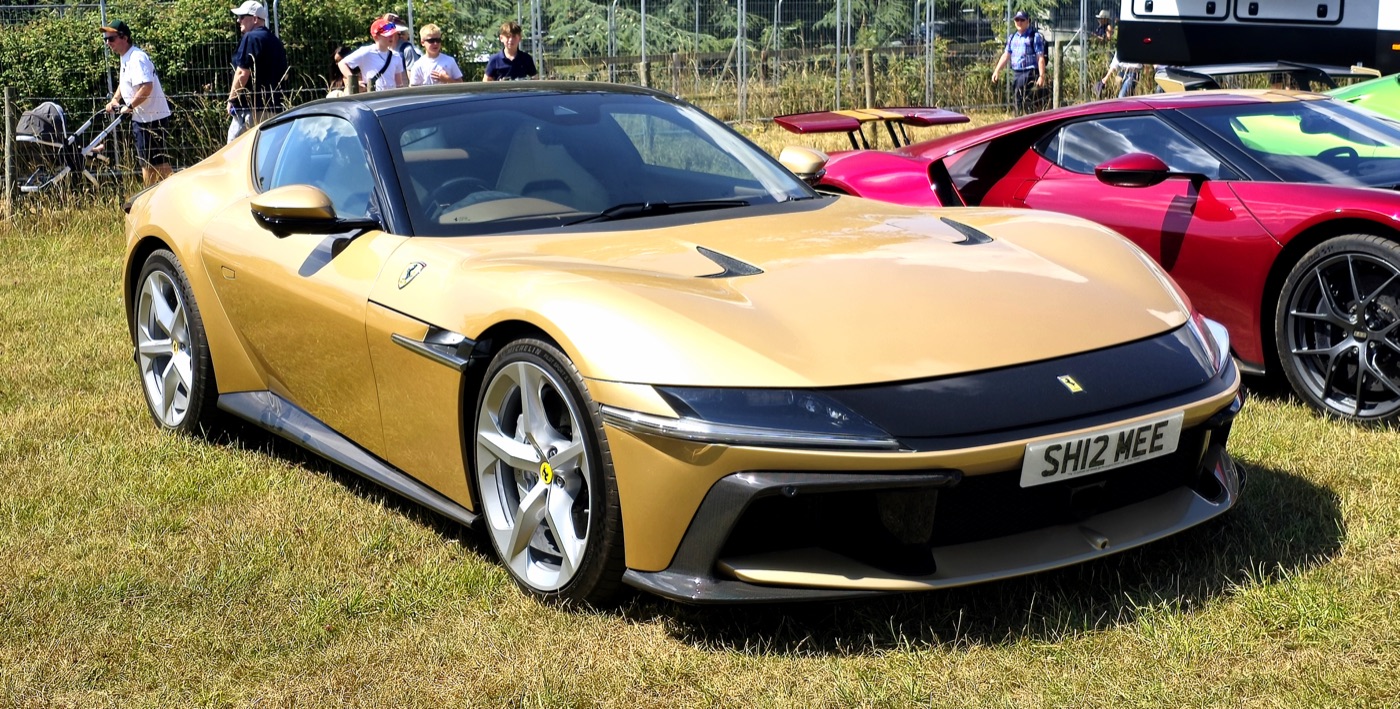
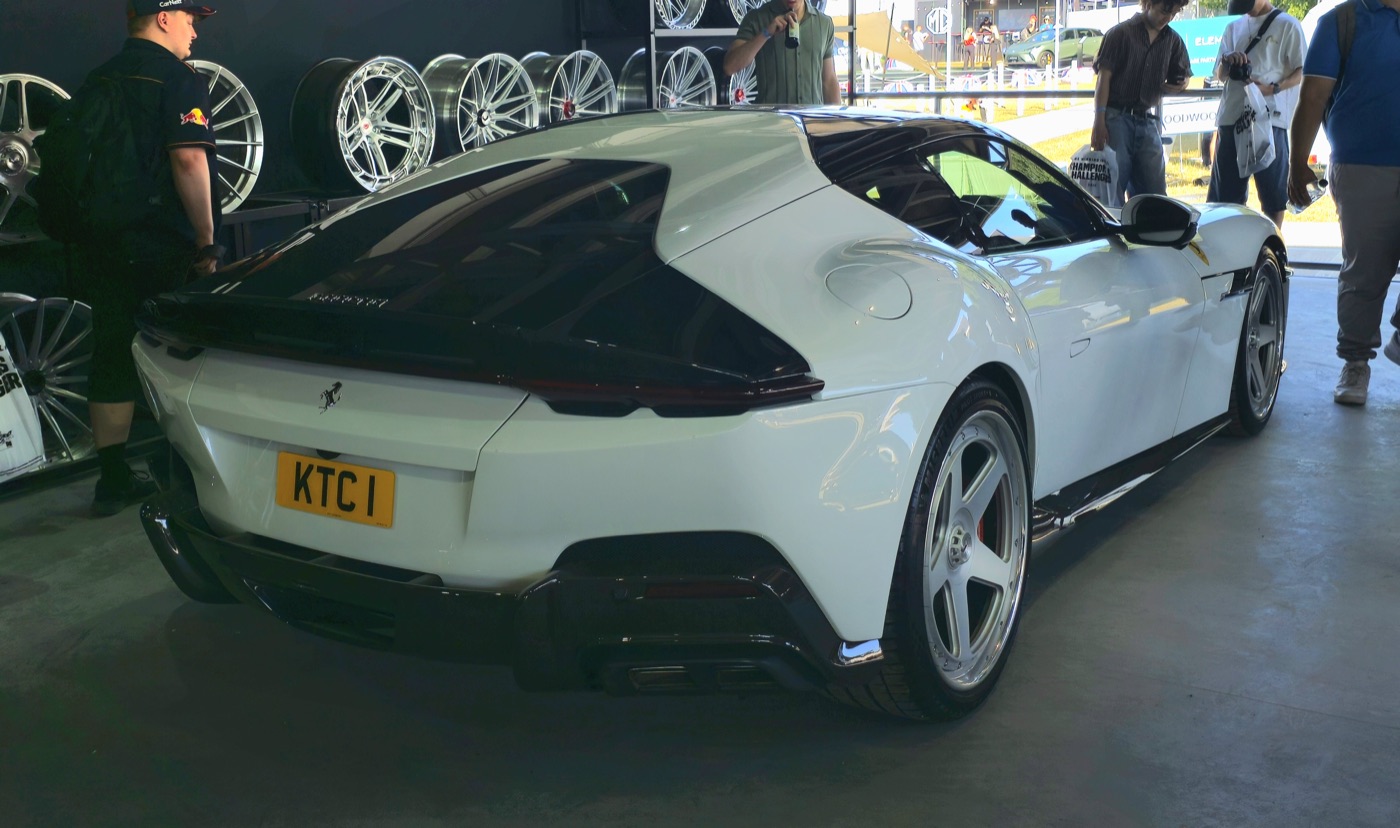
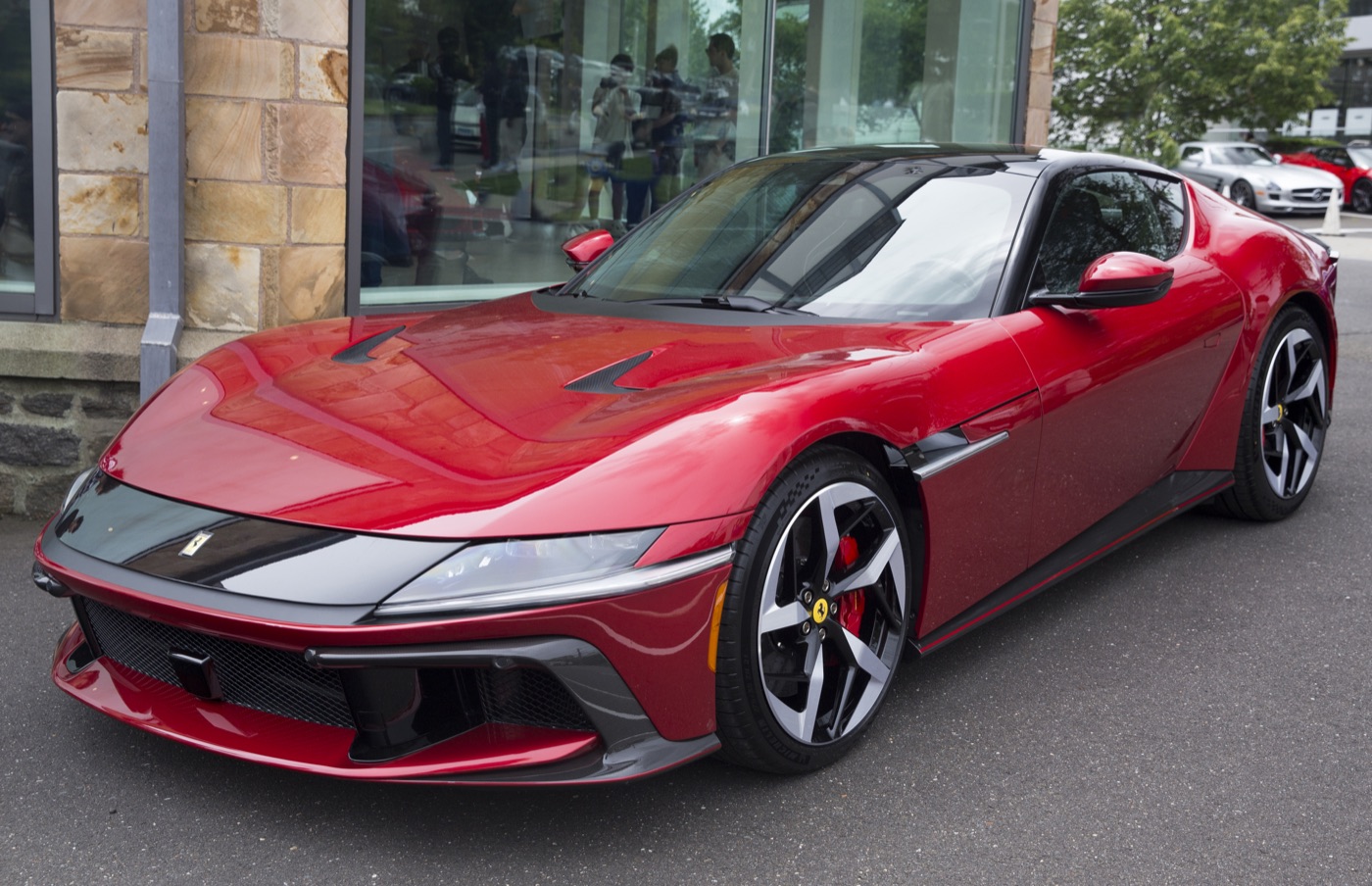
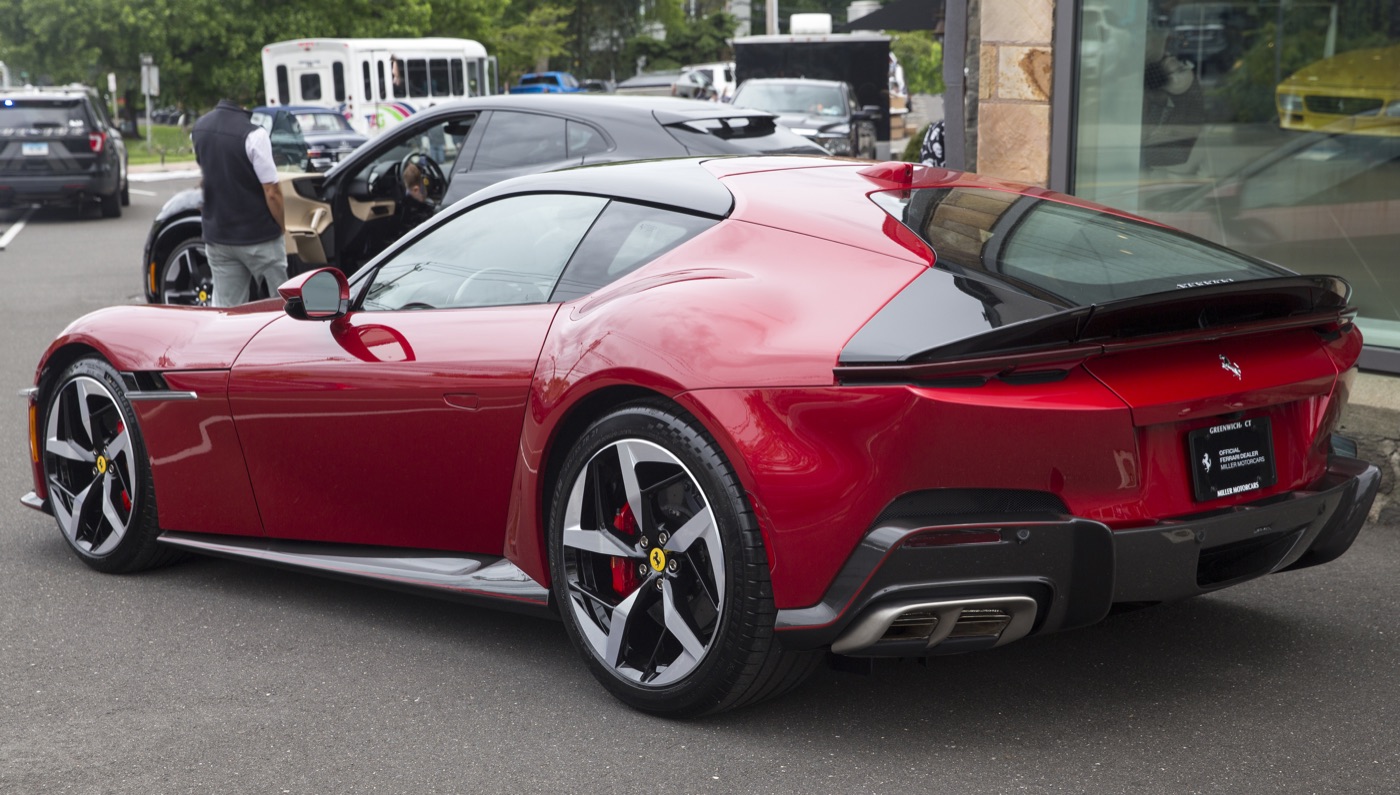
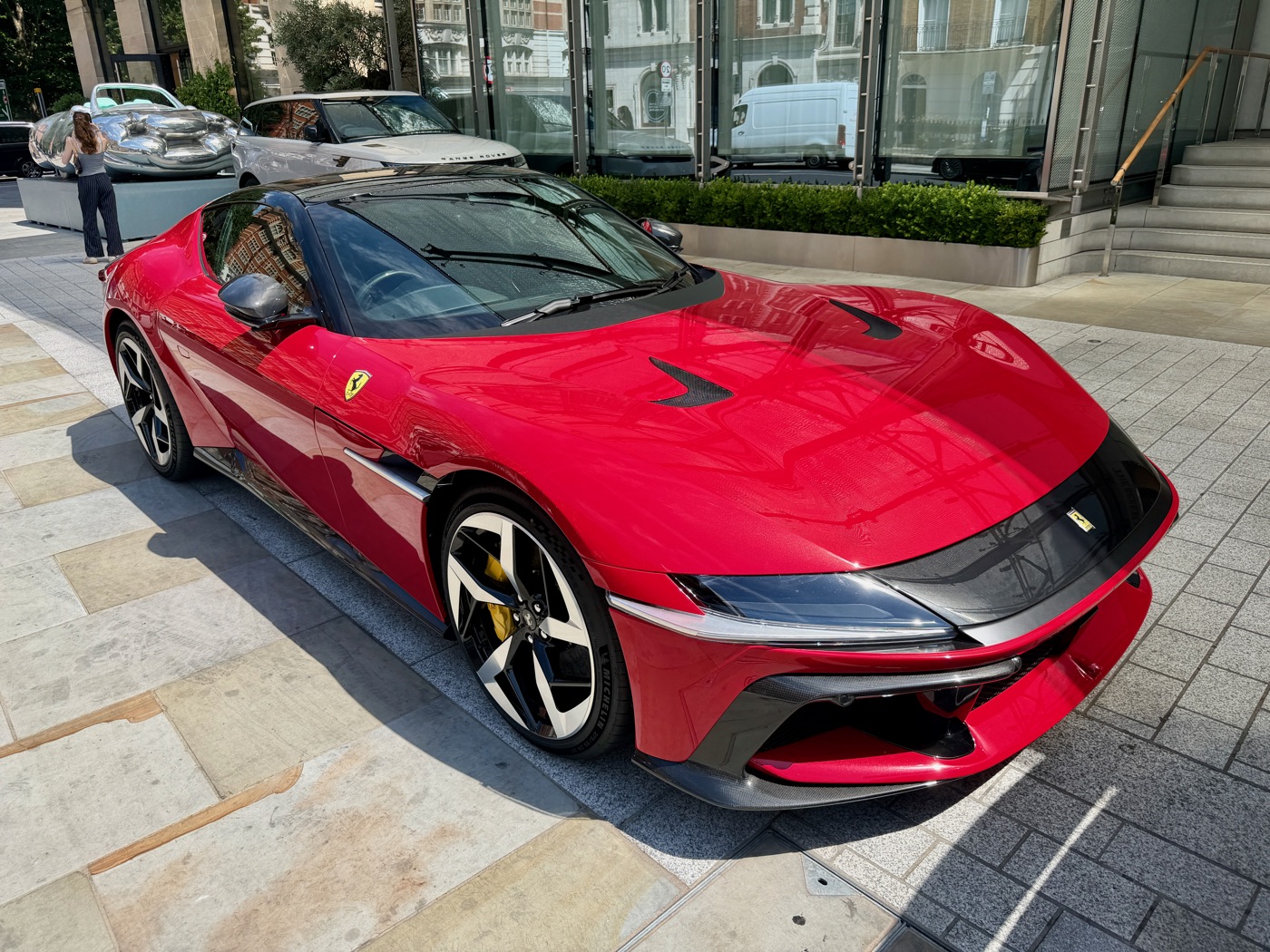
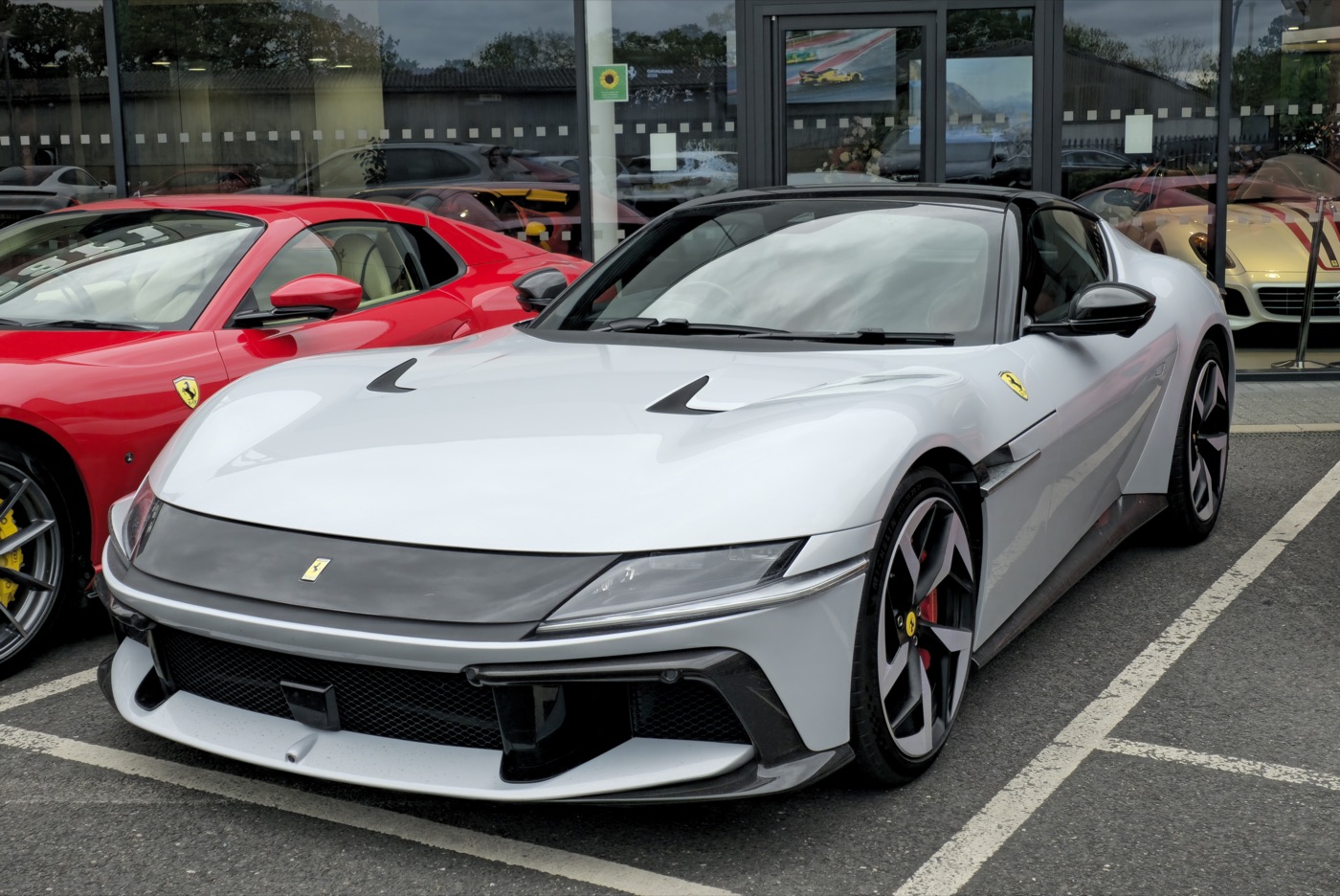
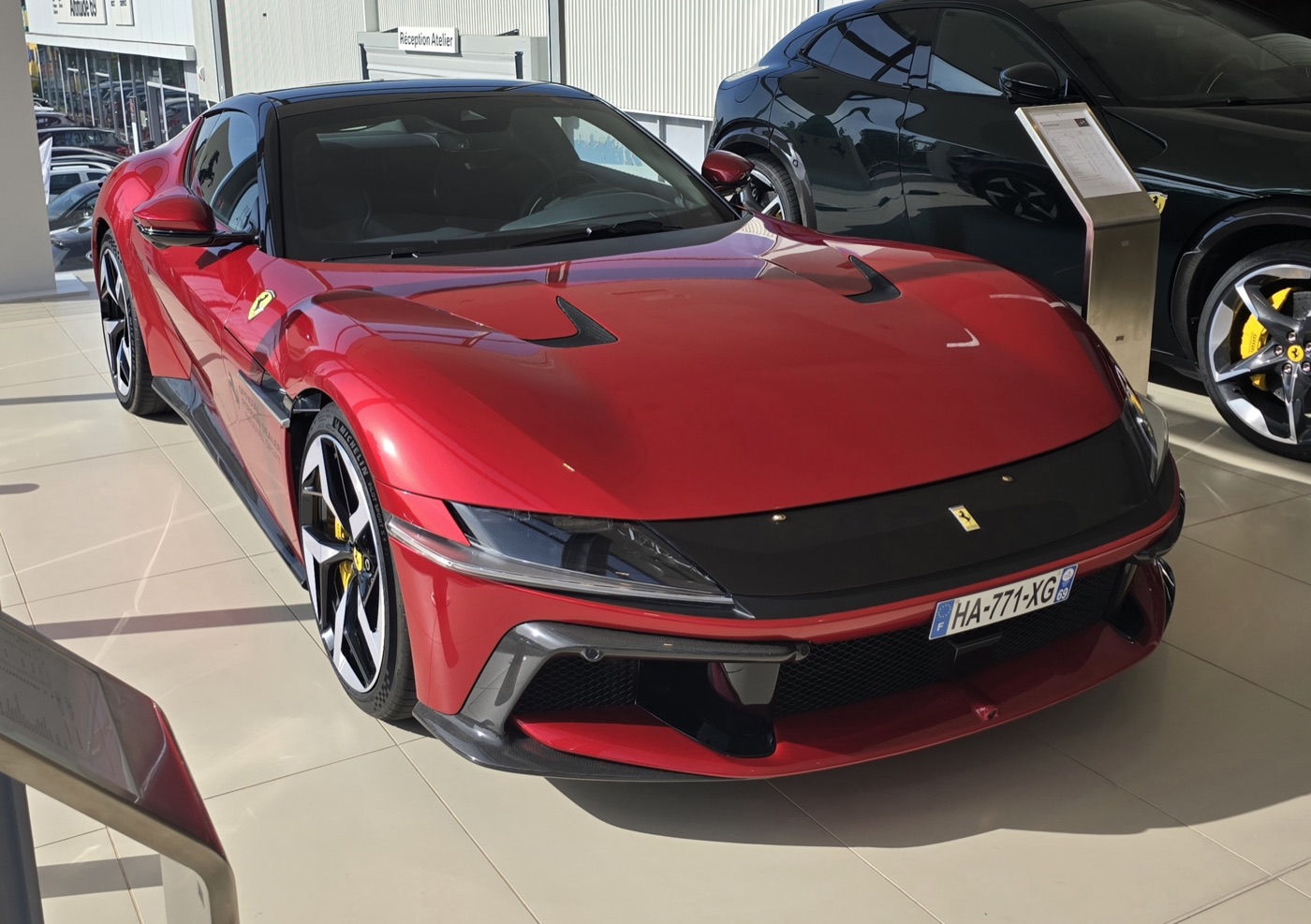
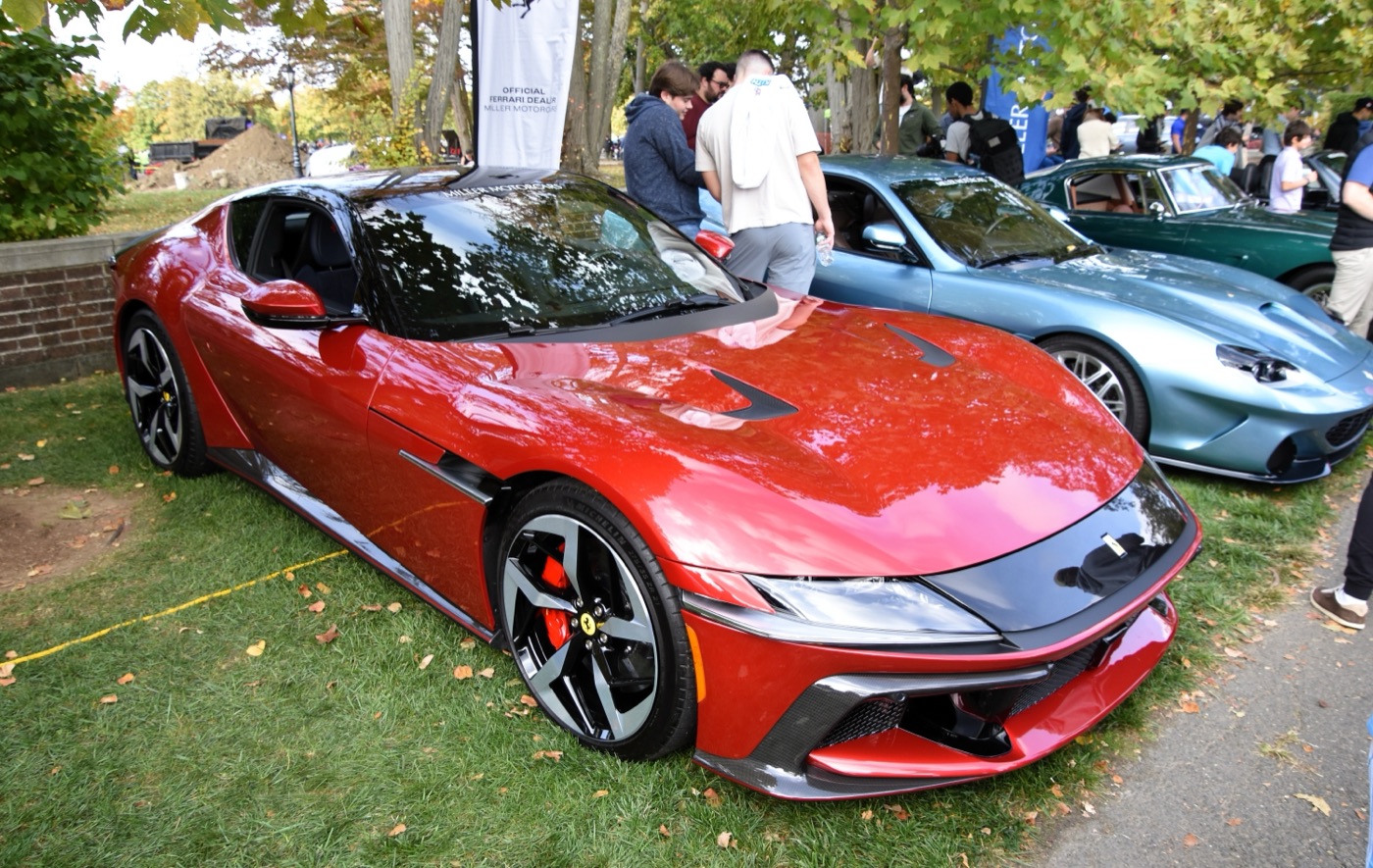
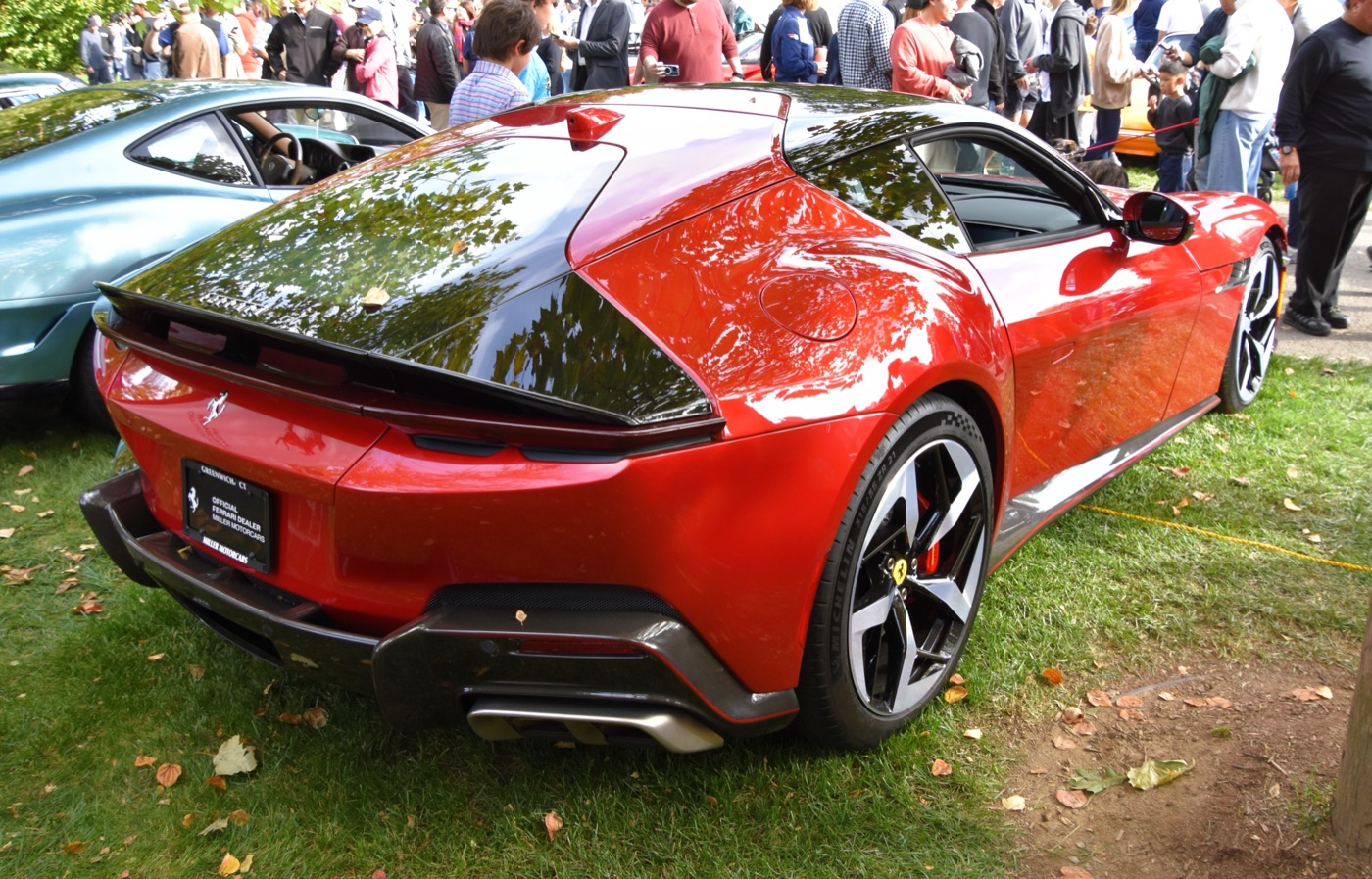
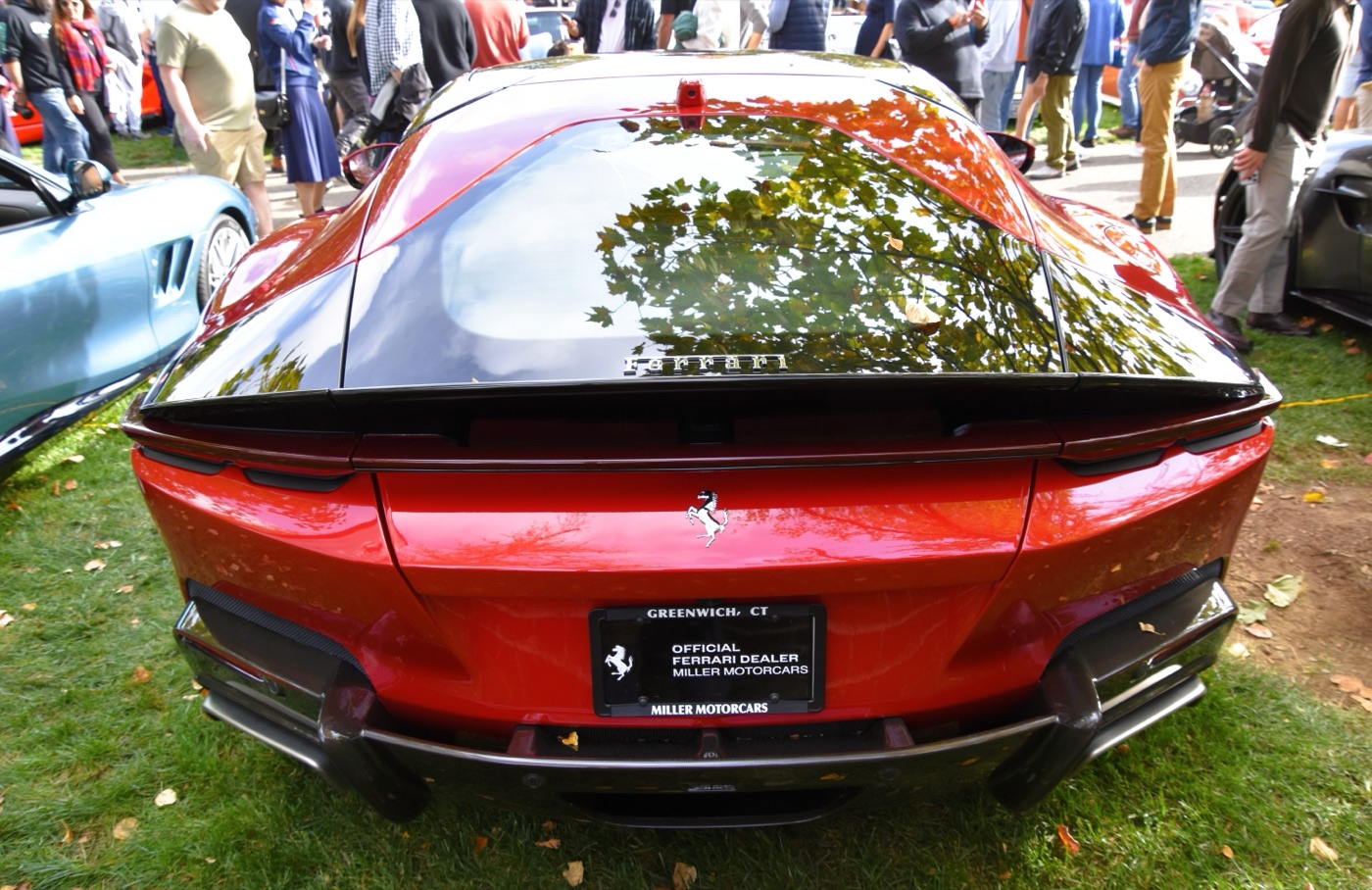
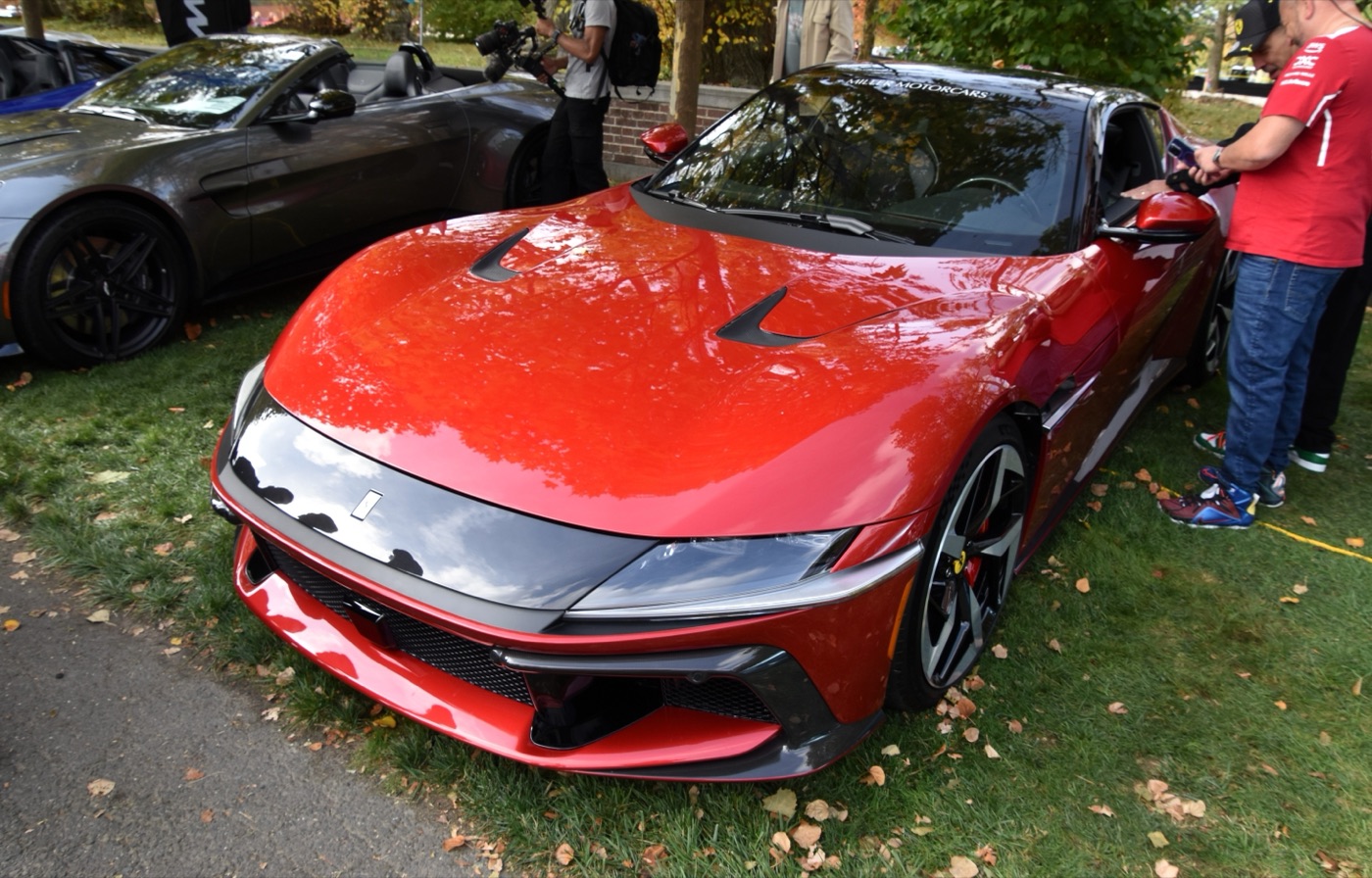
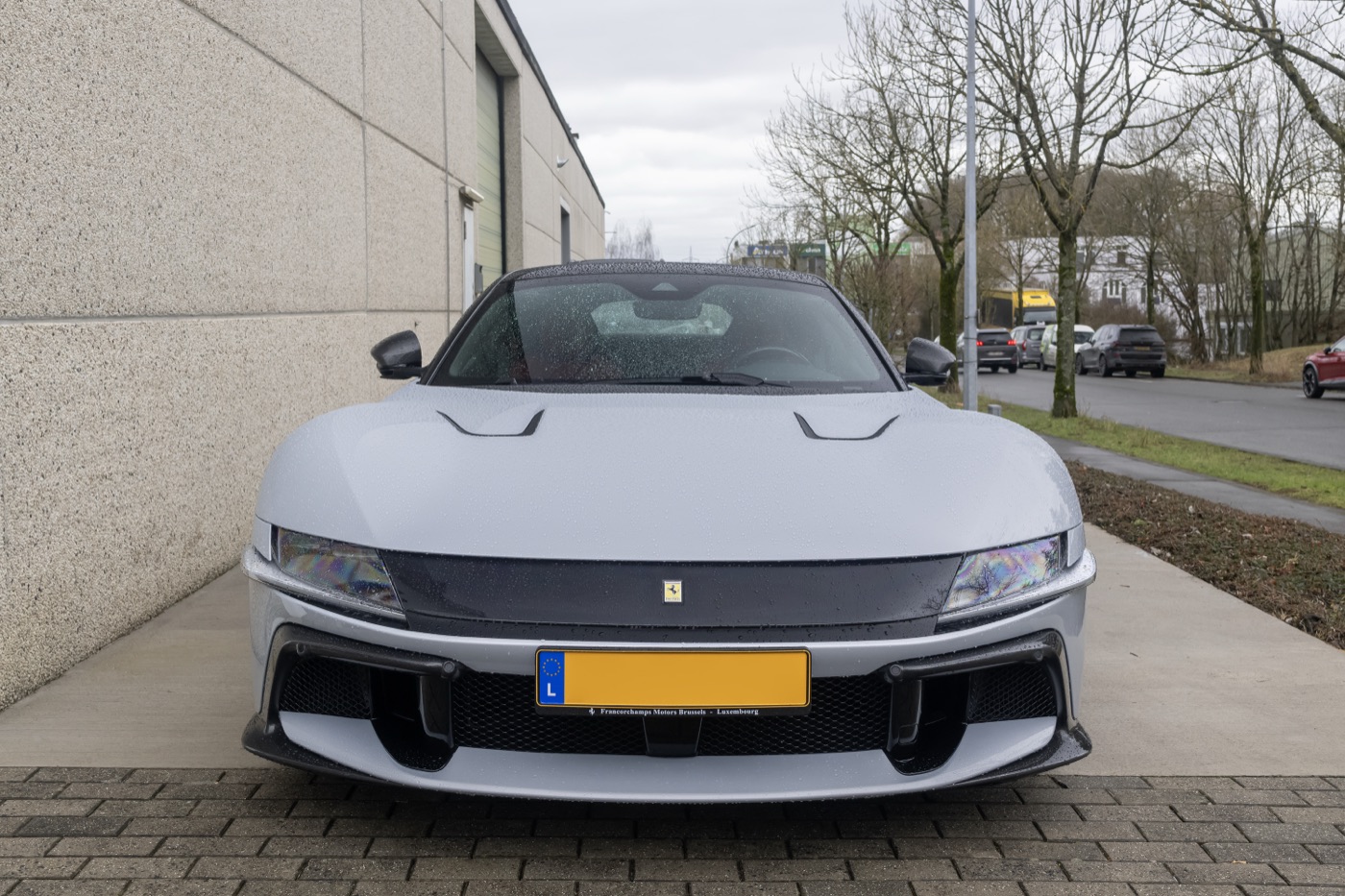
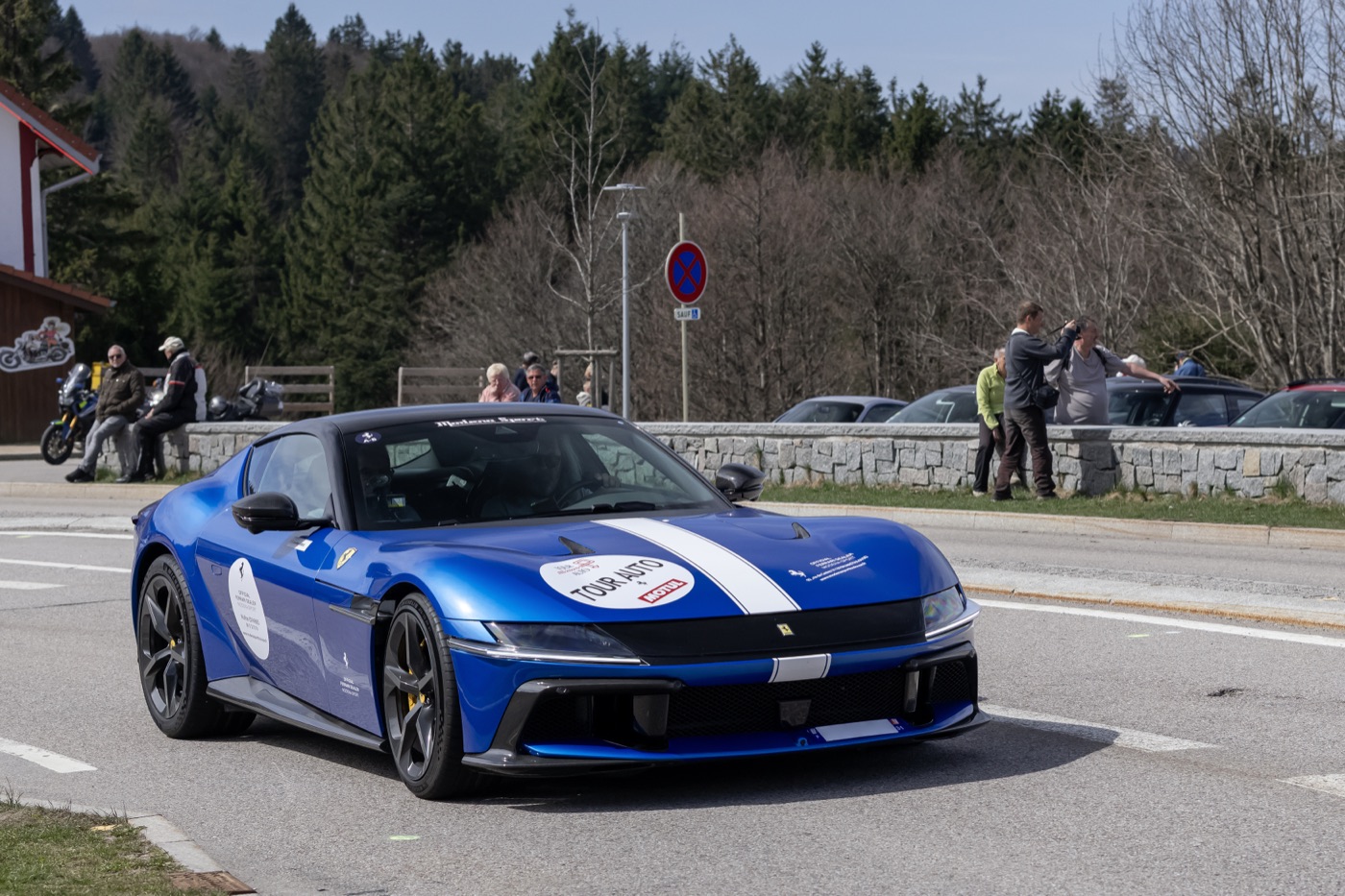
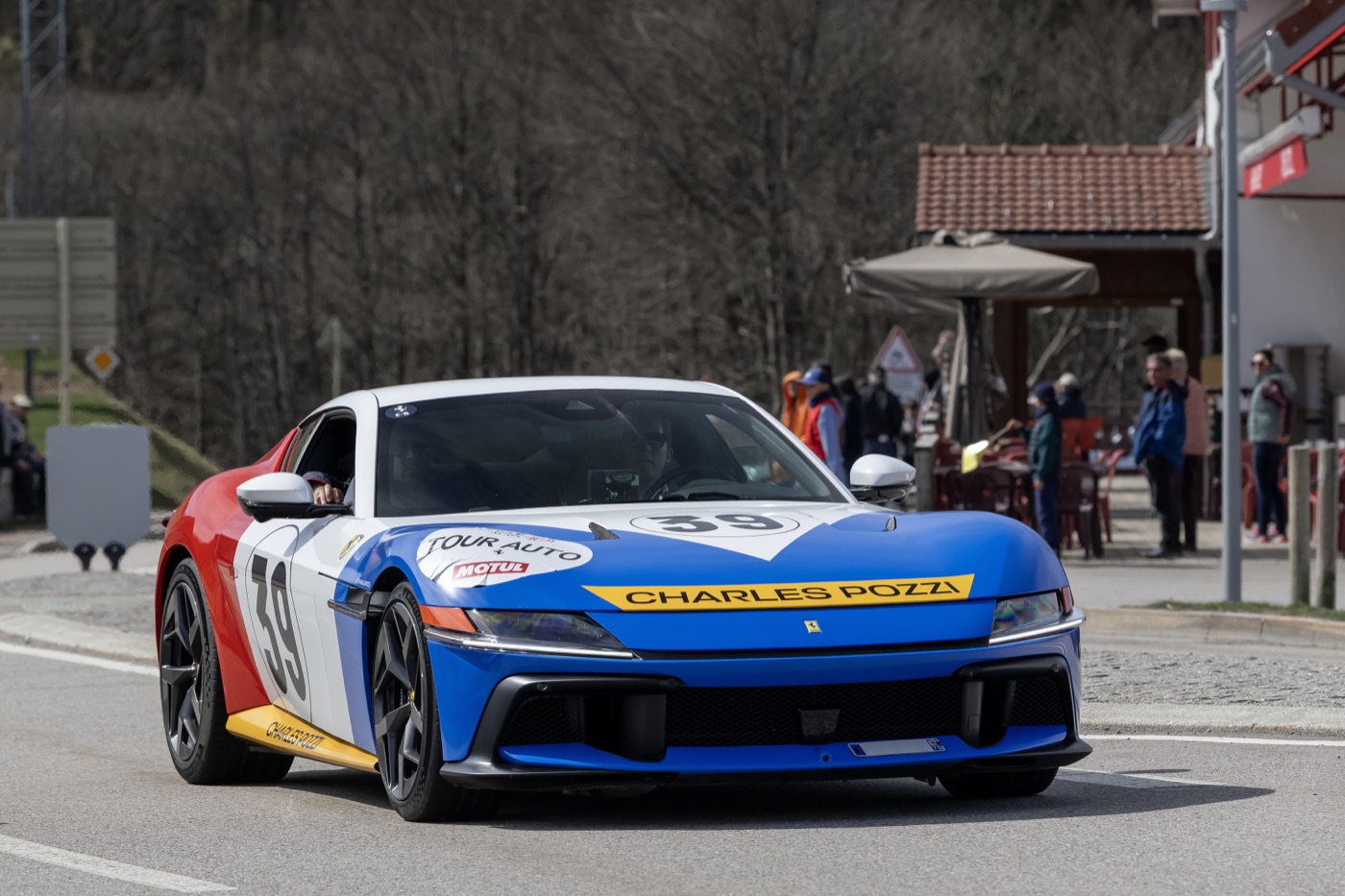
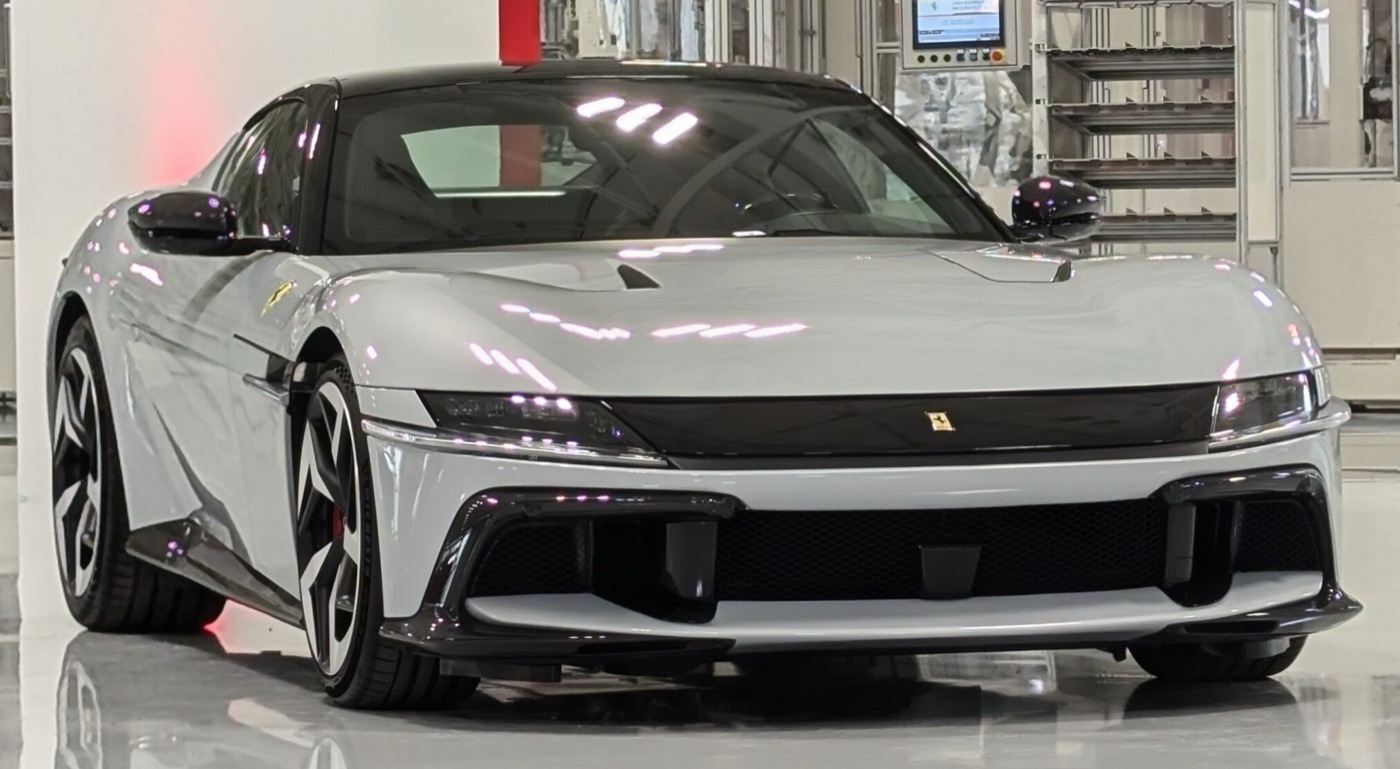
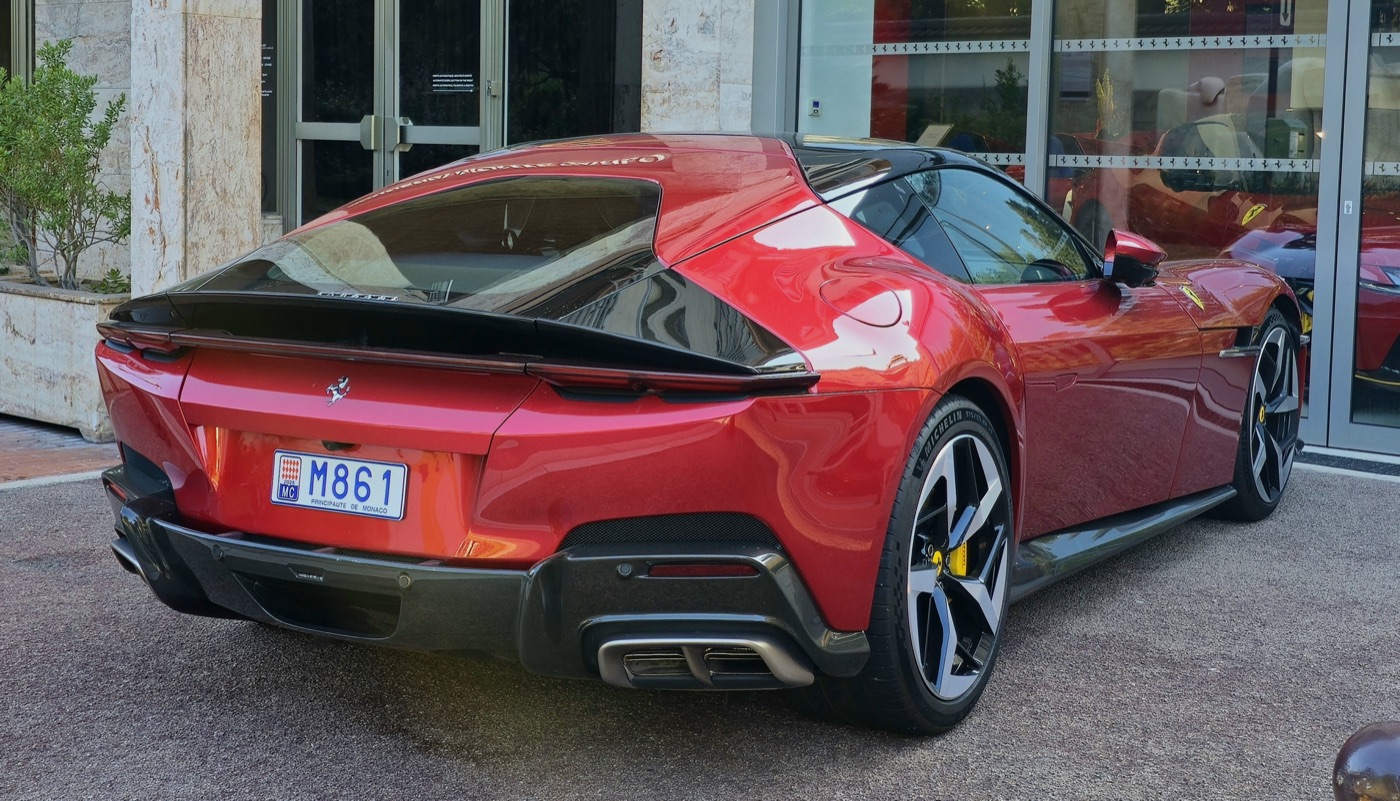
The 12Cilindri succeeds the 812 Superfast as Ferrari's front-engine, rear-drive V12 flagship, built on an entirely new aluminum spaceframe chassis rather than a carryover platform. The name itself is unusually literal for Ferrari — "12 Cylinders" in Italian, a direct callback to the brand's earliest V12 road cars rather than a stylized model designation. Styling draws explicitly from Ferrari's 1968 365 GTB/4 Daytona, particularly in the flat, wide nose and the fastback greenhouse, while the rear features a full-width LED light bar that's become one of the car's most distinctive visual signatures.
| Spec | Figure |
|---|---|
| Engine | 6.5L naturally aspirated V12 |
| Output | 830 hp @ 9,250 rpm / 500 lb-ft @ 7,250 rpm |
| 0–60 mph | 2.9 seconds |
| Top speed | 211 mph |
| Curb weight | ~3,440 lbs (1,560 kg) |
| Starting price | ~$472,000 coupe / ~$515,000 Spider |
The 830-horsepower figure is the highest ever from a naturally aspirated Ferrari road car, extracted from an engine architecture the company has continued to refine rather than replace. That output arrives at a genuinely high 9,250 rpm — a number that, on its own, tells you this is an engine built to be revved out rather than short-shifted, with the kind of induction noise a turbocharged or electrically assisted V12 simply can't replicate. Power reaches the rear wheels through an 8-speed dual-clutch transmission, with rear-wheel steering helping manage the car's size at lower speeds and adding stability at the top end.
The engine is the whole argument
It's worth being direct about why the naturally aspirated engine matters here, beyond enthusiast sentiment. Turbocharging and hybrid-electric assistance both exist to solve real problems: emissions regulations, instant low-end torque, and raw power ceilings that naturally aspirated engines increasingly struggle to hit without forced induction. Ferrari's own SF90 Stradale uses a twin-turbo V8 plus three electric motors to reach 986 combined horsepower — objectively more power than the 12Cilindri, delivered with none of the multi-thousand-rpm buildup a big NA V12 requires. The 12Cilindri is a deliberate bet that some buyers still want the buildup.
That bet has a real expiration date attached to it. Ferrari itself has been public about tightening emissions targets pushing even its most iconic engine architectures toward hybridization, and the 12Cilindri's closest sibling, the 296, already runs a hybrid V6. Whether the 12Cilindri gets a direct naturally aspirated successor once current-generation Ferraris cycle out is genuinely uncertain — which is part of what's driving demand for this specific car right now, beyond its performance numbers.
Pricing and how it fits the segment
Ferrari does not publish a fixed U.S. MSRP on its consumer site, and pricing varies somewhat by dealer allocation, but the 12Cilindri coupe is widely reported starting around $472,000, with the Spider convertible starting higher, around $515,000. Well-optioned examples — carbon fiber wheels, specialty paint, racing seats — routinely push past $600,000. At its base coupe price, though, the 12Cilindri sits squarely inside the $400,000–$500,000 hypercar band alongside cars like Ferrari's own 296 Speciale, occupying a tier below Lamborghini's Revuelto and well below flagship hybrids like Aston Martin's Valhalla.
How it stacks up
Ferrari 12Cilindri
6.5L NA V12, 830 hp, no turbos, no hybrid. ~$472,000 coupe.
Ferrari 296 Speciale
Hybrid twin-turbo V6, track-focused. ~$470,000 coupe.
Ferrari 812 Superfast
The outgoing front-engine V12 flagship the 12Cilindri directly replaces.
Lamborghini Revuelto
Hybrid V12, starts around $608K — well above the 12Cilindri's price band.
Full photo gallery (30 photos)
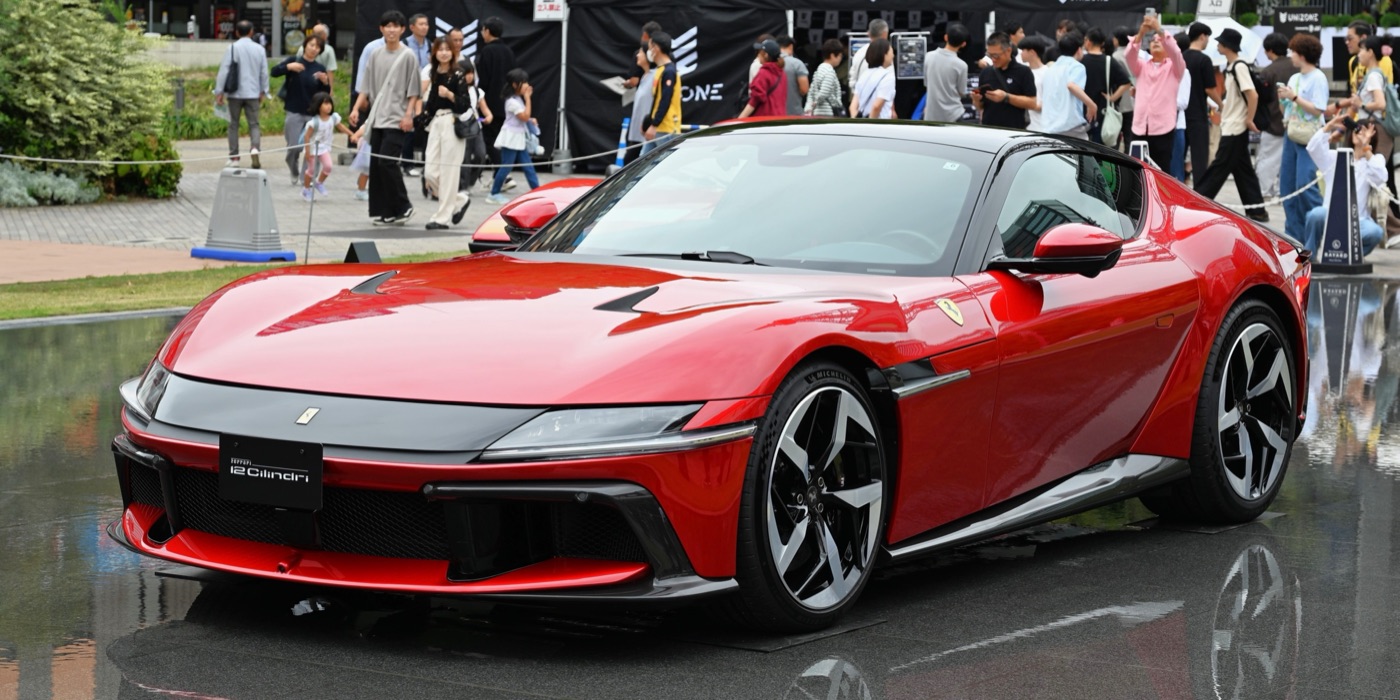
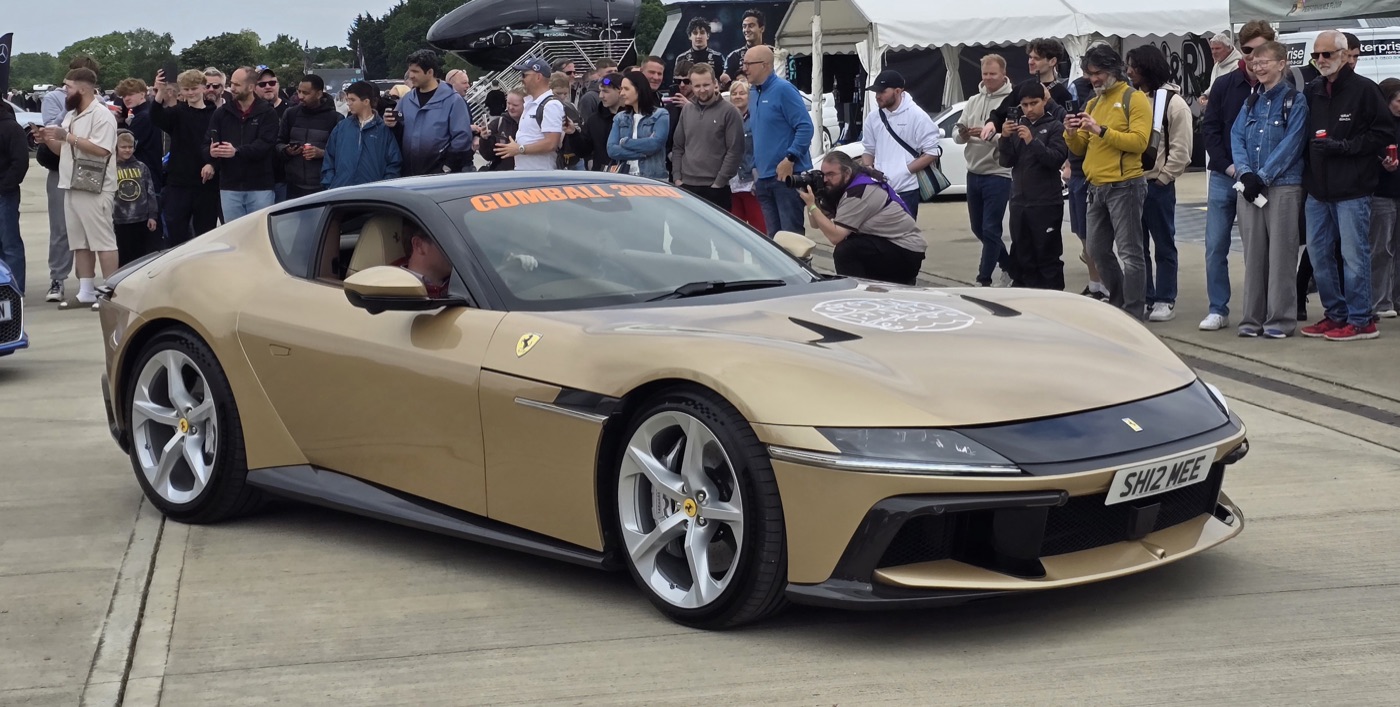
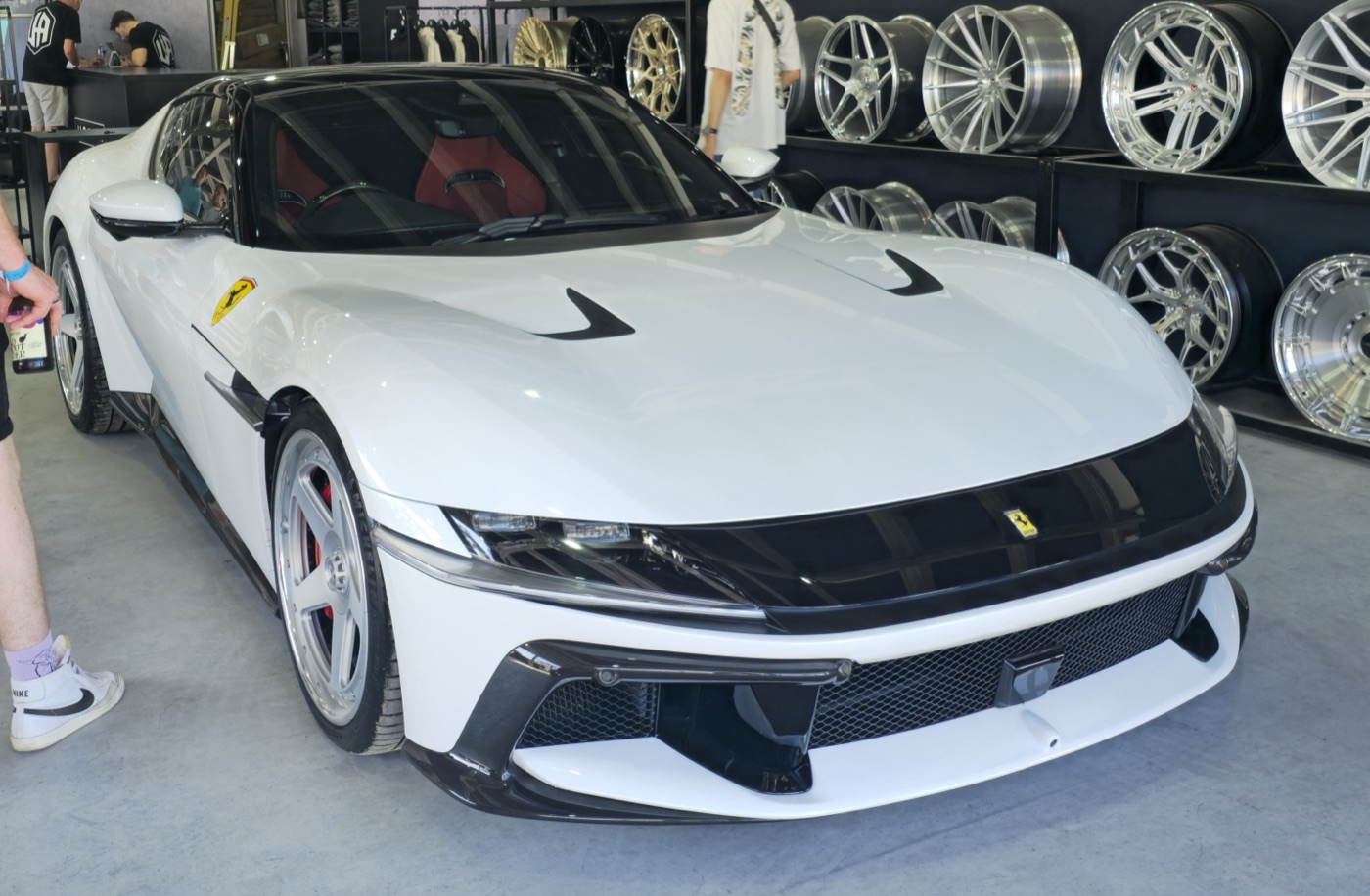
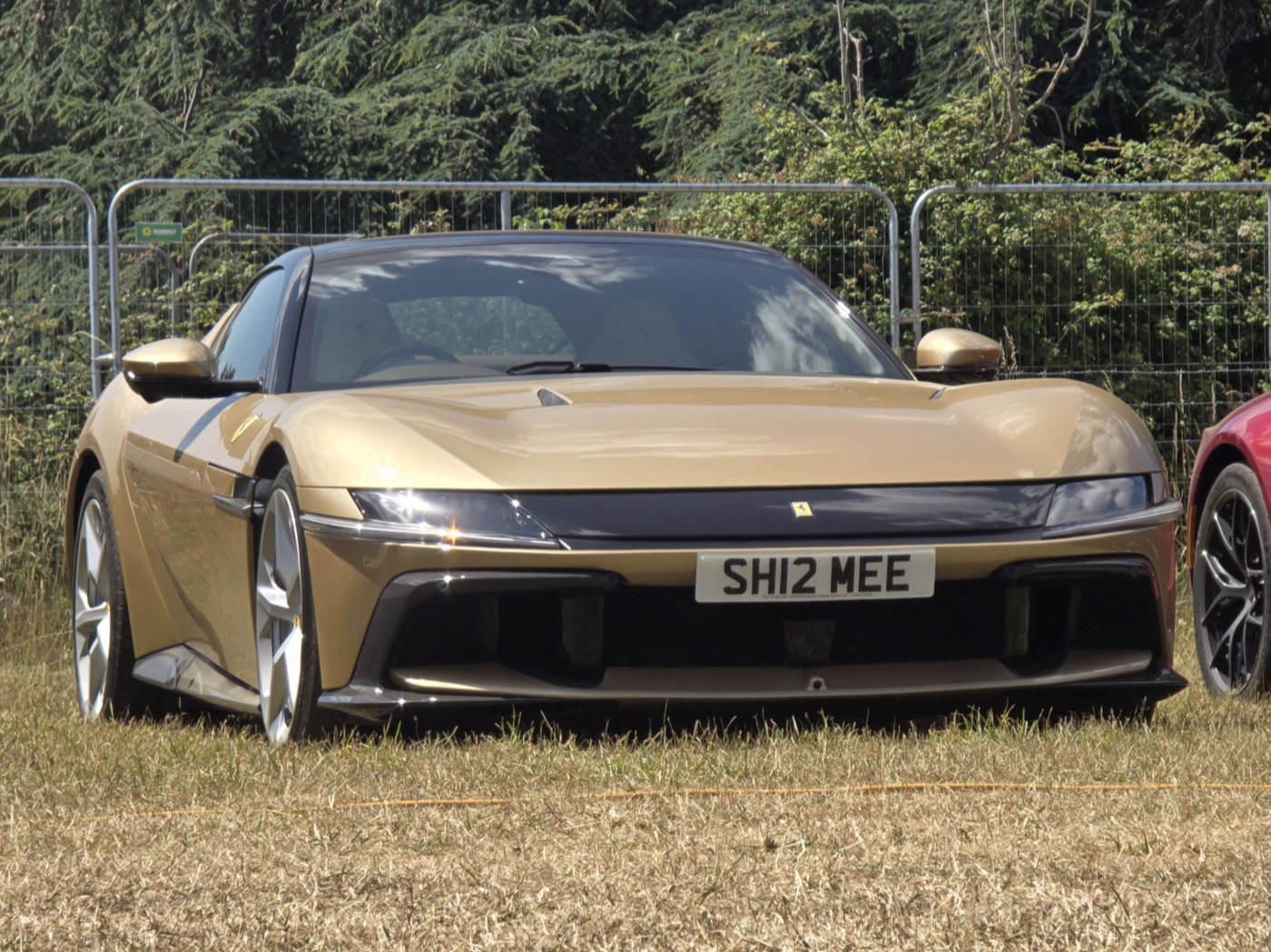
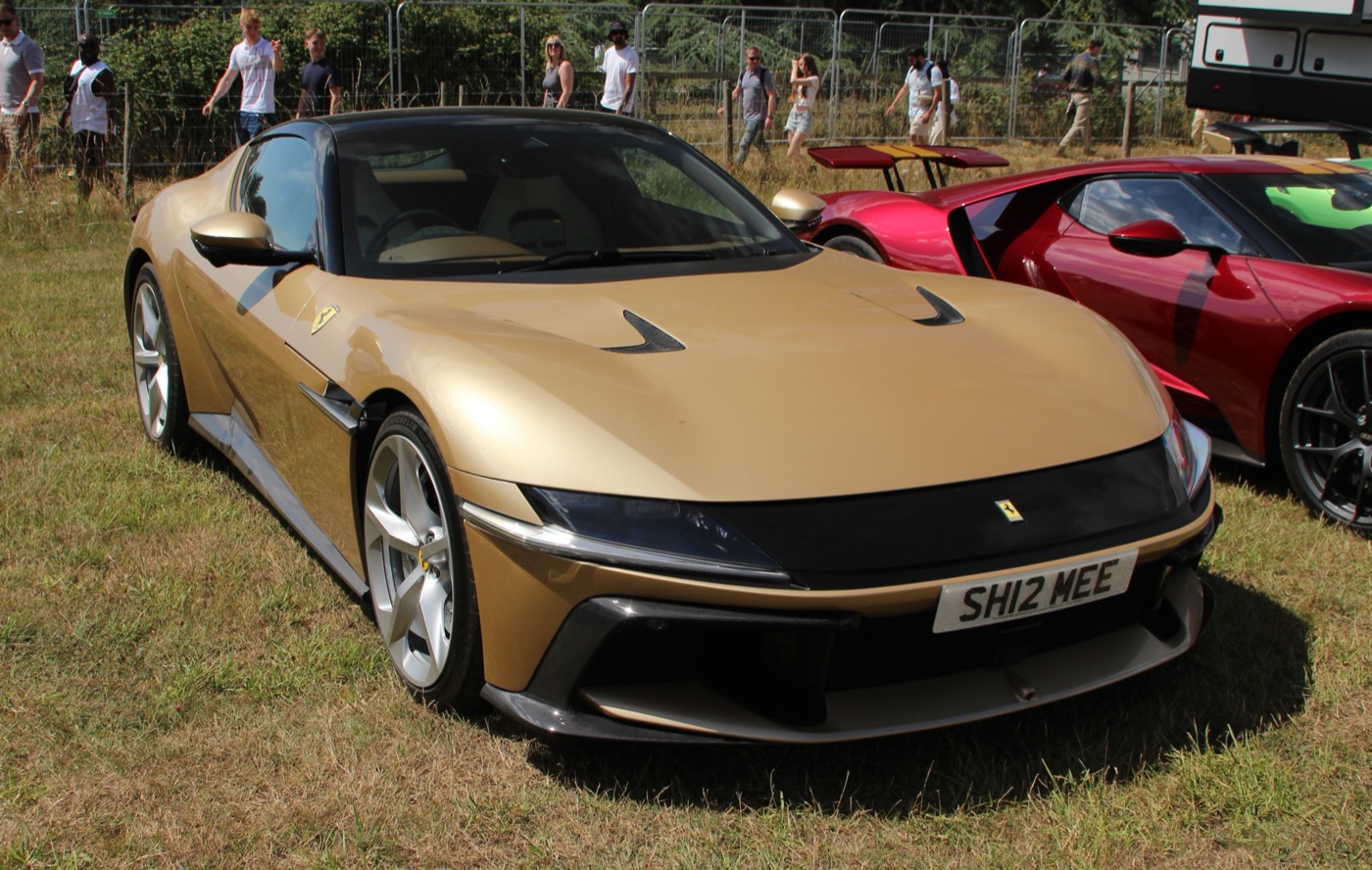
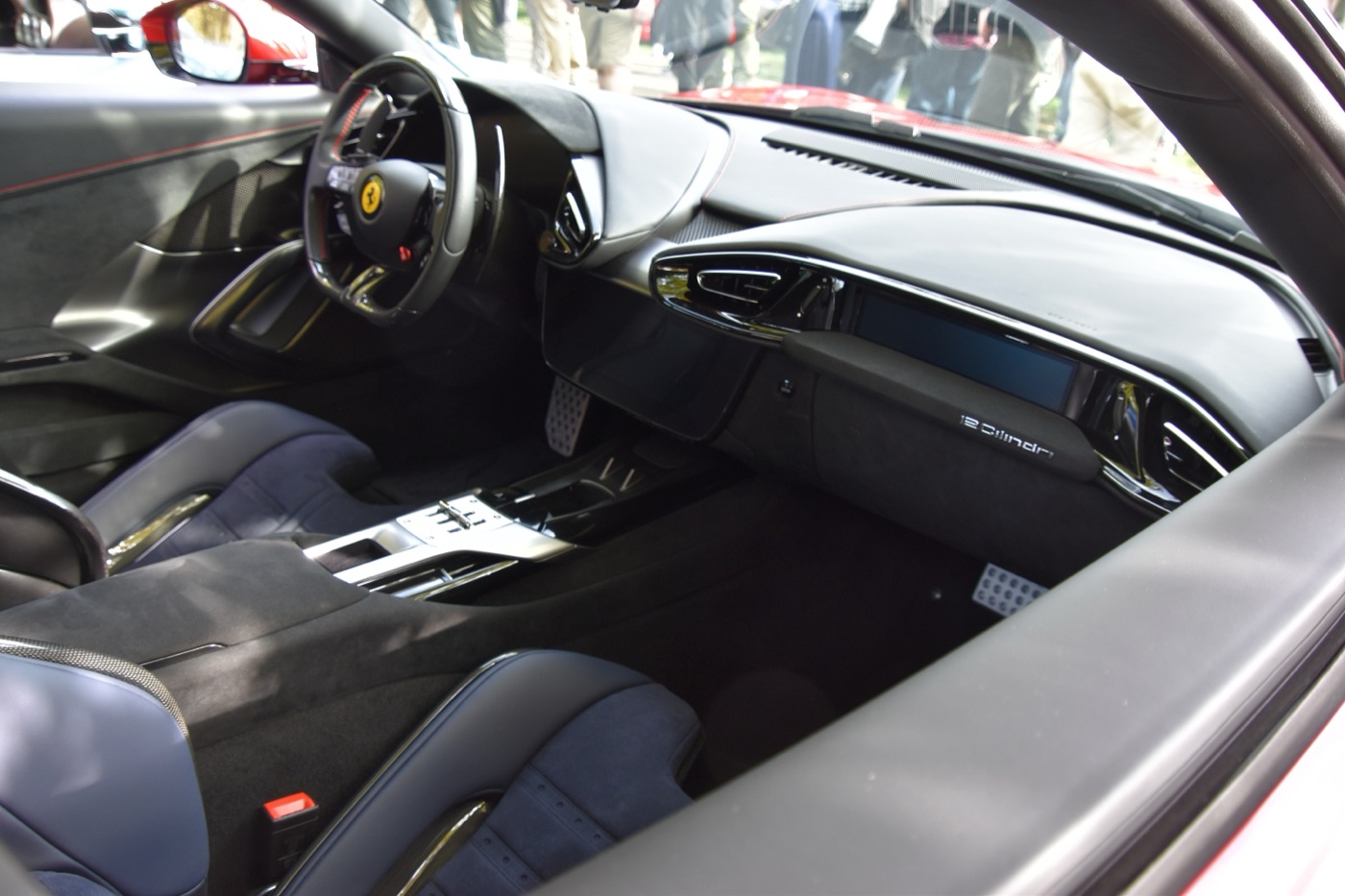
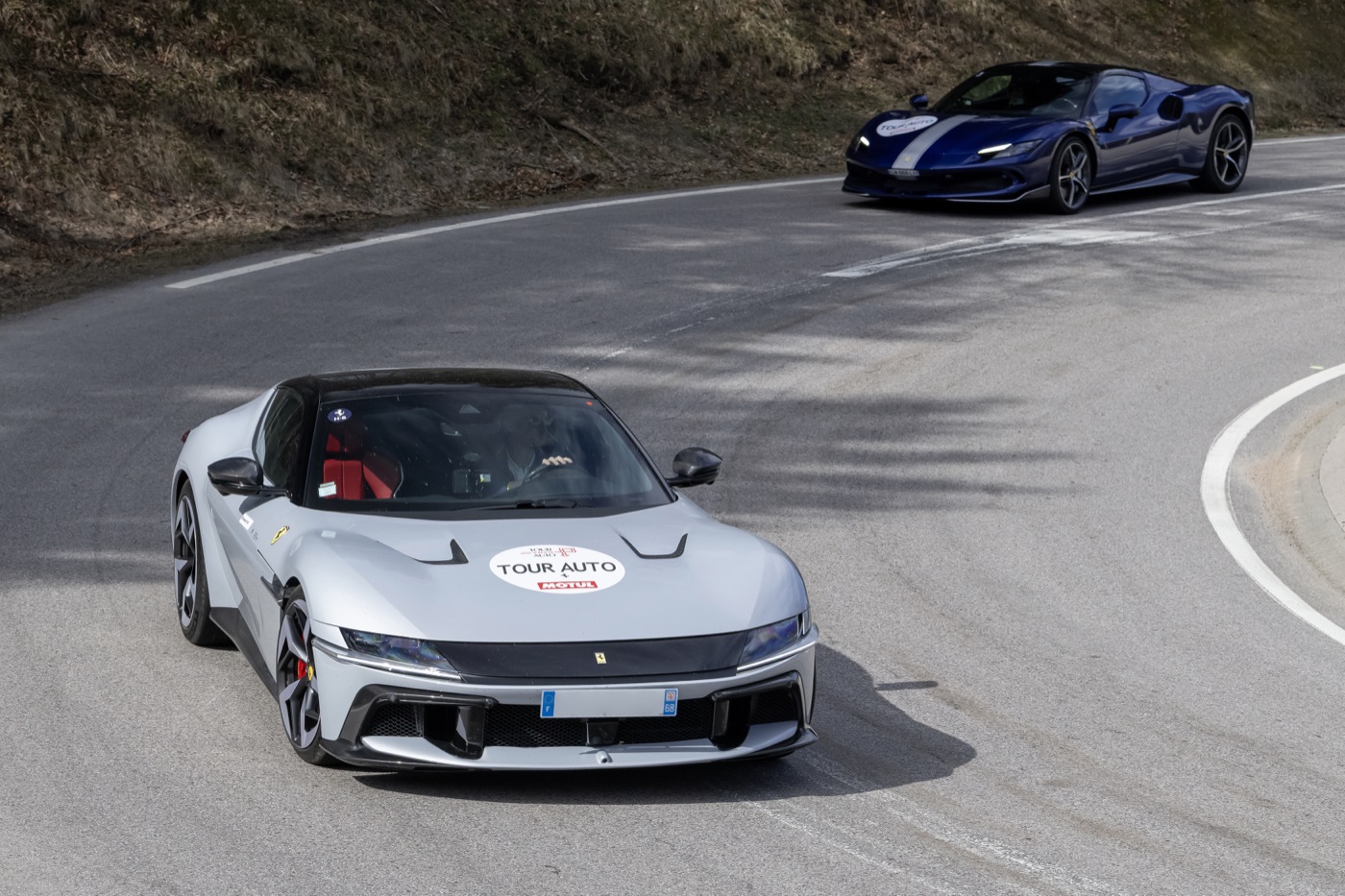
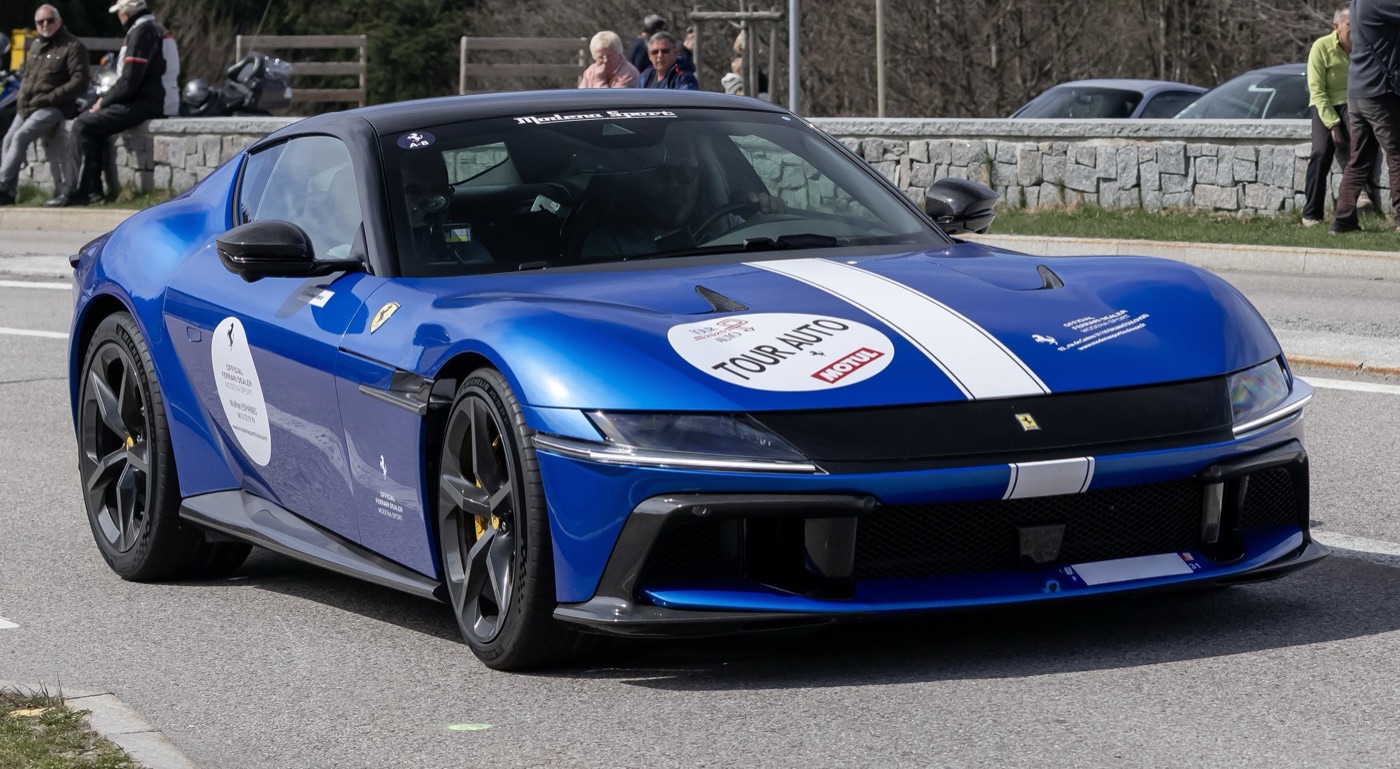
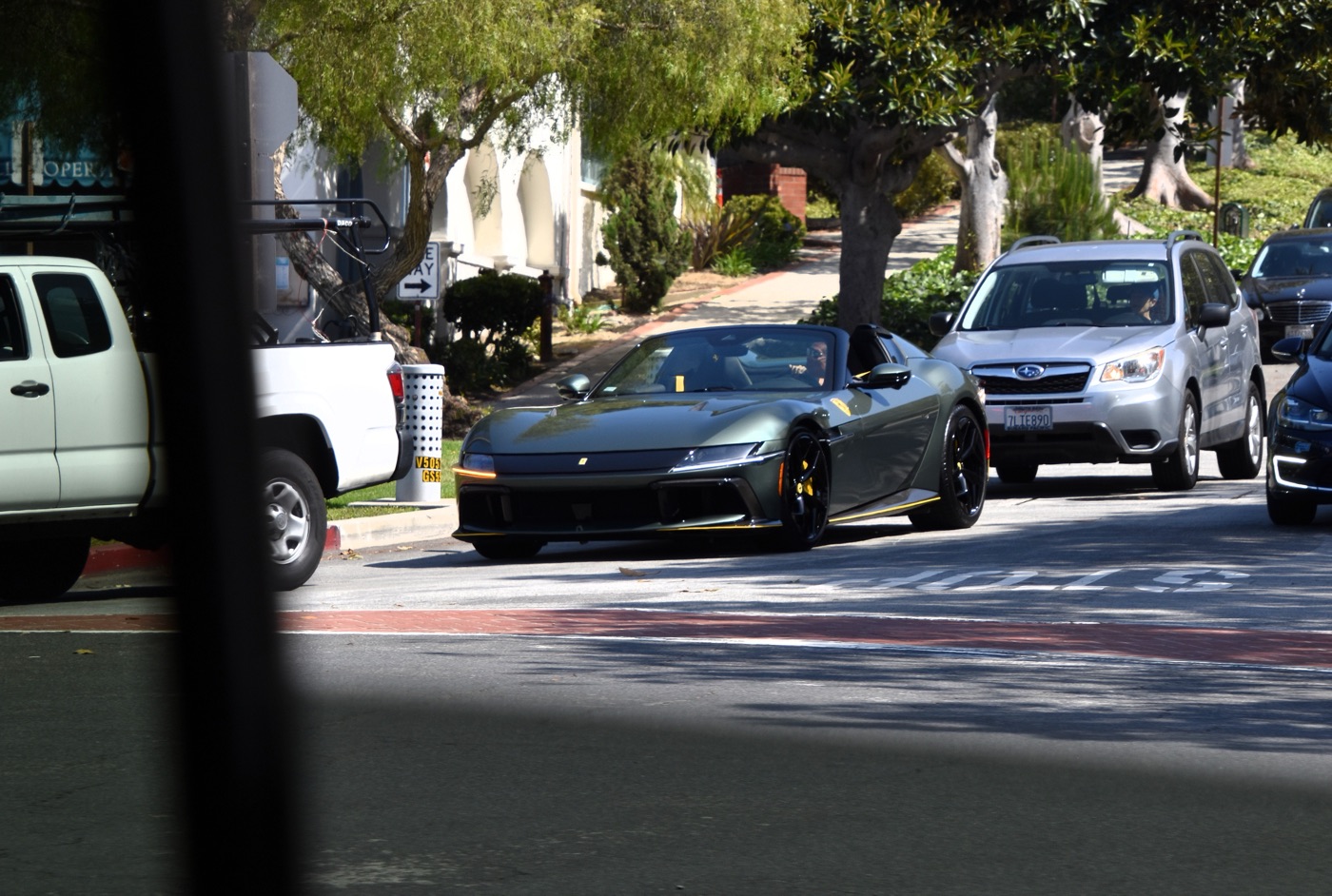
All 30 images below are real photographs of the Ferrari 12Cilindri, sourced from Wikimedia Commons under Creative Commons and public-domain licenses. Click any photo to enlarge.
Common questions
Is the 12Cilindri really naturally aspirated with no hybrid assist?
Yes. Its 6.5-liter V12 makes 830 hp with no turbochargers and no electric motor assistance, making it one of the last pure naturally aspirated engines in Ferrari's current lineup.
How much does it cost?
Ferrari doesn't publish a fixed U.S. MSRP, but the coupe is widely reported starting around $472,000, with the Spider convertible starting around $515,000. Well-optioned cars often exceed $600,000.
What did it replace?
The 812 Superfast, Ferrari's previous front-engine V12 grand tourer.
Will Ferrari make another naturally aspirated V12 after this?
It's genuinely uncertain. Ferrari has been public about emissions pressure pushing even its V12 architecture toward hybridization, and its closest sibling, the 296, already runs a hybrid V6.
The 12Cilindri isn't trying to win a horsepower fight — Ferrari's own SF90 already makes more power with a hybrid twin-turbo setup. What the 12Cilindri is doing is preserving something the rest of the segment is actively engineering away: a big, naturally aspirated V12 that has to be revved to 9,250 rpm to give you everything it has. At roughly $472,000, it's priced right in the middle of the $400K–$500K hypercar band, competing less against raw performance numbers and more against the increasingly short list of cars that still make you work for the power instead of handing it to you off idle.
Disclosure. This review is based on Ferrari's published specifications and independent automotive press reporting: Wikipedia — Ferrari 12Cilindri, Haute Living — Ferrari 12Cilindri Review, and Autocar India — Ferrari 12Cilindri Specifications. DopamineKart did not receive a loaned vehicle, payment, or other consideration from Ferrari for this coverage. All photography via Wikimedia Commons, Creative Commons and public-domain licensed contributor photography — see sources.json for full per-image attribution.
DopamineKart has not conducted a hands-on test drive of this vehicle; this article is a research-based breakdown, not a road test.
Corrections: email us