Quick take
- Scent layering isn't a TikTok invention — it's a rebrand of a centuries-old Gulf practice of combining oud, bakhoor, and body oils into a personal composition.
- Jo Malone has encouraged combining colognes since 1994; Maison Francis Kurkdjian explicitly markets a "fragrance wardrobe" of rotatable facets.
- Glossier You's four scents share the same Ambrox base note by design — that's the actual mechanism that lets them layer cleanly.
- The real failure mode isn't wearing too much fragrance — it's stacking two structurally "loud" notes (like two dense ouds) that fight each other.
Scent layering used to be the thing you did by accident — a spritz of body lotion, a different perfume on top, a candle burning somewhere in the background. Now it's a deliberate, brand-supported ritual with its own vocabulary, its own product architecture, and its own devoted following. Here's what's actually behind it, and how to do it without smelling like a candle aisle.
This isn't a TikTok invention
The scent-stacking trend that's dominated fragrance coverage through 2026 — Vogue has written about it as a new form of olfactory individuality, and outlets from Southern Living to Who What Wear have run explainers on "chic" layering combinations — gets framed as a Gen Z discovery. It isn't. It's a rebrand of something with a much longer history.
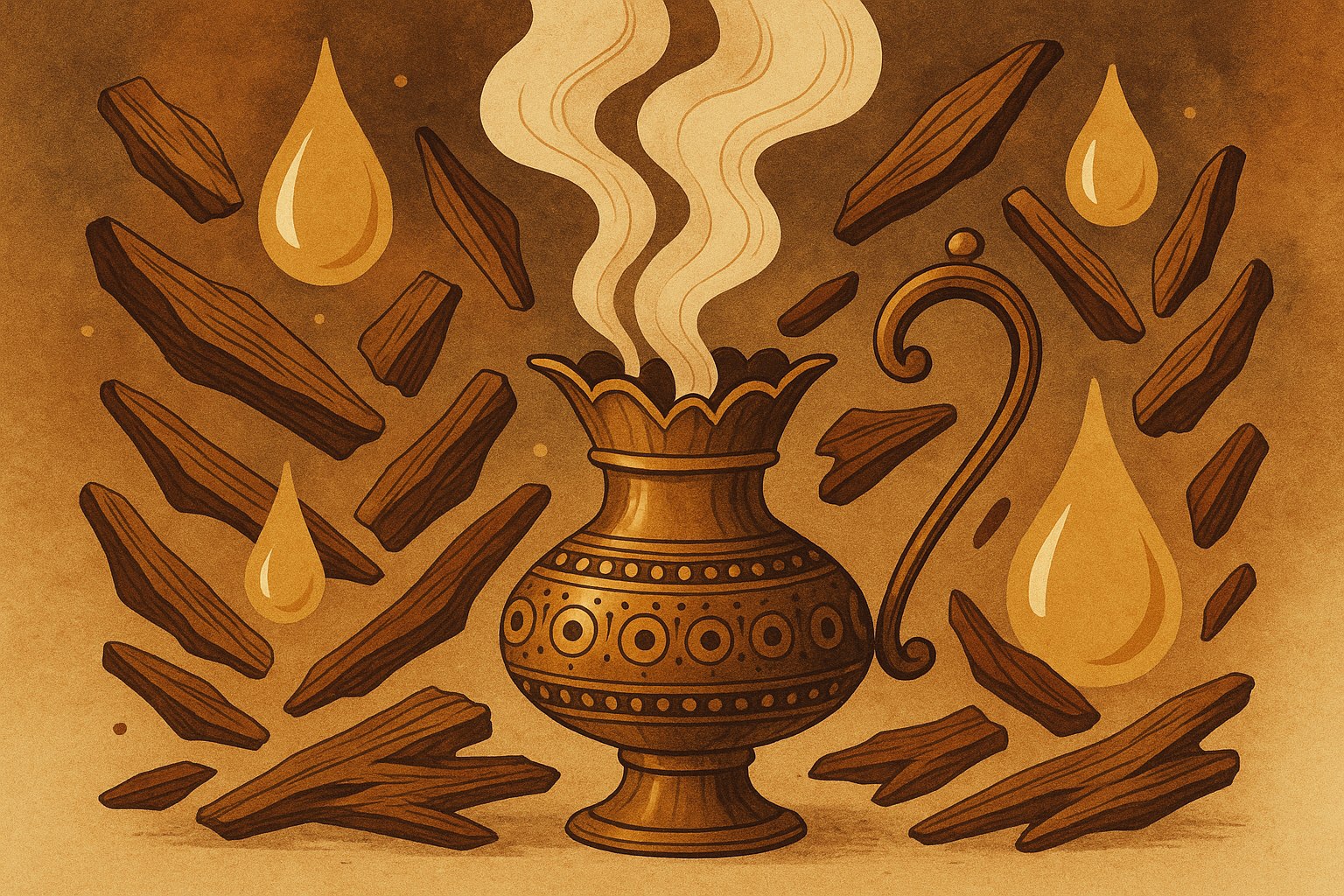
In the Gulf and broader Middle East, layering fragrance has been a daily practice for centuries, not a novelty. Bakhoor — chips of wood soaked in fragrant oils and burned as incense — is used to scent clothing, hair, and homes before guests arrive, alongside body oils and oud. High-quality oud is rarely worn by itself; it's traditionally combined with florals, spices, amber, or musk to build a composition unique to the wearer, a custom-blend approach that stands in real contrast to the Western idea of a single "signature scent." That instinct — that fragrance is something you compose, not something you buy pre-finished — is the actual origin point of what Western fragrance counters are now selling as an innovation.
What changed in the mass market
What's new is that mainstream and prestige fragrance houses have started designing products specifically to be layered, rather than leaving it to chance. That's a real shift in how perfume is developed, and it's worth looking at who did it first and who's doing it well now.
The brands that actually built for this
A handful of houses didn't just tolerate layering — they engineered entire lines around it. Here's how four of the most-cited names in the current wave actually differ in approach.
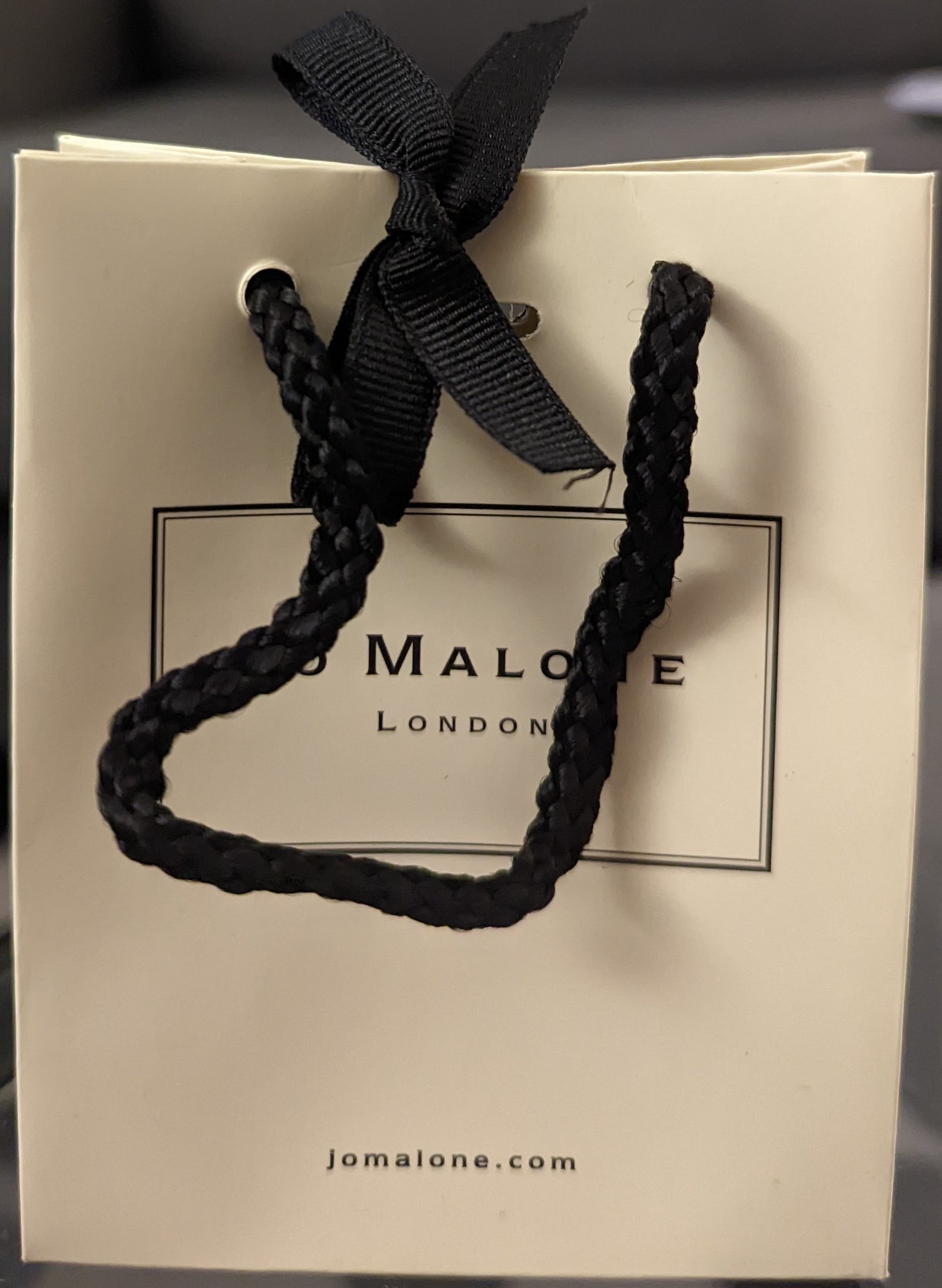
Jo Malone London
The OriginatorEncouraged combining colognes since the brand's founding in 1994, built around single-note or simple two-to-three-essence scents. Still runs an official "scent pairing" tool suggesting combinations like Wood Sage & Sea Salt with Peony & Blush Suede.
Maison Francis Kurkdjian
The Wardrobe PhilosophyFounder Francis Kurkdjian rejects the "one scent for life" model in favor of a fragrance wardrobe — separate scent "facets" for different moods and times of day, meant to be rotated and combined rather than committed to.
Glossier You
The Engineering TrickAll four scents share the same warm Ambrox base note by design — the actual mechanism that lets them layer cleanly with each other and with skin chemistry, a "your skin but better" effect.
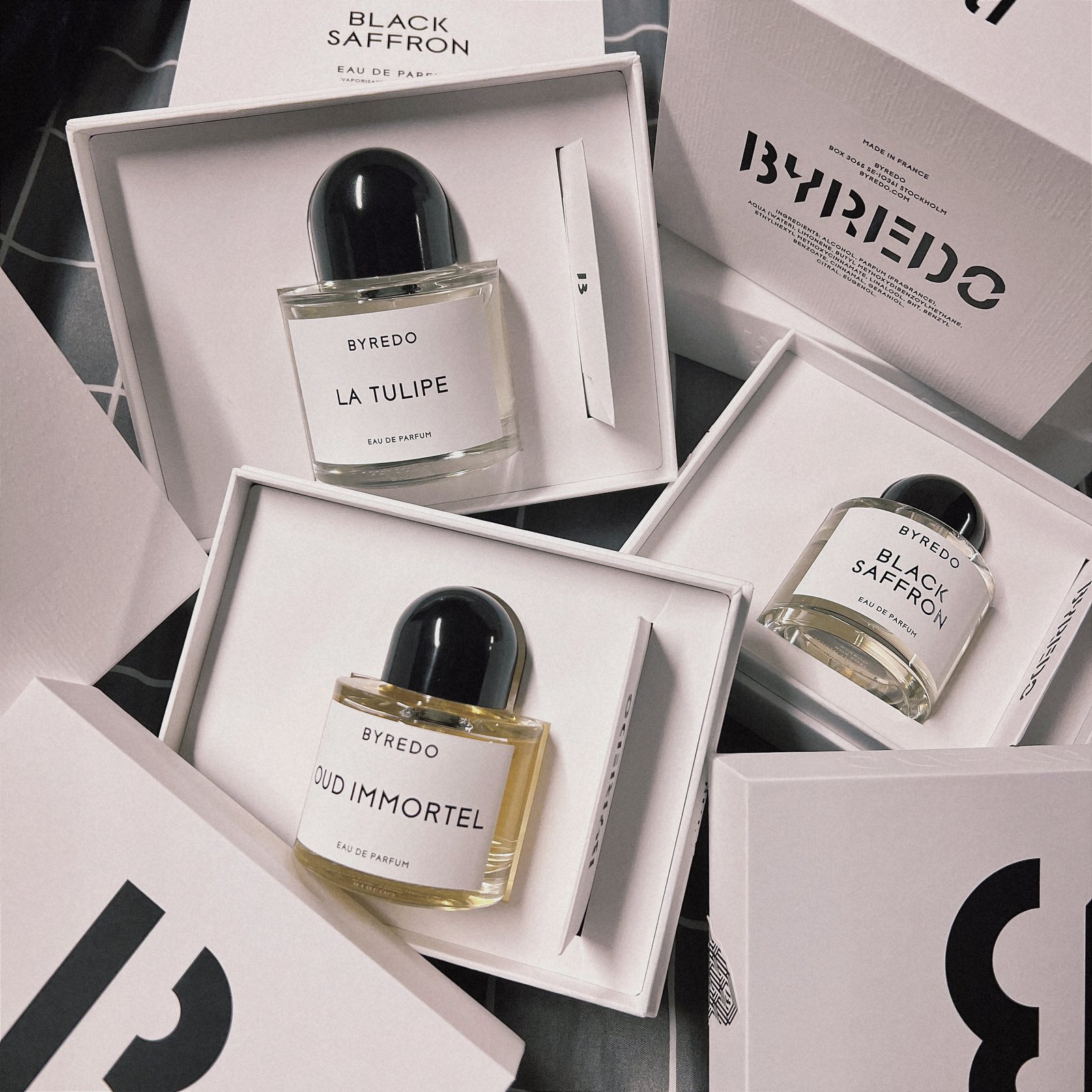
Byredo
The Minimalist's CaseFounder Ben Gorham builds each scent around a single personal memory, not a market brief. The "less is more" philosophy carries over to how people wear it — often as a complete statement, not layered at all.
How to actually layer without it turning to mush
The failure mode of scent layering isn't wearing "too much" fragrance in volume — it's stacking scents that fight each other structurally. A few rules borrowed from how the brands above design their own lines:

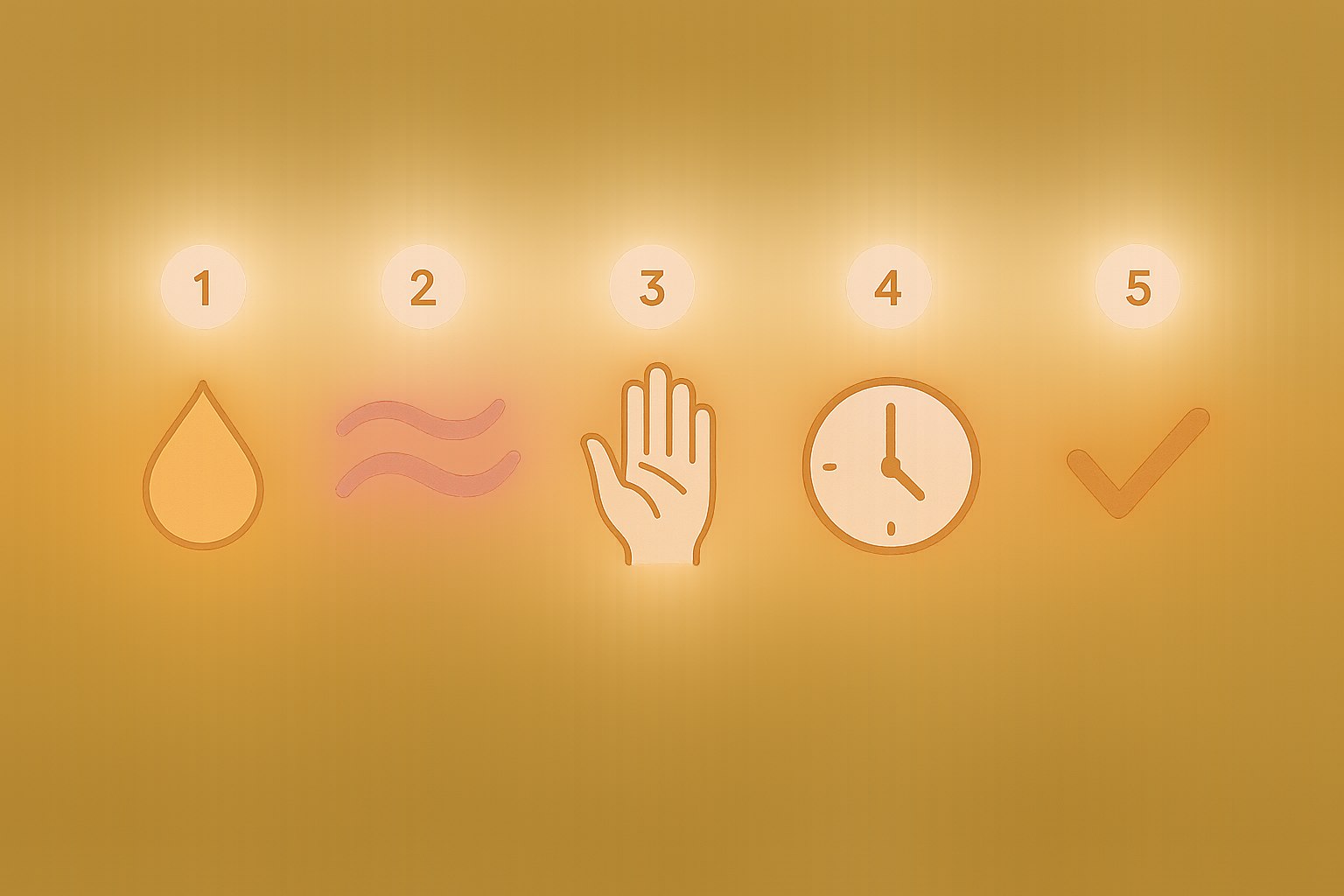
- 1Base first, always. Apply the heavier, muskier, or more skin-close scent first — this is the Glossier You logic. It should sit quietly under other things, not compete for attention.
- 2One "loud" note per combination. If your base already has a dominant note — oud, amber, a big floral — your top layer should be quieter: citrus, green tea, a soft musk.
- 3Layer on skin, not just in the air. Spraying two scents into the same general cloud isn't layering — apply to the same pulse points in sequence so they actually blend on skin.
- 4Match intensity to occasion. A fresh, single-facet combination for daytime; a denser oud-forward stack for evening.
- 5Know when not to layer. A fully composed niche scent — the Byredo case — is often already doing the complexity work for you. Test alone for a full wear first.
Where people go wrong
| Mistake | Why it fails |
|---|---|
| Overcorrecting on volume | More sprays isn't more layering — it's just more perfume. Stick to one or two per scent. |
| Stacking two ouds | Two dense, resinous bases fight for the same olfactory space and read as muddy, not rich. |
| Ignoring skin chemistry | A combination that reads beautifully on a friend can shift completely on your own skin. |
| Treating it as a one-time stunt | The brands above built layering as an ongoing practice — the payoff shows up after weeks of finding your combinations. |
None of this requires buying an entirely new fragrance wardrobe overnight. Most people already own two or three scents that were never designed to touch each other. Start there, apply the base-then-top sequencing above, and only look at layering-specific lines like Jo Malone's or Glossier You's once you know what kind of combination you're actually chasing.
Common questions
Where did fragrance layering actually come from?
The Gulf and broader Middle East, where combining oud, bakhoor, and body oils into a personal composition has been a daily practice for centuries — not a recent Western invention.
What's the biggest layering mistake?
Stacking two structurally "loud" notes — like two dense ouds — rather than pairing one dominant base with a quieter top note.
Do I need to buy new fragrances to layer?
No. Most people already own two or three scents that can be sequenced base-first, top-second.
How does Glossier You's line layer so cleanly?
All four scents share the same Ambrox base note by design, so they blend with each other and with skin chemistry rather than clashing.
Should every fragrance be layered?
No. A fully composed niche scent, like most Byredo fragrances, is often already doing the complexity work on its own — test alone first.
Scent layering earns its current popularity honestly — it's a real technique with centuries of practice behind it, now supported by brands that engineer products specifically for it. The mistake is treating it as a volume game rather than a structural one: base first, one loud note at a time, applied on skin rather than sprayed into the air. Most people don't need a new fragrance wardrobe to start — just a better sequence for the bottles they already own.
Disclosure. This article was independently researched and written by the DopamineKart Legit editorial team. It contains links to products we believe are genuinely worth your attention; DopamineKart may earn a commission on qualifying purchases made through those links, at no added cost to you. Brand names, histories, and product details referenced above are drawn from the brands' own published materials and reputable press coverage. Real photography is Wikimedia Commons, credited per image. Illustrations are AI-generated (OpenAI gpt-image-1), used only for conceptual diagrams — never to depict a real product or brand mark.
Corrections: email us