Quick take
- The GV60 rides on the same E-GMP platform and 800-volt electrical architecture as the Hyundai Ioniq 5 and Kia EV6, but it's the only one of the three with fingerprint start and facial-recognition entry.
- A first-ever redesign — reworked bumper, grille, "Two Lines" headlamps, and a new 27-inch dual-screen cockpit — arrived alongside a larger 84.0 kWh battery, up to 306 miles of EPA range, and a native NACS charging port.
- The Crystal Sphere shift dial, a rotating illuminated ball that reveals the shifter on startup, carries over unchanged through the redesign.
- The range-topping Performance AWD trim makes 429 hp on its own and 483 hp for ten-second bursts with Boost mode engaged.
- Above all of that sits the new GV60 Magma — Genesis's first production model under its Magma performance sub-brand, with up to 641 hp available on demand.
Genesis's GV70 and GV80 sell in bigger numbers, and the GV90 gets the flagship-concept spotlight, but the GV60 is the model that actually explains what Genesis is trying to do as an EV brand: take the same E-GMP hardware underneath the Hyundai Ioniq 5 and Kia EV6, and wrap it in enough genuinely different technology that the badge premium feels earned. A first-ever redesign has now sharpened that pitch — new sheet metal, a bigger battery, and a native Tesla-standard charging port — while a new high-performance Magma variant gives the GV60 a halo model it never had before. None of this is concept-car theater; it's the small Genesis EV you can walk into a showroom and buy today.
An E-GMP platform, dressed for Genesis
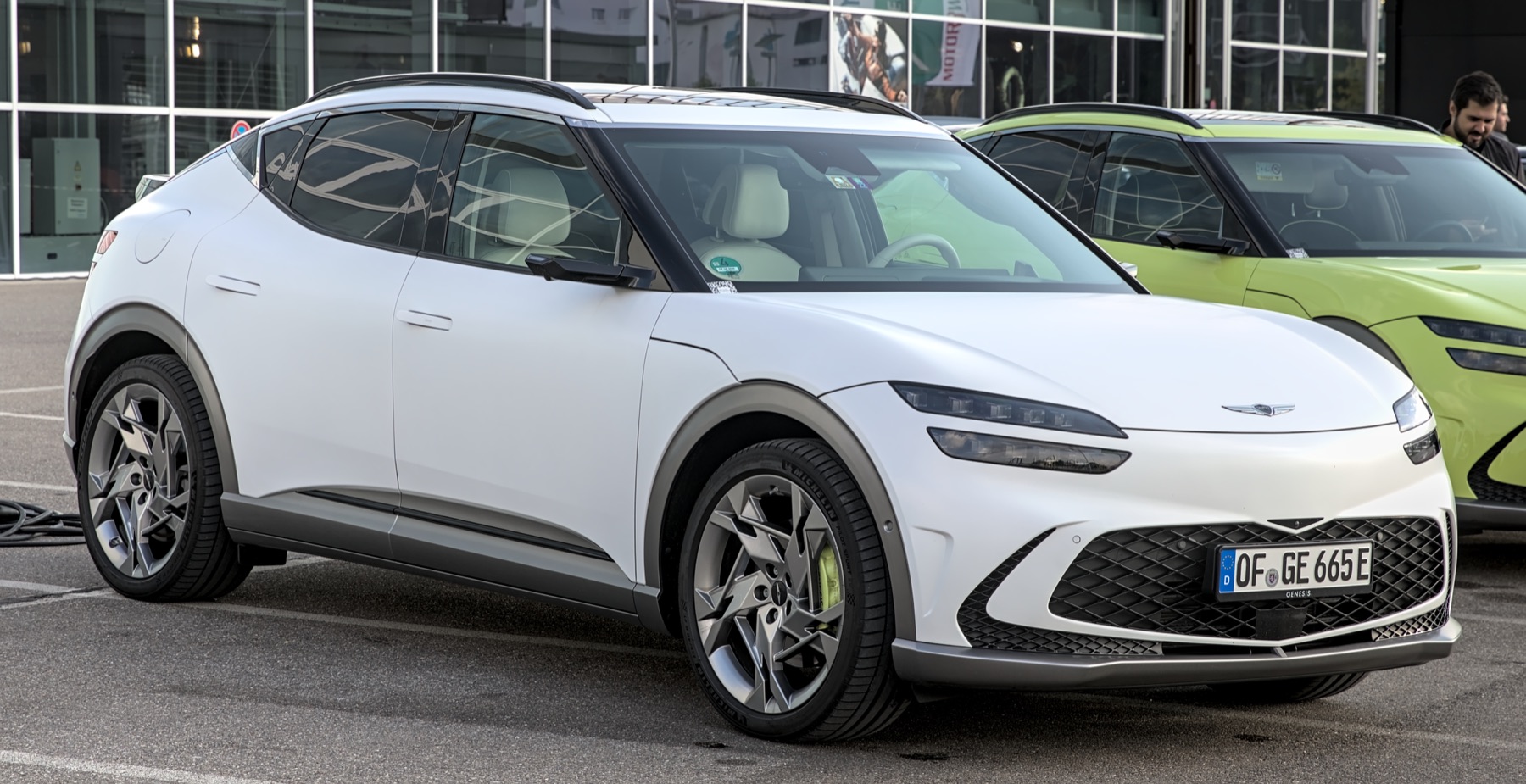
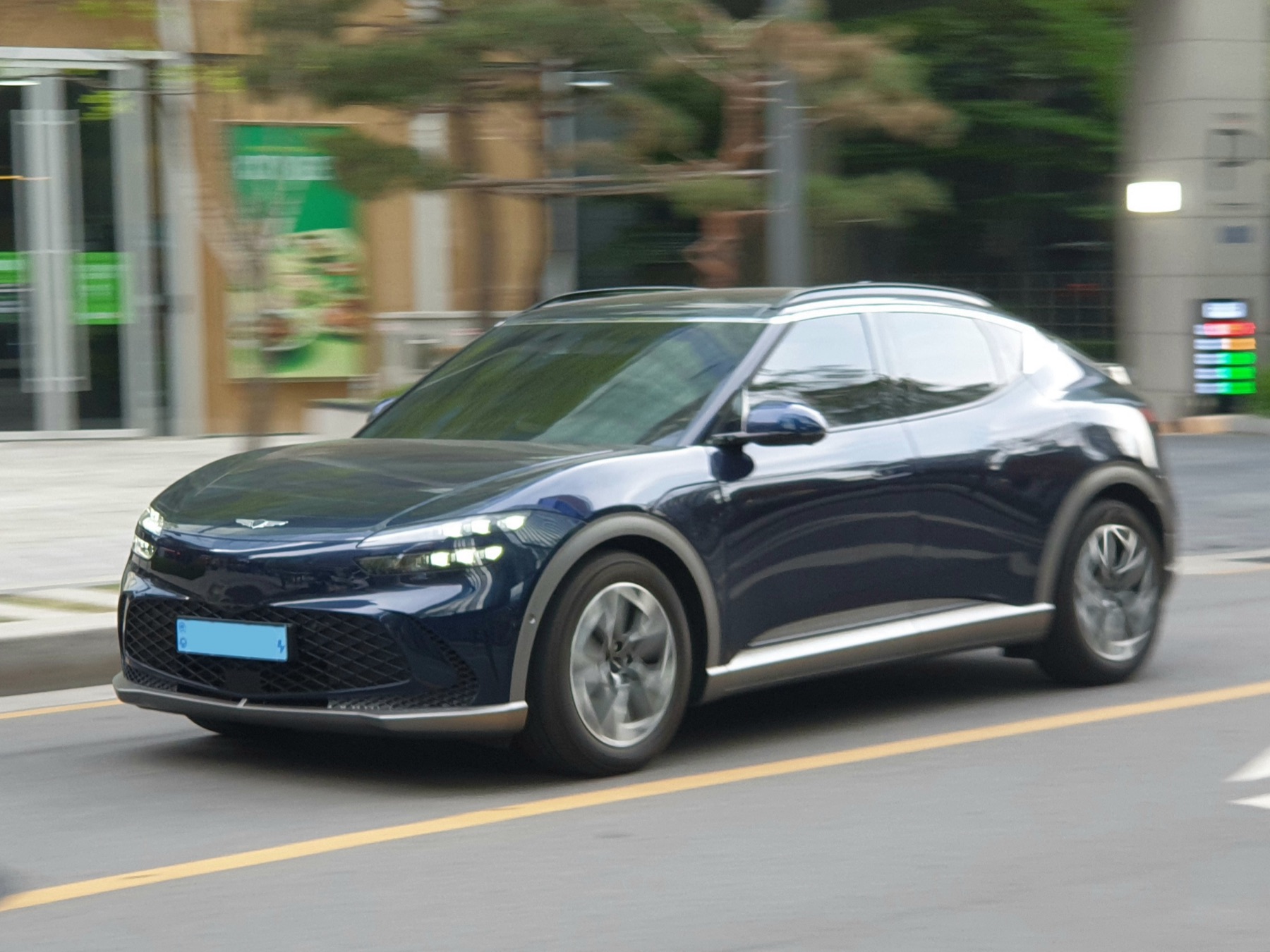
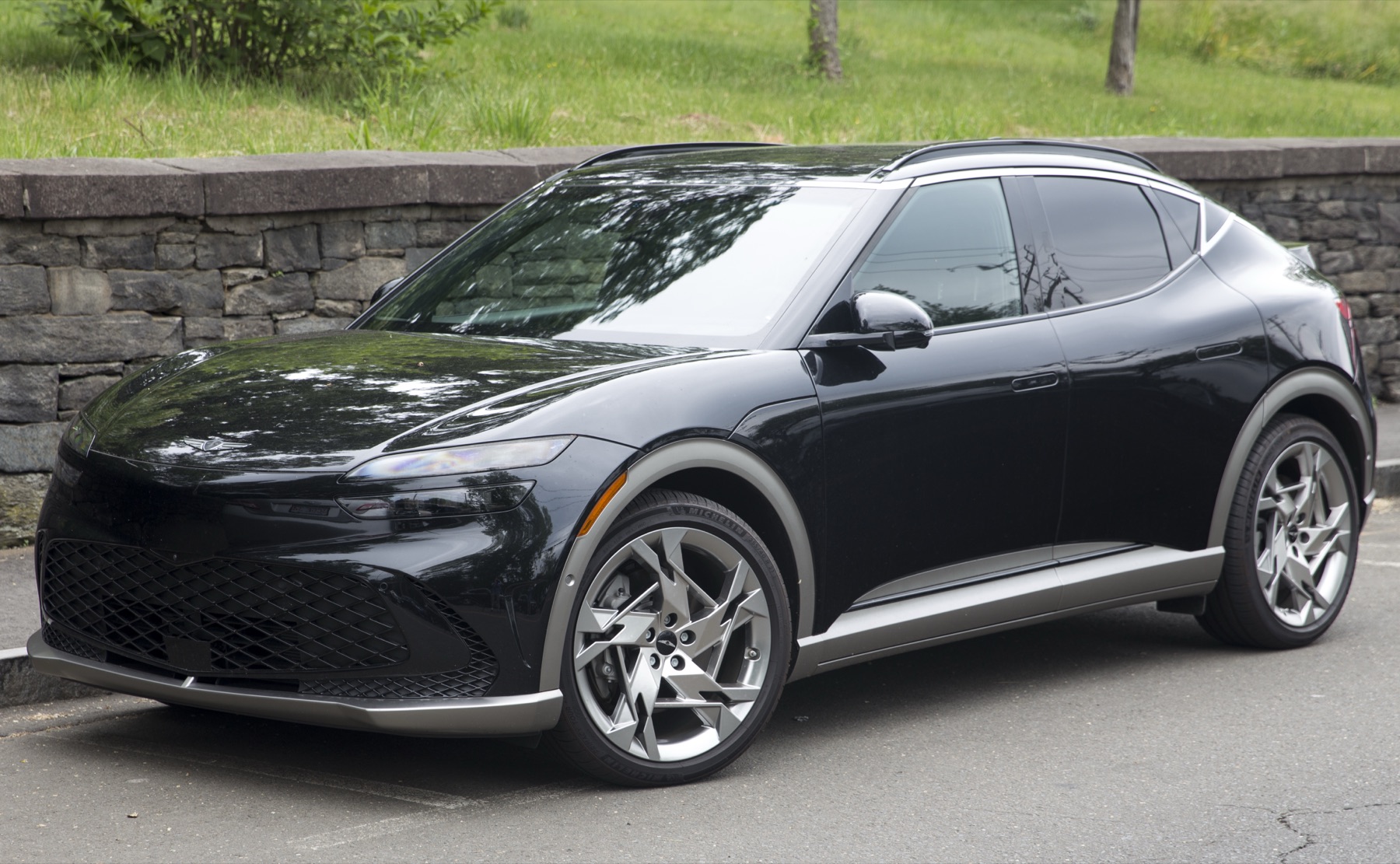
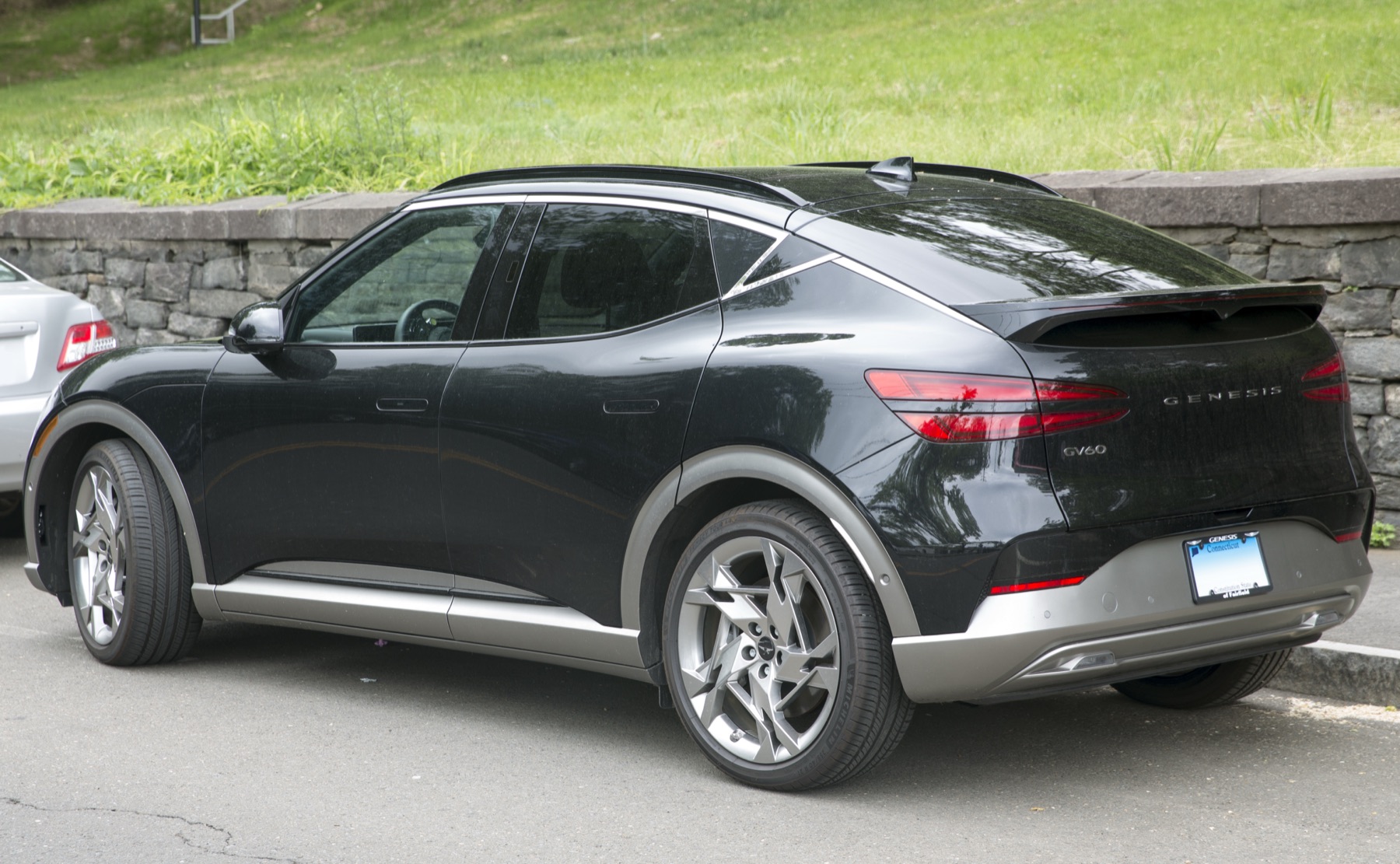
The GV60 was Genesis's first dedicated EV, launched on Hyundai Motor Group's E-GMP (Electric-Global Modular Platform) — the same 800-volt underpinnings shared with the Hyundai Ioniq 5 and Kia EV6. Genesis doesn't try to hide the relationship; instead it leans on styling and features to separate the GV60 from its corporate siblings, built around what the brand calls its "Athletic Elegance" design language: a wide, low stance and a coupe-like roofline rather than the boxier crossover shapes of its platform-mates.
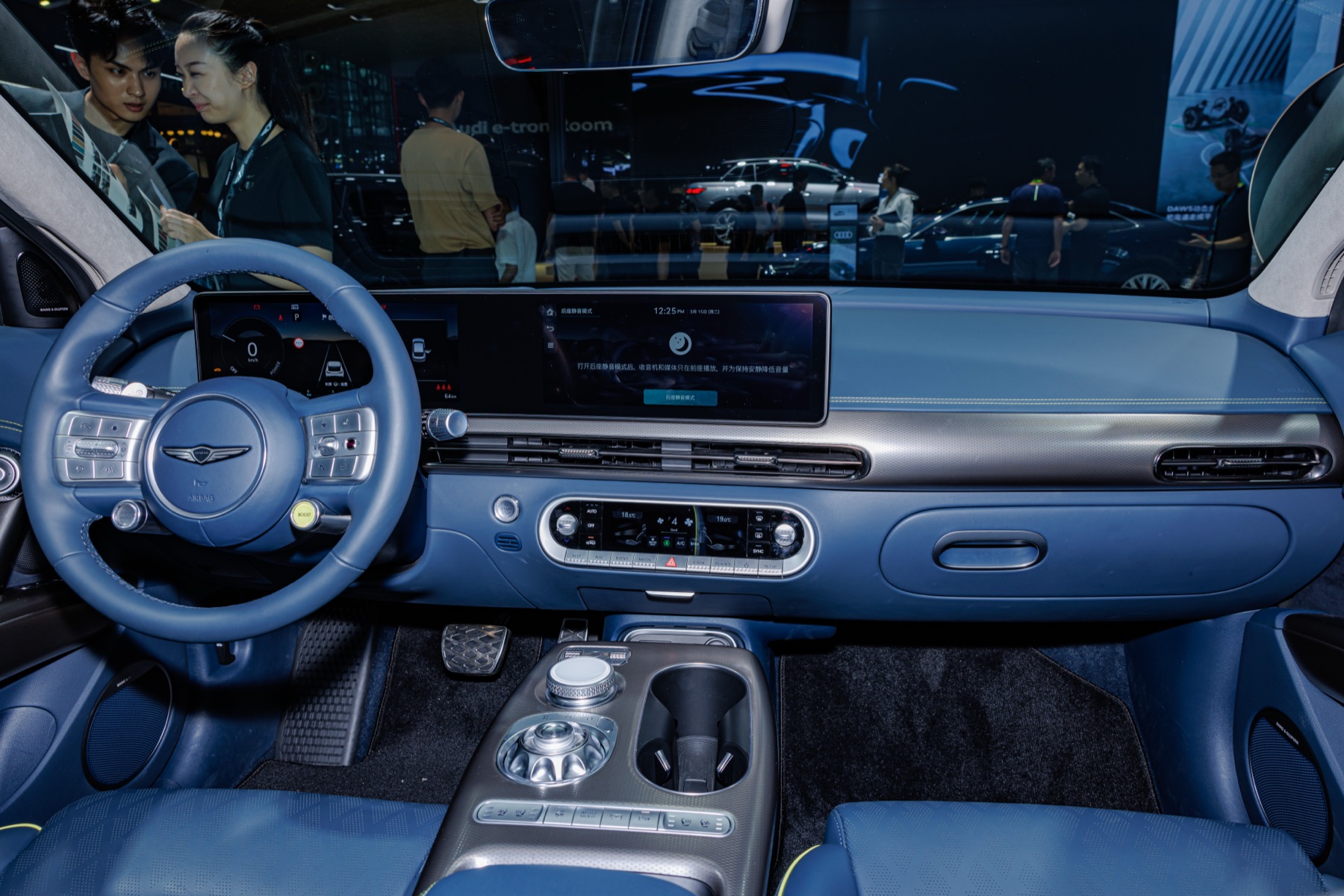
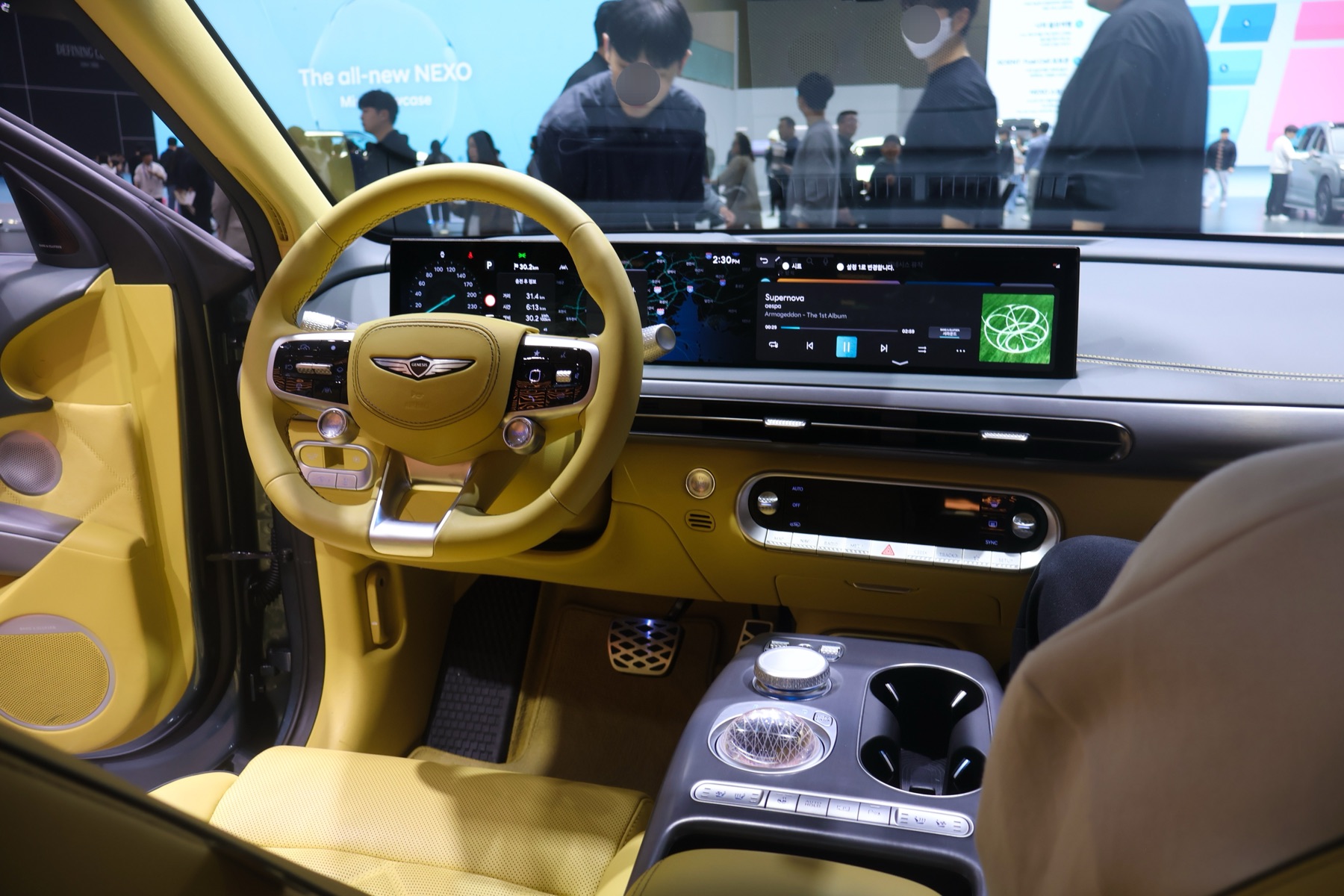
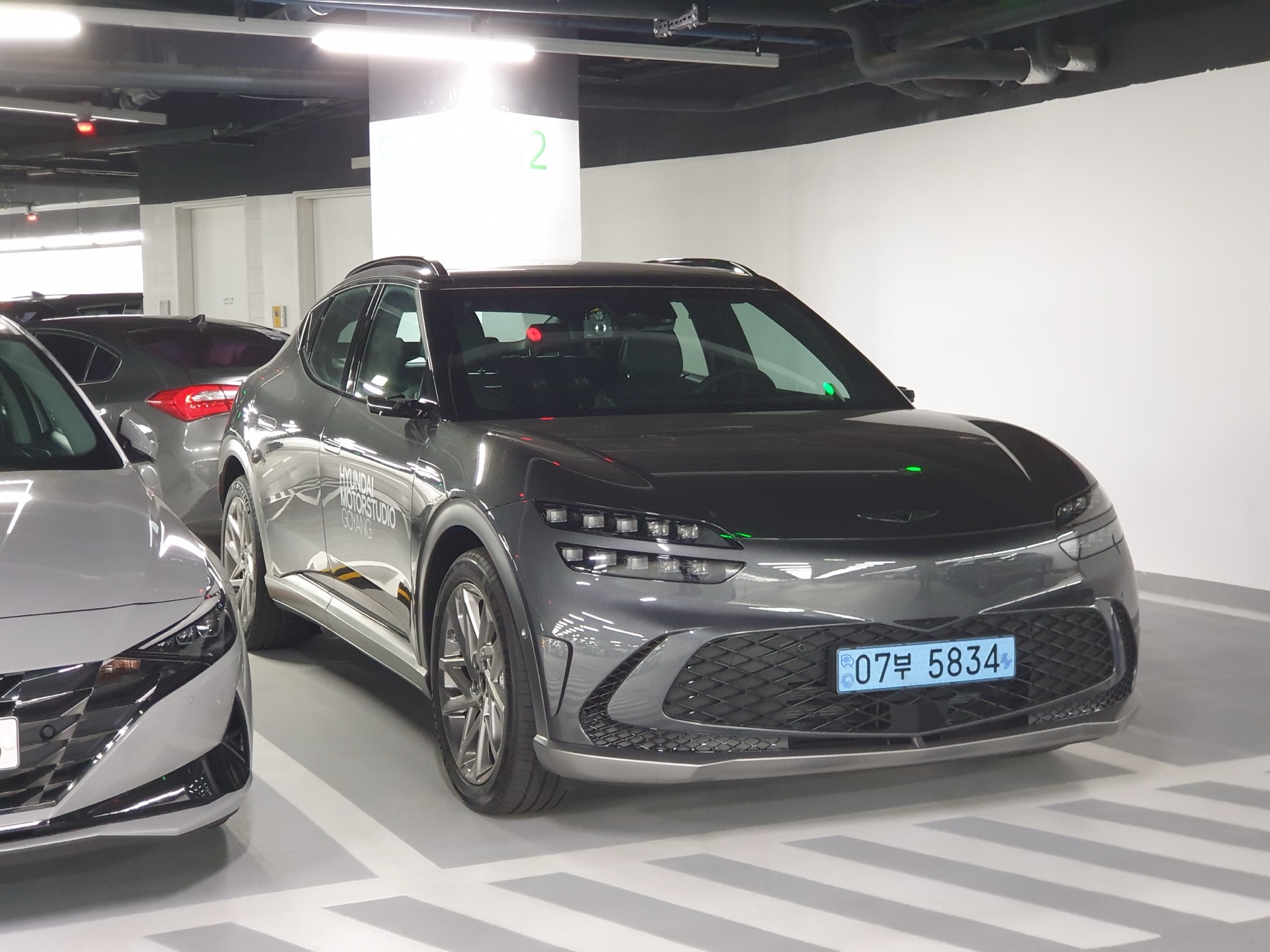
The first-ever redesign of the GV60 reworked the bumper into a more three-dimensional shape, added Micro Lens Array (MLA) headlamps using Genesis's "Two Lines" signature, and introduced sportier five-spoke 21-inch wheels alongside body-color wheel-arch cladding and fender garnishes for what Genesis describes as a "modern and rugged SUV look." Inside, the redesign's centerpiece is a new 27-inch connected-car Integrated Cockpit (ccIC) display that removes the bezel between the driver cluster and infotainment screen, paired with a new three-spoke steering wheel.
| Spec | Figure |
|---|---|
| Battery | 84.0 kWh (2026 redesign) |
| Max EPA range | 306 mi (Standard RWD) |
| DC fast charging (10–80%) | ~18 min at 350 kW / 800V |
| Standard RWD output | 225 hp / 258 lb-ft |
| Standard / Advanced AWD output | 314 hp / 446 lb-ft (dual motor) |
| Performance AWD output | 429 hp / 516 lb-ft (483 hp with Boost) |
| Wheelbase | 114.2 in. |
| Cargo volume | 24.0–54.7 cu. ft. |
Four trims, one battery pack
Standard RWD
Single rear motor, 225 hp / 258 lb-ft, and the longest range in the lineup at an EPA-estimated 306 miles.
Standard AWD
Adds a front motor for a combined 314 hp / 446 lb-ft and all-wheel drive, at an EPA-estimated 282 miles.
Advanced AWD
Same 314 hp / 446 lb-ft dual-motor setup as Standard AWD, with additional equipment and an EPA-estimated 267 miles.
Performance AWD
429 hp / 516 lb-ft on its own, 483 hp for 10-second bursts with Boost engaged. EPA-estimated 252 miles.
Independent testing backs up the Performance trim's numbers on the road: reviewers at AutoGuide clocked a 0-60 mph time of 4.0 seconds with Boost mode engaged, describing the GV60 as never feeling "underpowered" and offering "oodles of acceleration at any speed," while noting that the electronically controlled mechanical slip differential helps keep a 4,945-pound curb weight in check through corners. The same testing flagged a real-world caveat: winter range on the Performance trim came in around 190 miles against its EPA estimate — a reminder that cold weather hits every EV's range, this one included.
No key required: fingerprint, Face Connect, and the Crystal Sphere
The GV60's signature party trick predates the redesign and survives it intact. Genesis introduced Face Connect as what it called the world's first facial-recognition keyless entry system on a production car: a near-infrared camera mounted in the B-pillar builds a 3D map of the driver's face — accurate, Genesis says, even in the dark or in poor weather — and unlocks the door on approach, with a ring of colored LEDs around the camera signaling its status. Once inside, a Fingerprint Authentication System on the center console lets the driver start the car, adjust personalized settings, and even release Valet Mode with a single press — no phone, fob, or face required at that point, just a finger on the pad.
The other piece of GV60 theater is the Crystal Sphere: an illuminated ball on the center console that, when the car is off, doubles as ambient lighting. Start the car and the sphere rotates to reveal a shift-by-wire dial underneath, a small bit of mechanical showmanship every time the GV60 wakes up. Genesis kept the Crystal Sphere unchanged through the 2026 redesign even as most of the cabin around it was reworked, which tells you how central it is to the car's identity.
Cargo space and everyday livability
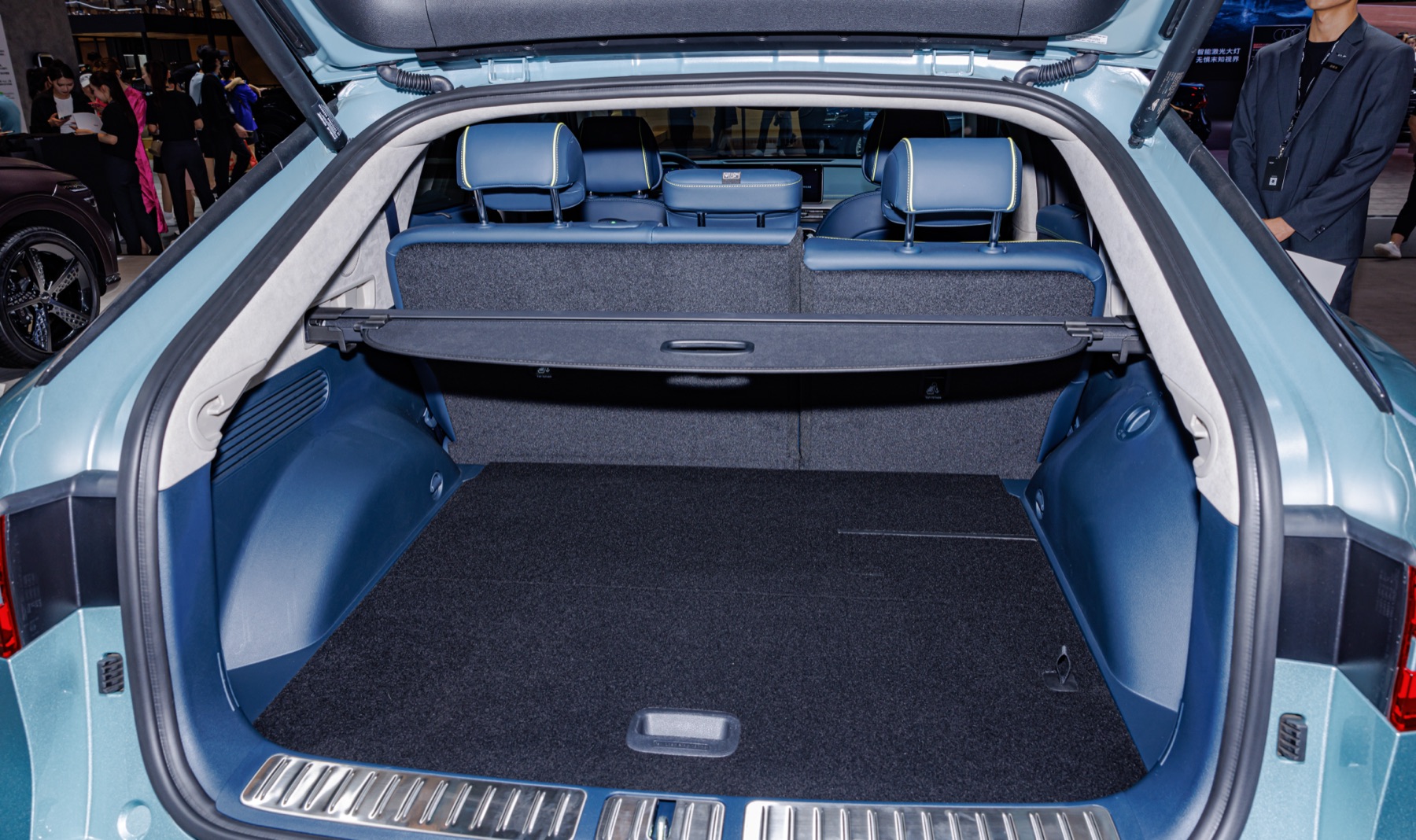
Genesis lists 24.0 cubic feet of cargo volume behind the rear seats, expanding to 54.7 cubic feet with the seats folded — modest for the compact-crossover class but in line with a car whose coupe-like roofline was chosen for looks over outright hauling capacity. There's also a small front trunk under the hood, standard on E-GMP vehicles, for charging cables or a bag that shouldn't ride in the main compartment.
Above the Performance AWD trim sits the GV60 Magma, Genesis's first production car under its new Magma performance sub-brand. Genesis quotes 601 hp and 546 lb-ft of torque in normal use, rising to a claimed 641 hp and 580 lb-ft for short bursts with Boost engaged — enough for a manufacturer-quoted 0-to-62-mph time of 3.4 seconds and a 164-mph top speed. The Magma uses the same 84 kWh battery pack as the rest of the GV60 line, retuned around its more powerful motors; U.S. range is estimated at roughly 240 to 250 miles, with official EPA certification still pending as of this writing.
It's a meaningfully different car from the Standard, Advanced, and Performance trims covered above — its own model, not an options package — but it confirms that Genesis sees real appetite for a genuinely quick version of its smallest EV.
Full photo gallery
All photos below are real-world, dealership, and auto-show photography of the Genesis GV60, sourced from Wikimedia Commons contributors under Creative Commons licenses — not manufacturer press photography. Individual photographer credit for every image appears in the disclosure section. Click any photo to enlarge.
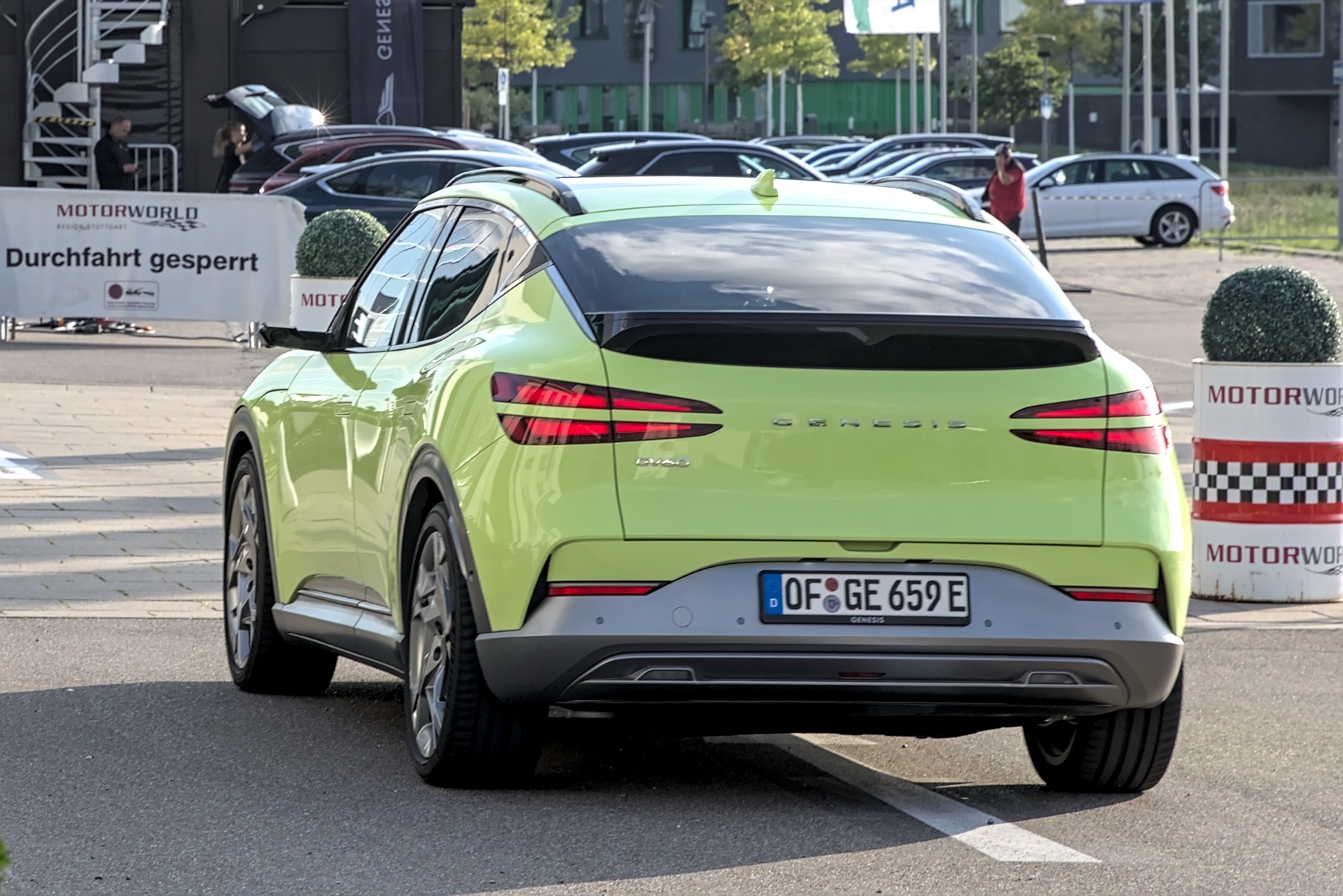
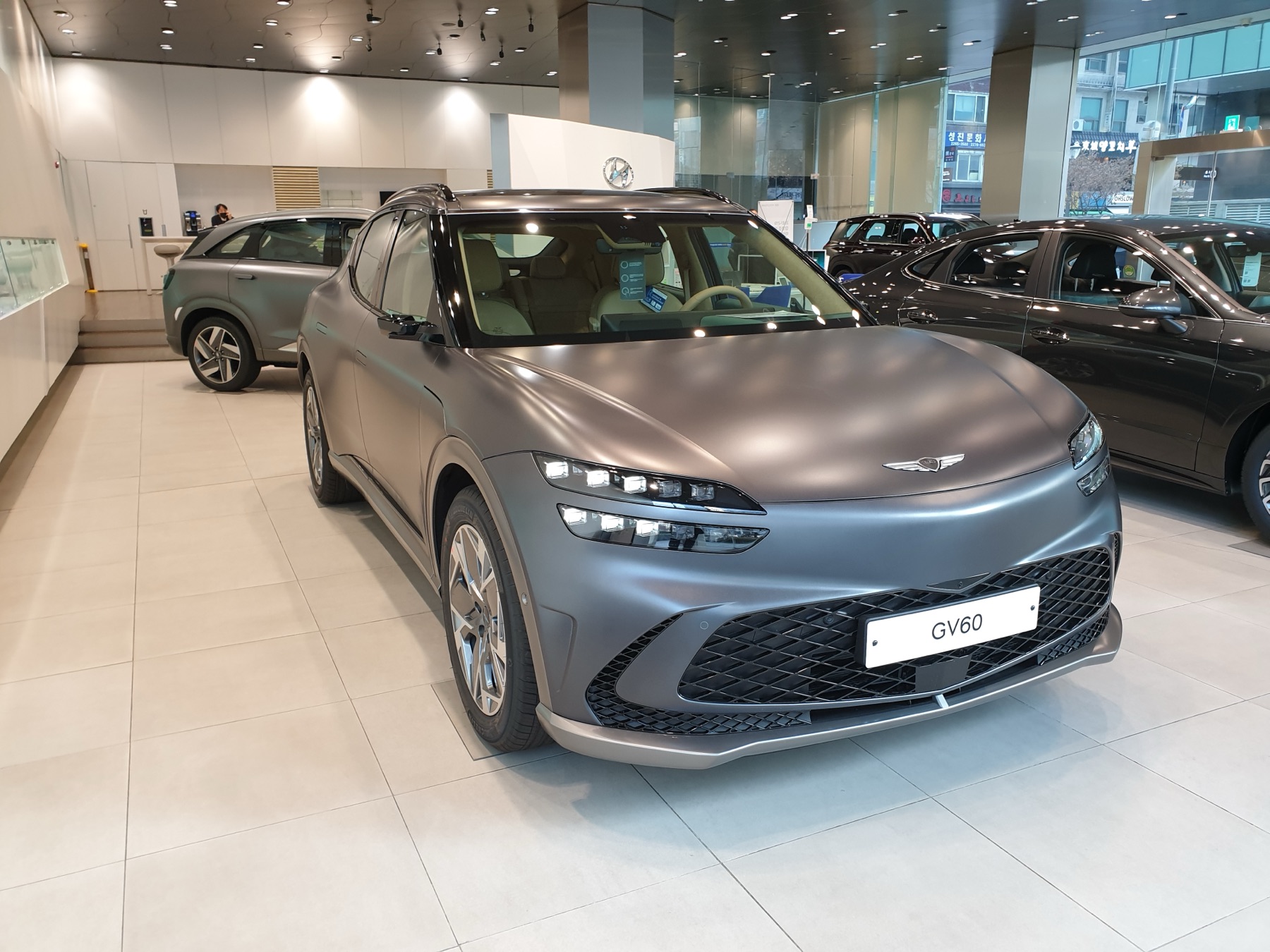
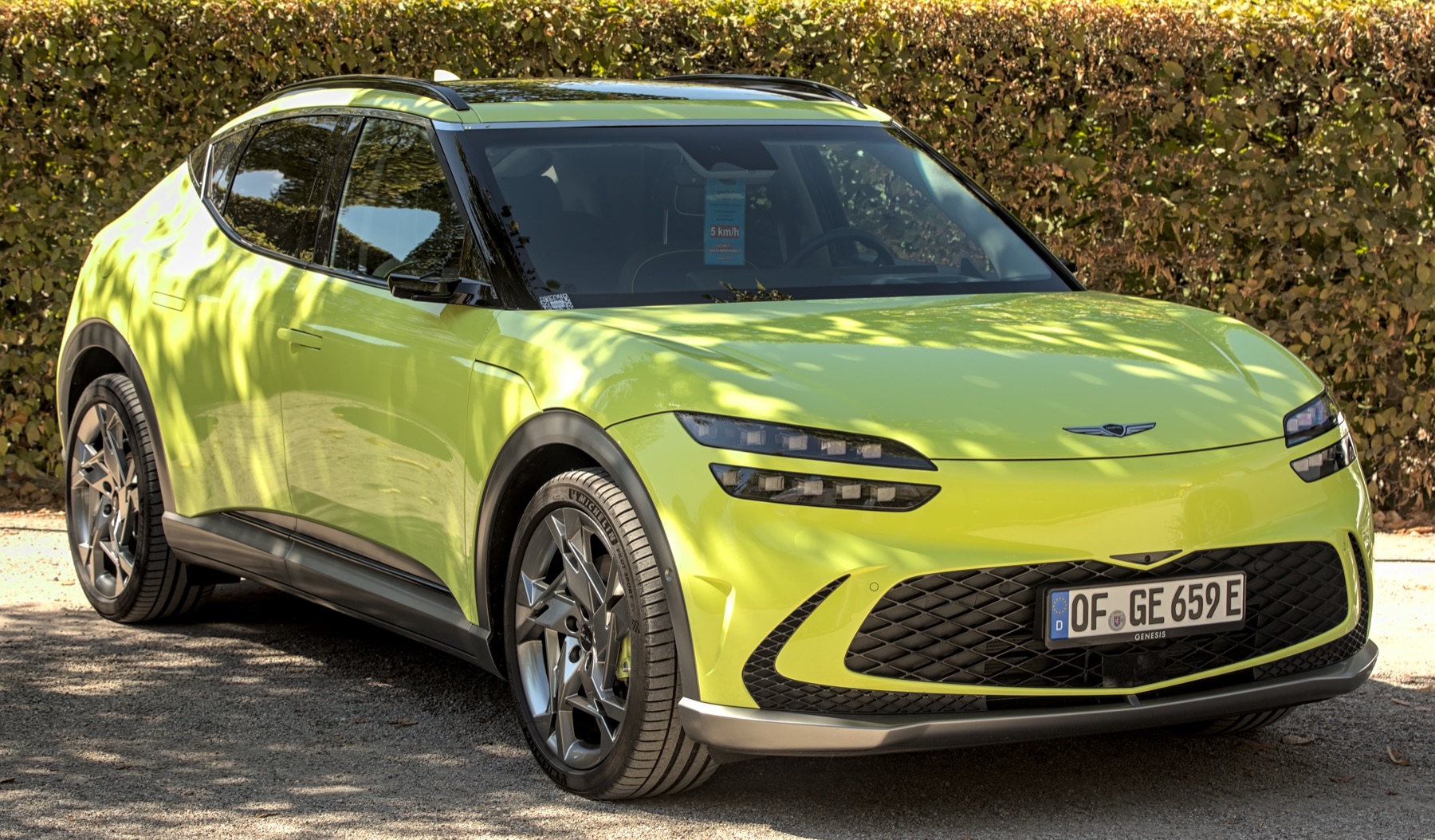
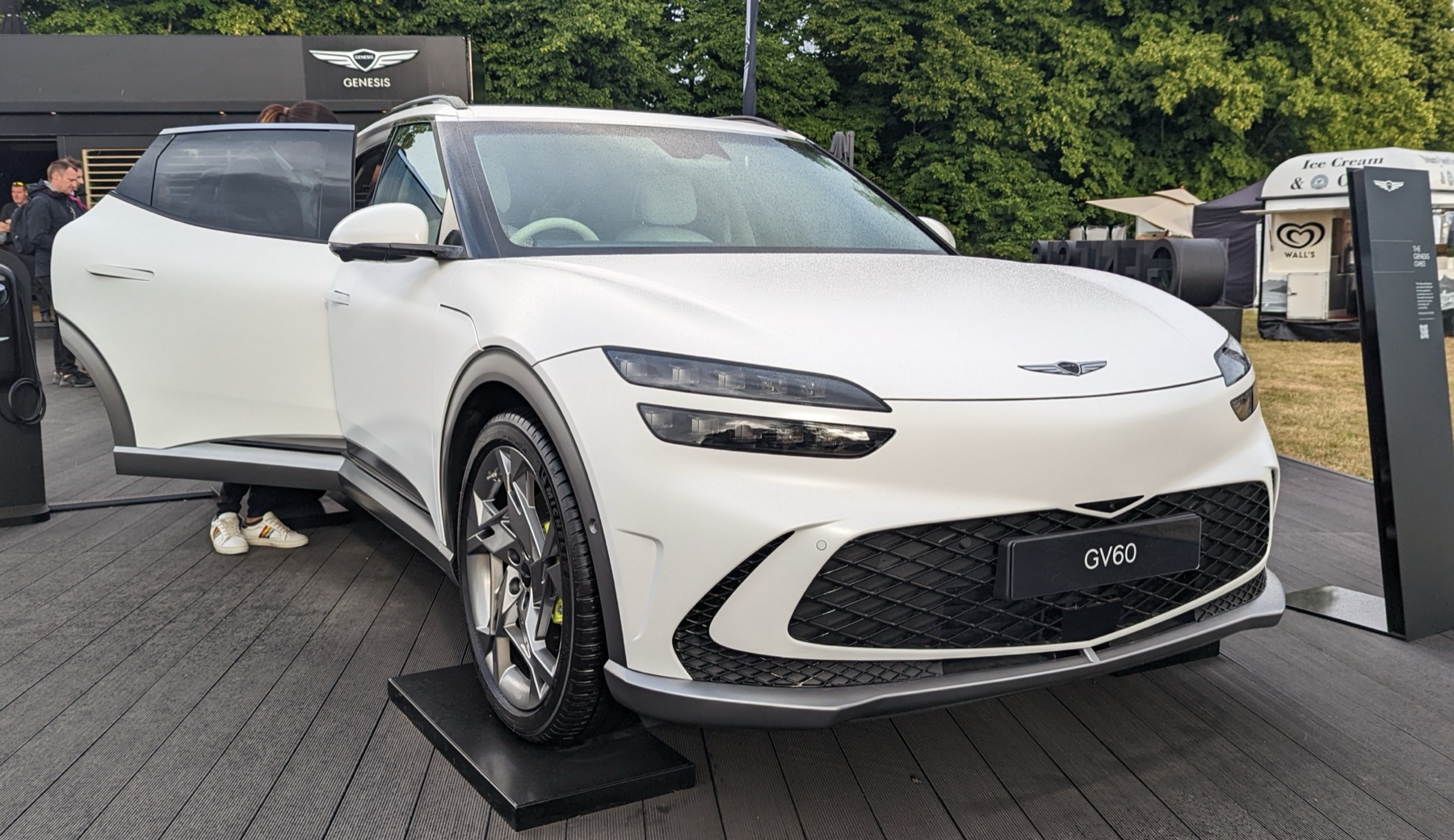
Common questions
What platform does the Genesis GV60 use?
The E-GMP (Electric-Global Modular Platform) with 800-volt architecture — the same underpinnings as the Hyundai Ioniq 5 and Kia EV6.
Does the GV60 really unlock with your face?
Yes. Genesis's Face Connect system uses a near-infrared camera in the B-pillar to read a 3D map of the driver's face and unlock the door, alongside a separate fingerprint reader on the center console for starting the car.
How fast is the Performance GV60?
Independent testing by AutoGuide recorded a 0-60 mph time of 4.0 seconds with Boost mode engaged in the 429-hp Performance AWD trim.
What's the difference between the GV60 and the GV60 Magma?
The Magma is a separate, more powerful model under Genesis's new Magma performance sub-brand, with a manufacturer-quoted 601 hp (641 hp with Boost) versus the Performance trim's 429 hp (483 hp with Boost), and a claimed 3.4-second 0-to-62-mph time.
How much range does the redesigned GV60 have?
Up to an EPA-estimated 306 miles on the Standard RWD trim with the 84.0 kWh battery introduced in the redesign; AWD and Performance trims are rated lower due to the added motor and, on Performance, wider tires.
The GV60 is the clearest case Genesis has for why its EVs deserve a premium over the Hyundai and Kia models they're built alongside: real, distinctive technology — facial recognition, fingerprint start, a shifter you have to see rotate into place — layered onto genuinely capable E-GMP hardware. The redesign fixes the parts that needed fixing (a dated infotainment setup, a smaller battery) without touching what made the car interesting in the first place. The GV60 Magma raises the ceiling further, though it's worth remembering it's a separate, pricier model rather than an option box on the trims covered here. The one number to watch, regardless of trim: real-world range in cold weather has fallen well short of EPA estimates in independent testing, which matters more for a daily driver than a 0-60 time does.
Disclosure. This review is based on manufacturer specifications and Genesis's own press materials: Genesis Newsroom — GV60 redesign announcement, Genesis.com — GV60 product page, and background from Wikipedia — Genesis GV60; independent performance and real-world range figures are from AutoGuide's 2026 Genesis GV60 review; GV60 Magma figures are from Edmunds' 2027 Genesis GV60 Magma first-drive review. DopamineKart did not receive a loaned vehicle, payment, or other consideration from Genesis for this coverage, and no discount or sale information is referenced.
Photo credits
All photography is real-world, dealership, or auto-show photography from Wikimedia Commons, used under Creative Commons Attribution-ShareAlike licenses: front/rear Vik Black exterior photos © Mr.choppers (CC BY-SA 3.0 / GFDL); white, light-green, and dark-blue exterior photos © Alexander Migl (CC BY-SA 4.0); grey and matte-grey showroom exterior photos © Damian B Oh (CC BY-SA 4.0); black rear three-quarter exterior photo © Calreyn88 (CC BY-SA 4.0); interior dashboard and cargo-area photos © Dinkun Chen (CC BY-SA 4.0); yellow-leather interior detail photo © Treeinkr (CC BY-SA 4.0). DopamineKart has not conducted a hands-on test drive of this vehicle; this article is a research-based breakdown, not a road test.Corrections: email us