
Quick take
- "Gorpcore" was coined in 2017 by a New York Magazine writer to describe technical outdoor clothing that already existed — the trend named a look, it didn't invent one.
- Arc'teryx and Salomon are sister brands under the same parent company, Amer Sports — two of the trend's most-cited names have shared a balance sheet for years.
- The 2021 Jil Sander+ × Arc'teryx capsule used real 3-layer Gore-Tex, not a printed imitation — the fashion versions of this gear are often genuinely functional.
- Outdoor-inspired luxury fashion grew ~23% between 2020–2023, outpacing luxury fashion's overall growth rate (Vogue Business).
Gorpcore has a birth certificate, which is more than you can say for most fashion "trends." In 2017, writer Jason Chen used the word in a piece for New York Magazine's The Cut, splicing "normcore" with GORP — hiker slang for "good ol' raisins and peanuts," the trail mix that fuels actual hikes. The term was coined to describe something that already existed: technical outdoor clothing, worn for reasons that had nothing to do with fashion, by people who were mostly just cold and far from a parking lot.
What changed isn't the gear. It's who's wearing it, and why. The pandemic pushed millions of people outside and into fleece and Gore-Tex out of necessity, and by the time everyone came back indoors, the look had migrated from the trailhead to the sidewalk — and eventually, to runways in Milan and Paris.
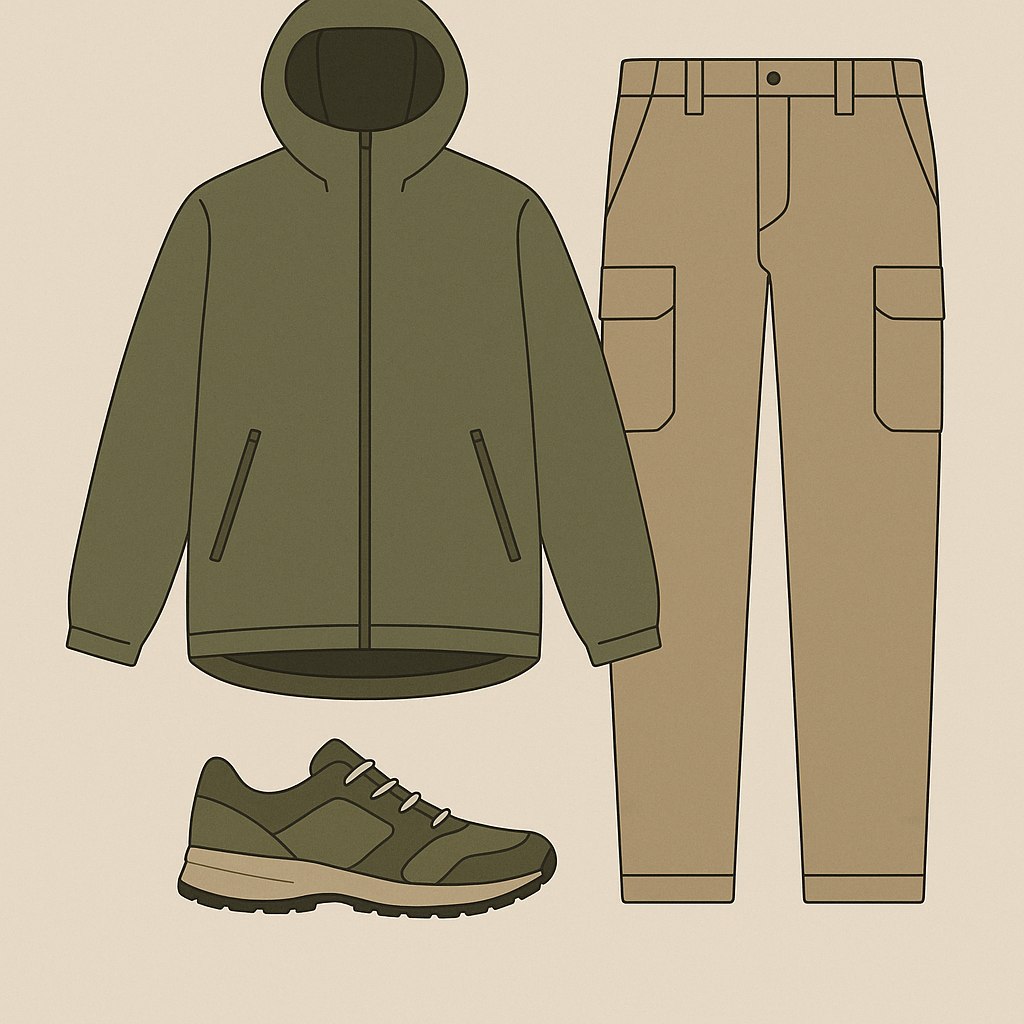
The Trail Was There First
Arc'teryx did not start as a fashion label, or even as a company with that name. In 1989, a small crew of climbers in North Vancouver started a business called Rock Solid, making harnesses and packs out of a basement. In 1991 they rebranded as Arc'teryx, borrowing the name from Archaeopteryx — the fossil that marks the evolutionary hinge between dinosaurs and birds. Arc'teryx passed through Salomon Group's ownership in 2001 before landing with the Finnish conglomerate Amer Sports in 2005, where it remains one of the group's fastest-growing labels.
Salomon's story starts even earlier and an ocean away. François Salomon opened a small workshop in Annecy, France, in 1947, making steel ski edges with only his wife and son helping out. The company automated edge production in 1957, reinvented the ski binding by replacing leather straps with cable systems, and by 1972 had become the world's leading ski-binding manufacturer. None of that had anything to do with streetwear — until the brand's XT-6 trail shoe, designed for uneven mountain terrain, found an entirely different life on pavement decades later.

When the Trail Met the Runway
The moment gorpcore stopped being an outdoor-industry inside joke and became a fashion-page fixture is easier to date than most trend origin stories. In 2021, Jil Sander's creative directors Lucie and Luke Meier — who grew up skiing and touring in Zermatt and Whistler, respectively — partnered with Arc'teryx on a capsule under the Jil Sander+ activewear line. The collection mixed 3-layer Gore-Tex with leather overlays across three jackets, bibbed trousers, and a one-piece suit, in a palette of black, white, and glacier blue-grey.
That same year, Gucci released a capsule with The North Face, pairing the mountaineering brand's expedition-grade archive with Gucci's own house codes. Supreme and The North Face have run repeated collaborations stretching back years, cementing outdoor gear as a streetwear staple well before "gorpcore" had a name. And in 2019, Palace — the London skate label — released an official Salomon collaboration built around the XT-6 and Speedcross 4 silhouettes, formalizing a relationship that started when Palace founder Lev Tanju put Salomon shoes in a lookbook two years earlier, unprompted.
Vogue Business reported that the broader category of outdoor-inspired luxury fashion grew by roughly 23% between 2020 and 2023 — outpacing luxury fashion's overall growth rate in the same window. That's not a TikTok fluke. It's a real, trackable shift in where fashion houses decided to point their design teams.
Field Guide: The Brands Actually Behind the Trend
Strip away the runway capsules and the resale hype, and gorpcore is built on a small number of companies that were making functional outdoor gear long before anyone thought to put it next to a look book. Here's what's actually true about each of them.
Arc'teryx
North Vancouver, Canada · founded 1989Started as "Rock Solid" in a basement, rebranded in 1991 with a name borrowed from a transitional fossil. Sold to Salomon Group in 2001, then to Amer Sports in 2005 — technical shell jackets built with input from working mountain guides, long before Jil Sander came calling.
Salomon
Annecy, France · founded 1947Began as a ski-edge workshop; became the world's top ski-binding maker by 1972. Its XT-6 trail shoe is now more famous off-trail than on it.
The North Face
San Francisco, USA · founded 1966Opened by Doug and Susie Tompkins with a $5,000 bank loan; the opening-day party reportedly featured a performance by the Grateful Dead. The Half Dome-inspired logo has outlasted six decades of ownership changes and at least two high-fashion capsules.
Patagonia
Ventura, California · founded 1973Yvon Chouinard's company. In 2022, Chouinard and his family transferred full ownership to two new entities — the Patagonia Purpose Trust and the Holdfast Collective — redirecting profit toward climate causes. The brand that has most visibly resisted being folded into a fashion cycle.
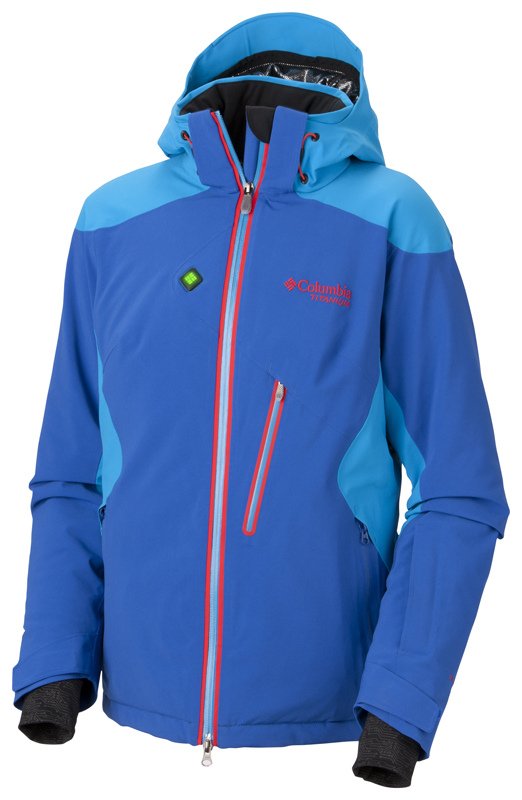
Columbia Sportswear
Portland, Oregon · founded 1938Started as a small hat distributorship by German immigrants Paul and Marie Lamfrom. Their daughter, Gert Boyle, took over as CEO in 1970 — the more mass-market, PFG-and-fishing-gear counterpart to Arc'teryx's climbing-guide pedigree.
The Collaborations
The moments that made it a "trend"Jil Sander+ × Arc'teryx (2021) · Gucci × The North Face (2021) · Supreme × The North Face (ongoing) · Palace × Salomon (2019).
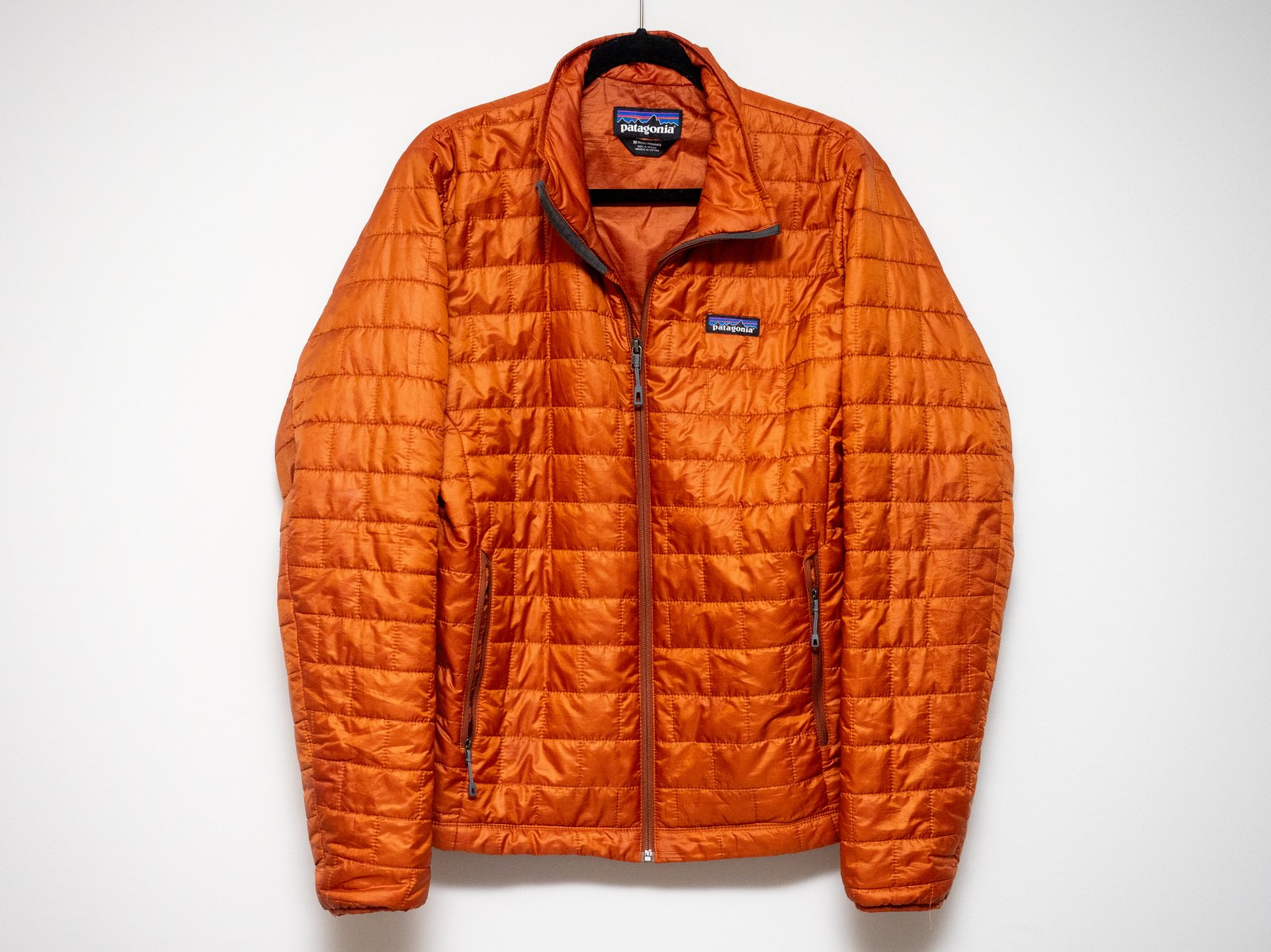
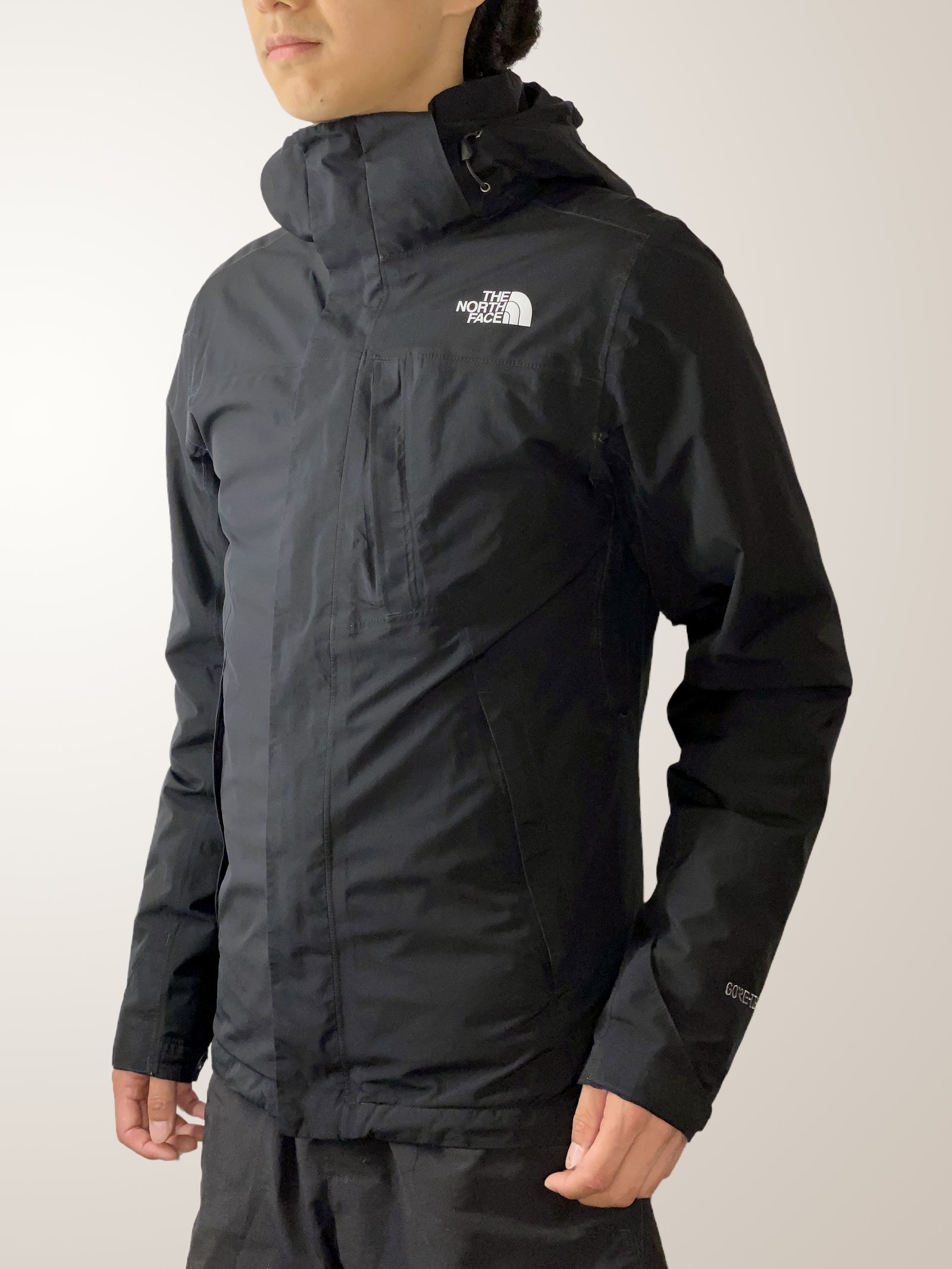
How to Actually Wear It
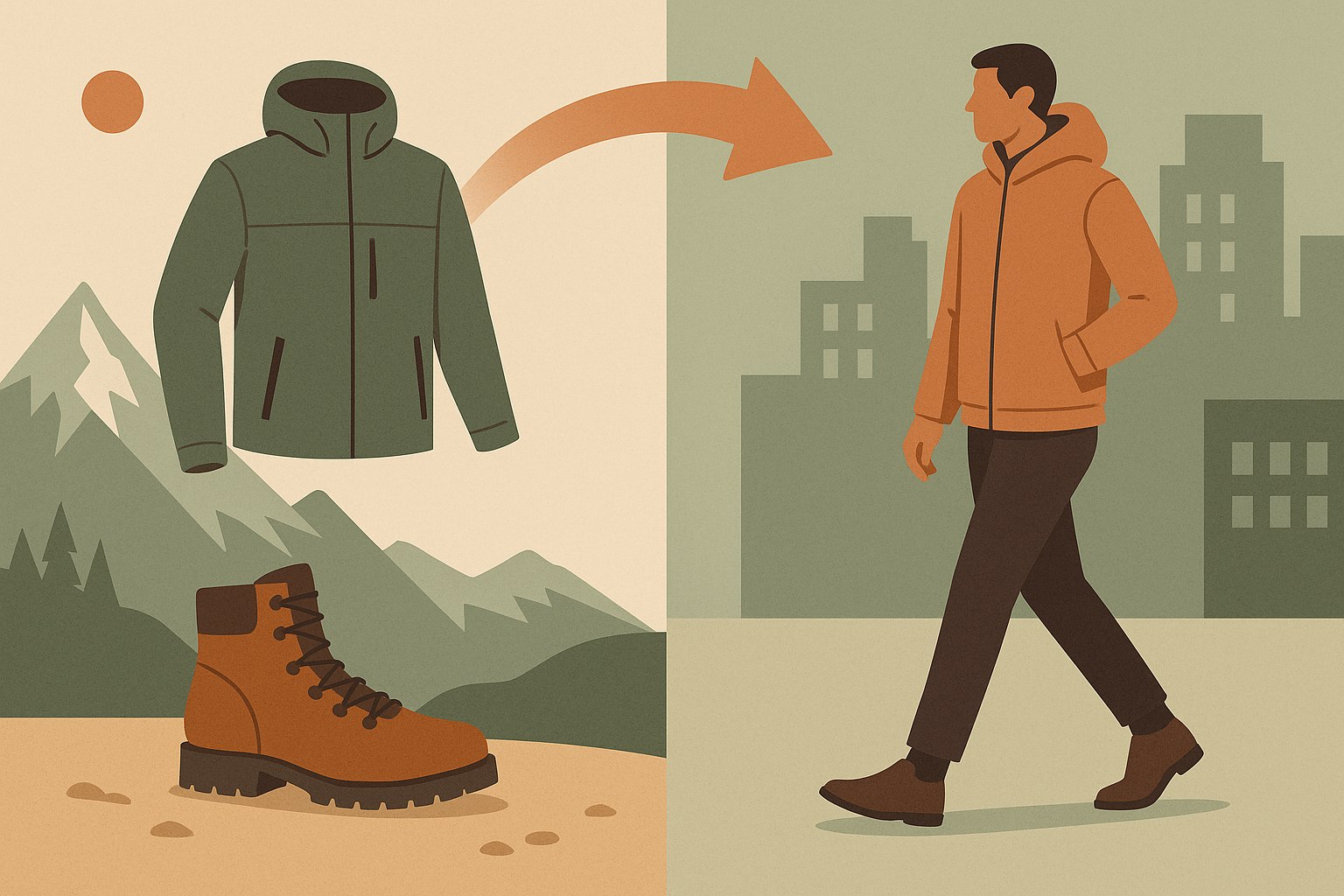
The honest version of a gorpcore recommendation isn't a shopping list — it's a filter. Ask what a piece was actually engineered to do before deciding you need it. A shell jacket built for alpine weather will outperform a fashion house's Gore-Tex homage in an actual downpour, and a trail shoe designed for loose scree will feel different underfoot than the same silhouette rebuilt purely for looks. None of that makes the fashion versions "fake" — Jil Sander's Arc'teryx capsule used real 3-layer Gore-Tex, not a printed imitation of it. It just means the smartest way to buy into this aesthetic is to know which brand you're actually buying: the mountain-guide lineage, or the reference to it.
The other honest observation: this aesthetic will eventually be unfashionable again, the way normcore and athleisure both cycled out before it. The brands that will be fine either way are the ones that were never chasing the trend in the first place — they were just making gear for people who needed it, decades before anyone put a name on the look.
Common questions
Who coined the term "gorpcore"?
Writer Jason Chen, in a 2017 piece for New York Magazine's The Cut — splicing "normcore" with GORP, hiker slang for trail mix.
Are Arc'teryx and Salomon related companies?
Yes. Both are owned by the Finnish conglomerate Amer Sports, alongside Wilson and Atomic — they've been sister brands for years.
Is the fashion version of this gear actually functional?
Sometimes. The 2021 Jil Sander+ × Arc'teryx capsule used real 3-layer Gore-Tex — not every capsule matches that, so check the materials, not just the silhouette.
How much has this category actually grown?
Vogue Business reported outdoor-inspired luxury fashion grew roughly 23% between 2020 and 2023, outpacing luxury fashion's overall growth rate.
Which brand has resisted the trend the most?
Patagonia. Its 2022 ownership restructuring toward climate-focused trusts is the clearest sign it isn't chasing a fashion cycle.
Gorpcore is one of the rare fashion trends with a verifiable paper trail: a named coiner, dated collaborations, and brands whose founding stories predate the aesthetic by decades. What's worth remembering when the trend eventually fades is that the companies underneath it don't need the runway to keep existing — they were making gear for people headed somewhere cold and remote long before anyone photographed it on a sidewalk.
Legit disclosure. DopamineKart was not compensated by, and has no material or affiliate relationship with, any brand named in this article. All historical details were independently researched from brand records and press coverage; nothing here reflects a paid placement, and no pricing or promotional claims are made for any product mentioned. Real photography is Wikimedia Commons, credited per image. Illustrations are AI-generated (OpenAI gpt-image-1), used only for conceptual/explanatory diagrams — never to depict a real product or brand mark.
Corrections: email us