
Quick take
- Enrolled virtual power plant capacity jumped ~21% in a year to ~38 GW, with residential battery participation up over 150% year over year — a home battery can now earn recurring credits, not just sit idle until an outage.
- Every system on this list uses lithium iron phosphate (LFP) cells — the chemistry race is over; the real competition is inverter design, software, and install model.
- FranklinWH's aPower 2 leads on warranty (15 years) and stacked capacity (225 kWh); Tesla Powerwall 3 remains the most recognized single-brand ecosystem.
- Install complexity varies far more than marketing suggests — some systems need a multi-day electrician visit, others are a light retrofit onto existing solar.
Why "backup power" stopped being a niche pitch
For most of the last decade, a home battery was something you bought alongside rooftop solar because an installer suggested it, mostly to store daytime sun for evening use. That pitch has quietly changed. Utilities are warning about tighter margins as data-center and electric-vehicle demand climbs faster than new transmission capacity can be built, and more regions are seeing summer peak-demand alerts than at any point in the last several years. At the same time, extreme-weather outages have become a normal seasonal event in large parts of the country, not a once-a-decade story.
Utilities have responded by leaning hard into a new idea: instead of building expensive new peaker plants that sit idle most of the year, pay homeowners to let their batteries feed power back to the grid for a few hours during the worst stretches of summer and winter demand. These programs are called virtual power plants, or VPPs, and they've moved from pilot-project territory to real infrastructure. Enrolled virtual power plant capacity jumped roughly 21 percent in a single year to reach about 38 gigawatts, and residential battery participation specifically grew even faster — enrollments were up over 150 percent year over year. The U.S. Department of Energy has floated tripling VPP capacity by 2030, arguing it could cover a meaningful slice of peak demand without new power plants.
That shift is exactly why seven very different companies — a car maker, a generator company, two portable-power brands that started with camping gear, a solar-inverter specialist, and two purpose-built home-battery startups — are now all selling into the same living rooms. Below is where each of them actually stands, based on current published specifications rather than launch-event promises.
The seven real contenders
Ordered roughly by how established each company is in the category today, not by any single spec. Every product listed is currently shipping.
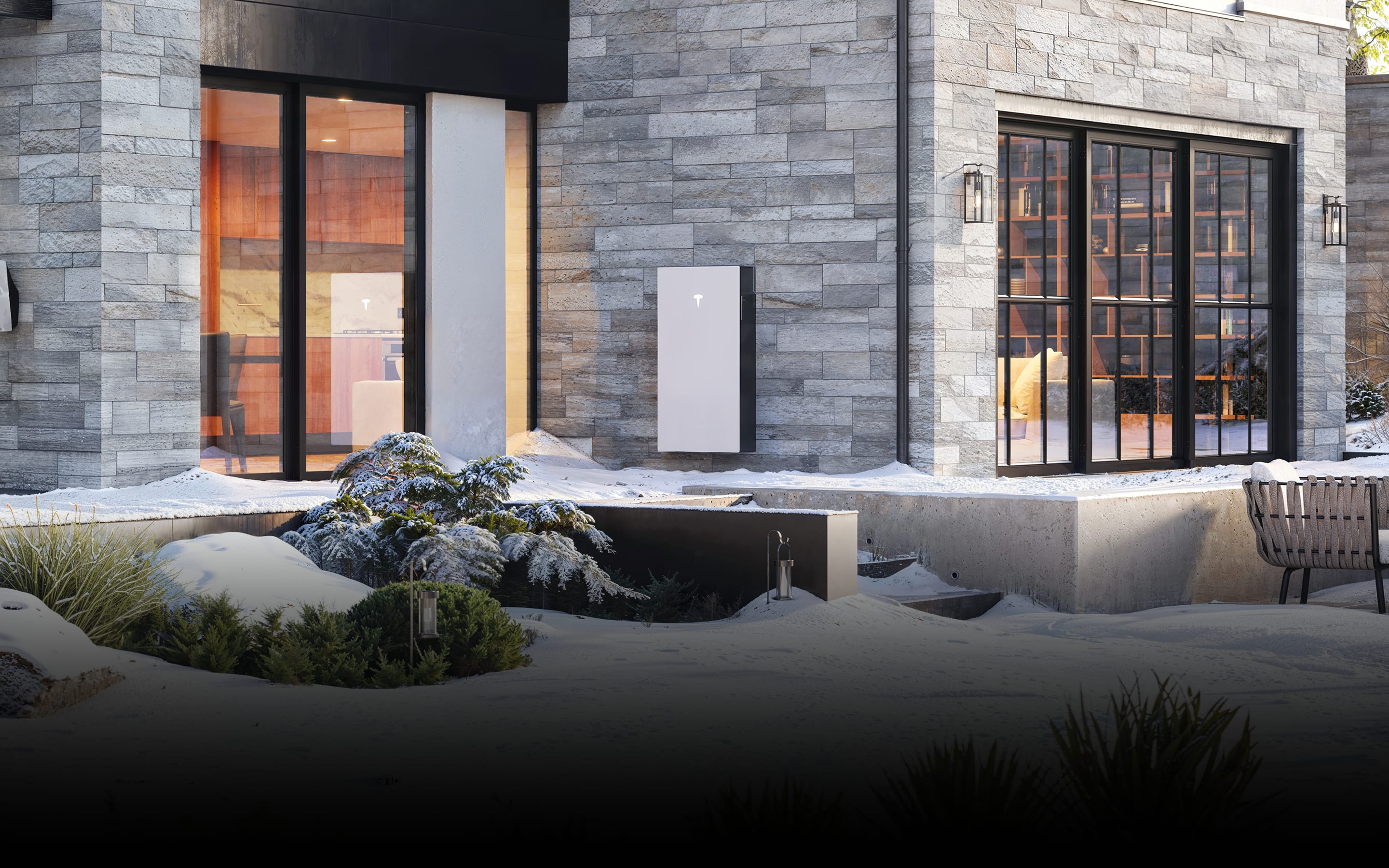
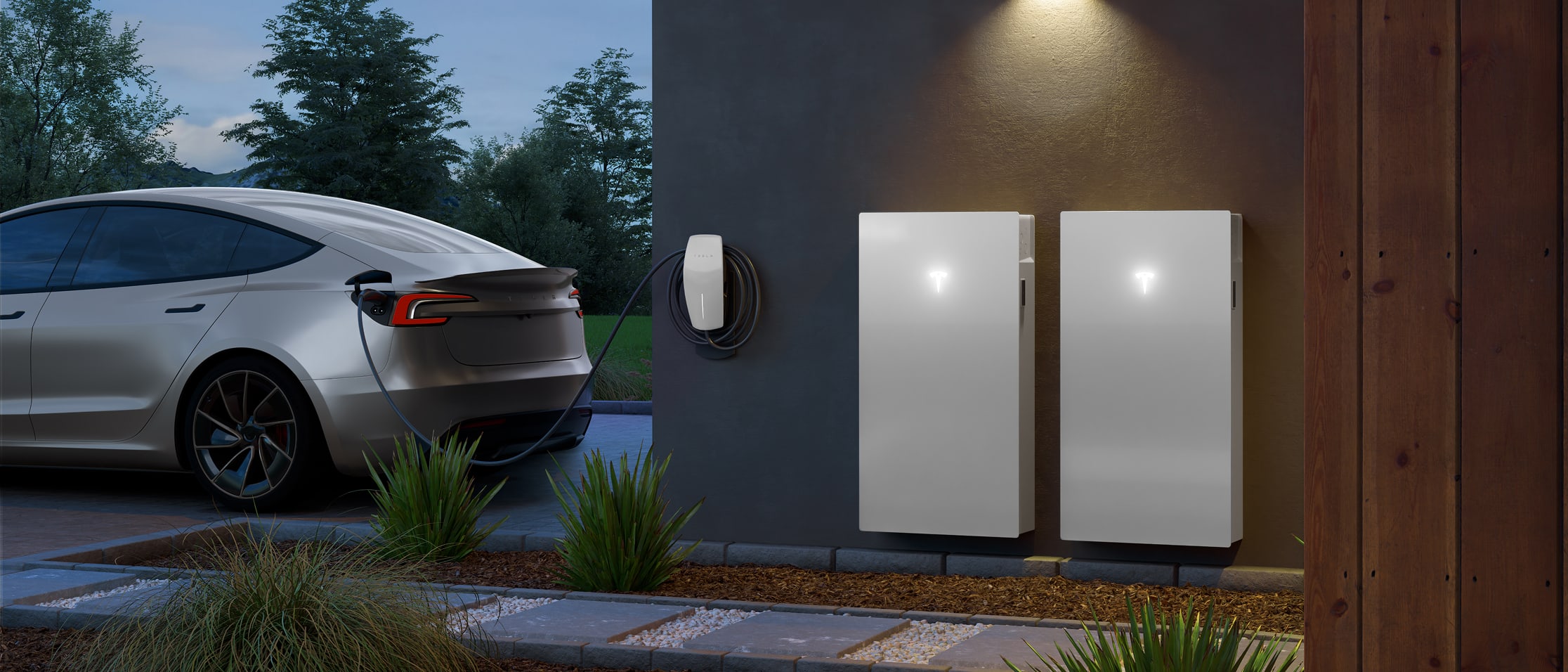
Powerwall 3
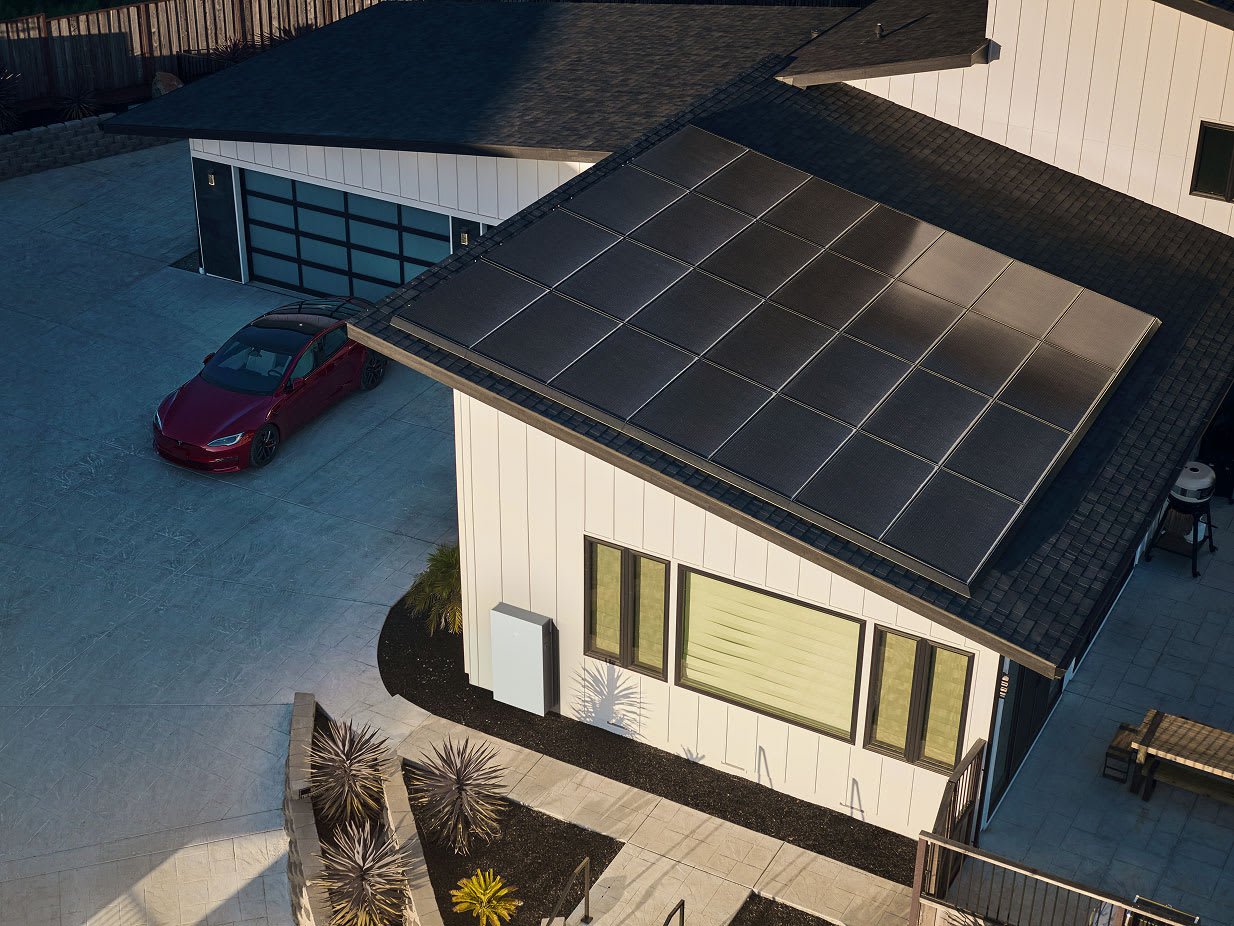
Tesla builds the inverter, the battery, and often the solar hardware all in-house, keeping the system unusually simple to spec and manage. A single unit holds 13.5 kWh; up to four units plus three expansion packs scale to ~94.5 kWh.
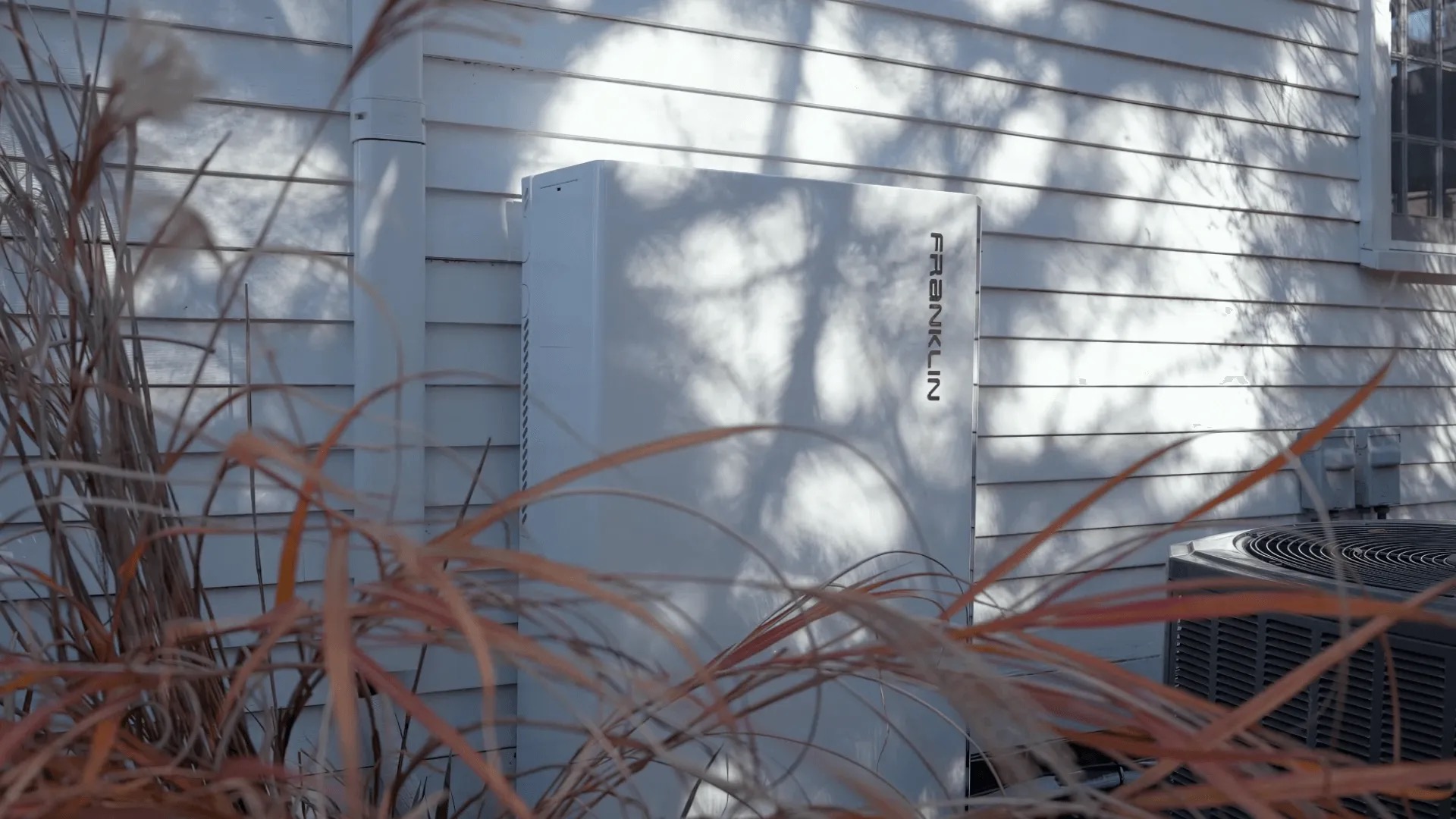
aPower 2
15 kWh of LFP storage per unit, a genuinely high 10 kW continuous output (15 kW surge for ten seconds — enough to cold-start a five-ton AC), and a 15-year warranty, five years past most of the category.
E10, XE & Solarbank Max AC
Three products, three install profiles: Solarbank Max AC is a plug-in retrofit (7–42 kWh), XE commissions in ~5 minutes, and E10 is the whole-home system scaling to a stated 90 kWh with generator integration.
PowerOcean
An unusually aggressive cycle-life claim — 6,000+ charge cycles before capacity drops to 70% — well past what most LFP home batteries promise. Scales to 60 kWh, backs a 6 kW hybrid inverter.
EP900 + B500
The EP900 base unit pairs with two to four B500 packs for 9.9–19.8 kWh, split-phase 120V/240V from a single box, and a 10-year warranty — the more approachable, less contractor-dependent option.
IQ Battery 5P
Each 5 kWh IQ Battery 5P is self-contained with six embedded microinverters, so a household stacks as many boxes as it needs rather than sizing one large system upfront.
PWRcell 2
Holds up to 18 kWh, stacks to 36 kWh across two cabinets, 11.5 kW continuous output for running central air and a well pump at once. AC-coupled only; can pair with a Generac fuel generator.



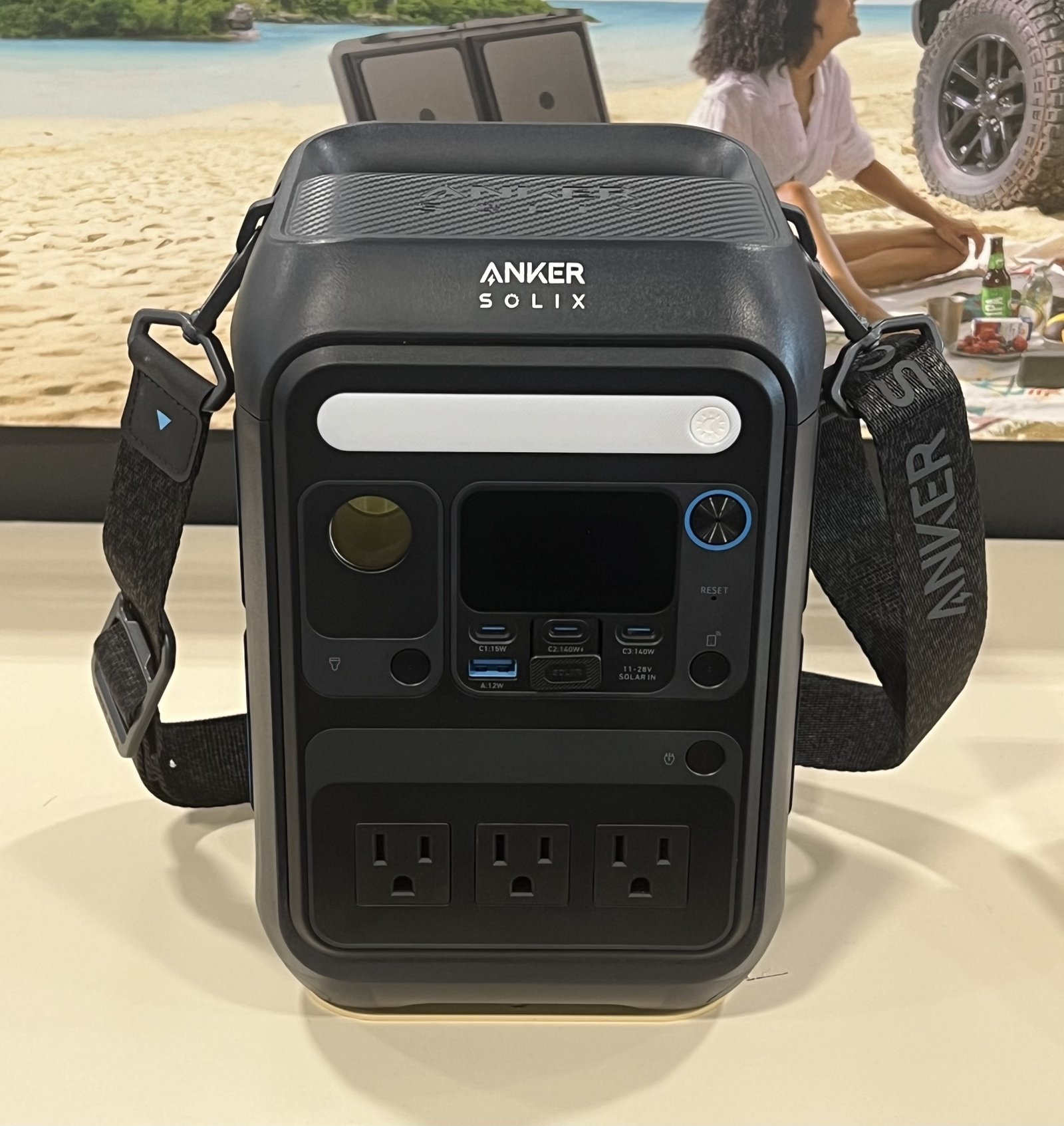
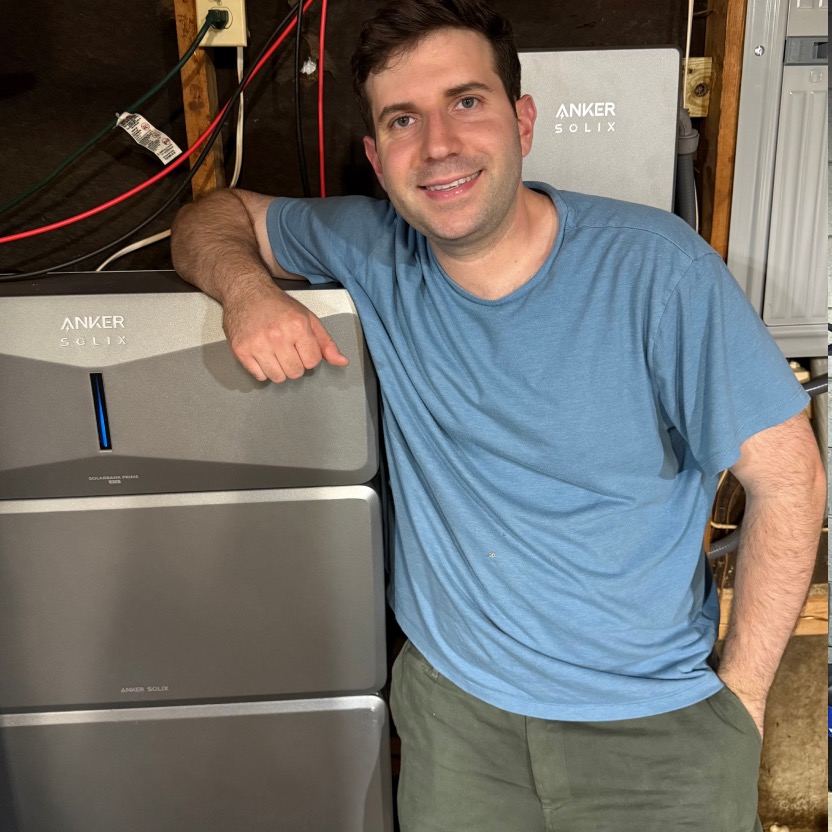
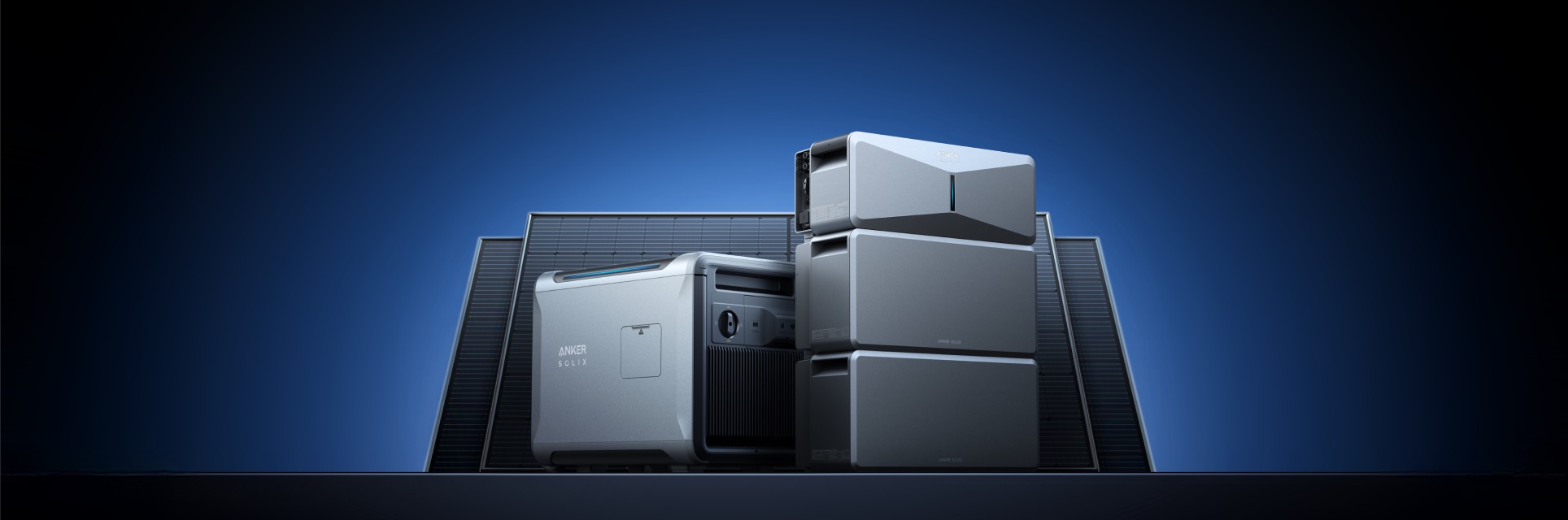
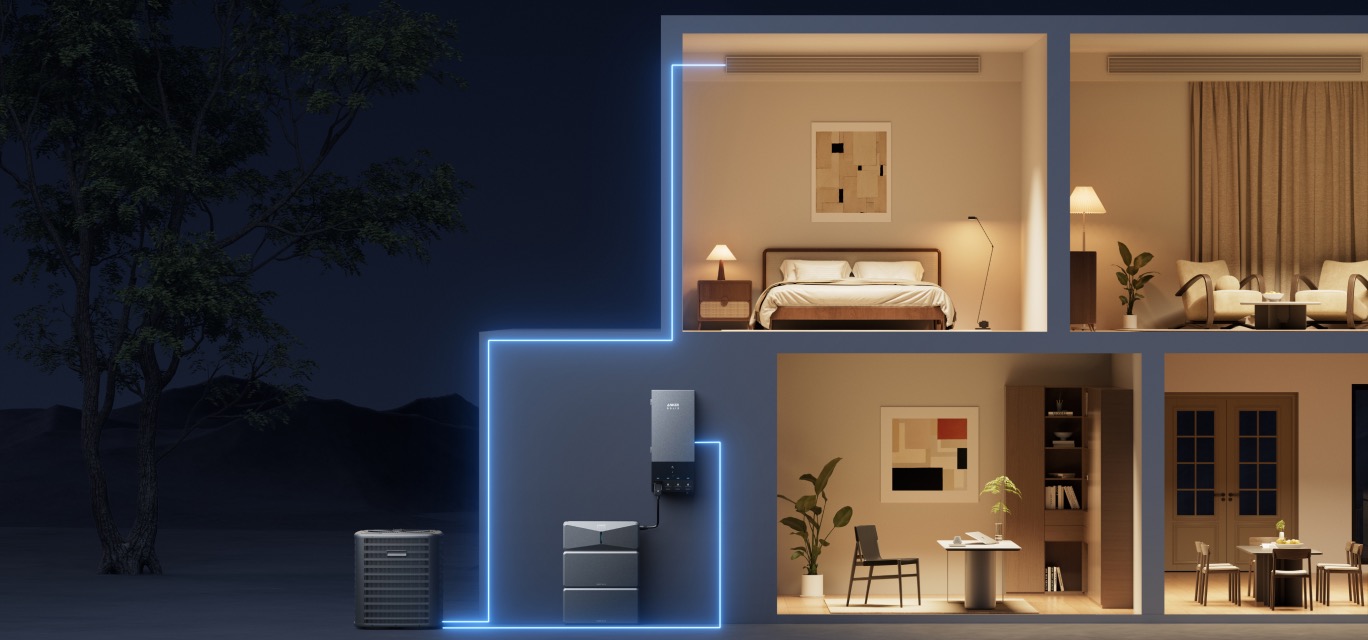
EcoFlow, Bluetti, Enphase, and Generac do not currently have real product photography available through the same editorial-use channels as the brands above — rather than pad this section with stock or AI imagery, we're noting the gap plainly. Specs for all seven remain sourced from manufacturer datasheets, cited below.
Quick-reference spec table
| System | Capacity range | Continuous output | Warranty | Chemistry |
|---|---|---|---|---|
| Tesla Powerwall 3 | 13.5–94.5 kWh | 11.5 kW | Standard, not publicly extended | LFP |
| FranklinWH aPower 2 | 15–225 kWh | 10 kW (15 kW peak) | 15 years | LFP |
| Anker SOLIX E10 | 6–90 kWh | 9–27 kW solar input | Standard | LFP |
| EcoFlow PowerOcean | up to 60 kWh | 6 kW backup | 15 years | LFP |
| Bluetti EP900 + B500 | 9.9–19.8 kWh | 9 kW | 10 years | LFP |
| Enphase IQ Battery 5P | 5 kWh per unit, stackable | 3.84 kW per unit | 15 years | LFP |
| Generac PWRcell 2 | 9–36 kWh | 11.5 kW | Standard | LFP |
Figures are drawn from each manufacturer's published datasheets as of mid-2026. Warranty length and exact configuration can vary by installer and region — confirm directly with a licensed installer before deciding.
Three patterns worth understanding before you shop
Almost everyone has converged on the same battery chemistry
Every system on this list uses lithium iron phosphate (LFP) cells rather than the nickel-based lithium-ion chemistry common in EVs and consumer electronics. LFP is heavier per kWh, but it's far more thermally stable and tolerates thousands more charge cycles, which is a better trade for something bolted to an exterior wall for a decade or more than it would be for a phone or a car. The chemistry race in this category is effectively over; the real competition is happening in inverter design, software, and installation model.
The modular-versus-monolithic split is the real decision
Tesla, Bluetti, and Generac ship in large, discrete blocks — you decide how many blocks you need up front. Enphase and Anker's smaller units let a household start modest and add capacity later without replacing anything, which suits homes with uncertain future electrical loads (a planned EV, a heat pump conversion) better than a fixed-size system does. Neither approach is objectively better; they solve for different buyer situations, and it's worth asking any installer to explain which model they're actually quoting rather than assuming.
Installation complexity varies more than the marketing suggests
Every one of these systems can back up a home, but "backup power" ranges from a rewired whole-house transfer switch installed by a licensed electrician over several days (Tesla, FranklinWH, Generac, Enphase) to a retrofit box that clips onto an existing solar setup with comparatively light electrical work (Anker's Solarbank Max AC, Bluetti's EP900). Buyers who assume every product in this category involves the same install timeline and permitting process are usually surprised — in either direction.
Common questions
Do all these batteries use the same chemistry?
Yes. Every system in this comparison uses lithium iron phosphate (LFP) cells — more thermally stable and longer-cycling than the nickel-based chemistry common in EVs and phones.
Which system has the longest warranty?
FranklinWH, EcoFlow, and Enphase all publish 15-year warranties — five years past the standard most of the category offers.
Can a home battery earn money, not just provide backup?
Yes, through utility or aggregator virtual power plant (VPP) programs, which pay homeowners for letting stored power feed back to the grid during peak demand — enrollments were up over 150% year over year.
Which is easiest to install without a big electrical project?
Anker's Solarbank Max AC and Bluetti's EP900 are the more DIY-adjacent retrofit options for households that already have solar.
Is there a single "best" home battery in 2026?
No. Fit depends on roof, panel, existing solar setup, and risk tolerance — see "Who each system actually fits" below.
Who each system actually fits
- Already have Tesla solar, or want the simplest single-brand ecosystem: Powerwall 3 remains the path of least resistance, with the caveat that Tesla's own installer network can have long lead times in busy regions.
- Want the longest warranty and highest surge capacity for a large house: FranklinWH's aPower 2 is built for exactly that brief, at the cost of being a newer, less broadly recognized brand.
- Already run Enphase microinverters on the roof: the IQ Battery 5P's modular design is a natural fit and avoids mixing electrical ecosystems.
- Want to add battery backup to solar you already own without a full system replacement: Anker's Solarbank Max AC or Bluetti's EP900 are the more DIY-adjacent retrofit options.
- Want a battery that can also run alongside a fuel generator as a hybrid backstop: Generac's PWRcell 2 is the only system here explicitly designed to pair with a standby generator from the same company.
- Care most about long-run cycle life and degradation: EcoFlow's PowerOcean publishes the most aggressive cycle-life numbers of the group, worth verifying against independent long-term reviews as more of these units age in the field.
There is no single "best" home battery in 2026 — there's a best fit for a given roof, panel, existing solar setup, and risk tolerance for outages. What's changed is that this is no longer a decision limited to Tesla owners and solar hobbyists. Seven credible companies, with real engineering and real installed systems, are now competing directly for the same wall space, and that competition is the reason capacity, warranty length, and installation options have all improved together over the past two years rather than any one company simply winning. Anyone shopping this category in 2026 should treat it the way they'd treat a major appliance purchase: get more than one quote, confirm chemistry and warranty terms in writing, and ask specifically whether a system qualifies for the utility or aggregator programs available in their state before assuming it does.
Sources. Specs and figures come from manufacturer datasheets, product pages, and named industry reporting current as of publication — Tesla, FranklinWH, Anker, EcoFlow, Bluetti, Enphase, and Generac's own published specifications, plus U.S. Department of Energy virtual power plant reporting. No company reviewed here paid for or previewed this coverage. Honest disclosure: DopamineKart may earn a commission if you buy through a real link on this site — this does not affect which products are covered or how they're described.
Corrections: email us