Legit Buying Guide
Home Gym Essentials on a Budget: The 8 Things Worth Buying
Eight real, well-reviewed pieces of equipment that cover strength, cardio, mobility, and recovery — not a room full of gadgets you'll use twice and then trip over.
The Short Version
- You don't need a squat rack to get a real workout at home — most people plateau on equipment they never bought, not equipment they're missing.
- Adjustable gear (dumbbells, a bench) beats buying a fixed-weight set piece by piece — it takes up less floor space and covers a much wider range of lifts.
- The cheapest items on this list — bands, a jump rope, a mat — get skipped most often, but they're what actually makes the expensive items usable day to day.
- A foam roller isn't optional if you're lifting regularly. Skipping recovery is the most common reason people quit a home gym routine within a month.
Adjustable Dumbbells, Not a Fixed Rack
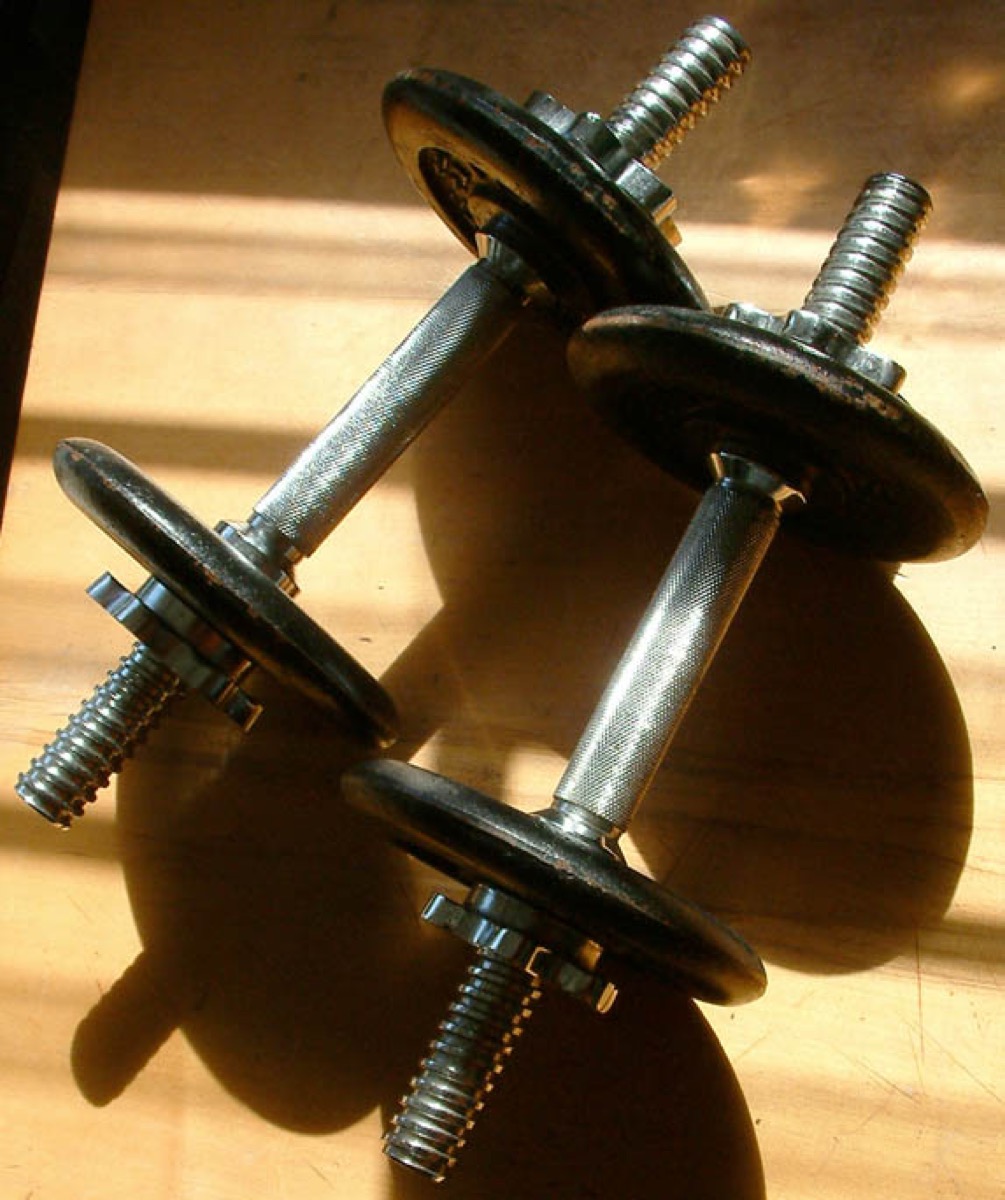
A full rack of fixed dumbbells from 5 to 50 pounds eats an entire wall and costs a lot to fill out. One adjustable pair covers the same range in a footprint the size of two shoeboxes, which matters a lot more in a spare bedroom or apartment corner than it does in an actual gym.
This one specifically: cement-filled plates that lock onto a standard handle, so the weight range grows with you instead of needing to be replaced.
CAP Barbell 40-Pound Adjustable Dumbbell Set →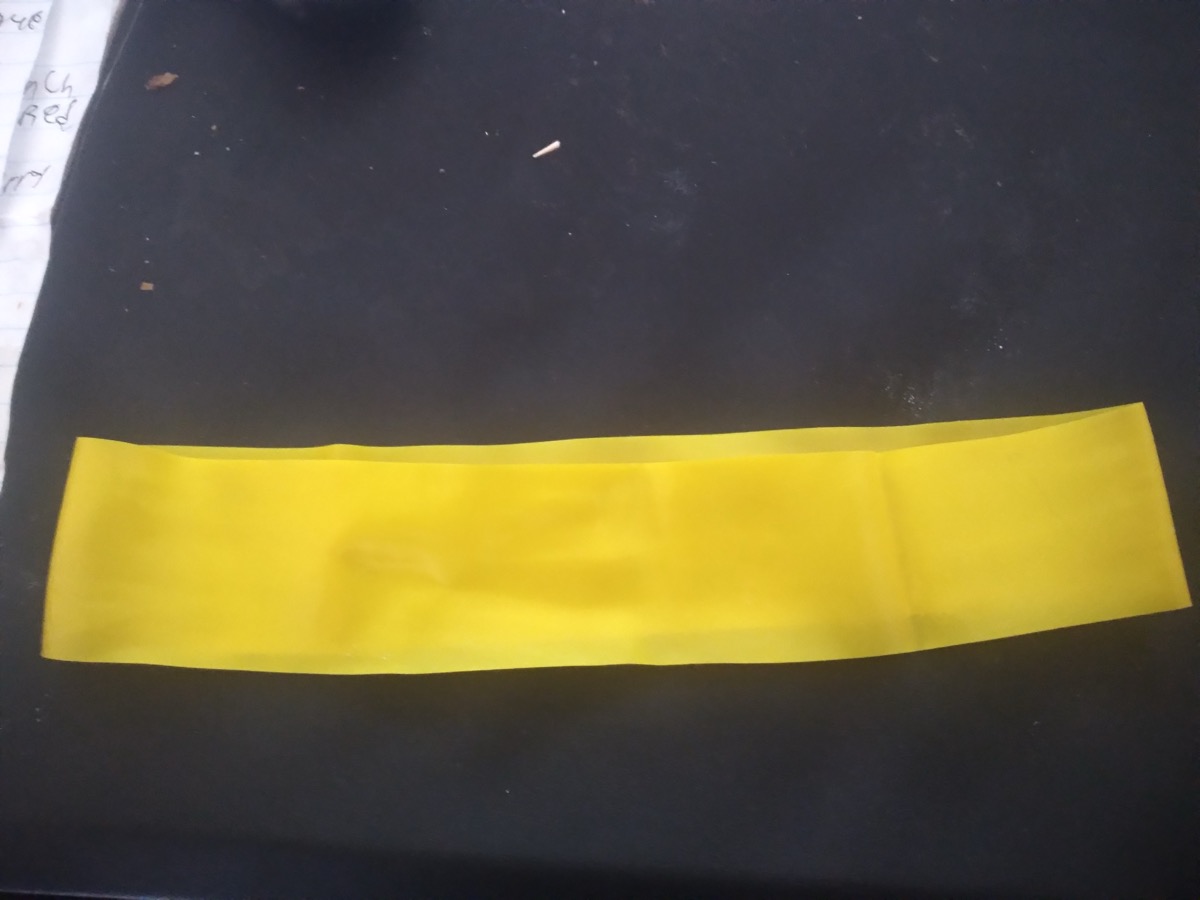
A Resistance Band Set With a Door Anchor
Dumbbells cover pressing and curling well. They're clumsy for rows, face pulls, and anything that needs an anchor point above or behind you. A tube-style band set with handles and a door anchor fills exactly that gap, and it packs into a bag small enough to take on a trip.
This set specifically: five stackable resistance levels, ankle straps, and a door anchor included — one box covers pulling, pressing, and leg work.
WHATAFIT Resistance Bands With Handles →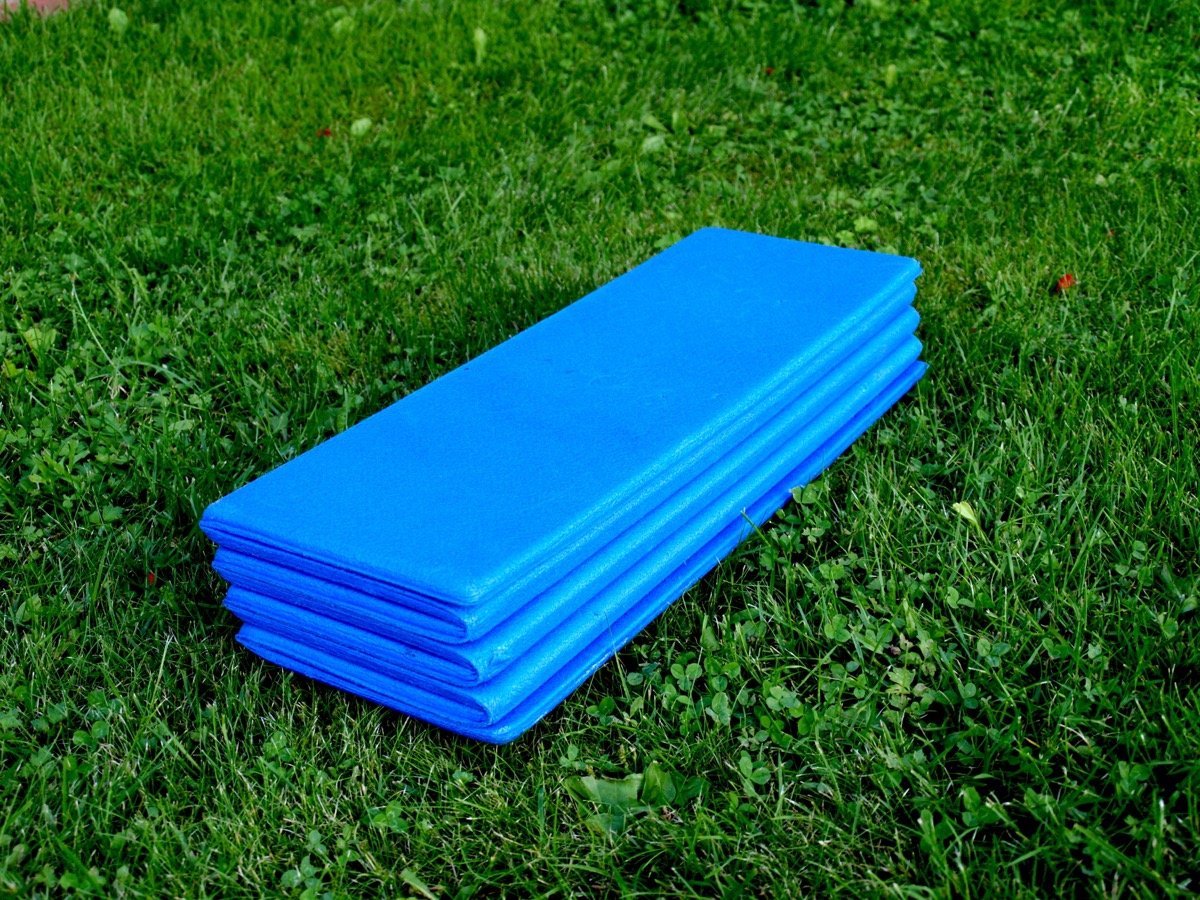
A Thick Mat for Anything That Happens on the Floor
Push-ups, planks, stretching, floor presses — a surprising amount of home training happens on the ground, and doing it on bare hardwood or thin carpet is rough on knees, elbows, and wrists. A mat with real thickness underneath absorbs that instead of transferring it straight to a joint.
This one specifically: a full inch of high-density foam, thicker than most standard yoga mats, built more for exercise and floor work than for studio yoga classes.
BalanceFrom 1-Inch Extra Thick Exercise Mat →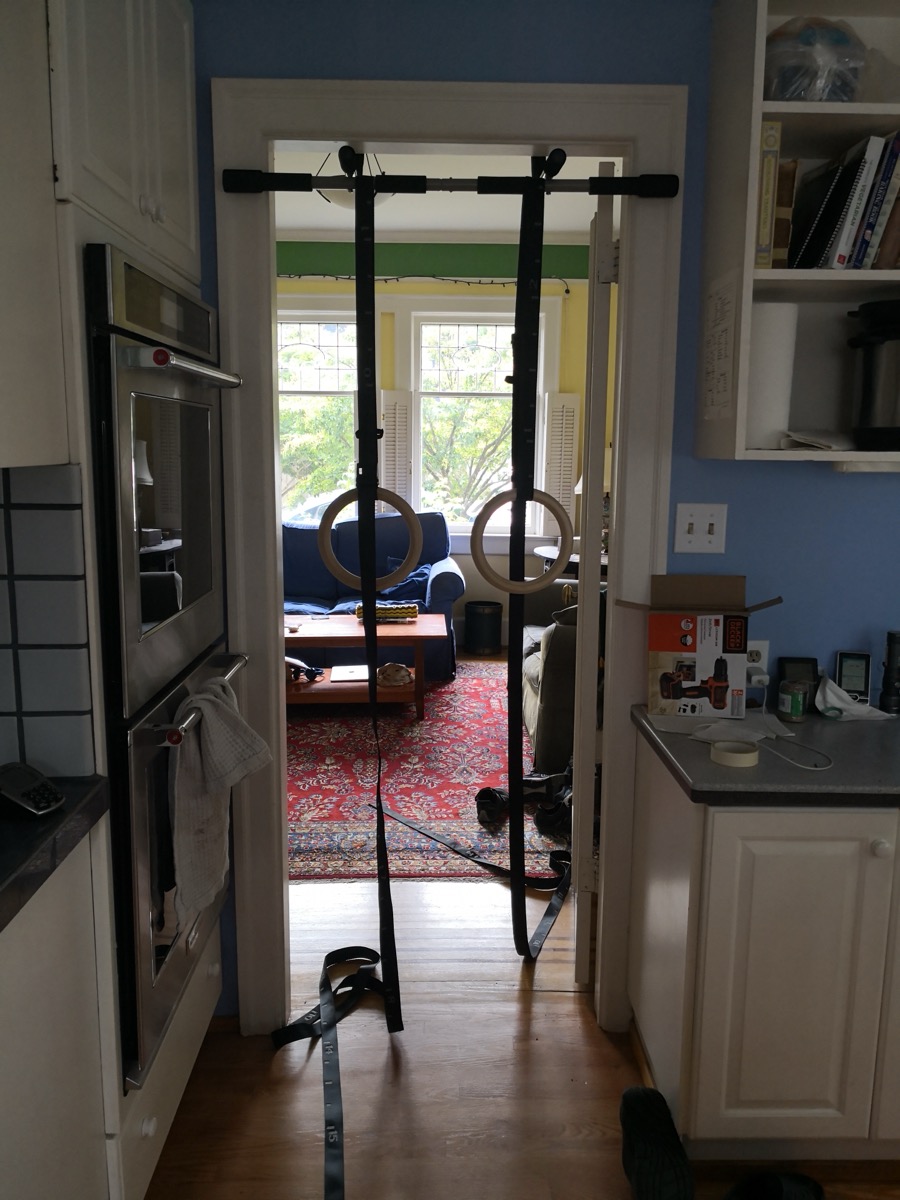
A Doorway Pull-Up Bar — No Drilling Required
Pull-ups and chin-ups work the entire back and arms in a way that's hard to replicate with dumbbells alone, and a doorway bar gets you there without mounting hardware or a dedicated squat rack. It tensions against the door frame and comes back down when you're done, so it doesn't have to live in the room permanently.
This one specifically: adjustable width with a locking mechanism, rated for standard doorway frames, no screws into the frame itself.
Iron Gym Total Upper Body Workout Bar →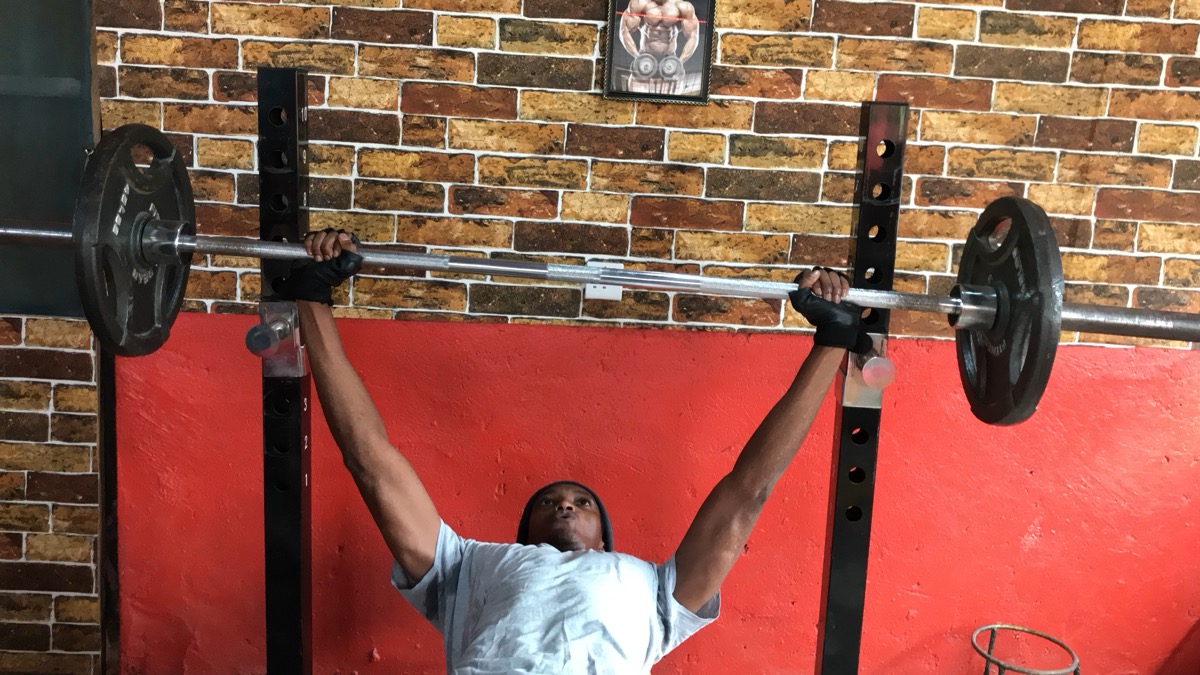
An Adjustable Bench That Folds Away
A bench is what turns a pair of dumbbells into a full program — flat presses, incline presses, rows, step-ups, seated curls all need somewhere to sit or lie down other than the floor. An adjustable one covers flat, incline, and decline positions instead of locking you into one angle, and a folding frame means it doesn't have to occupy floor space between sessions.
Look for one rated well above your actual working weight and with a backrest long enough to support your full torso — thin, short pads are the most common complaint on cheaper benches.
FLYBIRD Adjustable Weight Bench →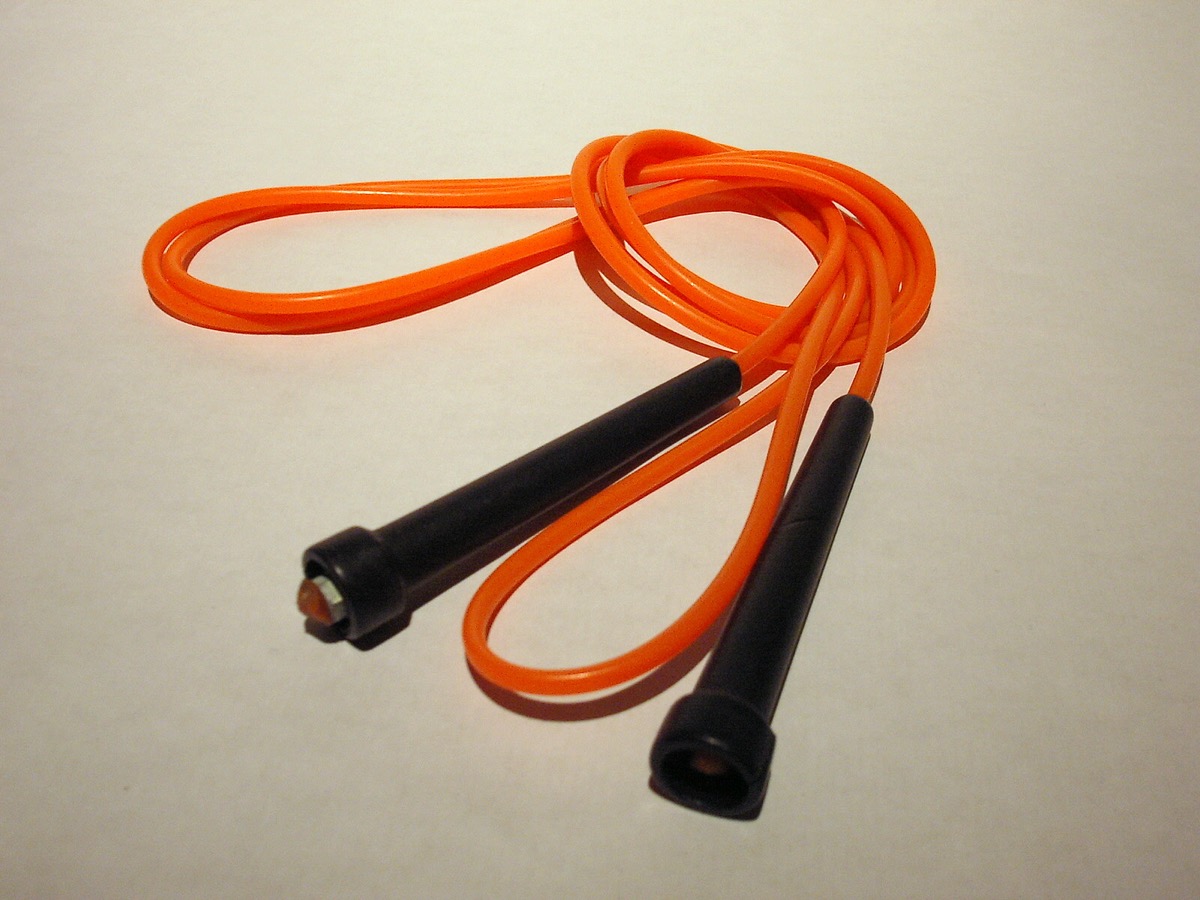
A Jump Rope for the Cardio a Home Gym Usually Skips
Strength equipment is easy to shop for; cardio in a small space is the part people quietly skip. A jump rope is the cheapest, smallest, most effective fix — a few minutes between sets or as a standalone session does more for conditioning than most people expect from something that costs less than lunch.
Look for an adjustable cable length and ball-bearing handles — the two features that separate a rope you'll actually use from one that snags and trips you up.
WOD Nation Adjustable Speed Jump Rope →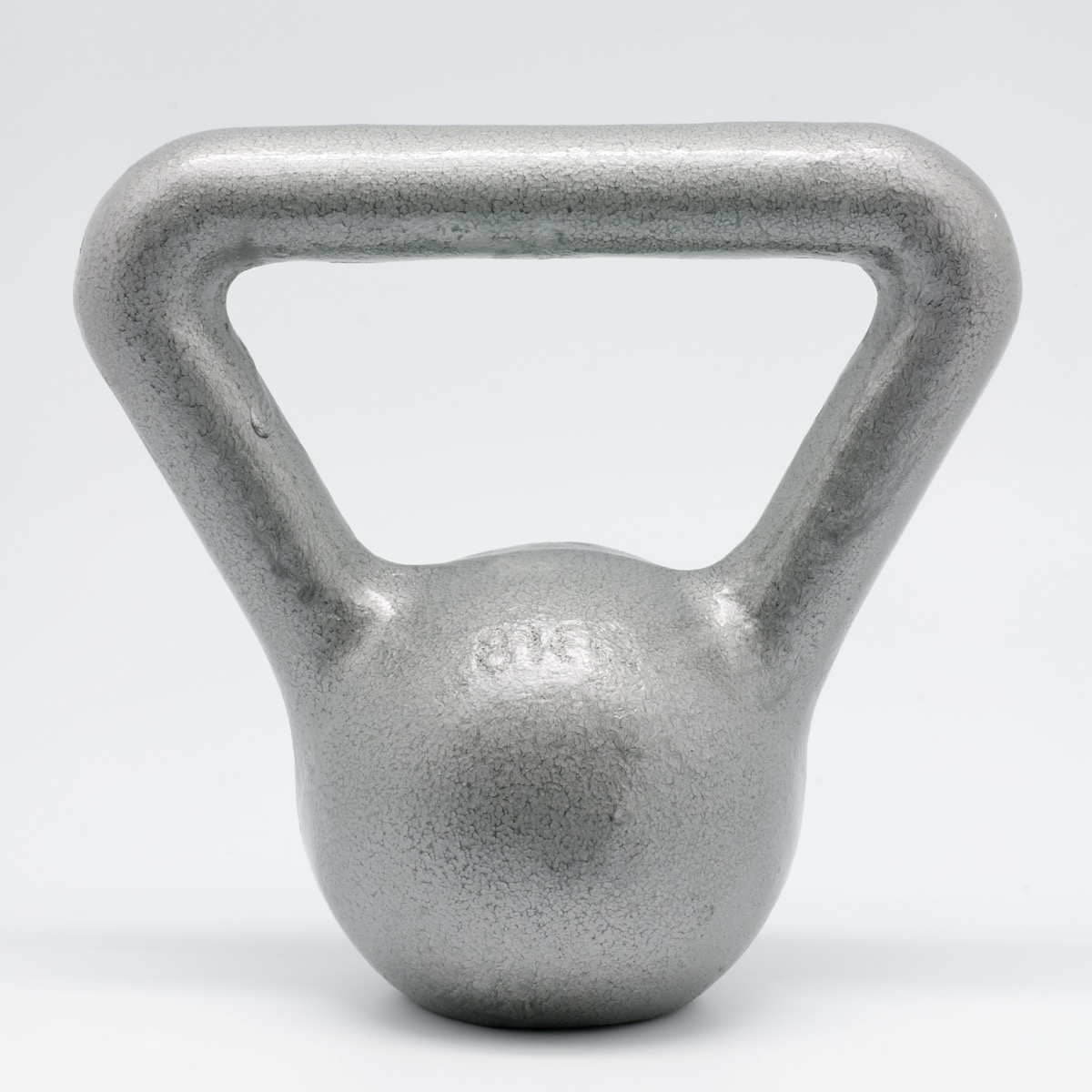
A Kettlebell (or Two) for Full-Body Moves Dumbbells Don't Do Well
Swings, goblet squats, and Turkish get-ups all use an offset weight distribution that a dumbbell can't replicate the same way. A kettlebell is a genuinely different training tool, not a redundant one, and it covers conditioning work that would otherwise need a cardio machine.
Starting with a small combo set of two or three weights is more useful early on than one heavy bell — most beginner moves need a lighter weight than people expect while they learn the technique.
Yes4All Combo Cast Iron Kettlebell Set →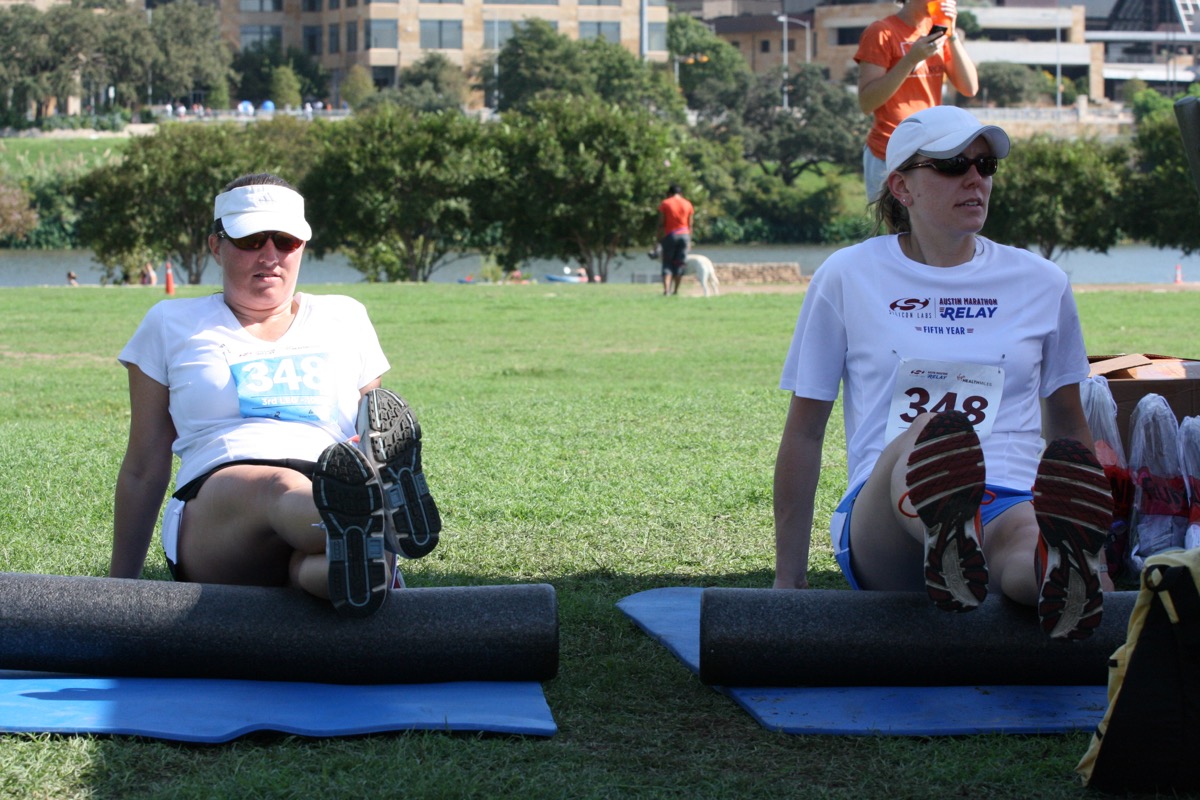
A Foam Roller — The Item Most People Buy Last and Regret Not Buying First
Sore, tight muscles are the main reason a new home-gym routine quietly stops in week three. Rolling out the legs, back, and hips for a few minutes after training doesn't replace stretching or rest days, but it noticeably speeds up how fast normal soreness fades, which is what actually keeps people showing up again the next day.
A basic high-density round roller is all this needs — the grooved or vibrating versions are nice-to-haves, not requirements, for a beginner routine.
Amazon Basics High-Density Foam Roller →Frequently Asked Questions
Do I need all eight of these to start a home gym?
No. A mat, a resistance band set, and a jump rope alone cover a real bodyweight-and-cardio routine for very little floor space. Dumbbells, a bench, and a kettlebell are the next layer once bodyweight work stops being challenging. The foam roller is worth adding as soon as you're training more than twice a week.
What should someone buy first if they can only get one or two things?
Adjustable dumbbells and a mat cover the widest range of exercises for the smallest footprint. Bands and a jump rope are the cheapest add-ons after that and round out cardio and pulling movements dumbbells don't handle well.
Is a kettlebell really different from a dumbbell, or is it a gimmick?
It's genuinely different. The offset handle and weight distribution change how moves like swings, goblet squats, and get-ups load the body compared to a symmetrical dumbbell. It's not a replacement for dumbbells — it covers different movement patterns.
How much space does a setup like this actually need?
Everything on this list except the bench stores in a closet or under a bed. The bench is the one item that benefits most from a folding frame, since it's the largest single piece here and the one most people don't want left out permanently.
Why does a foam roller matter if I'm not sore all the time?
Soreness compounds if it's never addressed, and that's usually what causes people to skip sessions or quit a new routine within the first month. A few minutes of rolling after training is a small habit that measurably speeds up how quickly normal soreness fades.
This article contains Amazon affiliate links — DopamineKart may earn a commission on qualifying purchases at no extra cost to you. As an Amazon Associate I earn from qualifying purchases. Products were chosen based on real specifications and reviews, not on commission rate. No prices are listed here because they change frequently; check the current price on the product page before buying.
Photo credits (Wikimedia Commons, used under their respective Creative Commons licenses): dumbbells — GeorgeStepanek (CC BY-SA 3.0 / GFDL); resistance band — Corn cheese (CC BY-SA 4.0); exercise mat — Santeri Viinamäki (CC BY-SA 4.0); pull-up bar — Buidhe (CC BY-SA 4.0); weight bench — SAgbley (CC BY-SA 4.0); jump rope — Funkyskip (CC BY-SA 3.0 / GFDL); kettlebell — Marie-Lan Nguyen (CC BY 2.5); foam roller — Roger Mommaerts (CC BY-SA 2.0). Photos are shown for reference and are not manufacturer product photography.