
Quick take
- Active noise cancellation (ANC) works by generating a sound wave that's the exact inverse of incoming noise, so the two waves cancel each other out through destructive interference.
- Microphones on the headphones constantly sample outside noise, and a processor calculates and emits the cancelling wave in real time — a loop that has to run continuously and fast.
- ANC is most effective against steady, low-frequency, repetitive noise like engine drones or HVAC hum, and least effective against sudden or high-frequency sounds like voices or a dog barking.
- Passive isolation — the physical seal of the ear cup or tip blocking sound mechanically — does most of the work against higher-frequency noise; ANC and passive isolation are complementary, not substitutes for each other.
Destructive interference: fighting sound with sound
Sound travels as a wave — a repeating pattern of higher and lower air pressure. If you take that same wave and flip it upside down, so its high-pressure peaks line up exactly with the original's low-pressure troughs, the two waves add together and cancel out, leaving close to silence at that point in space. This principle, called destructive interference, is the entire mechanism behind active noise cancellation: the headphones aren't blocking the incoming noise, they're actively generating an inverted copy of it and playing that copy at the same time.
Getting the timing and shape of that inverted wave right, continuously, for constantly-changing real-world noise, is the actual engineering problem — and it's why ANC quality varies so much between cheap and premium headphones. A slightly mistimed cancelling wave doesn't just fail to cancel the noise, it can add its own artifacts.
Microphones, a processor, and a very fast feedback loop
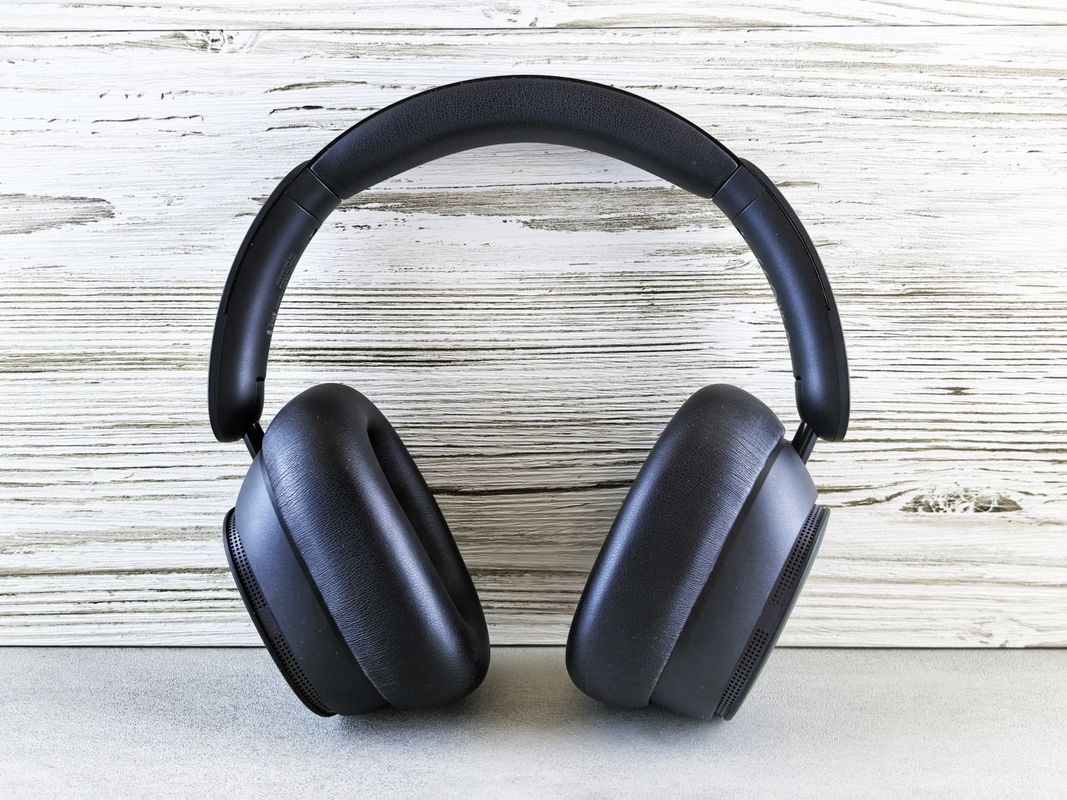
Doing this in practice requires tiny microphones built into the ear cups — most designs use an external-facing microphone to pick up ambient noise before it reaches the ear, and often an internal-facing microphone inside the cup to measure what the wearer is actually hearing, catching noise the external mic missed and correcting the cancelling signal on the fly. A dedicated processor analyzes that incoming audio and generates the inverted cancelling wave, then feeds it back through the same speaker driver playing your music or podcast.
This entire loop — detect, calculate, emit — has to run continuously with extremely low latency, because sound moves fast and the cancelling wave has to arrive at almost exactly the right instant to line up with the noise it's fighting. That processing speed requirement is a large part of why ANC circuitry adds cost and battery drain compared to headphones without it.
Why ANC beats a jet engine but loses to a barking dog
Active noise cancellation is dramatically better at handling steady, predictable, low-frequency noise — an airplane's engine drone, a car's road noise, an air conditioner's hum — than it is at handling sudden or high-frequency sounds. Low-frequency waves are physically longer and change more slowly, giving the processor more time to accurately sample the wave and generate a matching cancellation signal before the noise has already moved past. Higher-frequency sounds, like a human voice or a sudden bark, change too quickly for the same feedback loop to keep up — by the time the system has calculated and emitted its cancelling wave, the original sound has already changed shape.
This is also why passive isolation — the physical, mechanical seal of a well-fitted ear cup or in-ear tip blocking sound from reaching the ear at all — matters even on ANC headphones. Passive isolation doesn't care about frequency or timing the way ANC does; it just physically blocks the sound path, and it's the primary defense against the higher-frequency noise ANC struggles with. The two systems are designed to work together, covering each other's weak points, not to substitute for one another.
The pressure feeling, and why some people get headaches from ANC
Some wearers describe a mild feeling of ear pressure or fullness when ANC is switched on, sometimes escalating to headaches or a sense of imbalance with extended use. This isn't universal, and the exact cause isn't fully settled, but it's generally attributed to the low-frequency cancelling signal itself being faintly audible or perceptible even as it cancels the target noise, combined with the physical seal of the ear cup changing air pressure around the eardrum. It's a real, reported effect for a subset of users, not a manufacturing defect, and it's one of the reasons most ANC headphones let you toggle the feature off or switch to a lighter "transparency" or "ambient" mode that deliberately lets some outside sound through.
| System | What it actually does |
|---|---|
| Passive isolation | Physical seal (ear cup cushion or in-ear tip) mechanically blocks sound from reaching the ear |
| Active noise cancellation | Microphones sample ambient noise; a processor generates and emits an inverted wave to cancel it via destructive interference |
| Best against | ANC: steady, low-frequency, repetitive noise (engines, HVAC, road noise) |
| Weakest against | ANC: sudden or high-frequency sounds (voices, sharp impacts) — passive isolation covers this gap instead |
| Microphone setup | Typically external-facing (samples incoming noise) plus internal-facing (measures what reaches the ear) |
| Trade-offs | Added cost, battery drain from continuous processing; some wearers report ear pressure or headache with extended use |
Common questions
Does ANC work on all types of noise equally?
No. It's most effective on steady, low-frequency, predictable noise and considerably less effective on sudden, sharp, or high-frequency sounds, which is where a good physical seal (passive isolation) does more of the work.
Can ANC completely eliminate outside noise?
No system eliminates noise entirely — ANC substantially reduces the noise it's well-suited to canceling, but it works alongside, not instead of, passive isolation, and neither combination produces perfect silence.
Why do some people feel pressure or get headaches with ANC on?
Reported by a subset of users, generally attributed to a combination of the faint perceptibility of the low-frequency cancelling signal and the physical ear-cup seal affecting air pressure. It's not universal, and most ANC headphones offer a way to reduce or disable the effect.
Is ANC the same as a "transparency" or "ambient sound" mode?
No — transparency/ambient mode does roughly the opposite of ANC: it uses the same microphones to actively let outside sound through (often amplified) rather than cancel it, useful for hearing announcements or conversations without removing the headphones.
Does ANC drain battery faster than headphones without it?
Yes — the continuous microphone sampling and real-time signal processing required for ANC draws power even when no audio is playing, which is why most ANC headphones report separate battery life figures with ANC on versus off.
ANC is a genuinely clever piece of engineering, not marketing sleight of hand — it really is generating an opposing sound wave in real time, and that really does cancel a meaningful amount of ambient noise. But it's a targeted tool, best suited to steady low-frequency environments like planes, trains, and open offices with HVAC hum, not a blanket solution for every kind of noise.
The practical takeaway: don't judge ANC quality solely by how quiet a demo sounds in a controlled setting — check how it performs specifically against the noise environment you'll actually use it in, and remember that a poor physical seal will undercut even excellent ANC circuitry, since the two systems are meant to work together.
About this explainer. This article describes general active noise cancellation engineering principles that are broadly consistent across manufacturers, not the specifications of any single product. It contains no affiliate links and no product recommendations — DopamineKart Legit publishes this category of explainer for reference, independent of any specific headphone's marketing claims. Photography is licensed stock photography, credited per image.
Corrections: email us