Quick take
- Zero independently verified home deliveries of a general-purpose humanoid exist as of this writing — every real deployment so far is industrial.
- The most commercially proven humanoid, Agility's Digit, has moved over 100,000 totes at a single GXO warehouse — real, paid, audited work.
- 1X's NEO leans heavily on remote human teleoperators to complete complex tasks today, not full autonomy — a disclosed but genuinely new privacy trade-off.
- No finished international safety standard governs humanoid robots operating around untrained people in a home; a draft standard isn't expected until 2027 or later.
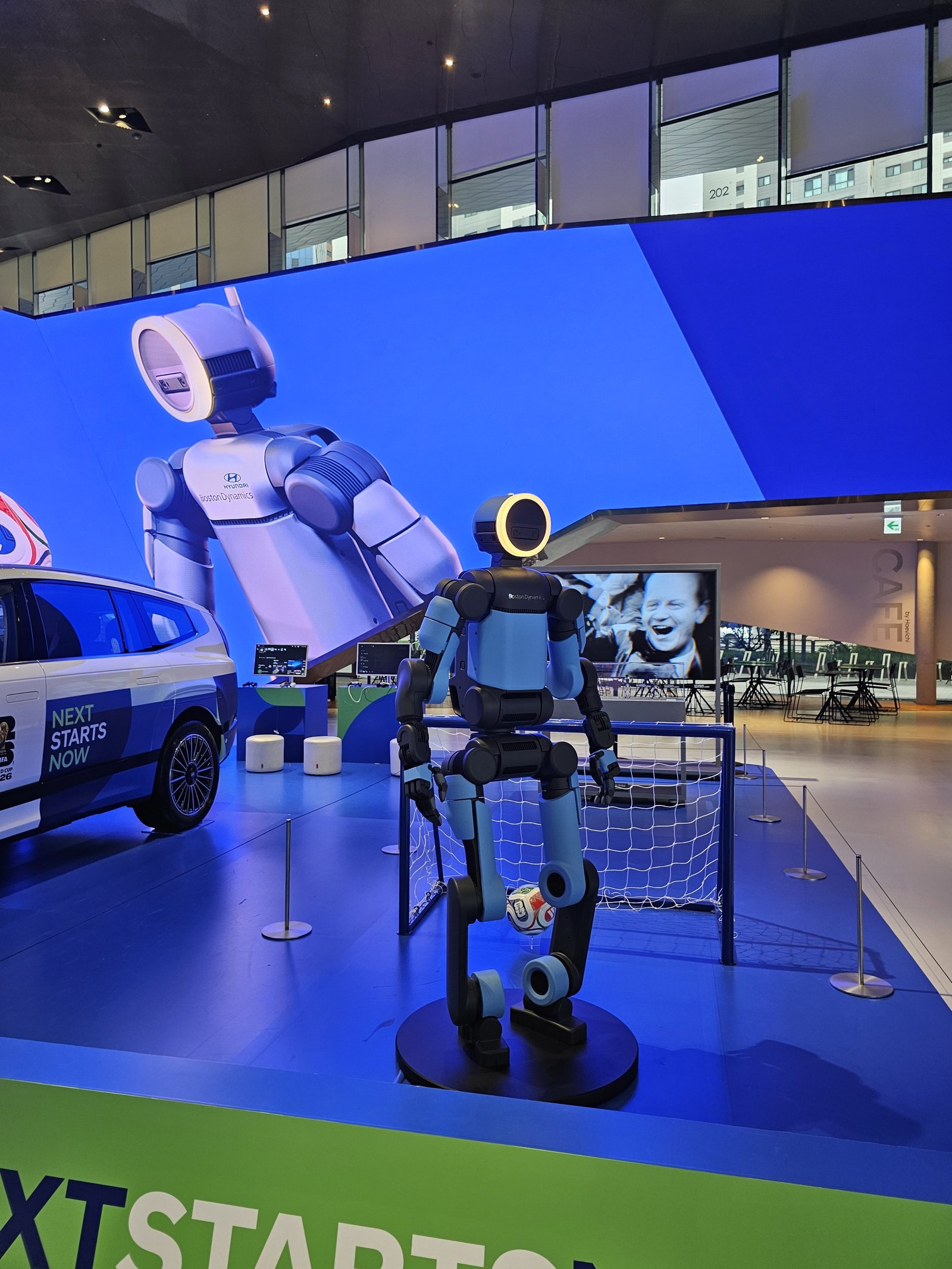
For a decade, "humanoid robot" meant a lab demo: careful, tethered, rehearsed. In 2026, it means a purchase order. Boston Dynamics' electric Atlas is in production for Hyundai's own factory floors. Agility Robotics' Digit has quietly moved more than 100,000 totes through a real GXO warehouse. Figure AI shipped over 350 of its home-oriented Figure 03 units out of a dedicated factory and signed a paid fleet contract with BMW. And 1X Technologies opened pre-orders on NEO, a robot it is explicitly pitching for your living room, not a loading dock.
That's the headline. The real story is messier and more interesting: almost every company chasing the "robot in your house" dream is actually making its money — and proving its technology — somewhere else entirely.
Seven companies, one race, two very different finish lines
Every entrant below is a real, currently operating company with hardware that exists today — no concept renders. But "exists" covers a lot of ground, from robots doing paid shifts in an actual Mercedes-Benz plant to robots that have been pre-sold for home delivery with, as of this writing, no independently verified customer deliveries yet. Ordered roughly by how close each company actually is to a stranger's house, not by hype.
NEO
The most home-focused robot on this list, and the most controversial. 1X has been unusually candid that many early tasks are completed via remote human teleoperators, with occupants blurred from the operator's view and user-defined no-go zones. No independently confirmed customer delivery as of mid-2026.
Figure 03
Engineered from scratch for the home — wireless charging, palm cameras, fingertip force sensors. But the first real money is coming from manufacturing: 350+ units produced, and a paid fleet contract for BMW's Spartanburg plant. The home pitch is still mostly a roadmap.
Optimus (V3)
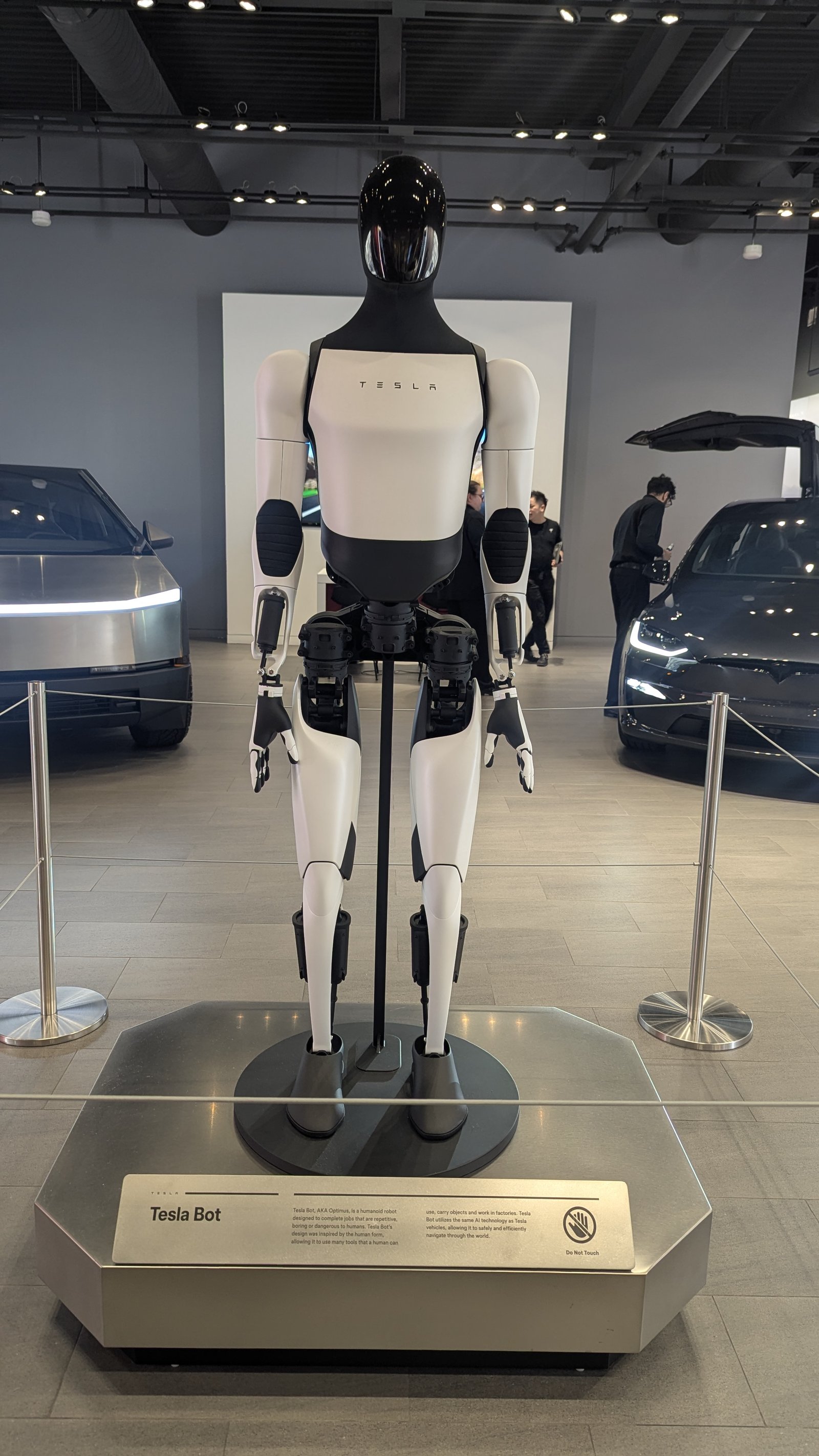
Still the most-hyped, least-externally-verified robot in the field. In-factory units remain "primarily for learning and data collection," per Tesla's own earnings commentary. No consumer or home version has a real date.
Apollo (Apollo 2)
Backed by Google and Mercedes-Benz, with Gemini models doing the reasoning. Already doing supervised work inside real Mercedes-Benz logistics and GXO warehouse operations. No home ambitions announced — an enterprise play, full stop.
Atlas (electric)
56 degrees of freedom, 50 kg lift capacity, autonomous battery swaps. Hyundai has committed to 25,000+ units across its own plants by 2028. This is a factory robot, not a home robot.
Digit
Arguably the most commercially proven humanoid on Earth: 100,000+ totes moved at one GXO facility, robots-as-a-service contracts with GXO, Toyota, Mercado Libre, and Schaeffler. No consumer or home version, and none signaled.
G1 & R1
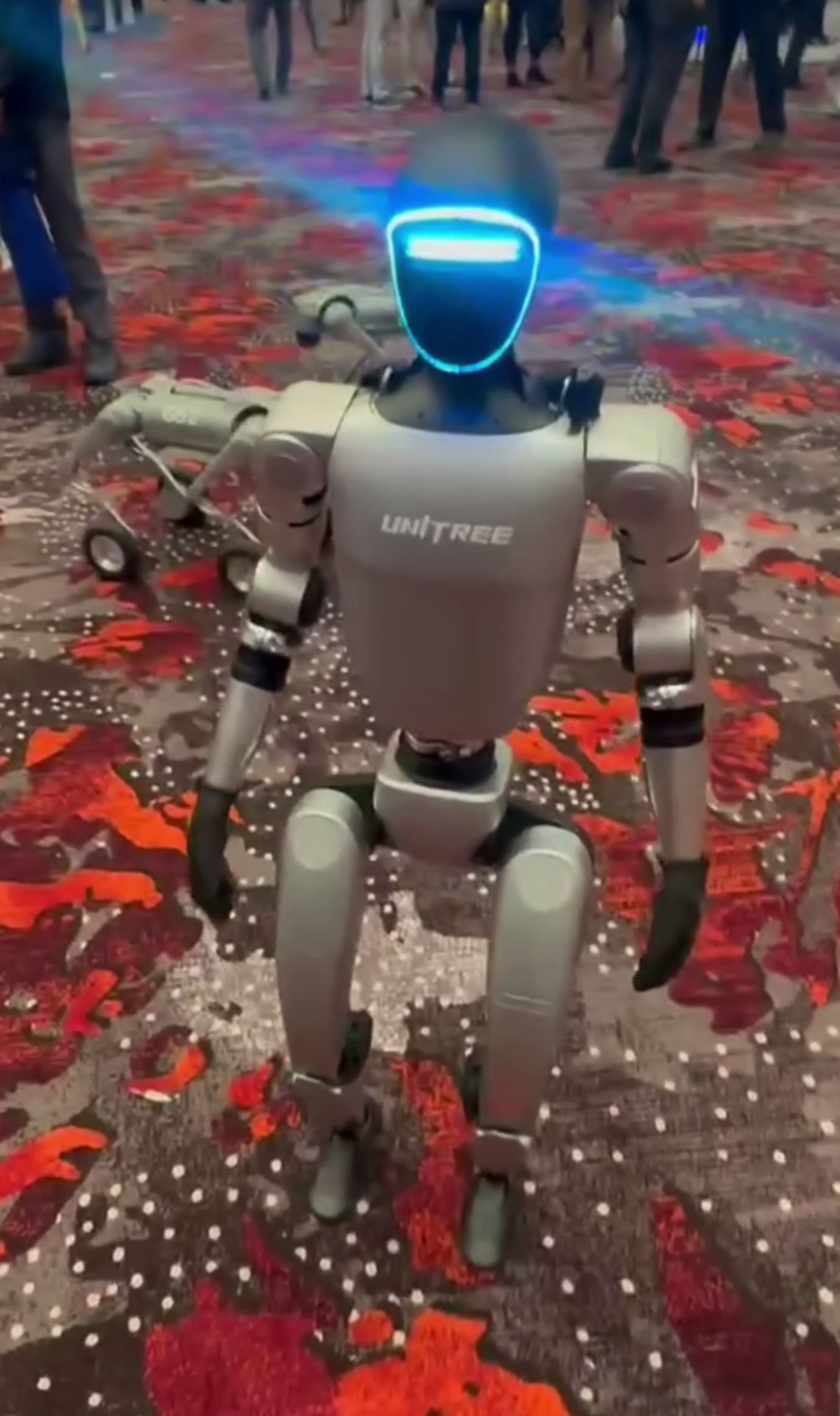
The volume play — claims the top spot in global humanoid shipments. G1 is developer-oriented; R1 is child-height and marketed as "less intimidating" for home settings. Public demos lean hard into choreography over open-ended chores.
Almost every "home robot" is actually a factory robot in disguise
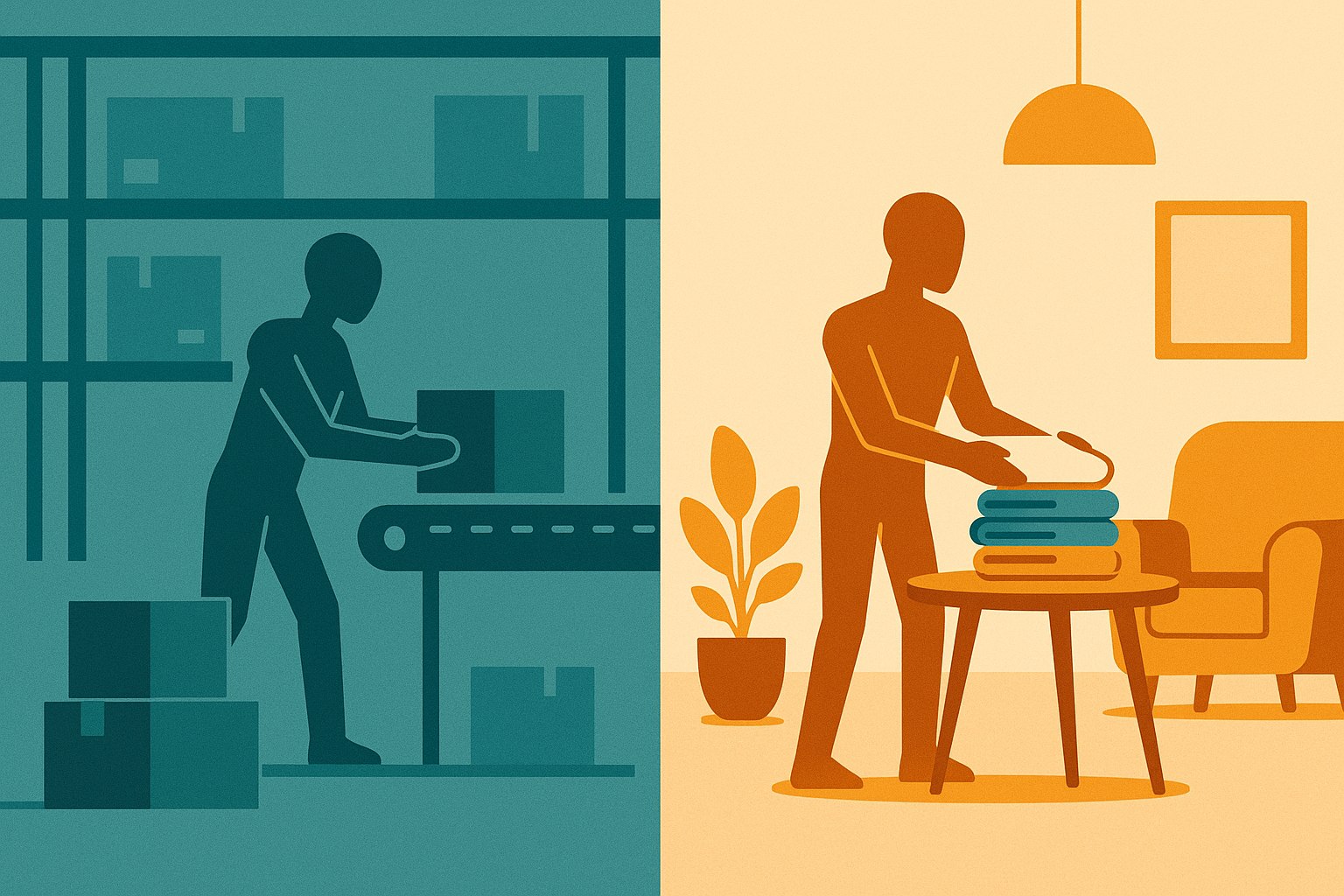
Line the seven up and a pattern jumps out immediately: the companies with the most believable near-term traction — Agility, Apptronik, Boston Dynamics — aren't chasing homes at all. They're chasing warehouses and assembly lines, where the work is repetitive, the environment is controlled, and a robot's mistake costs a dented tote rather than a broken lamp or a startled toddler. Digit's 100,000-tote milestone and Apollo's Mercedes-Benz pilot are real, audited, paid deployments. That's precisely why they're industrial: those are the environments general-purpose robots can actually handle today.
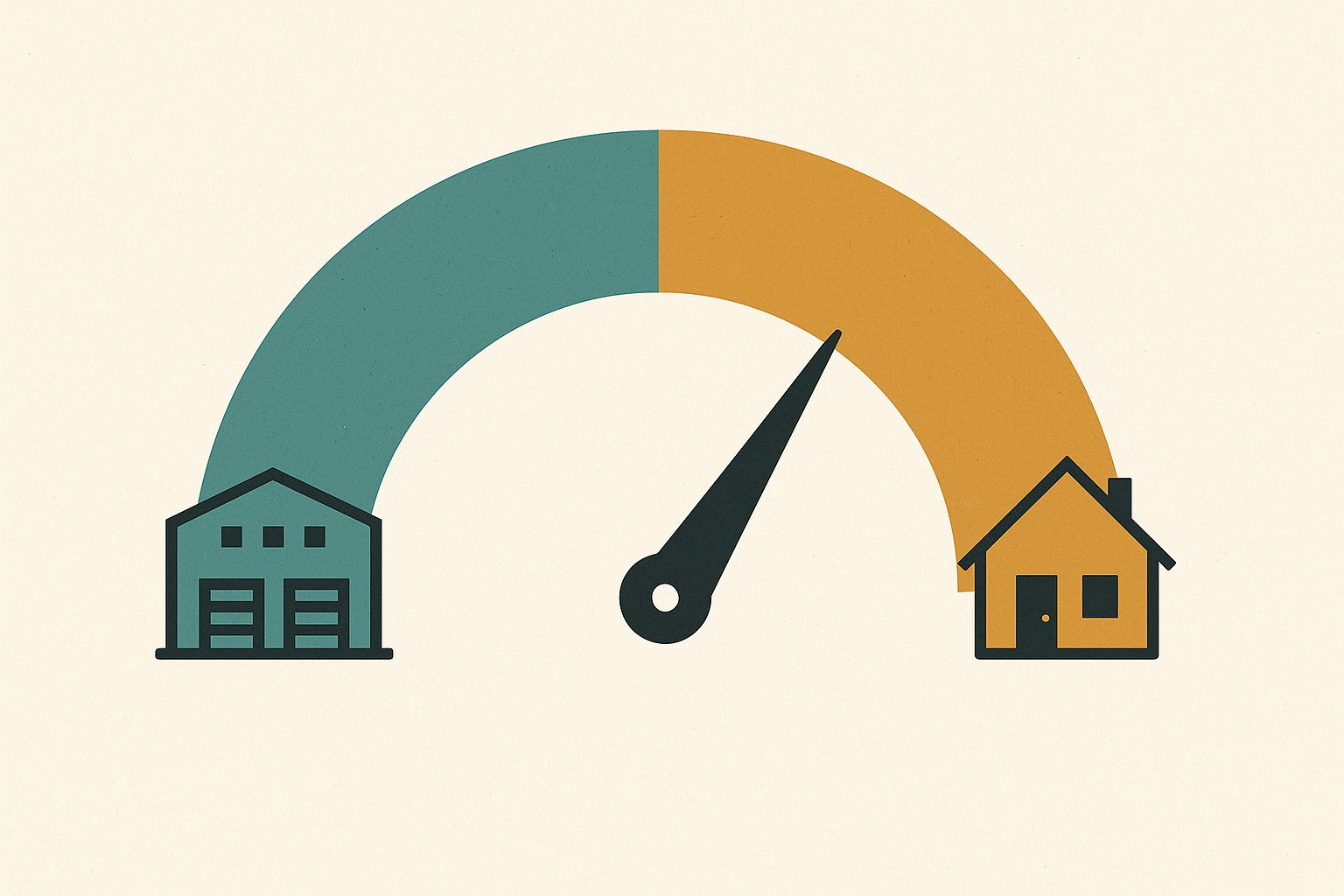
The companies explicitly promising your living room — 1X and, in its marketing if not yet its revenue, Figure — are running a harder experiment. A house has irregular lighting, pets, stairs, breakable objects, and zero tolerance for a 130-pound machine falling over near a child. That gap is exactly why 1X leans so heavily on human teleoperators rather than claiming full autonomy, and why Figure's actual paid contract to date is a BMW factory fleet, not a homeowner subscription.
The teleoperation question nobody's fully answered
1X deserves credit for being unusually upfront about how NEO actually completes its more complex tasks today: a trained human operator, working remotely, drives the robot through the motion while it also gathers data to eventually reduce that dependence. The company's stated safeguards are specific — occupants blurred out of the operator's video feed, operators unaware which household they're connected to, one supervisor overseeing roughly eight teleoperators, and homeowner-defined zones the robot won't enter even under remote control.
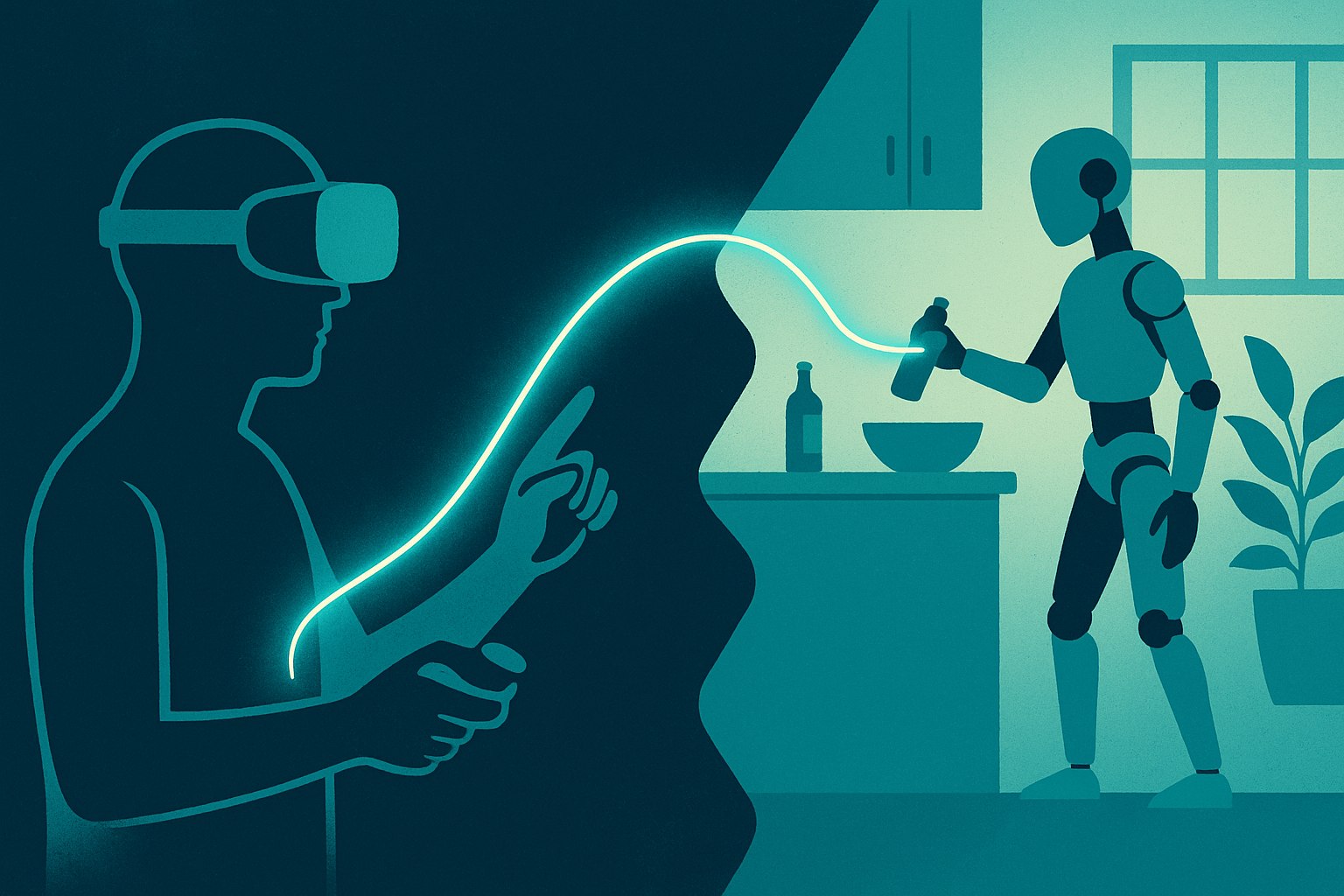
Whatever the safeguards, a live camera-and-microphone feed originating inside a private home, routed to a person the homeowner has never met, is a materially different privacy proposition than a robot vacuum bumping into furniture. 1X has argued supervised teleoperation is more auditable than an unmonitored in-home cleaner, since every session is logged. Reasonable people, including robotics researchers covering the launch, have disagreed on whether that argument holds up once you're an early customer rather than a case study. None of this means NEO is a scam, or that teleoperation-assisted robots are dishonest — it's a legitimate, disclosed bridge strategy while onboard autonomy catches up. But anyone evaluating a home humanoid in 2026 should ask, specifically, how much of what they're seeing in a promotional video is the robot deciding, versus a person deciding for it.
What "2026" actually means for this category
| Metric | Figure |
|---|---|
| Independently verified home deliveries | 0, as of this writing |
| Totes moved by Agility's Digit, one warehouse | 100,000+ |
| Atlas units Hyundai has committed by 2028 | 25,000+ |
| Expected updated international safety standard | 2027 or later |
Safety and regulatory frameworks haven't caught up to the hardware. As of 2026, there is no single, finished safety standard governing humanoid robots operating around untrained people in a home; the relevant international draft standard is still working its way through committee, with formal publication expected in 2027 or later, and it's not expected to include enforcement mechanisms even then. In the U.S., oversight remains fragmented across existing consumer-product and workplace-safety rules never written with a bipedal machine in mind.
Common questions
Can I buy a home humanoid robot right now?
You can pre-order 1X's NEO, but as of this writing there's no independently verified customer delivery for any general-purpose home humanoid.
Which robot is the most commercially proven?
Agility Robotics' Digit — over 100,000 totes moved at a single GXO warehouse, with paid contracts across multiple companies.
Is NEO actually autonomous?
Not fully, today. 1X has disclosed that many complex tasks are completed via remote human teleoperators while the system gathers data to reduce that dependence over time.
Why aren't more of these robots going into homes?
Homes are unpredictable — irregular lighting, pets, stairs, breakable objects — in a way controlled warehouse environments aren't. That gap is harder to close than the hardware itself.
Is there a safety standard for home robots?
Not a finished one. The relevant international draft standard isn't expected to publish until 2027 or later, and won't include enforcement mechanisms even then.
Take the actual deployment picture — paid, supervised, industrial work is real and growing; unsupervised general-purpose home autonomy is not proven at scale by anyone on this list — and a fair summary for 2026 looks like this: this is the year humanoid robots proved they could hold a job. It is not yet the year they proved they could be left alone in your house.
Reporting note. This report was independently researched and written by DopamineKart's editorial desk. No company named above reviewed, sponsored, or paid for this coverage. Figures on deployments, funding, and timelines reflect public company statements and reporting available as of August 2026 and are subject to change — several products described (notably NEO and Optimus V3) are pre-release or early-access hardware. Real photography is Wikimedia Commons, credited per image. Illustrations are AI-generated (OpenAI gpt-image-1), used only for conceptual diagrams — never to depict a real robot model or brand mark.
Corrections: email us