Quick take
- "Independent" gets used loosely in fashion coverage. Here it means one specific thing: the founder or founding team still controls the company, with no majority stake sold to a fashion conglomerate, private-equity firm, or mass retailer.
- All 13 labels below were verified individually — founding story, current ownership, and evidence the brand is still actually operating in 2026.
- This is not a shopping guide. There's no pricing and nothing here is styled as a shopping CTA — it's a reference list of who's actually running their own label right now.
- A few of these brands take outside grant money (an LVMH Prize award, for instance) without giving up ownership — that distinction matters, and we explain it where it applies.
A lot of "brands to know" content treats "independent" as a vibe — a scrappy logo, a small Instagram following, a founder who does their own customer service DMs. None of that actually tells you who owns the company. A label can look handmade and still be a wholly owned subsidiary of a group that also owns four other "indie-coded" brands you'd never guess were related. So instead of taking any brand's own marketing at its word, we went and checked: who founded each of these labels, who owns them now, and whether there's any evidence they've sold a majority stake to somebody bigger. What's below are 13 that passed — real companies, still run by the people who started them, still making their own decisions about what to put out next.
What "independent" actually means here
None of these labels are owned by LVMH, Kering, Richemont, PVH, VF Corp, or any comparable retail or luxury group. None have taken a majority investment from a private-equity firm that installs its own leadership. A few have taken grant money or prize funding — the LVMH Prize, for example, comes with a large cash award to young designers, but it doesn't transfer any ownership of the winner's company — and we've noted those cases explicitly rather than lumping them in as "compromised." What's left is a mix of solo-founder labels, husband-and-wife operations, small founding teams, and one two-generation family business that's been independent for over 40 years.
The 13 brands
Listed in no particular ranking — these span menswear, womenswear, streetwear, and knitwear, and range from a 1985-founded Japanese denim house to labels that only started showing collections in the last five years.
Bode
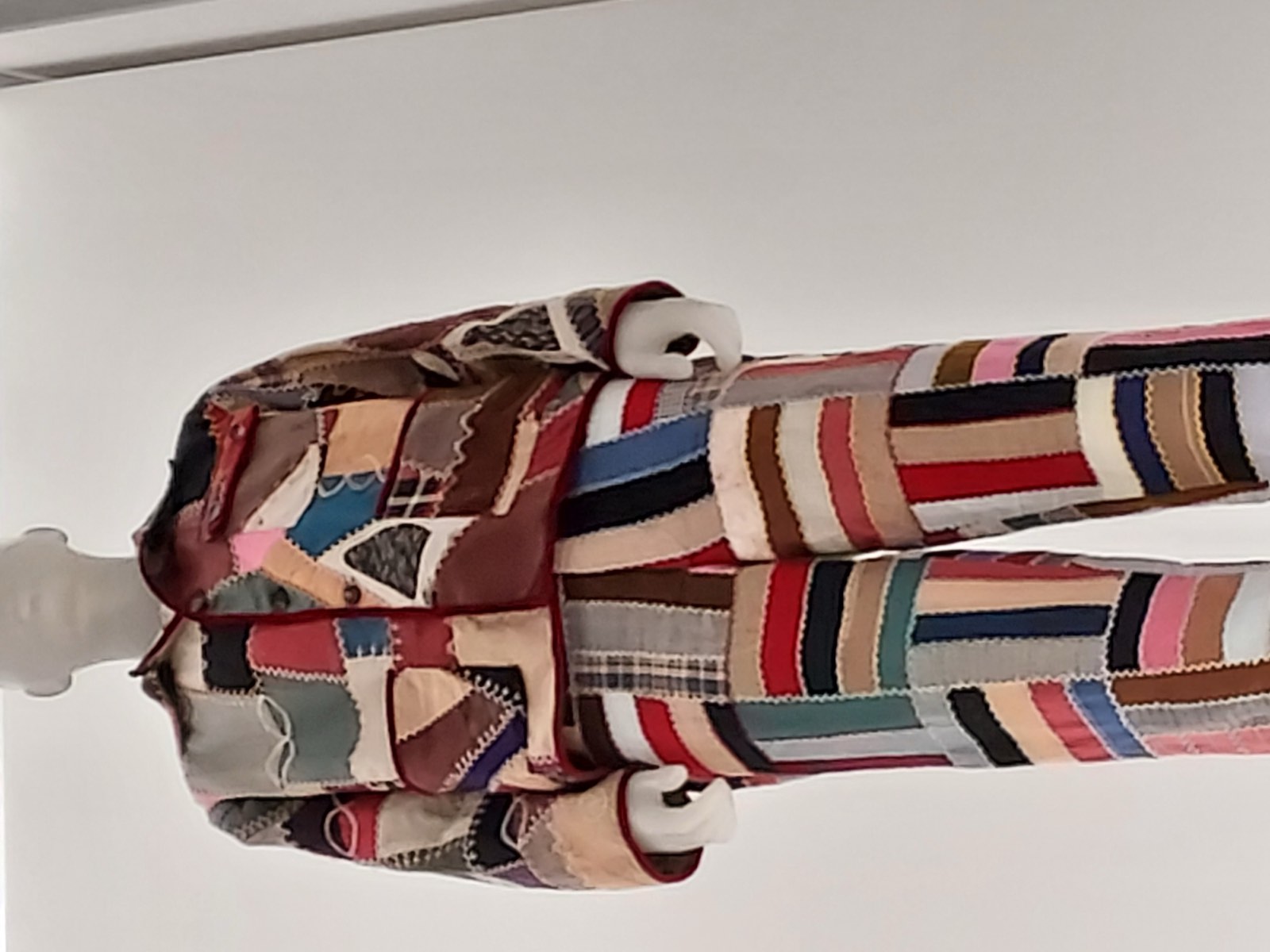
Bode builds menswear out of antique quilts, deadstock fabric, and salvaged textiles, so a single jacket can carry the literal sewing history of whoever owned that fabric decades earlier. Bode Aujla was the first woman to show a solo menswear collection at New York Fashion Week: Men's, in 2017. She's kept the label a family operation — run with her husband, Aaron Aujla, and brother-in-law, Dev Aujla — and the brand has said publicly it hasn't taken outside financing.
Chopova Lowena
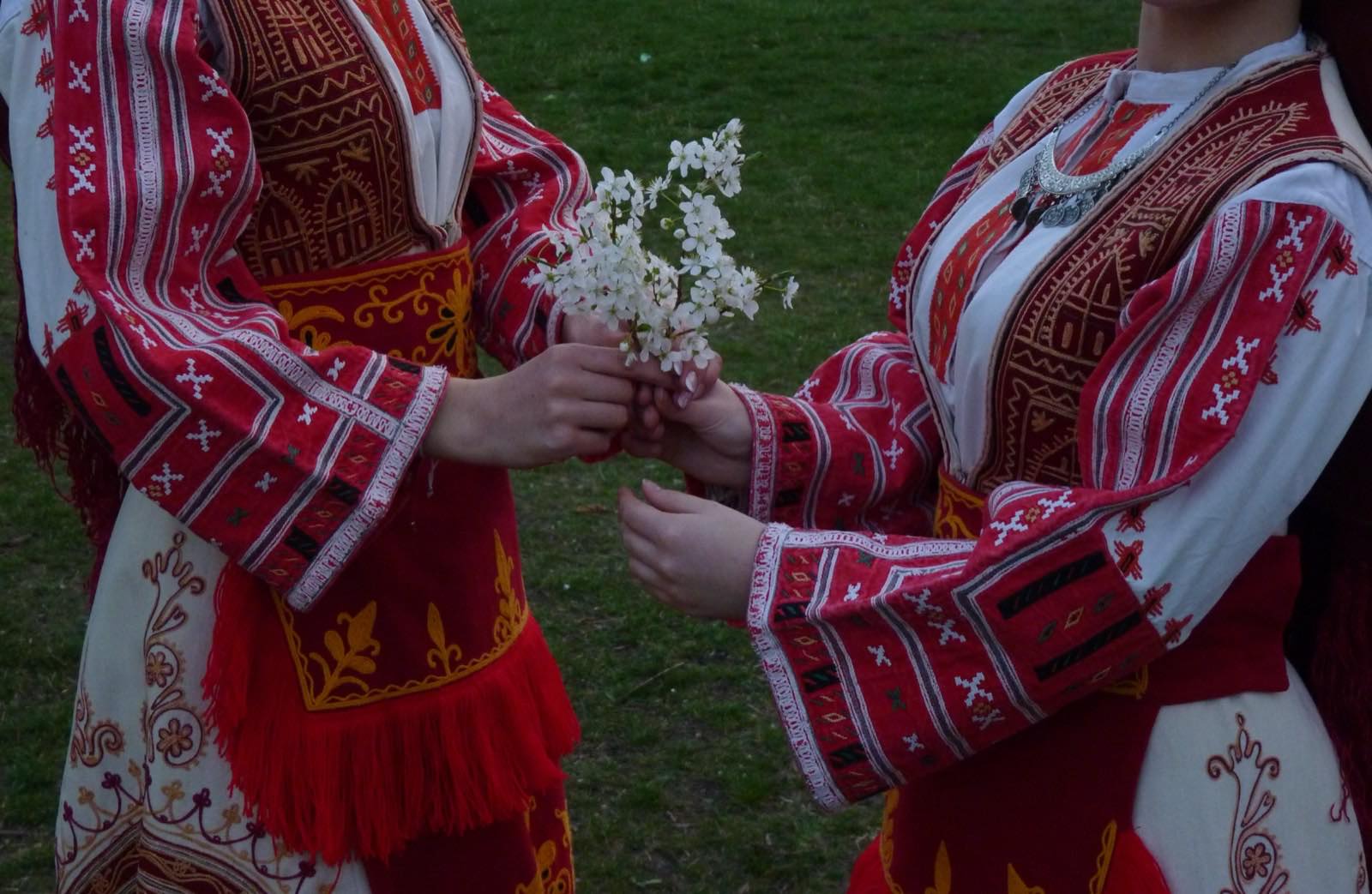
Two Central Saint Martins classmates built a label around reworking salvaged Bulgarian textiles — vintage aprons, pillowcases, woven skirts — into pleated kilts finished off with mountaineering carabiners, a detail specific enough that it's become the brand's calling card. After roughly a decade of building a reputation through stockists rather than a storefront, the label opened its first standalone shop in East London — still run by its two founders.
Kapital
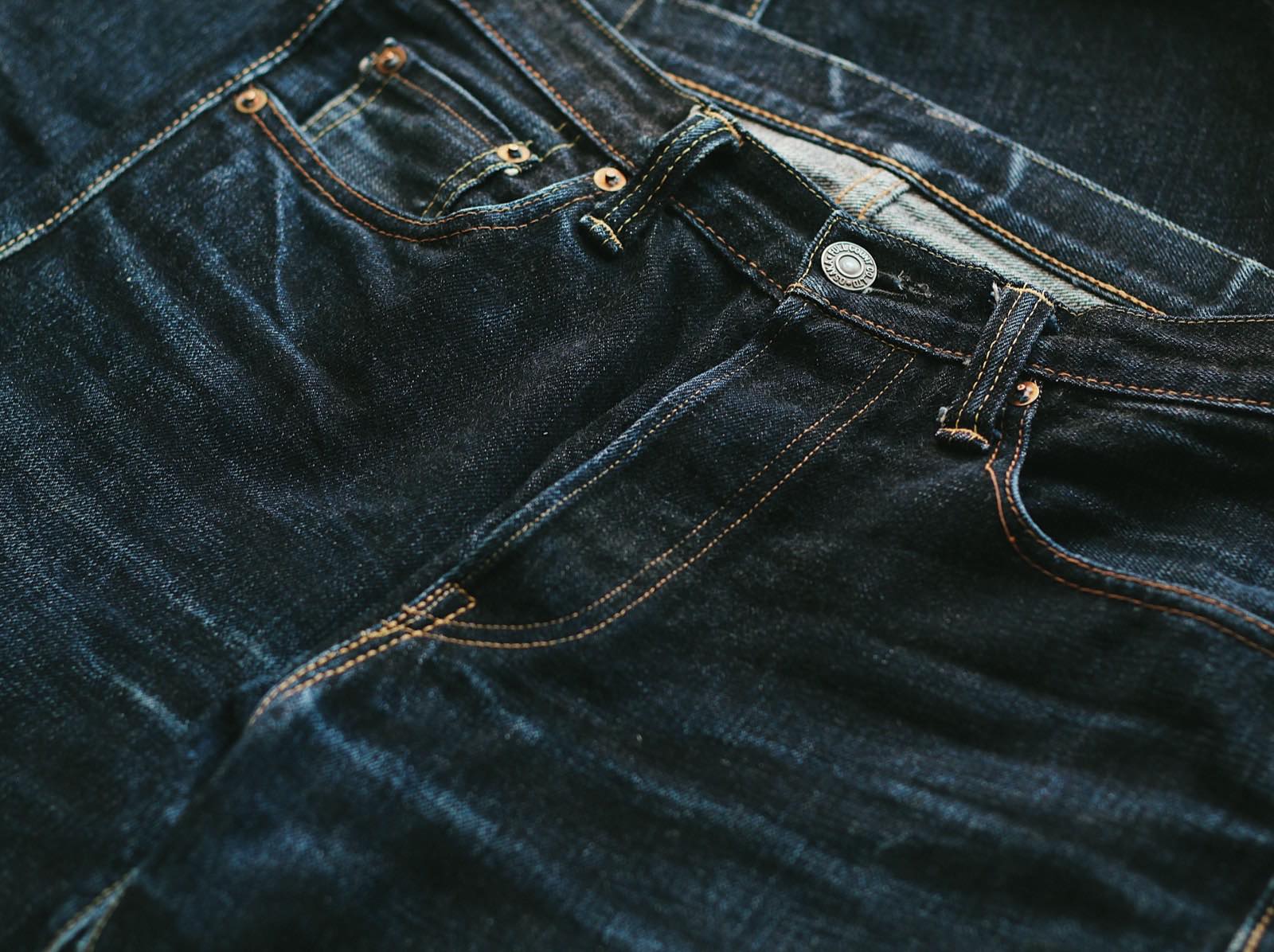
A former karate instructor who fell for American denim opened a small factory in Kojima, Okayama — Japan's denim-manufacturing heartland — in the 1980s. His son Kiro later joined and pushed the brand toward its now-signature look: boro-style patchwork, hand-overstitching, and a restless mix of American workwear and Japanese textile craft. Forty years on, Kapital is still family-run and still headquartered in the same denim town, with a cult following among collectors that most mass denim brands would envy.
Eckhaus Latta
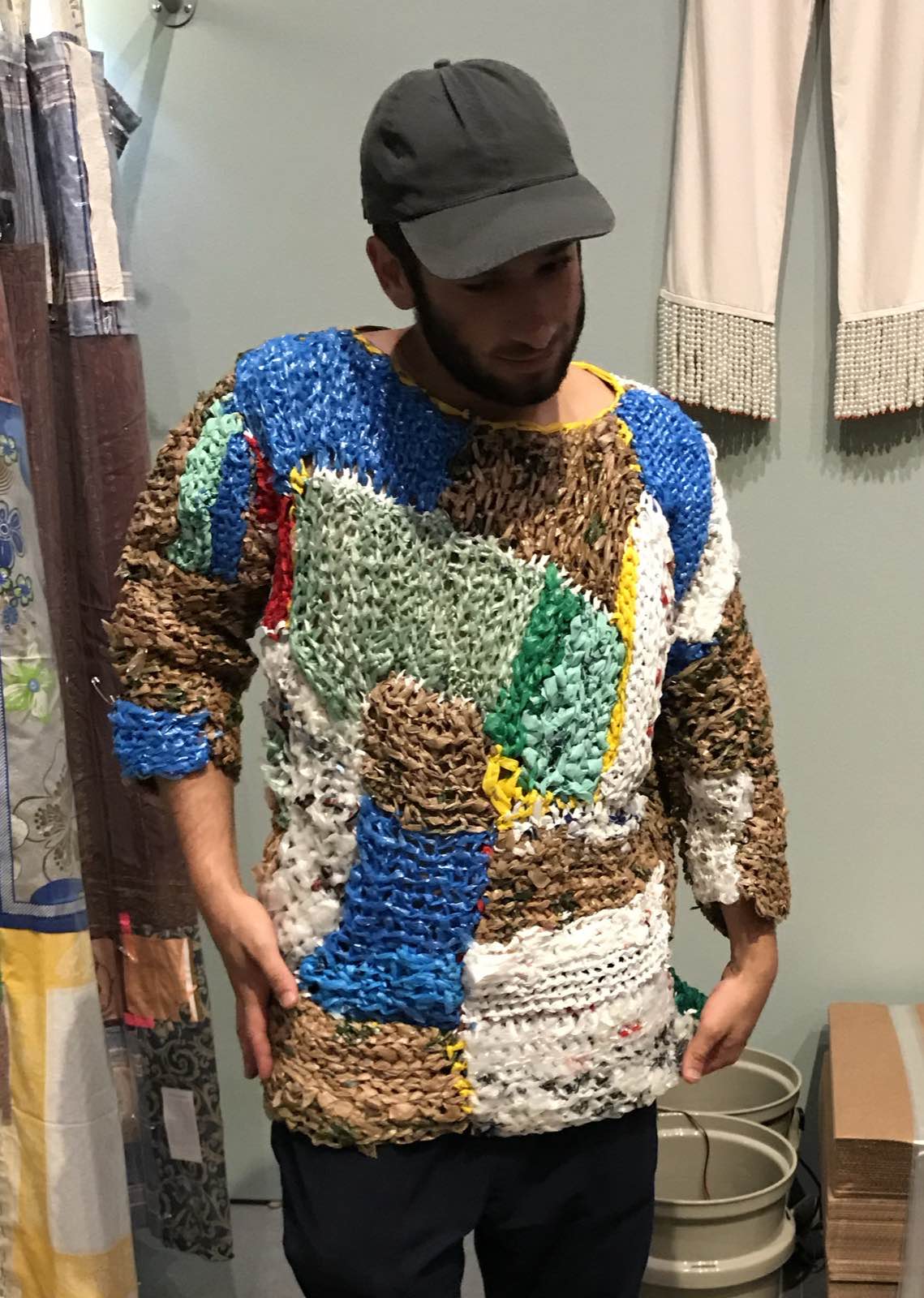
Two Rhode Island School of Design friends started casting models of every gender, age, and body type in their runway shows and campaigns years before that became an industry expectation. The label got a solo show at the Whitney Museum in 2018 — the museum's first fashion exhibition in 21 years — and has picked up CFDA nominations while, in co-founder Zoe Latta's own words, not exactly "playing the game." Still independently run by its two founders.
Story mfg.
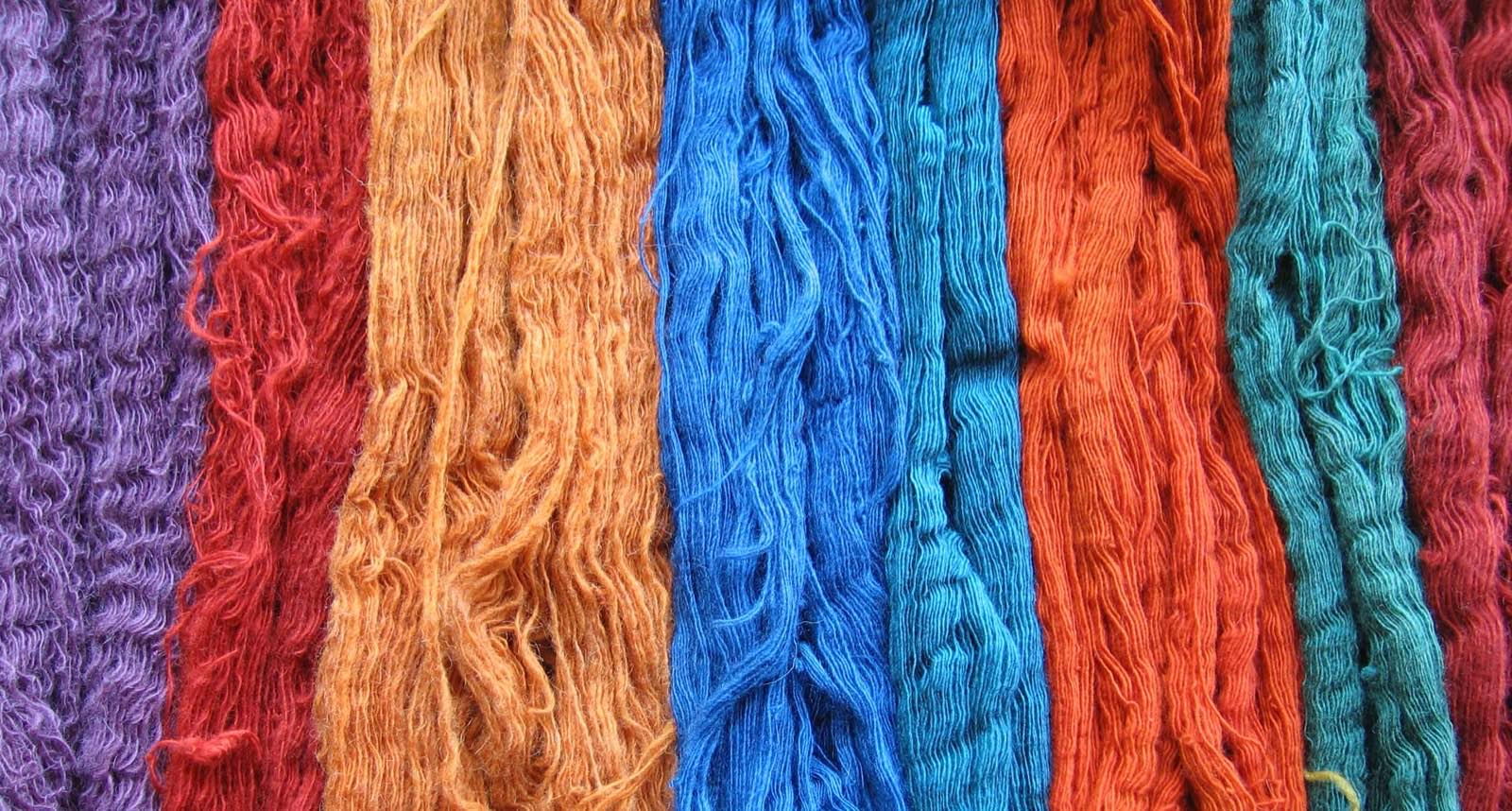
A married couple started Story mfg. because the naturally-dyed, handmade clothing they wanted didn't exist yet. Every dye comes from plant matter, minerals, or bacteria rather than synthetic pigment, and much of the finishing — hand-crochet trim, tie-dye gradients — is done by a network of more than a hundred tailors, dyers, and embroiderers rather than a factory line. The brand has said outright it works at the pace of natural processes, not the fashion calendar, and it's stayed a small independent operation for over a decade.
Ahluwalia
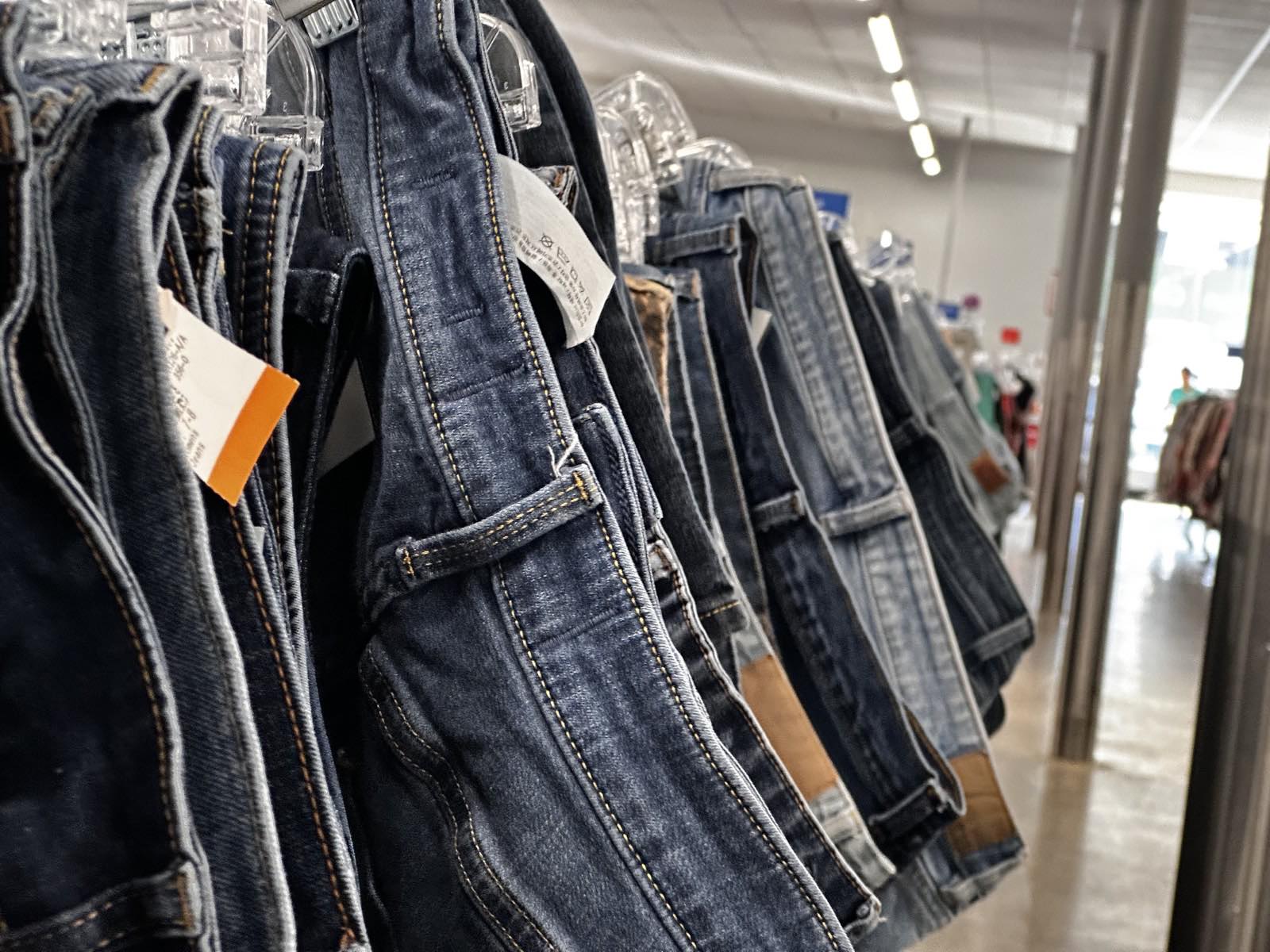
Priya Ahluwalia builds collections almost entirely from deadstock fabric and reclaimed vintage clothing, drawing on her Indian and Nigerian heritage for print and silhouette references. She won a share of the 2020 LVMH Prize and the Queen Elizabeth II Award for British Design in 2021 — grant money and recognition, not an ownership stake — and has stayed independent through both. The label showed a Spring/Summer 2026 collection at London Fashion Week and dressed a custom look at the 2025 Met Gala.
Bricks & Wood
Kacey Lynch built Bricks & Wood around a small, restrained set of graphics and silhouettes rather than a constant churn of seasonal drops, with a flagship store rooted in the same South Central Los Angeles neighborhood the brand is named for. Its beanies and tees have shown up on Tyler, the Creator and Anderson .Paak, and the label has run collaborations with New Balance — all while staying independently owned rather than folding into a bigger streetwear group.
Studio Nicholson
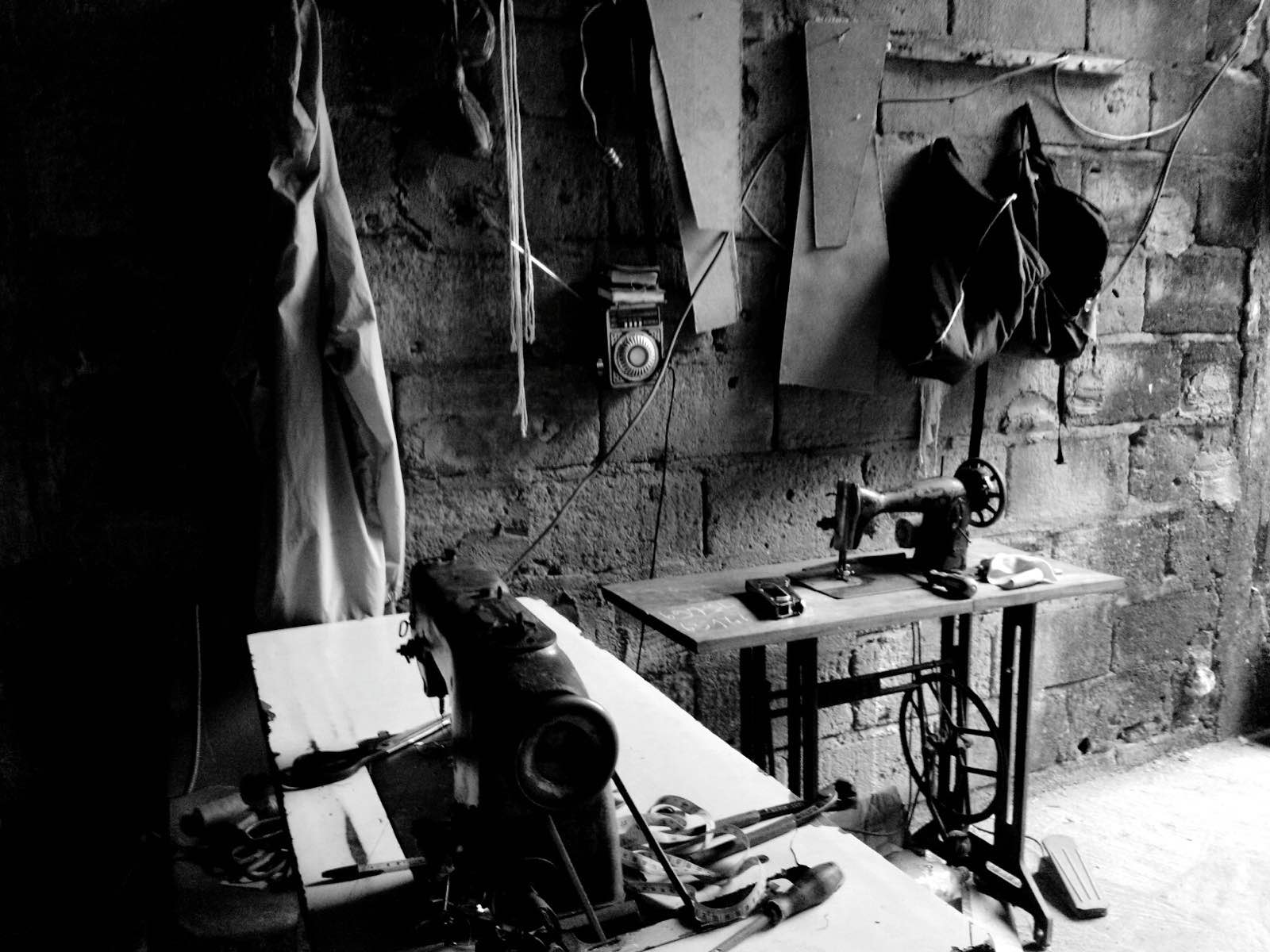
Nick Wakeman started Studio Nicholson out of a small Shoreditch office as a fabric-first womenswear line she's described as landing somewhere between COS and Celine — "clothing, not fashion," in her words. Menswear followed in 2017 and a handbag line in 2024; in 2026 the label staged its first runway show in Paris. Fifteen-plus years in, it's still Wakeman's label to run.
Online Ceramics
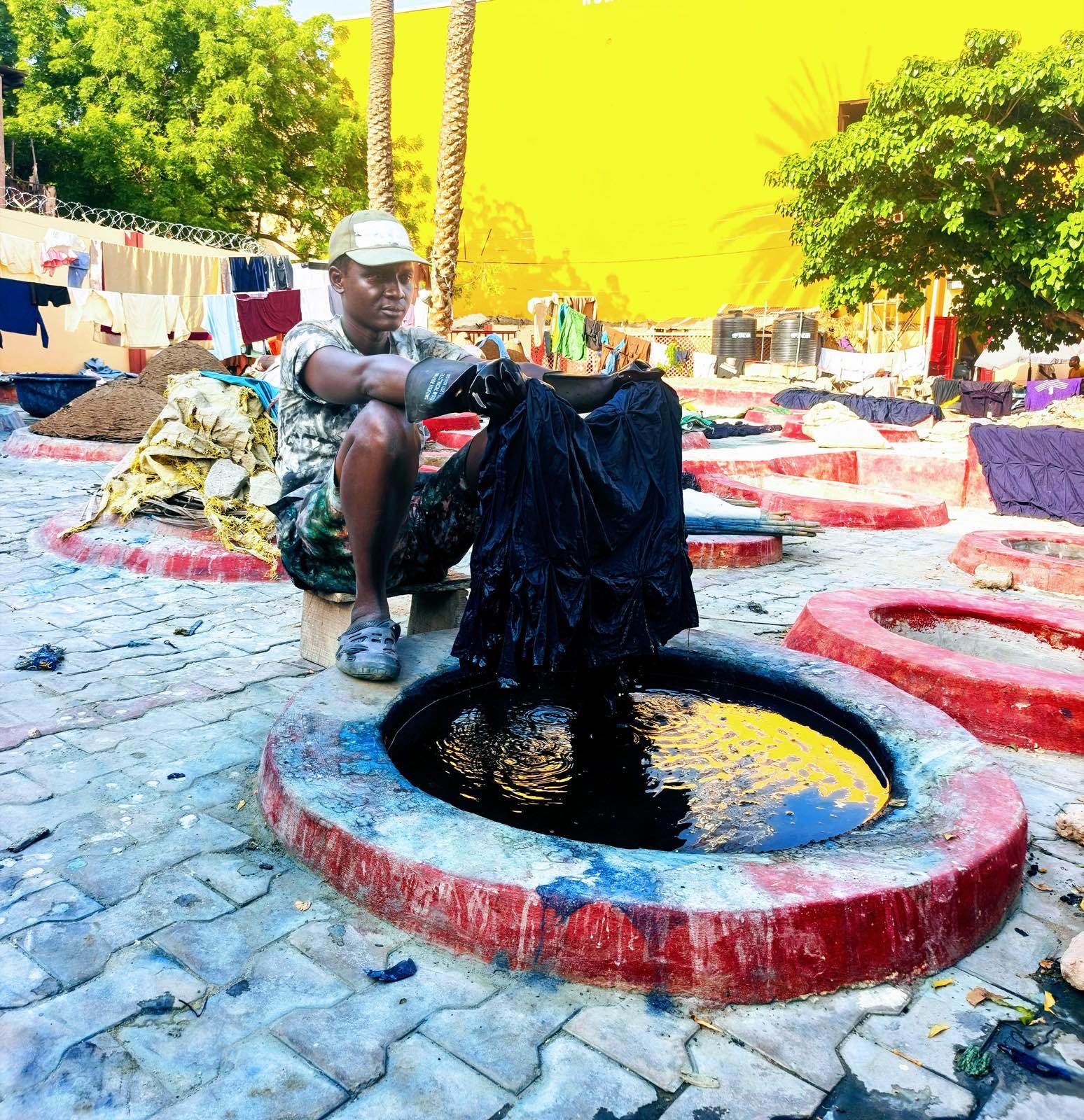
Two self-taught screen printers built a cult following on hand-drawn, outsider-referencing graphics and tie-dye, released through ultra-limited drops rather than a standing catalog. Ross and Funk announced they were parting ways in 2024; Funk has continued running the label independently since. It's a rare case of a graphic streetwear brand earning gallery-world attention — including a 2024 monograph — without an acquisition anywhere in the story.
Rejina Pyo
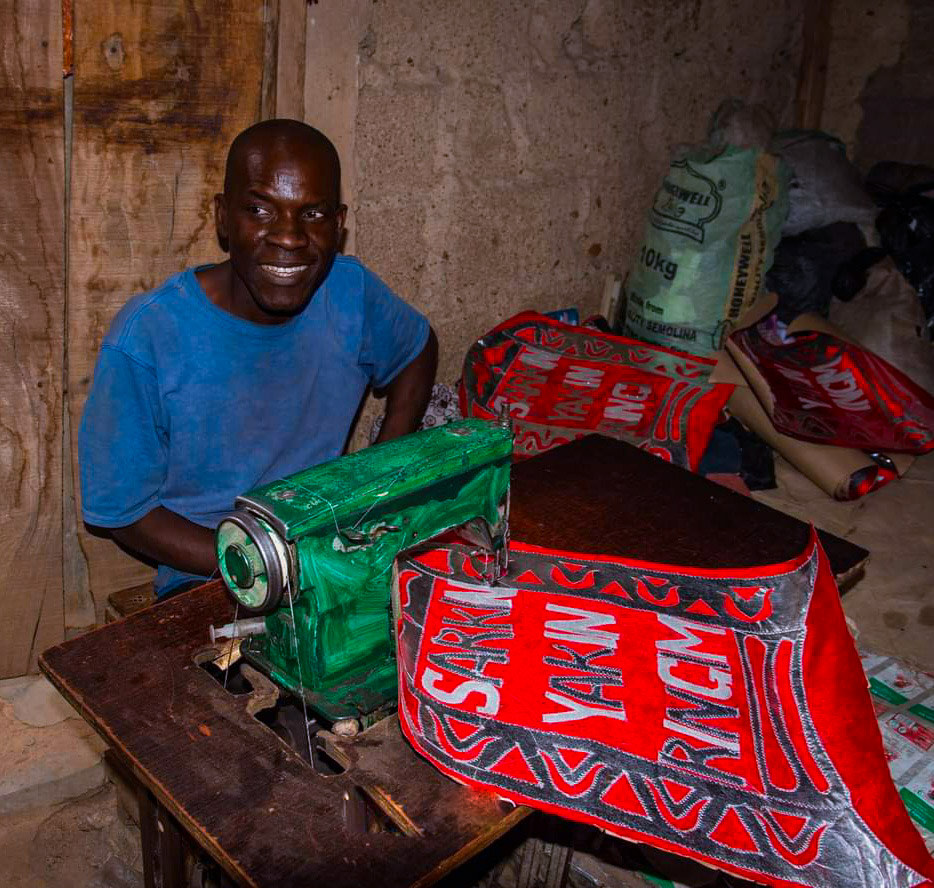
Seoul-born, Central Saint Martins-trained Rejina Pyo worked under Roksanda and Raeburn before starting her own label, known for sculptural, color-forward tailoring that reads considered rather than trend-driven. By her own account the brand nearly folded in its early years; it's since become one of Net-a-Porter's faster-growing labels, still run out of her own studio in Finsbury Park with a small in-house team.
Cormio
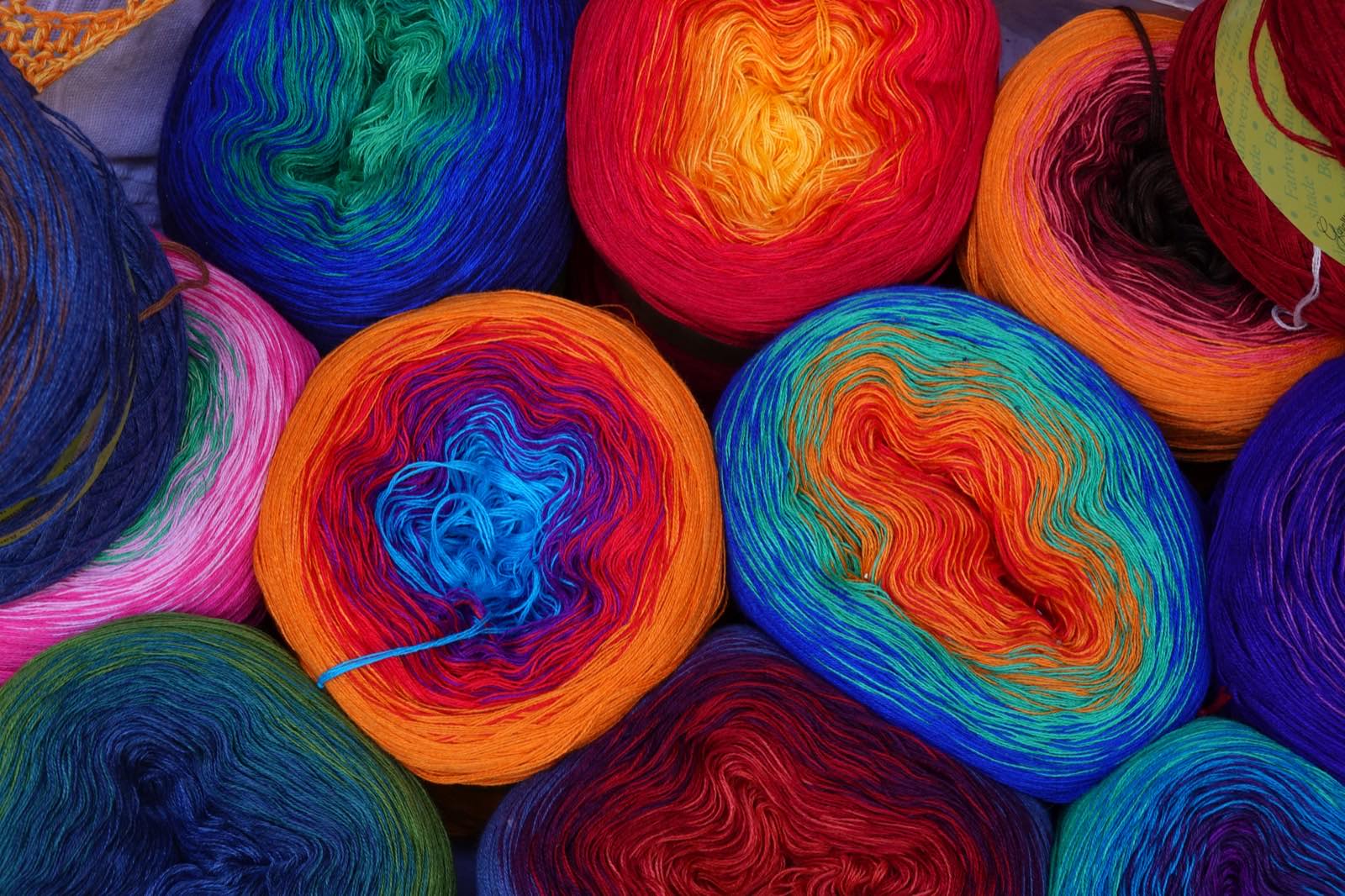
A Royal Academy of Fine Arts Antwerp graduate started Cormio around pastel-toned, hand-finished knitwear that mixes Tyrolean-Alpine costume references with Italian embroidery traditions, produced in small batches in Italy. Olivia Rodrigo and Dua Lipa have both worn pieces publicly — recognition that hasn't come with any change in who owns the label, which remains Cormio's own small operation.
No Sesso
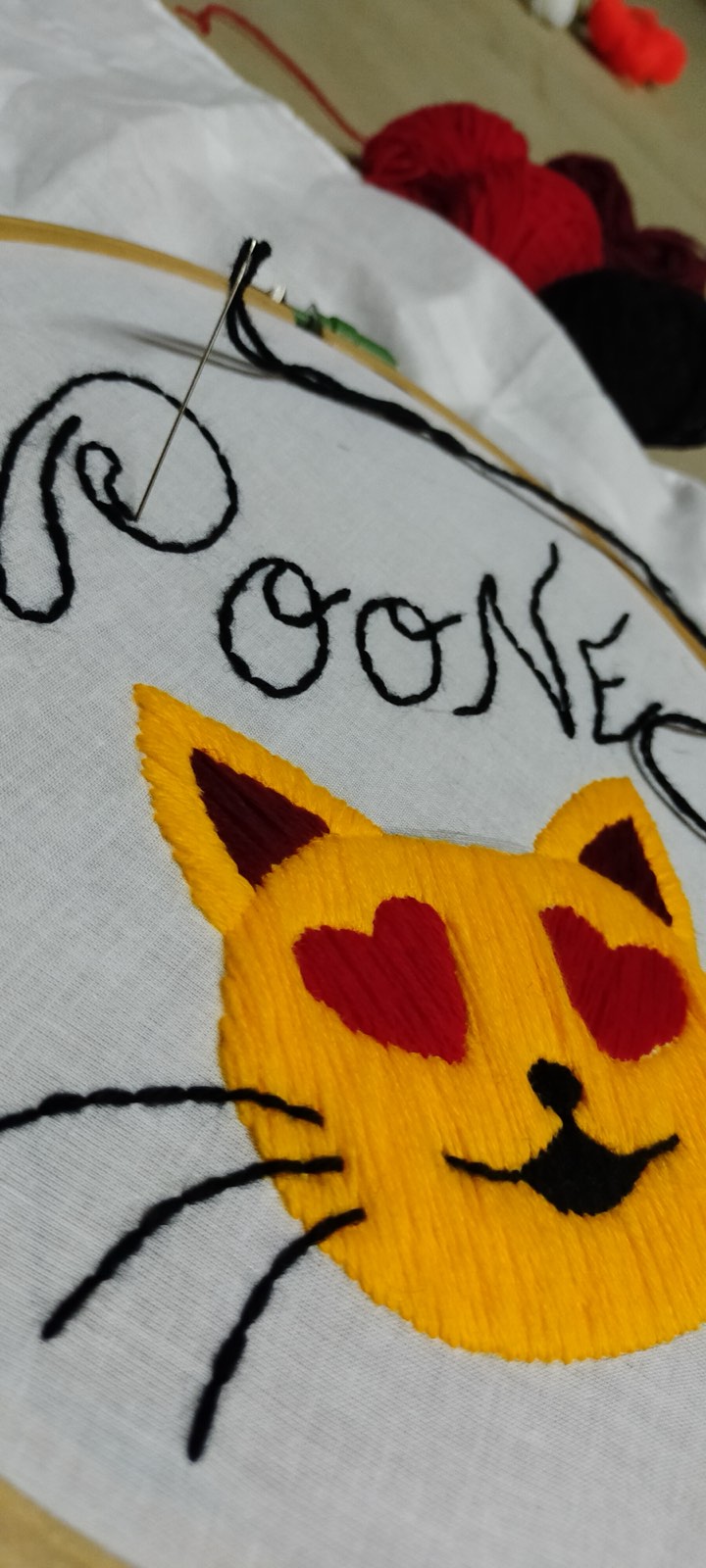
No Sesso — "no sex" in Italian — was built explicitly around gender-nonconforming and size-inclusive design, with Pierre Davis leading design and production from Los Angeles alongside Arin Hayes and Autumn Randolph. The label's hand embroidery is a signature technique rather than a mass-production shortcut, and a widely covered New York Fashion Week show put the small, community-rooted operation on a much bigger stage without it scaling into a licensing machine.
Sky High Farm Workwear
Artist Dan Colen and Comme des Garçons alumna Daphne Seybold built Sky High Farm Workwear as the retail arm of Sky High Farm, a nonprofit that grows and distributes food to underserved communities — more than half of all profits are committed back to it. Production runs through a manufacturing partnership with Dover Street Market's brand-development studio, but the label itself stays independently owned rather than licensed out. In under four years it's generated roughly $1.5 million for the farm and collaborated with Levi's on a workwear capsule.
Independent doesn't mean immune
None of this is a guarantee any of these 13 stay independent forever — small labels get bought out, run out of money, or bring on investors all the time, and a few names that would have made this exact list five years ago (a well-regarded London workwear label among them) have since wound down entirely rather than sold out. That's part of why we checked current status rather than reputation: a brand's ownership can change quietly, without a press release, long after the write-ups calling it "indie" stop getting updated. Everything above reflects public reporting and each brand's own statements as of September 2026 — treat it as a snapshot, not a permanent guarantee.
| Brand | Founded |
|---|---|
| Kapital | 1985 |
| Eckhaus Latta | 2011 |
| Story mfg. | 2013 |
| Rejina Pyo | 2014 |
| Bricks & Wood | 2014 |
| No Sesso | 2015 |
| Online Ceramics | 2016 |
| Bode | 2016 |
| Chopova Lowena | 2017-18 |
| Ahluwalia | 2018 |
| Cormio | 2019 |
| Sky High Farm Workwear | 2022 |
Studio Nicholson (founded 2010, Shoreditch) is omitted from the table above only because its founding predates the rest of this batch by enough that it skews the timeline — it's covered in full above.
Common questions
What does "independent" mean in this list, specifically?
No majority ownership by a fashion conglomerate (LVMH, Kering, Richemont, PVH, VF Corp, or similar), no controlling private-equity stake, and the founder or founding team still runs day-to-day design and business decisions.
Does winning a prize like the LVMH Prize make a brand not-independent?
No. The LVMH Prize is a grant and mentorship award for young designers — it comes with money and press, not an equity stake. Ahluwalia is one example here of a brand that took the prize and stayed fully independent.
Are any of these brands going to get bought out eventually?
Possibly — small independent labels get acquired, wind down, or take on investors fairly often, and this list reflects verified status as of September 2026, not a permanent guarantee.
Where can I actually buy these?
Mostly through each brand's own website and a small circle of specialty retailers (the kind of stores that stock several labels above at once) rather than big department stores or Amazon — that's part of what keeps them independent-scaled in the first place.
Is this a shopping guide?
No. There's no pricing here and nothing is styled as a shopping recommendation — this is a reference piece on who actually owns these companies.
"Independent" is doing a lot of unverified work in fashion marketing right now — plenty of brands lean on the word while quietly answering to a private-equity board or a conglomerate parent. The 13 labels above checked out: founder-run, no majority stake sold to anyone bigger, still actively making and showing collections in 2026. That doesn't make any of them permanent fixtures — small companies close, get bought, or change hands more often than big ones — but as of right now, the name on the label and the person actually calling the shots are still the same person.
Disclosure. DopamineKart has no business relationship with any brand named above. Nothing in this piece is sponsored, and there are no affiliate links on this page. Ownership and founding facts are drawn from public reporting, brand statements, and official sites as of September 2026; where a detail couldn't be independently confirmed, it was left out rather than guessed at. Real photography is sourced from Wikimedia Commons and credited per image — several images are general reference photos of a technique or material (denim, natural dye, embroidery, and so on) rather than photos of the specific brand's own product, and are captioned to say so plainly.
Corrections: email us