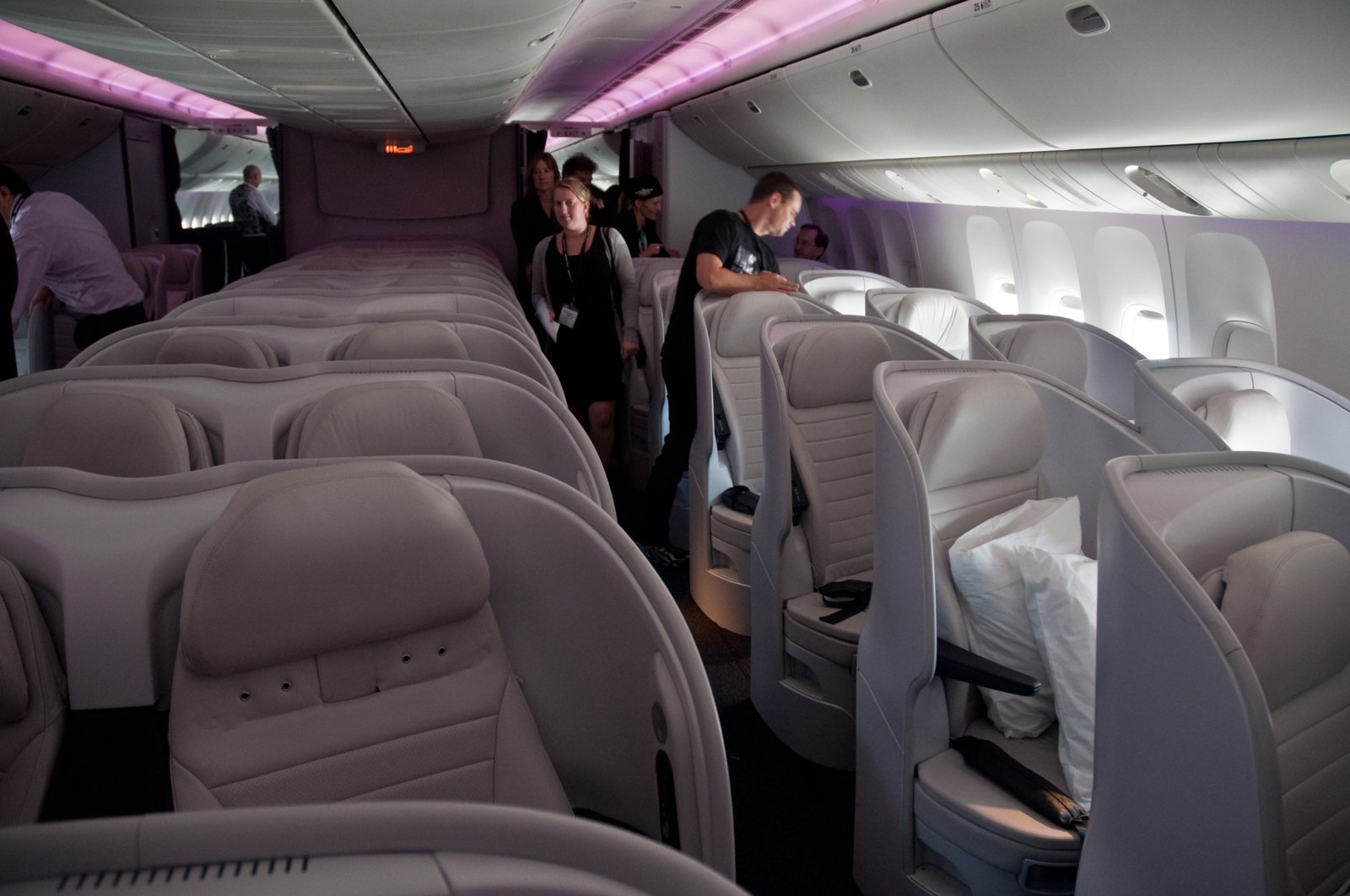
Premium economy has quietly become the most-argued-about cabin in the plane -- not quite economy, not close to business class, and priced somewhere in a confusing middle. Here's a real, spec-by-spec look at what you actually get across several major airlines, and an honest framework for when it's worth the extra money.
Premium economy is worth considering on long-haul and overnight flights of about eight hours or more, where a wider seat, bigger recline, and leg rest can help you sleep. It is rarely worth it on a 2-3 hour flight. It is not the same as extra-legroom economy, so compare the actual fare gap for your dates.
What Premium Economy Actually Is
The single most common mix-up: premium economy is not the same product as "Economy Plus" or extra-legroom economy seating (United Economy Plus, Delta Comfort+, and similar). Extra-legroom economy is still the economy cabin, with the same seat, same width, same food service -- just a few more inches of pitch and earlier boarding. Premium economy is a genuinely separate cabin: wider seats in their own dedicated section, a meaningfully bigger recline, footrests or leg rests, upgraded food and drink service, and usually its own flight attendants working that cabin specifically.
That distinction is exactly where a lot of the "is it worth it" confusion comes from -- someone who has only tried extra-legroom economy is comparing the wrong product when they judge whether premium economy is worth the money.
Six Airlines, Real Seat Specs
Seat width and pitch, straight from published airline and aviation-industry data -- not estimated.
Air France: The Widest Seat on This List
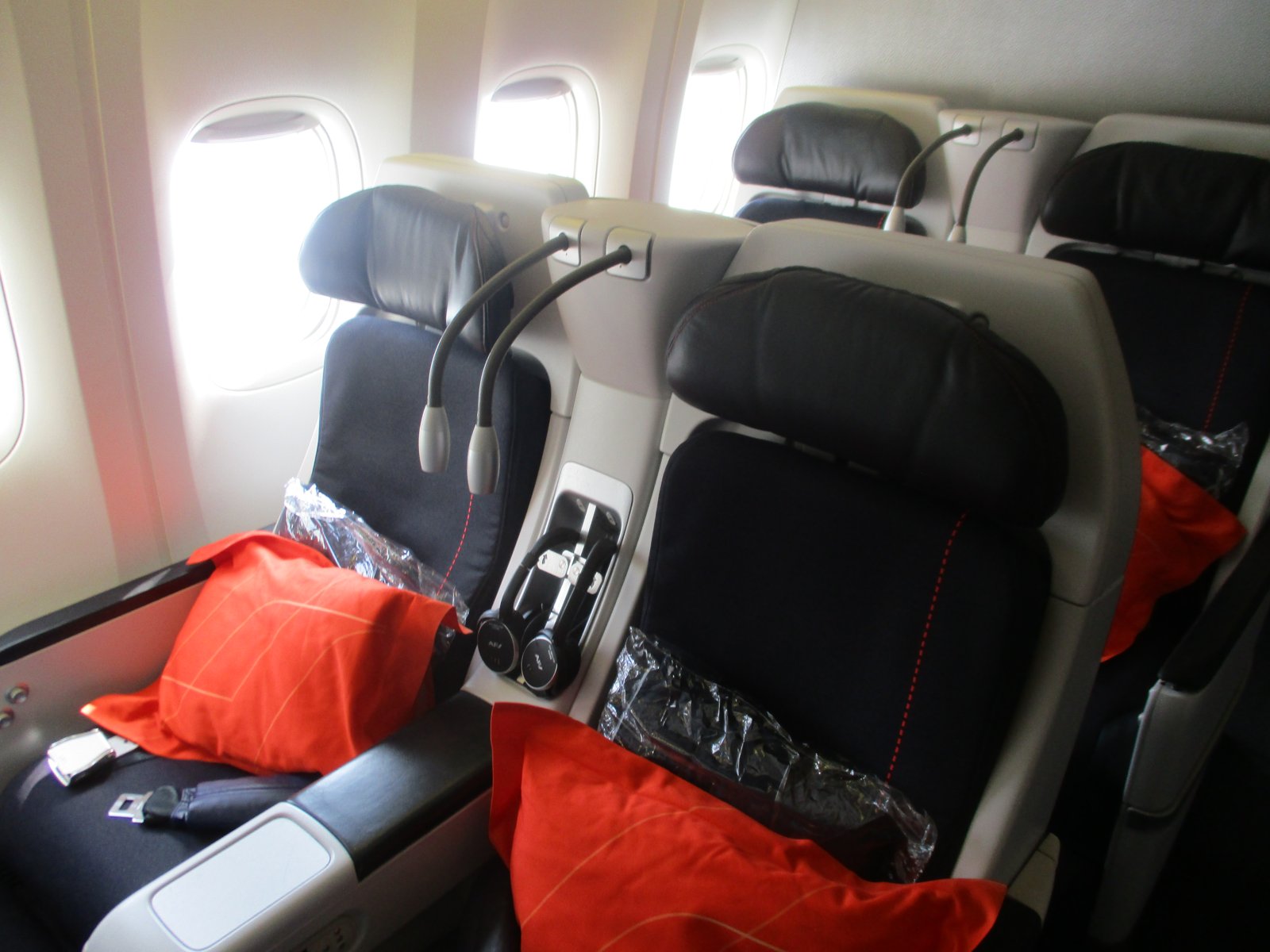
Air France's premium economy runs about 19 inches wide with roughly 38-40 inches of pitch depending on the aircraft -- 40 inches on its A330 and 787 fleet, 38 inches on most others. That width puts it near the top of the field among the airlines compared here, and it comes with a proper recline, a fixed leg rest, and a full china-and-tray meal service that's noticeably closer to business class than to economy.
Cathay Pacific: Consistent Across the Fleet
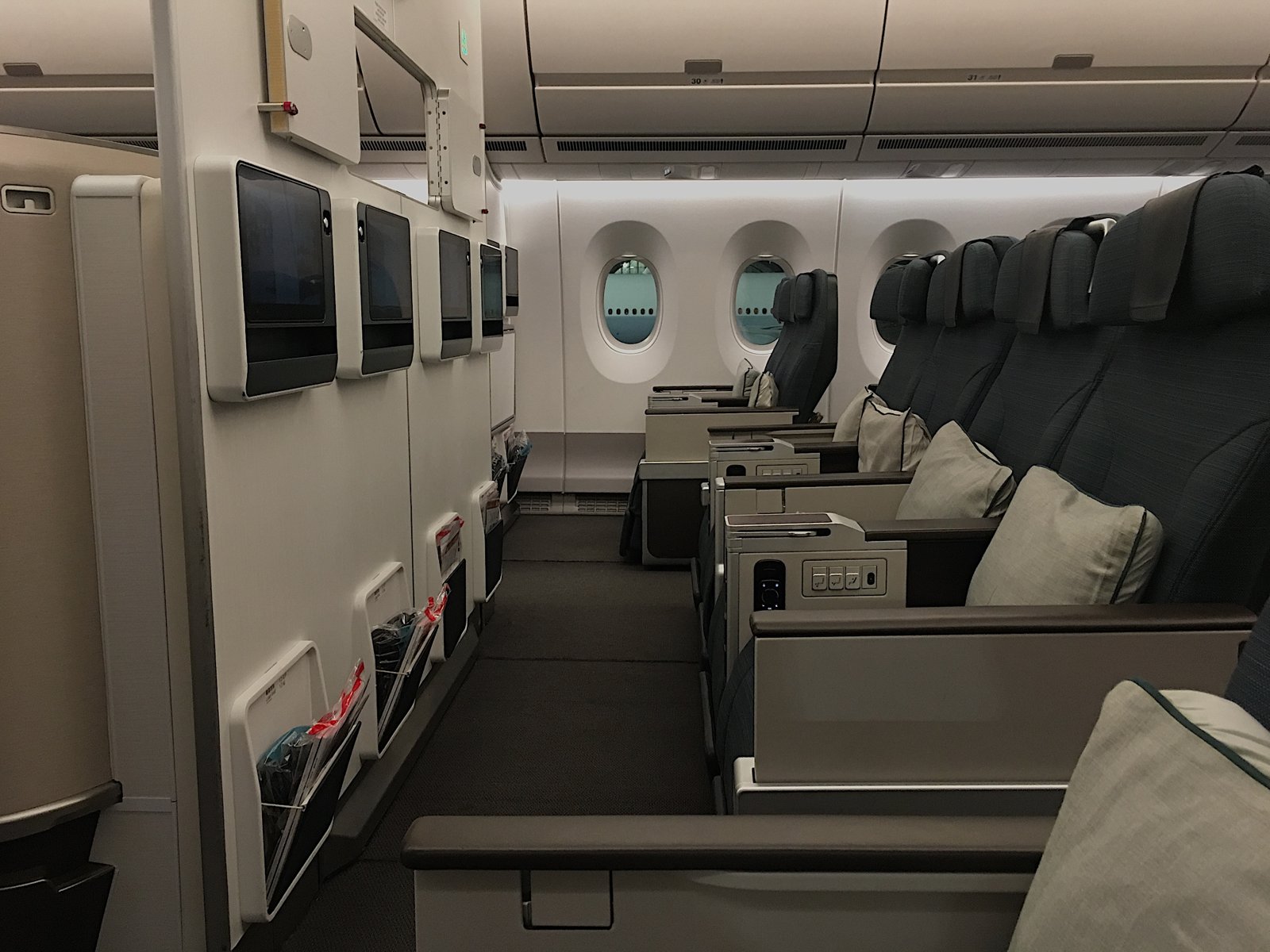
Cathay Pacific's premium economy measures about 19.3 inches wide with roughly 40 inches of pitch on its A350s, and close to that on the rest of its widebody fleet -- one of the more consistent premium economy products from aircraft to aircraft, which matters more than people expect, since a airline's premium economy can vary a lot depending on which specific plane shows up for a given route.
Delta Premium Select: The Best of the US "Big Three"
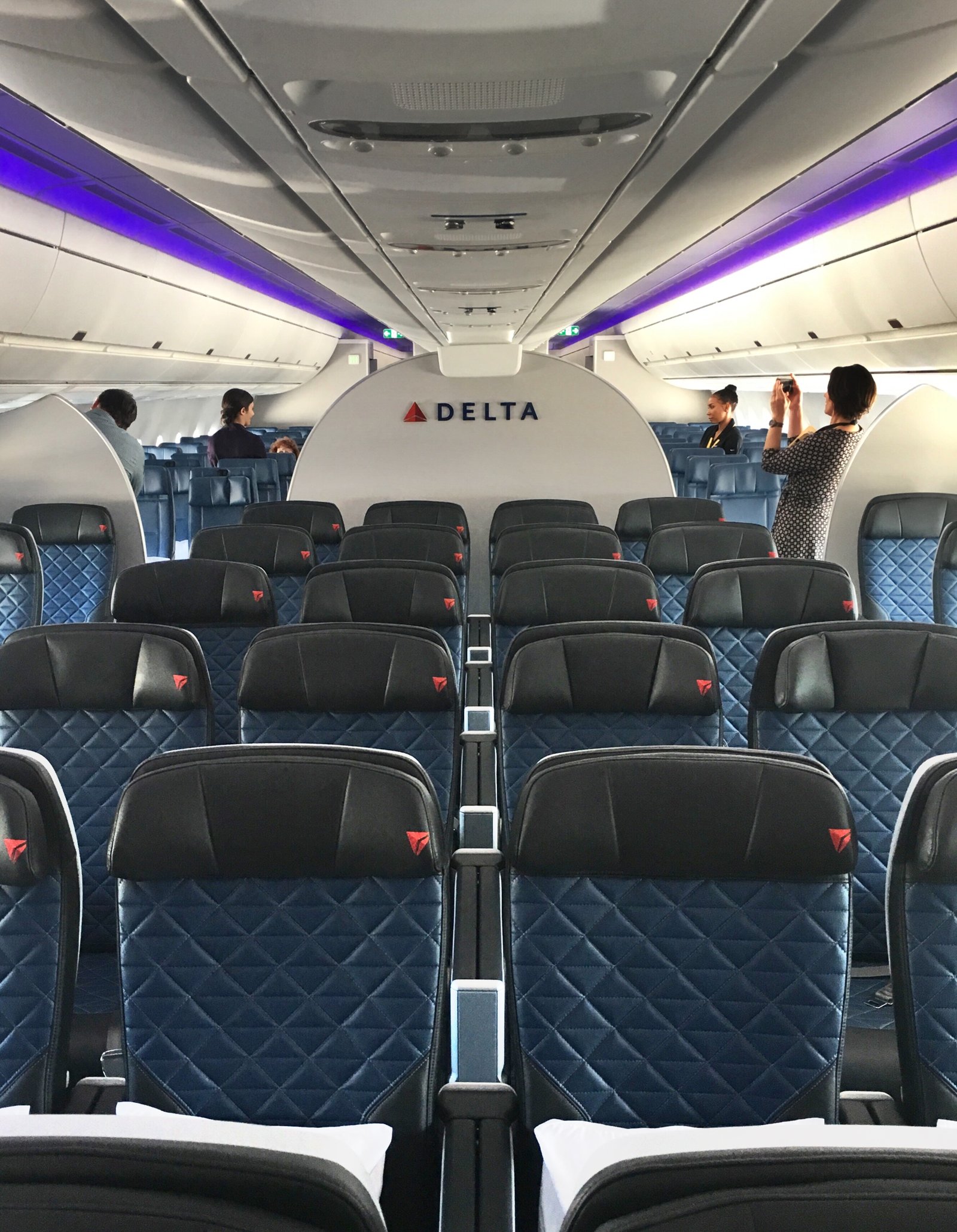
Among the three major US carriers, Delta Premium Select is the one most frequently rated ahead of its direct competitors -- roughly 38 inches of pitch, a real recline, and an adjustable leg rest, combined with better overall seat comfort than United's or American's equivalent product. It's the one worth checking first if you're booking a US carrier for a long-haul international route.
United Premium Plus: Comparable Space, Less Recline
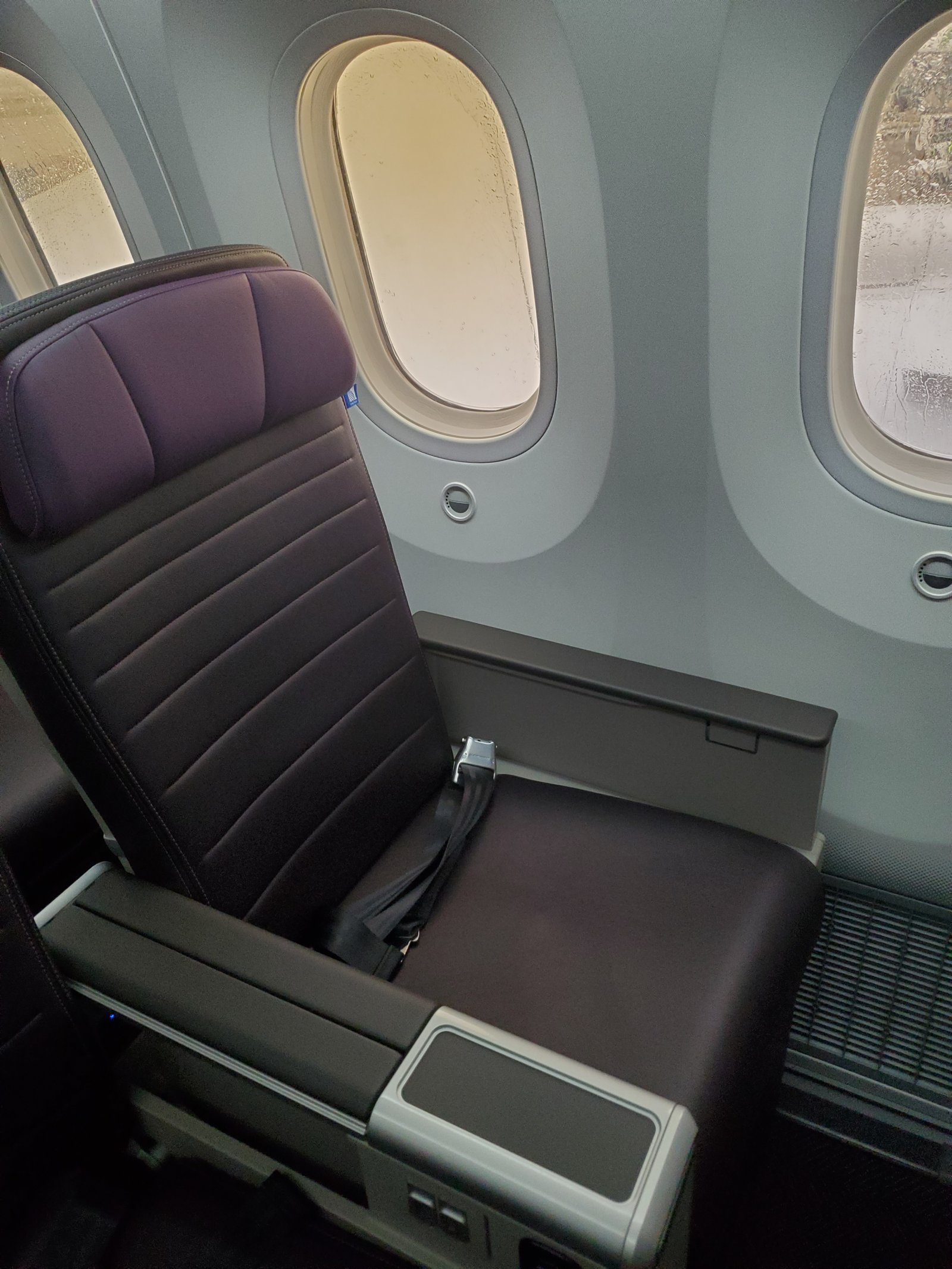
United Premium Plus lands close to Delta on raw pitch -- around 38 inches -- and includes a leather leg rest and footrest, which is more than American offers on most of its aircraft (a metal footrest only). Where it falls behind Delta is recline: United's seats noticeably don't tilt back as far, which matters more on an overnight flight than the pitch number alone suggests.
Singapore Airlines: Wide, With a Following of Its Own
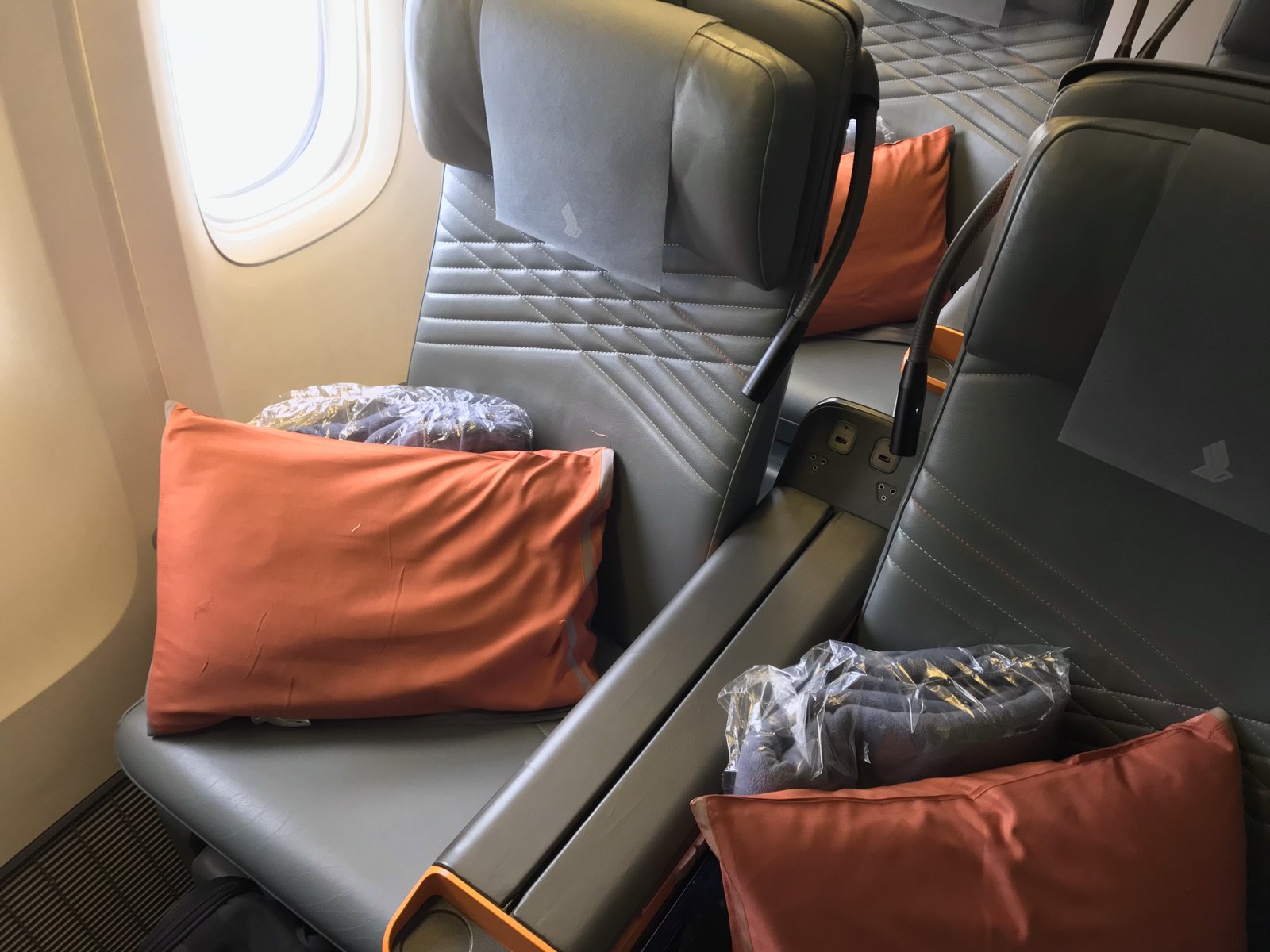
Singapore Airlines runs about 19.5 inches wide with roughly 38 inches of pitch on its 777-300ERs -- edging out Air France and Cathay Pacific on width, if not quite matching their best pitch numbers. It's consistently one of the most-requested premium economy products among frequent flyers, helped by Singapore Airlines' broader reputation for service consistency across cabins, not just the seat spec sheet.
Japan Airlines: The Newest Seat on This List
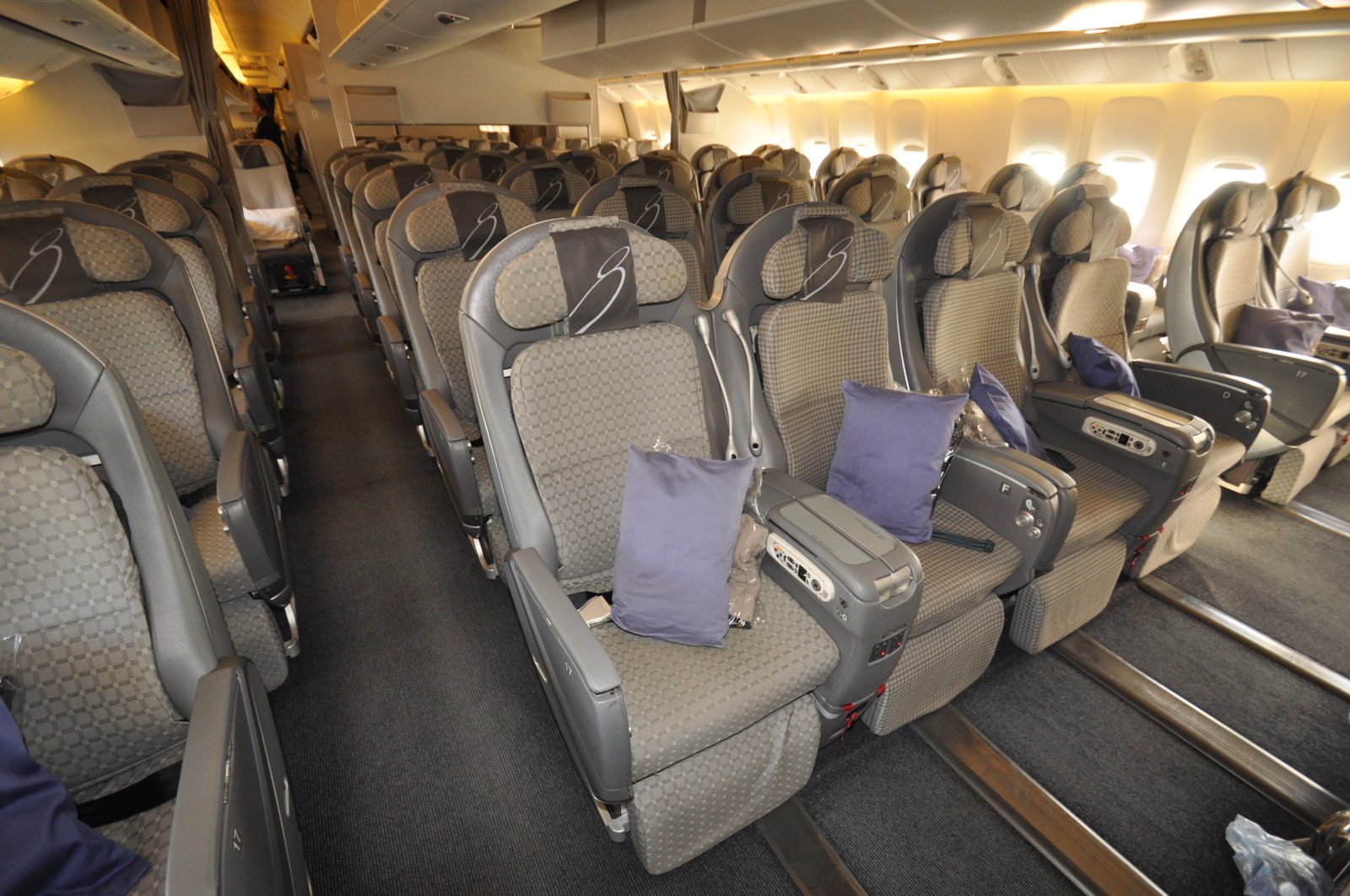
Japan Airlines' current premium economy seat -- branded the "Sky Shell Seat" -- sits in about the same width range as Cathay Pacific's, near 19.3 inches, and is one of the newer designs in this comparison. Its shell-back construction is meant to let the seat recline without the seat behind losing knee room, a real design answer to the most common complaint about reclining seats in a shared cabin.
One more carrier worth knowing about even without a dedicated photo here: Lufthansa offers roughly 19.5 inches wide and 39 inches of pitch on aircraft fitted with its newer Allegris seat. None of these numbers are guaranteed on every route -- the same airline can fly multiple aircraft types on the same city pair, each with a different premium economy seat.
Is It Actually Worth the Money?
The honest, repeatable pattern across carriers: premium economy fares typically run at least double the price of standard economy on the same flight, while business class typically runs around double the price of premium economy again. That makes premium economy the one upgrade tier in the entire fare chart that's actually closer in price to the seat below it than the seat above it -- which is the core argument in its favor.
Where it stops being worth it is short-haul: a 2-3 hour flight rarely justifies the premium, since the comfort gap over economy barely has time to matter before landing. Where it's most worth it is exactly the opposite case -- long-haul flights of 8+ hours, especially overnight ones, where the extra recline and legroom translate into a real chance at sleep that a standard economy seat usually doesn't allow.
One more practical note: if a premium economy fare and a business class fare land close together -- which happens more often on award/mile bookings than on cash fares -- business class is almost always the better value at that point, since the jump in what you get (lie-flat seats, lounge access, dedicated cabin service) is much bigger than the jump from economy to premium economy.
How to choose
- If your flight is 2-3 hours: skip it. The article says the comfort gap barely has time to matter.
- If your flight is 8+ hours or overnight: this is where premium economy is most worth considering, for the recline and leg support.
- If you want the widest seat on the list: look at Singapore Airlines or Lufthansa's Allegris seat (both about 19.5 in), then Cathay Pacific and Japan Airlines (about 19.3 in), then Air France (about 19 in, with up to 40 in of pitch).
- If you are booking a US airline for a long international route: check Delta Premium Select first. United Premium Plus has comparable pitch but noticeably less recline.
- If the premium economy and business fares are close together: business class is usually the better value, per the article, especially on award bookings.
- If you have only tried Economy Plus or Comfort+: do not judge premium economy by it. That is still the economy cabin.
Questions and answers
Is premium economy worth it?
On long-haul and overnight flights of about eight hours or more, often yes, because the extra recline and legroom give a real chance at sleep. On a 2-3 hour flight, the article's view is that the extra cost rarely buys proportional comfort.
Is premium economy the same as Economy Plus or Delta Comfort+?
No. Extra-legroom economy is still the economy cabin with a few more inches of pitch and earlier boarding. Premium economy is a separate cabin with wider seats, a bigger recline, footrests or leg rests, and upgraded service.
Which airline has the best premium economy?
Based on the published seat specs cited here, Air France and Cathay Pacific lead on space, and Singapore Airlines and Lufthansa's Allegris seat edge them out on listed width. Among the three big US carriers, Delta Premium Select is generally rated ahead of United and American.
How wide are premium economy seats?
The article lists about 19 inches for Air France, about 19.3 inches for Cathay Pacific and Japan Airlines, and about 19.5 inches for Singapore Airlines and Lufthansa's newer Allegris seat. Pitch runs from about 38 to 40 inches depending on airline and aircraft.
Is United Premium Plus as good as Delta Premium Select?
United lands close to Delta on pitch at around 38 inches and includes a leather leg rest and footrest. Where it falls behind is recline, which matters more on an overnight flight than the pitch number suggests.
Will I get the same premium economy seat on every flight?
No. The same airline can fly different aircraft on the same route, each with a different premium economy seat, so none of the numbers are guaranteed. Check the airline's seat map for your specific flight before paying.
Is premium economy worth it on a short flight?
Generally no. On a 2-3 hour flight the comfort gap over economy barely has time to matter before landing.
Is premium economy better value than business class?
It is the upgrade tier closest in price to the seat below it, which is its main argument. But if premium economy and business fares land close together, business class is almost always better value, since you get lie-flat seats and lounge access.
Does premium economy come with better food?
The article describes upgraded food and drink service, and Air France is noted for a full china-and-tray meal service closer to business class than economy. Meal details vary by airline and route, so check the airline's page.
Who should skip premium economy?
Short-haul flyers, and anyone who only wants a few extra inches in economy. If that is all you need, extra-legroom economy may be enough, but it is a different product.
Why doesn't this article list prices?
Fares change constantly by route, season, and booking window. Compare the actual fare gap between economy, premium economy, and business for your dates before deciding.
Sources
- The Airlines With The World's Most Spacious Premium Economy Cabins — Simple Flying
- Which Airlines Offer the Best Premium Economy Seats? — Sam Chui
- Delta Premium Select vs. United Premium Plus: Which Product Wins the Passenger Experience? — Simple Flying
- Premium Economy On the US 'Big Three' Airlines: Everything You Need to Know — Simple Flying
Disclosure. This piece was independently researched and written by DopamineKart Legit. It was prompted by Condé Nast Traveler's recent coverage of premium economy cabins but does not reproduce their text -- every claim here is drawn from and cited to the airline and aviation-industry sources listed above. Photography is real, credited Wikimedia Commons imagery. Corrections: email us.