Home Explained
Memory Foam vs Innerspring vs Hybrid Mattresses, Explained
Three constructions that support a sleeping body in genuinely different ways — what's actually inside each one, and which construction tends to suit which kind of sleeper.
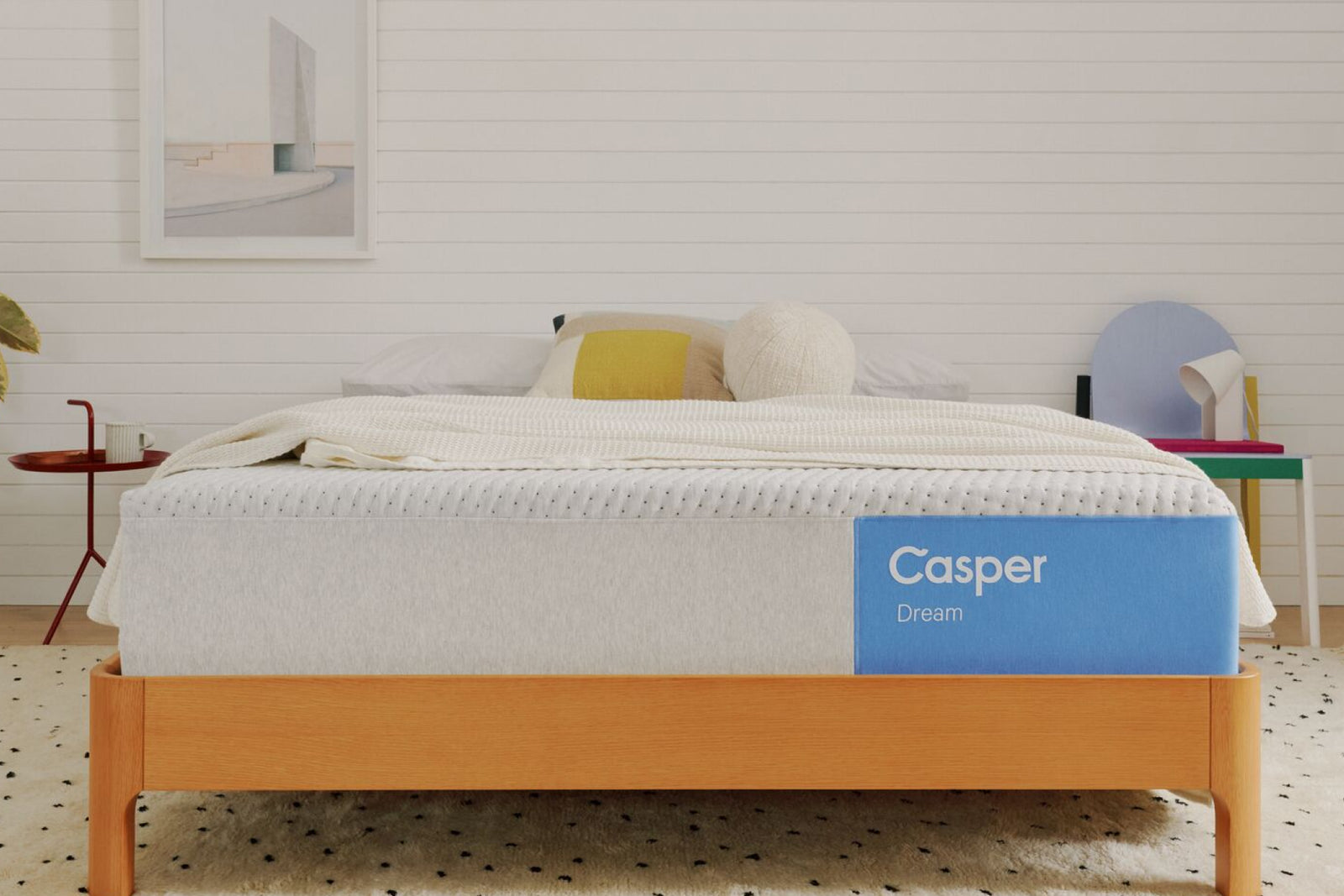
Every mattress is trying to do the same basic job — support the body in a way that keeps the spine aligned and pressure points comfortable — but the internal construction genuinely changes how it accomplishes that. Memory foam, innerspring, and hybrid designs aren't just marketing categories; they behave differently under real weight and movement, and that difference is worth understanding before comparing prices.
- Memory foam conforms closely to the body and isolates motion well, but tends to sleep warmer and can feel slower to respond to movement.
- Innerspring mattresses use coils for support and airflow, sleeping cooler and responding quickly, but generally offer less contouring and more motion transfer.
- Hybrid mattresses combine a coil support base with a foam comfort layer on top, aiming for a middle ground between the two.
- Firmness and construction type are separate questions — a mattress can be firm or soft within any of the three categories.
Memory foam: close contouring, more heat retention
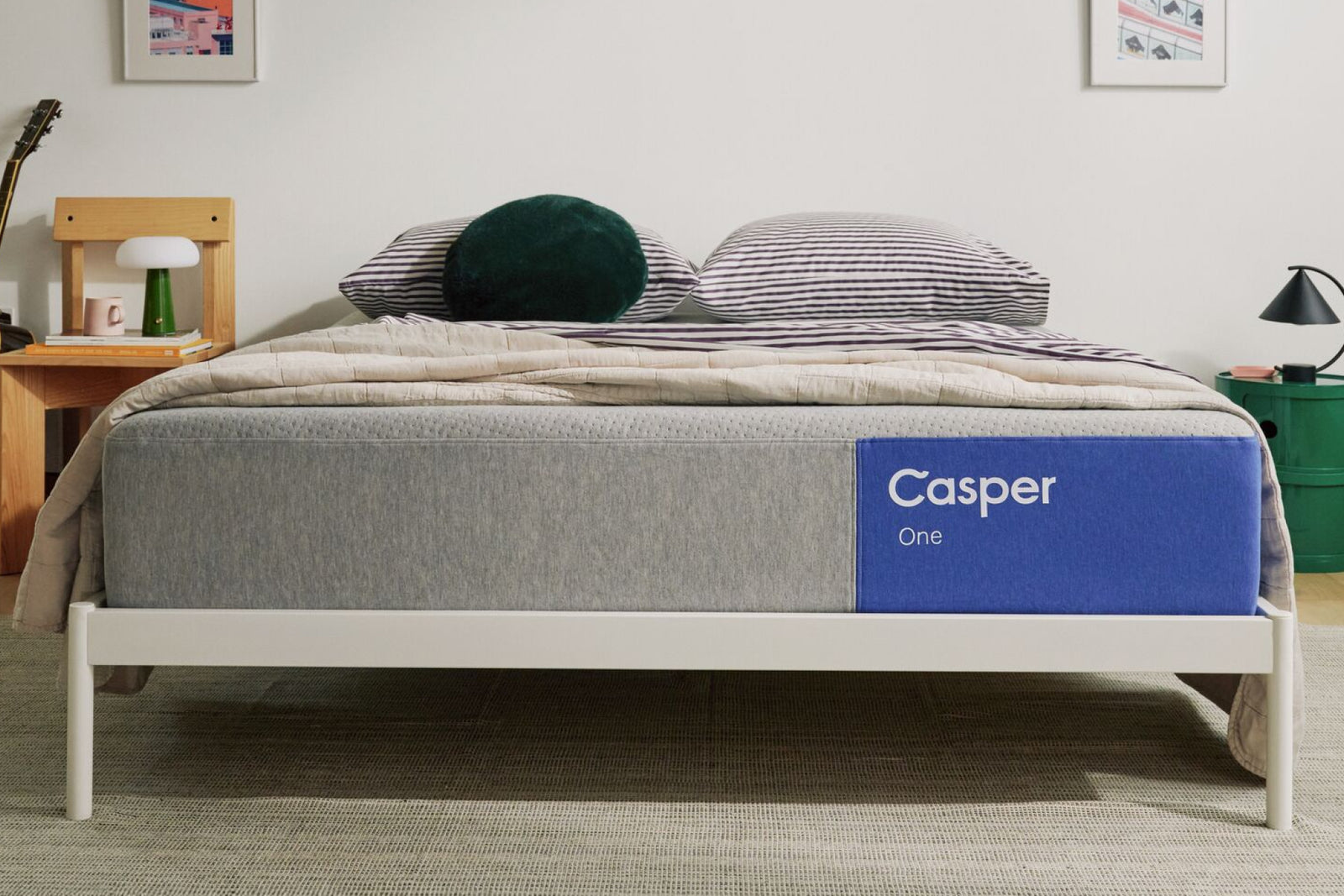
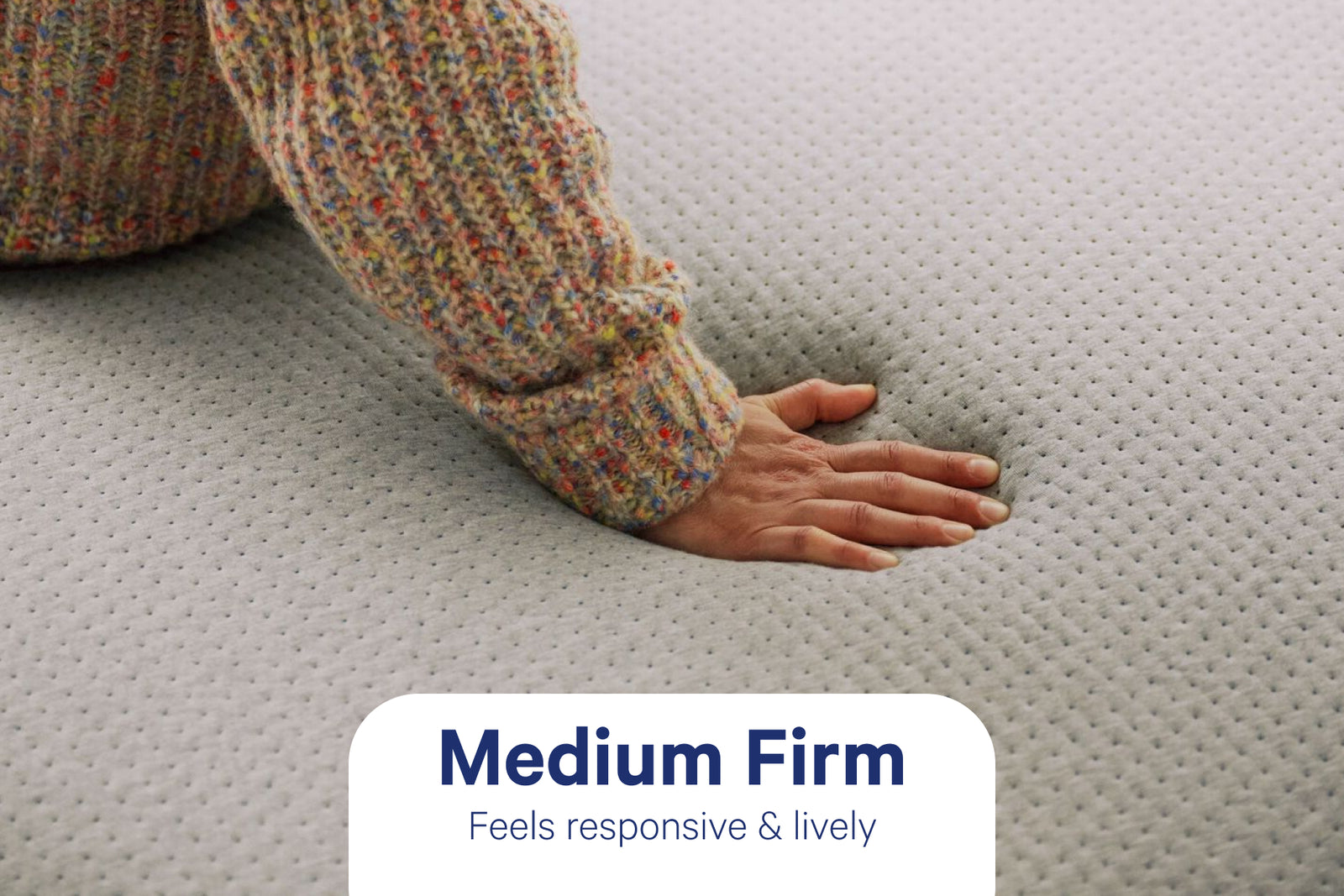
Memory foam is a viscoelastic material that softens in response to body heat and pressure, slowly conforming closely around the body's shape rather than pushing back immediately. This close contouring is why memory foam is often recommended for side sleepers and people with joint or pressure-point discomfort — it distributes weight across a larger surface area instead of concentrating pressure at the hips and shoulders. It's also excellent at isolating motion, meaning a partner moving or getting in and out of bed is much less likely to be felt on the other side.
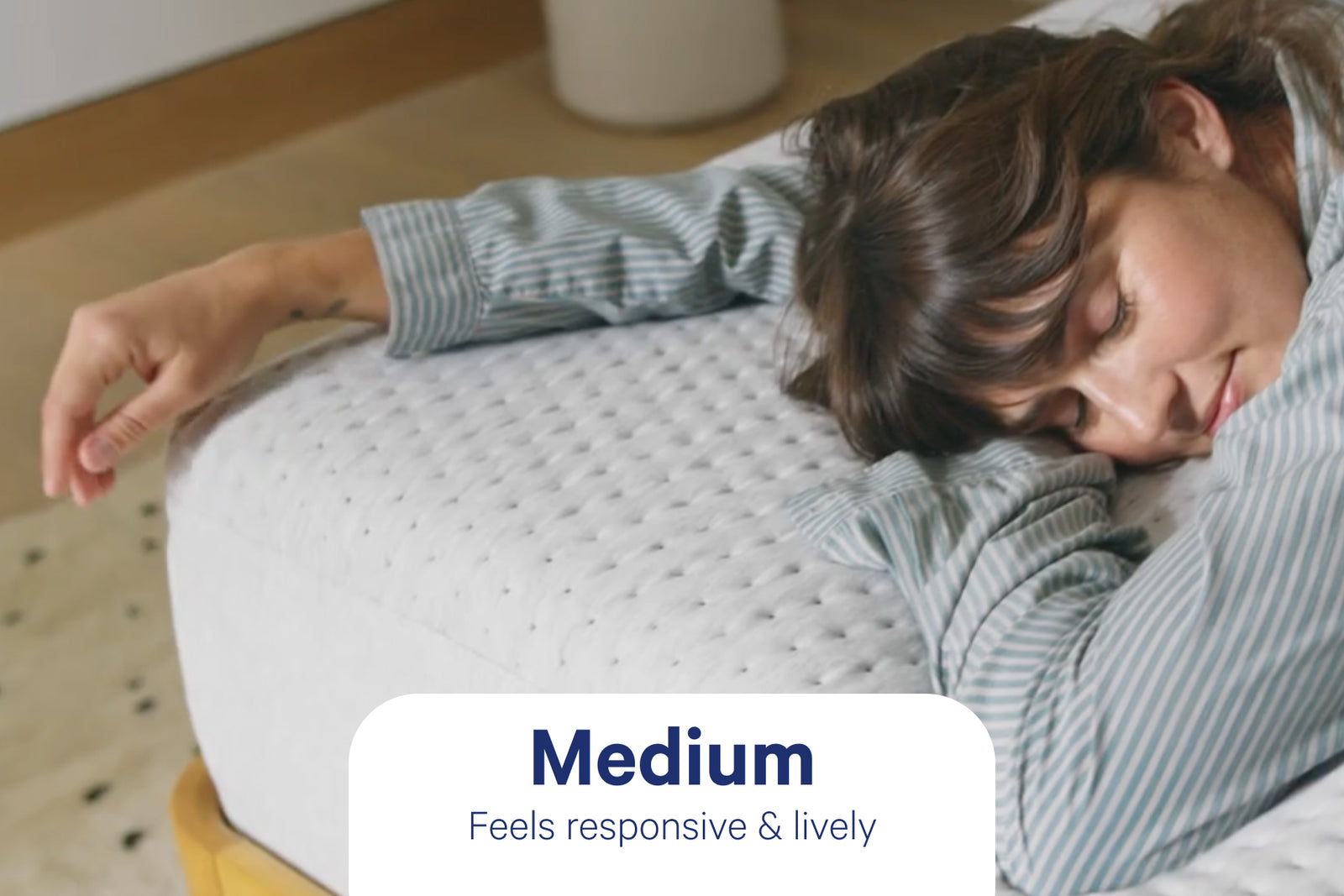
The tradeoff is heat retention and responsiveness. Traditional memory foam tends to trap body heat more than coil-based constructions, which is why many modern foam mattresses add cooling gel infusions or open-cell foam structures specifically to address this. Memory foam also has a slower "response" — it takes a moment to spring back after pressure is removed, which some sleepers find makes it harder to change positions quickly during the night.
Innerspring: coils for support and airflow
A traditional innerspring mattress uses a network of steel coils as its primary support layer, typically topped with a comparatively thin layer of padding or foam. The open structure of the coils allows air to circulate through the mattress, which generally makes innerspring mattresses sleep cooler than all-foam constructions. Coils also respond to pressure and release it quickly, giving a bouncier, more responsive feel that some sleepers — particularly those who move around a lot or sleep on their stomach — prefer over foam's slower contouring.
The tradeoff is motion isolation and pressure relief: because the coils are interconnected, movement on one side of the bed is more likely to transfer and be felt on the other side, and the thinner comfort layer means less close contouring around pressure points compared to memory foam or a hybrid design.
Hybrid: coils below, foam on top
A hybrid mattress combines a coil support base — similar to an innerspring mattress — with a thicker foam comfort layer on top, aiming to capture benefits from both constructions: the airflow and edge support of coils, plus the contouring and motion isolation of foam. This is part of why hybrid mattresses have become the most common new mattress construction sold today, positioned as a middle-ground option for sleepers who want some of memory foam's pressure relief without fully giving up the cooler, more responsive feel of coils.
The tradeoff is that a hybrid doesn't fully replicate either pure construction — it typically sleeps cooler than all-foam but not quite as cool as pure innerspring, and contours more than innerspring but not quite as closely as all-foam. It's a genuine compromise, not simply "the best of both" without any give.
| Type | Construction | Best for | Watch for |
|---|---|---|---|
| Memory foam | Viscoelastic foam layers, conforms to body | Side sleepers, pressure-point relief, motion isolation | Sleeps warmer; slower to respond to movement |
| Innerspring | Steel coil support, thin comfort layer | Cooler sleep, responsive bounce, stomach sleepers | More motion transfer; less contouring |
| Hybrid | Coil base + thicker foam comfort layer | A middle ground between the two | Doesn't fully match either pure construction's strengths |
Common questions
Is firmness the same thing as mattress type?
No — firmness and construction type are separate. A memory foam, innerspring, or hybrid mattress can each be built soft, medium, or firm; the construction type affects contouring and motion isolation, not firmness on its own.
Which mattress type sleeps coolest?
Innerspring generally sleeps coolest due to open airflow through the coils, followed by hybrid. All-foam mattresses tend to retain the most heat, though many modern foam mattresses add cooling features to offset this.
Which is best for couples with different sleep schedules?
Memory foam or hybrid mattresses generally isolate motion better than pure innerspring, making one partner's movement less likely to disturb the other.
Do hybrid mattresses cost more than memory foam or innerspring?
Construction cost varies significantly by brand and materials used, so there's no universal rule — compare specific models rather than assuming one category is inherently more expensive.