A lip product that turns a different shade on every person isn't a marketing trick — it's a pH indicator, the same basic chemistry as litmus paper, wearing lip balm packaging. Here's how the color-shifting dye actually works, where the idea came from, and eight real, currently-listed picks with their own real Amazon product photos.
The chemistry behind "your lips but better"
The science is more interesting than the marketing copy usually lets on.
Most color-changing lip products work because of a colorless dye — most commonly Red 27 (CI 45410), sometimes paired with Red 21 for a coral-leaning variant — suspended in an almost water-free balm base. Sitting in the tube, the dye stays clear or barely tinted. The moment it meets the moisture and slightly different pH environment of your lips, its molecular structure flips, and it turns a vivid pink. It's the same underlying principle as a litmus test from high school chemistry: a compound that reads its environment and changes color in response.
That's also the honest asterisk worth putting next to the "personalized for you" pitch: because most human lips sit in a fairly narrow pH range, these dyes tend to land in a similar family of pink-to-rose shades on most people, rather than producing wildly different results lip to lip. What does vary — meaningfully — is how sheer, how saturated, and how warm or cool that pink reads against each person's own lip pigmentation, which is where the "your lips, but slightly better" effect actually comes from.
Not every product on this list uses that exact mechanism. A couple lean on a different kind of chemistry entirely, which is part of what makes the category worth a closer look instead of a shrug.
Quick facts
The idea is older than most of the brands now selling it. Clinique's Almost Lipstick in Black Honey launched in 1971 — decades before "color-changing" was a marketing category — built on the same pH-reactive premise, and it's still sold today, still described by Clinique as a shade that looks different, and universally flattering, on nearly everyone who tries it. Every pH-adaptive lip product since is, chemically, working the same trick Black Honey introduced.
pH-reactive dye
A colorless or barely-tinted dye that activates on contact with lip moisture and pH, turning a shade of pink. Used in most "mood lipstick" and color-changing balm formulas, from the 1971 original to today's viral picks.
Light-reactive (photochromic) dye
A different chemistry entirely: a dye that shifts color in response to UV light exposure rather than skin chemistry, so the same gloss looks different indoors versus in direct sun. Ciaté London's Colour Flip line uses this mechanism, not pH.
Sheer buildable tint
Not every "adapts to you" claim is pH chemistry — some tinted balms simply use a very sheer, translucent pigment layer that reads differently depending on a wearer's own lip tone, without any color-shifting dye at all.
8 real color-changing (and color-adapting) picks
A mix of the original cult classic, prestige newcomers, an indie favorite with a real embedded flower, and a couple of drugstore-accessible options — every photo below is pulled directly from each product's real, live Amazon listing.
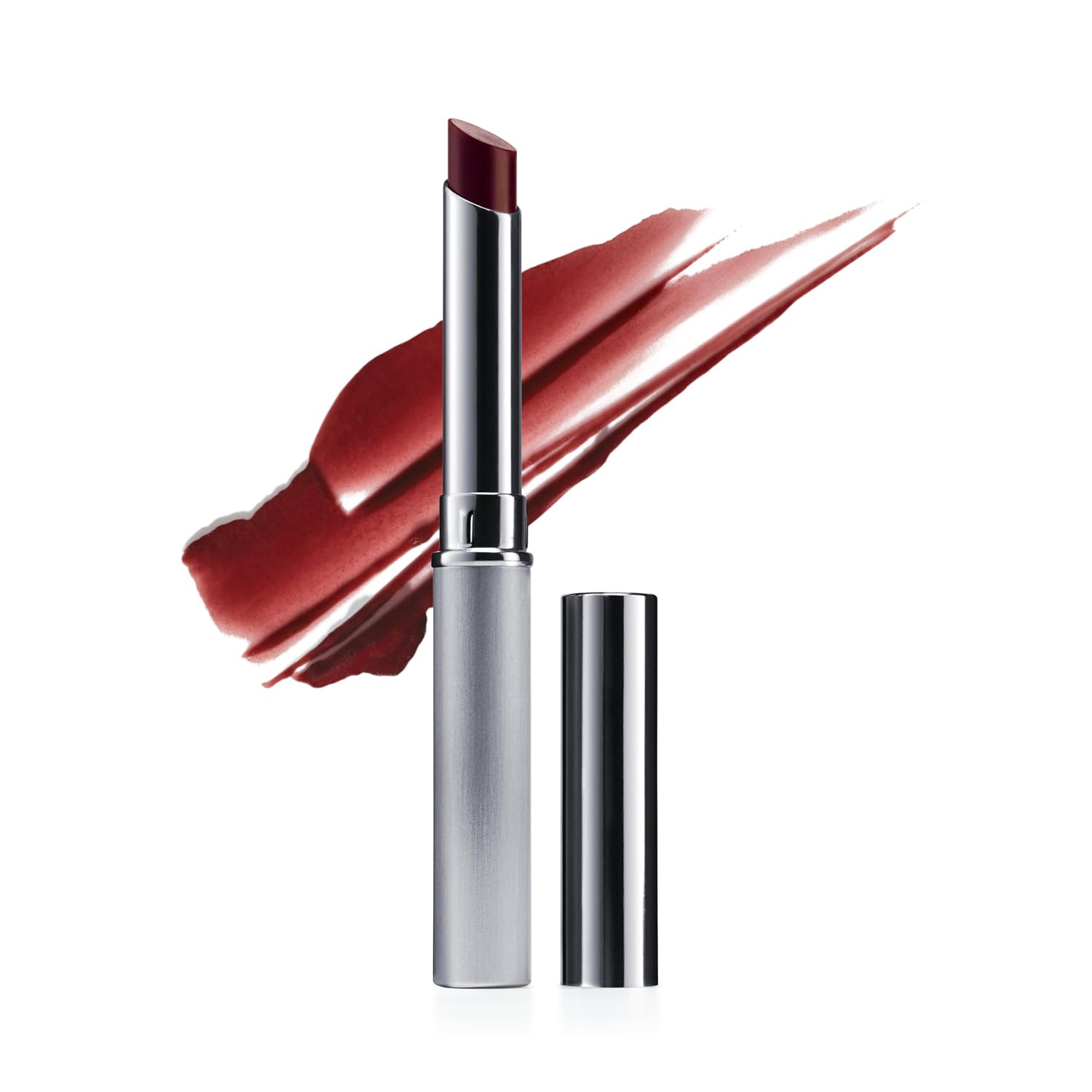
Clinique Almost Lipstick, Black Honey
The one that started the category. Launched in 1971, Black Honey looks nearly black in the bullet and settles into a sheer, berry-brown rose on skin — a shade Clinique has marketed for over fifty years as universally flattering because the pH-reactive base adapts to each wearer instead of sitting on top of the lip as flat, opaque color. It's been rediscovered by new generations of shoppers more than once, and it's still one of the clearest real-world examples of what this dye chemistry was originally built to do.
Shop it on Amazon →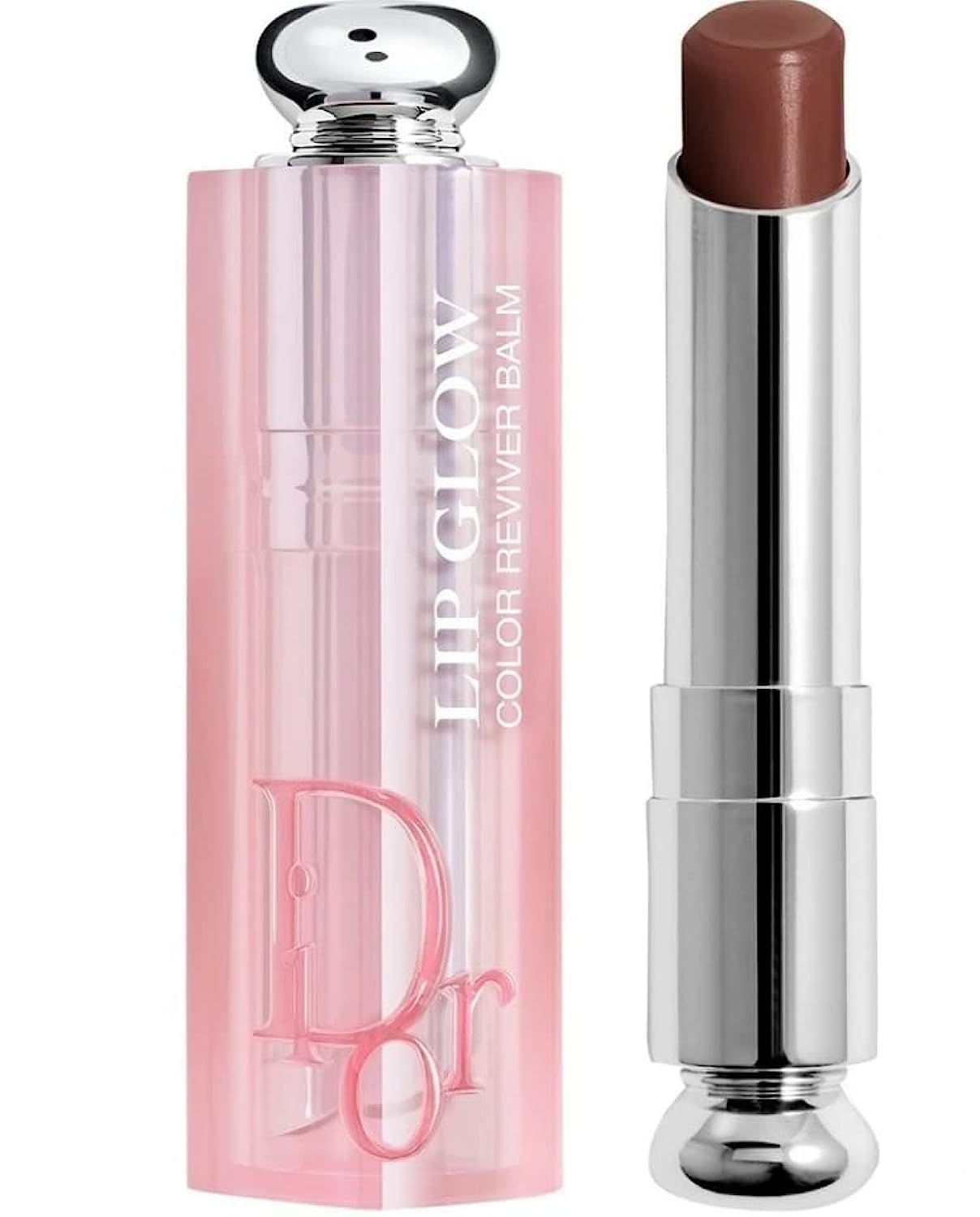
Dior Addict Lip Glow, 020 Mahogany
Dior's own listing describes the formula's Color Reviver technology as reacting "directly with the unique chemistry of each woman's lips" before releasing pigment — which is, in plainer terms, the same pH-indicator principle described above, dressed up in Dior's language. The 020 Mahogany shade reads warmer and deeper than most of the pinks on this list, closer to a your-lips-but-richer finish.
Shop it on Amazon →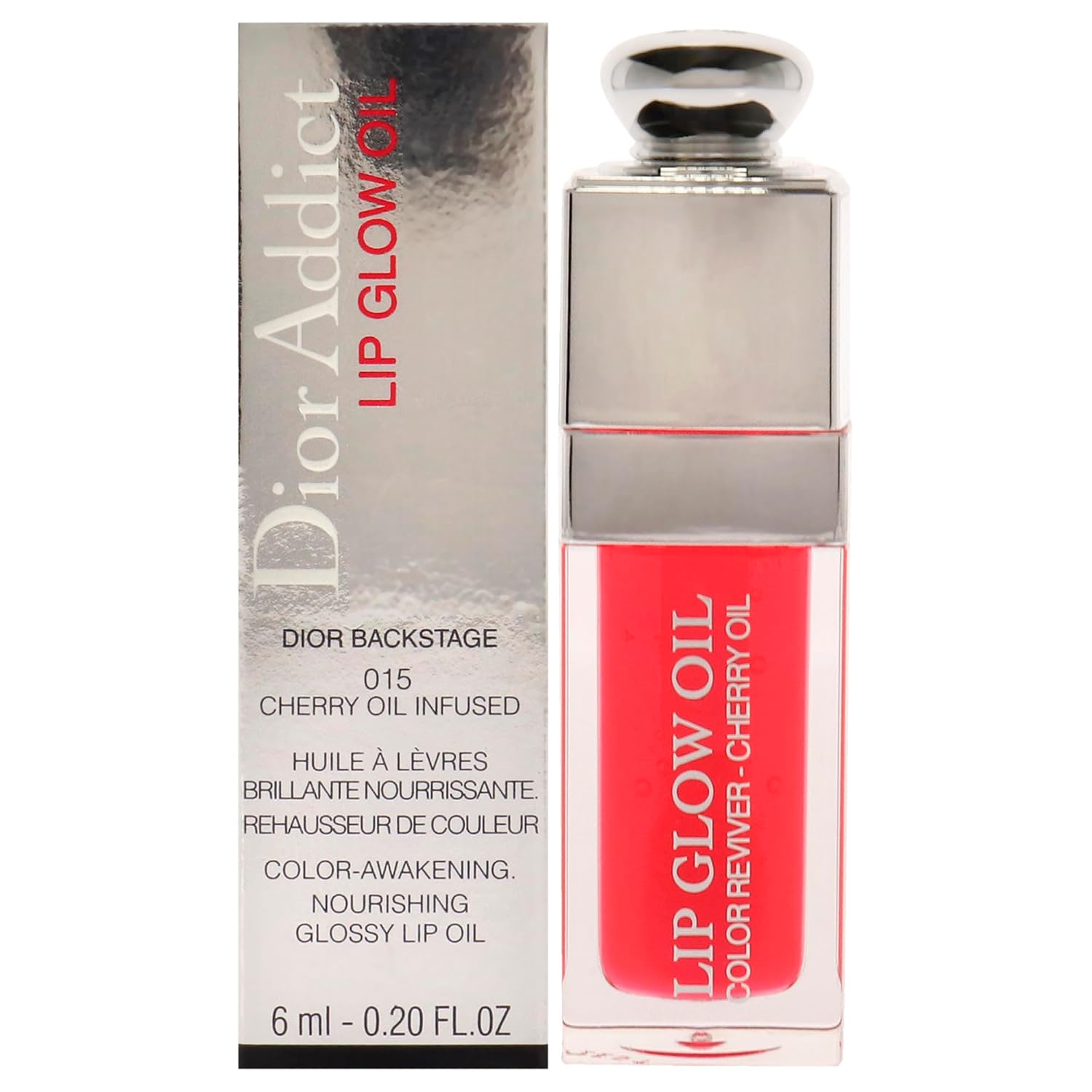
Dior Addict Lip Glow Oil, 015 Cherry
The newer, glossier sibling to the original Lip Glow balm — same underlying pH-reactive premise, built into a cherry-oil-based oil format instead of a solid stick, for a wetter, higher-shine finish.
Shop it on Amazon →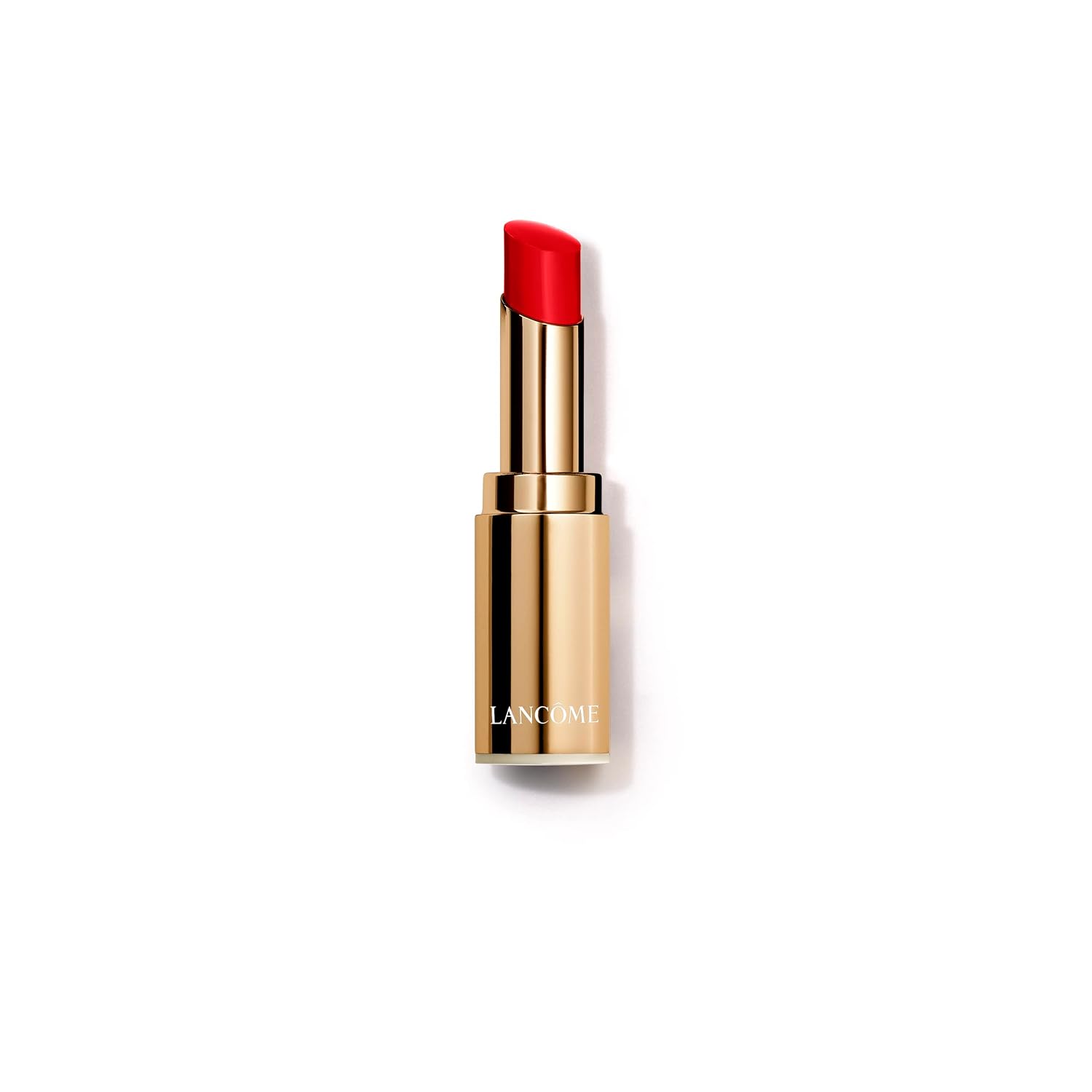
Lancôme L'Absolu Mademoiselle Shine, 157 Mademoiselle Stands Out
A hydrating balm-lipstick hybrid enriched with rose oils, positioned by Lancôme as a long-wear shine finish rather than a pure balm — a middle ground between a traditional lipstick bullet and the softer, more balm-like format most color-changing formulas use.
Shop it on Amazon →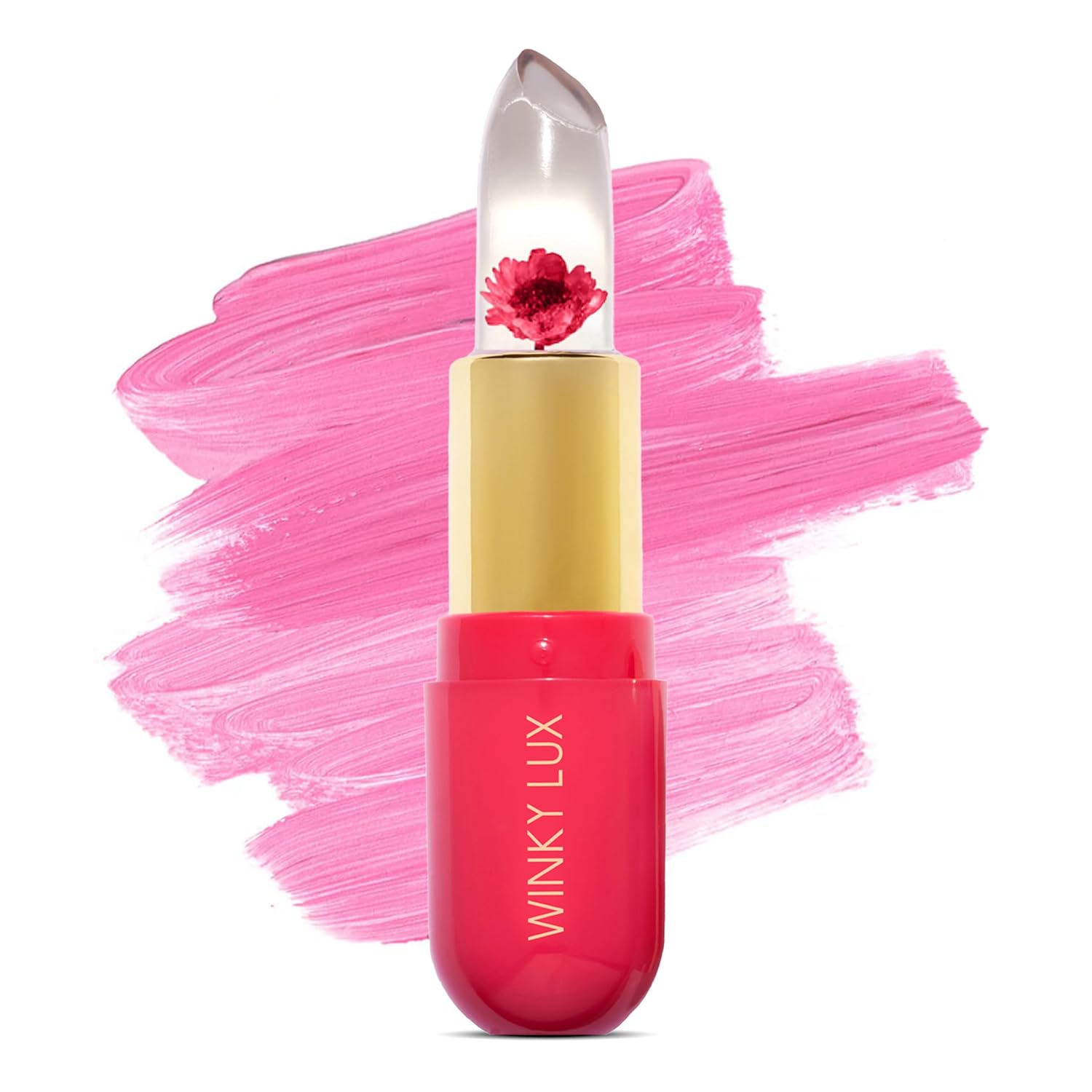
Winky Lux Flower Balm, Pink Flower
The indie-cult favorite of the category. Each balm is cast around a real, visible flower suspended in the clear base — a genuinely eye-catching packaging gimmick layered on top of the same pH-reactive dye chemistry as the rest of this list. It's one of the more openly, explicitly marketed "pH lip balm" products on Amazon, which makes it a useful reference point for what this dye family looks like at a lower, drugstore-adjacent price point.
Shop it on Amazon →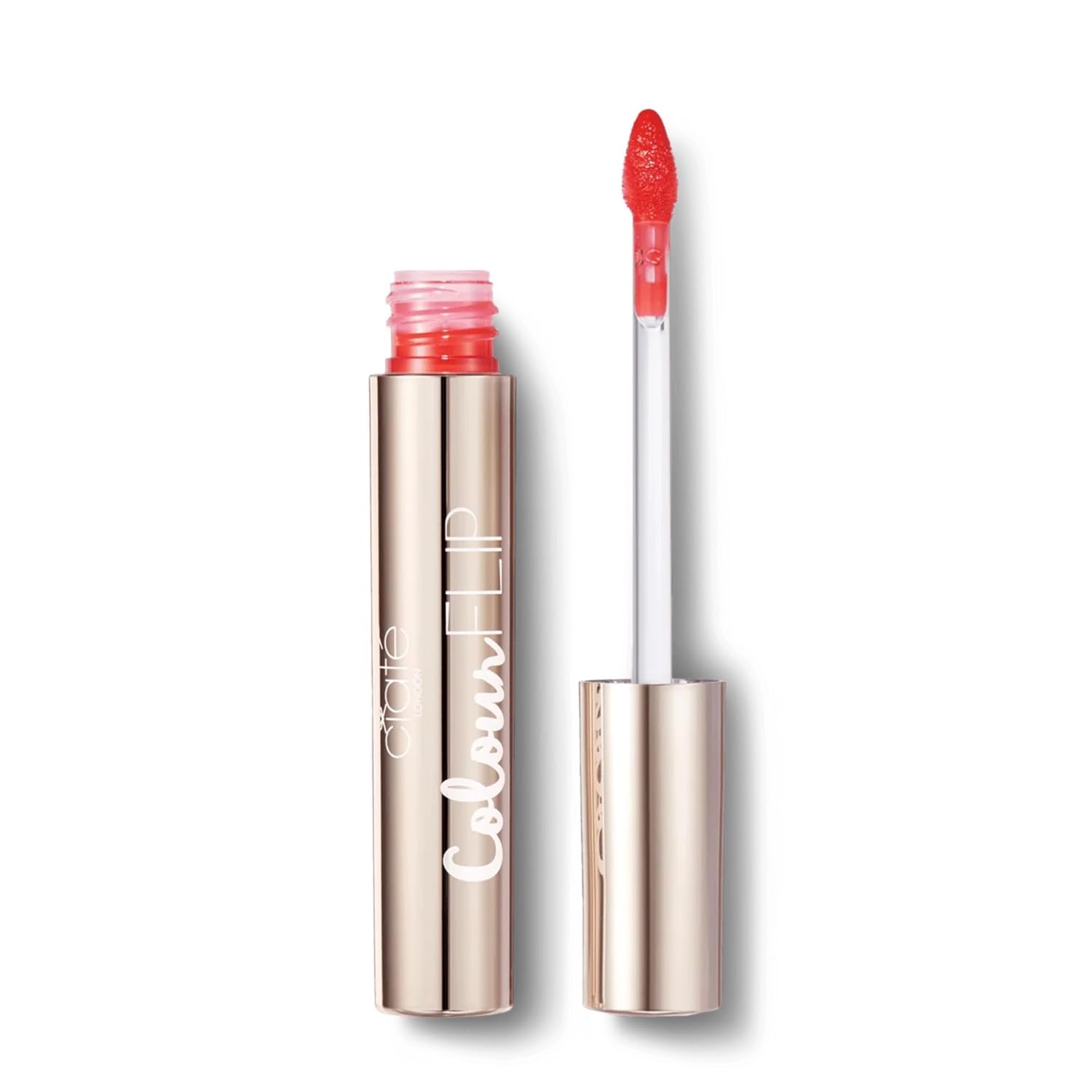
Ciaté London Colour Flip, Flame
The outlier on this list, and worth including specifically because it isn't pH-reactive at all: Colour Flip uses a light-reactive (photochromic) dye that shifts in response to UV exposure, so the same swipe looks noticeably different in direct sunlight than it does indoors. Same "color-changing" marketing language as everything else here, genuinely different underlying chemistry.
Shop it on Amazon →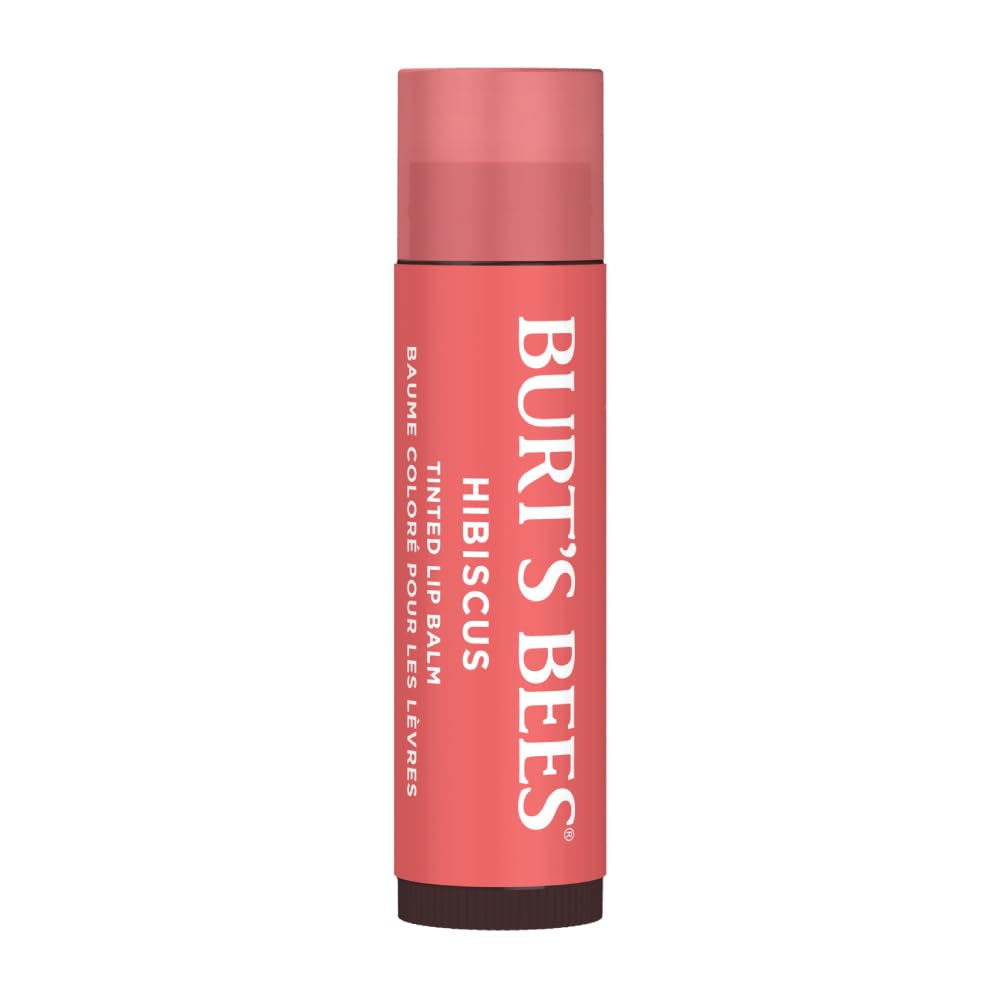
Burt's Bees Tinted Lip Balm, Hibiscus
Worth flagging honestly: Burt's Bees markets this as a sheer, buildable botanical tint rather than a pH-shifting formula — it's the "sheer buildable tint" mechanism from above, not the Red 27 dye chemistry. Included here as the natural-ingredient, budget-friendly comparison point for anyone who wants the soft, your-lips-but-better look without the pH-indicator dye itself.
Shop it on Amazon →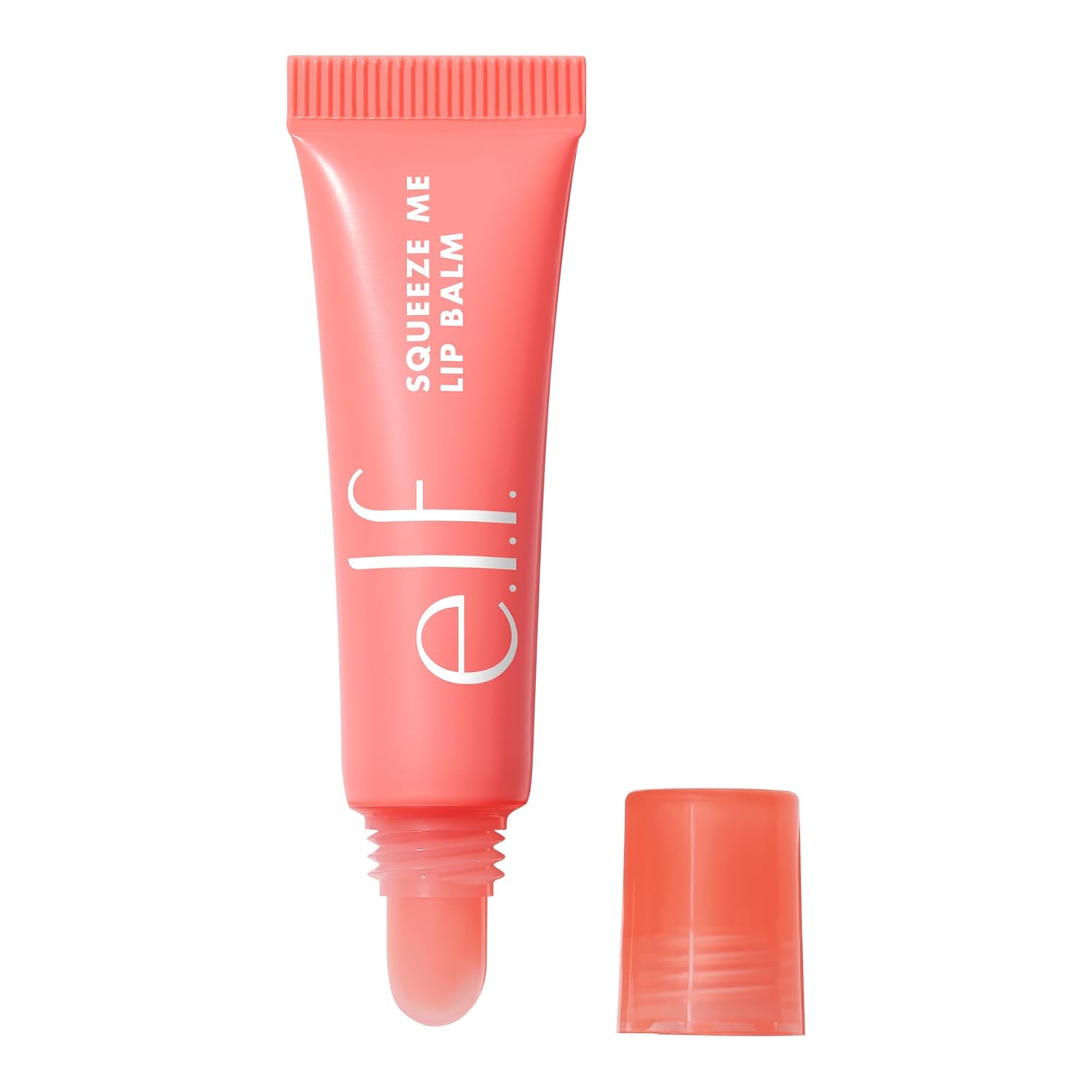
e.l.f. Squeeze Me Lip Balm, Strawberry
The most accessible pick on this list — a squeeze-tube, sheer-tint balm infused with hyaluronic acid, aimed at the same soft, adapts-to-you category without prestige-brand pricing.
Shop it on Amazon →Common questions
Does color-changing lip balm really look different on everyone?
Partly. The dye does chemically react to your own lip moisture and pH, but because most people's lips sit in a fairly similar pH range, the resulting color tends to land in the same family of pinks and roses across different wearers. The real, meaningful variation is in how sheer, warm, or saturated that pink reads against your own natural lip pigmentation — not a dramatically different hue from person to person.
Is this the same thing as a "mood ring" for lips?
Not quite. A mood ring uses thermochromic (temperature-reactive) liquid crystals. Most color-changing lip products use pH-reactive dye instead, which responds to moisture and skin chemistry rather than temperature — closer to litmus paper than to a mood ring, despite the "mood" branding some products lean into.
Why does Clinique Black Honey look almost black in the tube?
Concentrated, unreacted pH dye reads much darker and more saturated before it contacts skin. Once applied, moisture and lip pH trigger the color shift, and the shade lightens into the sheer rose-brown it's known for.
Are all "color-changing" lip products using the same chemistry?
No — this is the most common misconception in the category. Most use pH-reactive dye, but at least one product on this list (Ciaté London's Colour Flip) uses a light-reactive photochromic dye instead, and some "adapts to you" tinted balms use no color-shifting dye at all, just a very sheer buildable pigment.
Disclosure. Product names, brands, and photos are pulled directly from each item's real, live Amazon listing at the time of publishing — inventory and availability can change. DopamineKart did not receive free products or payment from any brand featured here. The pH-indicator dye chemistry described above (Red 27 / CI 45410, litmus-paper-style pH response) is summarized from published cosmetic-chemistry explainers; brand-specific claims (e.g. Dior's "Color Reviver" language, Clinique's 1971 launch date for Black Honey, Ciaté London's light-reactive Colour Flip mechanism) are drawn from each brand's own product descriptions and public materials. Corrections: email us.