Kitchen Explained
Non-Stick vs Cast Iron vs Carbon Steel Pans, Explained
Three pan materials, three genuinely different sets of strengths — the "best" pan depends entirely on what you're actually cooking, not a single universal winner.
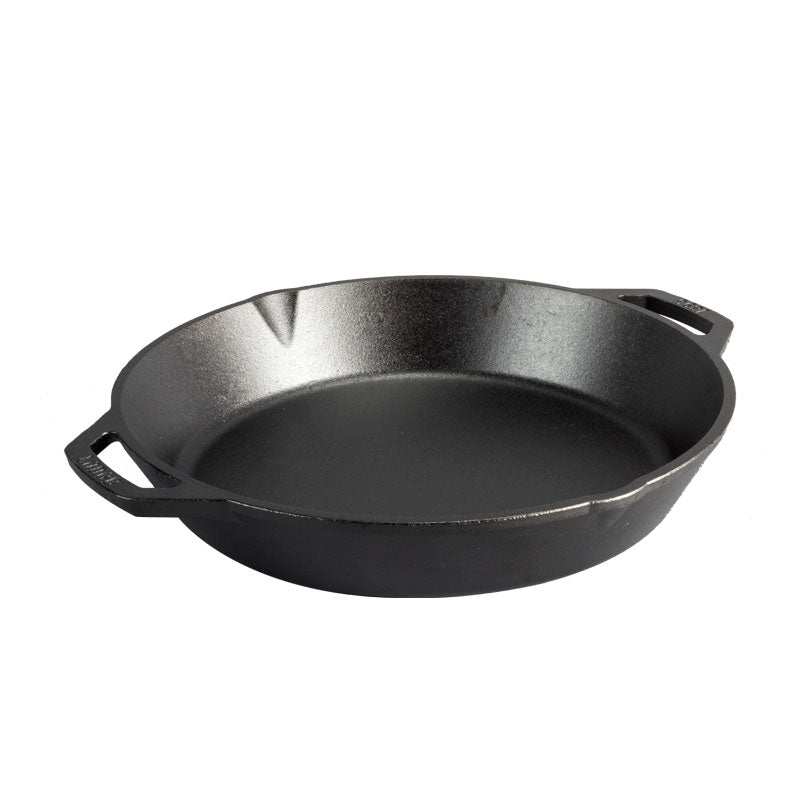
Every kitchen ends up with some combination of these three pan materials, and each one is genuinely better suited to different cooking tasks — not just different price points or aesthetics. Understanding what each material actually does differently makes it much easier to reach for the right pan instead of defaulting to whichever one is closest to the stove.
- Non-stick coatings need the least oil and the least cleanup, but can't handle very high heat and generally shouldn't be used with metal utensils.
- Cast iron holds and retains heat exceptionally well and gets naturally non-stick with a well-maintained seasoning layer, but it's heavy and reacts poorly to acidic foods before it's well-seasoned.
- Carbon steel behaves like a lighter, faster-heating cousin of cast iron — a genuine middle ground favored by many professional kitchens for its responsiveness.
- None of the three is objectively "the best" — a well-stocked kitchen typically has at least two of them for different jobs.
Non-stick: least effort, most limits
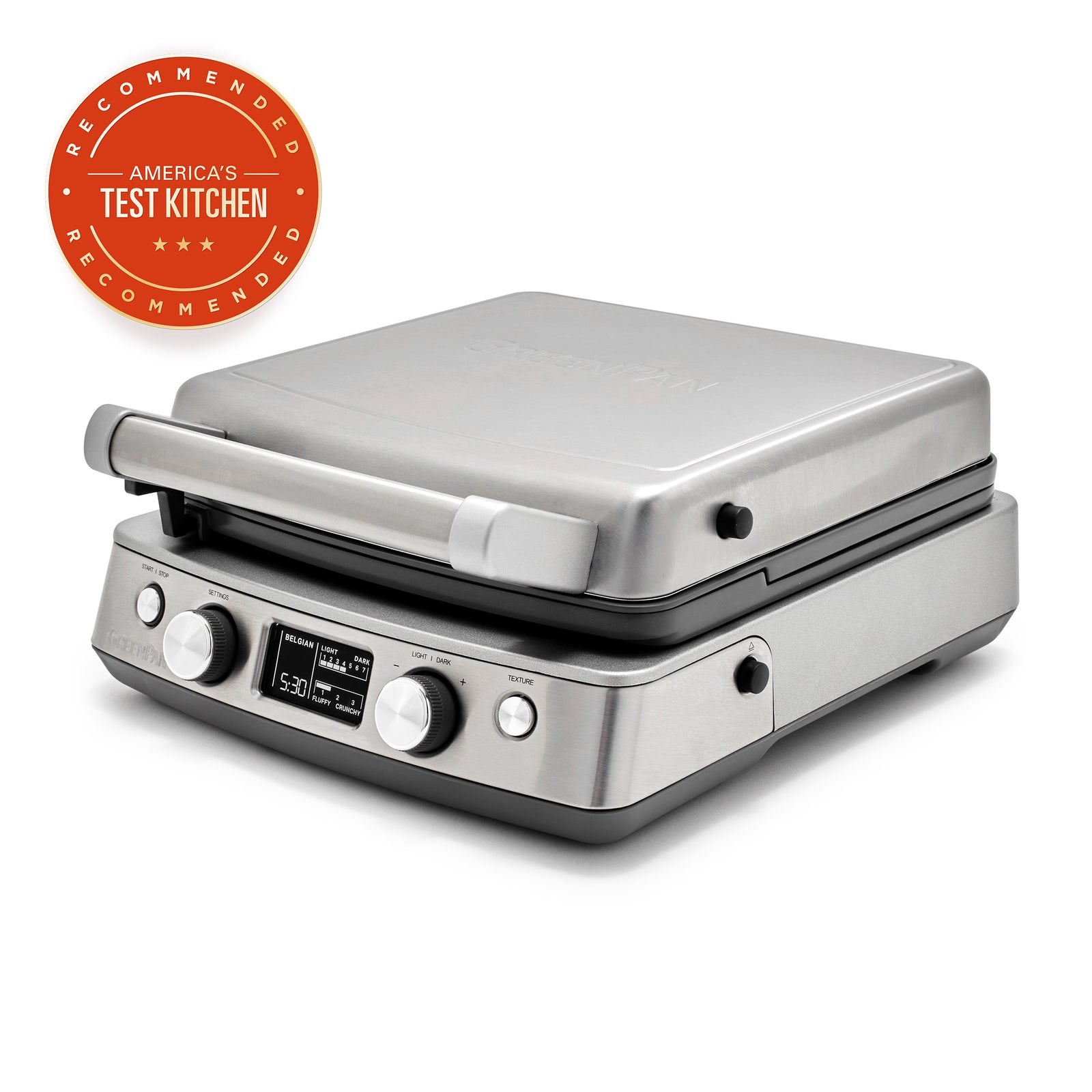
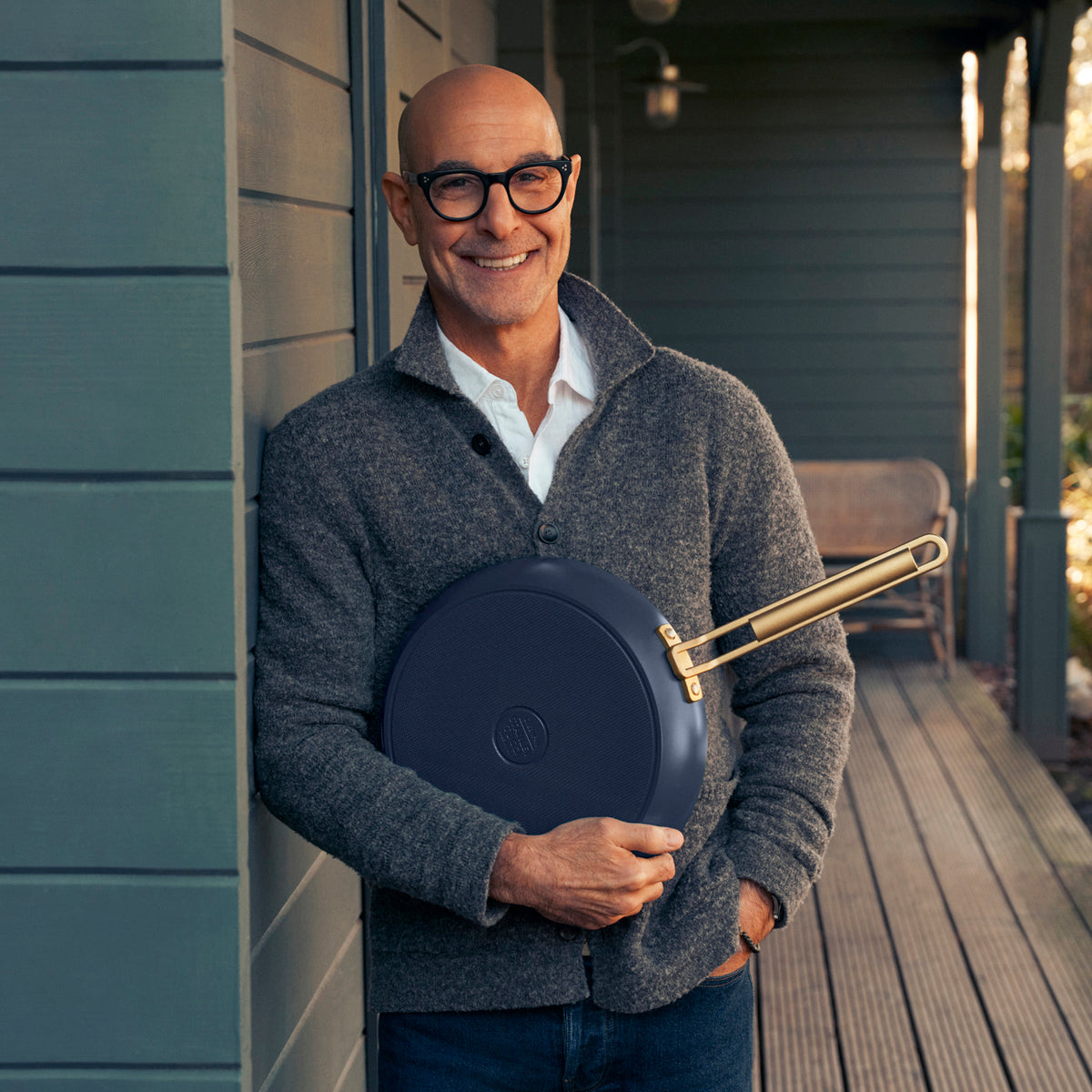
Non-stick pans use a coating — traditionally PTFE (Teflon), or increasingly ceramic-based coatings marketed as PFAS-free — engineered specifically to prevent food from bonding to the cooking surface. This means eggs, fish, and other delicate foods release cleanly with minimal oil, and cleanup is typically the easiest of the three materials by a wide margin.
The tradeoff is durability and heat tolerance. Non-stick coatings degrade with high heat over time, and most manufacturers recommend staying at medium heat or below and avoiding metal utensils, which can scratch the coating. Non-stick pans also aren't designed to achieve the deep, high-heat searing that cast iron and carbon steel handle easily — they're built for gentle, precise, easy-release cooking, not maximum heat.
Cast iron: heavy, forgiving, gets better with age
A cast iron pan's thick, dense construction gives it excellent heat retention — once hot, it stays hot, which makes it particularly good for searing meat, where maintaining a consistently high surface temperature matters. With regular use and proper seasoning (a layer of polymerized oil baked into the pan's surface), cast iron develops a naturally non-stick surface that actually improves the more it's cooked on, unlike a non-stick coating that only degrades over time.
The tradeoffs are real: cast iron is significantly heavier than the other two materials, slower to heat up initially because of that same thermal mass, and a freshly seasoned or under-seasoned pan can react poorly with acidic ingredients like tomato sauce or wine, sometimes stripping seasoning or imparting a metallic taste until the seasoning is well-established.
Carbon steel: cast iron's lighter, faster-heating cousin
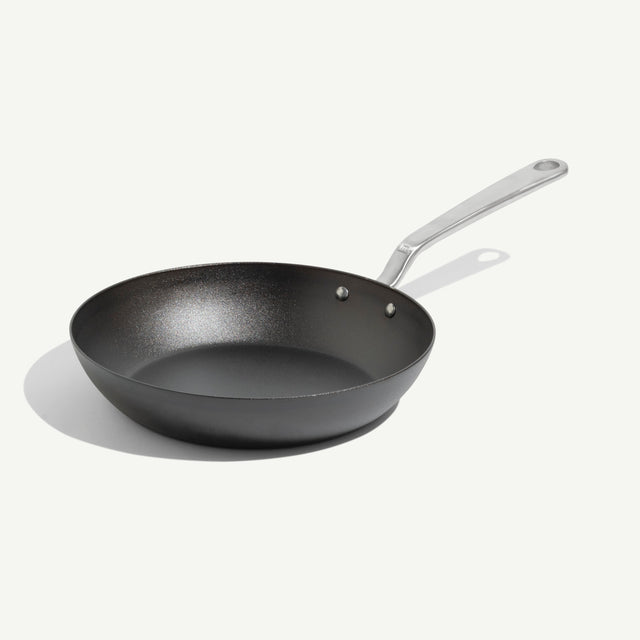
Carbon steel shares cast iron's core appeal — it develops the same kind of seasoning layer over time and handles high heat well — but it's made from a thinner sheet of steel rather than poured molten iron, which makes it meaningfully lighter and noticeably faster to heat up and cool down. This responsiveness is a big part of why carbon steel pans (and woks) are a professional-kitchen staple: they combine much of cast iron's durability and searing performance with quicker, more controllable heat adjustments.
Like cast iron, carbon steel needs seasoning and shouldn't go straight into a dishwasher, and it carries the same early-life sensitivity to acidic foods before the seasoning is well-established. For many home cooks, it functions as the practical middle ground between non-stick's convenience and cast iron's weight.
| Material | Best for | Weak point | Maintenance |
|---|---|---|---|
| Non-stick | Eggs, fish, delicate low-oil cooking | Can't handle high heat; coating degrades over time | Easiest — hand wash, no seasoning |
| Cast iron | Searing, sustained high heat, oven-to-stove dishes | Heavy; reacts to acidic food until well-seasoned | Needs seasoning; avoid soap-heavy scrubbing |
| Carbon steel | High-heat searing and stir-frying with quick heat control | Same acid sensitivity as cast iron early on | Needs seasoning, but heats/cools faster than cast iron |
Common questions
Which pan lasts the longest?
Cast iron and carbon steel, properly maintained, can genuinely last decades or generations — non-stick coatings have a finite lifespan and typically need replacement every few years with regular use.
Can I use metal utensils on any of these?
Generally safe on cast iron and carbon steel once well-seasoned. Not recommended on non-stick, where metal utensils can scratch and degrade the coating.
Why does my cast iron pan taste metallic with tomato sauce?
Acidic ingredients can react with under-seasoned cast iron or carbon steel, sometimes stripping seasoning and imparting an off taste — this becomes less of an issue as the seasoning layer builds up over repeated use.
Is ceramic non-stick coating safer than traditional PTFE?
Ceramic coatings are commonly marketed as PFAS-free alternatives to traditional PTFE (Teflon) coatings; both are generally considered safe for normal cooking use when the manufacturer's heat guidelines are followed.