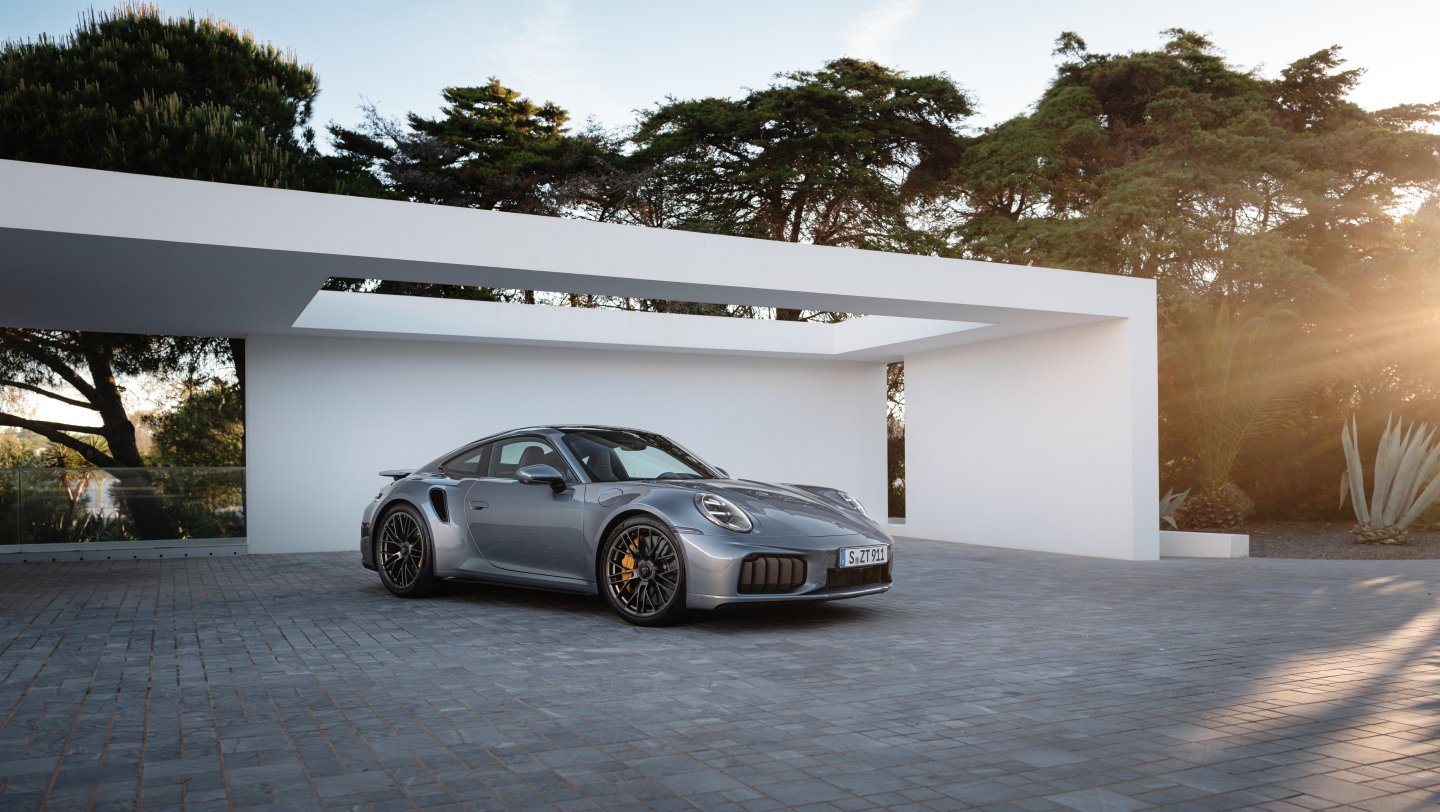
Quick take
- 701 hp combined — Porsche calls it the most powerful production 911 to date, a 61-hp jump over the outgoing Turbo S.
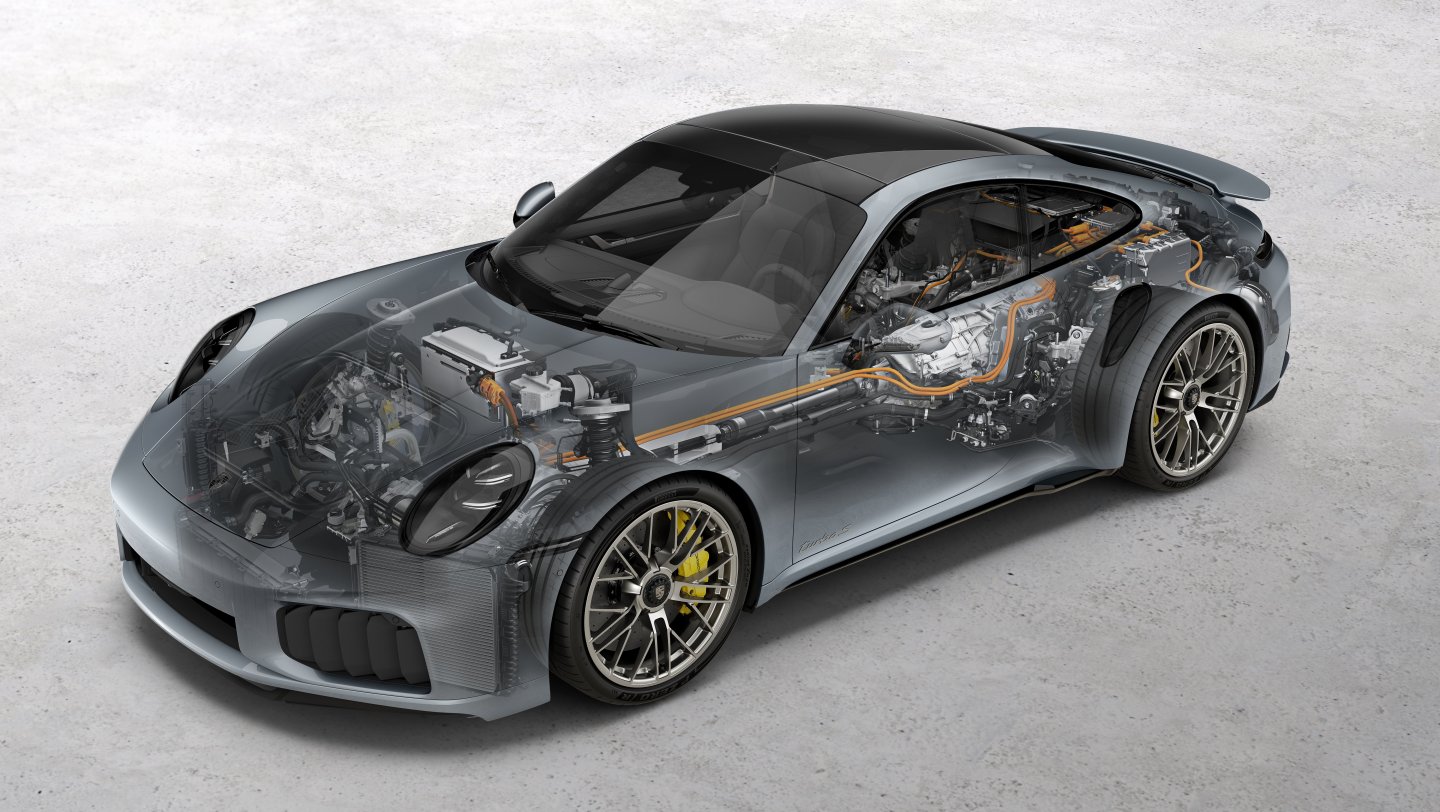
- The gain comes from T-Hybrid: an electric motor integrated into the PDK transmission working alongside the twin-turbo 3.6-liter flat-six, plus electrically assisted turbochargers borrowed conceptually from Porsche's motorsport program.
- 0-60 mph in 2.4 seconds with the Sport Chrono package, and a 200 mph top speed with summer tires — Porsche's own published figures, not yet independently verified.
- Starts at $270,300 for the coupe, $284,300 for the Cabriolet, both excluding options, taxes, registration, and dealer charges. U.S. deliveries expected spring 2026.
What T-Hybrid actually adds
The headline change for this generation is T-Hybrid — Porsche's term for a system that integrates an electric motor directly into the 8-speed PDK transmission, working alongside the familiar twin-turbocharged 3.6-liter flat-six. Porsche's press materials describe the turbochargers themselves as electrically assisted, a detail the company frames as derived from its motorsport program rather than a straightforward efficiency add-on. The stated result is 701 hp combined output — a 61-hp increase over the previous non-hybrid Turbo S — and peak torque of 590 lb-ft available across a wide 2,300 to 6,000 rpm band.
Porsche is explicit that this isn't a plug-in hybrid built primarily for efficiency or electric-only range; the framing throughout the press materials is performance first, with the electric assistance filling in turbo lag and adding immediate torque rather than replacing the combustion engine's role.
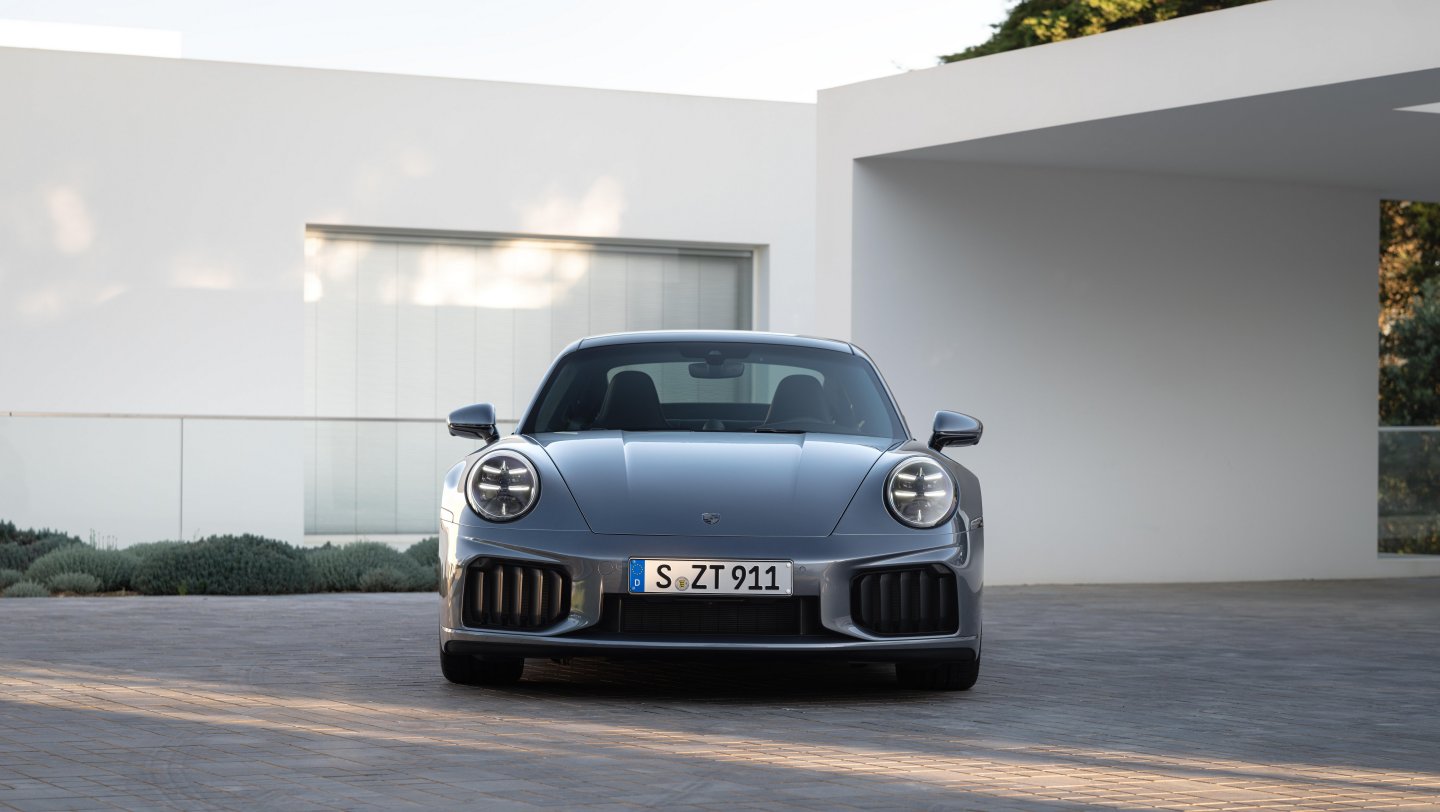
The chassis changes Porsche is highlighting
Alongside the powertrain, Porsche's materials call out an electro-hydraulically controlled Porsche Dynamic Chassis Control (ehPDCC) system, described as reducing body roll during direction changes and increasing agility entering and exiting corners. This is presented as a refinement of the active anti-roll technology Porsche has used on Turbo-tier 911s for several generations, rather than an entirely new system.
All-wheel drive remains standard, consistent with every 911 Turbo S generation to date — Porsche has never offered a rear-drive-only Turbo S, treating all-weather usability as core to what separates the Turbo line from the more track-focused GT3 and GT2 models.
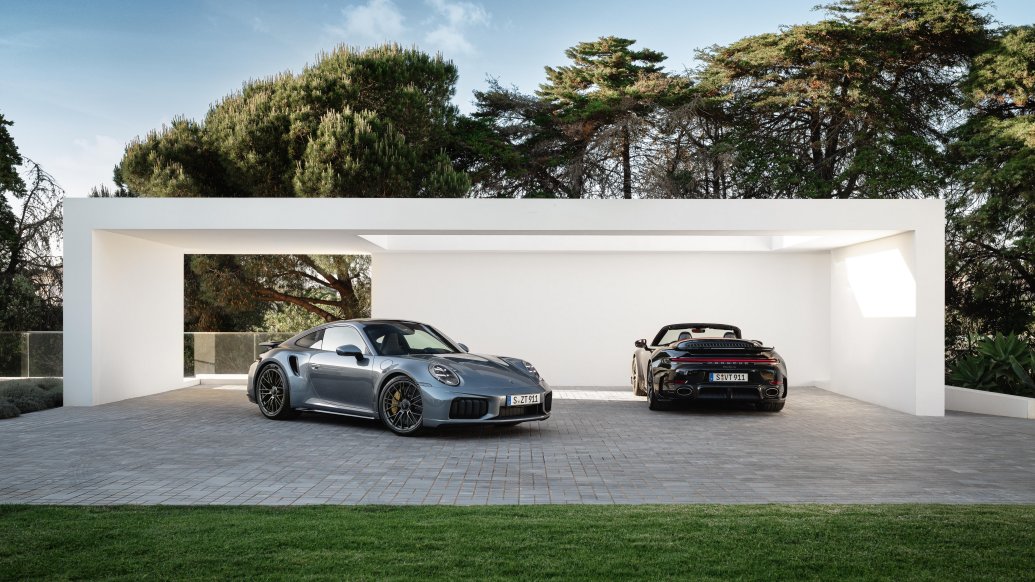
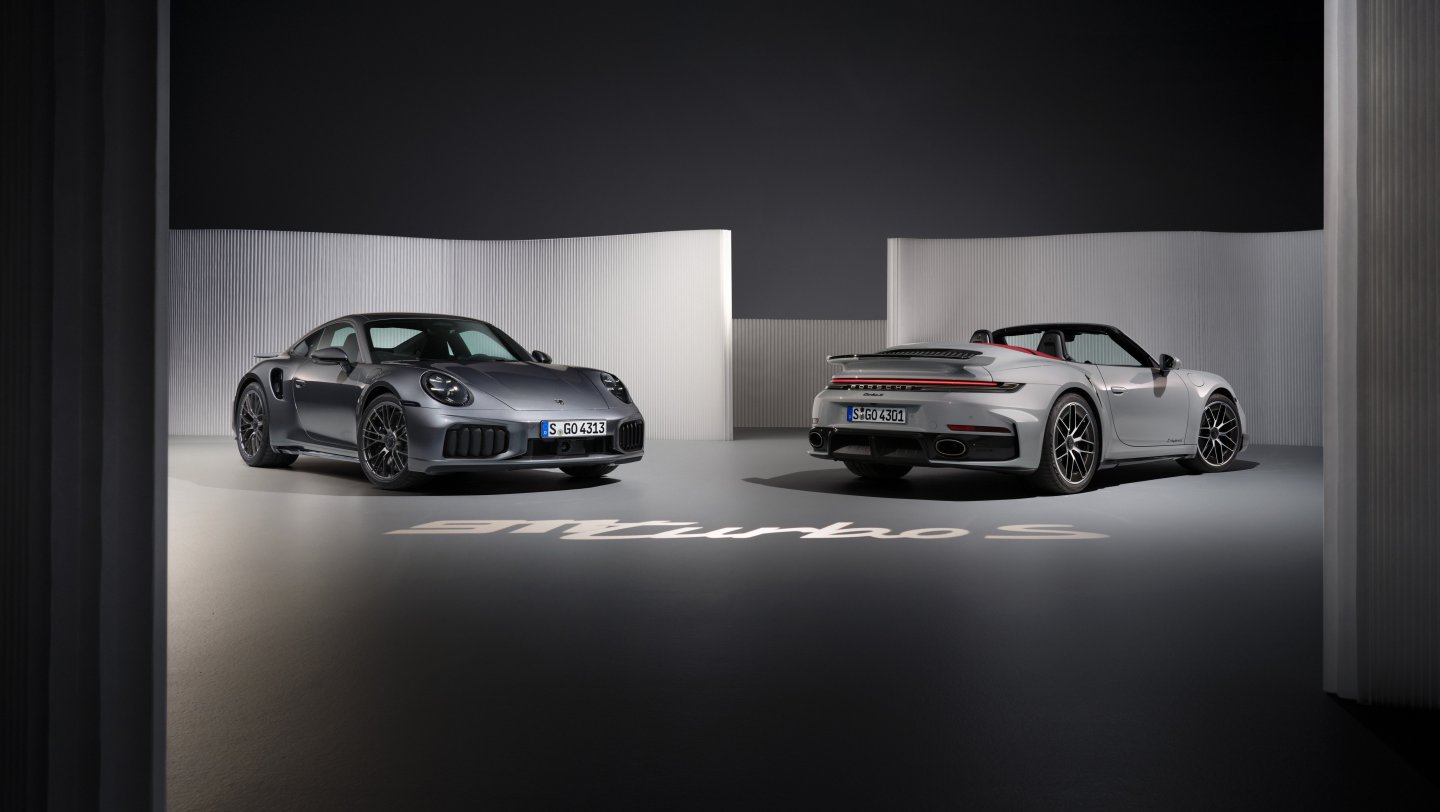
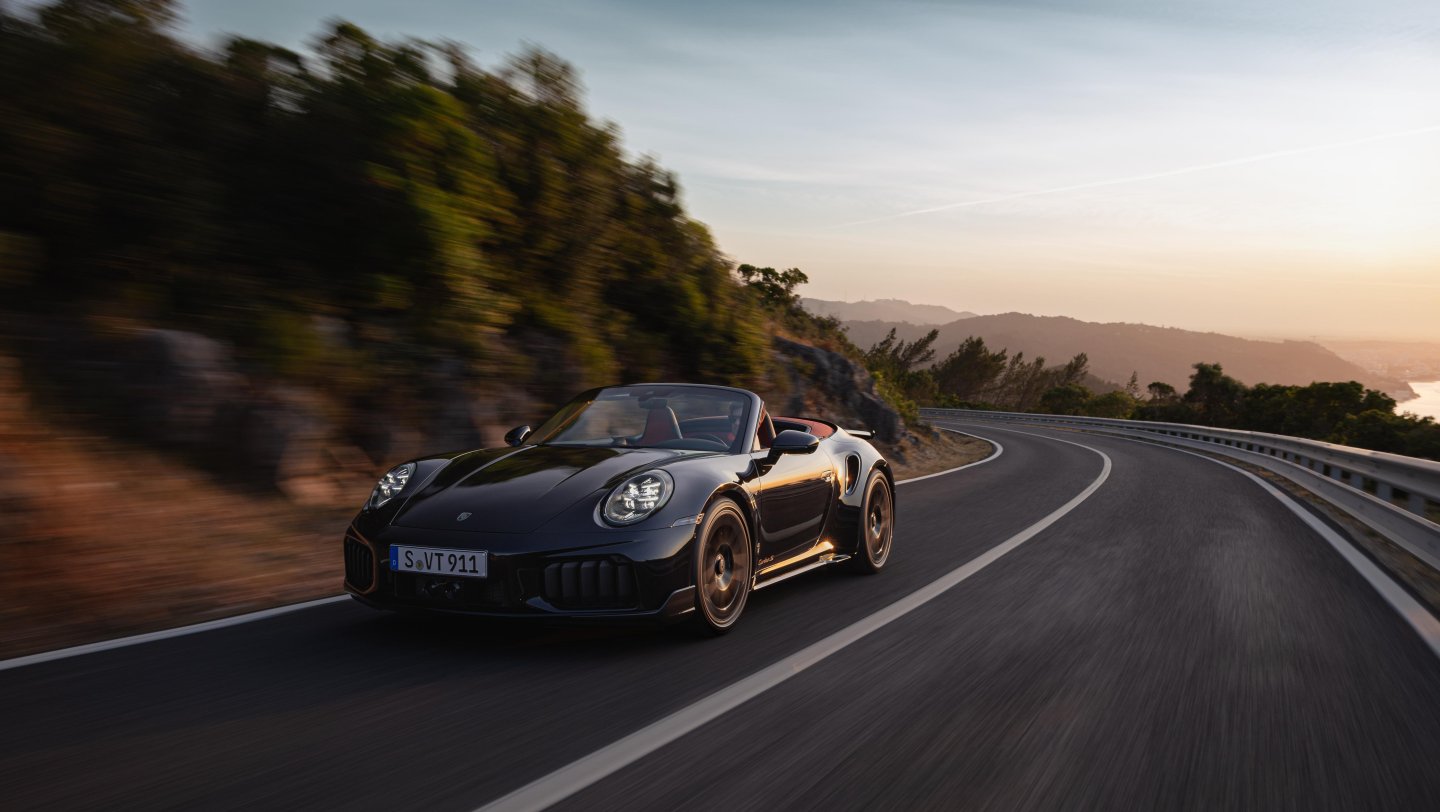
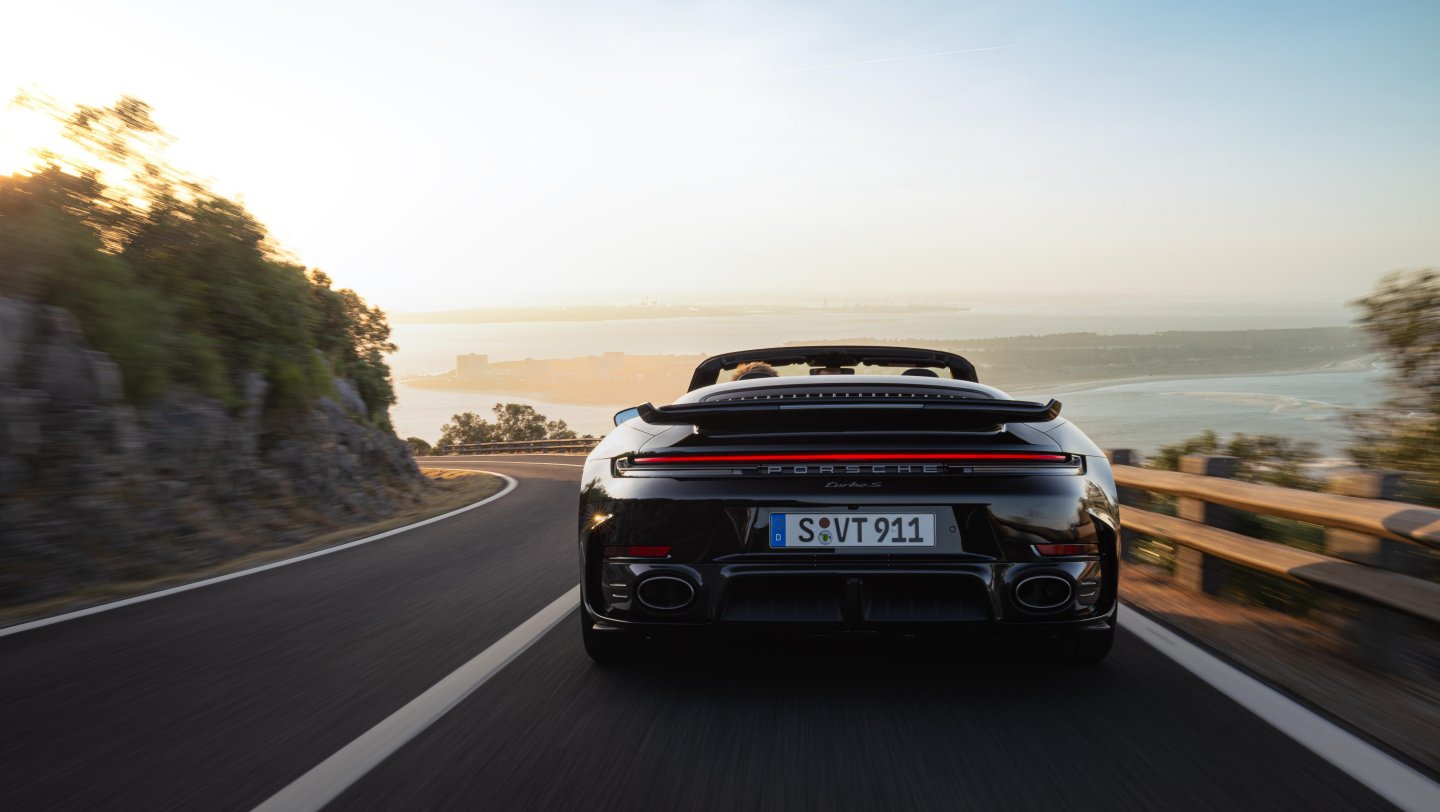
Coupe and Cabriolet, side by side at launch
Unlike some prior 911 generations where the Cabriolet followed the coupe by months, Porsche launched both body styles together at the September 2025 Munich world premiere. The Cabriolet carries a $14,000 premium over the coupe ($284,300 vs. $270,300) and, per Porsche's materials, uses the identical T-Hybrid powertrain and chassis hardware — the softtop construction is the primary differentiator, not a detuned engine or altered suspension tune.
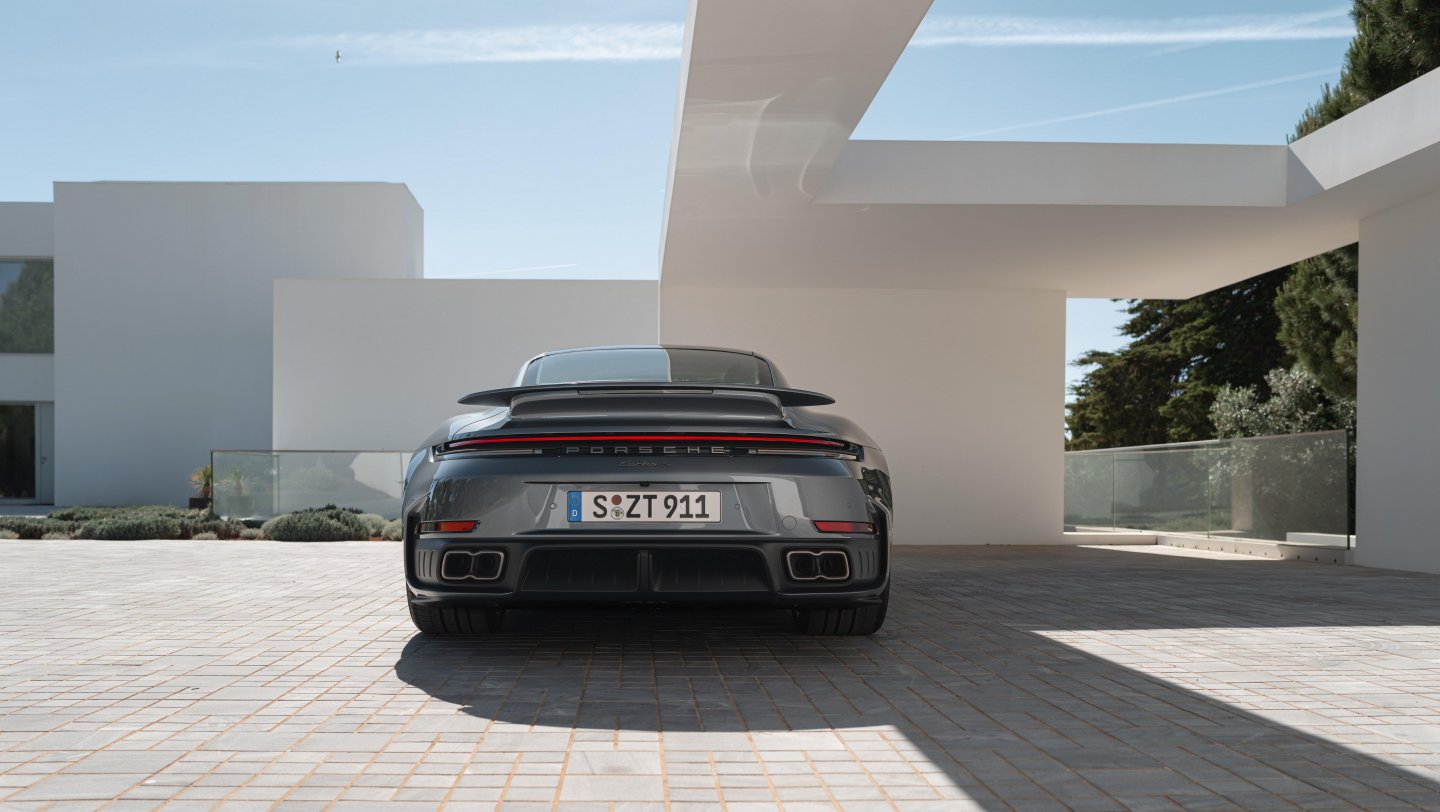
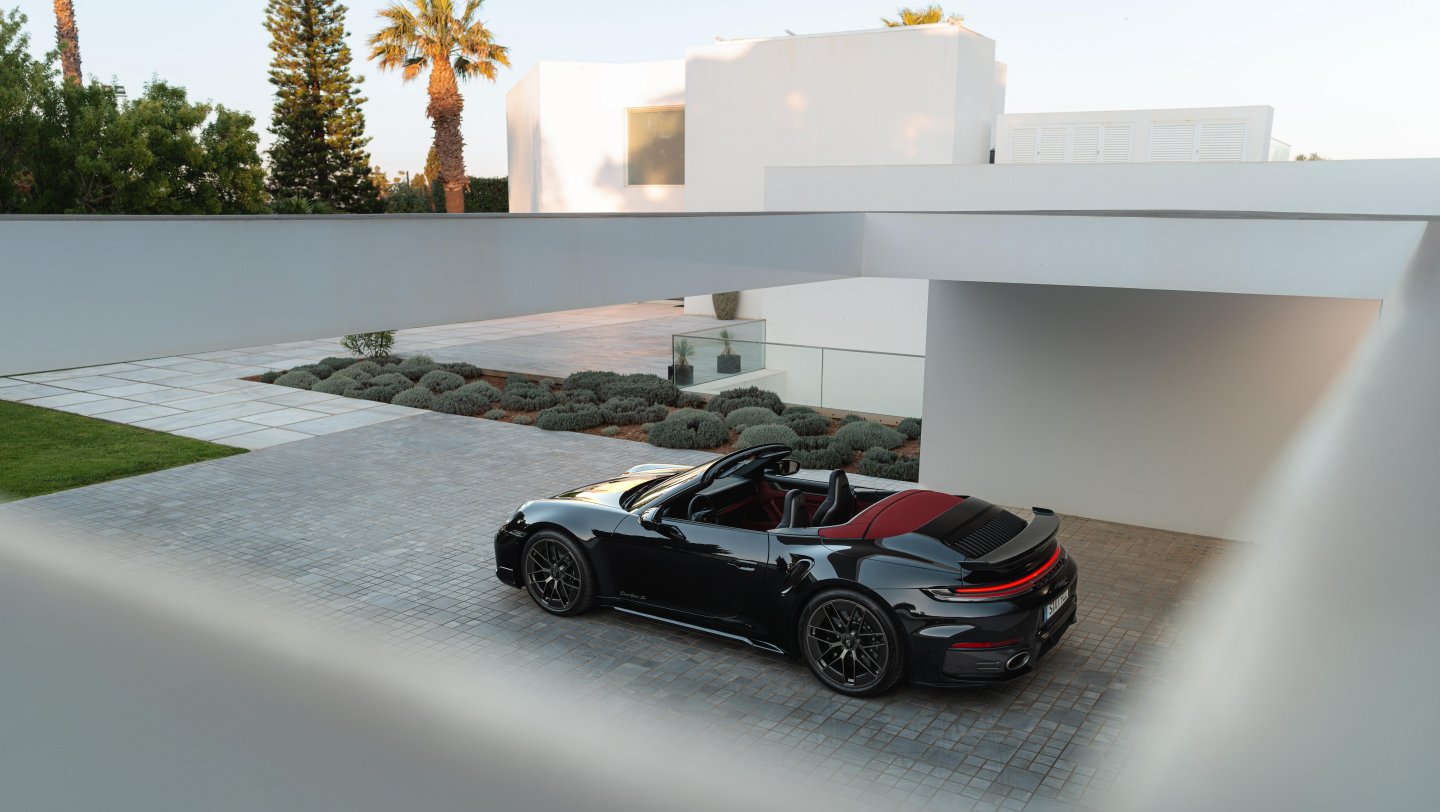
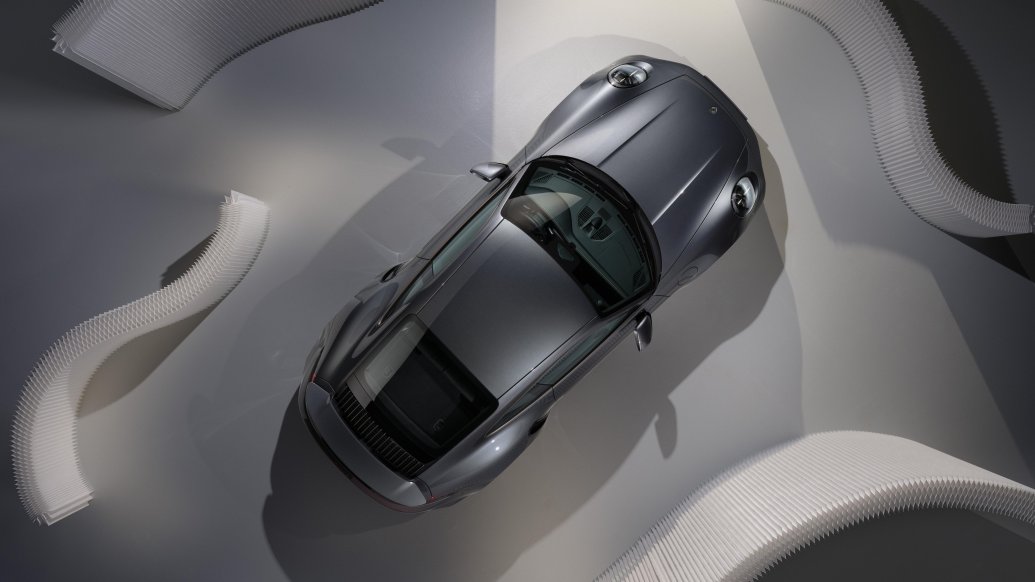
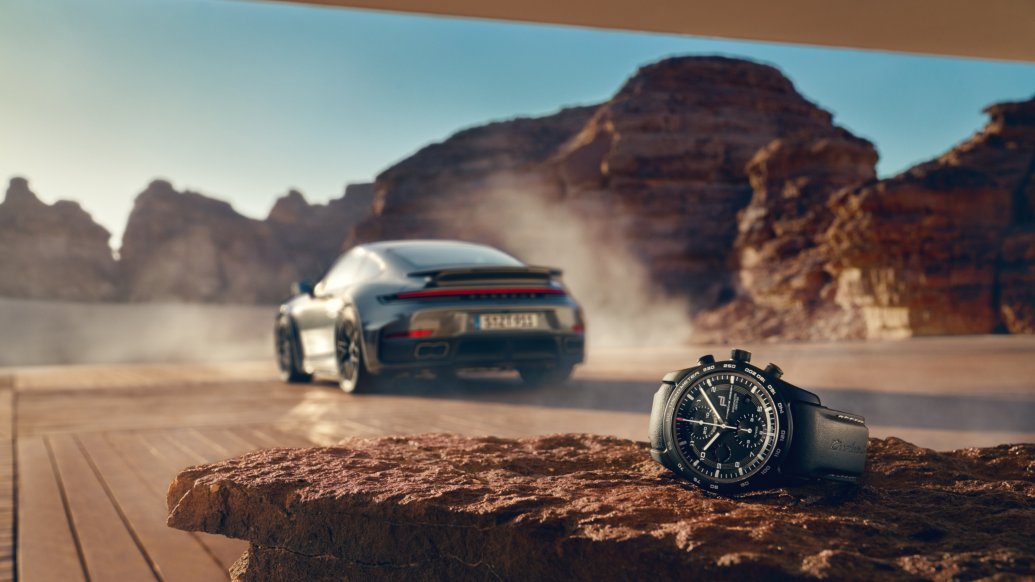
More views: both body styles, and the T-Hybrid drivetrain revealed
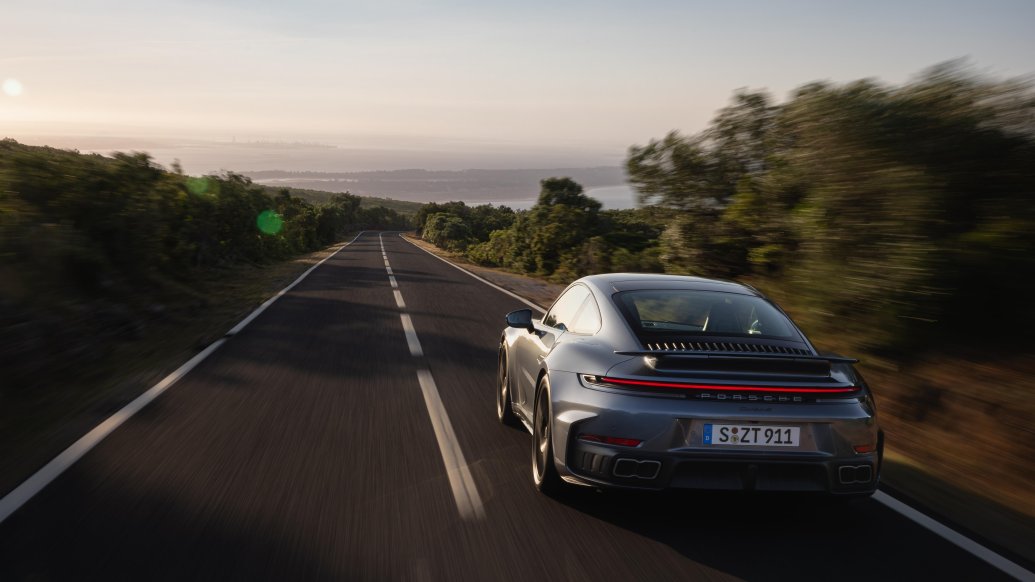
Porsche's press library for the new Turbo S spans studio reveal photography, on-road shots, and a technical cutaway illustrating exactly what the T-Hybrid system adds under the skin — the additional views below round out the picture.
What a press release cannot tell you
Everything above is Porsche describing its own car, and it's worth being direct about what that means: no outlet has published an independent 0-60 time, no one has tested how the electrically assisted turbos actually feel transitioning from electric torque-fill to combustion power under hard acceleration, and the claimed 200 mph top speed hasn't been independently verified on a test track.
The T-Hybrid system is also genuinely new to this specific application — while Porsche has hybrid experience from motorsport and other model lines, how the added weight of the electric motor and battery hardware affects the Turbo S's traditionally praised steering feel and rotational agility is something no press kit can settle. That's a question for the first independent road tests once cars reach journalists ahead of spring 2026 deliveries.
| Specification | Porsche's figure |
|---|---|
| Model | Porsche 911 Turbo S (992.2), Coupe and Cabriolet |
| Engine | 3.6-liter twin-turbocharged flat-six with T-Hybrid electric assist |
| Power | 701 hp combined |
| Torque | 590 lb-ft, available 2,300–6,000 rpm |
| Drive | All-wheel drive |
| Transmission | 8-speed PDK with integrated electric motor |
| Chassis | Electro-hydraulic Porsche Dynamic Chassis Control (ehPDCC) |
| 0-60 mph | 2.4 seconds (with Sport Chrono Package) |
| Top speed | 200 mph (summer tires) |
| US price (Coupe) | $270,300 MSRP, excludes options/taxes/registration/dealer charges |
| US price (Cabriolet) | $284,300 MSRP, same exclusions |
| US availability | Spring 2026 |
Common questions
Is the 2026 911 Turbo S a plug-in hybrid?
No. Porsche's T-Hybrid system integrates an electric motor into the transmission and assists the turbochargers, but it's presented as a performance system, not a plug-in design built around electric-only range.
How much more powerful is it than the previous Turbo S?
701 hp combined versus the prior non-hybrid Turbo S, a 61-hp increase, per Porsche's own published comparison.
Does the Cabriolet have a different powertrain than the coupe?
No — per Porsche's materials, both body styles share the identical T-Hybrid powertrain and chassis hardware. The Cabriolet's premium reflects the convertible top construction, not a performance difference.
When can US buyers get one?
Porsche's press materials state U.S. Porsche Centers should receive the car by spring 2026. It's currently available to order.
Has DopamineKart driven this car?
No. It's not yet available for independent testing, and everything in this article reflects Porsche's own published press materials, not a first-hand drive.
On paper, this is a straightforward, confident evolution of what the Turbo S has always been: more power, the same all-weather usability, and a chassis update rather than a reinvention. The T-Hybrid system is the genuinely new variable, both because it's Porsche's first application of this specific hybrid architecture to the Turbo S and because electric assistance has a real, unresolved question mark over how it affects the car's traditionally prized steering feel.
None of that is knowable from a press kit. We'll revisit this once independent testing exists.
Sources. Porsche Newsroom USA — New Porsche 911 Turbo S Celebrates World Premiere in Munich, Porsche Newsroom USA — 911 Turbo S model page, Porsche USA — 911 Turbo S. All technical figures and pricing are Porsche's own published data for the US market. Photography is Porsche press material, used for editorial reporting and credited per image. No affiliate links appear on this page. This article contains no affiliate links and no buy buttons — DopamineKart does not monetise vehicle coverage. DopamineKart has not conducted a hands-on test drive of this vehicle; this article is a research-based breakdown, not a road test.
Corrections: email us