Quick take
- "Quiet luxury" and "stealth wealth" describe the same look but point in opposite directions — one subtly signals wealth, the other hides it.
- It didn't start on TikTok. HBO's Succession — Kendall Roy's label-less Loro Piana cashmere cap, Shiv Roy's neutral tailoring — put a name to an idea that's centuries old.
- The brands underneath are quiet by design: Bottega Veneta built an identity on "when your own initials are enough," and Hermès still runs family-controlled, six generations in.
- The real tell is vertical integration. Zegna and Loro Piana own the mills and the raw-fiber supply — which is why the fabric, not a logo, is what you're paying for.
Quiet luxury has a much older birth certificate than its 2023 moment suggests. Long before the phrase trended, understated dress was already a class signal — historians trace it to the rise of Europe's and America's merchant elite in the late 18th and early 19th centuries, who adopted plain, expensive clothing precisely to distance themselves from the ostentation of the court. The logic hasn't changed in two hundred years: the surest way to signal that you don't need to prove anything is to wear something that refuses to announce itself.
What changed in 2023 is that the idea got a name and a television show. The word did the rest.
The Name Is New. The Idea Isn't.
"Stealth wealth" is the older of the two terms, borrowed from finance-world shorthand for keeping money invisible. "Quiet luxury" is the fashion-page cousin that surged in 2022–23. They get used interchangeably, but there's a real distinction underneath: stealth wealth is about concealing wealth, while quiet luxury is about subtly signalling it — to the people who can read the signal, and no one else.
The cultural trigger is unusually easy to date. HBO's Succession, styled by costume designer Michelle Matland, dressed its billionaire family in deliberately anti-flashy clothes — and one prop did more for the trend than any runway: Kendall Roy's plain, label-less Loro Piana cashmere baseball cap, a piece whose entire status came from other rich people recognizing exactly what it was. That same year, Gwyneth Paltrow's courtroom outfits during her Utah ski-collision trial were dissected in the fashion press as a real-world master class in the same look. The hashtags followed, amassing billions of views, and a centuries-old habit of the rich became a download-it-yourself aesthetic for the upper middle class.
The Tell Is the Fabric, Not the Logo
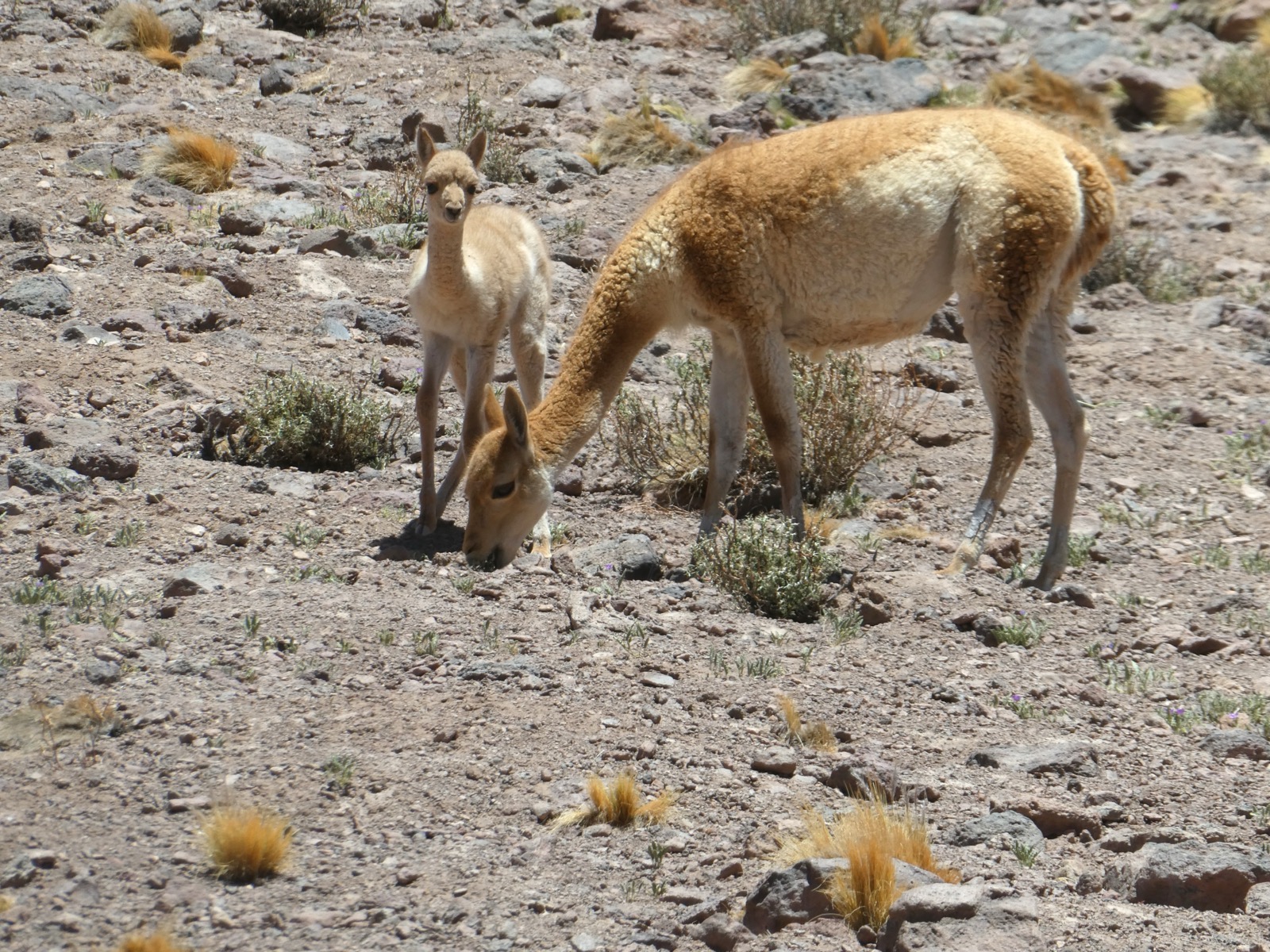
Strip away the runway noise and quiet luxury runs on one unglamorous idea: vertical integration. The houses most associated with the look tend to own the parts of the supply chain that no customer ever sees. Ermenegildo Zegna started in 1910 as a wool mill in Trivero, in the Biellese Alps, and built outward from the cloth — it still makes fabric, including for other labels, and turned the land around the mill into the 100-square-kilometre Oasi Zegna nature reserve. Loro Piana, founded in 1924, made its name as a merchant of the rarest fibers on earth — vicuña, baby cashmere combed from the underfleece of young Hircus goats — before it ever made a sweater.
That's the mechanism behind the whole aesthetic. When a brand controls the fiber and the weaving, the value lives in the cloth itself: the hand-feel, the drape, the fact that it's the same vicuña a rival house would have to buy from you. A logo is a shortcut for communicating value to strangers. If your value is in a material only a few people can even identify, you don't need the shortcut — and advertising it would cheapen it.
Field Guide: The Brands Actually Behind the Look
Behind the aesthetic is a small set of houses with real founding stories — most of them decades or centuries older than the trend they now define. Here's what's actually true about each.
Hermès
Paris, France · founded 1837Began as Thierry Hermès's harness-and-saddle workshop, serving the carriage trade before it ever made a handbag. Still family-controlled six generations later — the family pools roughly two-thirds of the capital — which is why it has never been folded into a larger luxury group. The Birkin and Kelly carry no exterior logo at all.
Loro Piana
Quarona, Italy · founded 1924Founded by Pietro Loro Piana as a merchant of cashmere, vicuña, linen and merino. Introduced "Baby Cashmere" in the 1990s. LVMH acquired a controlling 85% stake in 2013 — but the brand's identity is still the fiber, not the label.
Brunello Cucinelli
Solomeo, Italy · founded 1978Built a cashmere house around what its founder calls "humanistic capitalism," restoring a medieval hamlet, paying above-market wages and forbidding overtime. Went public in 2012 without abandoning the philosophy — the rare luxury brand whose ethics are part of the product story.
Zegna
Trivero, Italy · founded 1910Started as a wool mill and grew into one of menswear's most vertically integrated houses, owning fabric production end to end. Listed on the New York Stock Exchange in 2021. The cloth came first; the clothes came later.
Bottega Veneta
Vicenza, Italy · founded 1966Founded by Michele Taddei and Renzo Zengiaro, famous for intrecciato — hand-woven leather that needs no hardware to be recognizable. Its historic slogan, "when your own initials are enough," is the whole no-logo philosophy in six words.
The Row
New York, USA · founded 2006Launched by Mary-Kate and Ashley Olsen and named for London's Savile Row. The purest modern expression of the aesthetic: minimalist, near-logoless, famously advertising almost nothing — and reportedly valued in the billions on exactly that restraint.
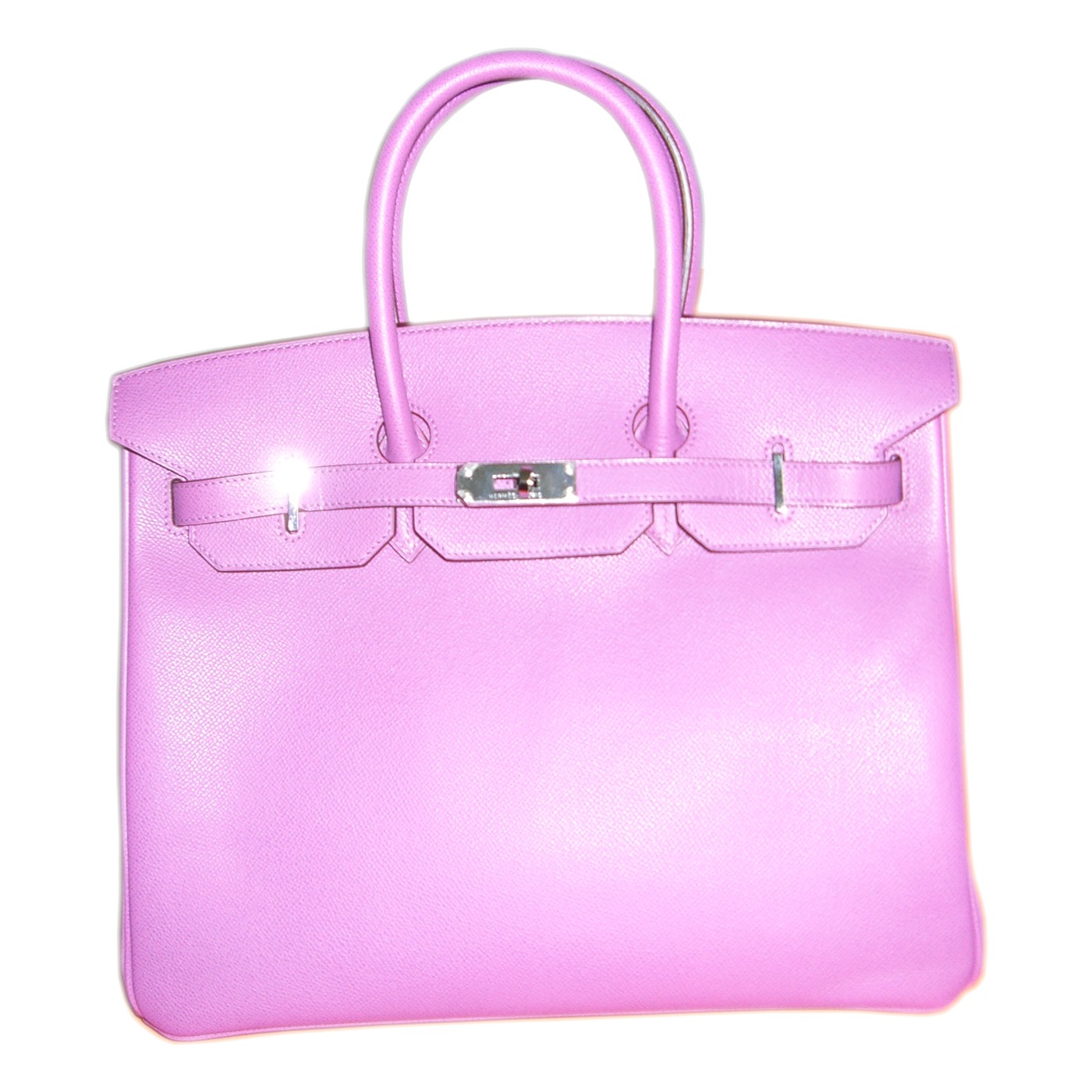
| House | Home & founded | The tell |
|---|---|---|
| Hermès | Paris, 1837 | Family-controlled; logo-free flagship bags |
| Loro Piana | Quarona, 1924 | Owns the rarest fibers (vicuña, baby cashmere) |
| Brunello Cucinelli | Solomeo, 1978 | "Humanistic capitalism," cashmere pedigree |
| Zegna | Trivero, 1910 | Vertically integrated from the wool mill up |
| Bottega Veneta | Vicenza, 1966 | Intrecciato weave, no hardware, no logo |
| The Row | New York, 2006 | Minimalism, near-zero advertising |
How to Actually Buy Into It
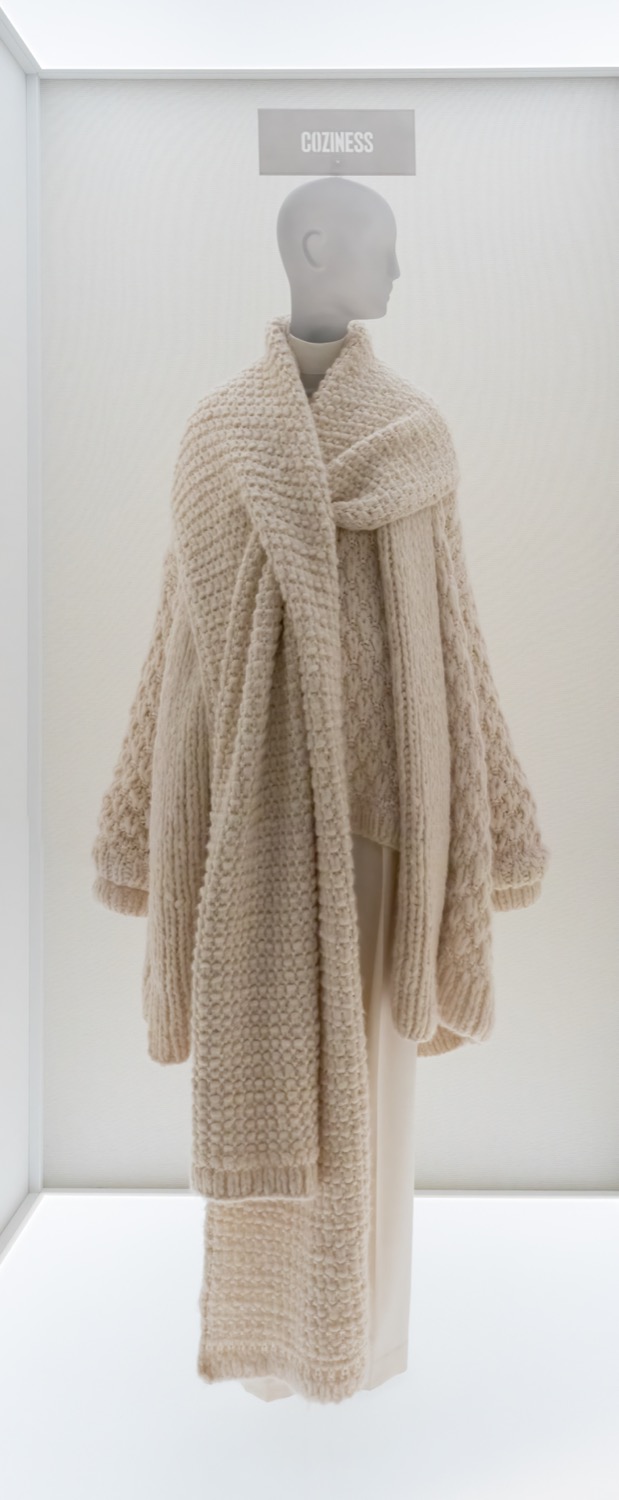
The honest version of a quiet-luxury recommendation isn't a shopping list — it's a filter. The aesthetic is built on knowing what you're buying, so the worst way to "get the look" is to chase the surface of it: a logo-free beige coat from a fast-fashion rail communicates none of what the real thing communicates, because the entire point was the fiber and the make, not the color story. If the appeal is genuinely the restraint, the honest move is to buy fewer, better-made things — and to understand the provenance well enough that you're paying for the cloth, not the idea of the cloth.
The other honest observation: this look will cycle out, the way logomania and then quiet luxury each replaced what came before. The houses that will be fine either way are the ones that were never chasing the trend — Hermès was making saddles in 1837, Zegna was weaving wool in 1910, and neither needs a runway moment to keep existing. That indifference to the cycle is, in the end, the most authentically "quiet luxury" thing about them.
Common questions
What's the difference between "quiet luxury" and "stealth wealth"?
They're used interchangeably, but stealth wealth leans toward hiding wealth, while quiet luxury leans toward subtly signalling it to those who can read the cues.
Did Succession invent quiet luxury?
No — it named a centuries-old idea. The show's styling, especially Kendall Roy's label-less Loro Piana cashmere cap, crystallized it into a nameable 2023 trend.
Why do these brands avoid logos?
Because the value is in the fiber and the make, not a monogram. Bottega Veneta's historic line, "when your own initials are enough," sums it up — a logo is a shortcut these houses don't need.
Which of these brands is the oldest?
Hermès, founded in Paris in 1837, and still family-controlled six generations later.
Is The Row really logo-free and that established?
Founded in 2006 by Mary-Kate and Ashley Olsen and named for Savile Row, it advertises almost nothing and has been reported as a billion-dollar business built largely on that restraint.
Quiet luxury is one of the rare trends with a verifiable paper trail: an older idea, a datable cultural trigger, and a roster of houses whose founding stories predate the aesthetic by decades or centuries. What's worth remembering when it fades is that the brands underneath don't need the name — they were quietly making the cloth, and the saddles, and the woven leather long before anyone thought to photograph the restraint and call it a look.
Legit disclosure. DopamineKart was not compensated by, and has no material or affiliate relationship with, any brand named in this article. All historical details were independently researched from brand records and press coverage; nothing here reflects a paid placement, and no pricing or promotional claims are made for any product mentioned. All photography is from Wikimedia Commons, credited per image under its respective license (CC BY-SA or public domain).
Corrections: email us