
Quick take
- "Solid-state" isn't one technology — sulfide, lithium-metal, polymer, and semi-solid gel chemistries are all racing under the same label with very different manufacturing difficulty.
- Nissan has cells coming off a real pilot line in Yokohama; Samsung SDI has already shipped evaluation samples to automakers.
- NIO's WeLion semi-solid pack actually shipped in the ET7 — then Nio discontinued it after a few hundred units, citing weak demand relative to cost.
- 2027 is the year to watch: Samsung SDI's Ulsan mass-production start, Toyota's electrolyte-plant completion, and CATL's own solid-state target all land the same year.
For fifteen years, "solid-state battery" has been the EV industry's most reliable applause line and least reliable delivery date. That is starting to change — not because the chemistry problem is solved, but because enough manufacturers have moved from slideware to physical pilot lines that the race now has visible checkpoints. Toyota has a supplier building a dedicated electrolyte plant. Nissan has cells coming off a real production line in Yokohama. Samsung SDI has already shipped evaluation samples to automakers. None of that guarantees a car in your driveway by 2027, but it's a meaningfully different starting point than the concept renderings of the early 2020s.
What follows is not a ranking. The programs below are pursuing different chemistries, different timelines, and in one case, a technology that already shipped, sold poorly, and was quietly discontinued — which is itself the most instructive story in this piece.
Why "solid-state" isn't one technology
The phrase gets used as if every company means the same thing, and they don't. A conventional lithium-ion cell moves ions through a liquid electrolyte between a graphite anode and a metal-oxide cathode. Swap that liquid for a solid — a ceramic, a sulfide glass, or a solid polymer — and you remove the most flammable part of the battery while making room for a lithium-metal anode, which packs far more energy into the same volume. That's the theory behind every program below. The practical differences are in which solid electrolyte a company bets on: sulfide electrolytes (Toyota, Samsung SDI, Honda) conduct ions almost as well as a liquid and enable fast charging, but react with moisture in the air, making manufacturing far harder to scale than lithium-ion's forgiving wet-slurry process. Lithium-metal with a separator-film architecture (QuantumScape) skips a traditional solid ceramic block for a thin ceramic separator, aiming for lithium-ion-like manufacturing steps. Polymer/hybrid electrolytes (Factorial Energy, used by Mercedes-Benz) trade some energy density for a manufacturing process closer to existing pouch-cell lines. Semi-solid gel electrolytes (WeLion, used by NIO) are a real-world stepping stone already sold in production cars.
The field: nine programs, four chemistries, one deadline window
Below is every program with a specific, sourced target date or shipping product as of mid-2026.
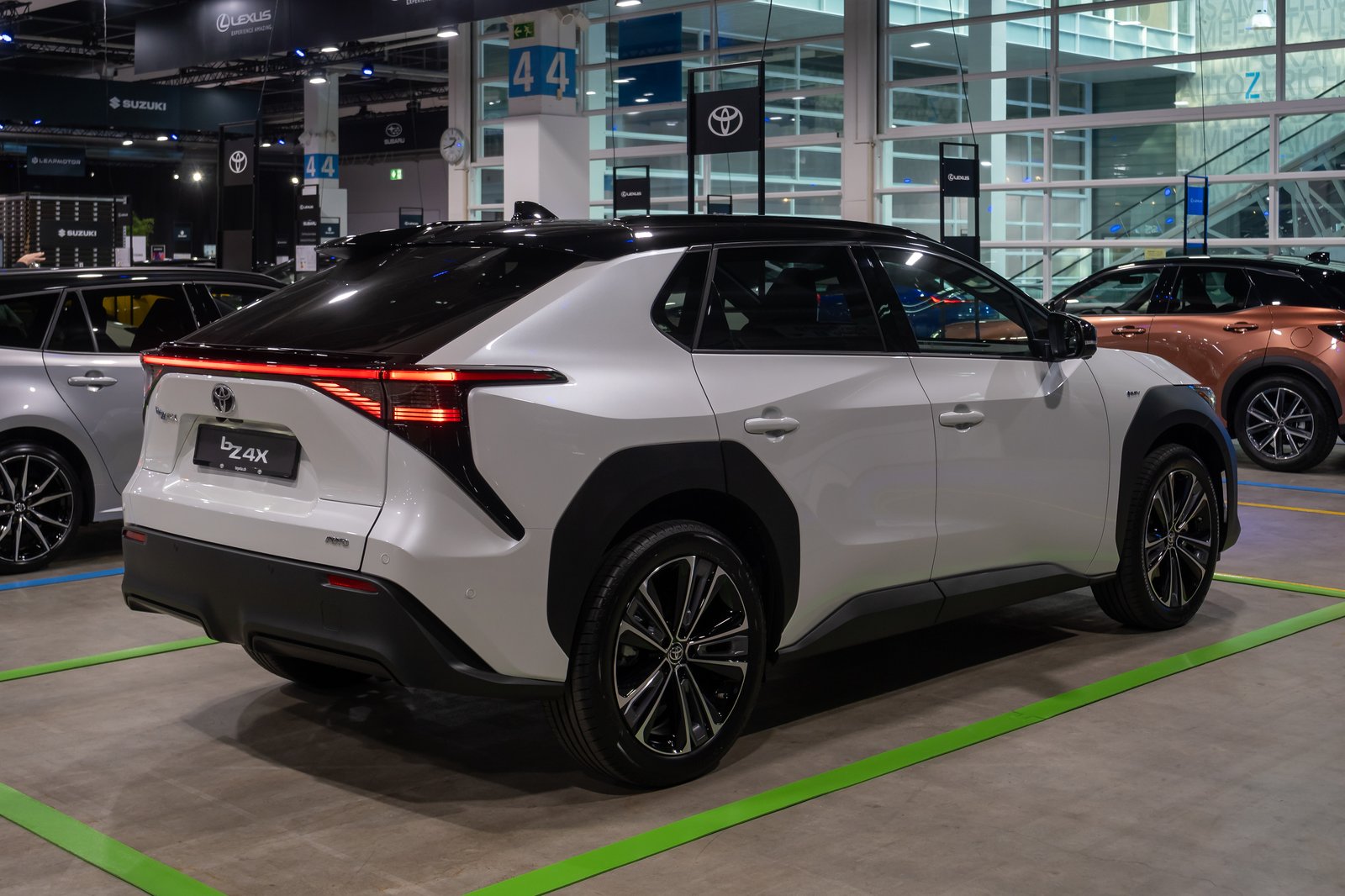
Roadmap targets a first-gen solid-state EV in 2027–2028, claiming ~1,000 km range and a 10–80% charge in ~10 minutes. Idemitsu Kosan is building a dedicated solid-electrolyte plant, targeted complete by end of 2027.
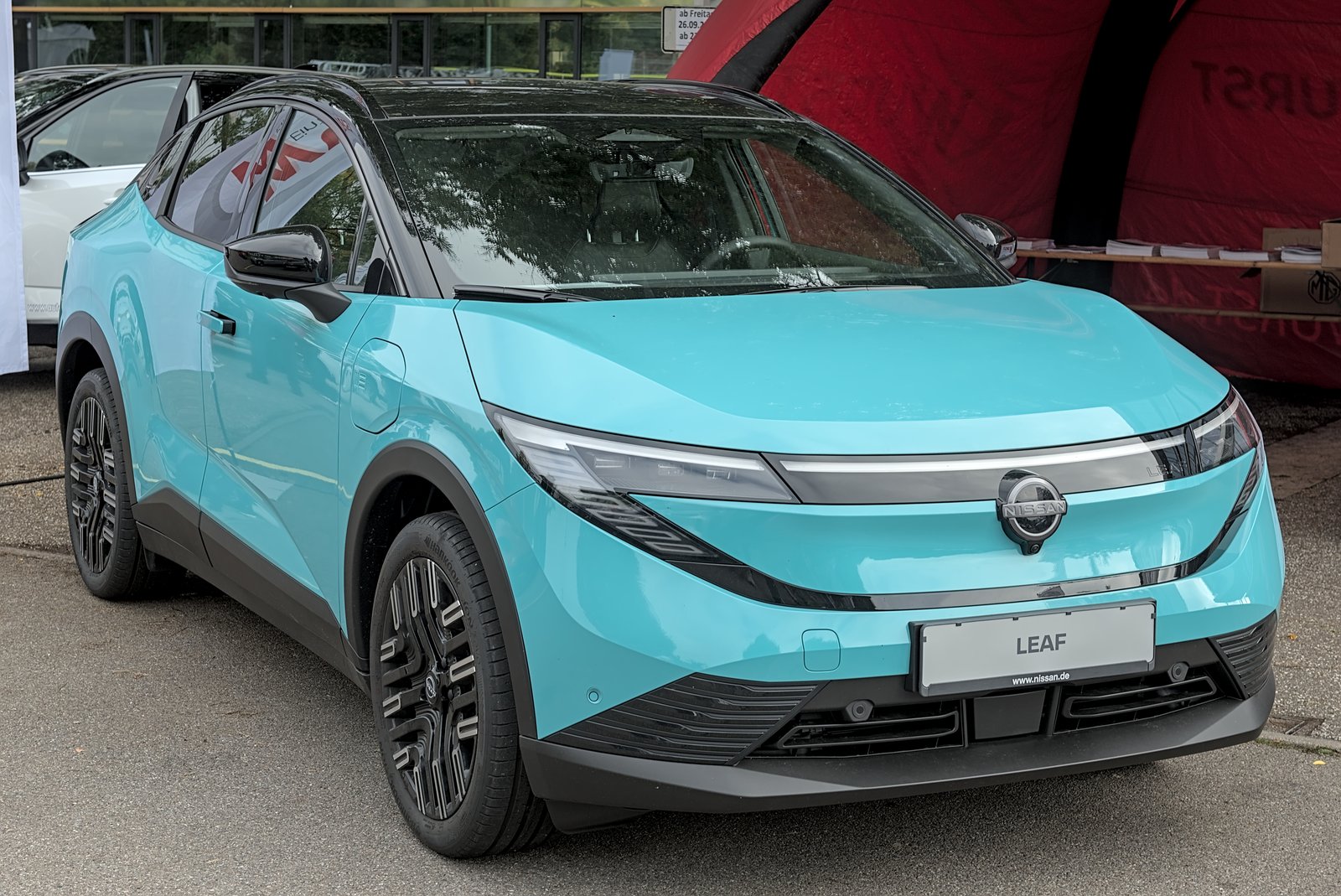
Pilot production line opened early 2025. Targets an EV using in-house solid-state cells in fiscal 2028, with disclosed cost targets of $75/kWh at launch, dropping to $65/kWh.
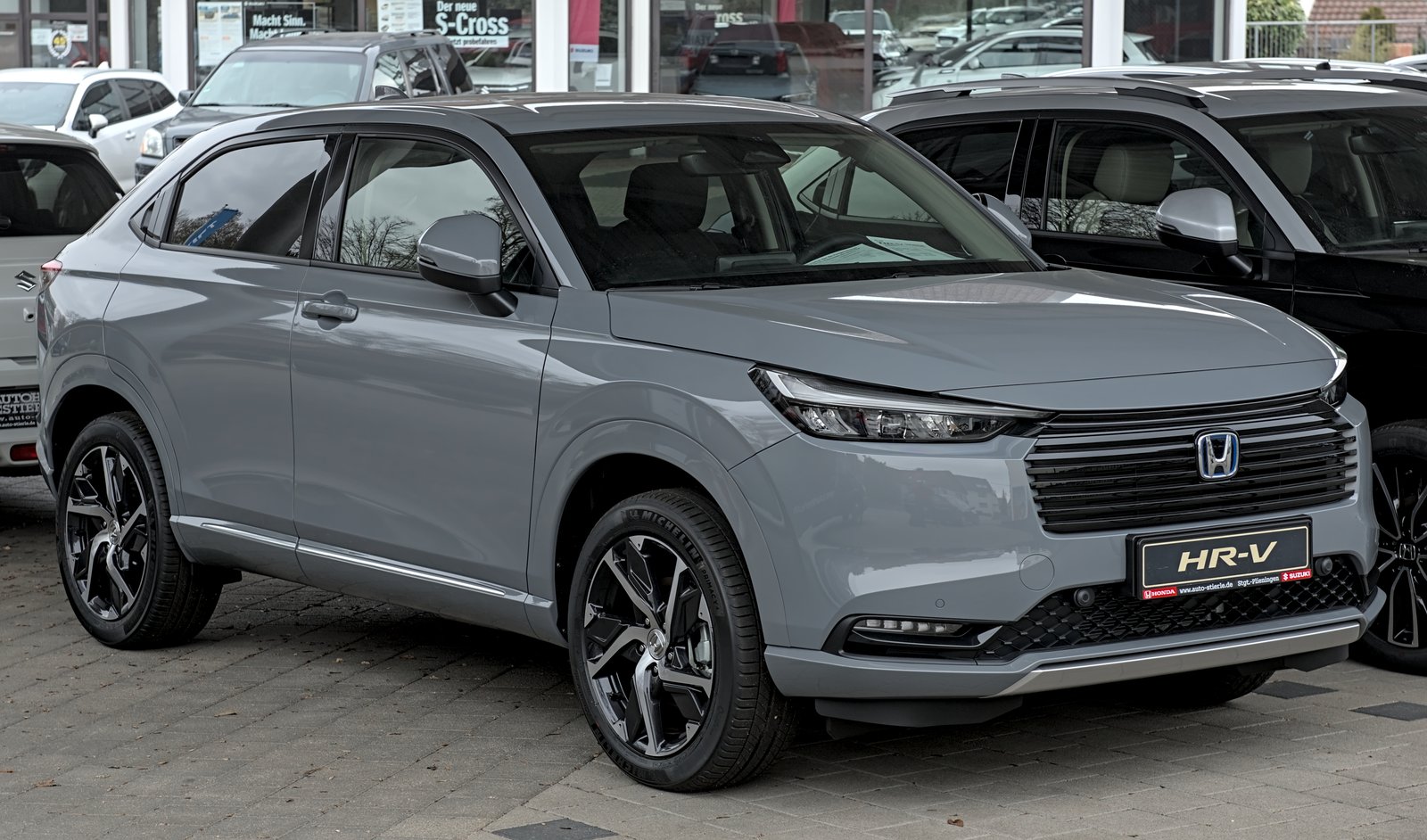
Full demonstration line opened November 2024 to validate manufacturing steps at near-production scale. Targets application "in the second half of the 2020s" — no named model or year.
Targets mass production at Ulsan in 2027 H2, backed by a pledged 25 trillion won through 2040. Already delivered evaluation samples — ~900 Wh/L — to automakers and robotics makers.
PowerCo licensed manufacture at up to 40 GWh/year, expandable to 80. 2025 public demo was a Ducati motorcycle, not a car. No year pinned for passenger-car launch.
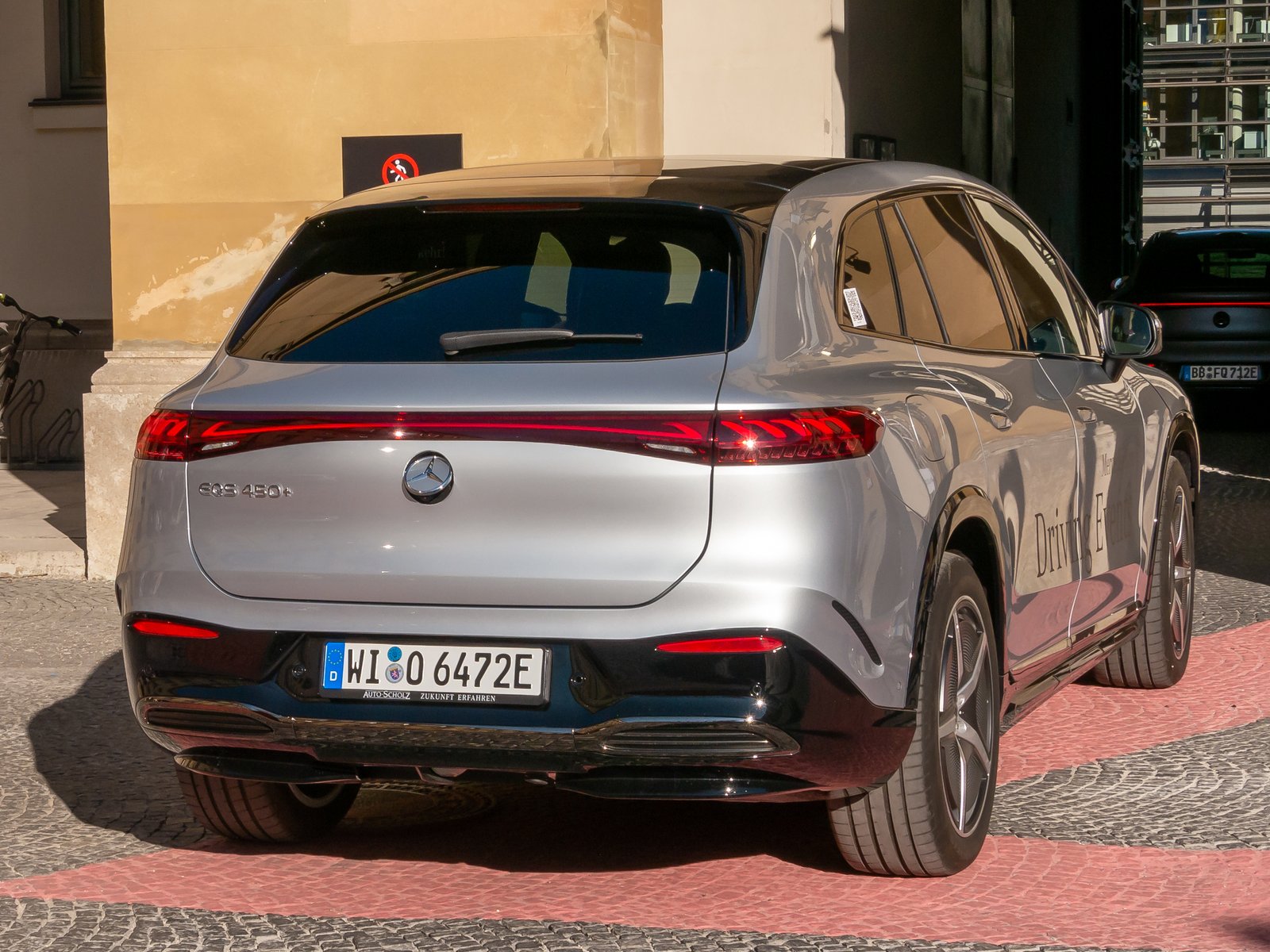
A test-mule EQS with a Factorial pack covered 749 miles on one charge in a long-distance run. Cells rated up to ~450 Wh/kg at the cell level. No confirmed production year.
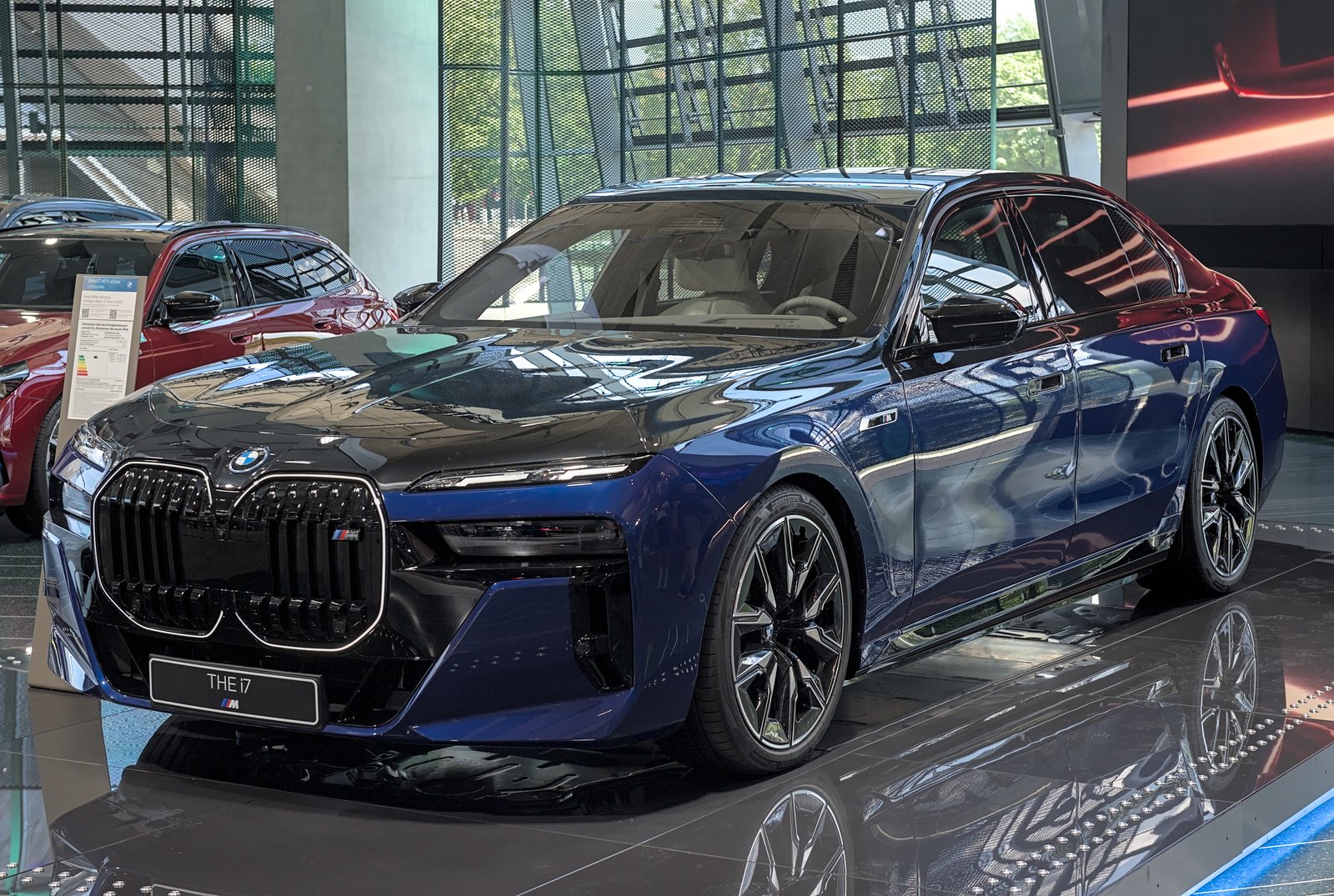
Testing large-format Solid Power cells in a modified i7 around Munich since mid-2025. Ford, an early Solid Power partner, has since stepped back from the joint venture.
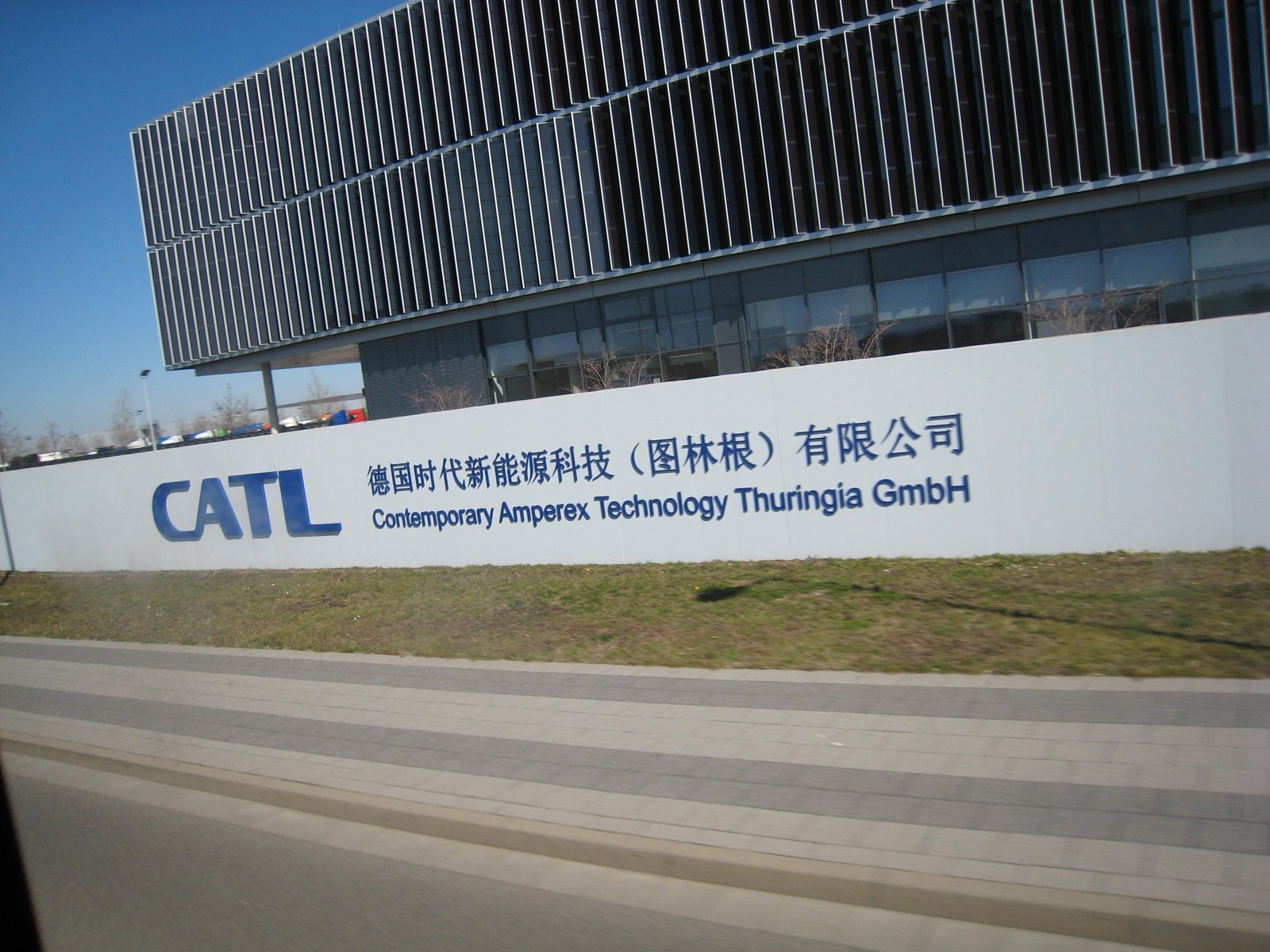
Naxtra sodium-ion reached large-scale deployment in 2026 in a Changan EV, ~175 Wh/kg. CATL's own solid-state target is 2027, with public caution about scaling difficulty.
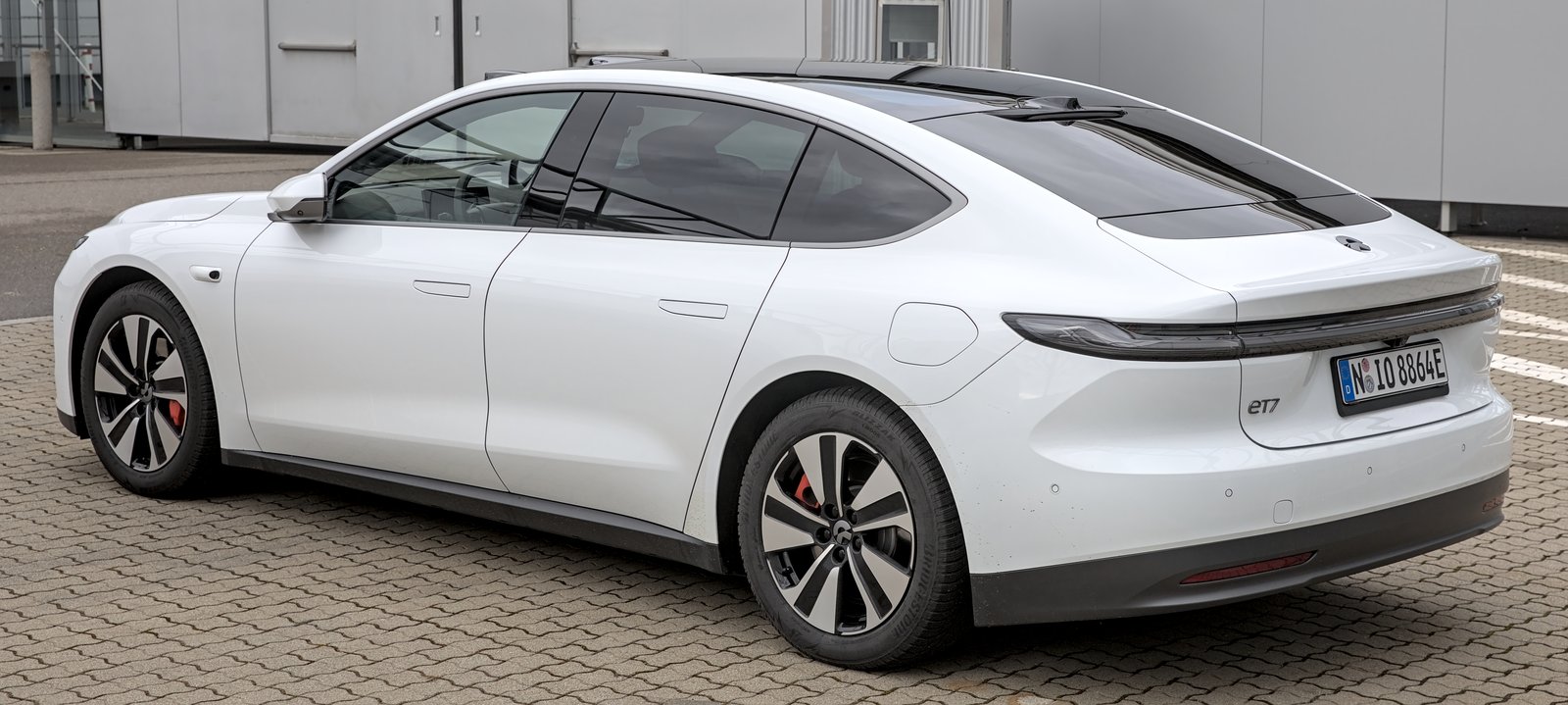
150 kWh semi-solid pack actually shipped in the ET7, hitting over 1,000 km in real-world range tests. Discontinued after a few hundred units, citing weak demand relative to cost.
NIO's experience is the detail every other headline skips: getting a solid(ish)-state battery into a real car is a solved problem for at least one company already. Getting people to actually want to pay for what it costs to build is the part nobody on this list has proven yet.
The automakers testing prototype packs on the road
Not every program is running a pilot line yet — some are still at the road-test stage, fitting prototype cells into existing production cars to gather real-world data before committing to a manufacturing timeline.
A rough timeline, if the public targets hold
| Window | What's expected |
|---|---|
| Already shipped (2024–2025) | NIO's WeLion semi-solid pack (discontinued); Honda's demo line running; BMW and Mercedes road-testing prototype packs |
| 2026 | CATL's Naxtra sodium-ion reaches mass-market deployment in a Changan EV |
| 2027 | Samsung SDI's Ulsan mass-production start; Idemitsu's electrolyte plant for Toyota targeted complete; CATL's own solid-state target |
| 2027–2028 | Toyota's targeted first-generation solid-state EV launch window |
| Fiscal 2028 | Nissan's targeted in-house solid-state EV |
| "Second half of the 2020s" (unspecified) | Honda's stated application window — the vaguest commitment of any major program here |
Common questions
Can I buy a solid-state EV today?
No. Every program here is either pre-production, a limited test mule, or — in NIO's case — already discontinued. Nothing above is a car you can order.
Which automaker is closest to real production?
Samsung SDI and Nissan have the most concrete infrastructure — a funded mass-production line and a running pilot line, respectively — versus rivals still at the single-test-mule stage.
Why did NIO pull its semi-solid battery?
It shipped, drove over 1,000 km on a charge, and sold — but NIO discontinued it after a few hundred units, citing weak demand relative to its high cost.
Is CATL's sodium-ion battery solid-state?
No. It's a different chemistry entirely, included here because it shows even the industry's dominant cell maker doesn't think solid-state alone covers every price point.
What's the real bottleneck across every program?
Manufacturing at scale, not the lab chemistry — most of these solid electrolytes work in a lab; building a moisture-controlled factory that can make millions of them affordably is the unsolved part.
Not for a purchase decision — nothing above is a car you can order. What it changes today is which liquid-electrolyte EVs are worth trusting as a longer-term hold versus which brands are visibly racing to make their current lineup obsolete on their own timeline. A company with a funded pilot line and a named supplier (Toyota, Nissan, Samsung SDI) is behaving differently than one that has shown a single test mule and a press event (most of the rest). Solid-state batteries are no longer purely a slide in an investor deck — but NIO's experience is the detail every other headline skips: getting a solid(ish)-state battery into a real car is solved; getting people to pay for what it costs to build is the gap between 2026's demonstrations and 2027's promised deliveries.
DopamineKart has not conducted a hands-on test drive of any vehicle covered here; this article is a research-based breakdown, not a road test. Sources. Toyota Motor Corporation and Idemitsu Kosan press materials; Nissan Motor Corporation global newsroom; Honda Motor Co. newsroom; Samsung SDI newsroom and Nikkei Asia; Volkswagen Group and QuantumScape press releases; Mercedes-Benz Group technology newsroom; BMW Group press materials; CATL corporate announcements and Electrek/CnEVPost/carnewschina trade coverage. This report contains no sponsored placements; no manufacturer paid for inclusion or ranking. Photography is editorial use, Wikimedia Commons (CC BY-SA 4.0), credited per image; none is manufacturer press-kit photography of the specific solid-state prototypes described, since most have not been publicly photographed — images show each company's current production models for editorial context.
This article contains no affiliate links and no buy buttons — DopamineKart does not monetise this coverage.
Corrections: email us