Home Explained
Space Heaters: Ceramic vs Infrared vs Oil-Filled, Explained
All three warm a room, but through genuinely different physics — and the differences show up directly in how fast they work, how safe they are around kids and pets, and how much they cost to run overnight.
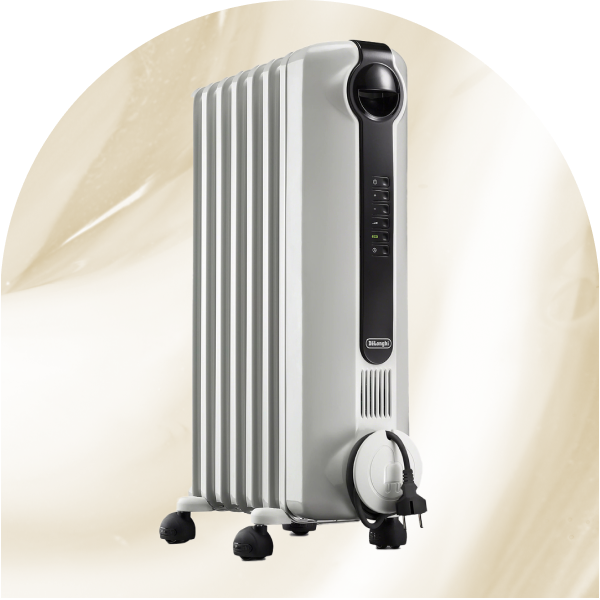
"Space heater" covers a handful of genuinely different heating methods sold under one broad category name. Some heat the air directly and blow it around a room; some heat objects and people directly with radiant energy; some heat slowly and hold that heat for a long time after being switched off. Picking the wrong one for your room and routine is a common, easily avoidable mistake.
- Ceramic (and fan-forced) heaters warm up fast and cool down fast — good for quickly heating a room you're actively using.
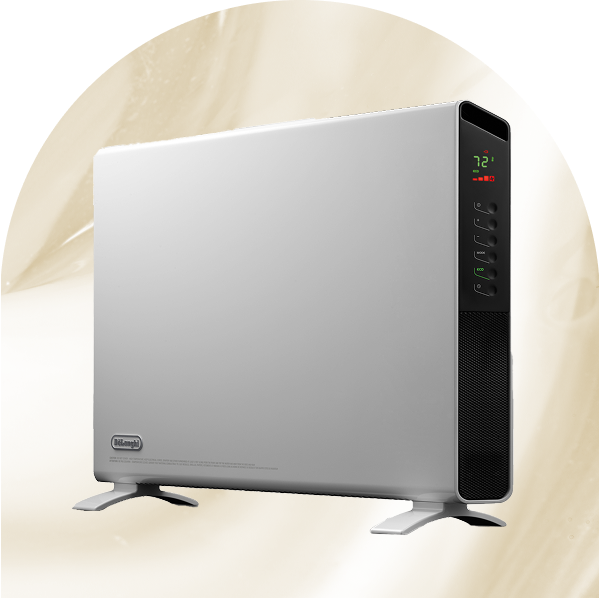
- Infrared heaters warm people and objects directly rather than the air, which means near-instant warmth close to the unit but less effect on overall room temperature.
- Oil-filled radiators heat slowly but hold heat for a long time after being switched off, and generally run quieter with no visible glowing element.
- None of these three types are designed to be a home's primary heat source — they're supplemental, and running one continuously for hours has a real, measurable effect on an electric bill.
Ceramic and fan-forced: fast heat, fast cooldown
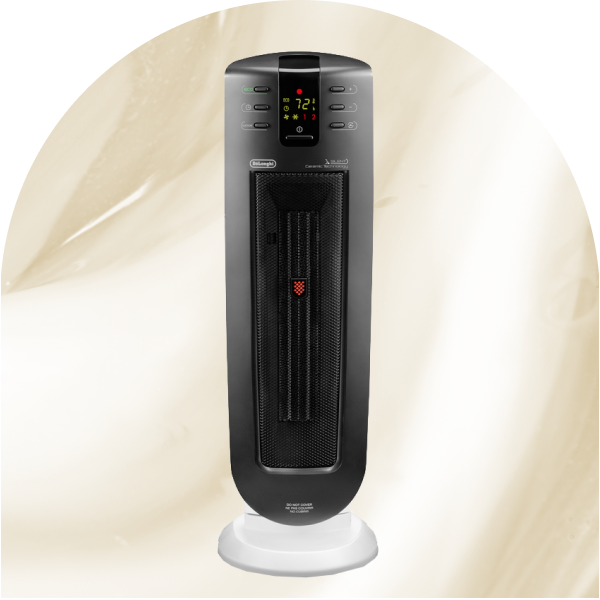
Ceramic heaters use a ceramic heating element combined with a fan that pushes warmed air out into the room — a form of convection heating, where the air itself is the thing being heated and circulated. Because the fan actively moves warm air, ceramic heaters tend to raise a room's overall temperature faster than radiant or slow-heating methods, and they cool down almost as quickly once switched off, since there's no residual heat stored in a large mass.
The tradeoff is the fan itself: fan-forced heaters are audibly louder than oil-filled radiators, and they can stir up dust in the room, which matters for people with allergies or asthma. They're generally the best fit for a room you're actively in and want warm quickly, rather than a space you want held at a steady temperature for hours unattended.
Infrared: heating people and objects, not the air
Infrared heaters work through radiant heat — the same basic principle as feeling warmth from sunlight or a campfire even in cold air. Rather than heating the air and relying on it to circulate, an infrared heater emits electromagnetic radiation that directly warms whatever surface it hits: skin, furniture, walls, within its line of sight. This means the warming sensation for someone sitting near the unit can be almost immediate, even before the surrounding air temperature has changed much at all.
Oil-filled radiators: slow to heat, slow to cool, quiet
An oil-filled radiator heats a sealed reservoir of thermal oil inside its columns using an electric element, then relies on that heated oil — and the metal fins it flows through — to radiate warmth into the room. There's no fan, so these units run essentially silent, and because the oil holds heat, the radiator keeps emitting warmth for a while even after being switched off, unlike a fan-forced heater that cools almost instantly.
The tradeoff is startup time: because the oil itself has to heat up before the unit radiates much warmth, oil-filled radiators are generally the slowest of the three to noticeably warm a cold room. They tend to suit overnight use in a bedroom, or any situation where quiet, steady, held heat matters more than speed.
The safety question that applies to all three
Every space heater type carries real fire-risk considerations that are worth taking seriously regardless of which technology is chosen: keeping the unit at least three feet from anything flammable (curtains, bedding, furniture), never leaving one running unattended or overnight in a room with pets or small children nearby without direct supervision, and using a unit with a tip-over automatic shutoff and overheat protection — both now standard on most reputable modern space heaters, but worth confirming before buying, especially on older or secondhand units.
| Type | Heats | Best for | Watch for |
|---|---|---|---|
| Ceramic / fan-forced | Air, via convection + fan | Quickly warming a room you're using now | Fan noise; can circulate dust |
| Infrared | People and objects directly (radiant) | Instant warmth in one specific spot | Doesn't meaningfully raise overall room temperature |
| Oil-filled radiator | Room, via slow radiant heat from heated oil | Quiet, steady heat held over hours | Slowest to warm a cold room initially |
Common questions
Which space heater type is cheapest to run?
Running cost mainly comes down to wattage and how long the unit runs, not the heating method itself — most portable space heaters draw a similar 1,500W at their highest setting regardless of type. Oil-filled radiators can be more efficient in practice because they hold heat and can cycle off more, thanks to their thermal mass.
Are infrared heaters safe to leave near skin?
They're generally safe at a reasonable distance, but because they heat surfaces directly rather than air, sitting too close for too long can cause localized overheating or discomfort — follow the manufacturer's recommended minimum distance.
Can a space heater replace central heating?
No — space heaters are designed as supplemental heat for one room or area, not as a substitute for a home's primary heating system.
Why do oil-filled radiators stay warm after being turned off?
The heated oil inside the sealed columns retains thermal energy and continues radiating it into the room for a period after the heating element switches off — the same principle as a cast-iron pan staying hot after leaving the stove.