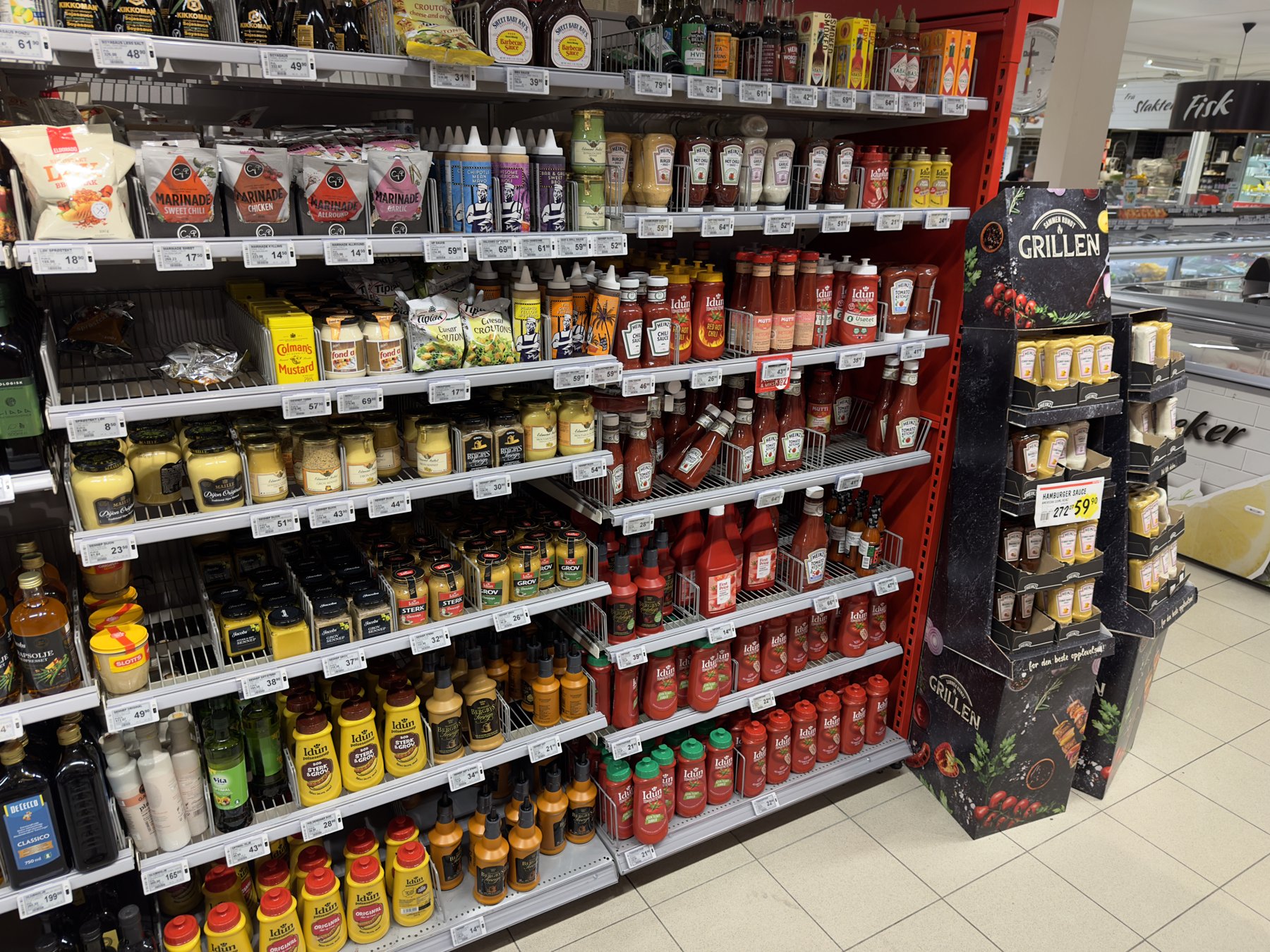
Walk down almost any aisle and you'll see a wall of "competing" brands — different logos, different price points, different vibes. Look at who actually owns them, and the wall gets a lot shorter.
A handful of companies own most of what's on the shelf
The average grocery aisle looks like a marketplace of independent competitors. In reality, a relatively small list of parent conglomerates — Nestlé, PepsiCo, Coca-Cola, Unilever, Kraft Heinz, General Mills, Mondelez, and Procter & Gamble among them — own most of the recognizable brands you're actually choosing between.
This isn't a conspiracy theory or a "wake up" internet claim. It's public corporate structure, disclosed in annual reports and on the companies' own investor-relations pages. The brands are real, the ownership is real, and the "choice" between them is often a choice of packaging and marketing budget more than a choice between separate businesses.
Who actually owns what
Nestlé owns Nescafé, Nespresso, KitKat, Purina, Gerber, Perrier, and Hot Pockets outright — spanning coffee, confectionery, pet food, baby food, and bottled water in a single portfolio.
PepsiCo owns Pepsi, Mountain Dew, Gatorade, Lay's, Doritos, Cheetos, Tostitos, and Quaker Oats — meaning the soda aisle and the chip aisle are, in a real number of cases, the same company twice.
Coca-Cola owns Sprite, Fanta, Dasani, smartwater, vitaminwater, Powerade, BodyArmor, and Costa Coffee — over 500 beverage brands in total, across water, sports drinks, and coffee, not just soda.
Mondelez owns Oreo, Ritz, Chips Ahoy!, Nutter Butter, and Cadbury — most tracing back to the old Nabisco lineage, which means several "different" cookie brands facing off in the same aisle share one parent.
Procter & Gamble owns Tide, Gain, Pampers, Charmin, Gillette, Crest, and Olay — over 65 brands, concentrated in household and personal care rather than food.
General Mills owns Cheerios, Pillsbury, Betty Crocker, Nature Valley, and Blue Buffalo pet food — and holds an interesting middle case worth knowing: it owns the global Häagen-Dazs trademark but licenses it to Nestlé for exclusive US and Canada use, so which company you're actually supporting depends on which side of the border you're standing on.
The corporate shuffle is happening right now
This picture isn't static, and getting it right means catching a fast-moving few months. In December 2025, Unilever completed a full spin-off of its ice cream business — Ben & Jerry's, Magnum, Cornetto, and Wall's — into a new standalone public company. Unilever's stake is now under 20% and winding down, which means Ben & Jerry's is no longer meaningfully a Unilever brand, despite that pairing being one of the most repeated "gotcha" facts about corporate ownership for years.
Kraft Heinz announced a split in September 2025 that would have separated Heinz and Kraft Mac & Cheese from Oscar Mayer and Lunchables into two companies. As of this piece's research, that split has been paused indefinitely by new leadership in favor of a turnaround investment — so for now, Heinz, Kraft, Oscar Mayer, Philadelphia, Velveeta, and Jell-O all remain one company.
Two acquisitions completed in late 2025 reshuffled the cereal aisle specifically: Mars completed its purchase of Kellanova (Pringles, Cheez-It, Pop-Tarts, Eggo) in December 2025, while Ferrero completed its acquisition of WK Kellogg (Frosted Flakes, Froot Loops, Rice Krispies) that same September — meaning two halves of the old Kellogg's company now sit under two entirely different, unrelated owners.
Two real aisles where you're choosing the same company twice
The clearest real-world example sits in the laundry aisle: Tide and Gain are both Procter & Gamble detergents, positioned against each other as a premium option and a value-scent option, with Tide holding roughly double Gain's market share. It's not two companies competing for your cart — it's one company hedging its bets across two price points.
A similar pattern shows up in cookies: Oreo, Chips Ahoy!, and Nutter Butter all sit under Mondelez by way of the old Nabisco lineage. Picking a "team" among them doesn't change whose quarterly earnings benefit.
None of this means every brand on the shelf is secretly owned by the same handful of companies — plenty of genuinely independent brands exist, and store and organic private-label lines are a real alternative where they're available. The point isn't that choice is fake everywhere. It's that a noticeable amount of what looks like competition on a shelf is actually one company's own internal portfolio strategy.
What the shelf actually looks like
The cover photo above is real too. These two are real supermarket aisles -- one stocked with real Unilever cleaning brands, one showing just how many "different" jars can fill a single shelf.
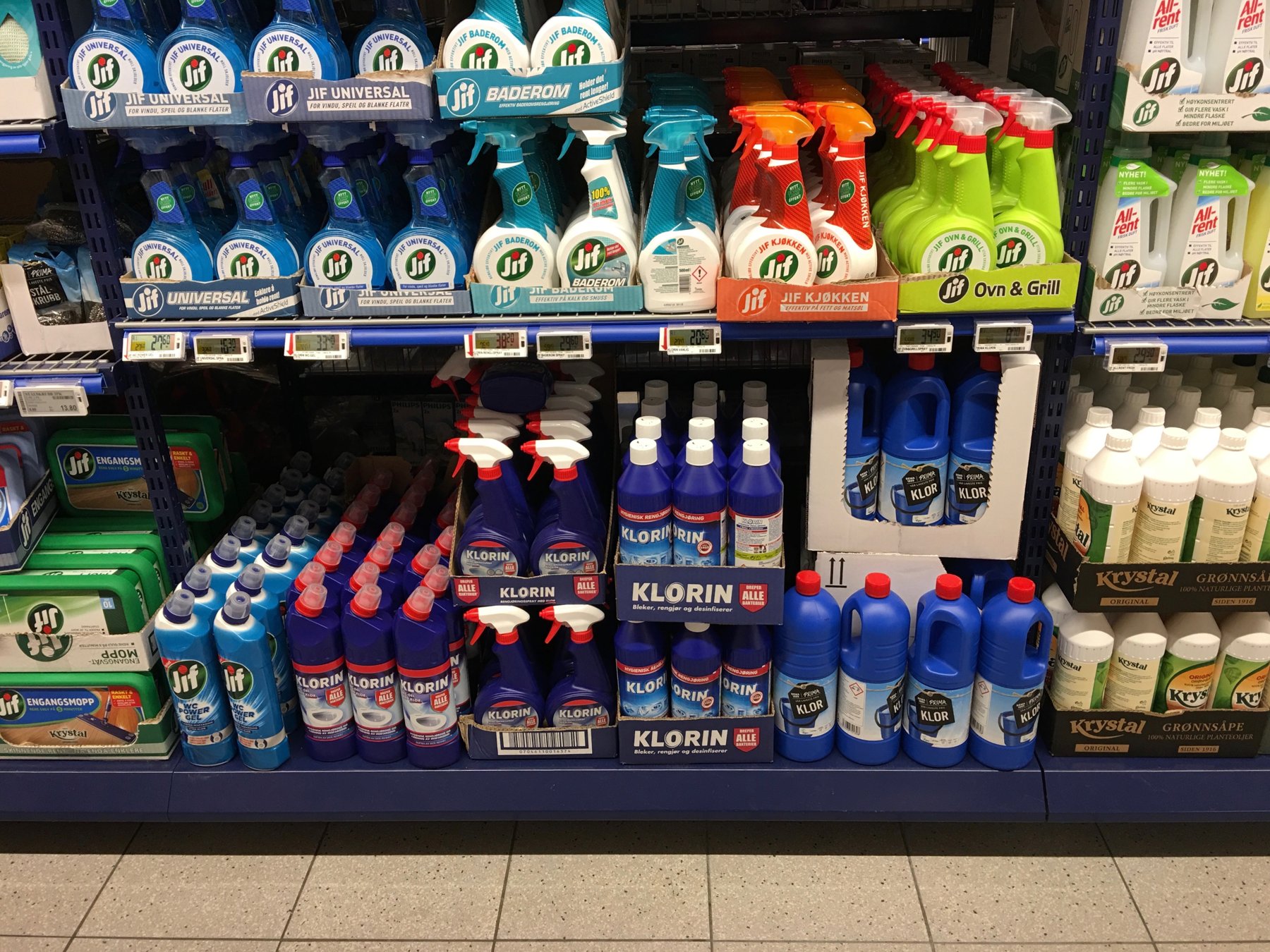
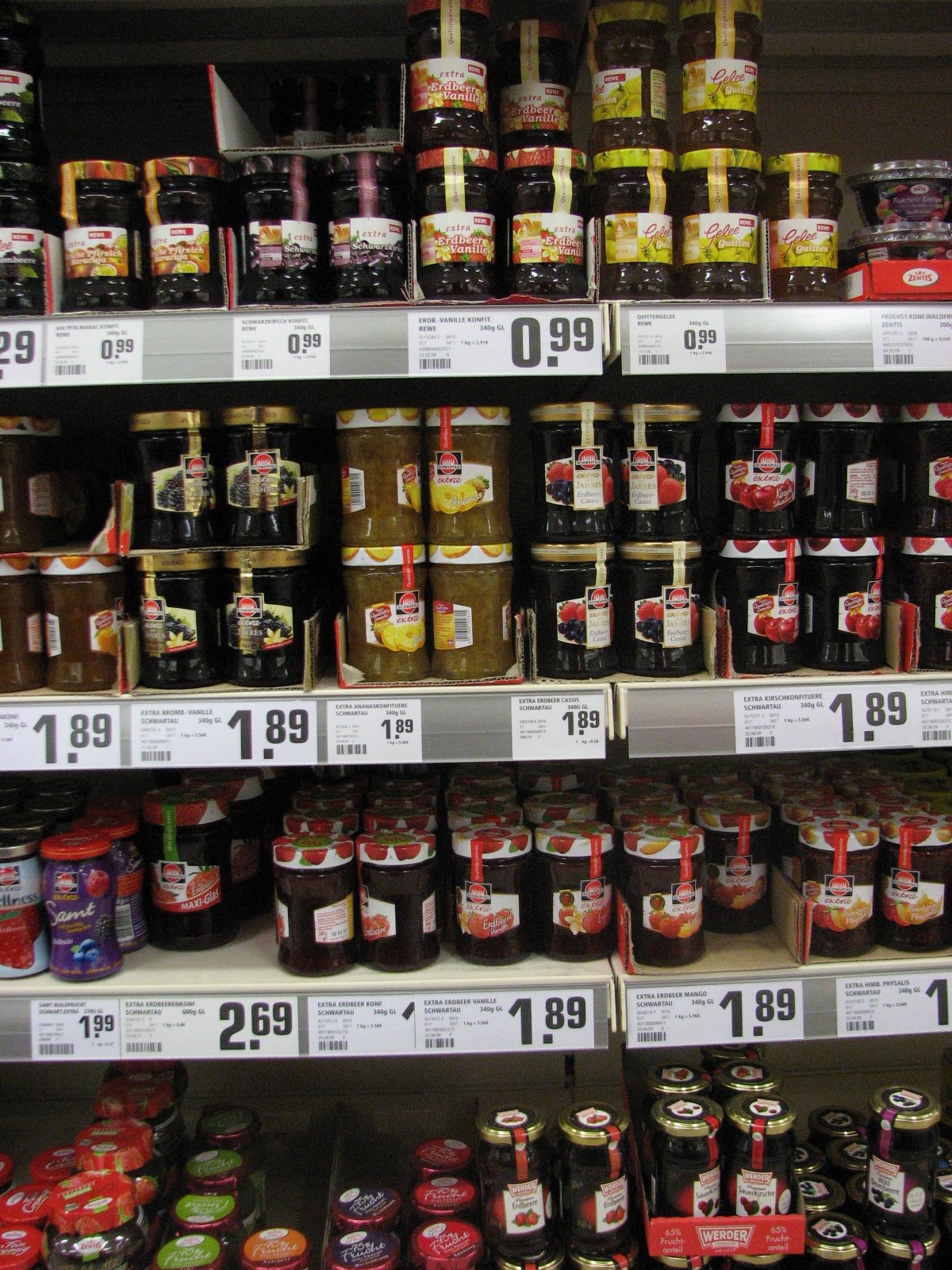
Photo credits: condiment aisle, Tjøme, Norway, CC BY-SA 4.0. Cleaning aisle, Tønsberg, Norway, CC BY-SA 4.0. Jam aisle by RalfR, GFDL 1.2. All via Wikimedia Commons.
Common questions
Is this a conspiracy theory?
No — every ownership relationship here is public corporate structure, disclosed in each company's own investor materials, not a hidden or secret arrangement.
Does this mean there's no real choice at the grocery store at all?
No — independent brands and store-label alternatives genuinely exist. The point is that some of what looks like competition between separate companies is actually one company's internal brand portfolio.
Is Ben & Jerry's still owned by Unilever?
No, as of this piece's research — Unilever completed a full spin-off of its ice cream business, including Ben & Jerry's, in December 2025.
Is the Kraft Heinz split happening?
It was announced in September 2025 but paused indefinitely as of early 2026 — Kraft Heinz remains one company for now.
Disclosure. Brand-ownership structures referenced here were independently researched and verified as of September 2026 against multiple sources, including each company's own investor-relations disclosures; ownership in this industry changes frequently and may have shifted again since publication. The cover photo and the photos in the "What the shelf actually looks like" section are real; every other image on this page is AI-generated and clearly labeled as such. DopamineKart did not receive free products or payment related to this piece. Corrections: email us.