Quick take
- Underconsumption core is an "anti-haul" TikTok trend — using, reusing, and repairing what you already own instead of buying more — that crossed 2 billion views by mid-2025.
- It's not minimalism. Minimalism is a curated, empty-feeling aesthetic; underconsumption core is proudly lived-in — the same worn shoes and same skincare shelf, shown on purpose.
- Coverage consistently ties it to two real pressures: the cost-of-living squeeze and burnout from years of sponsored "haul" content.
- The actual techniques underneath it — cost-per-wear math, basic mending, buying secondhand well — are old, boring, and genuinely useful regardless of whether the hashtag sticks around.
The format is almost aggressively uneventful: someone points a phone at a bathroom shelf, a closet, or a kitchen drawer, says nothing dramatic, and just shows what they already own — the same toothpaste, the same jeans, the same three mugs — captioned #underconsumptioncore. No unboxing, no try-on haul, no discount code. It shouldn't work as content. It has over two billion views.
Where it actually came from
The hashtag started circulating on TikTok in mid-2024, pushed early by creators already known for sustainability content — talking about repairing clothes, repurposing containers, and tracking cost-per-wear instead of chasing trend cycles. Coverage in outlets like WWD and BuzzFeed traces the shift to early 2025, when creators with no prior sustainability angle started posting "what I didn't buy this month" content, and the tag crossed two billion views that summer.
The key distinction from plain minimalism: minimalism is usually about a curated, pared-back aesthetic — empty counters, a small capsule wardrobe, visible restraint as the point. Underconsumption core is the opposite instinct. It's proudly lived-in. The whole format is showing the same worn sneakers, the same dented water bottle, the same skincare shelf, month after month, as its own kind of flex.
Reporting on the trend has repeatedly connected it to two real, unglamorous pressures: the cost-of-living squeeze making "just buy it" land differently than it used to, and genuine fatigue with years of sponsored haul videos telling people their existing stuff was already out of date.
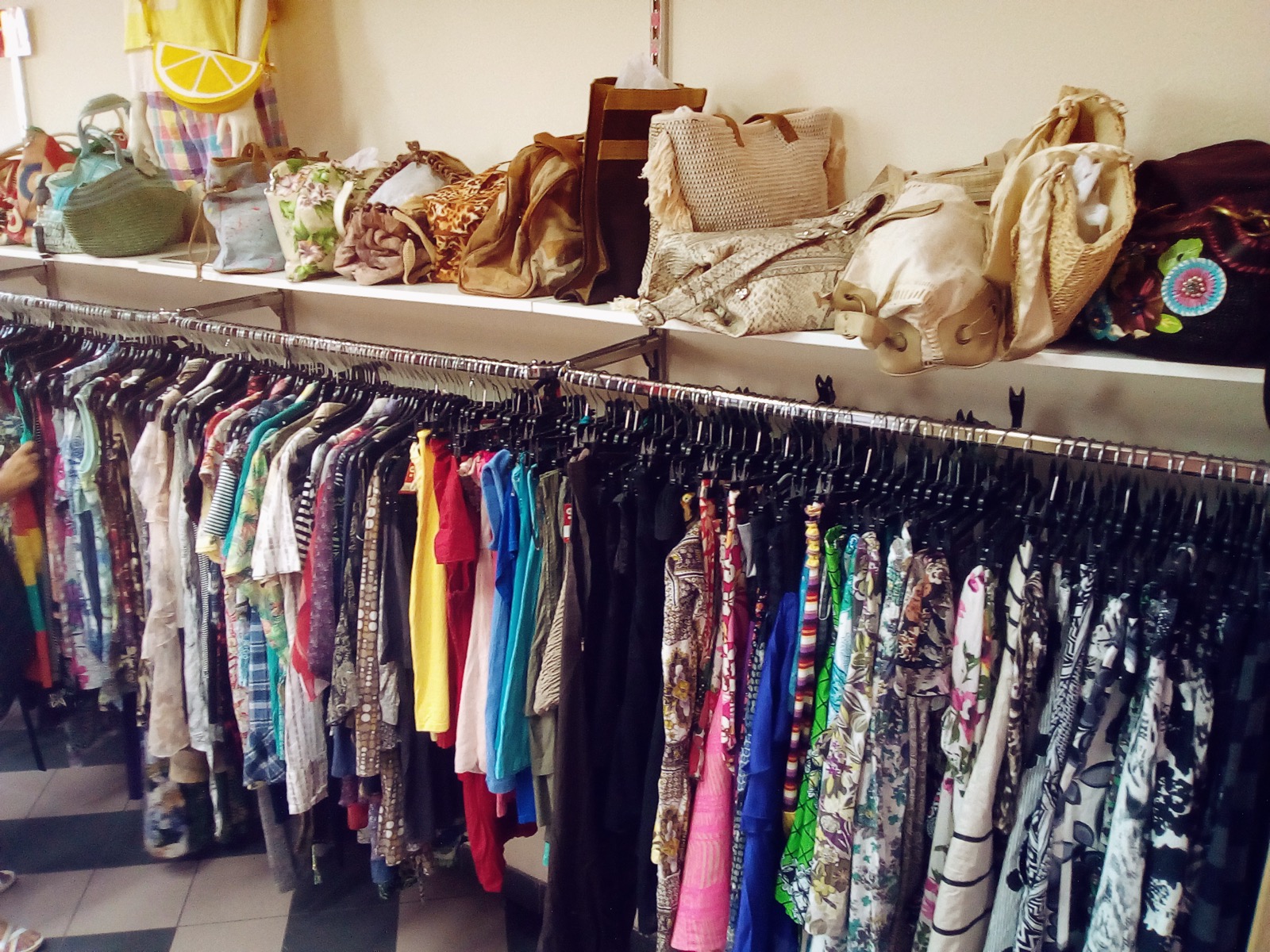

Hearing it from the people who started it
Rather than take the trend's word for itself secondhand, here's how it actually looks and sounds in creators' own posts — pulled live from the #underconsumptioncore tag on TikTok and Instagram.
The techniques underneath the hashtag
Strip away the aesthetic and there are three genuinely old, genuinely boring practices doing the actual work.
Cost-per-wear is the math the trend keeps citing informally: divide what something cost by how many times you've actually worn or used it. A $20 t-shirt worn 100 times costs 20 cents a wear; a $200 jacket worn twice cost $100 a wear. It reframes "cheap" and "expensive" around use instead of sticker price, which is exactly why a well-worn old item usually beats a fresh replacement on the metric that supposedly matters.
Basic mending is the visible-in-videos skill: darning a sock's worn heel with a needle and thread wrapped in a simple woven patch, sewing a popped button back on, or patching a small tear before it becomes a hole big enough to end the garment. None of it requires a machine — hand-darning a sock takes a needle, thread, and about fifteen minutes once you've done it twice.
Buying secondhand well is a skill of its own, not just showing up to a thrift store. It means checking seams and zippers before checking the price tag, trying things on rather than guessing sizing (secondhand sizing runs inconsistent across eras and brands), and going in without a specific item in mind — secondhand shopping rewards flexibility, not a shopping list.
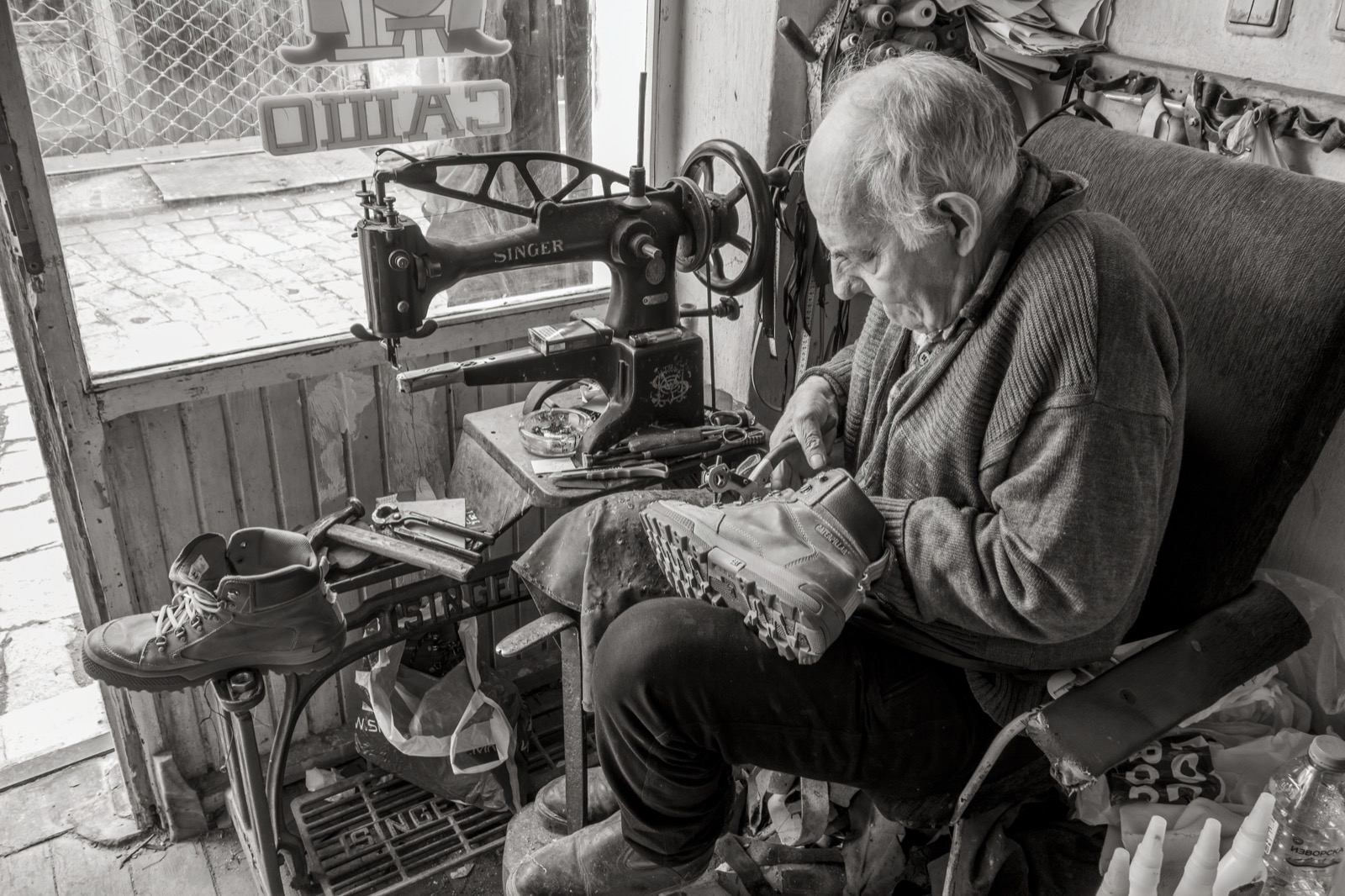
Shoe repair is the most-skipped version of this: a cobbler can usually resole, reglue, or reheel a pair of shoes for meaningfully less than replacing them, and it's a service that still exists in most cities even though almost nobody thinks to look for one first anymore.
Track cost-per-wear
Price divided by number of uses. Reframes "expensive" around how much you actually use something, not what it cost.
Learn basic mending
Darning a sock heel, reattaching a button, patching a small tear. Needle, thread, about fifteen minutes.
Shop secondhand well
Check seams and zippers first, try things on, go in without a specific item in mind.
Use a cobbler
Resoling or reheeling usually costs meaningfully less than replacing the shoes outright.
Where the discourse gets messy
It's not a uniformly welcomed trend. Some coverage — including a widely shared piece from The Everygirl — has pointed out the irony of an aesthetic-driven trend telling people to consume less while still running on the same content-performance incentives as every other TikTok trend: the "right" muted color palette, the "right" brands to already own, an implicit judgment of anyone whose existing stuff doesn't photograph as tastefully worn-in. Critics have also noted it can read as survivorship bias — it's easier to film "I already own enough" when what you already own is nice.
The trend's defenders would say that critique doesn't undo the underlying math: buying less and using things longer is genuinely cheaper and lower-waste regardless of how aesthetically it gets filmed. Both things can be true at once — a real, useful shift in behavior, wrapped in the same performative packaging as everything else on the app.
Common questions
Is underconsumption core just minimalism rebranded?
No. Minimalism is typically about a curated, pared-down look — empty surfaces, a small capsule wardrobe. Underconsumption core is about visibly still using what you already own, worn edges included; the look is "lived-in," not "empty."
Is this really about saving money, or is it just a new aesthetic?
Reporting on the trend consistently ties it to real cost-of-living pressure and haul-culture fatigue — but like any TikTok trend, it also comes with its own visual shorthand and performance element once it goes mainstream. Both are real at the same time.
Do I need special tools to start mending clothes?
No. Basic darning and button repair just need a needle, thread, and a few spare minutes — no sewing machine required to start.
Is buying secondhand actually cheaper long-term?
Usually, yes, especially combined with cost-per-wear thinking — a well-made secondhand item worn for years costs less per use than a cheaper new item replaced repeatedly.
Underconsumption core is a real response to a real problem — years of manufactured haul pressure meeting a genuinely tighter economy — and it deserves credit for making "I already own this" feel shareable instead of embarrassing. The aesthetic performance around it is a fair thing to be skeptical of. The math underneath it — cost-per-wear, basic mending, buying secondhand with some care — isn't a trend at all. It's just older and more boring than the hashtag makes it look.
Disclosure. This is a trend explainer, not a product roundup. DopamineKart has no business relationship with any creator, platform, or brand named or embedded above, and nothing here is sponsored. Embedded posts are pulled live from TikTok's and Instagram's official oEmbed widgets, linking directly to the original creators' accounts — DopamineKart does not host, alter, or claim ownership of that video content. Photography is real, sourced from Wikimedia Commons: "Clothing racks in second hand shop, Prague" by MAKY.OREL (CC BY-SA 4.0); "Darning a Sock" by Sandra Cohen-Rose and Colin Rose (CC BY-SA 2.0); "Cobbler repairing shoes in old workshop (Bazaar in Bitola, Macedonia, 2025)" by Petar Milošević (CC BY-SA 4.0), winner of the 2025 Wiki Loves Folklore competition.
Corrections: email us