Antioxidant serums are one of skincare's most consistently recommended categories -- and also one of the most confusingly marketed. Vitamin C, ferulic acid, resveratrol, niacinamide, and green tea all get grouped under the same "antioxidant" label, but they don't all do the same job, and they don't all deserve the same hype. Here's what the actual research says about each one, prompted by Vogue's recent coverage of the category.
The Ingredients, One at a Time
Five antioxidants that show up constantly in serums -- what each one actually does, and where the marketing gets ahead of the research.
Vitamin C: The One With the Most Research Behind It

Vitamin C is the antioxidant with the deepest research base in skincare, and the one most dermatologists point to first. As a potent antioxidant, it defends skin against free-radical damage from UV rays and pollution, and it's associated with brightening, firmness, and smoother tone with consistent use.
Its biggest practical problem is stability: L-ascorbic acid, the most researched and most effective form, degrades when it's exposed to air, heat, or light -- which is why a vitamin C serum turning yellow, amber, or brown in the bottle is a real, visible sign it has oxidized and lost potency, not just a cosmetic quirk.
That instability is exactly why vitamin C is so often paired with vitamin E and ferulic acid rather than sold alone -- the combination is one of the most studied in the category. A widely cited formulation of the three together has been shown in lab testing to cut combined oxidative damage from UVA/UVB rays, ozone, and diesel exhaust by as much as 41%. Ferulic acid's specific job in that trio is stabilization: it's a plant-derived antioxidant (naturally found in oats, rice bran, and citrus) whose main skincare role is helping the other two hold their potency longer.
Ferulic Acid: The Stabilizer, Not Just Another Antioxidant

Ferulic acid rarely gets marketed on its own, and that's honestly accurate to its role -- its main job in a serum is less about independent antioxidant firepower and more about keeping other antioxidants, especially vitamin C, stable and effective for longer. If a vitamin C serum lists ferulic acid on the label, that's a formulation choice aimed at making the vitamin C last, not a separate active ingredient added for its own sake.
Resveratrol: The Grape-Derived Antioxidant for Sensitive Skin
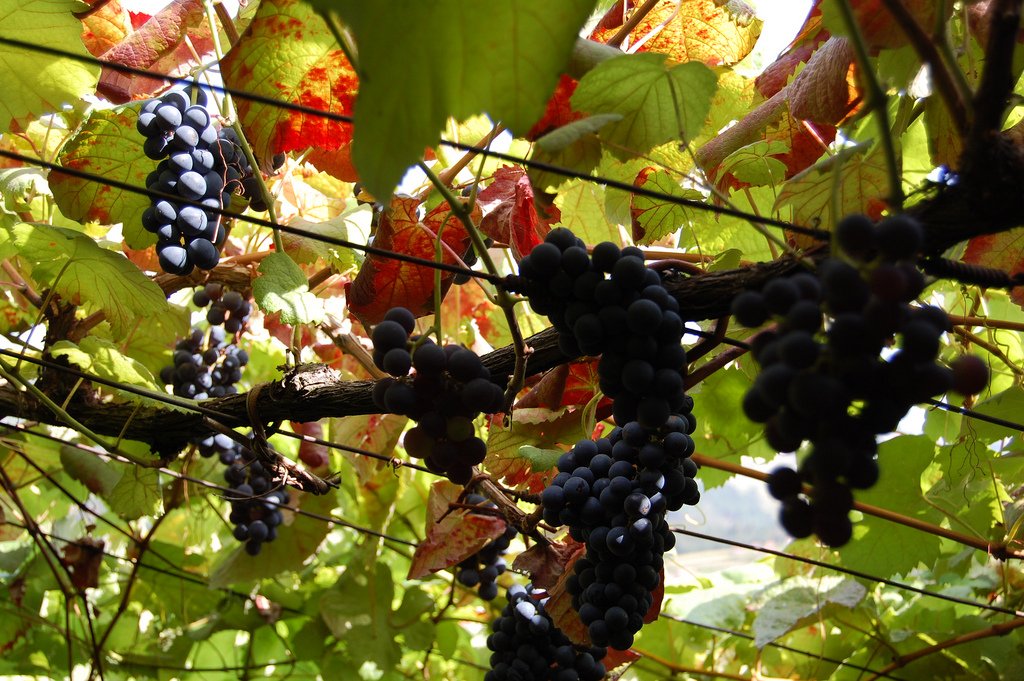
Resveratrol is a plant-based phenol, most familiar as the compound behind red wine's antioxidant reputation, and board-certified dermatologists have pointed to it as being particularly effective at neutralizing free radicals and helping protect existing collagen. It's generally considered gentle enough for both morning and evening use, and it's often recommended specifically for people managing sensitive skin, rosacea, or eczema, since it carries real anti-inflammatory properties alongside its antioxidant ones.
It's commonly paired with niacinamide rather than sold alone -- the two target different things (resveratrol for antioxidant defense and calming, niacinamide for tone and barrier support), so the combination covers more ground than either ingredient does by itself.
Niacinamide: Barrier Support More Than Pure Antioxidant
Niacinamide (a form of vitamin B3) gets grouped with antioxidant serums constantly, but it's worth being precise about what it actually does: it minimizes the appearance of pores, helps regulate oil production, supports the skin barrier, and helps with tone and mild hyperpigmentation, more than it acts as a standalone free-radical fighter the way vitamin C or resveratrol do. That doesn't make it less useful -- it's one of the best-tolerated actives in skincare and works well layered with almost anything -- but it's a different kind of ingredient doing a different kind of job, not a vitamin C substitute.
Green Tea (EGCG): Real Research, Formulation-Dependent Results
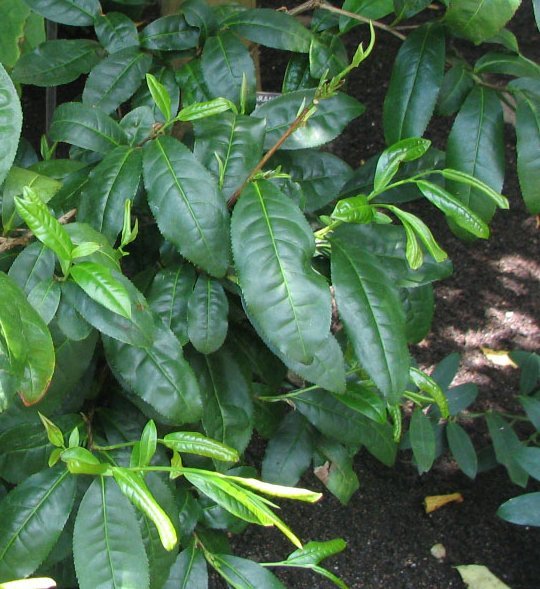
EGCG (epigallocatechin gallate) is the most abundant polyphenol in green tea -- it accounts for more than half of green tea's catechin content -- and it has real, published research behind it: peer-reviewed studies have found it protects against UV-induced sunburn response, immune suppression, and photoaging. In one controlled 8-week study of 35 participants, a topical EGCG formulation at 1% and 5% concentrations measurably improved blemish-prone skin, with mild itching the only common side effect reported.
The honest caveat: EGCG is chemically unstable in light and doesn't penetrate skin particularly well on its own, so a green tea serum's real-world performance depends heavily on formulation and packaging -- far more than the percentage printed on the front of the bottle.
Why the Bottle Matters More Than the Label
Across independent stability testing, the single strongest predictor of how long a vitamin C serum stays effective isn't its concentration or pH -- it's packaging. Serums in dark glass or opaque, airless pump bottles consistently outperform the same formulas sold in clear glass or open dropper bottles, because light and air exposure are the two biggest drivers of oxidation.
A few real, practical habits make a measurable difference: keep the bottle away from direct sunlight and out of a steamy bathroom, close the cap fully after every use, and store it somewhere cool -- roughly 8-12°C (46-54°F) is considered ideal for slowing the chemical reactions behind oxidation, which is part of why some people keep vitamin C serums in the refrigerator. Properly stored and unopened, a well-formulated L-ascorbic acid serum is typically stable for 12 to 18 months from manufacture; once opened, most brands recommend using it within 4-6 weeks to a few months for full potency.
How to Actually Use One
Antioxidant serums are a morning-routine staple for a specific reason: they work by neutralizing free radicals from UV exposure and pollution over the course of the day, which means their job overlaps directly with what sunscreen is doing. Dermatological guidance generally places them in this order: cleanse, apply the antioxidant serum to dry skin, let it absorb for a minute or two, moisturize, then finish with sunscreen -- the serum and the SPF are complementary, not substitutes for each other.
Not every antioxidant needs to be saved for daytime, though. Resveratrol in particular is commonly used at night as well as in the morning, and niacinamide is often split across both -- niacinamide in the morning for barrier support under sunscreen, resveratrol at night for its calming, antioxidant-focused effect. If layering more than one active in the same routine, the general rule dermatologists give is thinnest consistency to thickest, waiting a minute or two between layers so each one absorbs before the next goes on.
Common questions
Do I need a vitamin C serum if I already wear sunscreen? They do different jobs. Sunscreen blocks UV rays from reaching skin in the first place; an antioxidant serum neutralizes the free radicals that still form from UV exposure, pollution, and other everyday stressors sunscreen doesn't fully block. Dermatological guidance treats them as complementary, not interchangeable.
Is a serum that's turned orange or brown still safe to use? Safety and effectiveness are two different questions. A vitamin C serum that has visibly darkened has oxidized and lost most of its antioxidant potency -- it likely won't cause harm, but it's also no longer doing the job you bought it for.
Can I use more than one antioxidant serum at once? Generally yes -- vitamin C paired with vitamin E and ferulic acid, or niacinamide paired with resveratrol, are both well-established combinations. Layer thinnest to thickest and give each product a minute or two to absorb before the next.
Why doesn't this article list specific products or prices? Ingredient effectiveness depends heavily on concentration, formulation, and packaging -- three things that vary a lot even within the same ingredient category -- and prices change too often to responsibly publish here. This piece is about what the ingredients actually do, not a shopping list.
Sources
- Green Tea Polyphenols Provide Photoprotection, Increase Microcirculation, and Modulate Skin Properties of Women — The Journal of Nutrition (peer-reviewed)
- Skin Protective Effect of Epigallocatechin Gallate — PMC / National Institutes of Health
- Green tea as a cosmetic agent for skin aging: A scoping review — PMC / National Institutes of Health
- Resveratrol in Skincare — Mona Dermatology, as covered by CNN
- Vitamin C Serum Stability Test — 90-Day Oxidation Study — Evident Reviews, independent lab testing
Disclosure. This piece was independently researched and written by DopamineKart Legit; it was not commissioned or reviewed by any skincare brand. It references Vogue's coverage of antioxidant serums as a starting point but does not reproduce Vogue's text -- all claims here are drawn from and cited to the primary research and expert sources listed above. Photography is real, credited Wikimedia Commons imagery. Corrections: email us.