1
Application and penetration
Retinol is applied topically and absorbed into the outer layers of skin, where it needs to reach living skin cells to have an effect.
✨ Diagram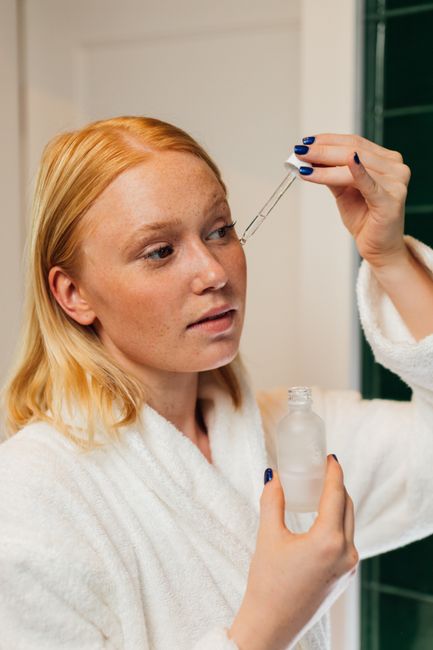
Retinol is everywhere in skincare marketing, but what it actually does to your skin — and how long it takes — is often oversimplified. Here's the real story.
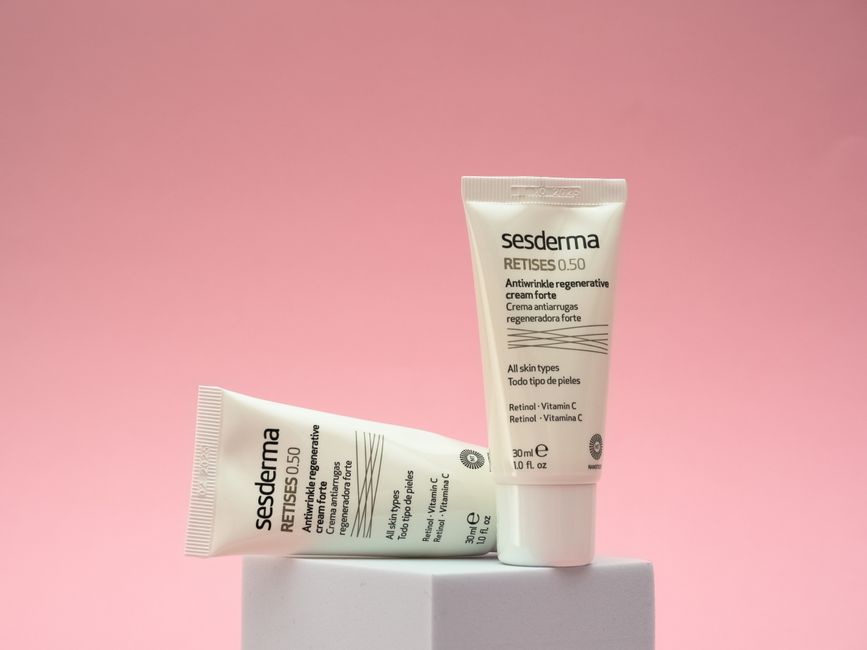
Retinol is applied topically and absorbed into the outer layers of skin, where it needs to reach living skin cells to have an effect.
Skin enzymes convert retinol into retinaldehyde, then into retinoic acid. This two-step conversion happens gradually, which is part of why retinol is less irritating than direct retinoic acid treatments.

Retinoic acid binds to nuclear retinoid receptors in skin cells, which changes how genes related to cell turnover and collagen production are expressed.
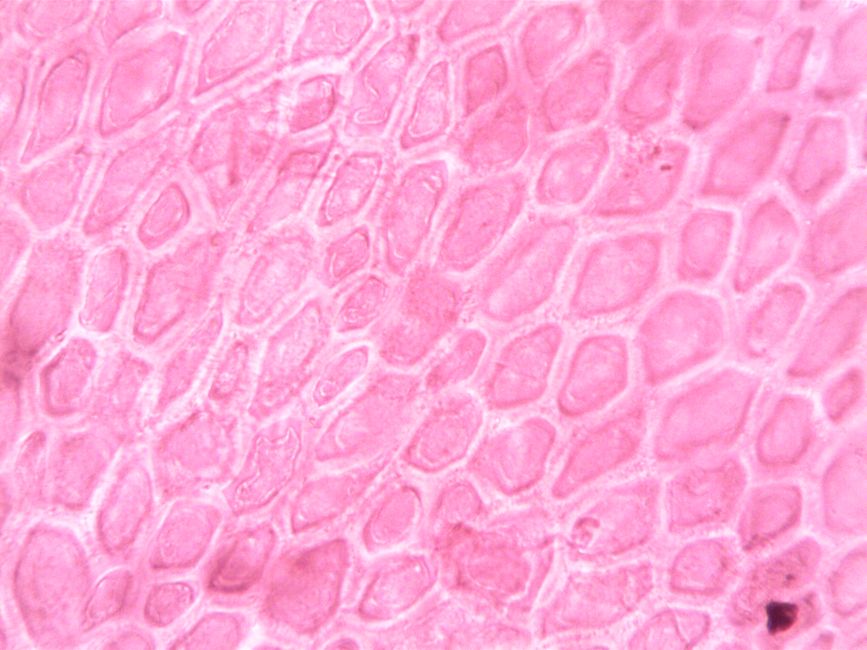
This signals skin cells to divide and shed faster, which can help fade dark spots, smooth rough texture, and unclog pores over time.
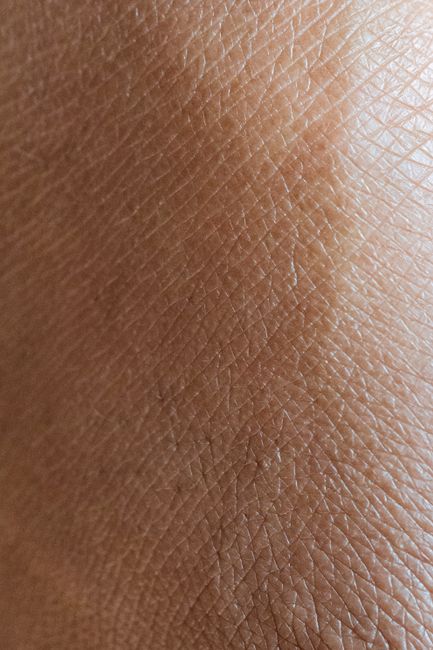
Retinoids are also linked to increased collagen production and slowed collagen breakdown, which is the main reason they're associated with reducing fine lines over months of consistent use.

Retinol is a well-supported, dermatologist-backed ingredient for improving skin texture, tone, and fine lines — but it works gradually through a real biological conversion process, not instantly. Understanding that timeline, and easing in properly, makes the difference between a good experience and a frustrating one.
Most people notice initial texture and tone improvements after 8 to 12 weeks of consistent use, with continued improvement over several months.
Not right away. Most dermatologists recommend starting two to three nights a week and gradually increasing frequency as your skin builds tolerance.
No. Retinol is an over-the-counter form of vitamin A that must be converted by skin enzymes into its active form. Retin-A (tretinoin) is a prescription retinoid that's already active, making it stronger and faster-acting.
They can be combined, but it's generally best to alternate them (e.g., vitamin C in the morning, retinol at night) or introduce them separately to avoid irritation, especially when starting out.
Affiliate disclosure. DopamineKart is a participant in the Amazon Services LLC Associates Program. As an Amazon Associate, DopamineKart earns from qualifying purchases — at no extra cost to you, and it never changes a verdict. Sources. Recommendations are our editorial opinion; verify current specs and availability before buying.
Corrections: email us