Quick take
- Blockbuster opened its first store on October 19, 1985, in Dallas, founded by David Cook. By its 2004 peak, it operated 9,094 stores worldwide with 84,300 employees.
- In 2000, Netflix co-founder Reed Hastings flew to Dallas and offered to sell Netflix to Blockbuster for $50 million. Blockbuster's CEO, John Antioco, turned it down — widely reported as calling Netflix a "niche business."
- Blockbuster's 2005 "No Late Fees" campaign backfired into a real legal problem: 47 states and D.C. settled with the company for $630,000 over how the program was advertised.
- Blockbuster filed for Chapter 11 bankruptcy on September 23, 2010. In 2011, DISH Network bought roughly 1,700 remaining stores for about $228 million, then closed the last company-owned locations in 2013.
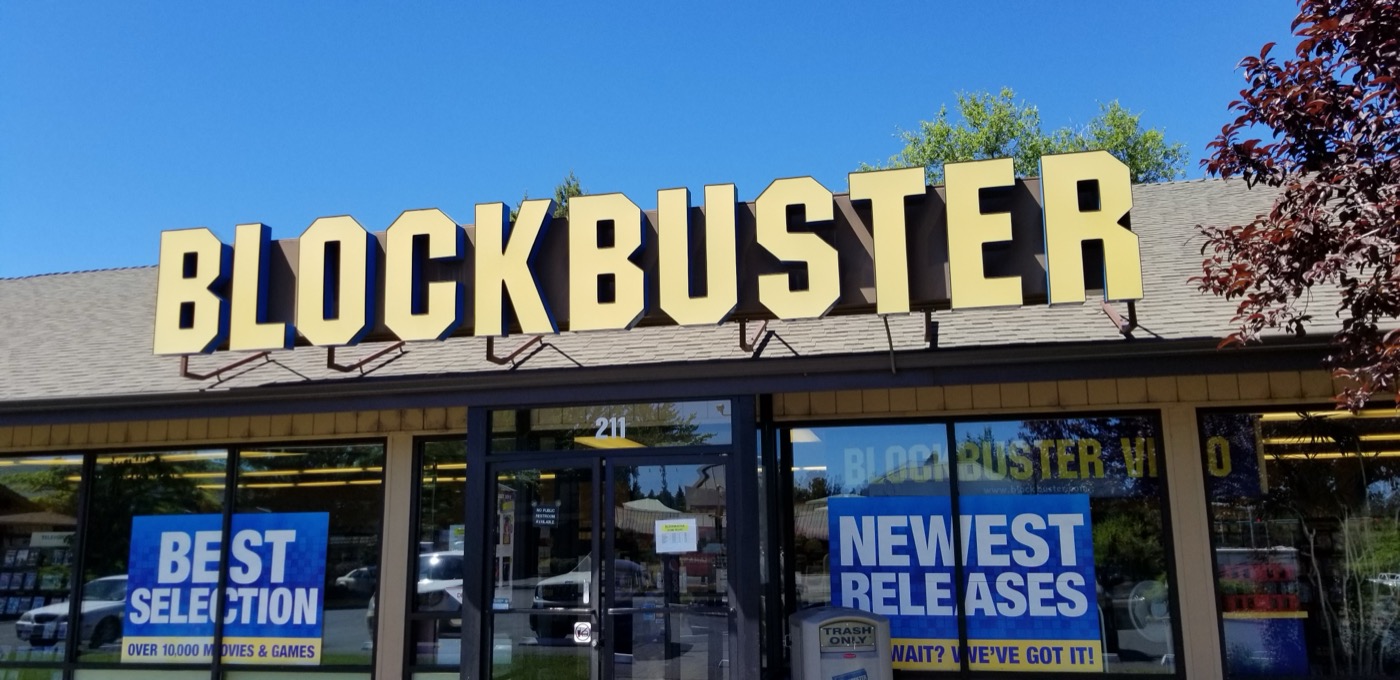
- One store never got the memo. A Bend, Oregon location — independently owned, licensing the name from DISH — became the last Blockbuster in the U.S. in July 2018, then the last in the world in March 2019. It's still open.
Somebody in your family had a system. Mine was: Dad got one pick, my sister got one pick, I got one pick, and then we'd spend another ten minutes fighting over a fourth movie nobody actually needed. The carpet was that specific shade of rental-store blue, the new releases wall had a waiting list you could feel in the air, and the whole thing smelled like popcorn that wasn't actually being made anywhere in the building. That was Friday night. For about fifteen years, for a huge number of American households, that just was Friday night.
Then it wasn't, and most people can tell you Netflix did it, and almost nobody can tell you the actual sequence of how a company with over nine thousand stores got reduced to one — the same one, on purpose, in a town in central Oregon that's turned it into a genuine tourist stop. So let's do the whole thing properly.
One Store, Then Nine Thousand of Them
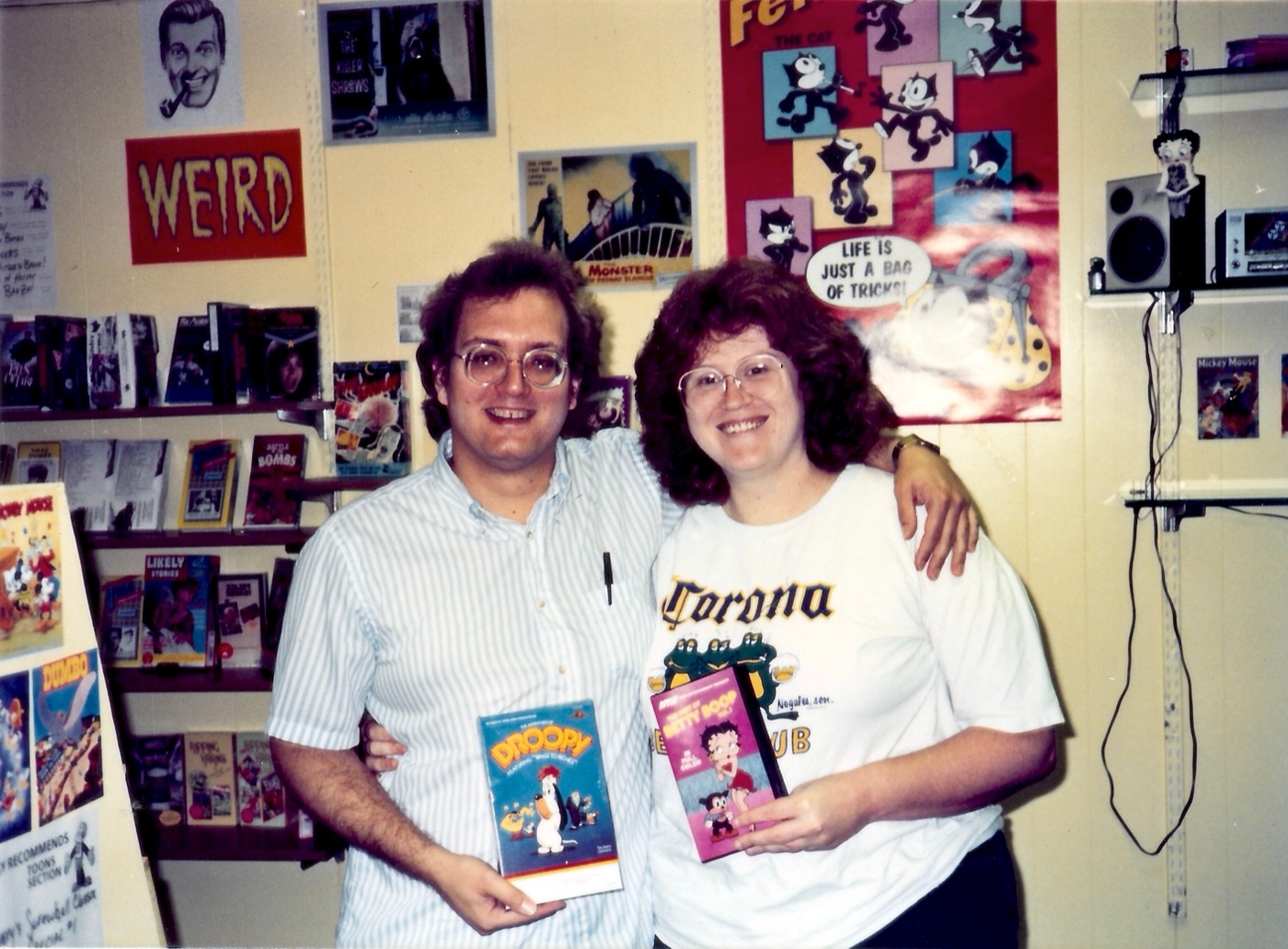
Blockbuster's first store opened October 19, 1985, in Dallas, Texas, founded by David Cook, who'd been working in the oil industry building data systems before he moved into video rental. The pitch that made it different from the video store on your corner wasn't the movies — it was the inventory. Blockbuster used computerized checkout and stocking to keep way more copies of way more titles on the shelf than a typical independent store could manage, which meant a much better shot at actually getting the new release you drove there for.
It scaled fast. Media giant Viacom acquired Blockbuster in 1994, and by its peak in 2004, the chain operated 9,094 stores and employed roughly 84,300 people worldwide. John Antioco had taken over as CEO in 1997 and would still be running the company for the decision that, in hindsight, is the whole story.
The $50 Million Phone Call That Wasn't Taken Seriously
In 2000, Netflix was a small, unprofitable DVD-by-mail startup, and its co-founder Reed Hastings flew to Dallas with an offer: Blockbuster buys Netflix for $50 million, and Netflix's team runs Blockbuster's online arm going forward. This meeting is widely reported by people who were in the room, on both sides, in the years since — including Hastings himself in multiple interviews.
Antioco passed. The most commonly repeated version of the story has Blockbuster's leadership all but laughing Hastings out of the room, with Antioco reportedly dismissing Netflix as a niche business riding "dot-com hysteria." Ten years later, Netflix was worth billions and Blockbuster had filed for bankruptcy. It's become one of the most-cited what-if moments in modern business — worth being honest that some retellings have sharpened the drama over twenty-five years of being repeated, but the core fact isn't in dispute: the deal was offered, at that price, and Blockbuster said no.
"No Late Fees" Was a Bigger Problem Than the Late Fees
Late fees were Blockbuster's most famous — and most resented — feature, and in 2005 the company tried to fix its own reputation with a "No Late Fees" ad campaign. The catch, which the ads didn't make clear enough, was that a rental left unreturned for about a week would simply be charged to your card as a purchase, and getting your money back after that meant paying a restocking fee.
Regulators noticed. In March 2005, attorneys general from 47 states and Washington, D.C. reached a settlement with Blockbuster over the advertising, and the company paid $630,000 to resolve it. The actual mechanics that got disclosed as part of that process: an item overdue past the grace window got charged at its full sale price — commonly in the $8 to $20 range depending on the title — and if you returned it within 30 days after that, you got most of your money back minus a $1.25-per-item restocking fee. "No late fees," as it turned out, mostly meant a different, less-advertised fee.
What Actually Killed It
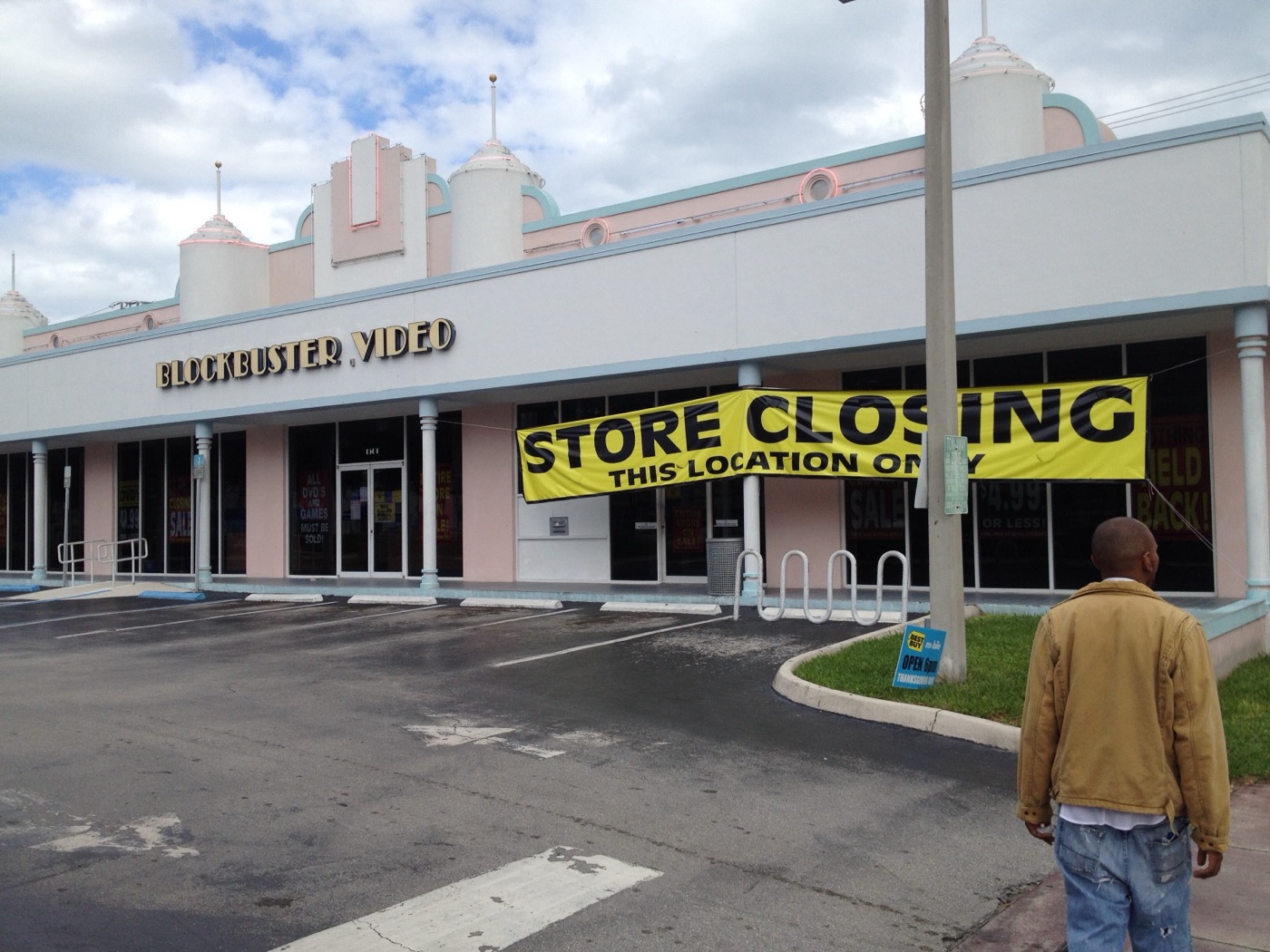
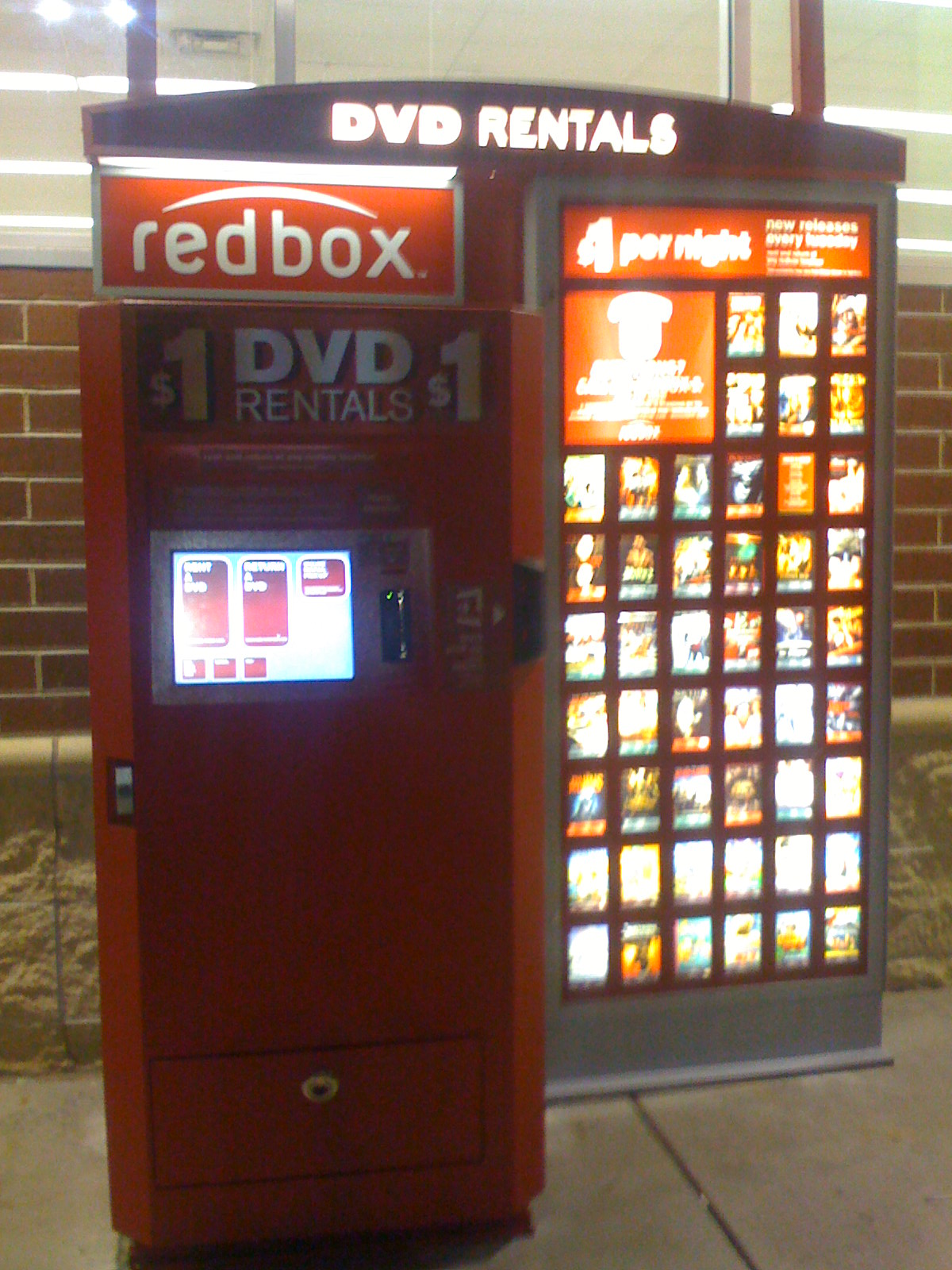
This is the part that gets flattened into "Netflix killed Blockbuster," which is true in outline and wrong in the details. Blockbuster was carrying heavy debt from its Viacom-era spinoff, and it was fighting a two-front war it never fully won: Netflix on the mail-and-later-streaming side, and Redbox's dollar-a-night kiosks undercutting it on price for anyone who just wanted one movie. Blockbuster tried to respond — a "Total Access" program let you rent online and swap in-store, and it experimented with its own streaming — but the moves came late, and they came on top of a debt load that didn't leave much room to survive a bad year, let alone several of them.
First store opens in Dallas, founded by David Cook.
Viacom acquires Blockbuster.
Netflix offers to sell to Blockbuster for $50 million; Blockbuster declines.
Peak: 9,094 stores, roughly 84,300 employees worldwide.
"No Late Fees" campaign leads to a $630,000 settlement with 47 states and D.C.
Blockbuster files for Chapter 11 bankruptcy, September 23.
DISH Network buys roughly 1,700 remaining stores out of bankruptcy for about $228 million.
DISH closes the last company-owned Blockbuster stores.
The independently owned Bend, Oregon store becomes the last in the U.S. (July 2018), then the last on Earth (March 2019).
The Bend store is still open, still renting movies, and still licensing the Blockbuster name from DISH every year.
The One That's Still Open
Here's the detail that surprises people every time: the last Blockbuster on Earth isn't a corporate relic somebody forgot to shut off. It's an independently owned franchise in Bend, Oregon, run by Ken Tisher, who licenses the Blockbuster name from DISH Network on a yearly basis. It carries roughly 1,200 titles and counts an estimated 4,000 members who still rent from it regularly — not as a bit, as an actual video store. It's been the subject of a 2020 documentary, was listed on Airbnb for an overnight stay, and sells its own merchandise leaning fully into being the last one standing.
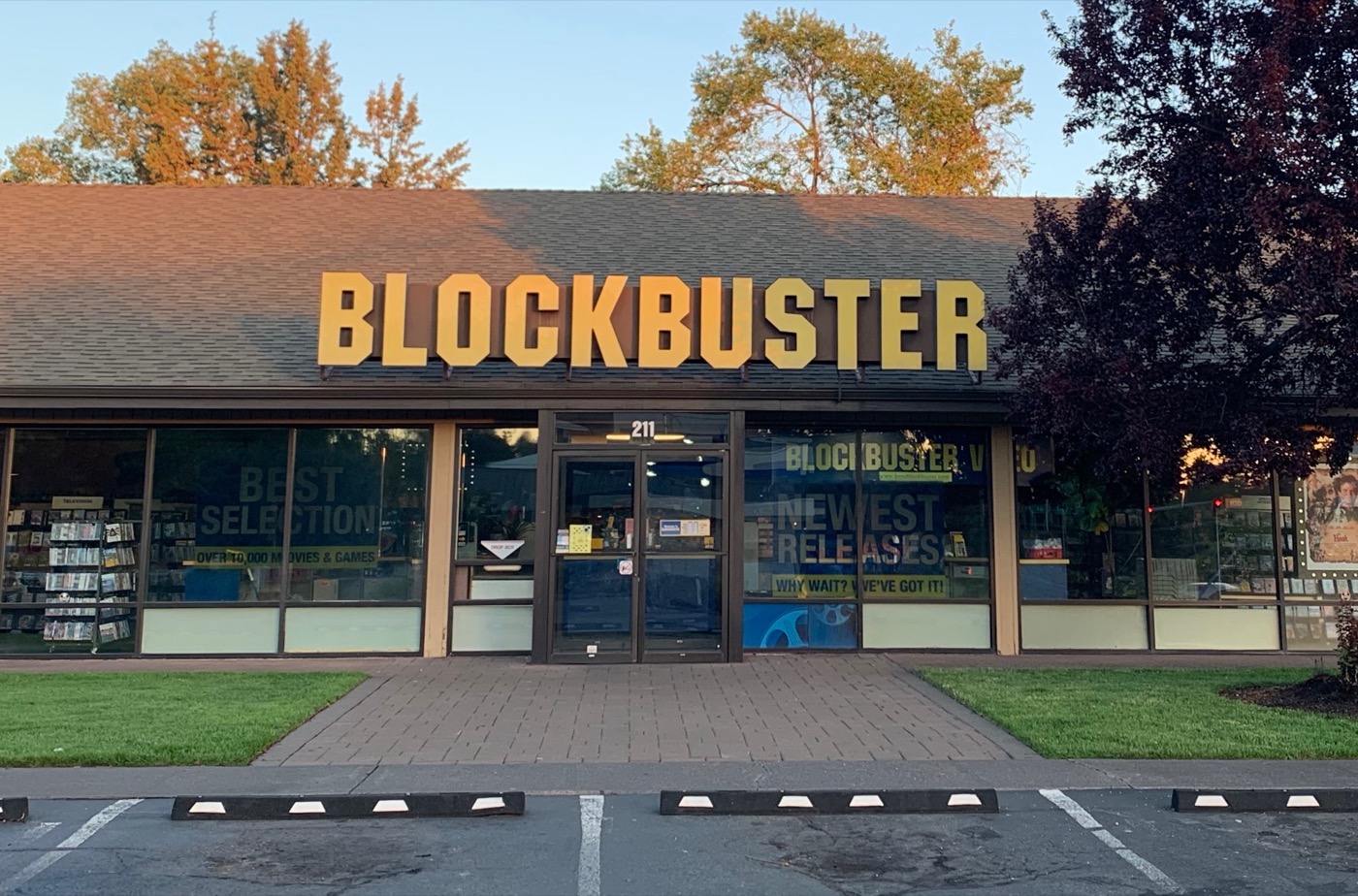
So the honest answer to "whatever happened to Blockbuster" is that almost all of it is gone — the debt, the bankruptcy, the 9,000-plus stores, the corporate structure that survived under DISH for a couple of years and then didn't. But not literally all of it. One store, run independently, in one Oregon town, kept the lights on past the point anyone expected and turned that into its whole identity. If you want to feel something specific, you can still drive there and rent a physical movie tonight.
The Part Nobody Believes: I Don't Actually Miss the Late Fees
I'll be straight with you — nobody is nostalgic for the fee. I'm nostalgic for the walk to the new-release wall, the argument about which movie, the plastic case that never quite closed right. There was a shape to that Friday that streaming never replicated, because streaming removed the part where you could lose. You could get there and the movie could be gone, every copy, and you'd have to actually negotiate with your family about what happened next. That's not a system I'd bring back. But I remember exactly what it felt like, and that's apparently enough to write six hundred words about it.
I live next to LAX; I hear planes over my house from about six in the morning until whenever the last redeye leaves. I watch everything on Pacific Time, because a rerun means more to me at the hour I actually watched it the first time. I still make the drive to Randy's for the giant donut on the roof, not because it's objectively the best one in LA, but because sitting under that sign is its own kind of channel-surfing through the city's memory. So yes — I miss the store. I'm allowed to.
Common questions
Is there still a real Blockbuster store open?
Yes — one, in Bend, Oregon. It's independently owned and operated, licensing the Blockbuster name from DISH Network each year, and has been the last one on Earth since March 2019.
Did Blockbuster really turn down a chance to buy Netflix?
Yes. In 2000, Netflix offered to sell itself to Blockbuster for $50 million; Blockbuster's CEO John Antioco declined. The exact tone of that meeting has been retold many ways over 25 years, but the offer and the rejection aren't in dispute.
What actually caused the bankruptcy?
A combination: heavy debt from Blockbuster's 1990s corporate history, competition from Netflix's mail-and-streaming model and Redbox's kiosks, and a "No Late Fees" campaign in 2005 that created a real legal and reputational problem instead of fixing one. Blockbuster filed for Chapter 11 bankruptcy on September 23, 2010.
Who owns Blockbuster now?
DISH Network owns the Blockbuster brand and trademark, having acquired the company's remaining assets out of bankruptcy in 2011. The Bend, Oregon store is independently owned and simply licenses the name from DISH.
How many Blockbuster stores were there at the peak?
9,094 stores worldwide in 2004, with roughly 84,300 employees.
Blockbuster didn't lose to one better idea — it lost to a debt load it couldn't outrun while three separate threats closed in from three directions, and it turned down the cheapest possible way out for $50 million in a room in Dallas. Nine thousand and ninety-four stores became one, and that one is still open, on purpose, run by people who decided the joke was worth keeping alive. I can't call something a 10 when you can still drive to it and rent a movie tonight — that's not nostalgia, that's an errand. 9.2 out of 10, and the last point-eight is sitting in Bend, Oregon, waiting for somebody to go rent a copy of something.
Legit disclosure. This is an independently researched nostalgia-history article. It contains no affiliate links, paid placement or sponsorship. Personal recollections are identified as such and should not be interpreted as documentary evidence. Facts (founding, the 2004 peak, the 2000 Netflix offer, the 2005 "No Late Fees" settlement, the 2010 bankruptcy, the 2011 DISH acquisition, and the Bend, Oregon store's current status) are drawn from public reporting and official records, including Wikipedia, the Washington State and California Attorneys General settlement announcements, CBS News, CNBC, Yahoo Finance, and Newsweek's fact-check of the Netflix offer.
Corrections: email us