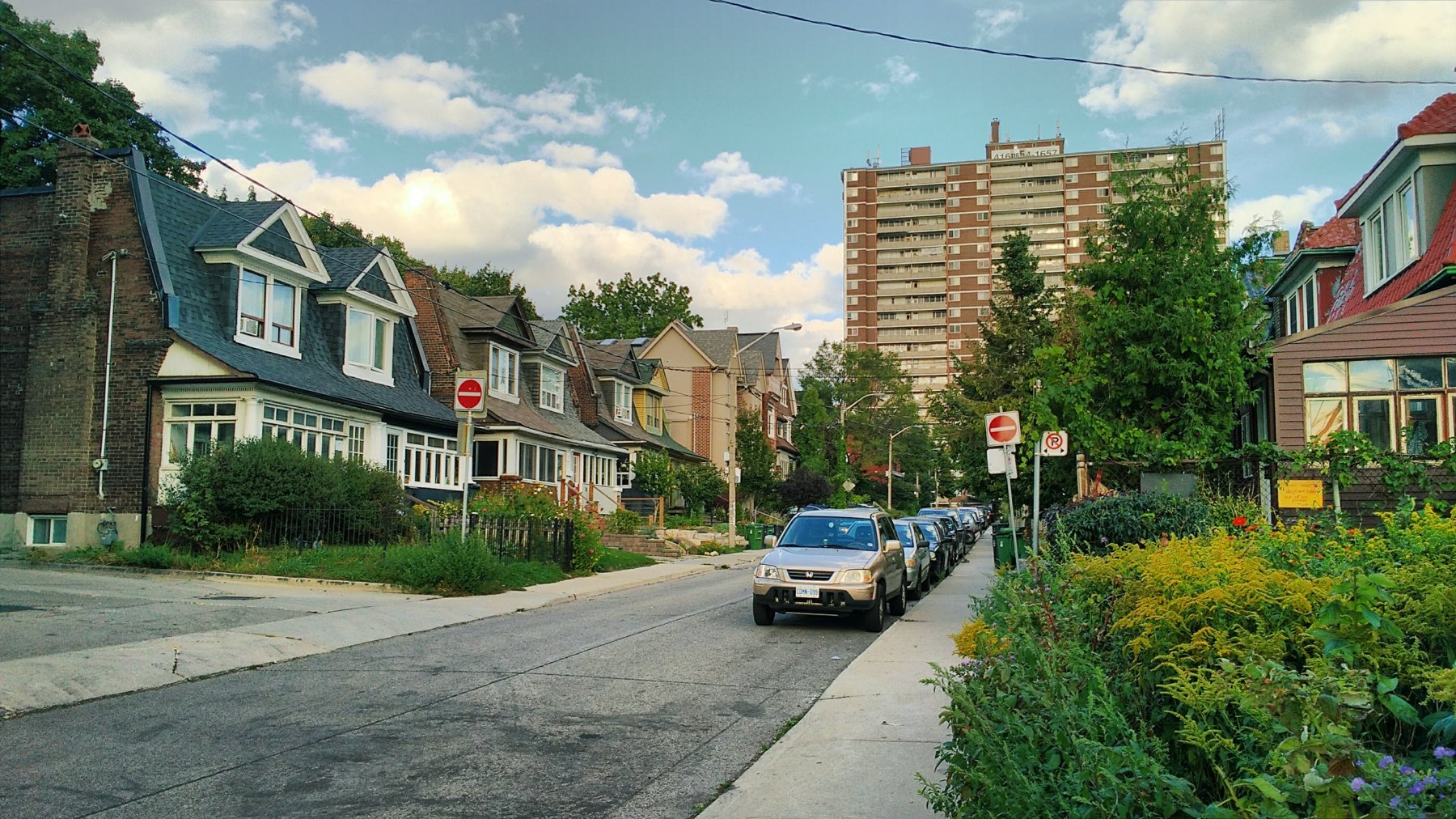
The loudest trends of the last decade were about acquiring more — more square footage, more stuff, more visible hustle. The quiet counter-trend running underneath all of it is about wanting less of almost everything, on purpose.
More stopped feeling like winning
For a long stretch, "more" was the obvious goal: a bigger house, a longer commute traded for a bigger salary, a calendar packed enough to prove you were needed. The math behind that trade has quietly stopped working for a lot of people — more square footage means more to clean, heat, and furnish; more stuff means more to organize, insure, and eventually discard; more commitments means less actual time to enjoy any of what the effort was supposedly for.
The shift isn't a rejection of ambition. It's a rejection of the specific idea that "more" is the same thing as "better" — a distinction a lot of people spent years not making.
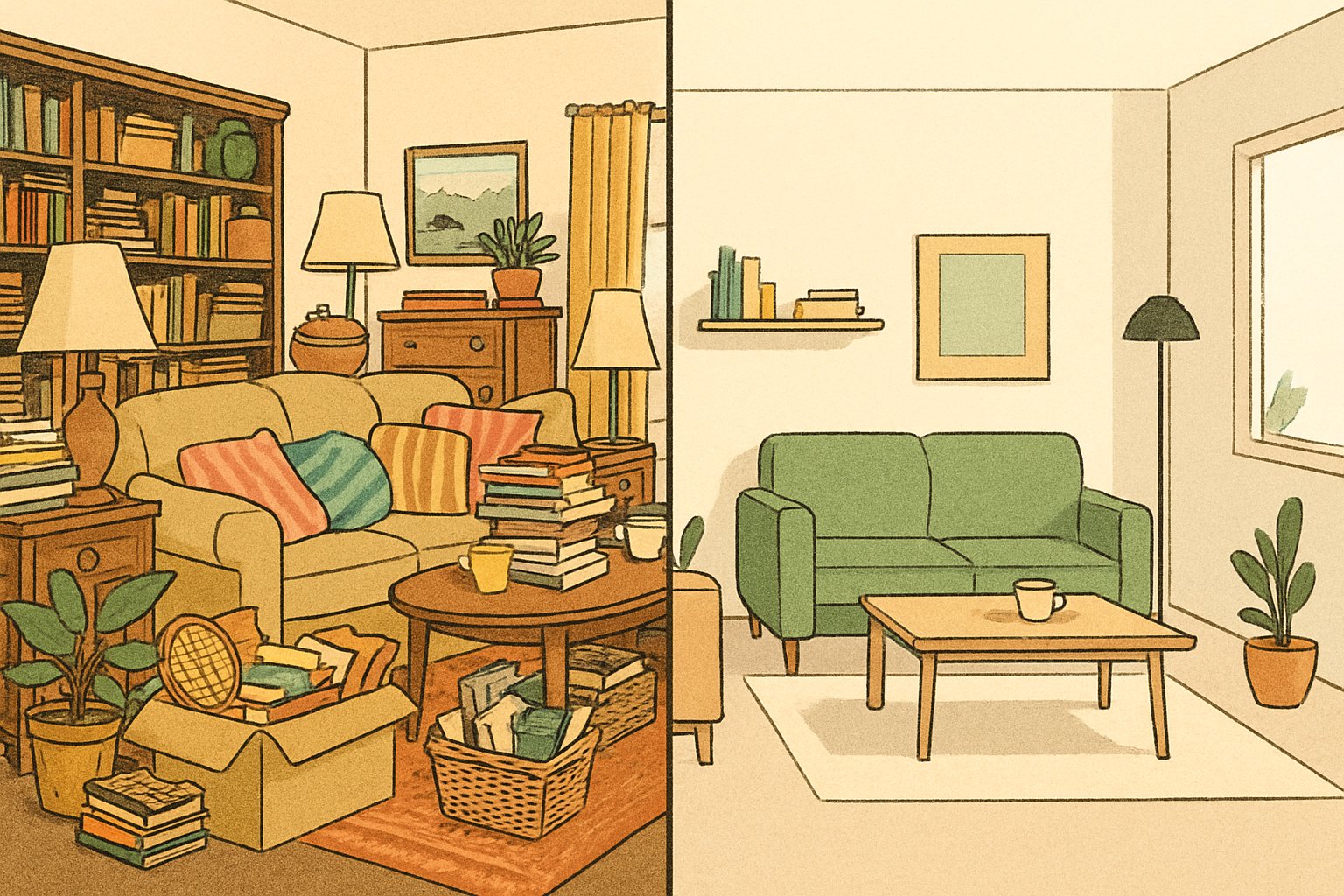
Quiet luxury and quiet living are the same instinct
The "quiet luxury" clothing trend — expensive-but-unbranded, no visible logos, nothing shouting its price tag — and the "smaller, quieter life" trend aren't really two separate things. Both are a reaction to a specific kind of exhaustion: the exhaustion of performing status or productivity for an audience, all the time, everywhere.
A logo-free sweater and a life with fewer commitments are solving the same underlying problem from two different angles: both remove the requirement to visibly prove something to people who were never actually going to notice the effort.
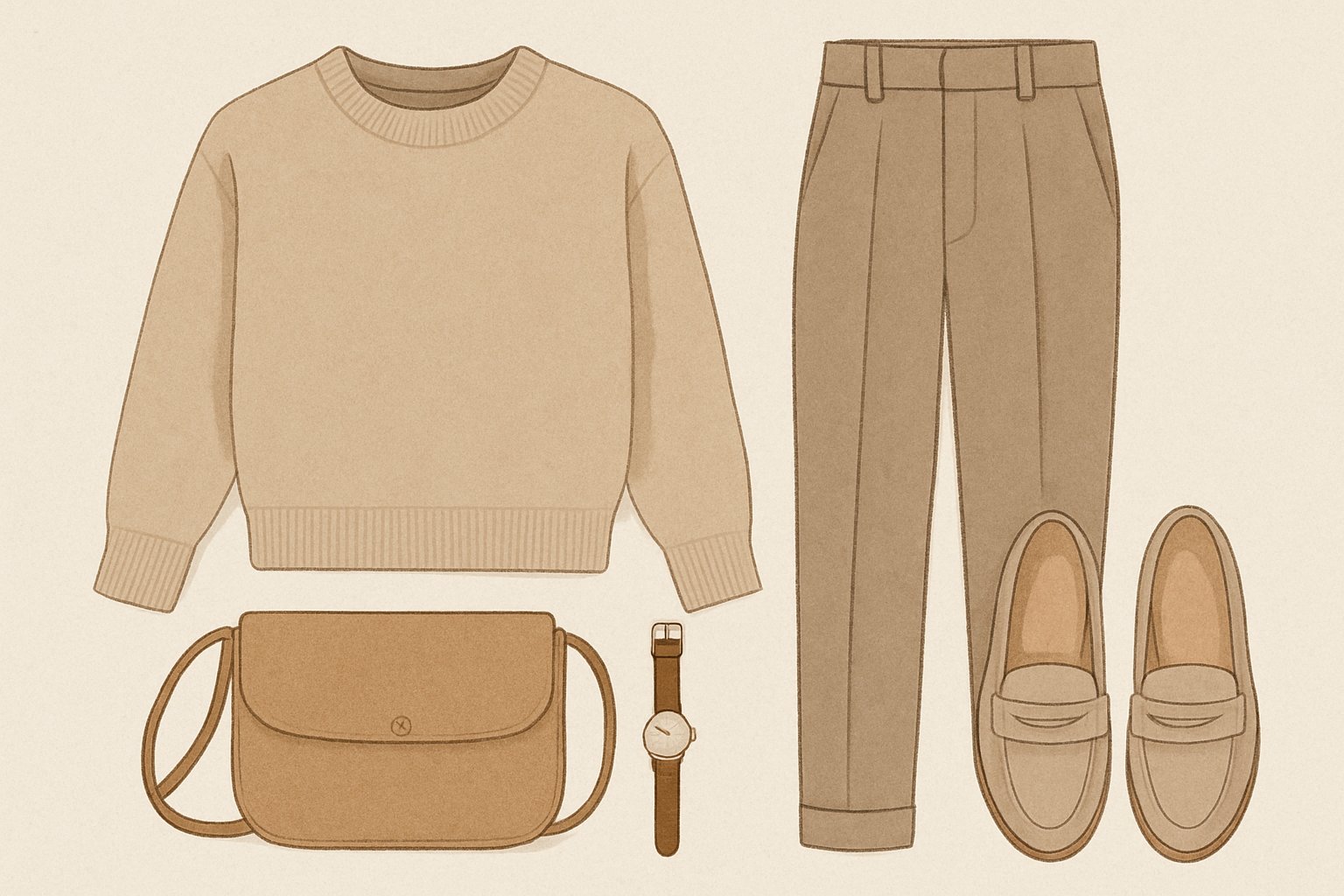
Real behaviors behind the trend
This shows up in concrete, observable ways rather than just aesthetic preference: smaller-footprint housing searches (fewer bedrooms, less square footage per person than a decade of listings assumed people wanted), a documented rise in intentional career breaks and reduced-hour arrangements, and a broader cultural conversation around "under-consumption" as a value rather than a deprivation.
None of this is universal, and it isn't available to everyone equally — choosing less is easiest for people who already have enough. But as a cultural direction, the trend line is real and consistent across multiple, separately-tracked behaviors, not just one viral phrase.
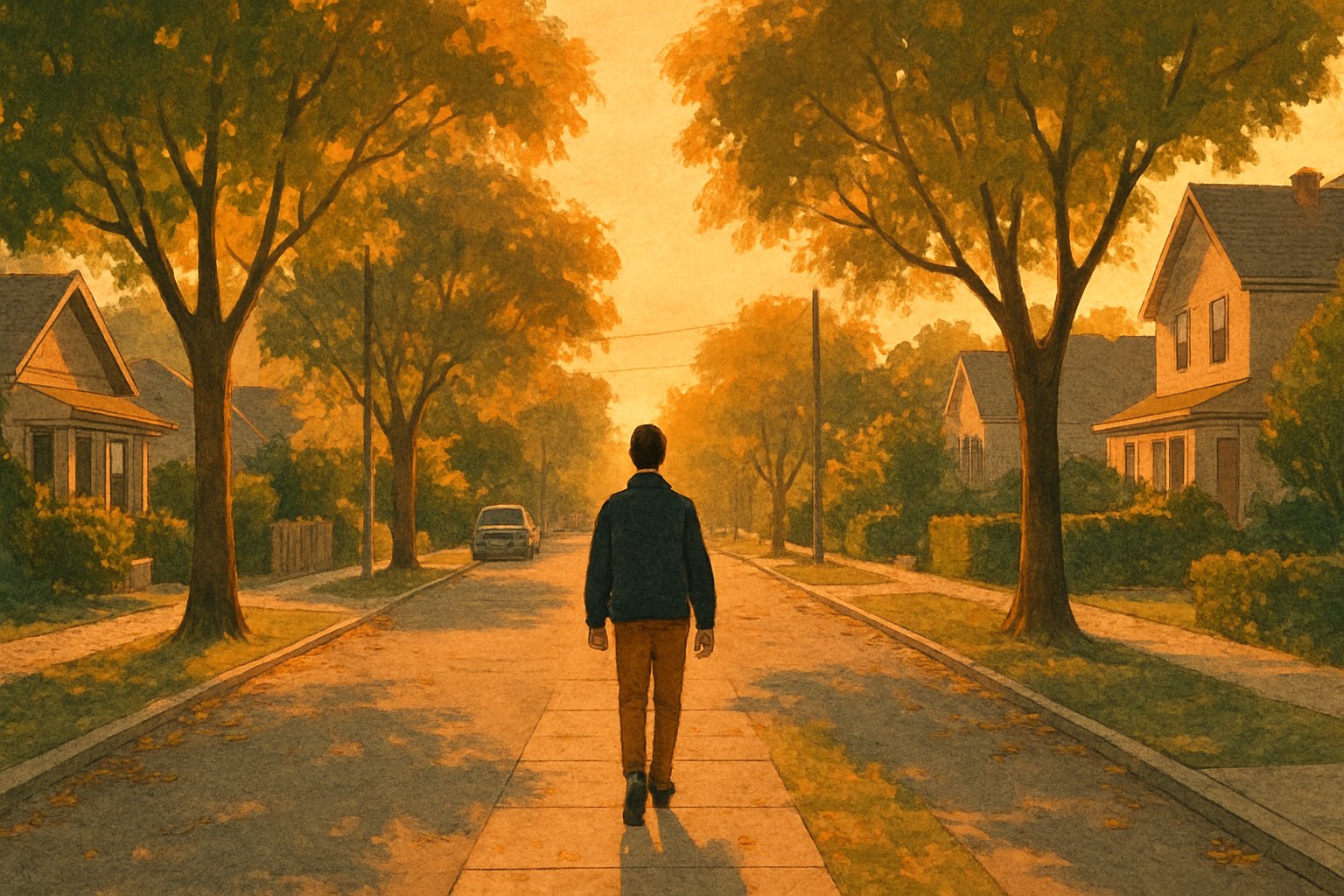
What "smaller" actually means in practice
In practice, this rarely means true minimalism or extreme austerity — it usually means a much more specific kind of edit: fewer physical possessions that require decisions and maintenance, fewer standing social and professional obligations that don't add real value, and fewer hours spent maintaining an image of busyness rather than actually being productive.
The through-line across all of it is subtraction as the goal, not addition. That's a genuinely different instinct from most of the last few decades of lifestyle advice, which almost always pointed toward acquiring the next thing rather than removing the last one.
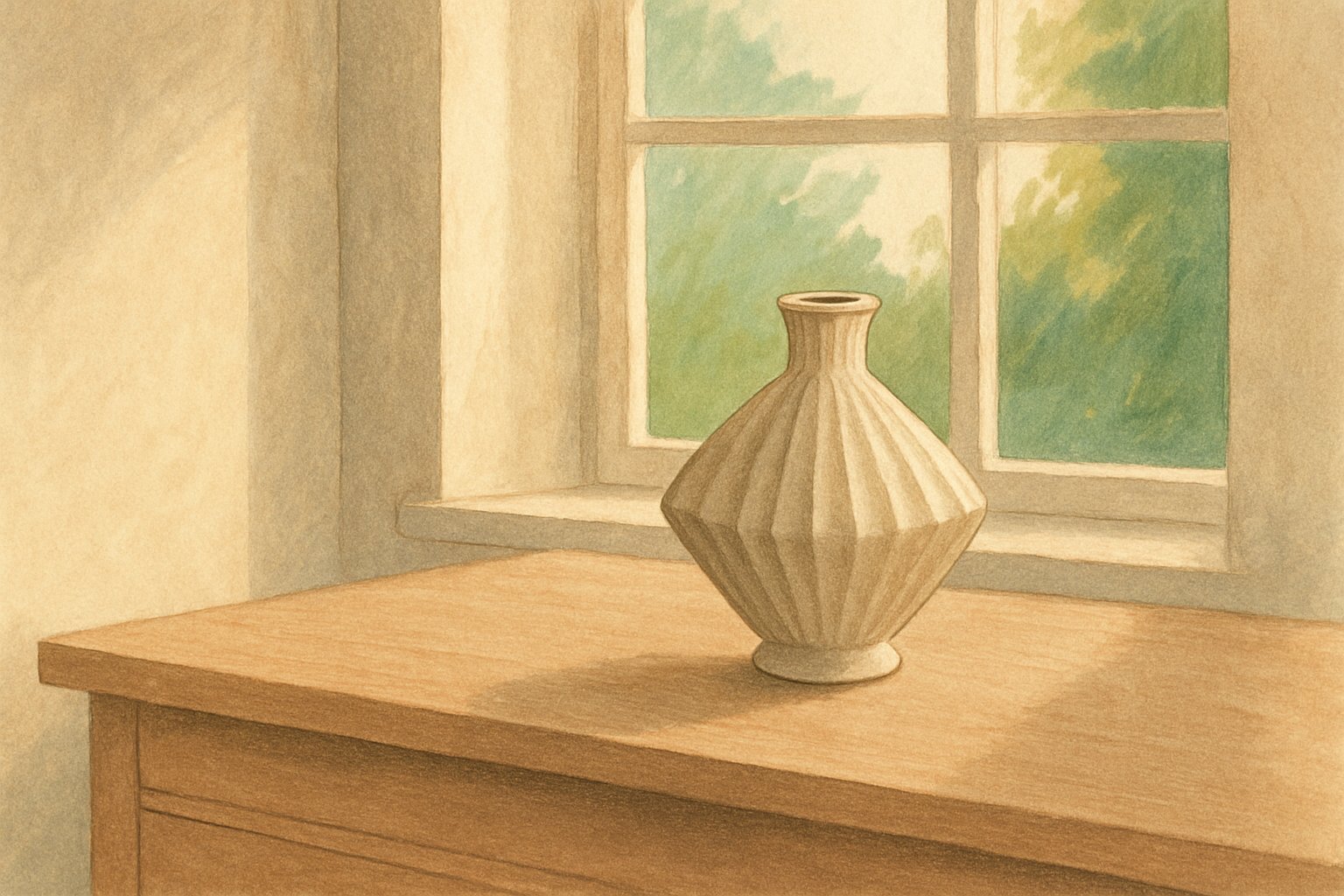
What quiet actually looks like
The cover photo above is real too. These two are real photographs -- a genuinely minimalist room, and the muted, logo-free clothing the piece describes.
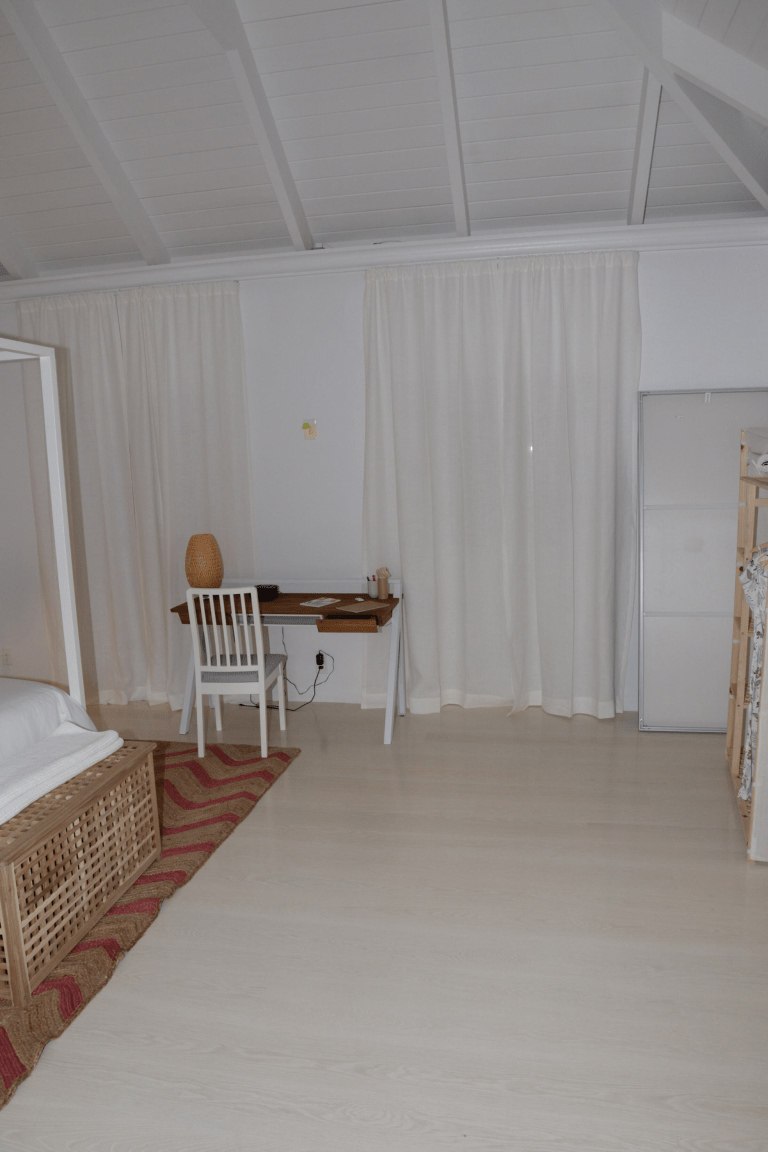
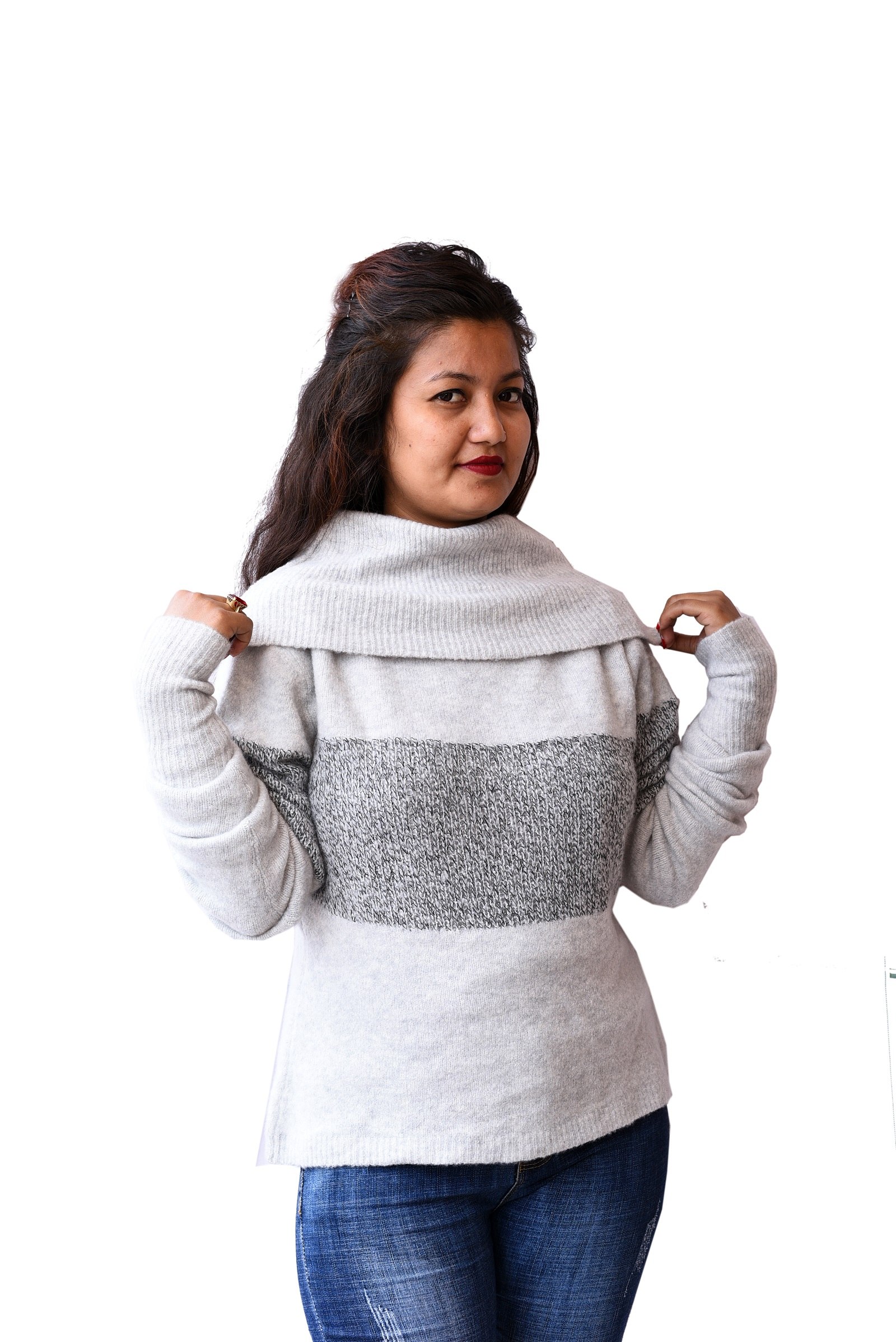
Photo credits: quiet residential street, Toronto, by Enoch Leung, CC BY-SA 2.0. Minimalist bedroom, public domain. Cashmere sweater, CC BY-SA 4.0. All via Wikimedia Commons.
Common questions
Is this the same thing as "minimalism"?
Related but not identical — minimalism is often about aesthetic reduction specifically, while this trend is broader, covering housing size, work commitments, and social obligations, not just physical possessions.
Is this trend available to everyone?
Not equally — choosing to want less is easier for people who already have financial and material security; it's a real cultural shift, but not a universally accessible one.
Is "quiet luxury" the same as this trend?
They're closely related expressions of the same underlying instinct — avoiding visible performance of status or productivity — aimed at fashion in one case and lifestyle more broadly in the other.
Disclosure. This piece describes a broad, observable cultural trend rather than making claims about any specific individual, brand, or product. The cover photo and the photos in the "What quiet actually looks like" section are real; every other image on this page is AI-generated and clearly labeled as such. DopamineKart did not receive free products or payment related to this piece. Corrections: email us.