
Quick take
- Korean convenience stores became influential because they compress the feedback loop between product launch and consumer response — not because the format is exotic.
- South Korea's one-person households make up more than a third of all households (Statistics Korea), turning convenience stores into daily meal infrastructure rather than emergency retail.
- GS Retail's own earnings materials describe explicit strategy around "SNS-hit products" and collaborations — this is deliberate trend-response, not accidental virality.
- The catch: convenience stores rarely originate trends from scratch. They're better understood as places that refine, localize, and scale ideas faster than restaurants or social media can.
Start with structure, not spectacle. Korean convenience stores matter because they sit inside daily urban life at a scale that gives even small launches broad exposure. Official household data from Statistics Korea shows one-person households account for more than a third of all households in the country — which helps explain why grab-and-go meals, single portions, and late-hour food retail carry more everyday importance there than in markets where convenience stores are mainly fuel stops or impulse-snack shops.
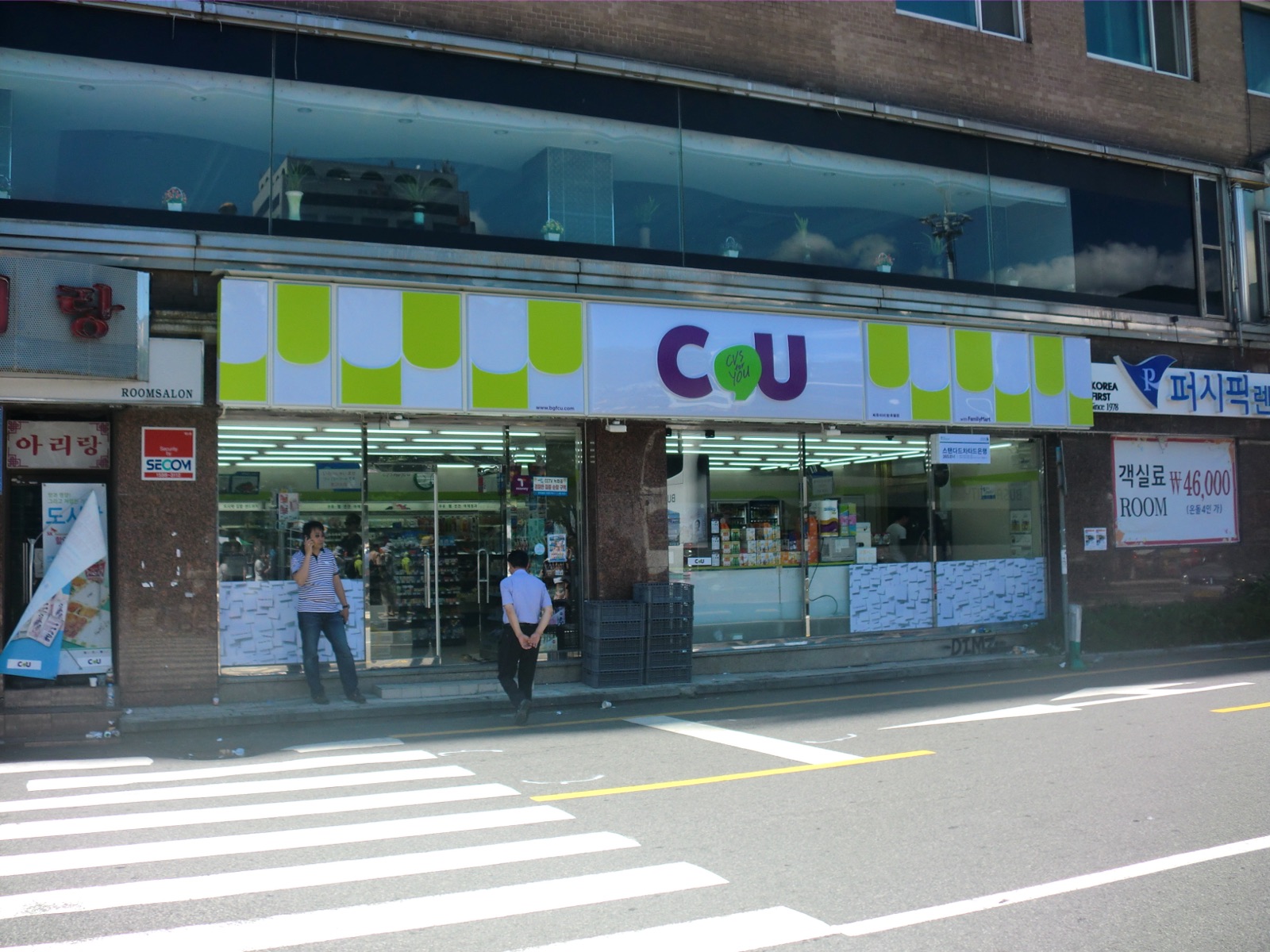
That demand-side reality meets intense competition among chains such as GS25, CU, 7-Eleven Korea, and Emart24. In investor materials, GS Retail explicitly talks about food competitiveness, collaborations, and products built around SNS momentum and trend response. A chain with national reach can take a food idea that might have stayed niche in a café, restaurant, or social post and expose it to commuters, students, solo diners, and late-night shoppers almost immediately.
What Convenience Stores Do Better Than Restaurants, Cafés, or Social Media Alone
The case gets clearer compared with other trend engines. Restaurants can originate ideas, cafés can stylize them, and social platforms can accelerate attention. But convenience stores are unusually good at turning ideas into repeatable retail tests. They can launch into familiar formats, keep risk relatively low, and collect fast real-world feedback from a broad consumer base. A mash-up drink, premiumized instant meal, seasonal dessert, or brand collaboration doesn't need to justify a full restaurant concept — it only needs to earn shelf space and repeat purchase.
That makes the format ideal for novelty-within-familiarity: products that feel new enough to share online but familiar enough to buy on an ordinary commute. What the world often sees as a burst of quirky creativity is often disciplined retail experimentation — small bets, fast iteration, clear merchandising, and immediate consumer response.
Restaurants
Good at invention, weaker at mass validationRestaurants can create influential dishes or flavors, but they usually test with narrower audiences and higher effort per trial. Often origin points, not always the fastest validators of broad demand.
Social media
Good at attention, weak at proving demandA viral clip can make an item visible, but visibility alone doesn't show repeat purchase. Convenience stores turn online curiosity into actual sales behavior faster than purely digital channels can.
Korean convenience stores
Best at low-risk commercializationLarge chains explicitly compete with collaborations, food differentiation, and SNS-hit products — effective places to test what consumers will actually buy as routine eating.
The Categories That Most Clearly Show "Test Kitchen" Behavior
Not every shelf category tells the story equally well. The clearest examples share two traits: they fit convenience-store routines, and they can absorb novelty without asking consumers to learn a new way of eating.
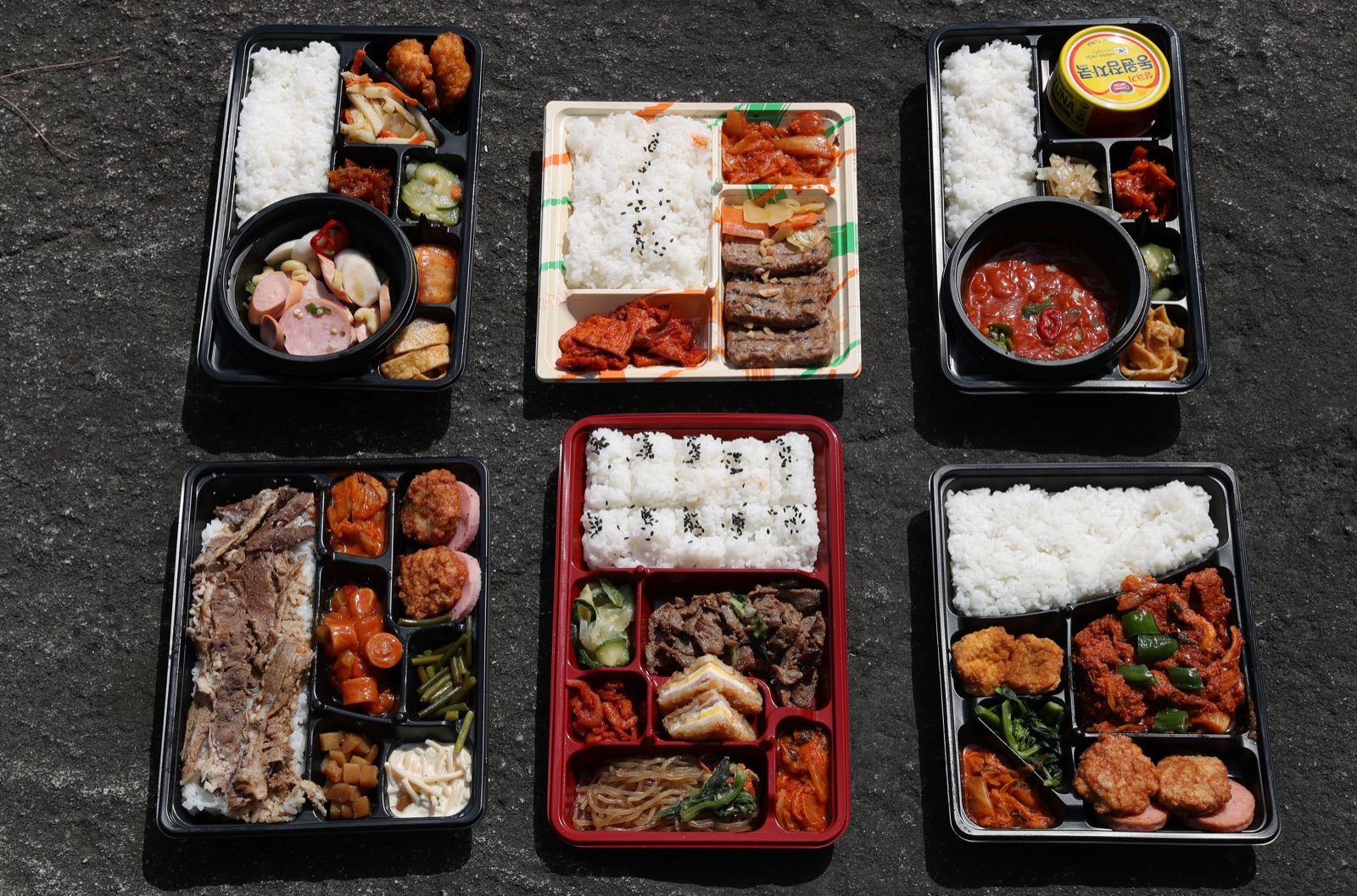
Ready meals and dosirak are one obvious category. They let chains update portioning, flavor combinations, collaboration tie-ins, and perceived premium level inside a format consumers already understand. Ready-to-drink beverages and mash-up drinks are another, because they're easy to trial, highly visible, and especially shareable online.
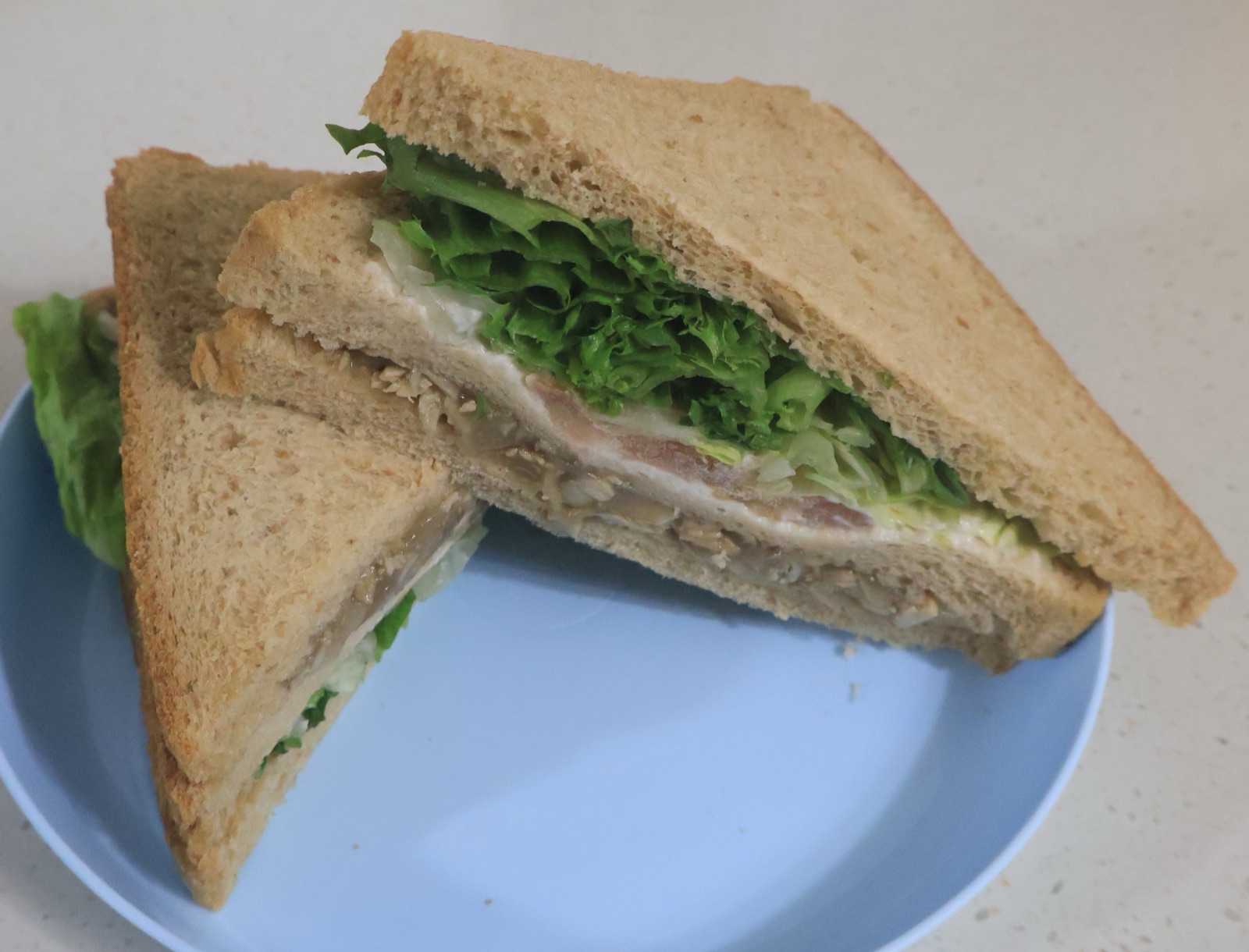
Desserts and seasonal sweets also fit the pattern: they reward limited-run curiosity while staying low commitment. Collaboration products matter for the same reason — they let chains and brands test whether fandom, nostalgia, or internet conversation can become routine retail demand. The deeper point is that these aren't random viral objects. They're categories built for quick iteration inside familiar purchase behavior.
Not All "K-Convenience" Trends Mean the Same Thing
The cleanest way to judge influence is to sort claims into three buckets.
Born there
Meaningfully shaped inside the channelA format can be convenience-store-led when product logic, packaging, and launch strategy are clearly built around the channel's routines. Proving true origin often requires deeper category reporting than public sources provide.
Accelerated there
The strongest, most defensible claimMany trends become bigger because Korean convenience stores can package, localize, and distribute them quickly. Chain materials support aggressive trend response; independent reporting shows stores capitalizing on foods already circulating in culture.
Popularized online after the fact
Aesthetic export more than market signalA photogenic item can become globally famous even if its long-term demand is modest. Social reach can make the story look bigger than the underlying category actually is.
How These Trends Spread Beyond Korea
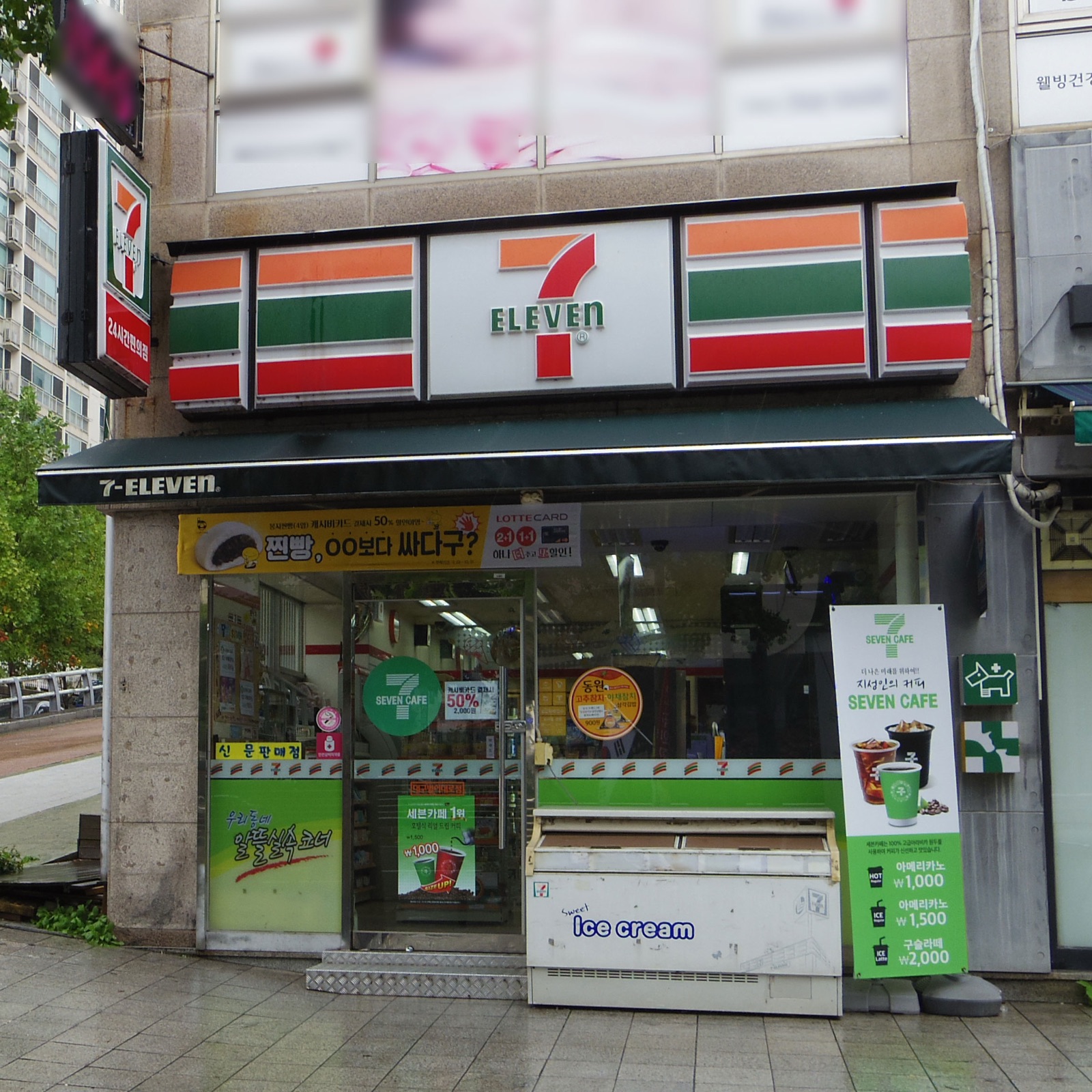
The international spillover is real, but it moves through several channels at once. Tourism is one of the clearest — official tourism material now treats convenience stores as part of the Korean visitor experience, and reporting tied to tourism behavior suggests foreign visitors increasingly engage with everyday Korean food through convenience-store purchases. Travelers don't just consume the food; they document it, compare it, and carry expectations home.
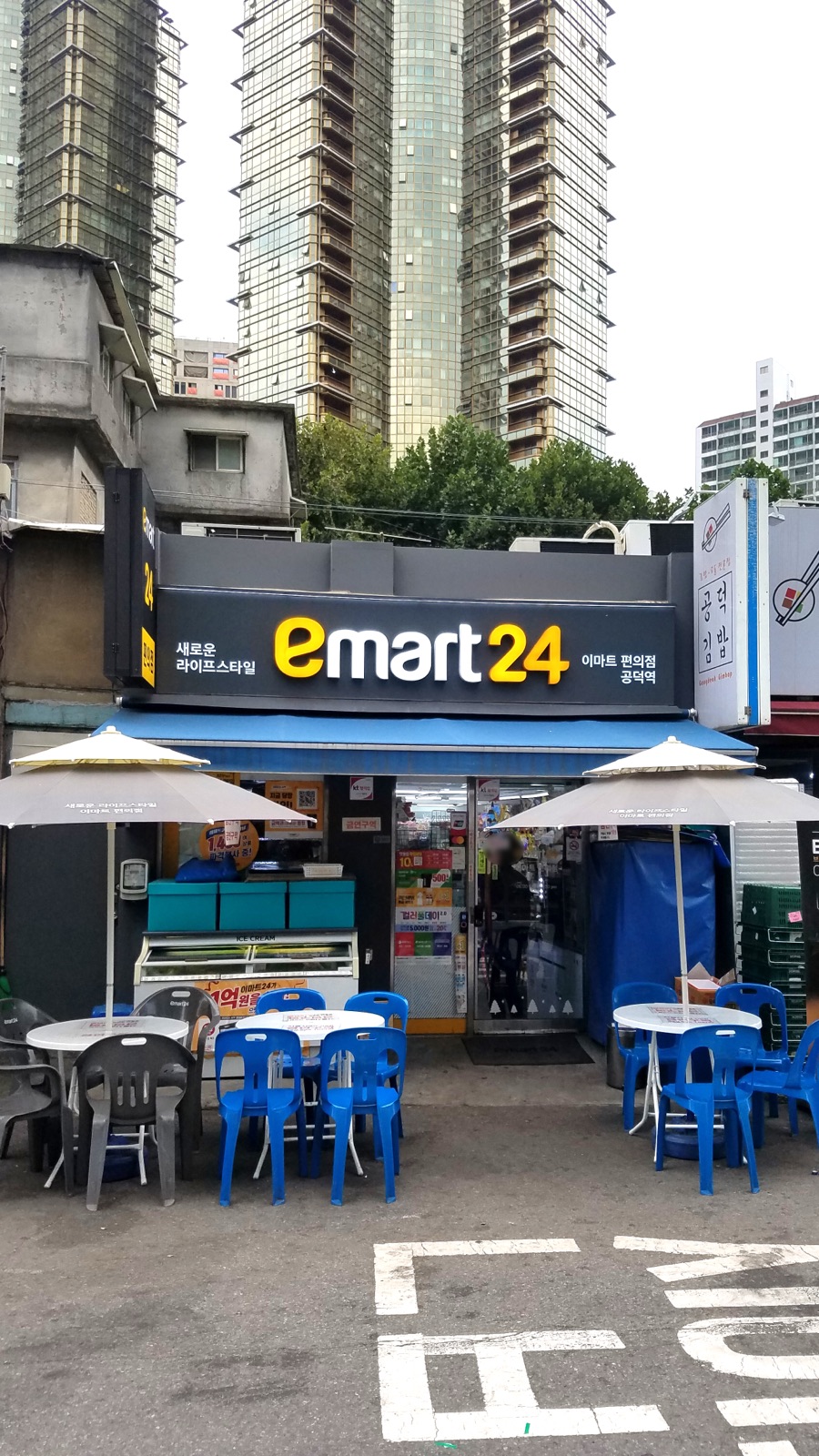
A second channel is retail export: imported Korean packaged foods, diaspora groceries, and stores abroad that curate Korean assortments. A third is format export — Korean chains themselves have expanded overseas, meaning the influence isn't only about individual snacks but the merchandising logic itself: collaborations, ready meals, localized novelty, and the framing of convenience retail as a place to discover food trends. So when a so-called K-convenience trend appears elsewhere, the source may be a tourist video, an imported SKU, a retailer imitation, or a Korean chain's own overseas footprint — often some combination of all four.
Where the Myth Outruns the Evidence
Three cautions keep this story honest. First, virality is not the same as durable demand — a product can be visually famous and commercially minor. Second, Korean convenience stores often refine or localize trends rather than invent them from scratch; independent reporting on stores cashing in on already-viral foods is a useful reminder that the channel is often a commercialization machine, not a pure origin point. Third, convenience stores aren't the only Korean trend engine — restaurants, cafés, delivery platforms, and manufacturers all matter, and the exact line between manufacturer-led and convenience-store-led innovation isn't always clear in public evidence.
The meaningful unknown: publicly available sources are better at showing broad strategy than at proving chain-by-chain testing cadence, or directly linking a specific convenience-store launch to export success in another country.
How to Judge the Next "K-Convenience" Trend Claim You See
Look for routine fit
Does it fit everyday behavior?Items built around meals, drinks, desserts, or easy add-ons are more likely to indicate real channel power than one-off spectacle products.
Separate invention from acceleration
Origin vs. scaleA trend can still be important if Korea localized and commercialized it effectively — don't confuse refinement with invention.
Check for chain behavior
Deliberate or accidental?Part of a broader collaboration or SNS-led launch strategy means deliberate retail experimentation, not random shelf noise.
Watch the travel path
How did it actually spread?Tourists, exports, or retailer imitation — the diffusion path shows whether you're seeing a robust retail pattern or a social-media moment.
Common questions
Did Korean convenience stores invent the trends they're known for?
Rarely from scratch. The strongest defensible claim is that they accelerate and commercialize ideas already circulating — packaging, localizing, and distributing them faster than restaurants or social platforms can.
Why does South Korea's household structure matter here?
Statistics Korea data shows one-person households make up more than a third of the country — that turns convenience stores into daily meal infrastructure, not just emergency retail, giving even small launches broad everyday exposure.
How do these trends actually reach other countries?
Through at least four channels: tourists who document and carry home expectations, imported Korean packaged goods, retailer imitation abroad, and Korean chains themselves expanding overseas.
Is virality the same as real demand?
No. A product can be visually famous on social media while remaining commercially minor — durable demand and viral visibility are separate things worth checking independently.
Korean convenience stores matter globally less because they're exotic and more because they're efficient. South Korea's household structure, urban routines, and chain competition created a setting where food ideas can be tested quickly, packaged attractively, and pushed through everyday retail at scale — strong validators and translators of food trends, even when they aren't the origin point. The strongest defensible claim isn't that Korean convenience stores invented global food culture. It's that they became unusually effective real-world laboratories for low-risk, fast-feedback experimentation — which is why so many trends seem to emerge from them, even when what they're really doing is refining, accelerating, and exporting ideas better than most retailers do.
Sources
Statistics Korea
Household characteristics press releaseUsed for the scale and significance of one-person households in South Korea.
KOSIS
Indicators dashboardUsed for household structure context.
Statistics Korea
Business counts by industryUsed for the sector-footprint argument.
GS Retail
2025 4Q & 2Q earnings releasesUsed for chain strategy around food competitiveness, collaborations, and SNS-hit products.
VISITKOREA
"Keeping Up with the Convenience Stores in Korea"Used for evidence that convenience stores are part of the visitor food experience.
KBS World
Report on tourist interest in K-convenience storesUsed as supporting evidence for tourism and social-media attention.
Korea JoongAng Daily
Everyday Korean foods gaining foreign attentionUsed for tourist and diffusion framing.
Korea JoongAng Daily
Convenience stores cashing in on viral foodsUsed for the key counterpoint against overclaiming origin stories.
Emart24
Overseas expansion materialsUsed for the claim that the format itself is traveling abroad.
GS Retail
Global history pageUsed for GS25 overseas expansion context.
Legit disclosure. This is a non-commerce editorial explainer with no product recommendations, prices, or affiliate links, and no claim of first-hand store visits or hands-on testing. Real photography is Wikimedia Commons, credited per image.
Corrections: email us