- Deconstructed bao pulls the classic folded bun apart into plated components meant to be assembled tableside.
- Underground supper clubs in NYC, LA, London and Toronto are driving the trend through invite-only, cash-optional events.
- The technique is real culinary craft — steam chemistry, pork braise depth, and pickle acidity balance matter.
- On DopamineKart you can browse the entire tasting menu, RSVP to the fantasy, and check out at $0.
There is a specific summer 2026 sound: the soft exhale of a bamboo steamer opening in a candlelit warehouse full of people who found the address via a QR code on a lamppost. Inside, nobody is eating a bao. They are eating the idea of a bao — the bun deconstructed into a puffy quenelle, the braised pork arranged like a small edible galaxy, the pickles crumbled into 'rubble.' It's dramatic, it's delicious, and here at DopamineKart you can walk the whole tasting menu without paying a cent or being cool enough to get invited.
WHY NOWHow a folded bun became a plated event
Gua bao — the Taiwanese folded steamed bun cradling braised pork belly, pickled mustard greens, crushed peanuts and cilantro — has been a street-food staple for decades and a Western brunch darling since the mid-2010s. What changed in 2026 is the setting. Supper club chefs, freed from the pressures of a printed menu, started asking a chaotic question: what if the bun didn't fold at all?
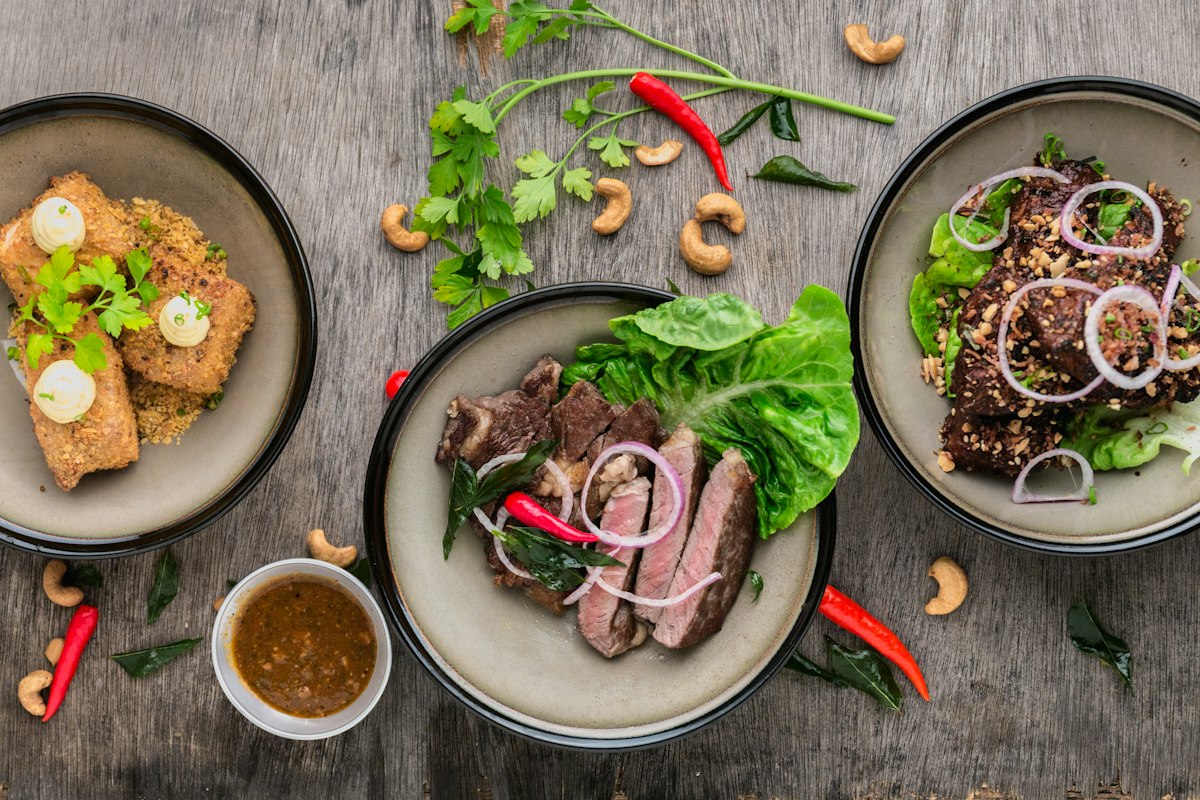
The 'deconstructed' answer plates each component separately. The steamed bun arrives as a torn cloud or a pressed disc, the pork sits in its own glossy braise, the pickles become an acidic scatter, and diners are invited to build each bite themselves. It's theater as much as dinner, and it photographs like a museum piece — which is exactly why the invite-only rooms of Bushwick, Peckham, and downtown LA can't get enough.
The scarcity is the point. Most of these clubs seat 12 to 30 people, announce dates 48 hours out, and lean on word-of-mouth and encrypted group chats. The bao is the excuse; the belonging is the product.
THE CRAFTThere's actual science under the drama
Deconstruction only works if each part can stand alone, and that raises the technical bar. A traditional bao bun uses a low-protein flour, sugar, a touch of fat, and often a double-raising agent (yeast plus baking powder) to hit that signature squishy, snow-white pillow. Serve it naked and every flaw shows — so chefs are steaming smaller, glossier buns and brushing them with scallion oil for shine.
The pork belly is where the real hours go. A proper braise builds depth through a long, low simmer in soy, rice wine, star anise, ginger and rock sugar, rendering the fat until it's silky and letting collagen melt into gelatin. Plated solo, it can't hide behind the bun — so the caramelization and the balance of sweet, salty and aromatic have to be dialed in.
Then there's acidity, the unsung hero. The pickled mustard greens (suan cai) and quick-pickled daikon cut the richness; deconstructed, they get repositioned as a bright 'rubble' or gel so each build-your-own bite lands with the same tension the folded original delivers in one go.
THE VIBEBrowsing the supper club you'll never actually attend
Let's be honest about the fantasy. Half the appeal isn't the bun — it's arriving at an unmarked door, whispering a chef's first name, and sitting elbow-to-elbow with strangers while a stranger with a torch finishes your plate. It's expensive, it's exclusive, and it sells out in minutes. Which makes it perfect DopamineKart material.
On our platform you can 'RSVP' to a fantasy 9-course deconstructed bao tasting, add the natural-wine pairing, tip the imaginary chef generously, and check out for exactly zero dollars. No group chat clout required. No $185 per-head cover charge. No pretending you know what a 'bun quenelle' is.
The trend will mutate by autumn — insiders are already whispering about deconstructed xiao long bao (soup dumpling as a broth 'shot' with a dumpling on the side, which is either genius or a crime). We'll be here to browse that too, plating the hype and charging you nothing for the seat.
Nobody is eating a bao anymore — they're eating the idea of one, by candlelight, for $185 a head.
The full deconstructed bao tasting, wine pairing and imaginary chef's tip — checked out for free on DopamineKart.
Questions people actually ask
What does 'deconstructed bao' actually mean?
It's a classic gua bao served with its components — steamed bun, braised pork, pickles, peanuts, herbs — plated separately so diners assemble each bite themselves, turning a street snack into a build-your-own tasting course.
Where is this trend happening?
Primarily invite-only, small-format supper clubs in cities like New York, Los Angeles, London and Toronto this summer, usually announced with short notice through word-of-mouth and private chats.
Can I try it on DopamineKart?
Absolutely — browse the fantasy tasting menu, add the pairings, RSVP to the vibe, and check out for $0. Nothing is really bought; the joy is in the browsing.
Deconstructed bao is a genuinely delicious idea wrapped in an exhausting amount of exclusivity, and both of those things make it irresistible to look at. So look at it — add the tasting to your cart, dream about the candlelit warehouse, and enjoy the one thing every DopamineKart menu guarantees: you leave full, and you leave paying nothing.
DopamineKart is a simulation built for entertainment — not financial, medical, or shopping advice. If you struggle with compulsive spending, please visit nfcc.org.