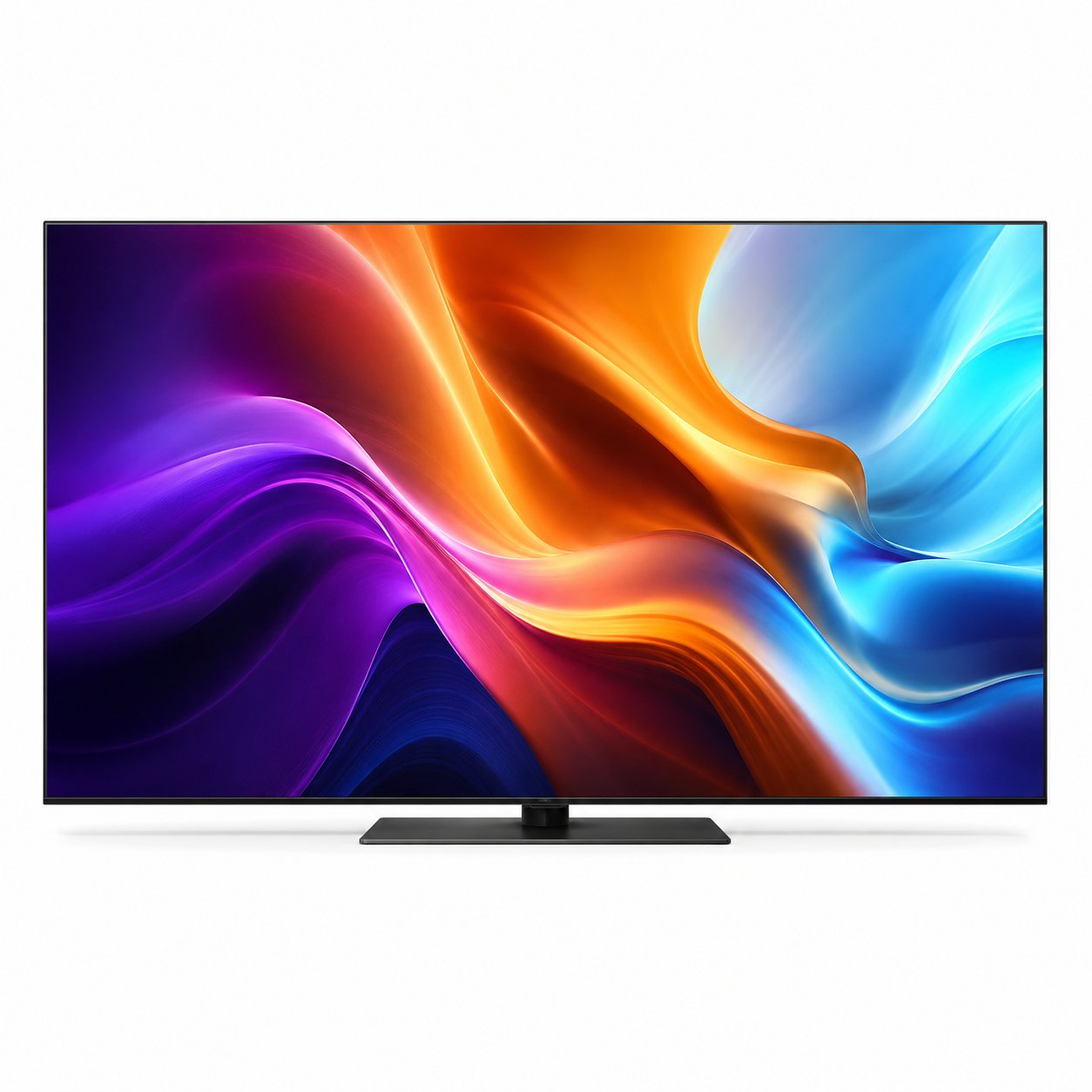
The gist
- The screenshot has quietly replaced the purchase as the main event — the dopamine spikes at 'want,' not at 'own.'
- Anticipation lights up the brain harder than the reward, which is why browsing feels better than buying.
- Cart abandonment isn't failure; for Gen Z it's the intended feature — the pleasure was in the pursuit.
- Screenshotting is basically free retail therapy with a screenshot instead of a receipt.
What Is the Dopamine Cliff, Exactly?
Dopamine isn't the 'pleasure' chemical everyone thinks it is — it's the anticipation chemical. Neuroscientist Wolfram Schultz's classic experiments showed that dopamine neurons fire hardest right before an expected reward, then go quiet once the reward actually arrives. The wanting is the high. The having is the comedown.
That comedown is the 'cliff.' You spend twenty minutes lovingly filling a cart, your brain surges on the fantasy of the unboxing — and then the package shows up and the feeling is already gone, three purchases ago. Gen Z figured out the shortcut: skip the falling part entirely. Screenshot the peak, close the app, keep the buzz.
It's a rational response to a rigged game. If the best part of shopping happens before you pay, then paying is just the tax you pay to end the fun. Removing the checkout removes the cliff.
The Camera Roll Is the New Cart
Ask any 22-year-old to open their photos and you'll find a shadow wishlist: a $28,500 Birkin, an apartment they'll never rent, a $12 latte reposted from an account they don't follow. These aren't shopping lists. They're mood boards, identity drafts, versions of a self that gets to exist rent-free in a JPEG.
Traditional retail treated cart abandonment as a leak to plug — hence the flood of 'You left something behind!' emails. But abandonment rates hover around 70% across e-commerce for a reason. For a lot of shoppers, the cart was never a waiting room for a purchase. It was the destination.
The screenshot goes one step further than the abandoned cart: it removes even the pretense. There's no login, no card, no shipping estimate — just a frozen image of desire, filed away next to 400 others, never opened again.
Why Wanting Feels Better Than Owning
Psychologists call it hedonic adaptation: whatever you buy, you acclimate to it fast, and it stops delivering joy. The bag that made your heart race in the window becomes 'the bag' within a week. Anticipation, by contrast, is renewable — you can want the same thing a hundred times and it stays fresh, because it never disappoints you by becoming real.
Research on 'anticipatory consumption' suggests people often derive more happiness from planning a purchase (or a trip) than from the thing itself. The imagination does the heavy lifting. In your head, the Chanel Quilted Caviar East-West Flap in brown always goes with everything, never gets scuffed, and makes you the version of yourself who has their life together.
Owning it introduces reality: storage, insurance, the guilt of a $4,200 receipt, the fear of the first scratch. Screenshotting it keeps the fantasy pristine. You get the identity without the invoice.
It's Not Broke. It's a Strategy.
It's easy to read this as 'young people can't afford things,' and sure, that's part of it — but it undersells how deliberate the behavior is. Gen Z has watched two recessions, a housing market that laughs at them, and enough 'de-influencing' content to know that most purchases are a dopamine trap wearing a discount code.
So the screenshot becomes a form of financial mindfulness disguised as procrastination. Every image saved is a purchase not made, a want acknowledged and released. Some call it 'delulu budgeting.' Others call it manifesting. Functionally, it's the cheapest hobby on earth.
There's even a genre of aesthetic entirely built on it: the anti-consumption flex. A shirt like Seoul Vintage's 'Own Nothing Feel Everything' Tee ($90) exists because the vibe of not-buying is now more desirable than most of the things being not-bought. (Yes, we're aware. Yes, we're screenshotting it too.)
How to Browse Like a Pro (and Buy Like a Ghost)
Rule one: name what you actually want. Nine times out of ten it's the feeling — competence, taste, calm, being the kind of person who owns a Prada dishwasher — not the object. Once you've named it, the object gets weirdly optional.
Rule two: institute the 72-hour cliff test. Screenshot the thing, go live your life, and check back in three days. If you still want it, you've learned something real about yourself. If you've forgotten it existed, congratulations — you saved a fortune and got the dopamine for free.
Rule three: make the browsing itself the ritual. This is, not coincidentally, the entire premise of DopamineKart, where the checkout button always rings up $0.00. Add the Birkin. Add the projector. Add the Balenciaga game console you'd never let yourself buy. Check out. Feel everything. Owe nothing.
The screenshot is the purchase now — you're just paying in storage space instead of dollars.
Questions people actually ask
Is screenshotting products instead of buying them actually healthy?
Mostly, yes — it satisfies the anticipation craving that drives most shopping while sidestepping the spending and the buyer's remorse. The one risk is doomscrolling that spikes anxiety instead of releasing it; if browsing leaves you worse, close the app.
Why do I lose interest in things right after I buy them?
Hedonic adaptation. Your brain acclimates to any new possession quickly, and dopamine — an anticipation signal, not a reward one — has already peaked before the box arrives. The high was in the wanting.
What is the 72-hour cliff test?
Screenshot the item instead of buying it, then wait three days. If you still genuinely want it, it may be worth the purchase. If you've forgotten it, you got the dopamine for free and kept your money.
Is aspirational browsing the same as cart abandonment?
Related but different. Cart abandonment still involves intent to buy; aspirational browsing (or screenshotting) never intends to check out at all. The pleasure is the point, not a failed transaction.
More dopamine · zero checkout
The DopamineKart verdict
The dopamine cliff isn't a bug in how we shop — it's the whole reason browsing feels better than buying. So lean in: DopamineKart is built for people who want everything and own nothing, where the fantasy stays pristine and the checkout always rings up $0.00. Screenshot to your heart's content.