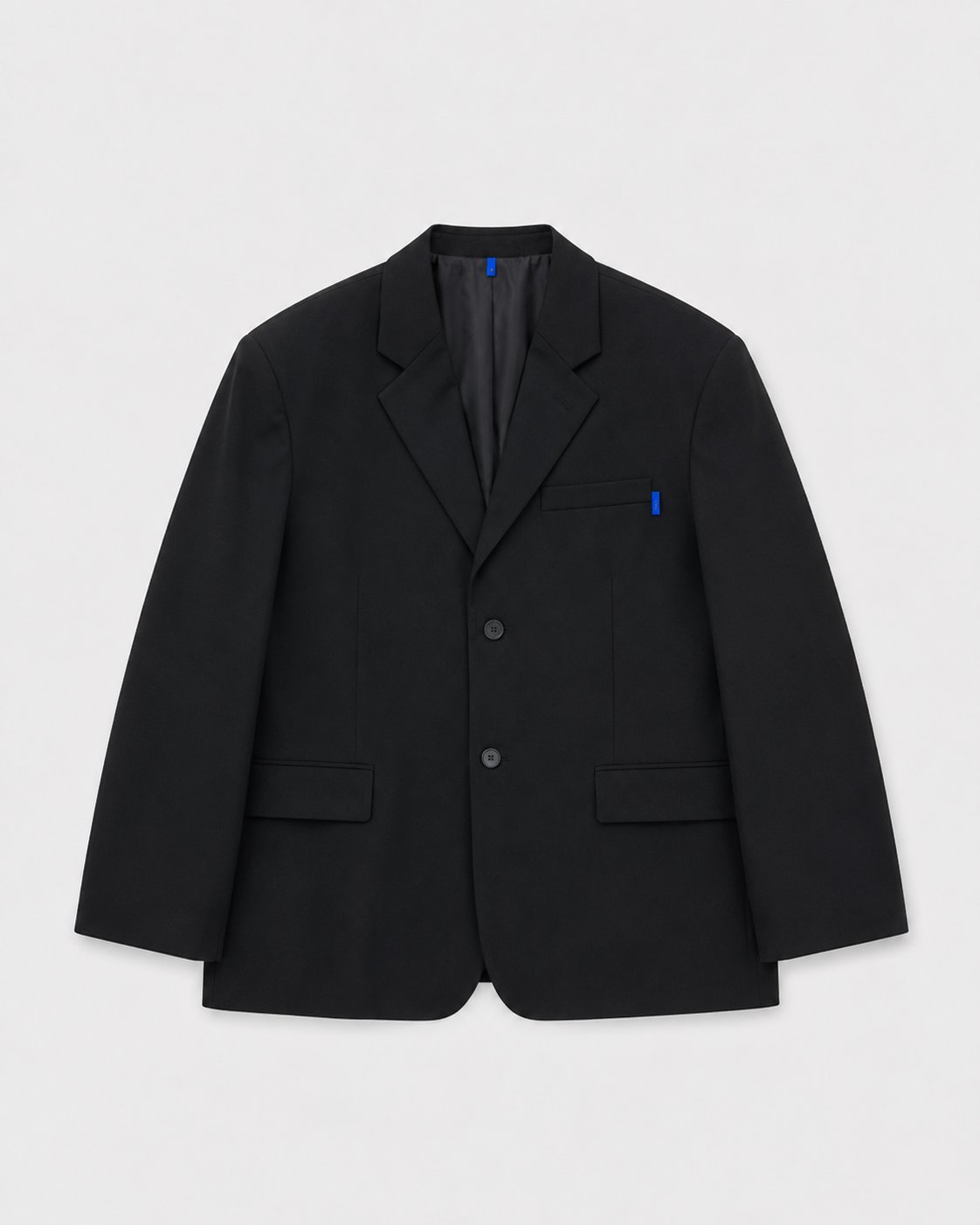
- The dopamine hit comes from anticipating the purchase, not making it — so wishlists loop forever.
- 'Save for later' converts craving into a task you never have to finish, which feels safe and endless.
- Neuroscience shows wanting and liking run on different circuits; wishlists feed wanting exclusively.
- You can keep the thrill and drop the debt: browse, tag, and check out for $0.
Somewhere in your accounts sits a graveyard of good intentions: 47 tabs, a wishlist longer than a novel, and a cart you've been 'thinking about' since the previous administration. You tell yourself you're saving these for later. But 'later' is doing something sneaky — it's giving you the buzz of buying while quietly billing your attention. Welcome to dopamine debt, the interest you pay on wanting things you never actually get.

THE MECHANISMWhy 'later' feels better than 'now'
Neuroscientist Kent Berridge's work on 'wanting' versus 'liking' cracked this open decades ago: the brain's dopamine system spikes hardest in anticipation of a reward, not in the possession of it. That's why the moment before you click 'add' is electric — and the moment after the box arrives is oddly flat. Owning the thing ends the story. Saving it keeps the plot alive.
A 'save for later' list is anticipation with the off-switch removed. Every item is a tiny suspended reward, permanently paused at the good part. You get to re-open the list, re-feel the flutter, and re-postpone the ending — a self-refilling dopamine tap. Retailers know this, which is why wishlists are frictionless to add to and mysteriously hard to clear.
The 'debt' part is the catch. Each saved item is an open psychological loop, and open loops nag. Research on the Zeigarnik effect shows unfinished tasks occupy working memory more than finished ones. So a 340-item wishlist isn't a plan — it's 340 background processes quietly eating your bandwidth, charging interest in low-grade restlessness.
THE TELLHow to spot when a wishlist stops being useful
A healthy list is a shortlist: a few things you're genuinely comparing before a decision. A dopamine-debt list is an archive — an ever-growing museum of momentary cravings you'll never audit. The tell is behavioral: you add far more than you'll ever revisit, and the act of adding is the payoff, not the buying.
Watch for the 'aspirational avatar' pattern too. That saved Chanel — Mini Flap Bag — Black Lambskin ($4400) isn't really about a $4,400 bag; it's a bookmark for a future self who has the life the bag implies. You're not saving a product. You're saving a version of you, on layaway, indefinitely. The flutter you feel is that self trying on the fantasy.
None of this is a character flaw — it's design colliding with biology. But the fix isn't willpower or deleting your accounts. It's redirecting the exact same craving toward a place where the ending is built in and the bill is always zero. Which is, conveniently, our entire business model.
THE ANTIDOTEBrowse it, want it, buy nothing
DopamineKart is 'save for later' with the debt surgically removed. You get the anticipation — the browsing, the fantasy avatar, the cart-building — and then you check out for $0. The loop closes. No box arrives to disappoint you, no interest accrues, and no future self gets stuck paying for a mood you had on a Tuesday.
Try it as a ritual: give your list a hard cap, say twelve items, and treat 'checking out' as the reward instead of 'adding.' Fill a cart with a Prada — Galleria Saffiano Tote — Taupe ($3200), a task lamp, a metallic sandal — anything — then hit the button and watch it resolve to nothing. The craving gets its ending. Your working memory gets its bandwidth back.
The counterintuitive result: browsing more often with a clean $0 exit tends to shrink real-world impulse buys, because the wanting has already been satisfied and released. You're not repressing the urge. You're spending it somewhere it can't send a bill.
A wishlist isn't a plan — it's 340 open loops quietly charging you interest in restlessness.
Every DopamineKart cart resolves to zero — the anticipation clears, the invoice never comes.
Questions people actually ask
Is 'save for later' actually addictive?
Not clinically like a substance, but it hooks the same anticipatory dopamine circuits as impulse shopping — you get the buzz of wanting on a repeatable, never-ending loop, which is exactly why lists balloon.
How do I clear my dopamine debt?
Close the loops. Cap your list, revisit it once, and either buy the one thing you'd actually use — or, better, 'check out' the fantasy items for $0 so the craving gets an ending instead of a permanent pause.
Does browsing with no intent to buy make me spend more later?
Usually the opposite. Satisfying the anticipation with a zero-cost checkout often reduces real impulse purchases, because the wanting has already been felt and released rather than stored as an open craving.
Your wishlist was never a shopping list — it was a debt you kept refinancing with fresh cravings. On DopamineKart you get the same flutter, the same fantasy avatar, the same fully-loaded cart, and then the loop actually closes at $0. Browse it, want it, buy nothing — and walk away with your bandwidth intact.
DopamineKart is a simulation built for entertainment — not financial, medical, or shopping advice. If you struggle with compulsive spending, please visit nfcc.org.