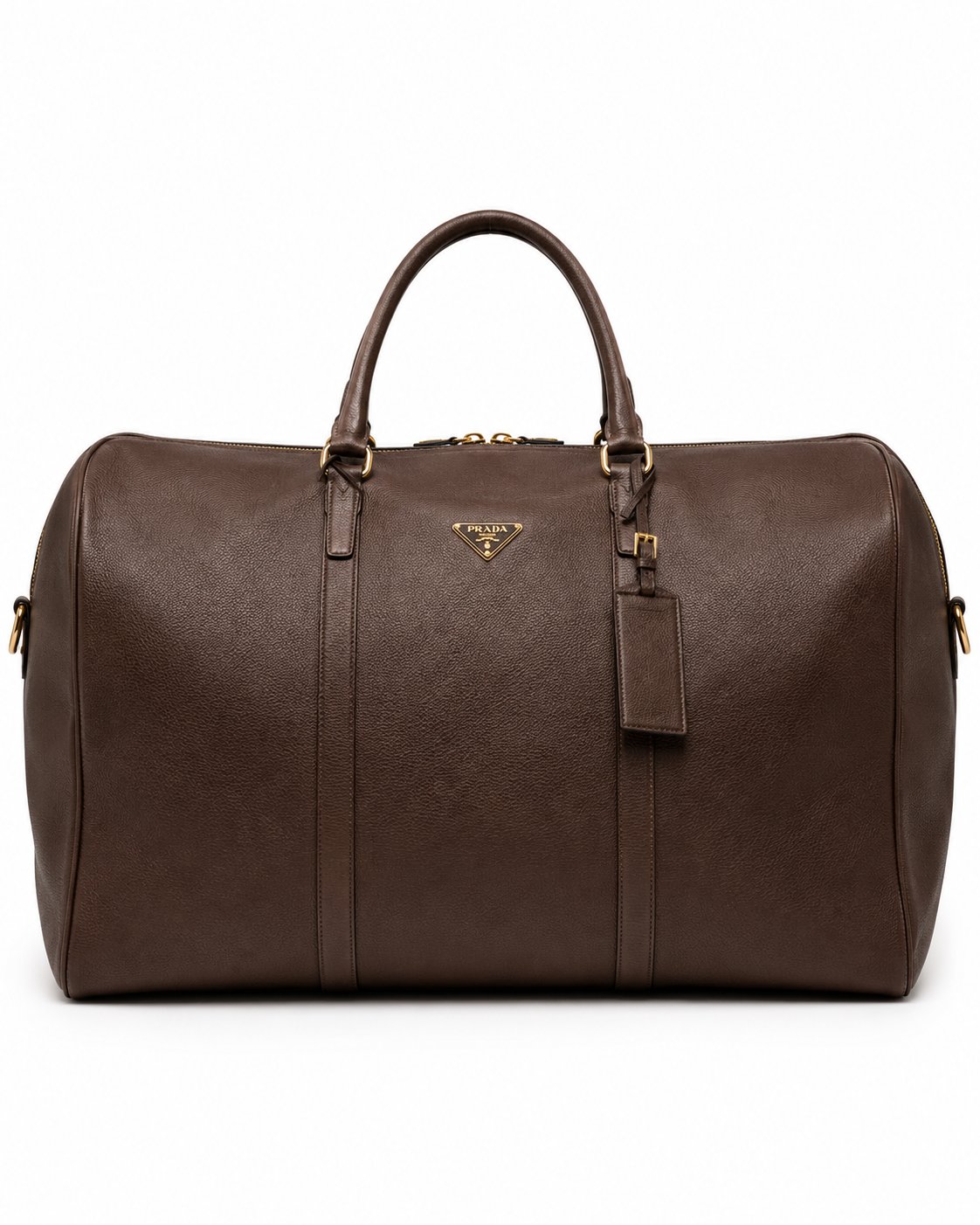
- Dopamine fires for the anticipation of a reward, not the reward itself—so 'wanting' fades fast.
- Hedonic adaptation means your brain re-baselines to any item within roughly 30 days of seeing it.
- Rotating your wishlist and letting items rest restores the novelty spike for free.
- The cheapest cure for wishlist boredom is a fresh tab, not a checkout button.
You added it three weeks ago. It was electric. You checked its little product page like a text from a crush. Now it just... sits there, gray and quiet, like a houseplant you forgot to name. Welcome to the dopamine decay spiral—the perfectly ordinary reason your favorite wishlist item stopped sparking joy, and why the fix has nothing to do with buying it.
THE SCIENCEDopamine is a hype man, not a payoff
Here's the plot twist neuroscientists ruined for all of us: dopamine isn't the chemical of pleasure. It's the chemical of anticipation. Research from Wolfram Schultz's landmark monkey experiments showed dopamine neurons fire hardest when a reward is expected but not yet received. The moment the reward becomes predictable, the signal drops to near zero. Your brain, in other words, is thrilled by the chase and bored by the catch.
Apply that to a wishlist. Day one, an item is a glittering unknown—will you get it? When? What would life look like with it? That uncertainty is rocket fuel. By day thirty, your brain has fully modeled the outcome. There's no surprise left to predict, so the dopamine tap quietly closes. Nothing changed about the product. Everything changed about your prediction of it.
This is why the item you 'must have' feels most alive in the first 72 hours and most inert around the one-month mark. You didn't fall out of love. Your reward-prediction system simply finished its math and moved on to the next open variable.
WHY 30 DAYSHedonic adaptation, the great re-baseliner
Even if you did buy the thing, the news is grim: hedonic adaptation would flatten the thrill anyway. Studies on major life events—new jobs, new homes, even lottery winnings—show that humans return to a stable happiness baseline surprisingly fast. Psychologists call it the hedonic treadmill: whatever you acquire becomes the new normal, and the new normal feels like nothing.
The wishlist just runs a fast-forward version. Because you're mentally 'owning' the item every time you look at it, you burn through the adaptation curve without spending a cent. Around the 30-day window, the item has been imagined into your baseline. Your brain files it under 'already mine,' and mine is never as exciting as maybe.
That's the quietly liberating part. If the joy fades whether or not money changes hands, the purchase was never buying the joy—it was buying the object. On DopamineKart, we skip straight to the object-free version and keep the receipt at a clean $0.
THE FIXRotate, rest, and reintroduce
The cure for a stale wishlist is the same trick museums, streaming services, and good friends use: novelty on a schedule. Archive an item for a few weeks and it re-enters your awareness as almost-new, and the prediction error—the gap between expected and actual—re-fires the dopamine spike. Absence, it turns out, literally makes the neurons grow fonder.
Try a rotation ritual. Move ten items to a 'resting' list, browse ten fresh categories, and let your favorites marinate in the dark. When they resurface, you'll feel a genuine flicker of the day-one buzz. It's the same reason a Chanel — Classic Flap Bag — Black Lambskin hits harder after you've spent a week window-shopping toaster ovens and fantasy villas.
The real skill isn't resisting temptation—it's renewing it. Master the rotation and your wishlist becomes a self-refilling well of small, free thrills, no checkout required, no closet consequences, no regret at 2 a.m.
You didn't fall out of love with the item—your brain just finished predicting it and got bored.
Roughly the window in which a wishlist item slides from electric novelty to background furniture.
Questions people actually ask
Does buying the item actually cure the boredom?
Rarely, and never for long. Hedonic adaptation flattens the thrill whether or not you pay, so the object becomes your new baseline within weeks—same fade, higher bill.
How long should I 'rest' a wishlist item before re-adding it?
Two to four weeks is the sweet spot. Long enough for the novelty circuit to reset, short enough that you still remember why you wanted it.
Is browsing without buying actually good for me?
It captures the dopamine of anticipation—the fun part—without the clutter, debt, or comedown of ownership. That's the entire DopamineKart thesis.
The dopamine decay spiral isn't a flaw to fix—it's a feature to work with. Rotate your favorites, let them rest, and let anticipation do the heavy lifting. On DopamineKart, the cart stays at $0, the thrill stays renewable, and the only thing you ever check out is your own imagination.
DopamineKart is a simulation built for entertainment — not financial, medical, or shopping advice. If you struggle with compulsive spending, please visit nfcc.org.