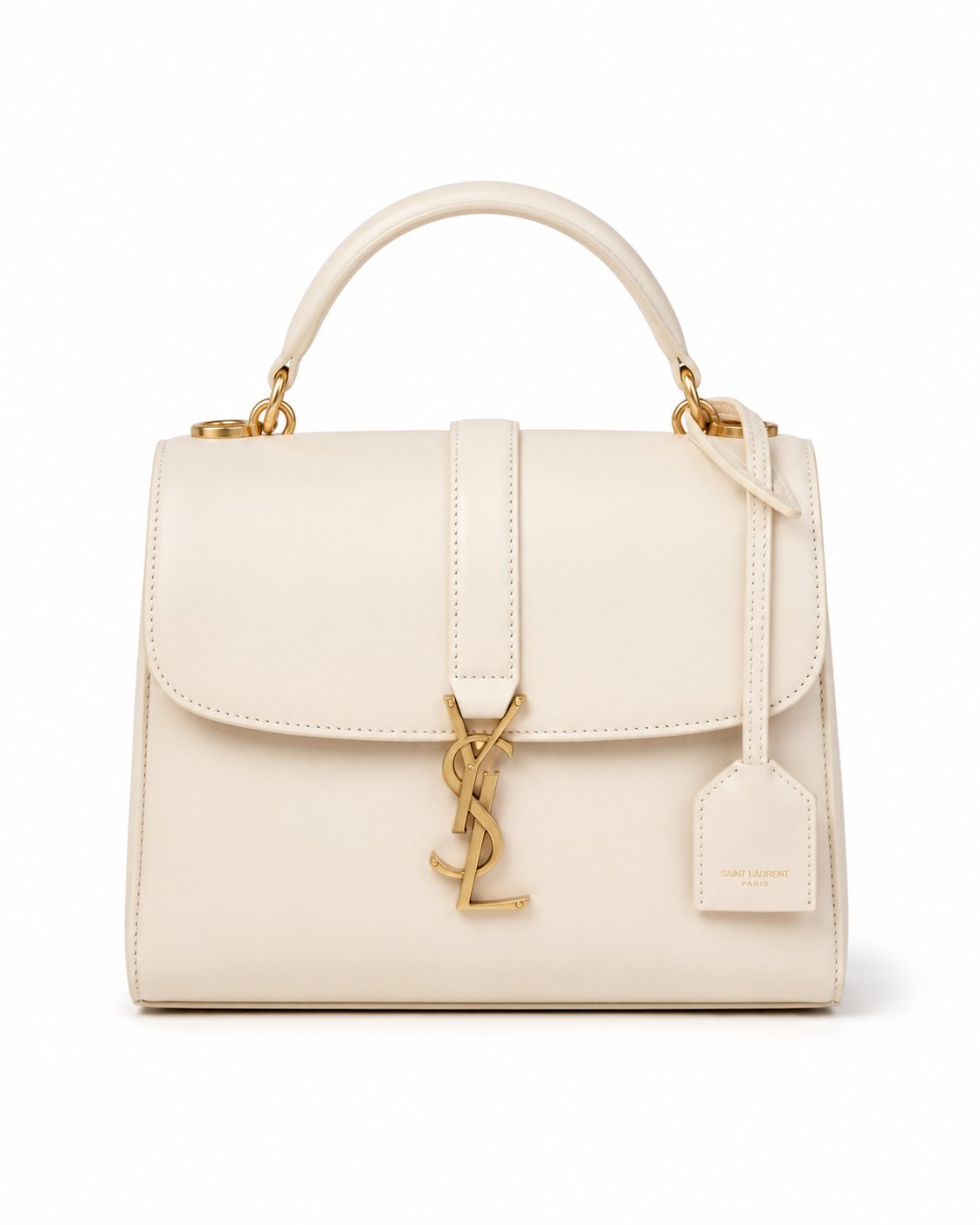
The gist
- The dopamine hit of shopping peaks during anticipation — before the box even arrives, not when you open it.
- Late July sits in a retail dead zone between summer sales and fall drops, starving your brain of new-thing signals.
- Hedonic adaptation means every unboxing high fades faster than the last, driving the 'need' for more.
- Browsing scratches the same anticipatory itch as buying — minus the debt and the doorstep clutter.
Why July 29th Feels Like the Comedown
There's no official holiday for it, but late July is a genuine retail lull. Amazon Prime Day and the mid-summer sales have already come and gone. Back-to-school and fall fashion drops haven't landed yet. Black Friday is a distant rumor. You're standing in the seasonal gap where the delivery trucks slow down and your porch stays suspiciously empty.
For anyone who leaned into summer's 'add to cart' energy — the vacation hauls, the impulse gadgets, the 'it's hot so I need a new everything' purchases — the party's over. The boxes have all arrived. The tissue paper's been recycled. And the brain, which had been happily anticipating the next arrival, suddenly has nothing to look forward to.
That flatness has a name in behavioral terms, and it's not laziness or boredom. It's a measurable dip in your reward chemistry. Your dopamine system got used to a steady drip of incoming packages, and now the drip stopped.
The Dopamine Myth: It Was Never About the Box
Here's the plot twist neuroscience keeps confirming: dopamine is a molecule of anticipation, not satisfaction. Researcher Wolfram Schultz's classic studies on reward prediction showed that dopamine neurons fire hardest when a reward is expected and uncertain — not at the moment you actually receive it. Translation: the peak thrill is the two days you spend tracking the package, refreshing the delivery status, imagining the unbox.
That's why the actual unboxing can feel weirdly anticlimactic. You waited, you wanted, you tore the tape — and within roughly 20 minutes the shiny new thing became just another object you own. The chase was the drug. The catch was the letdown.
This is also why 'buy now, feel nothing later' is such a reliable cycle. The purchase satisfies the anticipation, but ownership doesn't sustain it. Which explains the strange truth: much of what people love about shopping happens before any money is spent, and technically doesn't require spending it at all.
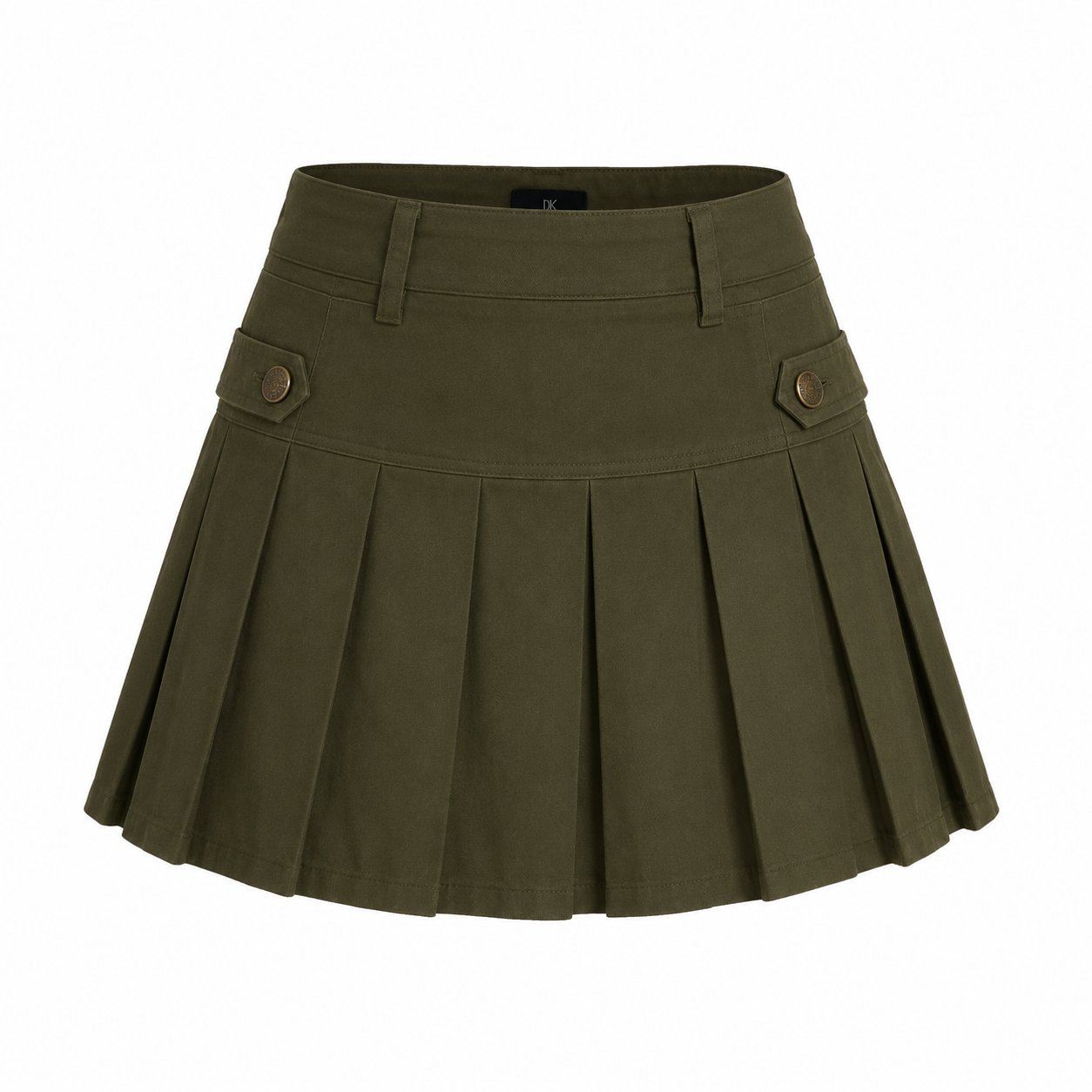
Hedonic Adaptation: The Reason More Never Works
Psychologists call it the hedonic treadmill. Whatever you acquire, your baseline happiness resets to roughly where it was before, and fast. The $480 designer lamp thrills you for a week, then it's just the thing that lights your desk. The next hit has to be bigger, shinier, or more frequent to move the needle at all.
Unboxing season accelerates this. Back-to-back deliveries flood your reward system, so each new arrival lands a little softer than the last. By late July, the tolerance is built. That's why the slump hits hardest for the people who shopped hardest — their brains are recalibrating from a summer-long sugar high.
The uncomfortable lesson: chasing the dip with another purchase is like drinking coffee to cure a caffeine crash. It works for an afternoon and deepens the dependence. The way off the treadmill isn't a better box. It's redirecting the craving somewhere that costs nothing.
The Free Fix: Browse the Want, Skip the Buy
If the high lives in anticipation and not ownership, then the entire pleasure of shopping is technically available to you without checkout. Building a cart, comparing colorways, imagining the thing in your life, reading the specs, adding to a wishlist — that's the dopamine-rich part. The payment screen is just the expensive epilogue.
This is the whole premise of dopamine window-shopping. You get the anticipation, the browsing rabbit holes, the 'ooh, that in that color' spark — and then you close the tab richer than you opened it. Studies on 'imagined consumption' even suggest that vividly picturing owning something can partly satisfy the craving for it, sometimes reducing the urge to actually buy.
Take the Celine Triomphe Digital Desk Clock in black ($890, 4.9★). Genuinely gorgeous — a sculptural little status symbol for a desk that would look great in a photo you'd never take. Add it to a cart. Admire the ratio of price to function. Picture it glowing next to your keyboard. Then check out for $0 and let the anticipation do its job without the aftermath.
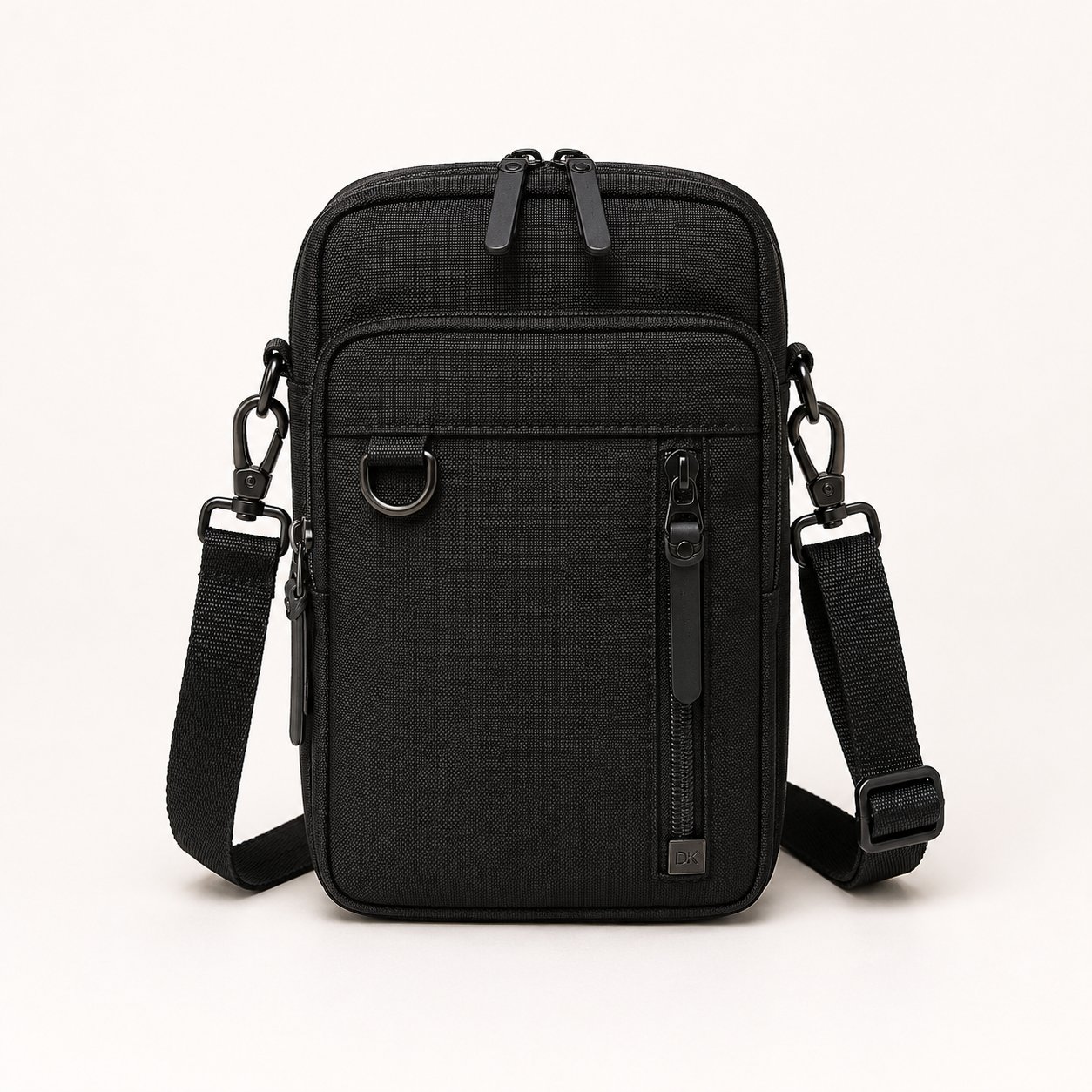
How to Ride Out the Late-July Slump
First, name it. Recognizing that the flatness is a chemistry dip, not a real need for more stuff, defuses a shocking amount of the urge. The feeling is legitimate; the solution it's suggesting ('buy something') is a scam.
Second, replace the anticipation source. Dopamine loves novelty and looking-forward, so give it a free one: plan a trip you may not take, browse a car you'll never park, curate a fantasy wardrobe. The brain doesn't strongly distinguish between real and imagined anticipation — that's the whole exploit.
Third, wait out the calendar. The lull is temporary. Fall drops, back-to-school sales, and the long march toward Black Friday will restart the delivery-truck rhythm soon enough. The goal isn't to never enjoy shopping again — it's to make it through the dead zone without a garage full of regret.
The chase was the drug. The catch was the letdown. So keep the chase, drop the catch — and check out for zero.
Questions people actually ask
Is the shopping dopamine dip a real thing?
The specific date is playful, but the mechanism is real. Dopamine spikes during anticipation and fades after acquisition, so a summer of frequent deliveries can leave a genuine reward-system lull when the packages stop.
Why does buying something new stop feeling good so fast?
Hedonic adaptation. Your baseline happiness resets after any purchase, usually within days, which is why the same-sized thrill requires bigger or more frequent buys over time.
Can browsing without buying actually satisfy the urge?
Often, yes. Since the reward mostly comes from anticipation and imagined ownership, curating carts and wishlists can scratch the itch — no charge, no clutter.
When does the late-July slump usually lift?
Once fall retail cycles kick in — back-to-school, autumn fashion drops, and the Black Friday runway — the steady stream of new-thing anticipation returns.
More dopamine · zero checkout
The DopamineKart verdict
The July 29th slump isn't a signal to buy more — it's proof your brain misses the anticipation, not the objects. On DopamineKart you can chase that feeling all you like: fill the cart, admire the $890 clock, dream up a whole new life. Then check out for $0 and let the wanting be the reward.