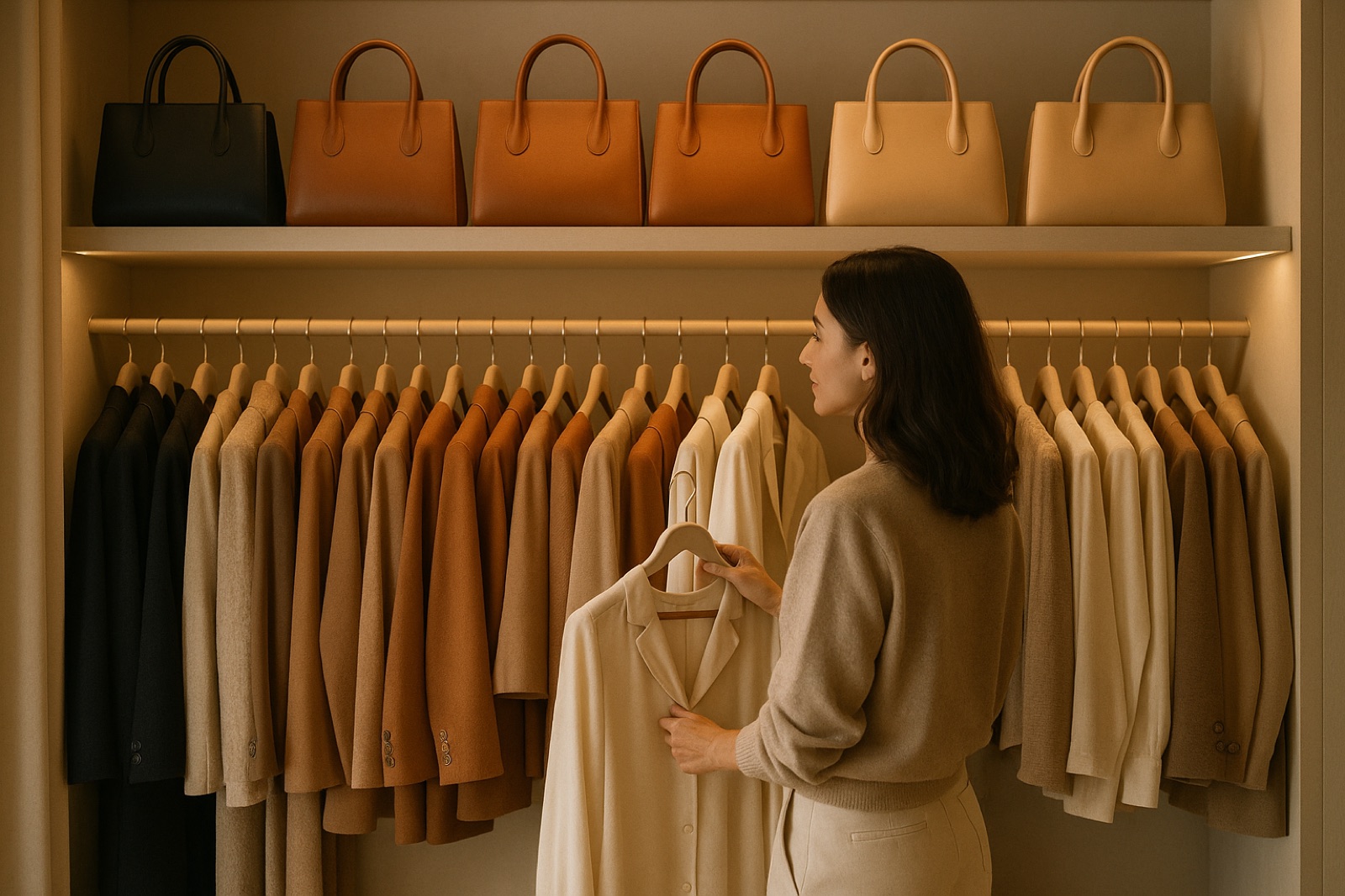
Somewhere right now, someone is adding a $2,050 hobo bag to a cart they will never check out. They've spent forty minutes zooming into stitching, reading reviews they don't need, imagining an outfit for an event they're not attending. Then they close the tab, satisfied, richer by zero dollars and zero regrets. This is not a failure of self-control. This is a whole psychological genre, and it has a name.
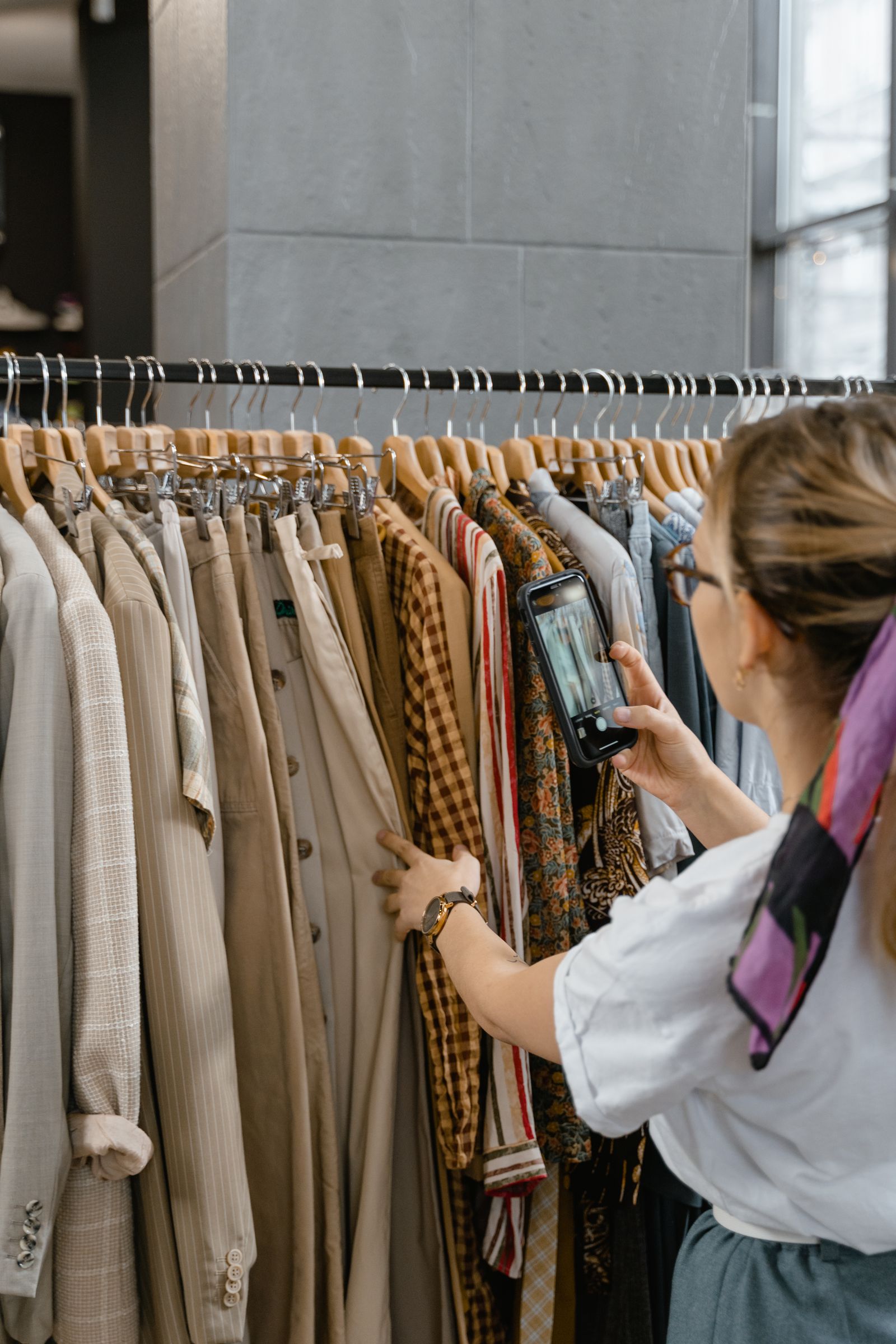
THE SCIENCE OF WANTINGYour Brain Doesn't Know the Difference Between Buying and Browsing
Dopamine, despite its reputation as the 'reward chemical,' actually spikes hardest during anticipation, not acquisition. Neuroscientist Kent Berridge's research on 'wanting vs. liking' shows the anticipatory circuitry lights up when you see a desirable object and imagine possessing it — the purchase itself is almost anticlimactic by comparison. Scrolling a Saint Laurent Le 5 à 7 Hobo Bag in Black and picturing it slung over your shoulder in some imagined Parisian errand-run activates nearly the same reward pathway as actually owning it.
This is why 'window shopping' has survived every retail revolution intact. It's not a lesser version of shopping — for many people, it's the good part, minus the credit card statement. Add algorithmic curation (endless scroll, personalized recommendations, 360-degree product views) and you've built a dopamine loop that never needs a receipt to feel complete.
Retail researchers have a term for this: 'hedonic browsing.' Studies on consumer behavior consistently find that browsing alone — no purchase intent required — reduces measurable stress markers and boosts mood, similar to how people 'window shop' vacation listings they'll never book.
THE MEANING BEHIND THE MOODBOARDYou're Not Shopping For Your Closet. You're Shopping For Your Future Self.
Consumer psychologists describe this as 'aspirational identity construction.' When someone builds an imaginary wardrobe stacked with an Adder Error Clean-Boot Oxford shirt, a Cropped High-Neck Jacket, and a Gucci duffle for a trip they haven't planned, they're not shopping for their actual life — they're rehearsing a version of themselves. It's identity play with zero financial exposure, the same instinct behind Sims character customization or Pinterest 'dream home' boards.
There's also a well-documented phenomenon called the Diderot Effect, named after the 18th-century philosopher who bought one fancy robe and then felt compelled to replace his entire household to 'match' it. Fantasy wardrobes accelerate this spiral harmlessly: one imagined Faceted Mirror Minaudière clutch in silver suddenly demands an entire imagined outfit worthy of holding it. In real life, that spiral costs money. In a browsing session, it costs nothing but time — and it's arguably more fun, since you can go as absurd as you want without consequence.
This is also why luxury brands invest so heavily in storytelling, not just product shots. A bag isn't a bag; it's a scene, a lifestyle, a plausible alternate timeline. Fantasy shoppers are essentially co-writing that fiction for free, and enjoying every draft.
THE HARMLESS INDULGENCEWhy 'Never Buying' Might Be the Healthiest Part
A 2022 Credit Karma survey found that a majority of Gen Z and millennial shoppers admitted to keeping items in online carts for weeks or months with no intention of purchasing — essentially treating checkout pages as digital mood boards. Financial therapists increasingly frame this as a healthy substitute for impulse spending: the ritual satisfies the craving for novelty and self-expression while the wallet stays untouched.
There's a real behavioral economics case here too. 'Decision fatigue' and 'choice overload' are well-studied stressors — but fantasy shopping strips away the anxiety-inducing part (will I regret this? can I return it?) and keeps only the pleasurable part (ooh, what if?). It's shopping with the consequence surgically removed, which is exactly why it feels lighter than the real thing.
This is the entire premise behind DopamineKart: an endless, gorgeously photographed catalog — from a $145 Adder Error quarter-zip to a $2,900 Gucci duffle — built specifically so you can indulge the fantasy wardrobe instinct at full volume, then check out for exactly $0. No guilt, no debt, no donation pile in three months. Just the browse, which was the good part all along.
Your brain doesn't reward the purchase — it rewards the anticipation, which means the fantasy closet was never the consolation prize. It was the prize.
Surveys on online shopping behavior consistently find that a large majority of shoppers leave items in carts long-term with no intent to buy, using them as personal wishlists rather than purchase queues.
Questions people actually ask
Is fantasy shopping a sign of a spending problem?
Not usually — most research links it to healthy stress relief and identity exploration, distinct from compulsive buying disorder, which specifically involves actual repeated purchases and financial harm.
Why do people screenshot or save items they'll never buy?
It's a form of self-expression and memory-keeping, similar to a mood board — the item represents a taste or identity marker worth revisiting even without ownership.
Does virtual browsing reduce real overspending?
Some financial counselors suggest it can act as a 'release valve,' letting people satisfy the urge to shop without the follow-through, though results vary by individual spending habits.
The fantasy wardrobe was never about the closet — it was about the twenty minutes of imagining a life that fits a little more interestingly than your actual Tuesday. Come build yours on DopamineKart, stack it with hobo bags and cargo skirts and satin garters you'll never own, and check out for $0. The browsing was always the whole point.
DopamineKart is a simulation built for entertainment — not financial, medical, or shopping advice. If you struggle with compulsive spending, please visit nfcc.org.