The gist
- The 'Dopamine Deficit Audit' has Gen Z filming their most boring possessions — chargers, one sad spoon, expired coupons — to prove ownership ≠ joy.
- The trend is accidentally a masterclass in hedonic adaptation: the psychological reason your once-exciting purchases feel like beige furniture within weeks.
- It's less anti-shopping than it looks — the wanting is the fun part, which is exactly why free browsing hits different.
- You can conduct the entire audit and 'buy' the dopamine fix for $0.
What the 'Dopamine Deficit Audit' Actually Is
The format is brutally simple. A creator opens a drawer, a cabinet, or a backpack, and narrates every item like a coroner: 'Charger — dead. Water bottle — has strap, no bottle. Loyalty card for a café that closed in 2023.' The punchline arrives at the end: 'And not one of these things makes me feel anything.'
By late July 2026 the audits had racked up hundreds of thousands of clips under variations of #DopamineAudit and #JoylessInventory. The genre thrives on relatability — nobody's filming their dream closet, they're filming the junk drawer. The more mundane the item, the higher the engagement, because the whole thesis is that mundane is the default state of everything you own.
It's essentially the anti-haul. Where a traditional unboxing sells you the fantasy that this next thing will finally do it, the audit is the six-months-later sequel where the thing is now just a thing on a shelf.
The Real Science: Hedonic Adaptation, Explained
There's a legitimate psychological engine under the meme, and it has a name: hedonic adaptation. Coined and studied heavily by researchers including Sonja Lyubomirsky, it describes our tendency to return to a stable baseline of happiness after both positive and negative events. That handbag that thrilled you in the checkout line becomes visual wallpaper within weeks.
Dopamine gets misunderstood here. It's not really the 'pleasure chemical' — neuroscientist Robert Sapolsky and others have shown it spikes in anticipation of a reward, not on receiving it. Translation: the dopamine hit lives in the wanting and the browsing, and largely evaporates once you own the object. Gen Z's audit is unknowingly documenting the aftermath of that crash.
This is why the audit feels so bleak but rings so true. Your stuff isn't failing you; your brain is doing exactly what it evolved to do — resetting the goalposts so you keep hunting. The trick isn't owning more. It's understanding that the joy was mostly in the chase.

Why the Boring Items Get the Most Views
Algorithmically, the audit is a perfect trap. A charger cable is universally recognizable, so the viewer instantly co-signs. That flicker of 'wait, I own the exact same joyless spoon' is the engagement — recognition, not aspiration.
It also flips the aesthetic economy of TikTok. For years the platform rewarded curated maximalism: shelfies, 'clean girl' vanities, restocking videos with satisfying pours. The audit is the burnout response — a permission slip to admit that the aesthetically pleasing haul is now clutter you resent slightly.
And crucially, it's cheap content. No purchases required, no lighting kit, no brand deal. The audit costs the creator nothing but honesty, which is why it spreads faster than anything that requires actually buying something.
The Plot Twist: This Trend Loves Shopping
Here's the delicious contradiction. The comment sections under audit videos are not filled with people vowing minimalism. They're filled with people naming the one thing they think would break the cycle: a specific bag, a specific serum, a specific pair of silver boots. The audit doesn't kill desire — it clears the deck so a fresh want can move in.
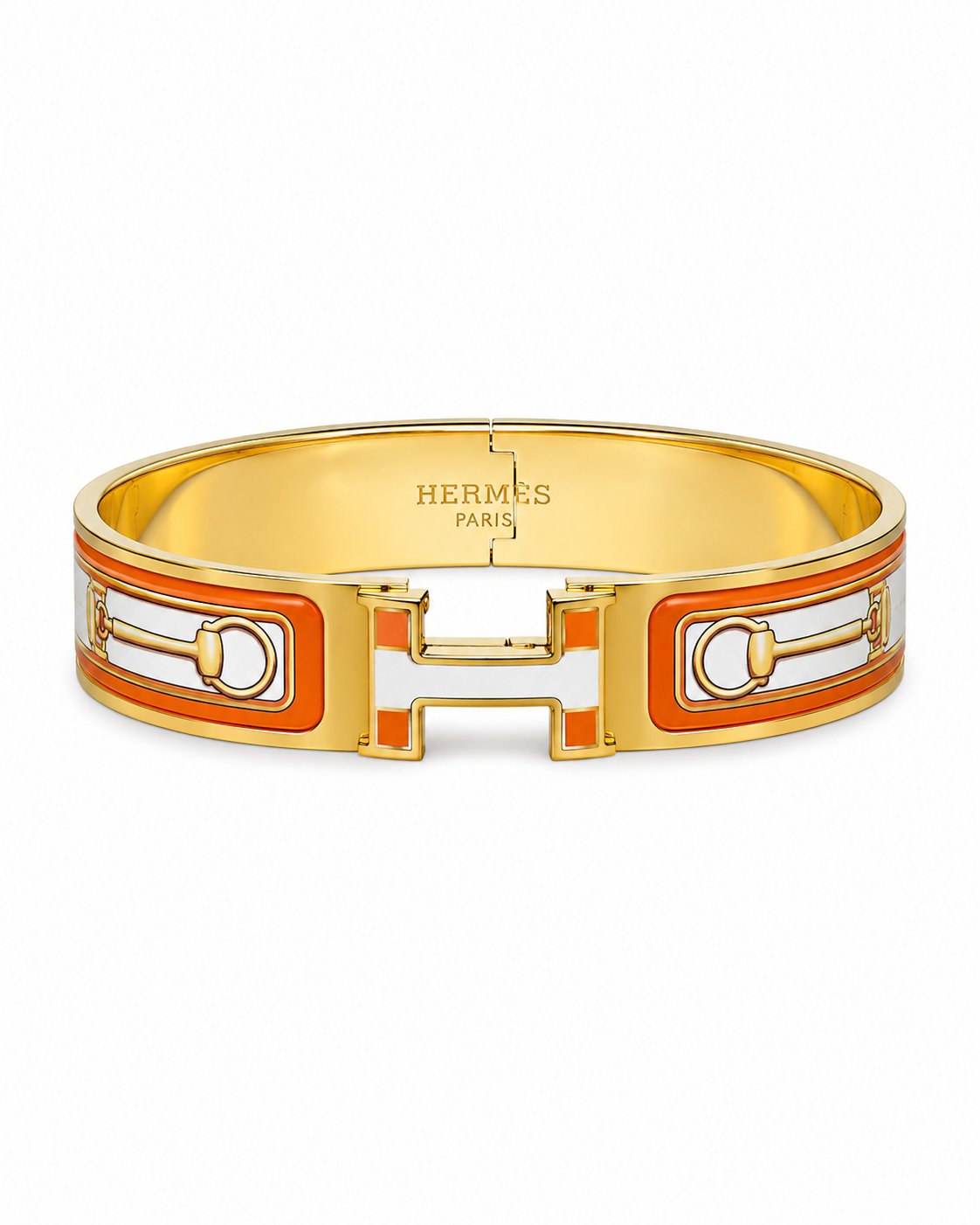
Which is the whole point of anticipatory dopamine. If the fun is in the wanting, the smartest move isn't to stop wanting — it's to stop paying $4,300 to confirm what your brain already told you (that the high fades in a fortnight). Browse the Louis Vuitton Idylle Blossom Diamond Bracelet, feel the full spike, add to cart, and then close the tab a genuinely happier and richer person.
That's the DopamineKart loophole. You get the anticipation — the best-tasting part of the reward cycle — without the hedonic hangover of a drawer that will, inevitably, be starring in your own audit by autumn.
How to Run Your Own Audit (Then 'Fix' It for Free)
Step one: film your dullest drawer and narrate it honestly. The goal isn't shame — it's noticing how many objects you fought for that now register as nothing. That's your baseline, doing its baseline thing.
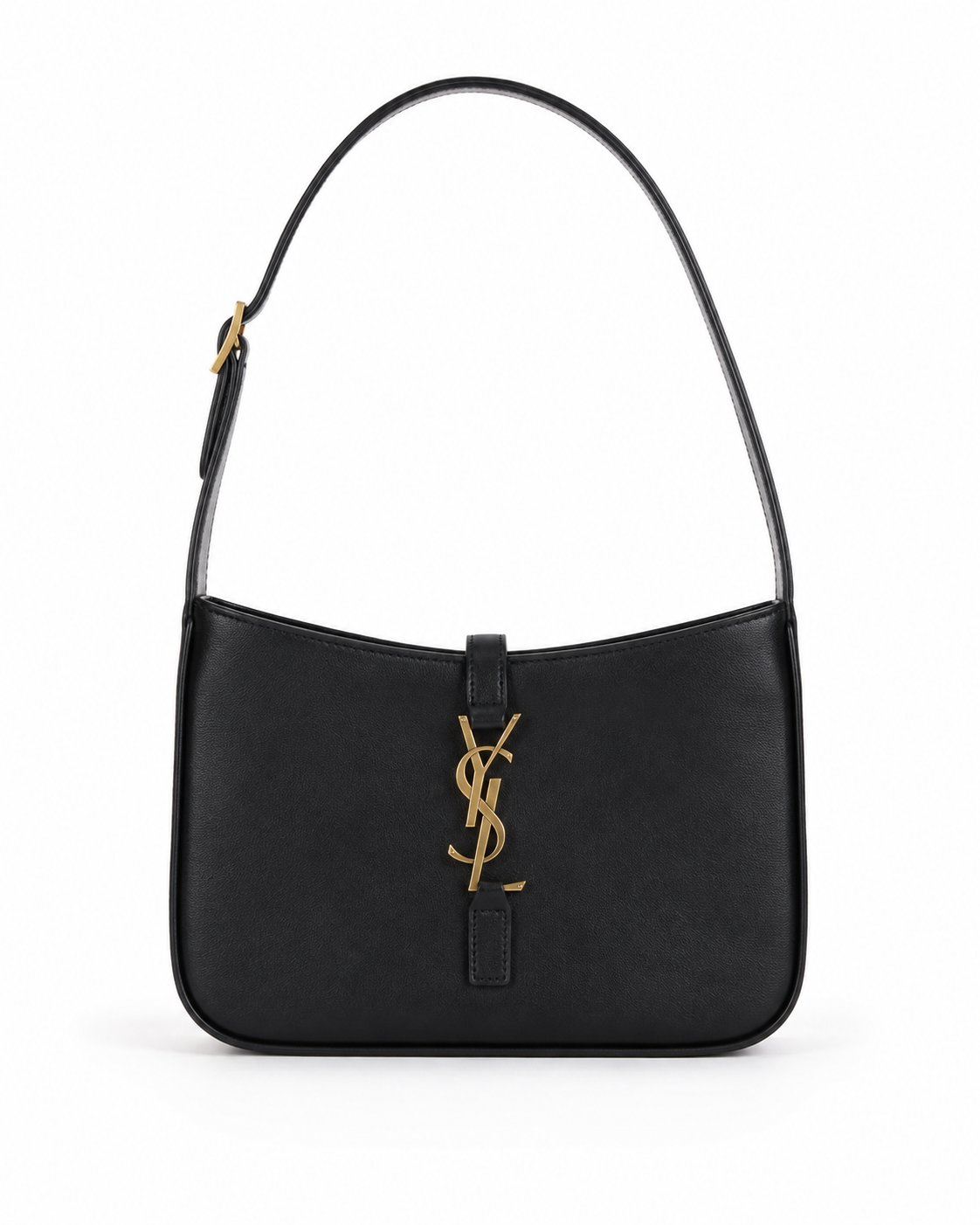
Step two: instead of the anti-consumerist guilt spiral, run the experiment forward. Pick the object you're convinced would end the deficit. Browse it in full detail. Feel the spike. Notice that it feels exactly as good as it's going to feel — because peak dopamine is right now, in the wanting.
Step three: check out for $0. You've extracted the entire emotional payload of the purchase and skipped the part where it becomes tomorrow's joyless inventory. Congratulations: you've audited the deficit and refused to fund it.
The audit doesn't prove your stuff is broken — it proves the joy was always in the wanting, which is the one thing you can have for free.
Questions people actually ask
Is the Dopamine Deficit Audit anti-shopping?
On the surface, yes. But the comment sections are full of people naming their next desired purchase — proof the trend clears out old wants to make room for new ones rather than ending desire altogether.
What is hedonic adaptation?
It's the well-documented tendency to return to a stable happiness baseline after both good and bad events. It's why a purchase that thrilled you becomes emotionally invisible within weeks.
Does dopamine actually cause the happiness we feel from buying things?
Not exactly. Research suggests dopamine spikes mainly in anticipation of a reward, not on receiving it — meaning the biggest hit happens while you're browsing and wanting, not once you own the item.
How do I do my own audit?
Film your most boring drawer, narrate every item honestly, then pick the one thing you think would fix the deficit — and browse it fully instead of buying it.
More dopamine · zero checkout
The DopamineKart verdict
The Dopamine Deficit Audit accidentally cracked the code: nothing you own makes you happy because the joy was always front-loaded into the wanting. So want everything, spike freely, and let your cart do the emotional labor. Browse it, feel it, check out for $0 — and keep your drawer off next season's audit.